431. My Creative Heroes

Creative people are fun, quirky, smart, and responsible for most of the entertainment in my life. (The rest of it comes from acting silly in public to make my younger brother uncomfortable.) I have many creative heroes: people I know personally, people on the Internet, and professionals in the media.

Today’s post honors three of my creative heroes, one each from the media of film, video games, and literature. I admire and respect the heck out of these people. If I were the sort of person who cries and gives hugs, I would embrace these heroes of mine and weep tears of joy and gratitude. I’m not, however, so instead I’ll ramble about them, because rambling is what I do.

John Lasseter

[Update: I wrote this post long before the #MeToo movement exposed Mr. Lasseter’s history of sexually harassing coworkers and others. While I admire his creative genius, I hasten to add that success and talent are never acceptable excuses for being a sleazebag.]

I considered naming Hayao Miyazaki one of my creative heroes, but this brilliant Japanese filmmaker is also demanding and grouchy: not qualities I admire in anyone, creative or not. John Lasseter, like Miyazaki, is a legend; unlike Miyazaki, he seems like a nice human being.
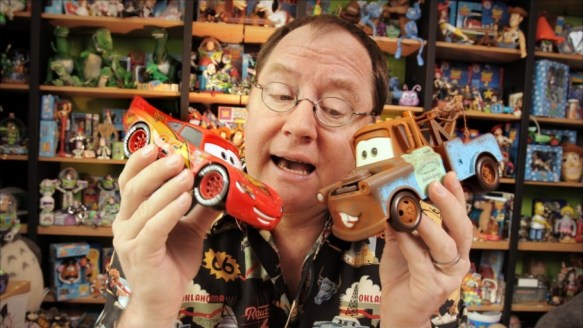
John Lasseter

Lasseter’s career is one of the most incredible rags-to-riches stories I know. As a boy, he dreamed of working for Disney as an animator. He achieved his dream—only to be fired after just a few years. His mistake was annoying his superiors by experimenting with a brand-new form of art: computer animation.

Heartbroken, Lasseter drifted to a division of Lucasfilm, which later became an independent company called Pixar Animation Studios. (You may have heard of it.) For a decade, Pixar pioneered computer animation with masterpieces like Toy Story and its sequel, both of which Lasseter directed.

It seems strange to us nowadays, as we enjoy terrific films like Wreck-It Ralph and Zootopia, but just ten years ago Disney’s animation studios were stuck in a losing streak. Their films found neither commercial nor critical success, and their fans yearned for the good old days of Beauty and the Beast and The Lion King. Disney, the most successful animation company in history, had sunk to the unimaginable low of mediocrity.

Faced with this crisis, Disney’s newly-appointed CEO, Bob Iger, did the only sensible thing: oversee Disney’s purchase of Pixar, and then put Lasseter and his colleague Ed Catmull in charge of basically everything. After more than twenty years, John Lasseter returned to the studio that had fired him—as its chief creative officer. His employees welcomed him with cheers and applause.

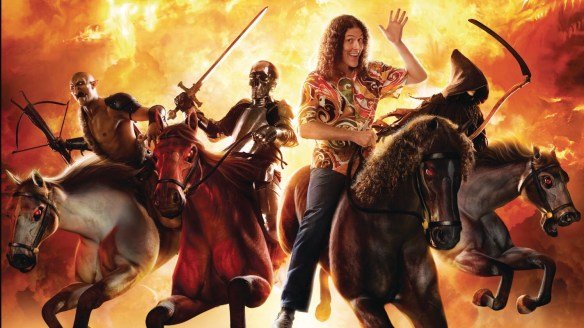
In the following years, Lasseter renamed and restructured Disney’s main animation studio, canceled cash-grab projects and lazy sequels, and oversaw the release of superb films from both Disney and Pixar: all while wearing colorful Hawaiian shirts.

I admire John Lasseter for his creative vision, which blends an appreciation for tradition with a dedication to cutting-edge innovation. Mr. Lasseter emphasizes teamwork, strives for quality in art and storytelling, and seems like a genuinely nice guy. He’s one of my heroes, and a colorful one at that.

Shigeru Miyamoto

Several decades ago, the president of a company on the verge of financial collapse made a desperate plan to salvage unpopular hardware. He tasked a young employee named Shigeru Miyamoto with creating a new game for old arcade units. That game was Donkey Kong, that company was Nintendo, and that employee went on to create Mario, The Legend of Zelda, and many of the greatest video games ever made.
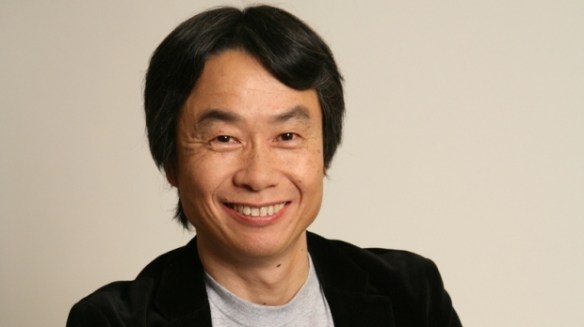
Shigeru Miyamoto

Nintendo is awesome, and Shigeru Miyamoto is the genius behind many of its successes. Many of the turning points in the history of video gaming hinge on Miyamoto’s games. Donkey Kong established the platforming genre. Super Mario Bros. helped save the video game industry after it crashed in the eighties. Super Mario 64 and The Legend of Zelda: Ocarina of Time pioneered movement in a virtual 3D space, and the Wii experimented with motion control.

Miyamoto has helped shape the video game industry for nearly four decades, but you wouldn’t guess it to look at him. He’s a mild gentleman who enjoys music and gardening, and walked or biked to work until his company pressured him for his own safety to drive. For a creative visionary, he seems entirely down to earth.

Nowadays, Miyamoto is more of a creative consultant for Nintendo than a game designer. He is notorious for “upending the tea table” during game development, flipping design concepts on their heads. (His suggestions are game-changing, so to speak.) Miyamoto seems like Nintendo’s idea guy, stepping in when a development team needs a boost.

I admire Miyamoto’s design philosophy: he values fun over fancy graphics or technical intricacy. Most of his games are based on his own life experiences, from exploring woods and caves as a child to gardening as an adult. (He even made a game inspired by his attempts to lose weight!) His work is colorful, charming, fun, and friendly. Nintendo is basically the Pixar of the video game industry, and Miyamoto-san, like Pixar’s Mr. Lasseter, is one of my heroes.

J.R.R. Tolkien

Of course this man is one of my creative heroes. Really, they don’t get any more creative than J.R.R. Tolkien. The man created an entire world—an earth with its own geography, mythology, languages, cultures, genealogies, and thousands of years of history—and he did it in his spare time.
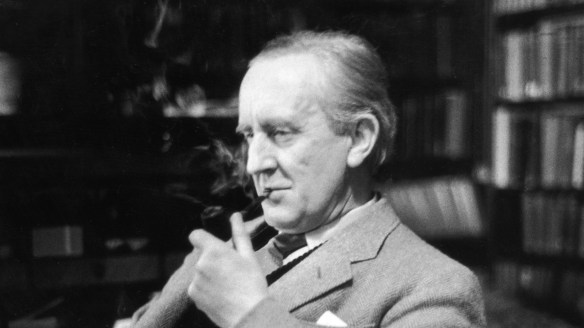
J.R.R. TolkienLong before he published The Lord of the Rings, Tolkien was a noted academic renowned for his groundbreaking work in literary criticism. He lectured, graded papers, translated old texts, published books, raised a family, and still found time somehow to create his own vast, private, intricate mythology.

Tolkien was irrepressibly creative. For example, every year his children wrote to Father Christmas, aka Santa Claus—and, incredibly, Father Christmas wrote back. For twenty-two years, Tolkien played the role of Father Christmas to amuse his kids: writing and illustrating stories about his misadventures at the North Pole. These letters were published as a children’s book after Tolkien’s death; I’ve read them, and and they’re delightful. Even in his little pet projects, Tolkien’s creativity and cleverness were astounding.

Of course, Tolkien’s greatest project of all was Middle-earth and its stories, the most famous of which is The Lord of the Rings. The sheer size and intricacy of Tolkien’s world is astounding; by some estimates, it’s the largest and most complex ever created by a single person in all of human history. Tolkien’s influence on literature and pop culture is literally incalculable.

In his vast mythologies and in his little stories for children, at work and at home, J.R.R. Tolkien was incredibly creative, and he’s one of my heroes.

Whew! That was a long post. What can I say? Creative people inspire me!

Who are your creative heroes? Let us know in the comments!
430. Revelation Is a Weird, Weird Book

Donald Trump is all over the news these days. He reminds me of the book of Revelation, and of the end of the world.

Nah, I’m just kidding. When the author of Revelation described trumps resounding, I doubt he had this particular Trump in mind. Then again, maybe he did. It is a weird book.

Revelation

Brace yourself. Things are about to get weird.

A high school teacher of mine once declared, “I hope this doesn’t offend anyone, but Revelation almost makes me wonder if John was tripping on something when he wrote it,” or words to that effect.

Revelation is a bizarre book, full of visions that seem more like hallucinations. A closer look reveals something even stranger. Revelation is a bit like Frankenstein’s monster: a book stitched together from bits of other books. It combines concepts and images from Old Testament prophets like Ezekiel, Daniel, and Zechariah with New Testament events such as the life of Christ and the spread of the Christian Church.

Revelation is weird, man.

The book is a bizarro mixture of warnings, prophecies, and visions, practically all of which are incredibly vague, and some of which are just weird. There are plagues, earthquakes, beasts, angels, demons, and locusts with human faces and scorpion stings. (I’m not making up that last one, I swear.)

La Virgen

This statue from my hometown of Quito represents a vision in Revelation.

Opinions on Revelation are extremely divided. Some interpret these visions and prophecies as literally as possible, which is the basis for the Left Behind books. (They’re pretty terrible.) Others believe the visions are somehow symbolic of world events. A few lunatics believe the mystical “secrets” of Revelation can be somehow “unlocked,” which is rubbish.

I have no idea how to interpret Revelation, but the most sensible theory I’ve read is that its visions and prophecies applied not to events in our own future, but to events that occurred nearly two millennia ago. According to this view, Revelation prophesied imminent events such as the Siege of Jerusalem in 70 AD. This theory isn’t perfect, but it seems more rational than most of the ideas floating around these days.

Of course, there’s more to Revelation than its unanswered questions. Certain elements of Revelation have captured imaginations everywhere and left a huge cultural impact.

Consider the number 666. “This calls for wisdom,” wrote the author of Revelation. “If anyone has insight, let him calculate the number of the beast, for it is man’s number. His number is 666.” Many have tried to solve this riddle, but none have figured it out.

The best theory I’ve heard, based on established traditions of biblical numerical symbolism, is that it represents someone who challenges the sovereignty of God. The number three represents God, who is three Persons, and the number seven symbolizes perfection. The number 666 (three sixes) represents an imperfect trinity that falls short of perfect divinity.

Nowadays, the number 666 is used mostly in horror movies and stuff. Superstitions surround the number to a point at which some people are a little scared of it. This fear is called hexakosioihexekontahexaphobia. (Seriously, I’m not making this up.)

Another popular image from Revelation is the Four Horsemen of the Apocalypse. These bringers of divine judgment ride differently-colored horses and are widely believed to represent cataclysmic events. The riders of the white, red, black, and pale horses are thought to symbolize conquest (or possibly plague), war, famine, and death, respectively.

Alpocalypse

The Four Horsemen of the Apocalypse, more or less.

The Four Horsemen have been embraced by pop culture, even becoming characters in superhero comics. (Heck, the trailers for the next X-Men movie suggest the Horsemen will make an appearance.) There are even unofficial My Little Pony versions of the Horsemen, because this is the Internet.

Revelation is full of weird images and intriguing concepts, but the note on which it ends is a hopeful one. The final chapters of Revelation paint a picture of a world no longer broken, but restored and renewed. God wipes away the pain, the injustice, the suffering. He makes things right.

The older I get, the more I see the brokenness of the world. In my twenty-something years, I’ve glimpsed the sickening realities of poverty, abuse, depression, mental illness, and addiction—and God only knows what horrors I haven’t seen. It makes me long for everything to be fixed.

This brings me to a song. It is, honestly, the most beautiful song I know. No song in the universe stirs my soul quite so deeply as Michael Card’s “New Jerusalem.” It makes me long for a time when there will be no more hunger, no more child soldiers, no more senseless massacres, and no more pain.

That is the great message of Revelation, which not even its weirdest visions can eclipse: God will someday set things straight.

Geeks Vs. Nerds: A Dorky Comparison

Geek vs. nerd

Comic by Brian Gordon.

I am not a nerd. (At any rate, I like to think so.) I am, however, a dedicated geek. The difference is neatly explained in the comic above. I knew it already, but then I’m totally a dork, so that’s no surprise.

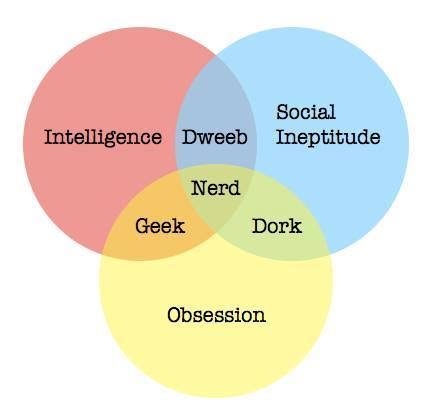
In another attempt to define the differences between such labels, some well-meaning nerd (or possibly dweeb) made the following diagram:

Nerd venn diagramAlthough the diagram was (presumably) made as a joke, it offers unexpected insight. Geeks, nerds, and their ilk are fascinating creatures. They are frequently lumped together in the same sociocultural category, but their differences are worth exploring.

By the way, did you notice that in the last panel of the comic above, the word preferred is misspelled? You didn’t? Huh. Maybe I am a nerd after all.

429. The Introvert’s Guide to Surviving Other People

A coworker recently told me that his fiancée sleeps at parties. Instead of socializing, she finds a sofa and takes a nap.

“That’s a good strategy,” I declared, nodding my approval. “I’ll have to remember that one.”

My own strategy for social events is to search for coffee. (Yes, I’m serious. No, I don’t have a problem.) Having a plan for unfamiliar or uncomfortable situations gives me a sense of structure and predictability. I hate standing around awkwardly with nothing to do. When I have a purpose, such as finding the nearest coffeepot, I feel less self-conscious and more in control of my circumstances.

Besides, I really like coffee. Its warm strength is the best kind of moral support, as it is written in Scripture: Coffee is our refuge and strength, a very present help in trouble. (I may have taken slight liberties with the original verse.)

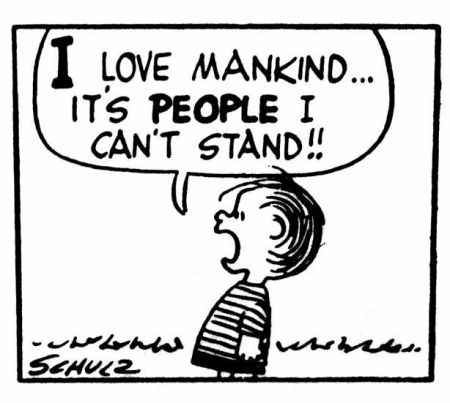
I don’t care much for social situations. I am an introvert, which is a fancy way of saying I like being alone. This doesn’t mean I dislike my fellow human beings. Like Linus from the Peanuts comic, I love humankind.

It’s people I can’t stand.

People I can't standNah, I’m only joking. I like people just fine. (Well, I like some people just fine.) Introverts aren’t necessarily shy or antisocial. We’re simply exhausted by spending time with other people. We recharge by being alone.

Of course, being alone isn’t always an option. It is for times such as these that introverts develop strategies for survival, or else suffer self-consciously through awkward social events.

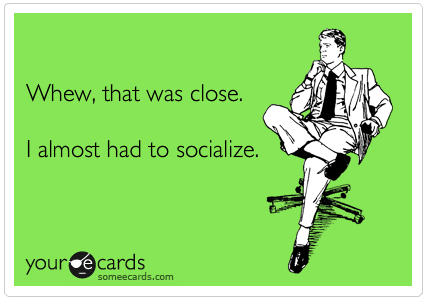
Almost had to socialize...

After years of weddings, parties, dinners, church gatherings, small groups, and miscellaneous events, I’ve picked up a few tricks. Here are a few strategies to help introverts survive painful social obligations.

  • Find that one person with whom you feel comfortable, and try to start a long discussion. With a bit of luck, you’ll be able to while away the time in comfortable conversation. This one is great for family gatherings, but useless at events where you don’t know anyone.
  • Find the hosts and offer to help with the event. If you set up chairs, serve food, wash dishes, or seem busy in some other way, other people are less likely to pester you. By helping you give yourself a defined purpose, make a good impression, and benefit others. You also give yourself an excuse not to linger in idle chatter or awkward silences!
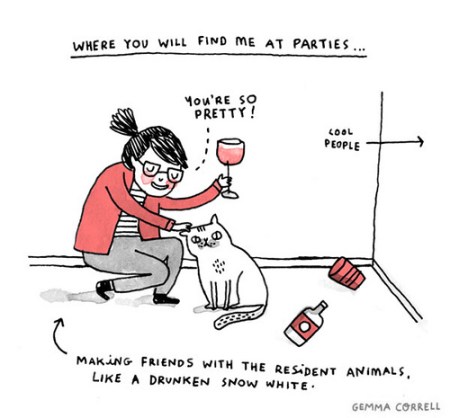
  • Meet the local wildlife. This crafty blogger spends parties with the resident pets, leaving the cool people to do… whatever cool people do at parties. Heck if I know.

Drunken Snow White

  • Find something to do with your hands. For an introvert, the worst part of social events can be having nothing to do. Grab a plate of food. Bring a pen and doodle on the napkins. Learn a few papercraft tricks before the event, and wow everyone by turning those napkins into little birds or tuxedos. At social events, I try to keep at least one hand occupied with a drink, preferably coffee.
  • Don’t be afraid to excuse yourself early by saying, “I’m afraid I have plans after this.” It’s an important-sounding excuse, and you don’t have to tell anyone that your plans are to go home and read a book.
  • Plan to treat yourself to something nice after the event, and keep reminding yourself of that plan. Maybe you’ll grab a milkshake on the way home, or take a bath, or watch some Netflix. Look forward to something.

Whatever else you do, always be friendly and polite! You may feel exhausted, anxious, or simply irritated, but a grouchy attitude won’t fix anything.

Well, I’m going to look for some coffee.

428. An Open Letter to Hollywood 2: The Sequel

Dear Hollywood Executives,

I know you’re all very busy, so I’ll try to keep this short. It’s been a while since my last letter, which I assume you all read, and another one is due. Consider it a sequel.

You’ve made a few small improvements since my last letter. For example, you actually made a Deadpool movie. I haven’t seen it, but I’ve heard it’s pretty good. (I’ve also heard that it’s extremely vulgar, but Deadpool’s gotta Deadpool, I guess.) So many superhero movies are all doom and gloom, because, y’know, heaven forbid comic-book stories be fun for anybody. Irreverent takes on the genre like Deadpool and Marvel’s Guardians of the Galaxy are a welcome change. It’s okay for superhero movies not to take themselves so seriously. We don’t mind, honest!

Speaking of superhero movies, can we get a bit more diversity? Please? Take the Avengers, otherwise known as the League of White Guys. (They have only one female member: a token femme fatale with no superpowers.) I don’t read Marvel comics, but I know they feature more than white dudes. I don’t have anything against white dudes—I am one, as a matter of fact—but flooding superhero movies with them is unfair, uncool, and frankly kinda boring.

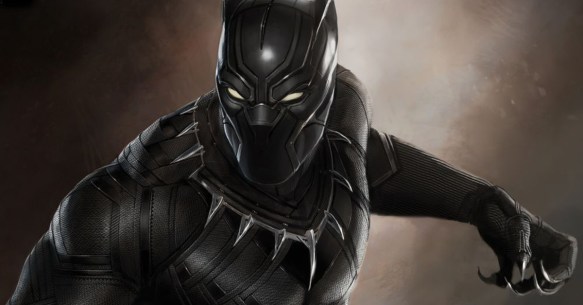
To be fair, I must congratulate you on giving Black Panther, the no-nonsense African superhero, a part in the new Captain America movie, and working toward giving him his own film in a couple of years. For a change, the black guy won’t be just a sidekick. He’ll be the hero.

Black PantherIt will be nice, after more than a dozen Marvel movies, finally to have one whose hero isn’t a white American (or quasi-British) male. It’s a step in the right direction. Keep stepping, ladies and gentlemen. Keep stepping.

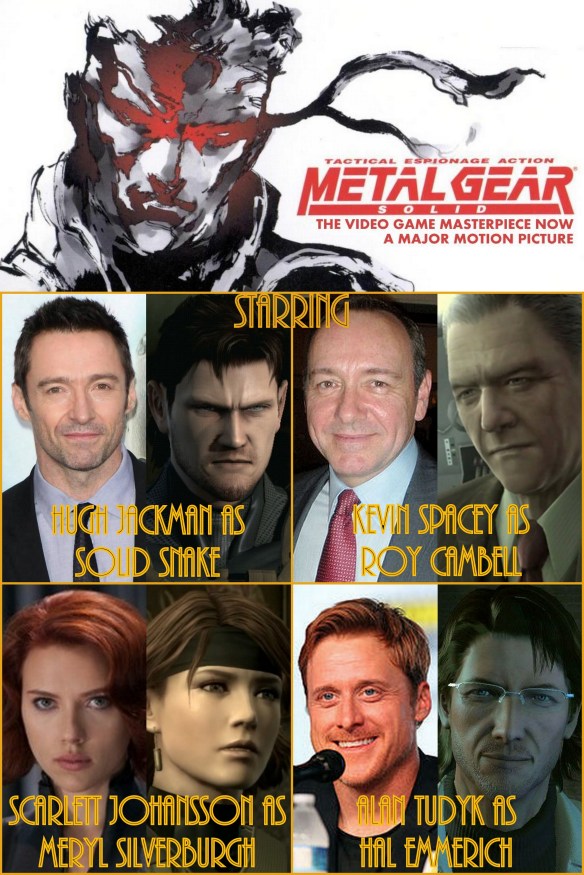
I’ve already written about video game movies and portrayals of Christians in secular media, so I won’t repeat myself here. Just go read those blog posts. I will, however, emphatically repeat my appeal for a Metal Gear Solid movie. It should happen. It needs to happen. Please, please, please, make it happen. I will give you anything to make a Metal Gear Solid movie, unto half my kingdom. (I won’t actually give you anything for making the movie, but I will buy tickets to see it.)

Look, I’ve even done some of the casting for you.

Metal Gear Solid movie Now you just need to make the movie. Please do.

As long as we’re discussing film adaptations: Why don’t you adapt more old books? As you struggle to come up with ideas, consider the thousands of terrific stories available at your local library. I once made a list of books that would make great films, and you’ve made only one of them (Ender’s Game) with a second (Ben-Hur) on its way. Seriously, I want a film version of The Man Who Was Thursday almost as much as I want that Metal Gear Solid movie.

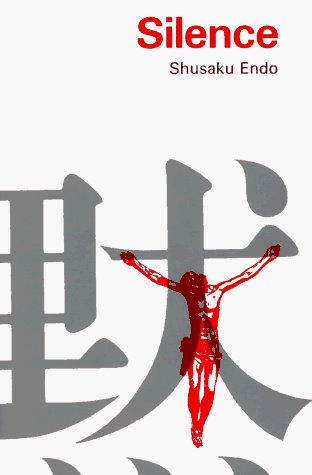
Incidentally, I hear Martin Scorsese is working on an adaptation of Shūsaku Endō’s Silence: a brooding and powerful novel about the silence of God.

SilenceIt’s exactly the sort of obscure, slow-paced book you Hollywood execs won’t touch with a ten-foot boom pole. Mr. Scorsese thinks differently. Learn from Mr. Scorsese, Hollywood.

Moving on from a good director to some really bad ones: Why are you still letting Michael Bay and M. Night Shyamalan make movies? Why?! Just stop. Stop. Staaahhhp.

On a brighter note, Disney and Pixar have been making some outstanding movies lately. I’m glad to see that animation is not merely surviving on the Hollywood scene, but evolving and thriving. As long as you have Disney and Pixar, Hollywood, I think you’ll be all right.

I could go on, but that’s probably enough for one letter. I hope it doesn’t seem too harsh or demanding. For all of my grumbling, I really appreciate good movies, and I suppose I have you Hollywood people to thank for them. Thanks, ladies and gentlemen, for making my life a little brighter, and occasionally a little more explode-y.

Peace,

Adam

P.S. I don’t suppose there’s any chance you could just put Disney’s John Lasseter in charge of everything? No? Well, there was no harm in asking.

In Which a Cartoon Bunny Is Adorable

As you may have noticed, I recently saw Disney’s Zootopia. It was fantastic. In the video above, Byron Howard, a director of Zootopia, demonstrates how to draw Judy Hopps, the film’s bunny protagonist.

You apparently start with an S for snake—excuse me, I mean a shape like a gumdrop. Once you have sketched that gumdrop shape, you draw the rest of the bunny’s face. Simple, no?

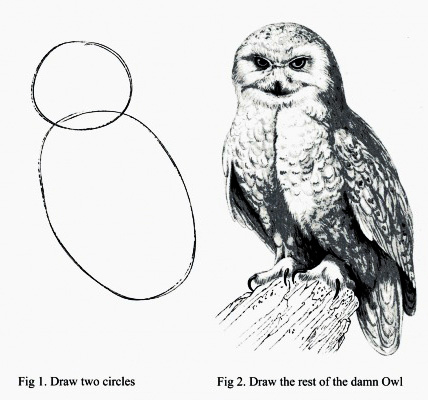
In this regard, drawing a cartoon bunny follows pretty much the same process as for drawing an owl:

How to draw an owlIn seriousness, the video gives excellent step-by-step instructions for drawing Disney’s most adorable character yet. It also gives a shout out to the great Glen Keane, who animated some of Disney’s most memorable characters.

My younger brother, who is quite an artist, has taken to drawing pictures on little pieces of notebook paper and leaving them for me on my desk. He decided to sketch Judy Hopps after watching this video. That picture is now tucked into my lampshade with some of his other sketches. At this very moment, backlit by my lamp, Judy Hopps beams down at me with bright benevolence, threatening to stop my heart with her staggering cuteness.

Heck, I shouldn’t have said that. It was insensitive, and I apologize.

427. Give Me Your Best Coffee Tips!

I recently decided that I want to visit Seattle. By all accounts, this rain-drenched city is populated largely by coffee-obsessed hipsters. It sounds like my kind of place.

Seattle

Yes, I drink a lot of coffee. Anyone who has known me for more than five minutes is aware of this. For all of my jokes about it, the truth is that I do really love the stuff.

That said, I don’t know much about it. This is a little odd, especially considering that I’m something of an amateur expert on tea, my other liquid addiction. I even wrote a post sharing my best tea tips. When I considered writing a similar guide for coffee, I quickly realized I don’t actually know much about it.

Latte artAt some point, when I’ve shaved a mile or two off my reading list, I’ll find a good coffee guide. For now, dear reader, I invite you to share whatever tips, tricks, and techniques you have for brewing coffee. Give me your best advice. Enlighten me. I won’t guarantee that I’ll accept every piece of advice, but I’ll certainly consider all of it!

Now, dear reader, I humbly yield the stage to you.

What are your best tips for choosing, brewing, or flavoring coffee? Let us know in the comments, or tweet at me!

426. I Want to Make You Feel

I recently announced my decision to revive the Lance Eliot saga, my greatest and most personal writing project. Today I will tell you why I made that big decision, but there is something else, something important, I must discuss first.

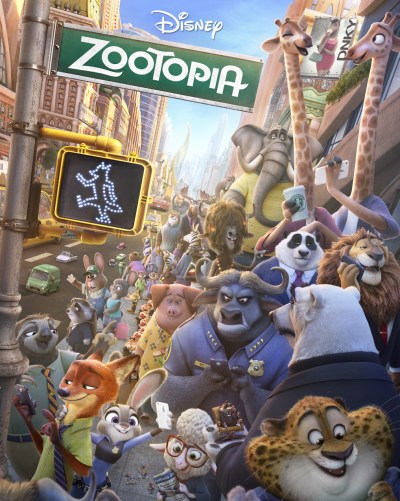
Excuse me, Sir or Madam, but have you heard the good word about Disney’s Zootopia?

Zootopia movie poster

Not far from my home in the little town of Berne there stands a cozy cinema called the Ritz Theatre. (I discovered it when I ventured forth to see The Lego Movie a couple of years ago.) The Ritz has two theater rooms, one of which is fairly small, and an old-timey lobby with a big plaster model of an Oscar trophy. I love the Ritz Theatre. It wraps the sound and fury of Hollywood movies in the charm of a friendly small business.

My younger brother and I recently made a pilgrimage to the Ritz Theatre to see Zootopia, Disney’s latest animated movie. It was fantastic. However, as much as I would love to spend this blog post explaining why the movie is fantastic, that’s not really the point. (Seriously, though, go watch Zootopia.)

The point is that Zootopia made me feel things. It evoked far deeper feelings of catharsis and happiness than any kids’ movie has any right to do. I am not an emotional person. I am, despite my sense of humor and typically sunny disposition, pragmatic and logical.

Thus, when the feels hit me, they hit me hard.

HRRRNNNGGG

I just can’t take the feels, man.

Zootopia is far from the first story to make me make me feel things. Heck, nearly every new animated Disney film since Bolt back in 2008 has left an emotional impression. For some reason, while movies for adults appeal to my intellect, movies for kids are the ones that appeal to my feelings. (Disney, Pixar, and Studio Ghibli, I’m looking right at you.)

I like positive feelings. Most people do. I’m not often emotionally overwhelmed by a story, but when I am, it’s an amazing experience. It’s a fleeting encounter with the power of storytelling: as J.R.R. Tolkien suggested, “a far-off gleam or echo” of a happy ending to our own story, which is being told by the greatest Storyteller of all.

Speaking of Tolkien, I admit few stories have made me feel as much as The Lord of the Rings. Tolkien’s masterpiece, especially the last chapters of its final book, The Return of the King, warms even my impassive old heart.

I haven’t read The Lord of the Rings since 2009 or so, and much of it had faded from my memory, but something happened last year to change that.

A few days after Christmas, my brother and I visited a family friend. I’ll call him Socrates here. (In real life, I call him Barabbas. It’s a fun story.) After welcoming us into his home, Socrates made snacks and put on the film adaptation of The Return of the King. It had been almost as long since I had seen the film as it had since I had read the book!

Return of the King movie poster

Something happened that night. The movie was as good as I remembered, but beyond that, something woke up inside me. I felt an overwhelming peace and happiness: the nostalgia of fond memories in harmony with the catharsis of seeing beloved characters reach a happy ending. It was then I realized something: I knew I once wanted to write a story of my own, but I had forgotten why.

This was why.

That night reminded me of why I decided to write stories in the first place: I wanted to feel, and I wanted to make other people feel, too. Stories like Zootopia and The Return of the King gave me moments of cathartic happiness, peace, and comfort. I wanted to give someone else those moments.

I still do.

That’s my story and I’m sticking to it. That’s my excuse for picking up the Lance Eliot saga once this blog bites the dust. I want to make you feel.

Blame Tolkien and Zootopia.

Technology Is Confusing

I like to think I know a thing or two about technology. As a millennial, I consider myself competently tech-savvy, able to function in today’s high-tech world.

…Nah, whom am I kidding? I can’t even hook up my brother’s Wii U without his guidance. Why doesn’t it use the same AV cable setup as other devices? How do I make it connect to the Internet? Why are there so many downloads?! Back in my day, I just blew the dust out of the game cartridge, slammed it into the Super Nintendo, and turned it on.

I’ve become a relic of a bygone age, and I’m only in my twenties. I hate to think of how technologically illiterate I’ll be in fifty years. Maybe, at that point, I’ll have robots to hook up my electronics for me. We’ll see.

425. Stealing Ideas Is Wrong (so Borrow Them Instead)

Today’s post wound up on someone else’s blog. Hey, don’t give me that look. Bloggers sometimes misplace their posts. It happens. Don’t judge me.

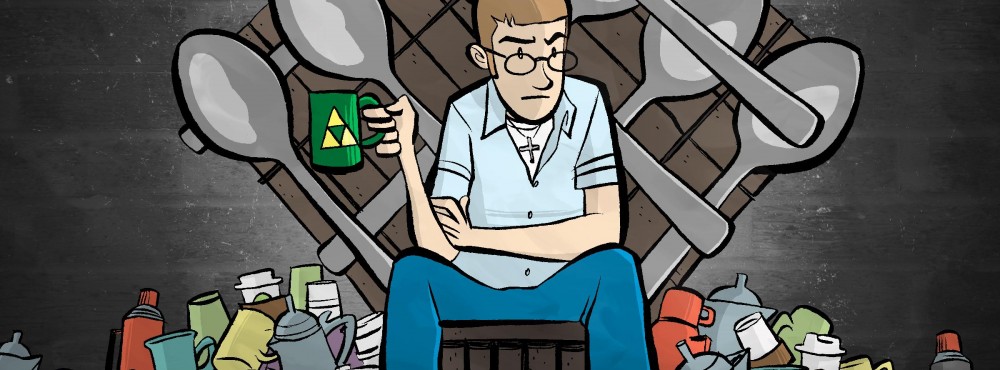
My friend JK Riki wrote the book on creativity. (This isn’t just a figure of speech; he wrote a literal book on the subject.) He also writes a monthly newsletter with creative tips, and a personal blog on creativity.

JK's blog header

When I got an opportunity to write a post for JK’s blog, I wrote about J.R.R. Tolkien, because of course I did.

My latest post, “Stealing Ideas Is Wrong (so Borrow Them Instead),” can be read here!