426. I Want to Make You Feel

I recently announced my decision to revive the Lance Eliot saga, my greatest and most personal writing project. Today I will tell you why I made that big decision, but there is something else, something important, I must discuss first.

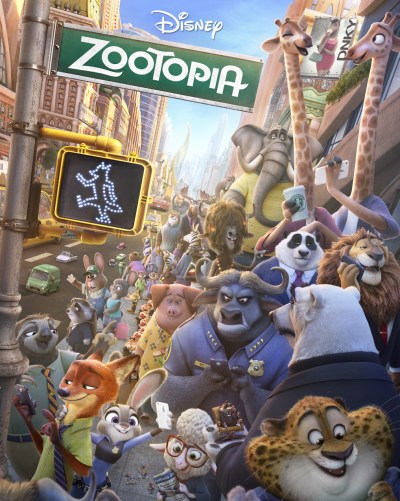
Excuse me, Sir or Madam, but have you heard the good word about Disney’s Zootopia?

Zootopia movie poster

Not far from my home in the little town of Berne there stands a cozy cinema called the Ritz Theatre. (I discovered it when I ventured forth to see The Lego Movie a couple of years ago.) The Ritz has two theater rooms, one of which is fairly small, and an old-timey lobby with a big plaster model of an Oscar trophy. I love the Ritz Theatre. It wraps the sound and fury of Hollywood movies in the charm of a friendly small business.

My younger brother and I recently made a pilgrimage to the Ritz Theatre to see Zootopia, Disney’s latest animated movie. It was fantastic. However, as much as I would love to spend this blog post explaining why the movie is fantastic, that’s not really the point. (Seriously, though, go watch Zootopia.)

The point is that Zootopia made me feel things. It evoked far deeper feelings of catharsis and happiness than any kids’ movie has any right to do. I am not an emotional person. I am, despite my sense of humor and typically sunny disposition, pragmatic and logical.

Thus, when the feels hit me, they hit me hard.

HRRRNNNGGG

I just can’t take the feels, man.

Zootopia is far from the first story to make me make me feel things. Heck, nearly every new animated Disney film since Bolt back in 2008 has left an emotional impression. For some reason, while movies for adults appeal to my intellect, movies for kids are the ones that appeal to my feelings. (Disney, Pixar, and Studio Ghibli, I’m looking right at you.)

I like positive feelings. Most people do. I’m not often emotionally overwhelmed by a story, but when I am, it’s an amazing experience. It’s a fleeting encounter with the power of storytelling: as J.R.R. Tolkien suggested, “a far-off gleam or echo” of a happy ending to our own story, which is being told by the greatest Storyteller of all.

Speaking of Tolkien, I admit few stories have made me feel as much as The Lord of the Rings. Tolkien’s masterpiece, especially the last chapters of its final book, The Return of the King, warms even my impassive old heart.

I haven’t read The Lord of the Rings since 2009 or so, and much of it had faded from my memory, but something happened last year to change that.

A few days after Christmas, my brother and I visited a family friend. I’ll call him Socrates here. (In real life, I call him Barabbas. It’s a fun story.) After welcoming us into his home, Socrates made snacks and put on the film adaptation of The Return of the King. It had been almost as long since I had seen the film as it had since I had read the book!

Return of the King movie poster

Something happened that night. The movie was as good as I remembered, but beyond that, something woke up inside me. I felt an overwhelming peace and happiness: the nostalgia of fond memories in harmony with the catharsis of seeing beloved characters reach a happy ending. It was then I realized something: I knew I once wanted to write a story of my own, but I had forgotten why.

This was why.

That night reminded me of why I decided to write stories in the first place: I wanted to feel, and I wanted to make other people feel, too. Stories like Zootopia and The Return of the King gave me moments of cathartic happiness, peace, and comfort. I wanted to give someone else those moments.

I still do.

That’s my story and I’m sticking to it. That’s my excuse for picking up the Lance Eliot saga once this blog bites the dust. I want to make you feel.

Blame Tolkien and Zootopia.

423. I Have a Million Neighbors

Most of us have neighbors. We may be separated by a wall, street, or building—or cornfield, if you live in Indiana. However close our neighbors may be, there is nearly always a separation of some kind.

Then there’s the Internet, where all that separates me from millions of other people are a few clicks or keystrokes. Privacy can be an elusive privilege on the World Wide Web. Almost anyone can find you. Almost anyone can be your neighbor, and you can be a neighbor to almost anyone. We’re all neighbors on the Internet. Every time I open my web browser, I enter a space with a million neighbors.

So what?

There once lived a humble, gentle, and kindhearted man, who taught of the importance of loving your neighbor as yourself.

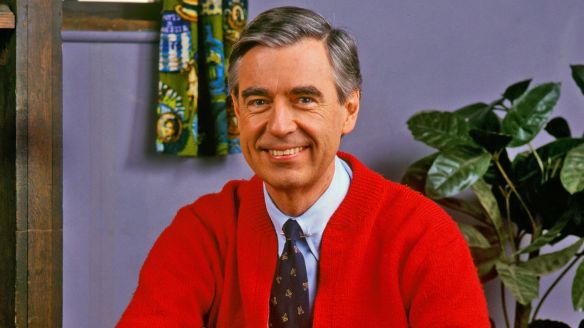
I speak, of course, of Mr. Rogers.

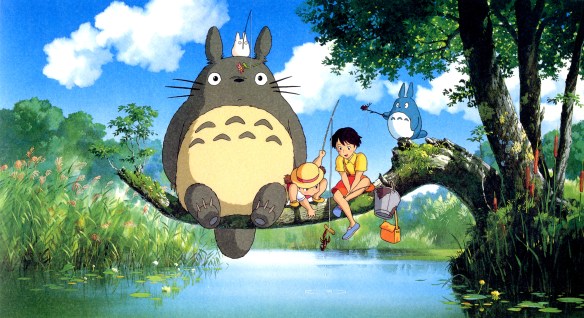
Mr. RogersDo you know who else knew how to be a good neighbor? Totoro. Totoro knew how to be a good neighbor. Heck, I wish I were neighbors with Totoro, and I’m definitely not the only one. I couldn’t ask for a better neighbor than this fuzzy forest spirit.

Totoro

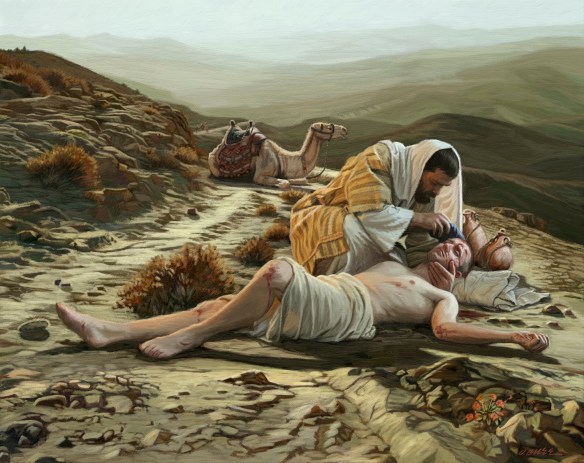
I can think of yet another good neighbor. There’s an old, old story of a traveler who was attacked by robbers and left half dead on the road. (You’ve probably heard this one.) A couple of people ignored the wounded man, but a stranger took pity on him, bandaged his wounds, and carried him to safety.

Good Samaritan

Art by Dan Burr.

That story of a good neighbor was told by Jesus Christ, the leading expert on loving people. According to Jesus, “Love your neighbor as yourself” is one of the most important rules in the universe.

We must love our neighbors. I mean, we can hardly disagree with Mr. Rogers, Totoro, and Jesus Christ, can we?

We’re all neighbors on the Internet, and we must love our neighbors, so what now? Well, this Friday is March 4, and if you’ve been around this blog for a while, you know what that means.

March 4 is Be Nice to Someone on the Internet Day. This Friday marks the event’s fifth year—and, due to the end of TMTF later this year, the last one to be celebrated on this blog. (After TMTF concludes, I plan to celebrate the event every year on Facebook and Twitter.)

Be Nice to Someone on the Internet Day is, well, a day for being nice to someone on the Internet. On March 4, or any time this week, go to someone’s personal profile, account, channel, blog, or webpage, and leave an uplifting comment. Send someone an encouraging message, note, tweet, or email. Find a person you appreciate—whether a content creator, friend, or total stranger—and be a good neighbor.

We’re all neighbors on the Internet. On Friday, March 4, let’s be good ones!

TMTF’s Top Ten Disney Villains

All right, guys. We all knew this was coming. It was only a matter of time.

I like villains—from a safe distance, of course. Bad guys are often so much more interesting than good ones. Whether misguided, damaged, or simply evil, a striking or well-developed villain is often the best part of a story. Walt Disney Animation Studios understands this. In its seventy-something years of filmmaking, it has created an entire pantheon of memorable bad guys.

Prepare yourself for the best of the baddies, ladies and gentlemen, as TMTF presents…

The TMTF List of Top Ten Disney Villains!

Be ye warned: Here there be minor spoilers.

10. Cruella de Vil (One Hundred and One Dalmations)

Cruella de VilleNot every villain needs to be an all-powerful menace. Cruella de Vil is merely a bad person: shallow, selfish, cruel, unbalanced, and a little sociopathic. I would call her a crazy cat lady, but she’s more of a dog person—but only if “dog person” means “person who wants to kill puppies and turn their skins into coats.” Her visual design is incredible, from the bulky furs dangling from her skeletal body to the sneer on her blood-red lips. Cruella de Vil is a maniac, and a refreshingly low-key change from the large-scale evil of other Disney villains.

9. Maleficent (Sleeping Beauty)

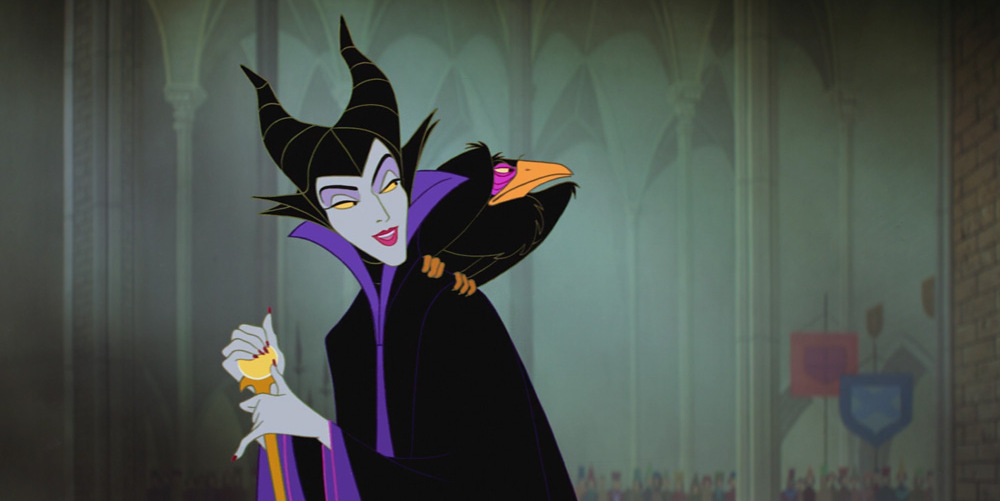
MaleficentMaleficent isn’t a complex villain, or even a particularly interesting one, but she gets bonus points for making an impression. She may be the most recognizable baddie in the Disney pantheon. Maleficent perfects the gaunt-and-sinister-old-lady character type. By comparison, the queen from Snow White and the Seven Dwarfs and the stepmother from Cinderella seem like mere prototypes. Maleficent also turns into a dragon, which is pretty rad.

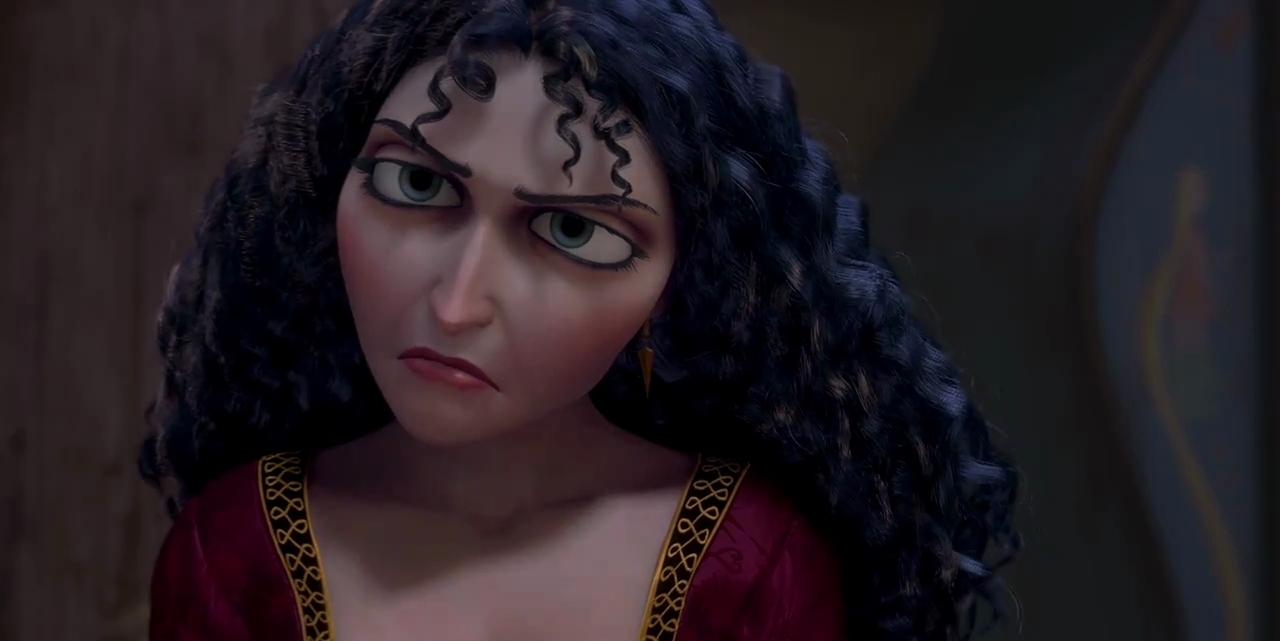
8. Mother Gothel (Tangled)

Mother GothelI’m going to be lazy and let another blogger explain this one: “What makes Mother Gothel terrifying is the fact that Rapunzel loved her. That makes Mother Gothel more than a villain in the traditional hey-I’m-going-to-kill-you way. It makes her a liar, deceiver, and traitor, violating one of the deepest bonds we can think of (mother-daughter).” (As long as I’m stealing ideas from Amy Green, you should go read her old two-part post on Disney villains.) Mother Gothel isn’t as powerful as other villains on this list, but she’s far more relatable—and that scares me more.

7. Monstro (Pinocchio)

Monstro

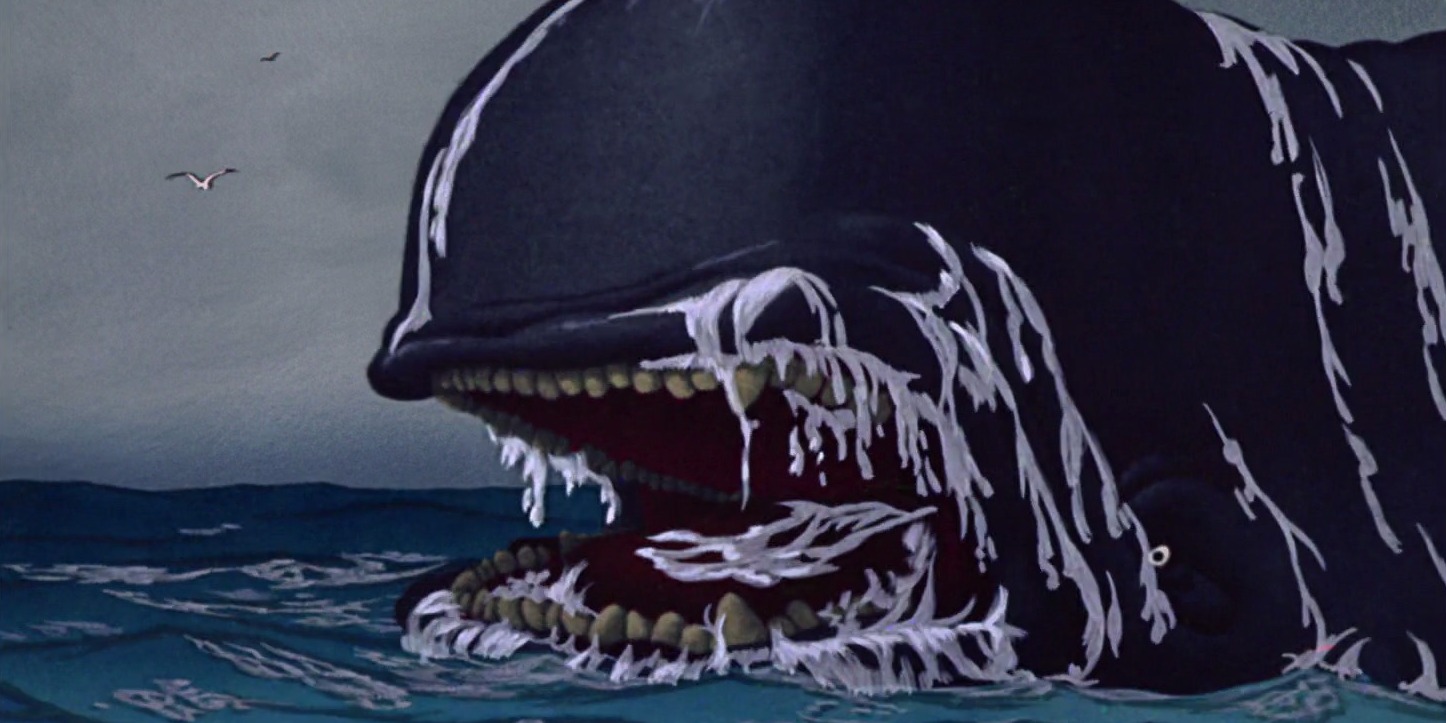
Monstro is not a well-developed character—or any kind of character, for that matter. Monstro is a whale. He has no dialogue, and his only apparent motivation is rage. Like Sauron in The Lord of the Rings or Cthulhu in the works of H.P. Lovecraft, Monstro is not so much a character as a force of evil. Monstro is a monster, true to his name, in the truest sense of the word: inscrutable, elemental, destructive, powerful, incomprehensible, angry, and terrifying.

6. Shere Khan (The Jungle Book)

Shere Khan

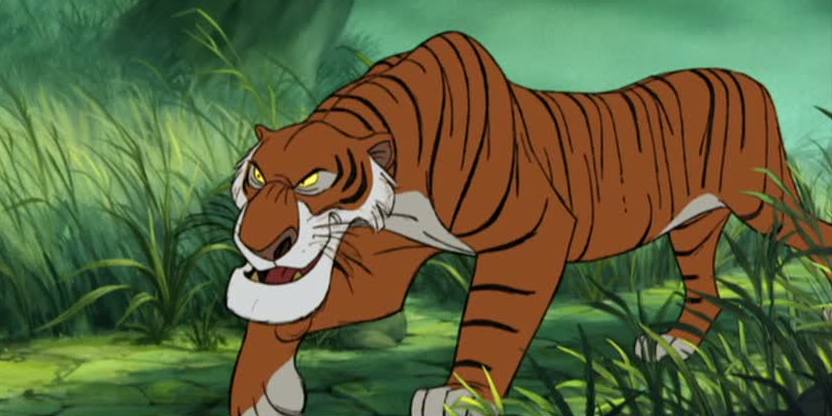
Shere Khan is an implacable predator. He isn’t exactly evil, but lives according to his nature, and his nature is to kill. Here is another example of superb visual design creating a memorable character: his massive jaw and tiny yellow eyes give him a predatory look, and his smooth, cat-like movements convey power and confidence. The unsettling way Shere Khan swings from politeness to savagery reminds me of Hannibal Lector from The Silence of the Lambs. Shere Khan isn’t out to conquer the world. He just wants to kill, and he’s creepily nice about it.

5. Scar (The Lion King)

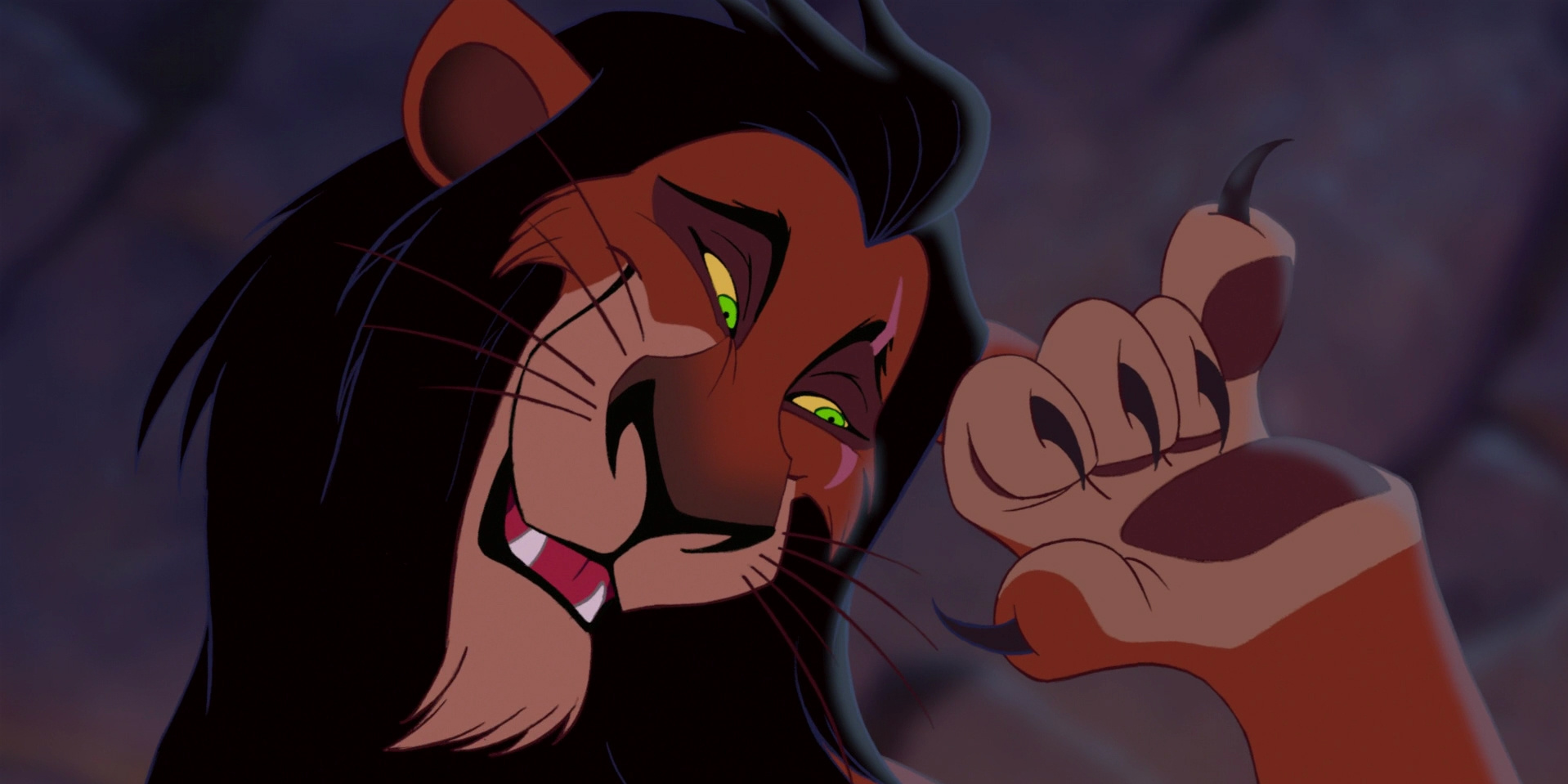
ScarScar is delightful and charming, insofar as a treacherous tyrant can be either of those things. As a king’s younger brother, he resents his young nephew for taking away his claim to the throne. (It’s all very Shakespearean, which is appropriate since The Lion King is based loosely on Shakespeare’s Hamlet. Scar reminds me more of Richard III, though.) I can think of a lot of words to describe Scar: sarcastic, scheming, ruthless, resentful, and vicious, among others. He has a lot in common with other Disney villains, but his underhanded charm sets him apart.

4. Hades (Hercules)

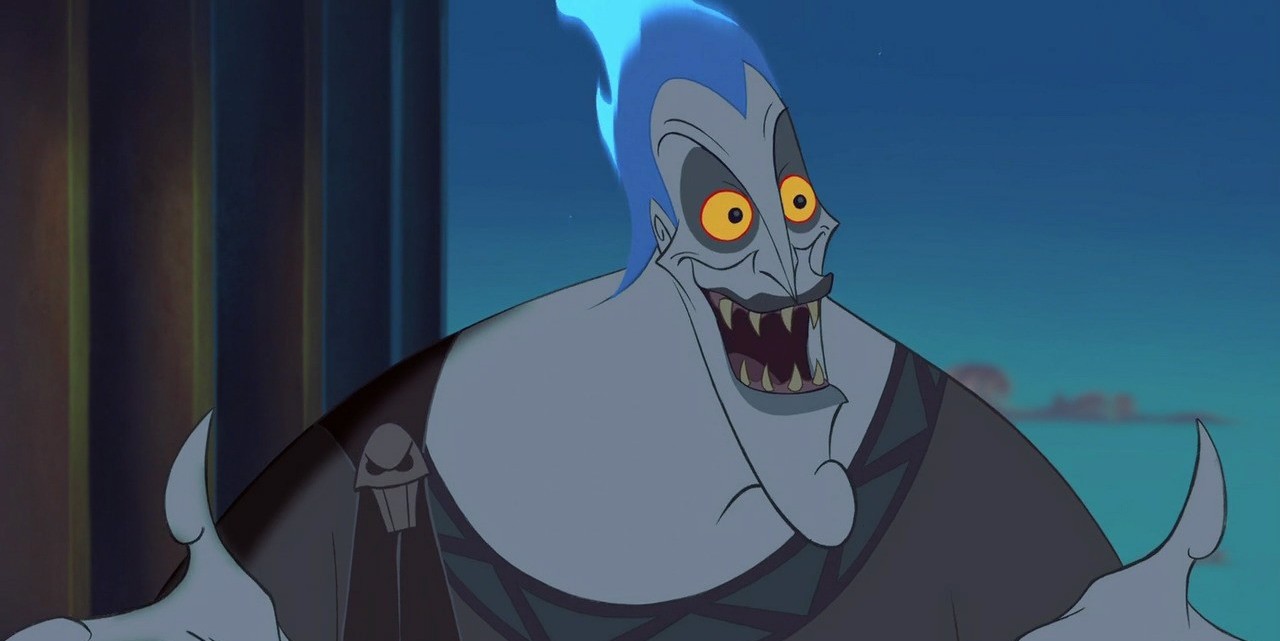
HadesThis smooth-talking scoundrel gives the impression of a shady used car salesman. His friendly manner can’t hide his short temper and ill intent. Did I mention that Hades is the god of the dead? He’s the god of the dead. His character in the film is never quite as funny as I remember, yet I absolutely adore the combination of a sleazy personality with the almighty power of a mythical god. Villains tend to be serious, sometimes to the point of tedium or predictability. Hades joins baddies like the Joker and Kefka Palazzo as a really bad guy with a really good sense of humor.

3. Judge Frollo (The Hunchback of Notre Dame)

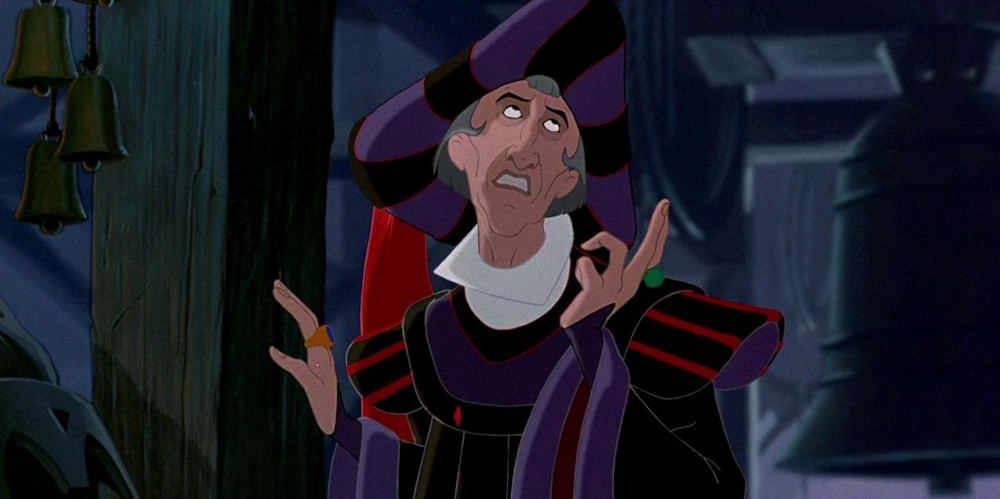
Judge FrolloTo this day, I can hardly believe Disney allowed The Hunchback of Notre Dame to be made. It’s an excellent film, but definitely doesn’t fit Disney’s kid-friendly image. Take Claude Frollo. This judge plans a genocidal crusade to murder the gypsies of Paris: a heartless ethnic cleansing in the name of religion. Judge Frollo clings to hypocritical self-righteousness, yet desperately fears that his lust for a gypsy woman will damn him to an eternity in hell. Yeah. Heavy stuff. Just listen to his villain song, “Hellfire.” Most Disney baddies get a villain song, but Frollo’s is the only one about sexual desire and everlasting damnation. Judge Frollo is a complex, tormented man, and a haunting antagonist for one of Disney’s most daring films.

2. Yzma (The Emperor’s New Groove)

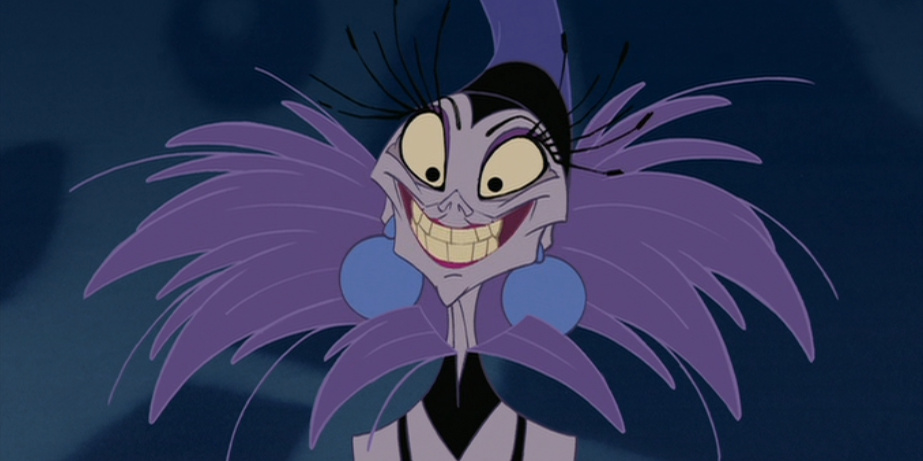
YzmaNot every villain has to be dark and brooding. If you haven’t already seen The Emperor’s New Groove, stop reading this blog post and don’t come back until you have. Yzma is flipping hilarious. This resentful old woman, whom other characters describe as “scary beyond all reason,” swings madly from manic cheerfulness to furious grumpiness. When she finally loses patience with her laid-back, self-centered emperor, she plans his assassination… only for the plan to go awry and the emperor to end up transformed into a llama. Throughout the film, Yzma and her adorkable henchman Kronk try (unsuccessfully) to track down and kill the emperor before he can reclaim his throne. Hilarity ensues, proving that a villain doesn’t have to be scary to be awesome.

1. Rourke (Atlantis: The Lost Empire)

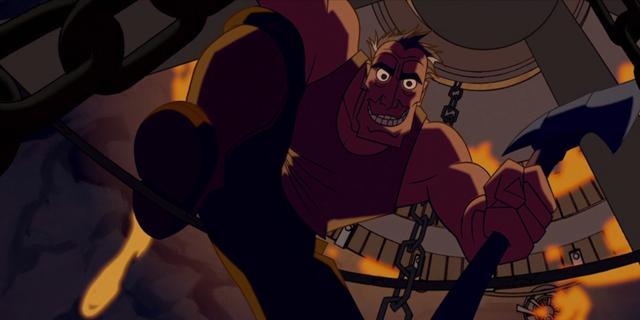
Commander RourkeI doubt anyone saw this one coming. Atlantis: The Lost Empire was released in the dark age between the Disney Renaissance in the nineties and the so-called Disney Revival of the past six or seven years. Most of Disney’s films from the early aughts have faded from memory. In the case of Atlantis: The Lost Empire, it’s a shame: I consider this steampunk adventure an underappreciated gem. Its villain, Rourke, is the kind of pragmatic, no-nonsense killer I would never have expected from Disney. Rourke, the leader of an expedition to discover Atlantis, reveals himself to be a mercenary—or to use his preferred term, an “adventure capitalist.” He plans to plunder a magical artifact from Atlantis, killing all of its inhabitants in the process. Rourke stands out for his dry sense of humor, absolute self-interest, and complete disregard for human life. Did I mention the scene in which he snaps and tries to murder the protagonist with an axe? Rourke is a fantastic villain, and I think Disney has none better.

Who are your favorite Disney villains? Let us know in the comments!


This post was originally published on October 16, 2015. TMTF shall return with new content on February 22, 2016!

415. The Bests of 2015

I no longer review stuff on this blog, but I don’t mind taking a day to look back on the best media I experienced in 2015. I didn’t spend as much time reading, watching movies and television, or playing video games as I would have liked, but I did enjoy some notable works, and here are the best of the best. (For clarification, this list includes only media I experienced for the first time in 2015. I’m featuring neither old favorites I revisited nor new episodes of shows I’ve seen.)

After I’ve shared my favorites, feel free to share yours in the comments! What great films, books, television shows, or video games did you enjoy in 2015?

Here are mine.

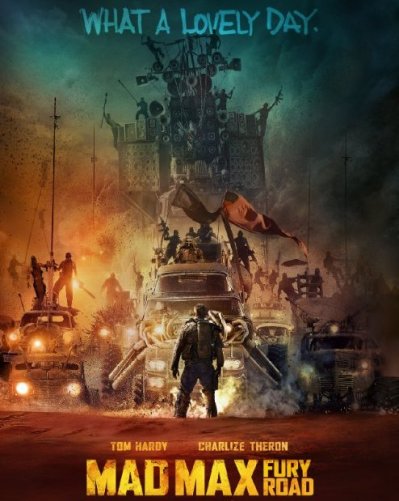
Best Live Action Film: Mad Max: Fury Road

Mad Max

This film is a work of art, and also an action movie with spiky cars and fire-spewing electric guitars. Mad Max: Fury Road is an action film in the purest sense, with sparse dialogue and explosive momentum. The movie is basically a two-hour car chase through a dystopian wasteland, yet manages to convey (amid explosions) meaningful themes such as guilt, redemption, the empowerment of women, and the worth of human life. The film also gets bonus points for its oversaturated, brightly-colored scenery: a welcome change from the bleached, washed-out look of most dystopian movies. Fury Road is stupid, campy action elevated to an art form: a film with all the ferocious beauty and power of an erupting volcano.

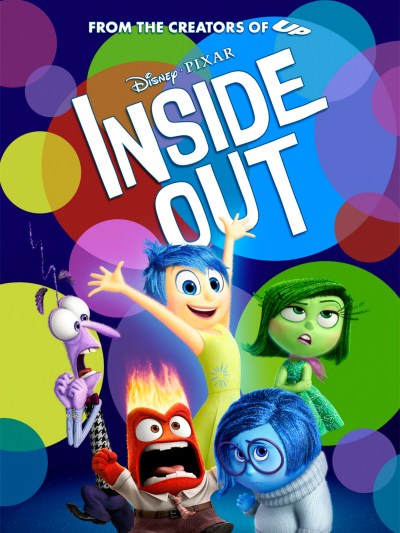
Best Animated Film: Inside Out

Inside Out

Pixar films nearly always leave an emotional impression, so it’s only to be expected that a Pixar film about emotions makes a terrific impact. Inside Out nearly made me cry in the movie theater, and I’m not a person who cries. Pixar’s best movies have a simple premise, and this one is no exception: What if your emotions were tiny people inside your head? Inside Out tells two intertwining stories: the fantastical journey of a little girl’s emotions inside her mind, and the consequent struggles of that little girl to accept the changes in her life. This film warms the viewer’s heart, but only after it has finishing breaking it. Inside Out is a sad, joyful movie… which seems appropriate, as Sadness and Joy are two of its most important characters.

Best Fiction Book: The Once and Future King

The Once and Future King cover

The Once and Future King is a retelling of King Arthur’s life. Like Inside Out, this story is both happy and sad; unlike that film, this novel leans much more heavily toward sadness than happiness. The epic backdrop of the Arthurian legends is used here as a stage for the intimate stories of Arthur, Lancelot, and Guinevere. Fragments of the old legends—the Round Table, the Grail Quest, Mordred’s betrayal—are woven neatly into two stories: the king who spends his life trying to do the right thing, and the knight whose loyalties are forever divided. Both men are great heroes, and both are doomed from the start. As it reinvents old stories for our cynical age, The Once and Future King is funny, sad, and well worth reading.

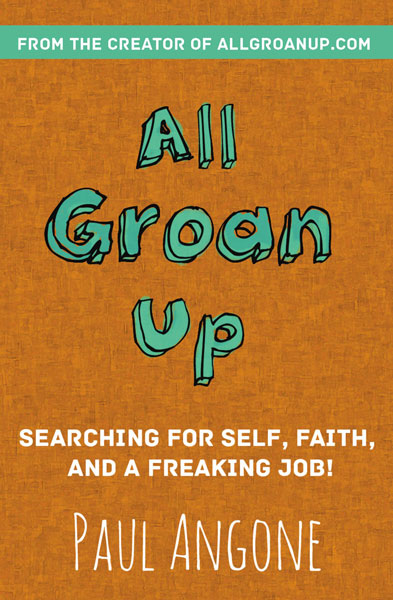
Best Nonfiction Book: All Groan Up

All Groan Up

Its title is a really bad pun, but this is not a bad book. (Seriously, though, that title causes me physical pain.) This memoir of a young man’s post-college panic, crises of faith, search for employment, and painful transition to adulthood is eerily similar to my own experiences. Paul Angone tells his story with openness, honesty, Jon Acuff-like humor, and way too many silly metaphors. In the end, despite its stylistic quirks, his story is well worth reading for all those college-age adults who feel lost, alone, ashamed, and hopeless. I wish I had read this book five years ago.

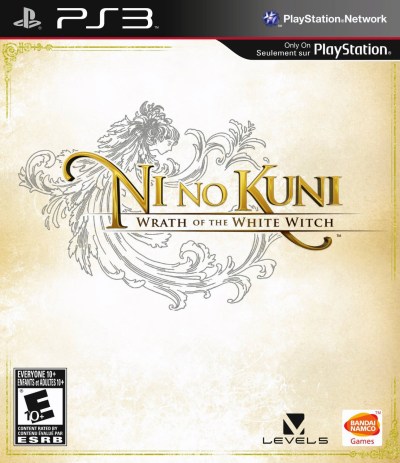
Best Console Video Game: Ni No Kuni: Wrath of the White Witch

Ni No Kuni cover

This is probably the most beautiful game I have ever played. With visuals inspired (and some contributed) by the legendary Studio Ghibli, and music by noted composer Joe Hisaishi, this game looks and sounds amazing—and it plays beautifully. The game’s story of a little boy searching for his mother is touching and bittersweet… except for when it’s cute and hilarious, which it frequently is. The Final Fantasy-meets-Pokémon gameplay may be a bit deep for casual players, and the ending is unsatisfying, but these are nitpicks. Ni No Kuni: Wrath of the White Witch is magical. And it’s getting a sequel!

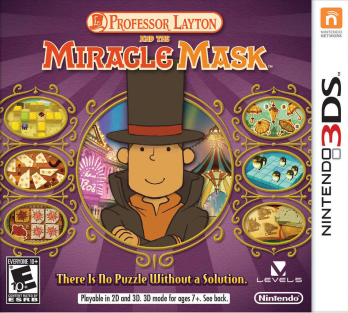
Best Handheld Video Game: Professor Layton and the Miracle Mask

Professor Layton and the Miracle Mask

“A true gentleman leaves no puzzle unsolved,” and Professor Hershel Layton is the truest of gentlemen. Professor Layton and the Miracle Mask is a delightful collection of puzzles, strung together by the most intriguing Professor Layton story I’ve seen yet. The good Professor’s search for the diabolical relic known as the Miracle Mask is packed with interesting characters, charming visuals, good voice acting, and (of course) scores upon scores of puzzles to solve. This is a game for everyone, casual players and veteran gamers alike. In fact, the only people for whom I can’t recommend this game are those with no feeling, soul, or sense of humor.

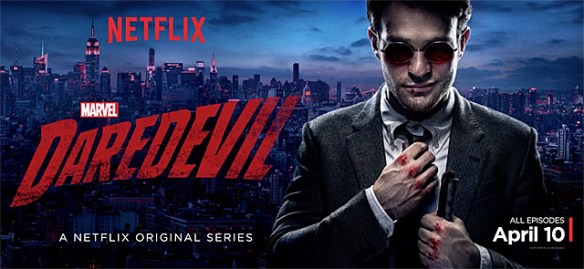
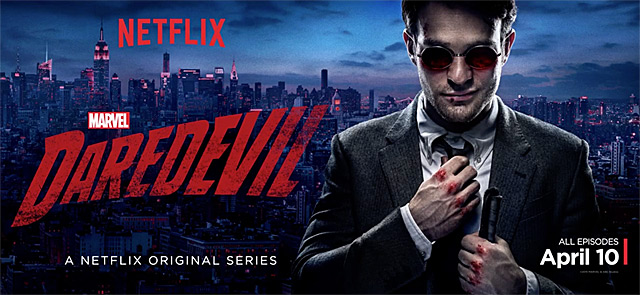
Best Live Action Television Series: Marvel’s Daredevil

Marvel's Daredevil

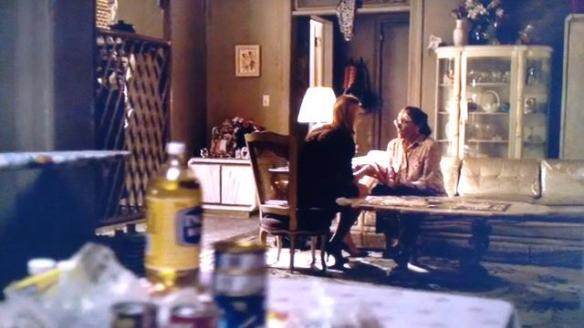
I’ve already written two entire blog posts about the excellence of Marvel’s Daredevil, so I won’t add much here. I’ll just point out one more fun detail: a scene set in a Hispanic lady’s home contains a two-liter bottle of Inca Kola. (I grew up drinking Inca Kola in Ecuador.) That is serious attention to detail.

Daredevil (now with 100% more Inca Kola!)

Marvel’s Daredevil has a breakable hero, a fascinating villain, great writing, brilliant action scenes, a gripping (and grounded) story, and an artistically comic-booky visual style. This show is superb.

Best Animated Television Series: Monthly Girls’ Nozaki-kun

Monthly Girls' Nozaki-kun

This anime isn’t a masterpiece by any means, but there’s something compelling about its unromantic romance writer and his quirky entourage of artists. Monthly Girls’ Nozaki-kun is neither a romantic comedy nor a satire, but something in between. It never feels cynical or mean-spirited as it deconstructs rom-com clichés; the show’s self-aware humor is balanced by a heartwarming charm and innocence. As an added bonus, the show offers fascinating glimpses into the process of making manga (i.e. Japanese comics). It’s fairly short and available only in Japanese with English subtitles, but Monthly Girls’ Nozaki-kun is delightful.

What are some of the best media you experienced in 2015? Let us know in the comments!

399. Review Roundup: Stupidly Long Edition

In the past few months, I finished some stupidly long books, films, and video games. Some are truly lengthy; others feel overlong due to tedium or slow pacing. A few are well worth their length. The rest overstay their welcome.

In this Review Roundup, I’ll take a quick look at Les MisérablesMetal Gear Solid 4The Once and Future KingSecret of Mana, Rise of the Guardians, and The Godfather Parts I and II.

I’ll try to keep this short. Spoilers: I’ll probably fail.

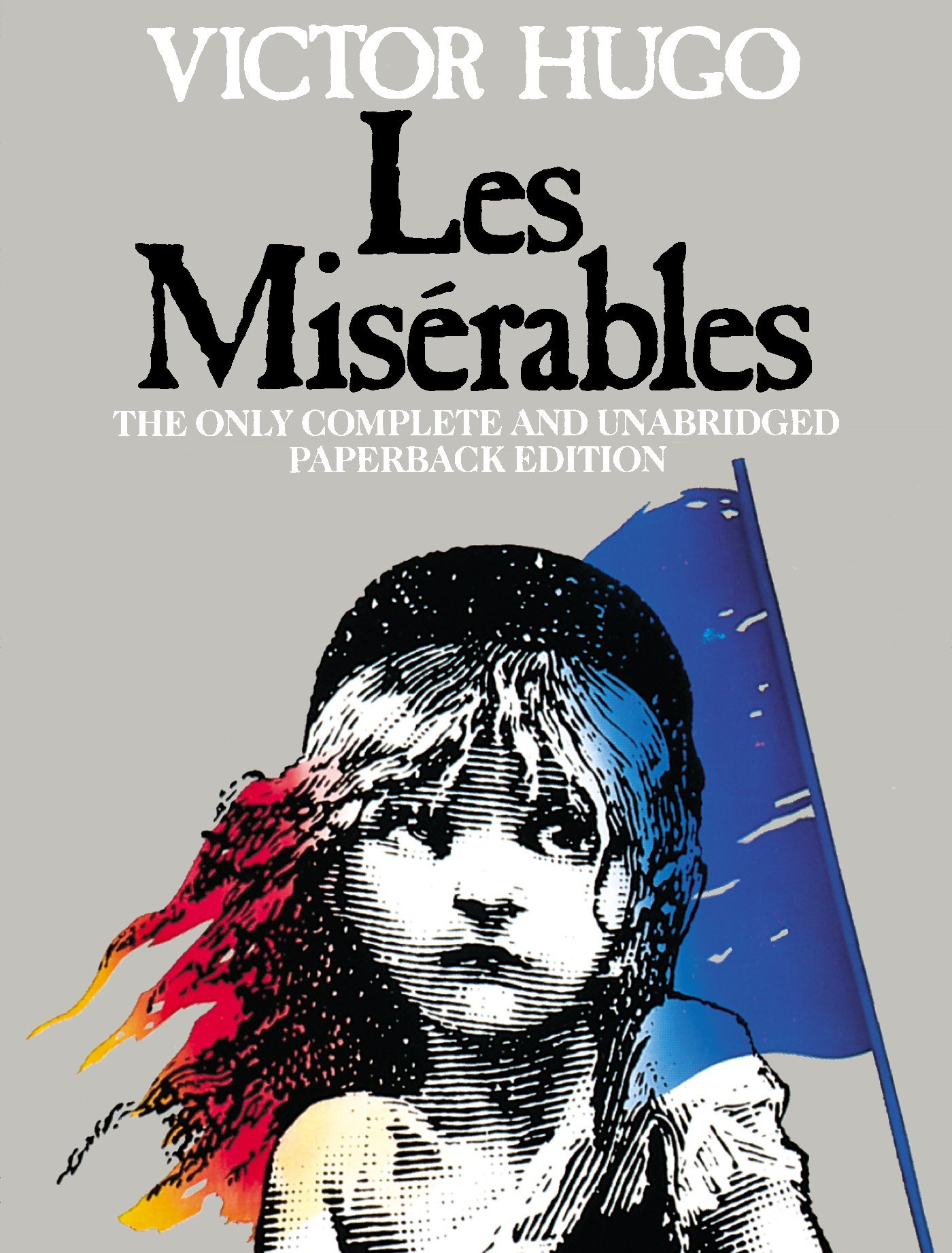
Les Misérables
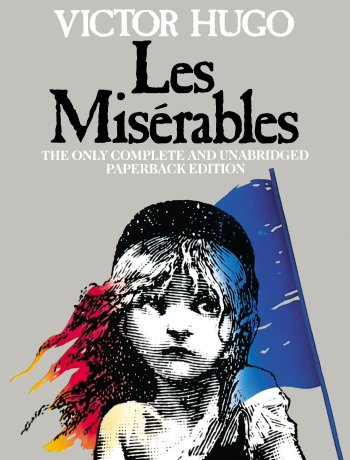
Lez Miz coverI read the abridged Les Misérables a few years ago. It was fantastic. Set in nineteenth-century France, this epic story follows an escaped convict named Jean Valjean. His journey from grief to grace to redemption spans decades, interwoven with tales of war, crime, revolution, and romance. The abridged Les Misérables is one of the finest novels I have ever read.

The complete, unabridged Les Misérables is a badly-paced novel burdened with boring details and jumbled together with a bunch of essays. The story moves with all the grace of a drunken hippo with a blindfold and only three legs.

As a writer, I usually respect an artist’s original vision. Not this time. In this case, I think the artist’s original vision is deeply flawed. The book has too much detail and a number of subplots that go nowhere, but those aren’t its worst faults. At frequent intervals, the novel is interrupted by rambling essays about minor details. How can readers stay invested in the tale of Jean Valjean when it’s constantly derailed by the author’s digressions on street lingo or the Battle of Waterloo?

For example, at the climax of the novel, a band of freedom fighters makes a heroic last stand against the army in Paris as Jean Valjean flees through the sewers. In the next chapter, the author kills the story’s momentum with an essay describing how much money the city of Paris loses by dumping its sewer waste in the river instead of converting it to manure. Never mind Jean Valjean’s sewer escape! Never mind the martyrs of the revolution! All that must wait until the author finishes ranting about sewers several chapters later.

If the author really felt his opinions were so important, he should have published them separately. Les Misérables was written as a serial, but when it was finally published as a complete work, his digressions could have been included as appendices at the back of the book.

Read Les Misérables—the abridged one. For heaven’s sake, don’t waste your time on the unabridged version.

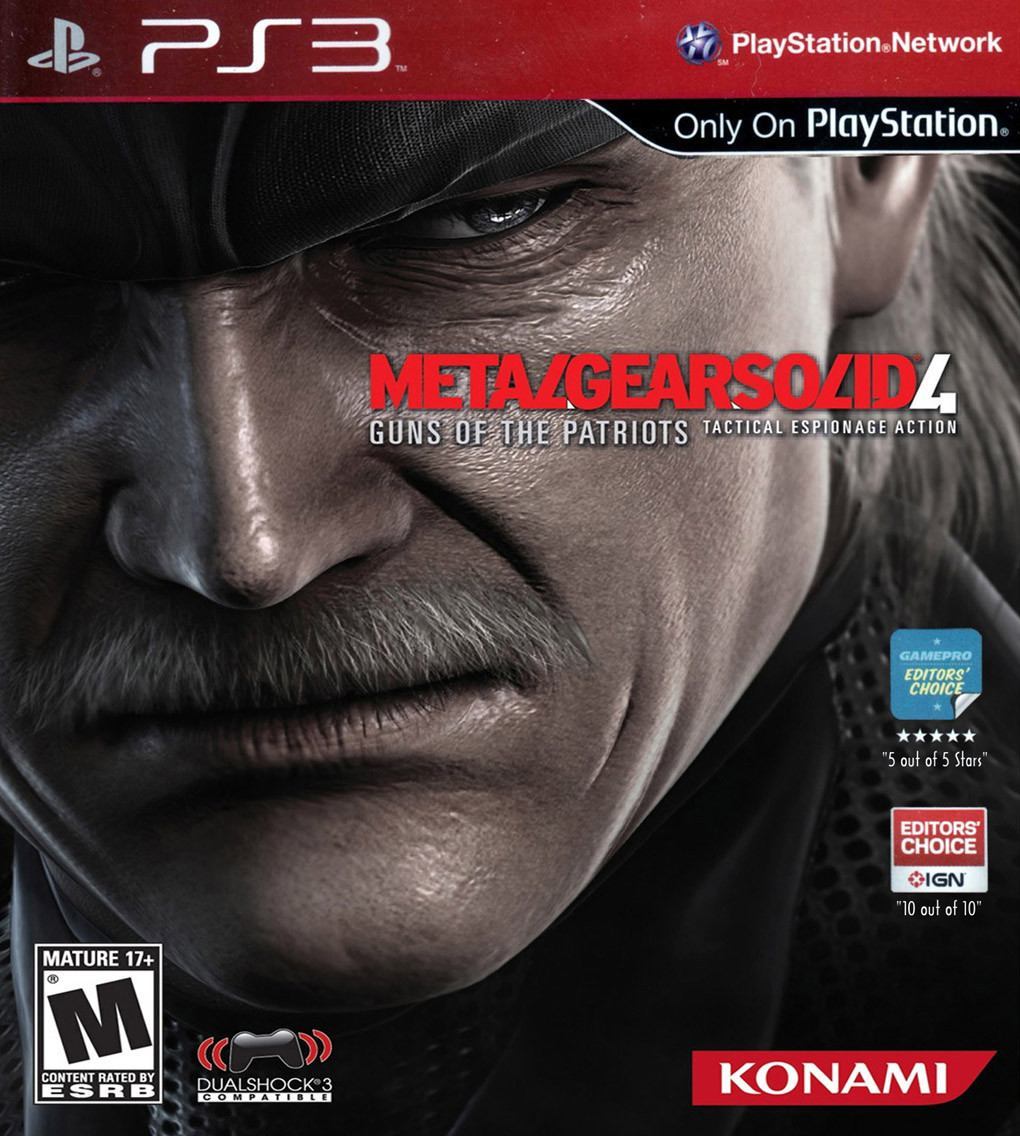
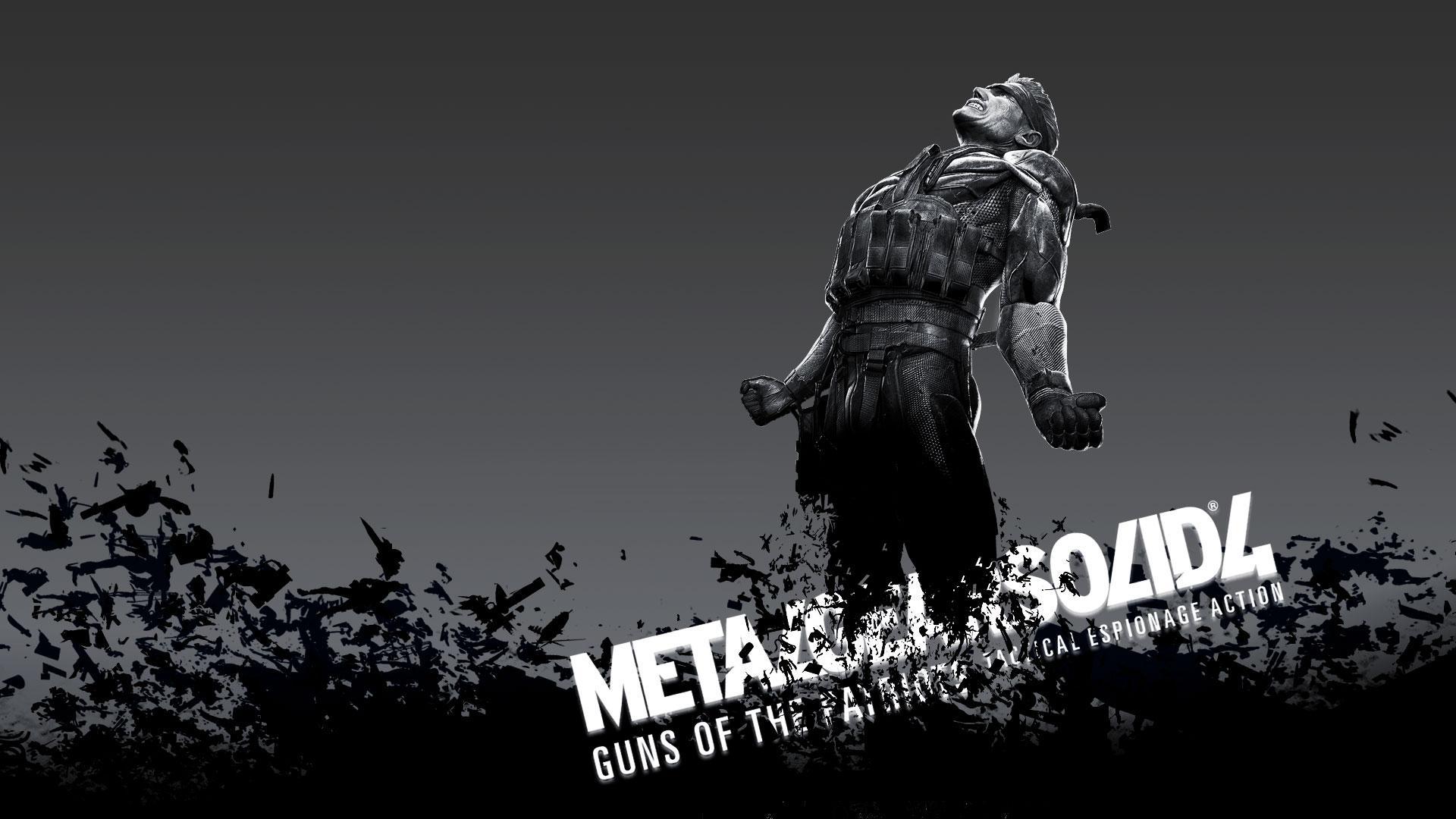
Metal Gear Solid 4: Guns of the Patriots
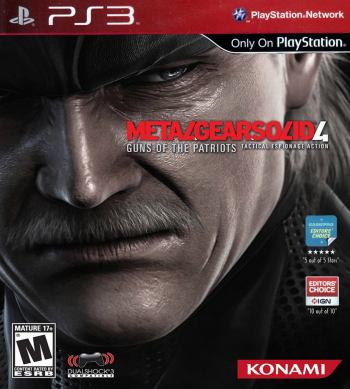
MGS4 coverMetal Gear Solid 4 is a video game that thinks it’s an action movie.

In the, um, distant future of 2014, war has changed. A group called the Patriots has made war a business. Meaningless battles are fought all over the world by privately-owned mercenary companies, fueling a worldwide war economy. Using technology, economics, and the media—and nanomachines, of course—the Patriots control everything.

War has changed, and so has Solid Snake. This legendary soldier has aged prematurely due to a terminal genetic condition. Snake has become, in his thirties or forties, an old man with less than a year to live. When his former commanding officer asks him to undertake one last mission, Snake sets out to bring down the Patriots and end the cycle of war before the whole world burns. After all, what does he have to lose?

In the past couple of years, I’ve come to love the Metal Gear Solid games. I keep comparing them to the films of Quentin Tarantino. Packed with dialogue and populated by larger-than-life characters, they are violent, campy, stylish, contemplative, and frequently ridiculous.

Metal Gear Solid 4 is characteristically Metal Gear Solid-ish, and it does a superb job of pulling everything together. The games that preceded it are radically different in tone and story. Metal Gear Solid is a military thriller with shades of Tom Clancy’s novels and superhero comics. (It would make a great movie.) Metal Gear Solid 2: Sons of Liberty starts as an action game and spirals off into postmodern intrigue. Metal Gear Solid 3: Snake Eater is a James Bond-style adventure set in the sixties. MGS4 somehow ties together plot threads from previous games, uniting them in a triumphant (and surprisingly cohesive) conclusion to Solid Snake’s story.

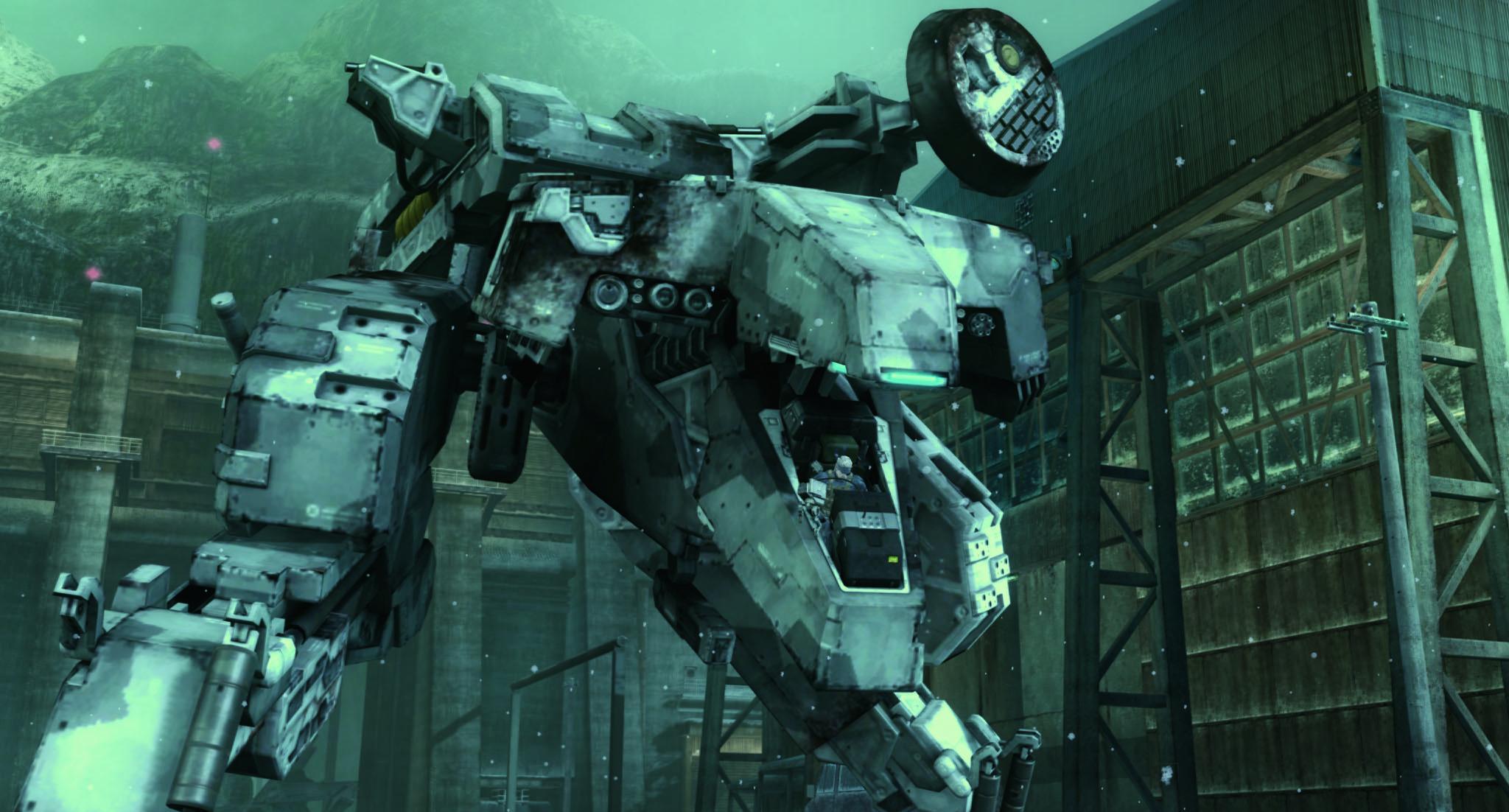
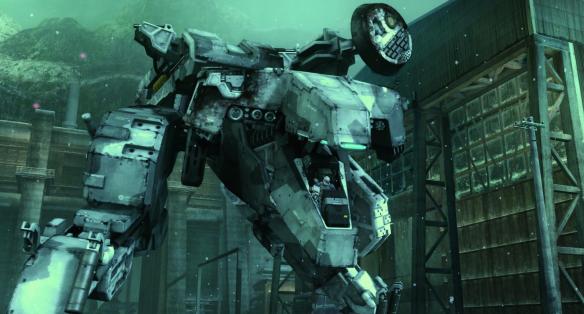
The gameplay and level design of MGS4 are polished for a fairly smooth experience. For the first time in the series, Snake actually pilots one of the eponymous Metal Gears in an exhilarating clash of giant robots. A couple of the other boss fights are brilliantly designed. Tracking and shadowing targets adds a little variety to the usual shooting and sneaking.
Rex Vs. Ray

After three games of sneaking around in the shadows, a giant robot fight was long overdue.

If the game has a problem, it’s the cutscenes—scripted scenes that take away control from the player. These are superbly produced, but also really long. I mean really, really long. I spent probably a quarter of my time with the game watching instead of playing. MGS4 is a movie superimposed on a video game.

I also have a serious problem with the game’s portrayal of women. The Metal Gear Solid series has its share of good-looking ladies, but the babes of MGS4 aren’t sexy spies or cute scientists—they are freaking PTSD victims. Several of the game’s bosses are traumatized women trapped in armored suits and forced back onto the battlefield. When their powered armors are destroyed, these ladies crawl out in skintight bodysuits as the camera ogles their curves. I think it’s supposed to be sexy in a PG-13 kind of way, but it comes off as creepy and insensitive. There are just a few of these scenes, but yeesh.

It had a few disappointments, yet I really enjoyed Metal Gear Solid 4: Guns of the Patriots. The game is a must for fans of the series. For new players, I recommend Metal Gear Solid 3: Snake Eater as a better introduction.

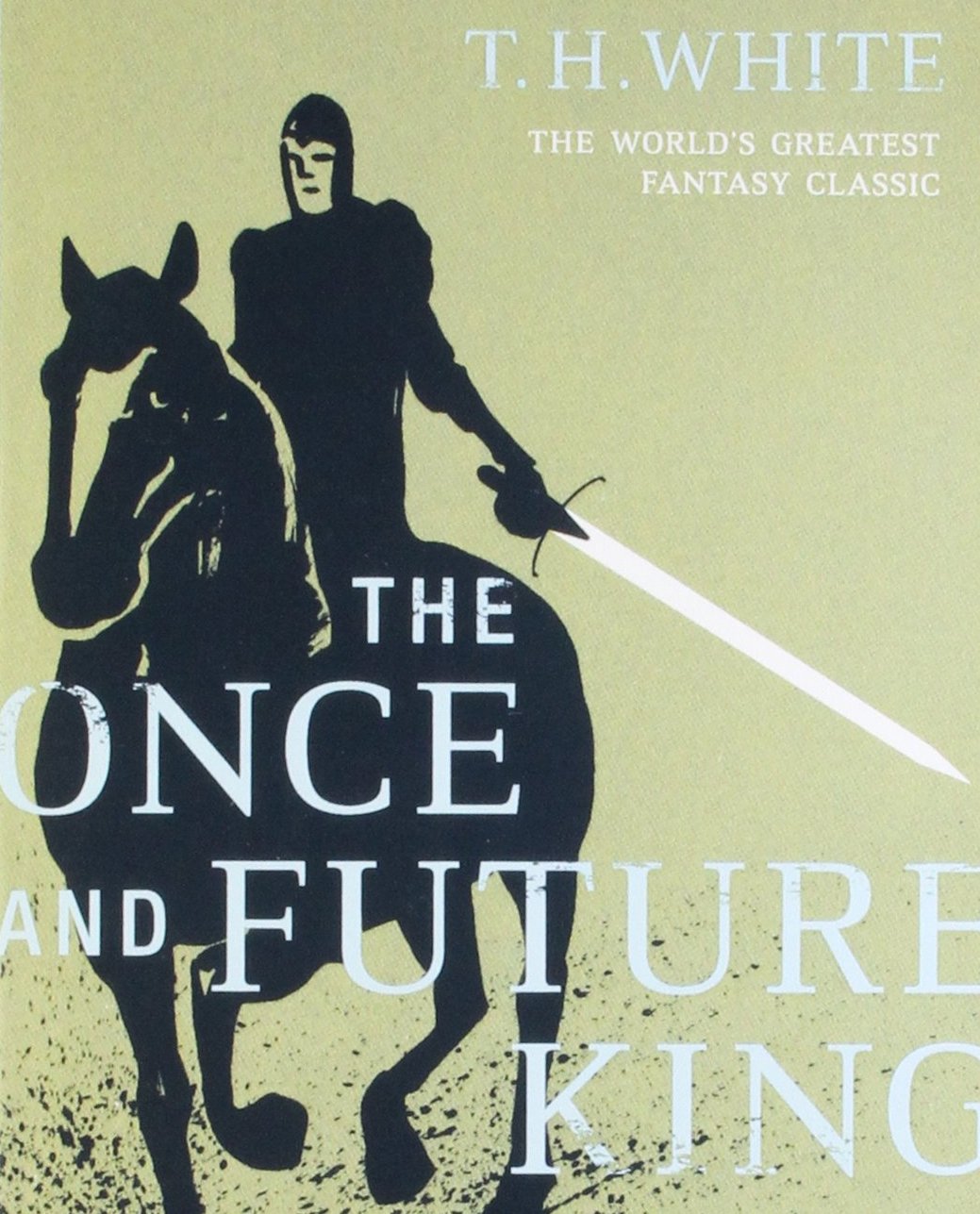
The Once and Future King
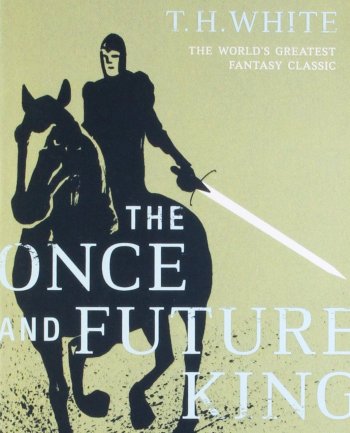
The Once and Future King coverThe Once and Future King is a poignant tale of failure. Based on Arthurian legends, the novel follows King Arthur from his childhood studies under Merlin to his final regrets as an old man. Woven into Arthur’s story is the tale of Lancelot, Arthur’s greatest knight, who follows his own ambitions and makes his own mistakes.

It’s quite a long novel, but unlike Les Misérables, every page is worthwhile. It reinterprets the Arthurian legends, setting them centuries later and giving their characters much greater complexity. Arthur, for example, no longer establishes his Round Table (an order of knights governed by chivalry) for the sake of honor or conquest. The Round Table is reimagined as a redirection of violence from selfish to noble ends. Arthur is more than a king. He is an inventor of civilization.

At first, the novel is lighthearted and often hilarious. In fact, the Disney movie The Sword in the Stone is based on the early chapters of The Once and Future King. The difference is that in the film, Arthur’s coronation is a happy ending, whereas in the book, it’s only the beginning of his struggles. The tone goes from funny to tragic as Arthur grows from a boy to a man.

The Once and Future King is easily the finest book I’ve read so far this year, and the definitive retelling of King Arthur’s story for our age. I highly recommend it.

Secret of Mana
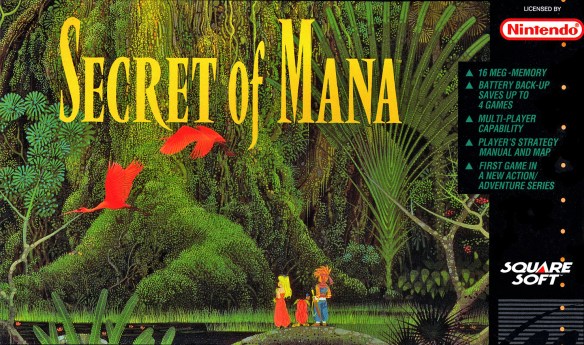
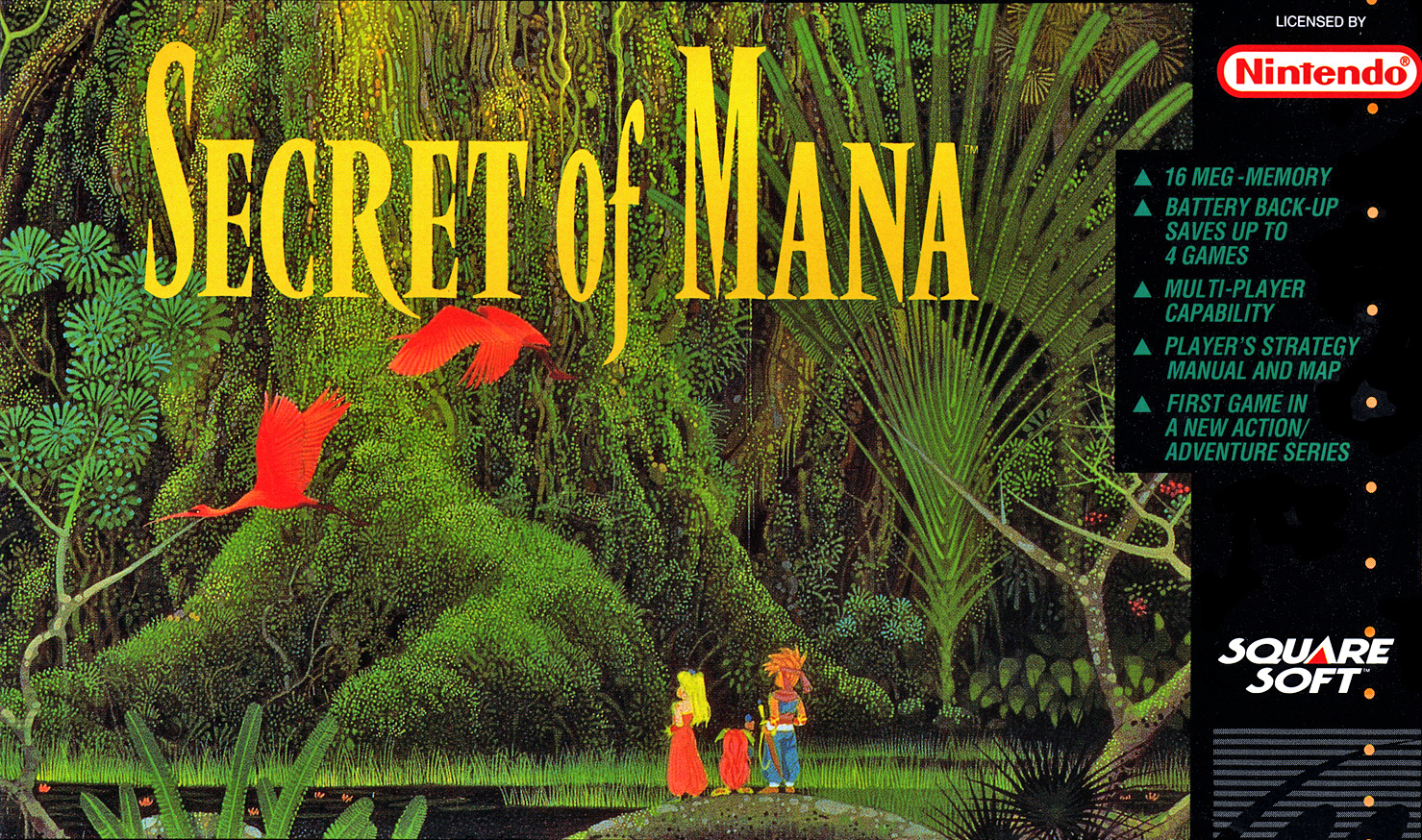
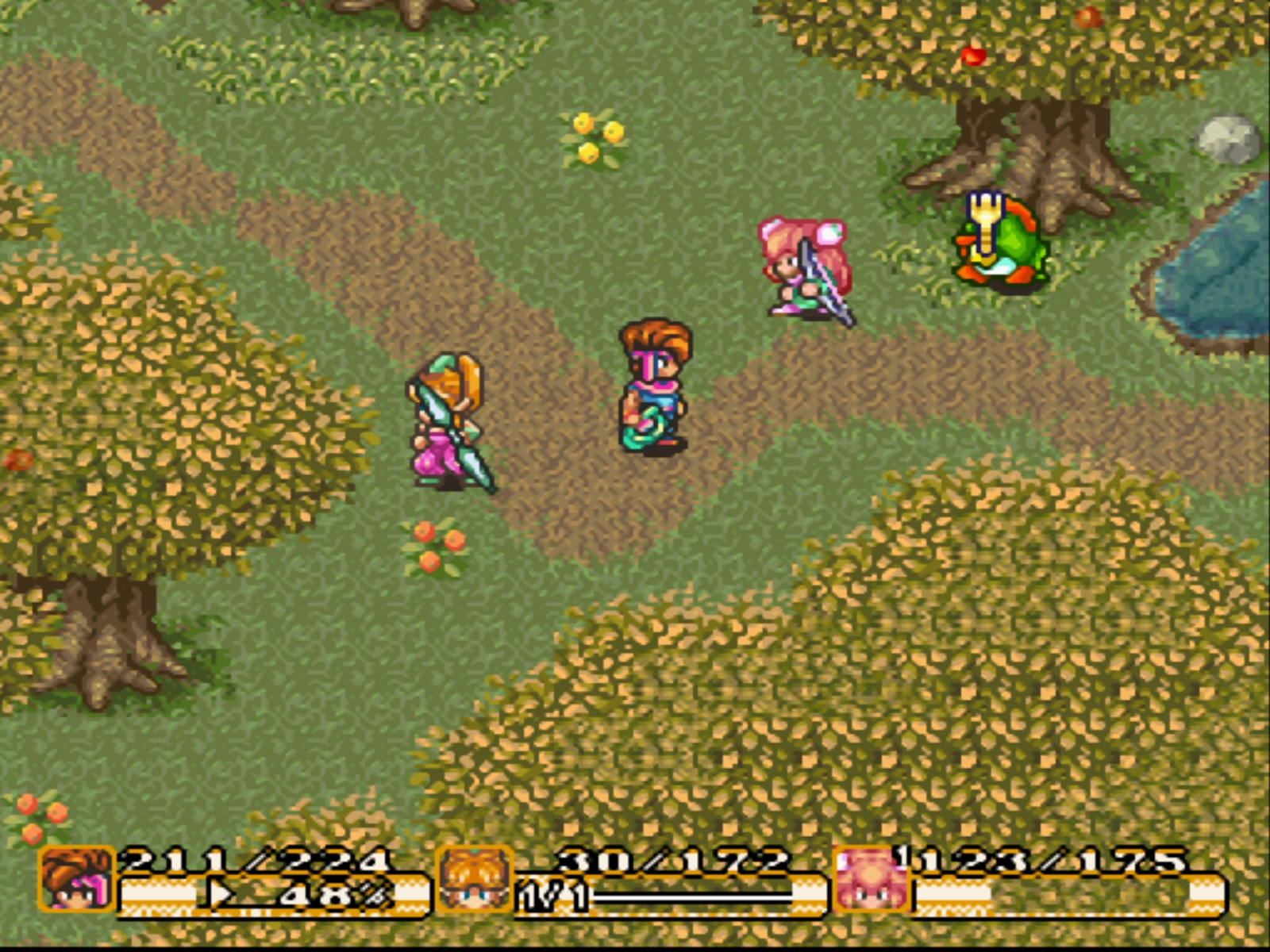
Secret of Mana coverI had wanted to play this game for years. Released around the same time as RPG classics like Chrono Trigger and Final Fantasy VI, for the same system and by the same company, Secret of Mana is widely hailed as a masterpiece of the SNES era.

It’s kind of terrible.

Yeah, it looks nice. Don't be fooled.

Yeah, it looks nice. Don’t be fooled.

There are good things about it. The battle system is robust, engaging, and way ahead of its time. Secret of Mana looks great, with bright colors and attractive old-timey graphics. Its menus are neat. I can understand why the game was so well received in its day. However, its weaknesses greatly outnumber its strengths. The music is forgettable, the story is an undeveloped stream of clichés, the game design is frequently obtuse, and the game settles into a rhythm of dull repetition that lasts way too long.

If you’re looking for an RPG classic, for heaven’s sake play Chrono Trigger and leave Secret of Mana in the nineties where it belongs.

Rise of the Guardians
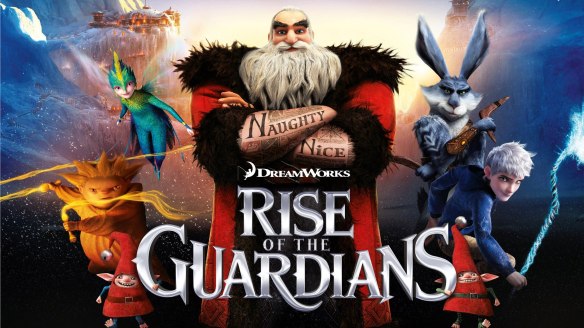
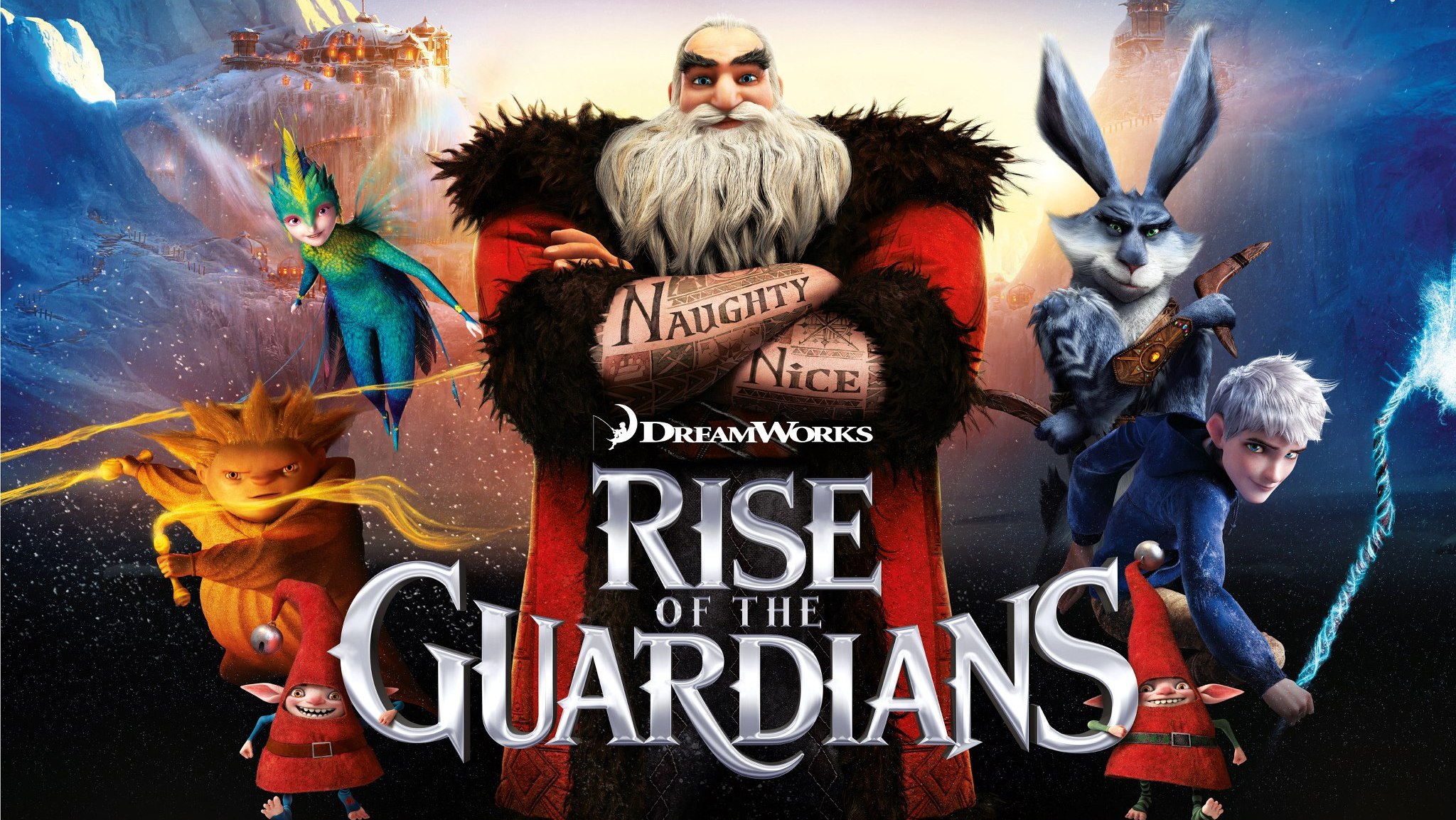
Rise of the Guardians posterI had low expectations for Rise of the Guardians, but it wasn’t bad.

The film recasts Santa Claus, the Easter Bunny, the Tooth Fairy, and other figures of childhood lore as Guardians: members of a league that protects the happiness of children. When the Boogeyman tries to darken the world with nightmares, the Guardians recruit an amnesiac Jack Frost to restore the belief and hope of kids everywhere.

Despite its generic title, Rise of the Guardians is a colorful, well-paced fairy-tale film. (Unlike the other media in this Review Roundup, it doesn’t feel particularly long.) The Guardians are mostly likable; I particularly enjoyed Santa Claus as a gruff Russian and the Sandman as a silent protagonist. The villain is sinister and well-developed. By far the weakest link is Jack Frost, whose angst, amnesia, bland narration, and boy-band looks hit all the wrong notes.

It isn’t a classic, but Rise of the Guardians is all right.

The Godfather Parts I and II
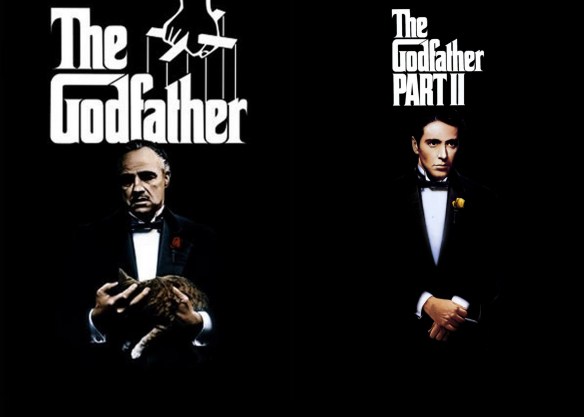
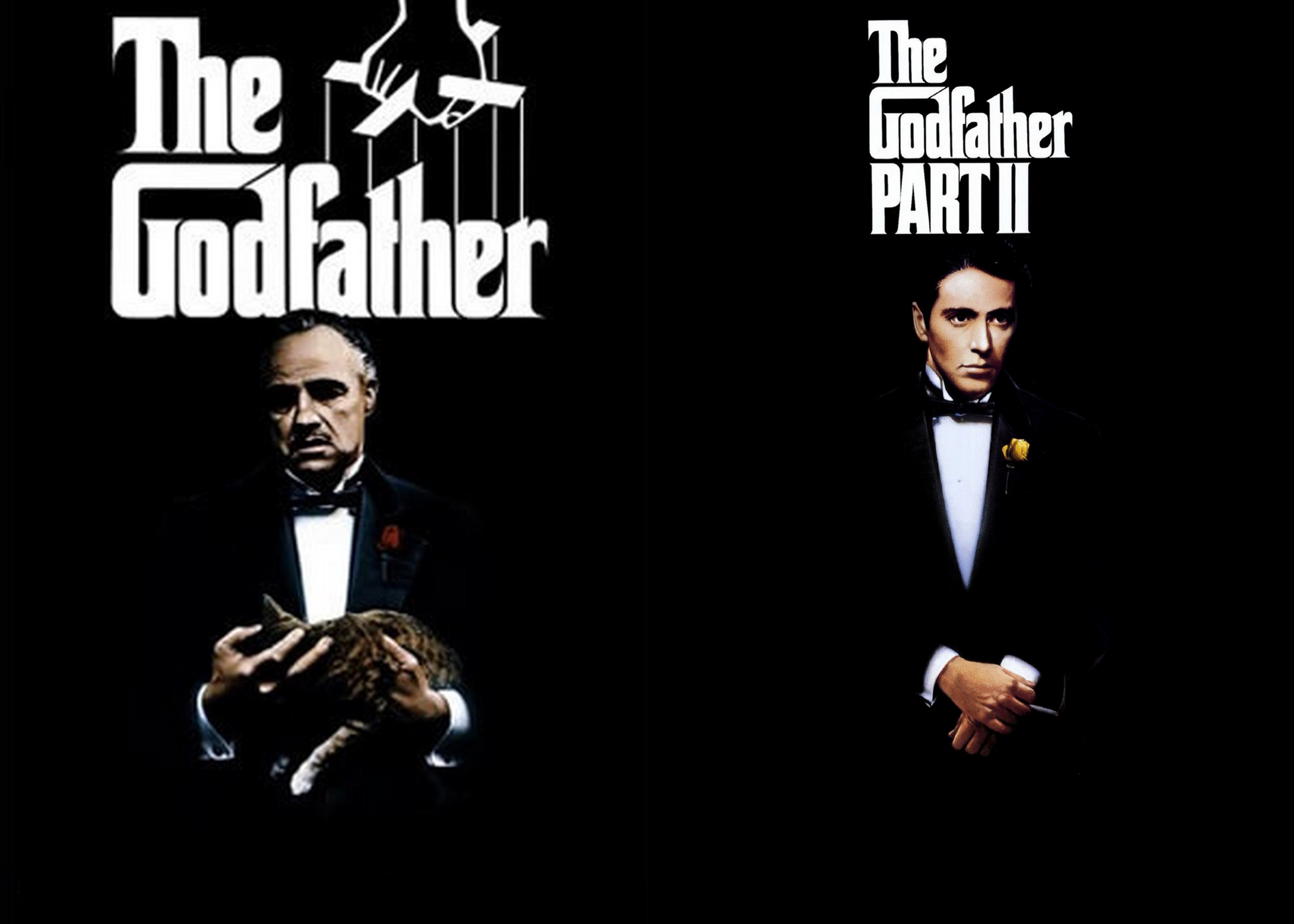
The Godfather covers

The Godfather and The Godfather Part II are allegedly two of the greatest films ever made. I decided I should see them. It was, as the Godfather himself might have put it, a recommendation I could not refuse.

The first Godfather film tells the story of the Corleone family, an Italian-American crime syndicate led by the eponymous godfather, Vito, and later by his son Michael. The second movie follows Michael as he consolidates power, and flashes back to Vito’s arrival in the United States and rise to power as a criminal kingpin.

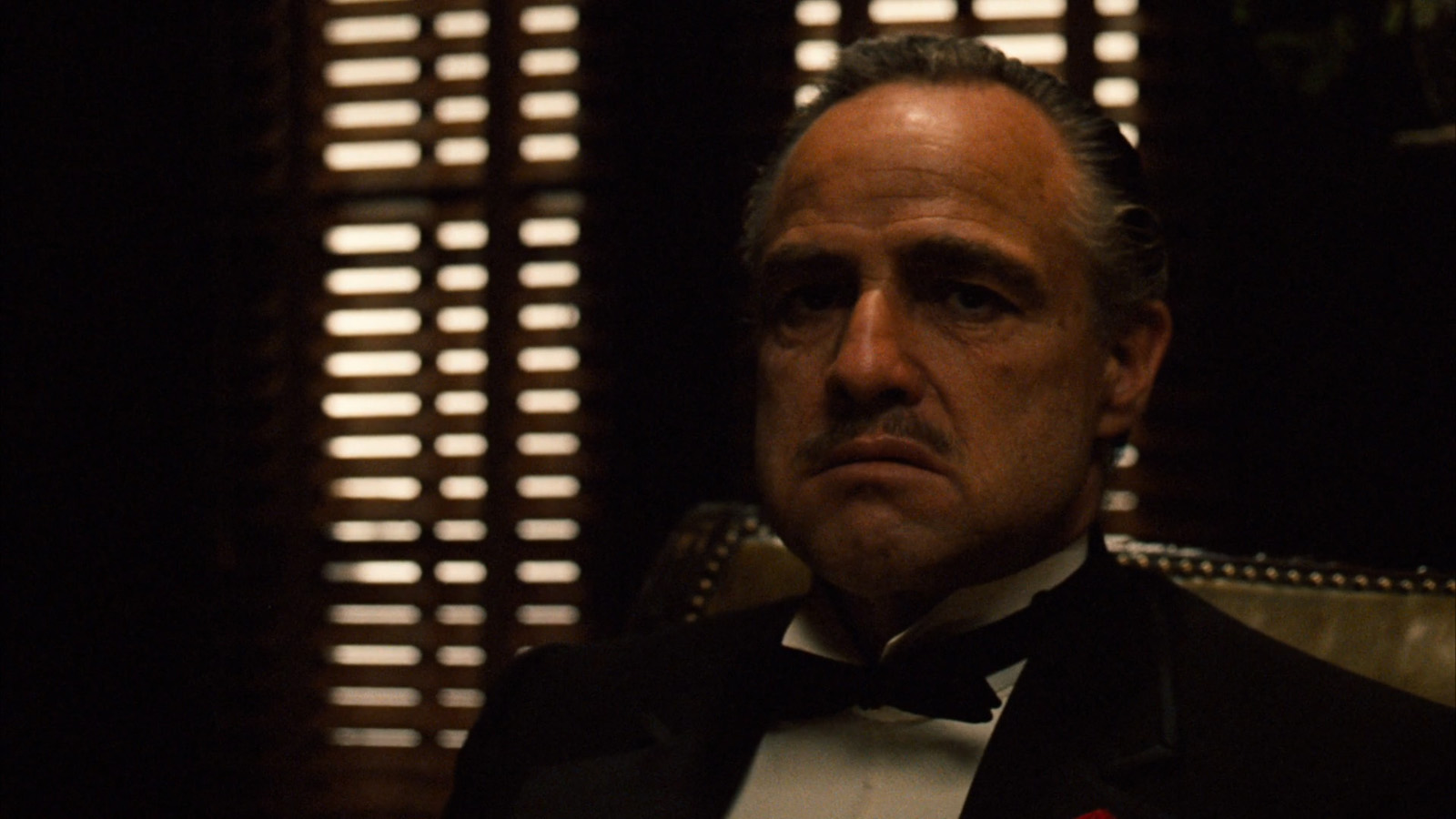
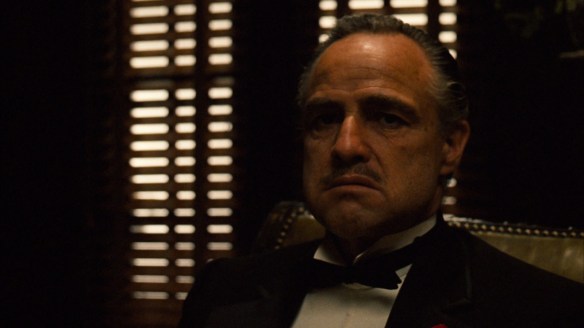
Oh, and the first one consists largely of Marlon Brando making this face:
Marlon Brando scowling

Seriously. This is his default expression.

The Godfather movies are fairly old, and a lot longer and slower than contemporary films. They move at the leisurely pace of novels. (If it were made today, The Godfather would probably be a television miniseries, not a series of films.) The meticulous pacing allows for character development and plenty of subplots, but definitely makes watching the films a chore.

The Godfather movies boast great acting and complex characters. Vito is not just a literal godfather to his godson, but a sort of father-figure to his community. His life of crime is governed by strict rules of honor and loyalty. Michael, at first an innocent young man, hardens into a ruthless mob boss who abandons his father’s principles. In telling their stories, the films touch upon themes such as revenge, responsibility, betrayal, tradition, religion, corruption, and family.

The Godfather and The Godfather Part II reward patient viewers with the epic story of a family’s descent into darkness. If you’re looking for something easy to watch, however, you had better look elsewhere.

What books, films, shows, or video games have you enjoyed lately? Let us know in the comments!

397. More Thoughts on Marvel’s Daredevil

I mentioned last time that my family has been visiting for a couple of weeks from Uruguay and the Dominican Republic. How did my dad and I spend this rare and wondrous opportunity?

We watched Marvel’s Daredevil on Netflix, of course.

Well, we also traveled and did some other stuff, but Marvel’s Daredevil was definitely high on our priority list. My dad hadn’t seen it. I felt it was my duty as a loving son to sit him down and make him watch all thirteen episodes. It was rewarding for me to revisit Daredevil, and I noticed a few things I had missed the first time.

As a follow-up to my thoughts on Marvel’s Daredevil, here are more thoughts on Marvel’s Daredevil.

Marvel's Daredevil

Everyone gets hurt.

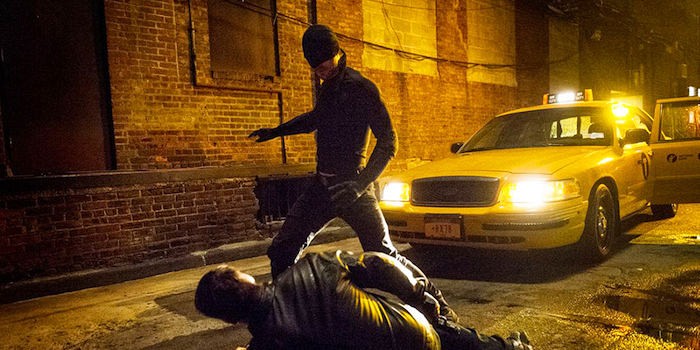
I know I mentioned this last time, but the fights in Marvel’s Daredevil are terrific. They aren’t the boring, bland, bloodless brawls of Marvel’s other superheroes. People get hurt in Daredevil, including Daredevil.

Superheroes in other stories are usually invincible. Iron Man has his armor. Captain America has his shield. Wolverine’s metal-coated skeleton and miraculous healing powers make him nearly immortal. The Hulk is literally invulnerable. Even Batman shrugs off a broken back in a matter of months because, well, he’s flipping Batman. Except when it’s convenient to the story, superheroes don’t get hurt.

Daredevil gets hurt all the time. He gets tired. He bleeds. He stumbles and faints. He gets cut open and stitched up. Daredevil is extremely tough, but believably so. His fights are tense and exciting because he could die at any moment—all it would take is one bullet, blade, or blunt object. By comparison, the fight scenes in movies like Man of Steel and The Avengers are dull, by-the-numbers affairs that never put the heroes in any real peril.

Primary colors, especially yellow, are all over the place.

I don’t how I missed this last time—my excuse is that I was too absorbed in the show’s plot and characters—but the color palette of Marvel’s Daredevil is dominated by strong primary colors. New York City has a deep bluish tinge at night. Neon lights give scenes a red or yellow cast. Colored windows flood rooms with golden light. The show’s colors are rich and saturated, giving Daredevil an appropriately comic-book aesthetic.

I really dig it.

Yellow

Marvel’s Daredevil is basically a drama with superheroes.

If I had to describe the series, I would call it a crime thriller with some political drama and one or two superheroes thrown in for good measure. It’s a story with superheros, not a superhero story. As in the case of The Dark Knight, the superhero elements feel almost incidental.

The Marvel Cinematic Universe needs to change its approach to storytelling.

The Marvel Cinematic Universe (MCU) is a remarkable achievement: a series of loosely-connected films and television shows that all tell stories within the same fictional universe. The concept is exciting from a narrative standpoint, and has proved profitable for Marvel from a financial one. However, the MCU has been around long enough that it’s starting to stagger under its own weight.

The Avengers: Age of Ultron was a decent movie, which is almost a miracle considering all the ways it connected to past and future films in the MCU. It was forced to continue subplots from The Avengers and Captain America: The Winter Soldier, set up the conflict for Captain America: Civil War, hint at events in Thor: Ragnarok, introduce story elements for the Black Panther movie, and progress the Infinity Stones story arc.

Does that sound confusing and exhausting? It is. The MCU, like so many of the comics that inspired it, is becoming hard to follow.

Marvel’s Daredevil is technically part of the MCU, but it makes only a few passing references to The Avengers and leaves it at that. Daredevil is mostly a self-contained story. It leaves one or two loose ends for future series to tie up, yet remains accessible.

The MCU needs to be less like a complicated serial, and more like an anthology. We don’t need more Iron Man movies. What we need is more stand-alone stories like Daredevil—stories that share a universe without necessarily continuing the same tired plots.

Marvel’s Jessica Jones, a related series, comes out on Netflix in less than a month.

Marvel’s Daredevil is the first of several interconnected series from Netflix based on lesser-known Marvel superheroes. The next, Marvel’s Jessica Jones, comes out next month. I don’t know much about it, but the series will star David Tennant (AKA the Tenth Doctor from Doctor Who) as the villain. Early screenings of Jessica Jones have been positive. If it’s even one-half as good as Daredevil, I’m certain I will enjoy it.

What shows have you been watching lately? Let us know in the comments!

394. TMTF’s Top Ten Disney Villains

All right, guys. We all knew this was coming. It was only a matter of time.

I like villains—from a safe distance, of course. Bad guys are often so much more interesting than good ones. Whether misguided, damaged, or simply evil, a striking or well-developed villain is often the best part of a story. Walt Disney Animation Studios understands this. In its seventy-something years of filmmaking, it has created an entire pantheon of memorable bad guys.

Prepare yourself for the best of the baddies, ladies and gentlemen, as TMTF presents…

The TMTF List of Top Ten Disney Villains!

Be ye warned: Here there be minor spoilers.

10. Cruella de Vil (One Hundred and One Dalmations)

Cruella de VilleNot every villain needs to be an all-powerful menace. Cruella de Vil is merely a bad person: shallow, selfish, cruel, unbalanced, and a little sociopathic. I would call her a crazy cat lady, but she’s more of a dog person—but only if “dog person” means “person who wants to kill puppies and turn their skins into coats.” Her visual design is incredible, from the bulky furs dangling from her skeletal body to the sneer on her blood-red lips. Cruella de Vil is a maniac, and a refreshingly low-key change from the large-scale evil of other Disney villains.

9. Maleficent (Sleeping Beauty)

MaleficentMaleficent isn’t a complex villain, or even a particularly interesting one, but she gets bonus points for making an impression. She may be the most recognizable baddie in the Disney pantheon. Maleficent perfects the gaunt-and-sinister-old-lady character type. By comparison, the queen from Snow White and the Seven Dwarfs and the stepmother from Cinderella seem like mere prototypes. Maleficent also turns into a dragon, which is pretty rad.

8. Mother Gothel (Tangled)

Mother GothelI’m going to be lazy and let another blogger explain this one: “What makes Mother Gothel terrifying is the fact that Rapunzel loved her. That makes Mother Gothel more than a villain in the traditional hey-I’m-going-to-kill-you way. It makes her a liar, deceiver, and traitor, violating one of the deepest bonds we can think of (mother-daughter).” (As long as I’m stealing ideas from Amy Green, you should go read her old two-part post on Disney villains.) Mother Gothel isn’t as powerful as other villains on this list, but she’s far more relatable—and that scares me more.

7. Monstro (Pinocchio)

Monstro

Monstro is not a well-developed character—or any kind of character, for that matter. Monstro is a whale. He has no dialogue, and his only apparent motivation is rage. Like Sauron in The Lord of the Rings or Cthulhu in the works of H.P. Lovecraft, Monstro is not so much a character as a force of evil. Monstro is a monster, true to his name, in the truest sense of the word: inscrutable, elemental, destructive, powerful, incomprehensible, angry, and terrifying.

6. Shere Khan (The Jungle Book)

Shere Khan

Shere Khan is an implacable predator. He isn’t exactly evil, but lives according to his nature, and his nature is to kill. Here is another example of superb visual design creating a memorable character: his massive jaw and tiny yellow eyes give him a predatory look, and his smooth, cat-like movements convey power and confidence. The unsettling way Shere Khan swings from politeness to savagery reminds me of Hannibal Lector from The Silence of the Lambs. Shere Khan isn’t out to conquer the world. He just wants to kill, and he’s creepily nice about it.

5. Scar (The Lion King)

ScarScar is delightful and charming, insofar as a treacherous tyrant can be either of those things. As a king’s younger brother, he resents his young nephew for taking away his claim to the throne. (It’s all very Shakespearean, which is appropriate since The Lion King is based loosely on Shakespeare’s Hamlet. Scar reminds me more of Richard III, though.) I can think of a lot of words to describe Scar: sarcastic, scheming, ruthless, resentful, and vicious, among others. He has a lot in common with other Disney villains, but his underhanded charm sets him apart.

4. Hades (Hercules)

HadesThis smooth-talking scoundrel gives the impression of a shady used car salesman. His friendly manner can’t hide his short temper and ill intent. Did I mention that Hades is the god of the dead? He’s the god of the dead. His character in the film is never quite as funny as I remember, yet I absolutely adore the combination of a sleazy personality with the almighty power of a mythical god. Villains tend to be serious, sometimes to the point of tedium or predictability. Hades joins baddies like the Joker and Kefka Palazzo as a really bad guy with a really good sense of humor.

3. Judge Frollo (The Hunchback of Notre Dame)

Judge FrolloTo this day, I can hardly believe Disney allowed The Hunchback of Notre Dame to be made. It’s an excellent film, but definitely doesn’t fit Disney’s kid-friendly image. Take Claude Frollo. This judge plans a genocidal crusade to murder the gypsies of Paris: a heartless ethnic cleansing in the name of religion. Judge Frollo clings to hypocritical self-righteousness, yet desperately fears that his lust for a gypsy woman will damn him to an eternity in hell. Yeah. Heavy stuff. Just listen to his villain song, “Hellfire.” Most Disney baddies get a villain song, but Frollo’s is the only one about sexual desire and everlasting damnation. Judge Frollo is a complex, tormented man, and a haunting antagonist for one of Disney’s most daring films.

2. Yzma (The Emperor’s New Groove)

YzmaNot every villain has to be dark and brooding. If you haven’t already seen The Emperor’s New Groove, stop reading this blog post and don’t come back until you have. Yzma is flipping hilarious. This resentful old woman, whom other characters describe as “scary beyond all reason,” swings madly from manic cheerfulness to furious grumpiness. When she finally loses patience with her laid-back, self-centered emperor, she plans his assassination… only for the plan to go awry and the emperor to end up transformed into a llama. Throughout the film, Yzma and her adorkable henchman Kronk try (unsuccessfully) to track down and kill the emperor before he can reclaim his throne. Hilarity ensues, proving that a villain doesn’t have to be scary to be awesome.

1. Rourke (Atlantis: The Lost Empire)

Commander RourkeI doubt anyone saw this one coming. Atlantis: The Lost Empire was released in the dark age between the Disney Renaissance in the nineties and the so-called Disney Revival of the past six or seven years. Most of Disney’s films from the early aughts have faded from memory. In the case of Atlantis: The Lost Empire, it’s a shame: I consider this steampunk adventure an underappreciated gem. Its villain, Rourke, is the kind of pragmatic, no-nonsense killer I would never have expected from Disney. Rourke, the leader of an expedition to discover Atlantis, reveals himself to be a mercenary—or to use his preferred term, an “adventure capitalist.” He plans to plunder a magical artifact from Atlantis, killing all of its inhabitants in the process. Rourke stands out for his dry sense of humor, absolute self-interest, and complete disregard for human life. Did I mention the scene in which he snaps and tries to murder the protagonist with an axe? Rourke is a fantastic villain, and I think Disney has none better.

Who are your favorite Disney villains? Let us know in the comments!
393. About Storytelling: Magic, Destiny, and Nanomachines

Here’s a question for you: What do fate, magic, nanomachines, and sonic screwdrivers have in common?

As I mentioned last time, I’ve been playing a video game called Metal Gear Solid 4. Its blend of military intrigue, science fiction, and social commentary is kinda bonkers, but the story’s strangest turns always have an explanation—or, to be more honest, an excuse. That excuse is nanomachines. These microscopic robots are injected into the bloodstream of many characters in the game, giving them superpowers (or super-weaknesses) that defy all other explanations.

How does a character in the game survive being shot in the head and stabbed through the abdomen? Nanomachines. How are entire armies instantly disarmed, disabled, and defeated? Nanomachines. How is a long-dead character revived in a stunning twist? That’s right—flipping nanomachinesEvery impossible twist in the story is explained by these hard-working little bots.

The answer is nanomachines.

The answer is nanomachines. It’s always nanomachines.

In the end, throughout the Metal Gear Solid series, nanomachines are generally the catch-all explanation for things that otherwise make no sense. The audience never learns exactly how they cause immortality, raise the dead, regulate firearms, or do any of the other crazy things they do. Nanomachines are a vague, easy solution to plot holes that can’t otherwise be filled.

Let’s not cast all the blame upon nanomachines, though. Consider how often, especially in fantasy stories, magic is used to explain away things that make no sense. Science fiction often uses technology in exactly the same way. As Arthur C. Clark reminds us, “Any sufficiently advanced technology is indistinguishable from magic.”

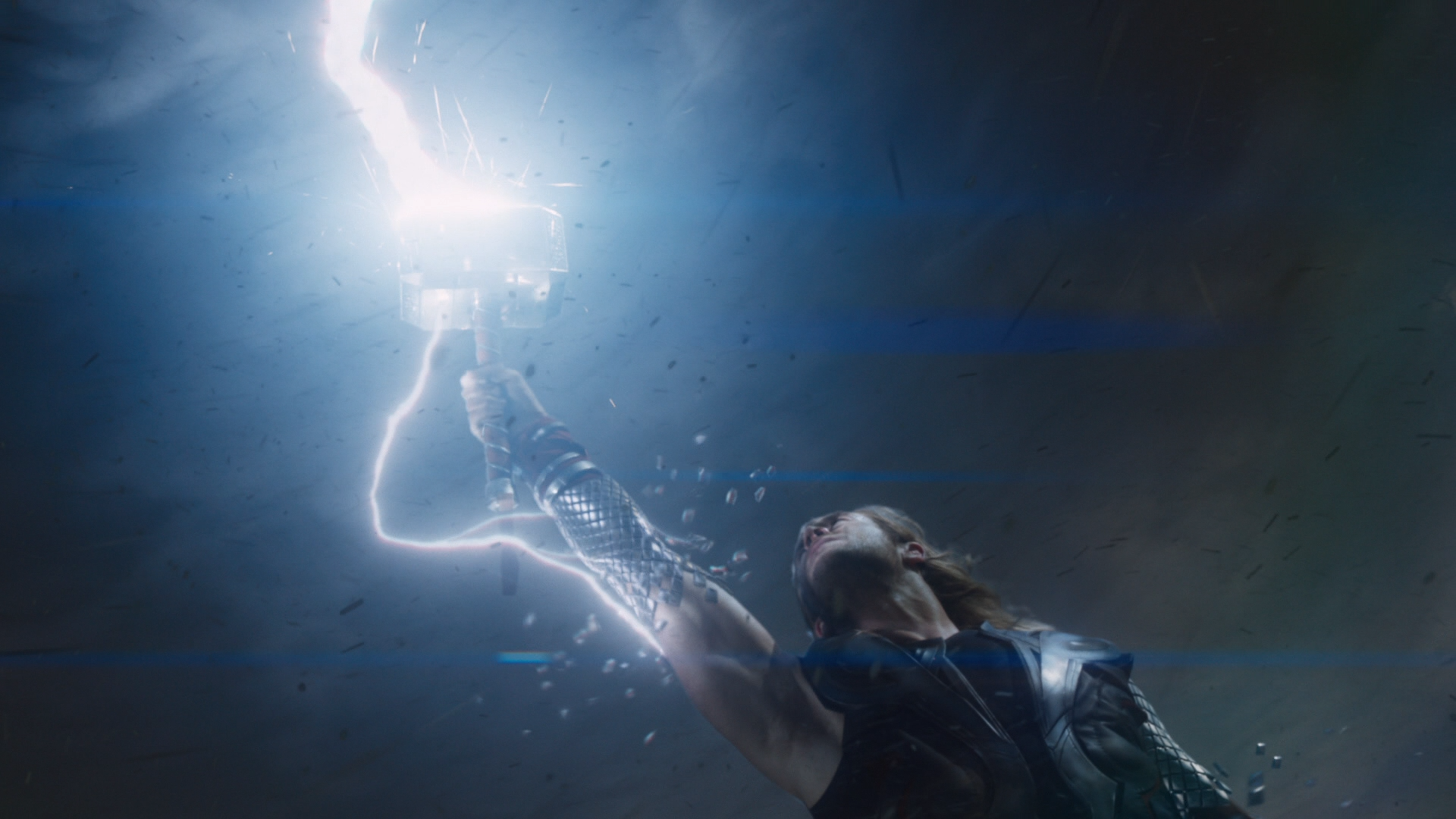
Marvel’s Thor movie openly acknowledges this when its eponymous superhero tells an ordinary human, “Your ancestors called it magic, but you call it science. I come from a land where they are one and the same.” Thor’s hammer makes no sense. Most of the stuff in Marvel’s movies makes no sense. The easiest solution is to claim that it’s incomprehensible technology and call it a day.

Witness the power of... um... technology?

Witness the power of… science?

Fate and destiny can work the same way. In dramas and romances, these vague cosmic forces offer an excuse for crazy coincidences and irrational behavior.

Then there’s Doctor Who. Flipping heck, is there ever Doctor Who. Besides the good Doctor’s sonic screwdriver, which does anything the plot needs it to do, the show’s many plot holes are waved away by the concept of “wibbly-wobbley, timey-wimey… stuff.”

Do you remember the concept of deus ex machina? It’s when a specific problem in a story is resolved by some contrived or impossible solution. This is the same idea, but bigger and more pervasive. It’s when a deus ex machina, instead of resolving a single problem, becomes the storyteller’s go-to resolution for all of the problems.

As cheap or lazy as this sounds, it doesn’t have to be so bad. It all depends on how it’s used. Some stories don’t need to be burdened by a lot of complicated explanations. If media like Doctor Who or Metal Gear Solid 4 obsessed over details, or else cut out everything that lacked a rational explanation, they would be a heck of a lot less fun. If the audience is willing to swallow a vague explanation, and it enables a better, tighter story, then it becomes a good thing.

Used badly, narrative tricks like magic and nanomachines make a story contrived and unbelievable. Used well, they prevent a story from becoming bogged down in details and explanations, and allow storytellers to focus on other areas of storytelling.

I would call my typewriter monkeys my blog’s version of this trick—a vague explanation for the complicated process of how TMTF is kept up and running—except for one thing. My monkeys don’t resolve problems. They cause them!
389. The Problem with The Peanuts Movie

Hollywood is making a Peanuts movie. The film, appropriately titled The Peanuts Movie, will feature the misadventures of Charlie Brown, Snoopy, and the rest of the lovable gang from the comic strip by Charles Schultz.

Much to my surprise, the movie looks pretty good. Take a look at the trailer.

When The Peanuts Movie was announced, I cynically assumed it would be a cheap attempt to cash in on America’s nostalgia for its favorite comic strip. The trailers, however, have left me cautiously optimistic. The art is faithful to Schultz’s comics, the voices hearken back to the animated Peanuts specials, and everything (except the soundtrack) seems true to the spirit of Peanuts.

Well… almost everything does.

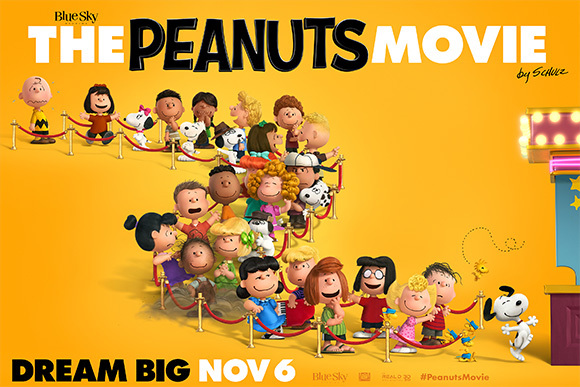
The Peanuts Movie posterIn at least one way, The Peanuts Movie will probably stray from the spirit of the comic strip.

The movie will have a happy ending.

In its trailers, The Peanuts Movie hints at a triumphant ending for its hero, Charlie Brown. His story will probably be one we’ve seen a dozen times before in other movies, from Wreck-It Ralph to How to Train Your Dragon. It’s the tale of an underdog conquering his insecurities and doing something great, earning respect and learning self-respect along the way.

It’s a familiar story. We’ve all seen it, and most of us love it. It will probably be the story of The Peanuts Movie. We all want Charlie Brown to succeed. We want him to win. I understand why the film seems to be taking this approach to the comic strip. It’s marketable. People will pay to see it, and they will enjoy it, and that’s perfectly fine. I like happy stories as much as anyone.

But that’s not what Peanuts is about.

Peanuts is not a happy comic strip. It has a reputation for innocence and optimism, thanks to cheerful TV specials and licensed greeting cards from Hallmark, but the comic itself can be pretty bleak.

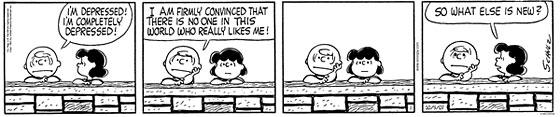
Charlie Brown is often lonely, depressed, and insecure, to the absolute indifference of those around him:

Depressed Charlie Brown

Flipping heck, even the very first Peanuts strip shows the cruel duplicity of of which children are capable:

Good old Charlie Brown

There are cheerful Peanuts strips, sure, but for every heartwarming strip about hugs or warm puppies, there are several about rejection or loneliness.

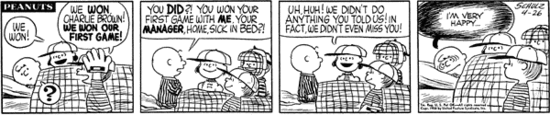
Charlie Brown is the hero of this melancholy comic strip, and he never really gets a happy ending. He never gets a Valentine. He never catches the eye of the pretty red-haired girl. He never kicks that football, and even on the rare occasions his baseball team wins, he doesn’t:

Charlie Brown's team wins

He isn’t alone. In some ways, Peanuts is a comic strip about failure. Lucy never grows out of her childishness. Snoopy doesn’t find a publisher for any of his manuscripts. In the face of a broken world, Linus clings helplessly to his security blanket.

Charlie Brown isn’t alone in his struggles, but what makes him stand out is how he responds to them. He never gets the happy ending The Peanuts Movie will probably give him, and that’s part of what makes him a hero. The other part, the really important part, is that he keeps trying.

Every February, Charlie Brown waits by the mailbox for a Valentine. He never gives up on his crush, never stops trying to kick that football, and leads his baseball team with indomitable enthusiasm. Charlie Brown, the punching bag of the universe, keeps dreaming, keeps hoping, keeps persevering. We don’t love him because he kicks that football. We love him because he keeps kicking.

However its movie turns out, Peanuts isn’t a predictable tale of finding happiness. It’s a story of persevering in an unhappy world. It’s a story of hope.

That’s what Peanuts is about, Charlie Brown.

388. Fans, Geeks, and Waifus: A Momentary Study

I once had a friend who had a crush on Legolas from The Lord of the Rings. This puzzled me greatly.

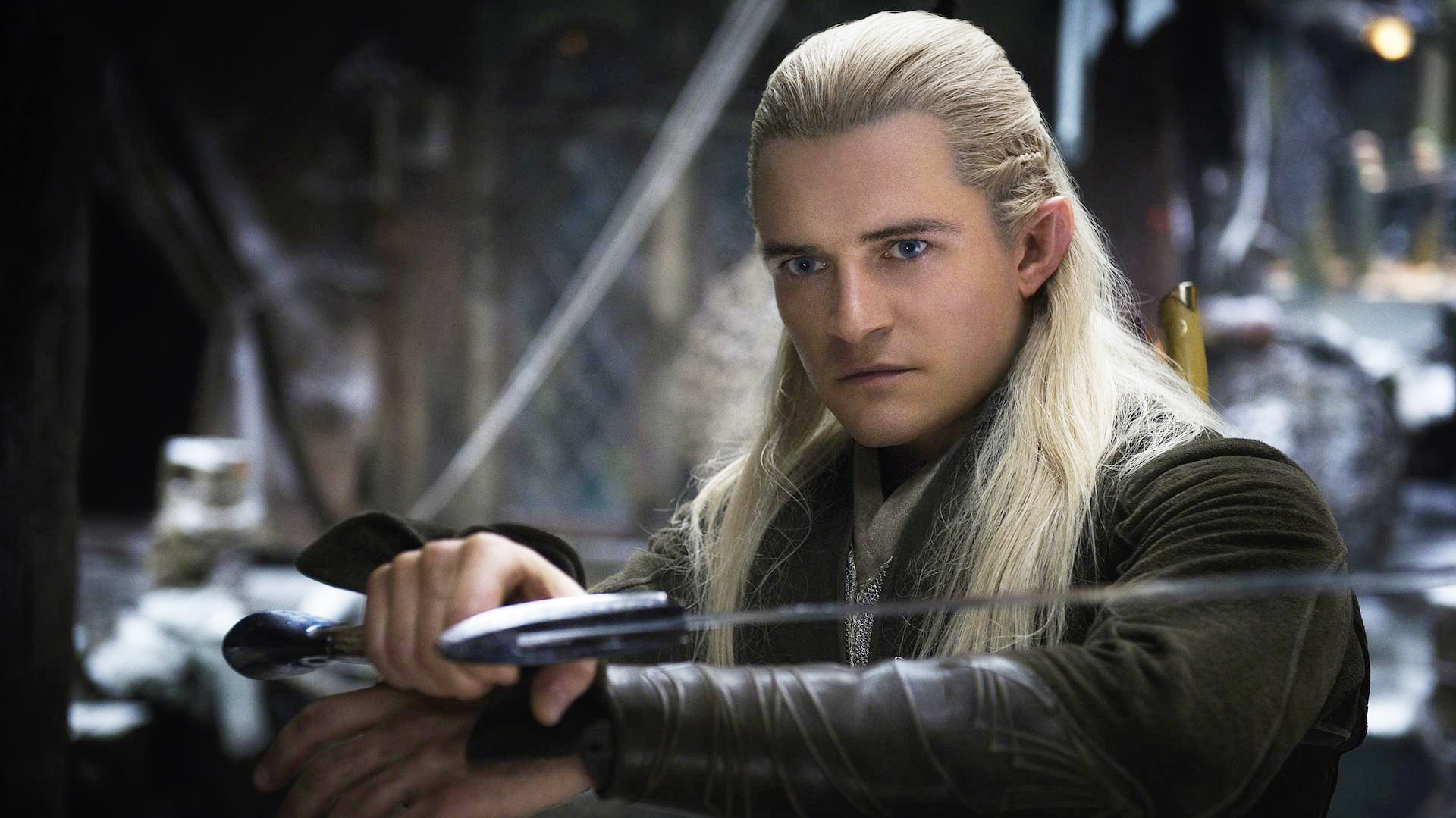
Granted, Legolas isn’t ugly. He has two eyes, which is generally the preferred number of eyes. That’s a good start. Legolas also has a nose, all his teeth, and a full head of hair. (At any rate, in the movies, he wears a nice wig.) So far: so good. His skin is healthy—no leprosy there—and he isn’t painfully thin or morbidly obese. Legolas also seems to have “the smolder,” a trait considered desirable by females of the species… I think.

Look, I’m no expert on what ladies find attractive in gentlemen. I’ve simply been told Legolas is a smokin’ hot stud or some such, and I’m not sure I’m qualified to argue.

Legolas

Exhibit A: Legolas the (apparently) sexy elf.

All of this, however, doesn’t explain the adoration my friend (whom I’ll call Socrates) lavished upon this imaginary elf. She thought Legolas was the sexiest thing since Hugh Jackman’s abs in the X-Men movies, and I thought Socrates was crazy.

Nah, my crush was on Daphne from the old Scooby-Doo cartoon.

Of course, that was back when I was in kindergarten: a faraway time when I was tiny and blond, barely knew the alphabet, and didn’t drink coffee.

Exhibit B: Adam Stück in kindergarten, roughly nine years B.S. (Before Sideburns).

On the right, Exhibit B: Adam Stück in kindergarten, roughly nine years B.S. (Before Sideburns).

By the time I reached high school and met Socrates, my secret crush on Daphne was a thing of the distant past. As the Apostle Paul wrote, doubtless referring to childhood crushes on fictional characters, “When I was a child, I talked like a child, I thought like a child, I reasoned like a child. When I became a man, I put the ways of childhood behind me.”

By high school, I had put childish ways behind me, and Daphne from Scooby-Doo with them. No, I was enamored of Anne Shirley from Anne of Green Gables.

My point here is that fictional characters can be attractive, and real-life people can be attracted to them. This is a common enough phenomenon. In geek culture, however, it is sometimes embraced wholeheartedly… even to a point that is frankly weird.

Let’s talk about waifus.

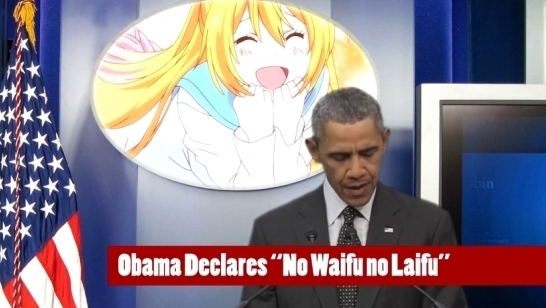
No waifu no laifu

Exhibit C: The anime-obsessed President of the United States voices his support for waifus.

A waifu is a fictional character to whom a person is attracted, to the point of considering that character a significant other.

The word waifu comes from an exaggerated Japanese pronunciation of the English word wife. (Thanks to anime and video games, a lot of weird geek culture originates in Japan.) A waifu doesn’t have to be female, by the way; the term can be used for characters of either sex.

By calling a character his waifu, a geek wryly acknowledges his crush on that character. It’s basically a form of shipping in which a real person ships a fictional character with himself.

Is it weird? Yes. Do I support waifus? Nah. Do they worry me? Not really. I’m pretty certain the waifu phenomenon is the sort of harmless, silly nonsense the Internet does best. At any rate, I hope it’s no deeper or darker than that!