233. The Best Christmas Special Ever

There are one or two Christmas specials which are near and dear to my heart: for example, the Peanuts one.
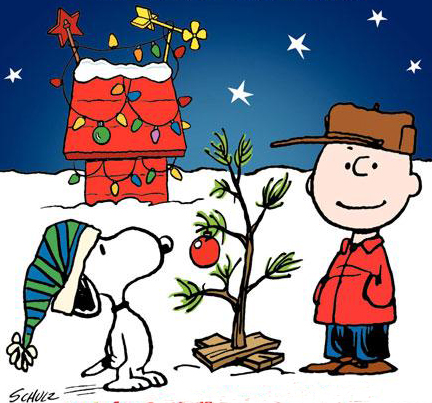
Charlie Brown Christmas

After the incomparable Peanuts program, I think my favorite Christmas special is a silly sketch from the good folks at The Ceiling Fan Podcast.

The Ceiling Fan Podcast is an audio series produced by fans of Adventures in Odyssey. It’s the tale of Ethan Daniels, hyperactive teenager and self-proclaimed greatest Odyssey fan.

The Ceiling Fan Podcast

I could ramble on about The Ceiling Fan Podcast and how much I enjoy it, but I’m here to talk about Christmas specials.

(I will mention, however, that it was the creator of The Ceiling Fan Podcast who put together a freaking rap battle for this blog. He’s a really cool guy, and it was an awesome rap battle.)

In the classic film It’s a Wonderful Life, which I should probably watch someday, an angel shows a man named George how much worse the world would have been if he had never existed. Without realizing it, George had touched many lives and made an incredible difference for good.

In the best Ceiling Fan Christmas special, a man named John (a recurring character in the podcast) undergoes a similar experience… except his supernatural guides show him how much better the world would have been without him.

For example: John works as a newscaster for a failing radio station—a station confirmed to have only one regular listener. With another newscaster in his position, the station is incredibly successful. Another example: John lives alone with his cats. In his absence, a neighbor finds each of those cats a loving home—as she puts it, “It would be downright awful to have so many cats all living in one place! I can’t imagine any of them would like that very much!”

John’s conviction deepens that his life has been meaningless… and then he encounters a lonely boy named Ethan Daniels. Ethan is spending the holidays with his mom; his dad hasn’t ever been around for Christmas. At the moment, Ethan feels just as depressed as John.

Then Ethan turns on the radio and hears one of John’s newscasts. Ethan likes it, and decides to create a podcast of his own—The Ceiling Fan Podcast.

As they watch Ethan, John and his guide begin to talk, and music wells up in the background, and I shed a few quiet tears.

John’s guide explains: “This is the moment that little boy decides he wants to do a podcast, a podcast that gives him a purpose, and leads him to all kinds of adventures! And he meets some of his closest friends through it. And he has the time of this life. And it all starts at this moment. With you, John. Because of you.”

“And his podcast becomes big and famous, and changes a lot of lives?” asks John.

“No, John,” replies his guide. “It stays small… but it affects some lives.”

John seems to get it.

“Even if I only help this one kid, and it goes no further than that… it was worth it, right?”

“What do you think?”

John continues, stammering slightly. “He—he’s the one, isn’t he? The young man is—is the one who’s still listening to the show.”

“Yes.”

John concludes: “Even if I make a few people laugh, and I have fun and enjoy what I do, then it’s worth it.”

Something tells me the person who wrote this scene wrote it for himself. The Ceiling Fan Podcast isn’t big or famous. It hasn’t changed a lot of lives, but it has affected some. It has definitely affected mine. When I struggled through a bout with severe depression earlier this year, The Ceiling Fan Podcast is one of the things that kept me going.

Every time I hear this scene, I think of my lousy blog. (After wiping away manly tears, of course.) TMTF isn’t really successful. It hasn’t changed a lot of lives. It has stayed small… and it has, I hope, affected some lives.

“Even if I make a few people laugh, and I have fun and enjoy what I do, then it’s worth it.”

In what is becoming a Christmas tradition, this ridiculous holiday special—as far as I’m concerned, the best one ever—reminds me that something doesn’t have to be extravagantly successful to be worthwhile.

After all, a lot of good things have been small. Ethan Daniel’s podcast. Charlie Brown’s Christmas tree. Christmas itself began with an ordinary girl in the ordinary town of Nazareth.

Few of us are great. That doesn’t have to stop the rest of us from trying! We may not change the world, but we can brighten our own little corners of it.
231. TMTF’s Top Ten Mad Scientists in Video Games

We’re all a little crazy.

Some of us, of course, are crazier than others. In video games, the craziest people generally fall into three categories: villains, mad scientists or both.

I find mad scientists particularly interesting. They abandon morality (and occasionally their own humanity) in their frenzied pursuit of knowledge or power. Like Adam and Eve snatching the forbidden fruit of Eden, these lunatics rebel against God and nature in the name of progress.

Mad scientists may not be good people, but they sure are good characters!

In listing ten remarkable mad scientists in video games, my usual rules apply: I won’t include characters from games I haven’t played (with one notable exception) and will include only one character per game series.

Let’s get crazy, ladies and gentlemen, as TMTF presents…

The TMTF List of Top Ten Mad Scientists in Video Games!

Be ye warned, here there be minor spoilers.

10. Andross (Star Fox series) Andross Andross was once a brilliant scientist, but experiments damaged his sanity and ruined his body. Although he doesn’t have much personality, Andross establishes himself as a notable villain by killing the father of the games’ protagonist and declaring himself emperor of the solar system. I also want to point out that Andross is apparently comfortable with sacrificing his body and becoming a disembodied head. That’s pretty crazy.

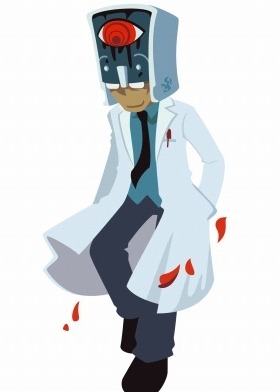
9. The Doctor (Cave Story) The Doctor (Cave Story) No, not that Doctor. This Doctor is actually a medical practitioner, albeit one with a terrifying lust for power and a violent disregard for the Hippocratic Oath. The Doctor is merciless, selfish and cruel. He also gets bonus points for using himself as a test subject and becoming a hideous mutant. Besides, I love that he carries around a pen. More villains need pens sticking out of their pockets.

8. E. Gadd (Super Mario Bros. series) E. Gadd Egad! This nutty little gentleman has the distinction of being pretty much the only good guy on this list. Professor Elvin Gadd is an inventor and paranormal researcher whose crowning achievement is a vacuum cleaner that sucks up ghosts. He’s cheerful, egotistical and blithely inconsiderate. He also sounds exactly like an Ewok from the Star Wars films. Coincidence? Yeah, probably. All the same, this pint-sized prof definitely has a few screws loose.

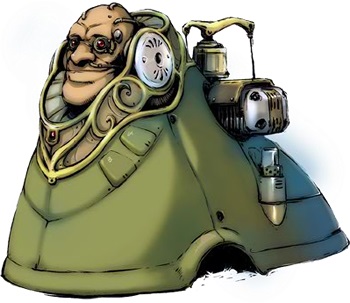
7. Fennel (Radiant Historia) Fennel Fennel is the head of a military research and development team. He’s also just a head. (There might be a body inside that slug-like machine, but I’m not sure.) Working for the warlike nation of Alistel, Fennel develops thaumatechnology: an arcane sort of machinery consisting mostly of weapons and other stuff that can kill you. He’s in love with his work, which takes place in a dim, ironclad labyrinth of underground chambers. Seriously, Fennel is kind of creepy.

6. Jean Descole (Professor Layton series) Jean Descole I haven’t actually played any of the games in which Jean Descole appears, but my brother insisted I put him on the list. (I’ll finish the Professor Layton series sooner or later.) Descole is cold, calm and cunning… except when he’s angry. Then he’s kind of scary. This archaeologist, master mechanic and self-proclaimed scientist manipulates others, shows no remorse and stops at nothing to achieve his goals. Don’t be fooled by that detached smile. Descole is not a sane man.

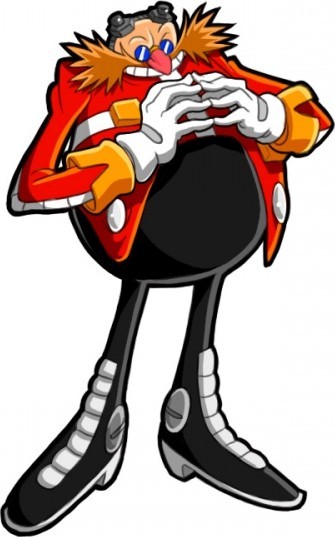
5. Doctor Eggman (Sonic the Hedgehog series) Doctor Eggman As his name and title suggest, Doctor Eggman is a doctor shaped like an egg. Despite being extremely intelligent, he is not particularly bright; his schemes for world domination are invariably foiled by either a hedgehog or his own incompetence. Eggman is short-tempered, egotistical and prone to bouts of maniacal laughter: defining characteristics of a mad scientist. Besides, dat stache.

4. Pamela’s Father (Legend of Zelda: Majora’s Mask) Pamela's Father This poor fool, who is never given a proper name, is so devoted to his study of supernatural phenomena that he moves to a desolate, haunted valley to study ghouls and ghosts… and takes his young daughter Pamela with him. When his research causes him to deteriorate into a monster, she traps him in the basement and bars the front door against the ghouls circling the house. Terrifying? Heck yes. Pamela and her father are eventually rescued and his humanity restored. Regardless, any scientist crazy enough to drag his daughter to an isolated wasteland to study monsters is, well, really crazy.

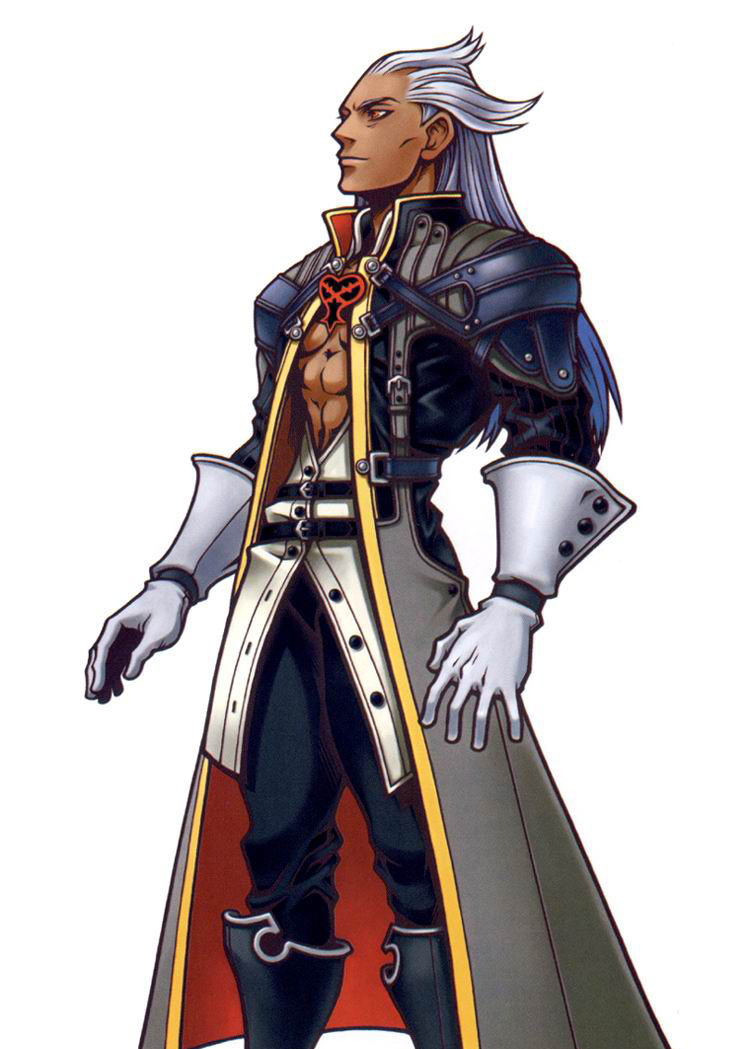
3. Ansem (Kingdom Hearts series) Ansem Without delving too deep into the convoluted lore of the Kingdom Hearts universe, I can confidently declare this man a lunatic. His research into the darkness of the human heart leads to the creation of Heartless, shadowy monsters that swarm across the universe to devour worlds. Ansem himself becomes a Heartless. Then—in the time-honored tradition of mad scientists—he tries to conquer everything. This tanned, stylish scientist gets extra points for inverting the stereotype of the pallid researcher in a lab coat.

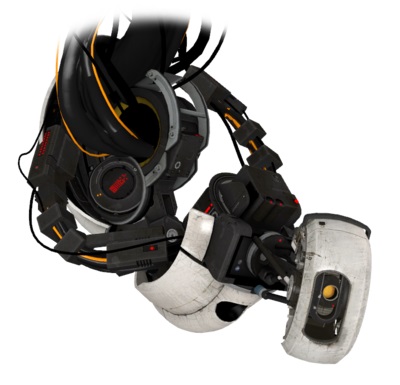
2. GLaDOS (Portal series) GLaDOSThis psychopathic artificial intelligence builds death traps and forces test subjects to solve them. Why? For science, of course! So what if her research methods kill a few people now and then? GLaDOS believes her experiments are worth the cost: “The science gets done and you make a neat gun for the people who are still alive!” I love how this AI becomes unhinged throughout the games, eventually stooping to ranting and petty insults. For complexity of character and degree of insanity, GLaDOS is wonderful.

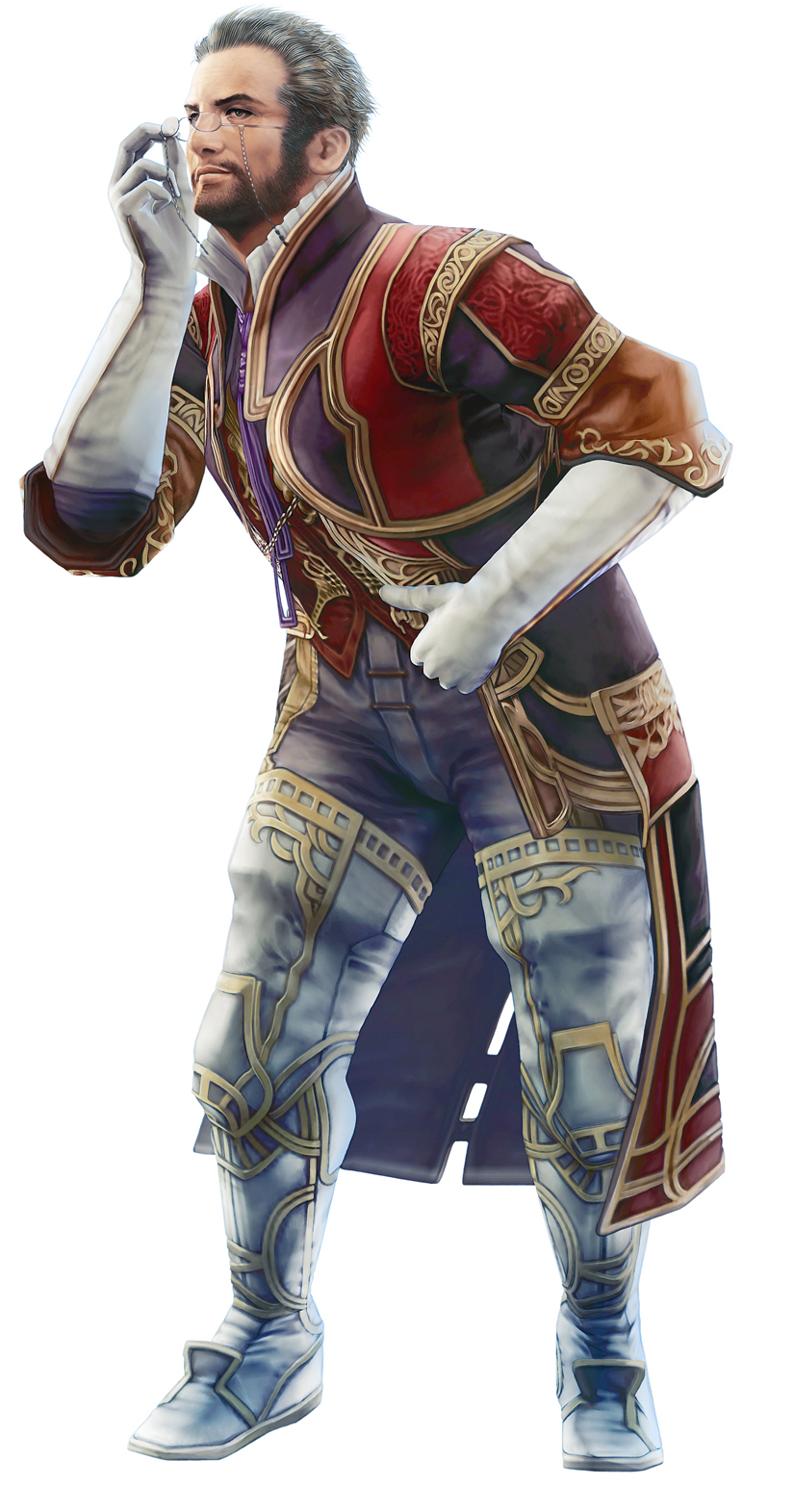
1. Cidolfus Demen Bunansa (Final Fantasy XII) Doctor Cid Cidolfus Demen Bunansa is one of the best video game characters I’ve ever seen: supercilious, brilliant, arrogant, foppish and seemingly insane. He treats tyrants with casual disrespect and talks aloud to an imaginary friend named Venat. I would call Cid a delusional lunatic, except for one minor detail—he’s actually sane. Cid is a rational man obsessed with defying the gods and putting “the reigns of history back in the hands of man,” abetted by the mysterious, invisible Venat. Of course, on his noble quest to liberate humankind, Cid doesn’t mind shedding a little innocent blood: this man ordered the obliteration of an entire city with the magical equivalent of an atomic bomb as a scientific experiment. Cid is fabulous, fascinating, evil, despicable, astonishing and awesome.

O people of the Internet, what video game mad scientists would you add to this list? Let us know in the comments!

224. More Thoughts on Girls in Video Games

Video games often do a lousy job of respecting women. I’m no feminist, but I do believe women should be treated with respect.

One of the major problems I see in video games is sexual objectification, the deplorable practice of making people mere objects to be ogled. People are people. Treating them as anything less is demeaning, yet women in video games are often reduced to little more than slim waists, big breasts and curvy figures.

What about characters who are merely attractive? We like our heroes and heroines to be beautiful, and I don’t think there’s anything wrong with that. Good looks are a good thing. When does a character cross the line? At what point does an attractive character become a sexual object?

After thinking about it, I hit upon a few basic principles.

Appearance: Does a character have a realistic appearance or exaggerated physical proportions?

Attire: Are a character’s clothes appropriate or inappropriate?

Character: Is a character given a genuine personality or merely a shallow persona?

Context: Does a character’s appearance make sense in context?

Let’s put these principles to the test and take a look at some video game girls.

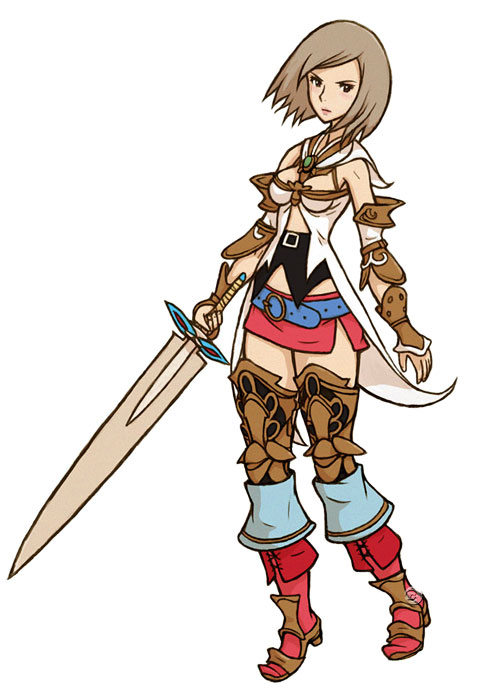
Ashe (Final Fantasy XII)

Ashe

Despite wearing the shortest of all possible miniskirts, the princess of Dalmasca in Final Fantasy XII is definitely not a sexual object. Ashe is a driven, intelligent person who fights for her subjects and earns the respect of her companions. Even her less-than-modest clothes are standard for Dalmasca, a kingdom enveloped by arid deserts. Ashe’s outfit is, in a literal as well as a figurative sense, cool.

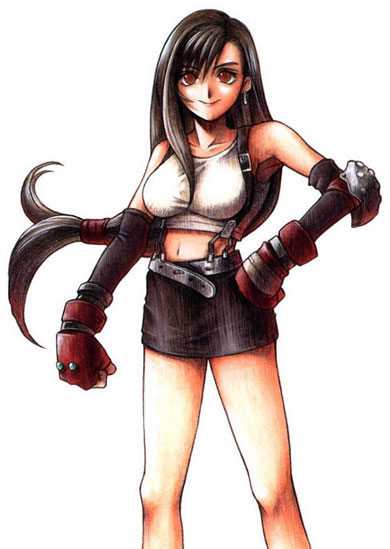
Tifa (Final Fantasy VII)

Tifa

Tifa Lockhart is a wonderful person, but her personality fails to save her from becoming a victim of sexual objectification. She wears a miniskirt and mini-shirt, even into battles against vicious monsters. How she avoids death and injury—not to mention charges of indecent exposure—I can’t imagine. Tifa is a strong woman with an empathetic, motherly nature… but too many gamers remember her only as the babe from Final Fantasy VII with the long legs and huge bust.

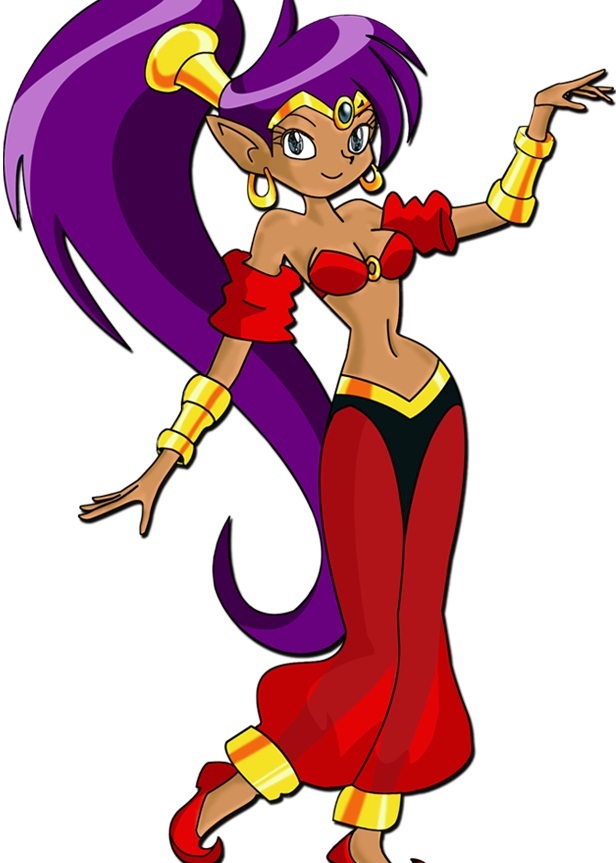
Shantae (Shantae series)

Shantae

Some women in video games look uncomfortably like strippers. Shantae looks more like someone in pajamas. Her clothes are revealing, but Shantae is no less modest than some of Disney’s kid-friendly princesses. Shantae is an upbeat, well-developed character, and only one of her physical features is greatly exaggerated… her ears. Even her outfit makes sense given the context of her hometown’s blazing climate. Shantae is definitely a person, and an adorable one at that.

Samus (Metroid series)

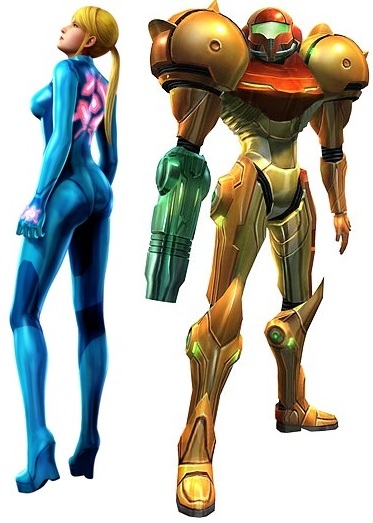
SamusSamus Aran, the solitary bounty hunter from the Metroid series, is an interesting case. In most of her games, she’s a silent protagonist without much personality—yet she’s treated respectfully as an independent, capable person with the good sense to wear full body armor into battle. However, upon removing her armored suit, Samus becomes a babe in pointlessly revealing or form-fitting clothes. Whether Samus can be considered a victim of sexual objectification depends mostly on whether she’s on or off duty.

Physical beauty is a very good thing. Sexuality is an amazing gift, which is exactly why it shouldn’t be flaunted or cheapened by flagrantly sexualized characters. People are people. All people—even video game characters—should be respected.

219. TMTF Reviews: CTRL+ALT+DUETS

I was recently asked whether I might be interested in reviewing an album of geeky music. Upon receiving this unexpected offer, I quickly arrived at my decision by the following three steps.

1. I know nothing about music.

2. I am totally a geek.

3. LET’S DO THIS THING.

Thus, with apologies to my musical friends and a rousing cheer for geeks everywhere, TMTF is delighted to review CTRL+ALT+DUETS, an EP of parody music.

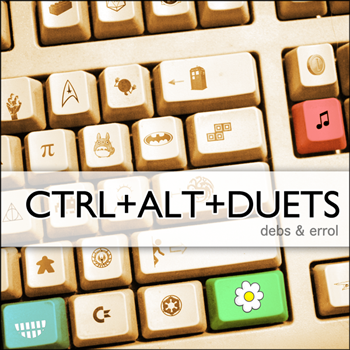
Debs & Errol - CTRL+ALT+DUETS - coverBefore I discuss any of the songs on this EP, I want to mention how much I love its cover. Any design that brings together Batman, Portal, Totoro and the TARDIS is a good one in my book. All it needs, really, is a Triforce and a Poké Ball. The title of the EP is also pretty clever, though the names of the musicians puzzle me. Isn’t Errol an owl from the Harry Potter books? Am I imagining things?

Debs & Errol

I see Debs, but where is Errol? Who is the guy with glasses? WHERE IS THE OWL?!

All right, let’s face the music.

CTRL+ALT+DUETS features seven tracks: all parodies of popular songs. I was strongly reminded of Weird Al Yankovic, who does a phenomenal job of juxtaposing silly lyrics with sad or emotional melodies. This EP does the same. The most striking thing about its songs is how humorously the lyrics contrast with the melodies.

The first song, “Tribbles,” is a glorious riff on Taylor Swift’s “I Knew You Were Trouble.” The defiant bitterness of the original song is redirected toward the furry creatures called tribbles from the Star Trek franchise. The singer—whom I presume to be Debs, since she doesn’t sound like the Harry Potter owl—delivers a solid, believably poppish performance.

Moving on to another major science fiction franchise: the next song, “TIE After TIE,” puts panicked lyrics to a slow, smooth melody to describe a frenetic Star Wars space battle. I recognized the song as a parody of “Time After Time,” with a bit of the Star Wars theme woven in for good measure. Debs is joined on this one by Errol, who has a surprisingly deep, masculine voice for an owl. As with “Tribbles,” I love the contrast between pop melodies and sci-fi scenarios.

Next, a Disney song! We’ve all heard “A Whole New World,” the magic carpet song from Aladdin. “A Virtual World” is much the same, except the girl really isn’t interested in what the guy wants her to see. The guy extols the merits of MMORPGs. The girl complains about them. The listener—at least, this listener—laughs.

I haven’t the faintest idea what song “Falling Quickly” parodies, but that doesn’t keep me from from appreciating its melancholy description of Tetris addiction.

More Disney? I won’t complain. “My Partner’s a Nerd” snarkily inverts “Part of Your World” from The Little Mermaid. In the original, the singer describes her treasured possessions and wishes her life were less ordinary. In “My Partner’s a Nerd,” the singer complains about the geeky junk cluttering her home and wishes her significant other were more ordinary.

“Commodore 64” is neither a familiar tune nor a familiar topic. (The Nintendo 64 will always be the console of my childhood; no other video game system with 64 in its name will usurp its coveted place in my memory!) “Commodore 64” is a catchy, bouncy love letter to that classic video game system and its software. Most of its gaming references went way over my head—hey, I was born in the nineties—but I like the blending of an Elvis Presley-style tune with snatches of chiptune music.

The EP concludes with “If I Were an Undead Crawler,” a deceptively cheerful acoustic piece in which the singers describe the things they would do if they were zombies—namely maiming, mangling and devouring their listeners. (Once again, I haven’t an inkling what song is parodied.) For me, the real charm of this song is when Errol realizes halfway through that he doesn’t really want to be a zombie.

Debs is a fantastic singer, and Errol has a pretty good voice. Their harmonies are lovely; their banter is even better. As parodies of existing works, the melodies in CTRL+ALT+DUETS are familiar and catchy. Musical arrangements are quite good, though a few synthesized instruments sound painfully fake.

The lyrics are consistently clever and humorous… provided you’re a geek. The references to Star Wars, zombies and classic gaming will make no sense to listeners not steeped in nerd culture. This EP fits a particular niche. Those who understand its jokes and catch its references will enjoy it much, much more than those who don’t.

Barring Errol’s role in the Harry Potter books, I’d never heard of Debs and Errol. (I’m pretty sure the Harry Potter Errol and the geeky musician Errol are the same guy—I mean, how many Errols can there be in the world?) When I began listening to CTRL+ALT+DUETS, I knew only that it would be geeky. I wasn’t sure what to expect.

I wasn’t disappointed. The EP turned out to be pretty awesome… and extremely geeky. For six Canadian dollars—because American dollars just ain’t good enough, I guess—these seven songs are a pretty good deal. If you’re a geek, CTRL+ALT+DUETS is absolutely worth checking out. If you’re not a geek, don’t feel guilty giving it a miss.

213. TMTF’s Top Ten Life Lessons in Video Games

Wisdom can be found in unexpected places.

As we search for truth in literature, faith, philosophy and the lives of great people, we mustn’t overlook the lessons to be learned from BatmanDoctor Who, cartoon ponies and webcomics about video games. Speaking of which, video games have invaluable lessons to impart: useful principles that can be applied for success in real life.

What? You don’t believe me?

All right, then! Ladies and gentlemen, consider these practical principles as TMTF presents…

The TMTF List of Top Ten Life Lessons in Video Games!

10. Be Creative in Solving Problems

As tempting as it can be for gamers to try solving everything with violence, some obstacles can’t be shot, hacked or blown away. Puzzles require critical thinking. Some enemies require timing and strategy, not brute force, to conquer. Players have to be creative in solving problems, and creativity is an invaluable gift.

9. Observation Is Important

Anyone who plays a Legend of Zelda game quickly learns to keep his eyes open for cracked walls. Apply explosives to a damaged wall and—boom!—a way is opened. In video games, good things come to those who notice stuff. Video games teach players not merely to hear and see, but to listen and observe.

8. Appreciate Beauty

I love solving puzzles and defeating enemies as much as the next gamer. All the same, one of my favorite things about video games is how darn pretty they can be. (Yes, video games can be beautiful. Like brushstrokes or pencil shading, pixels can make lovely pictures.) Players are treated to sunrises and forests and ocean views, and appreciating beauty in artificial environments is a step toward appreciating it in natural ones.

7. Plan Ahead

Bad things happen to those who are unprepared. The person playing a Final Fantasy game will be annihilated by a tough boss if she hasn’t leveled up her characters or stocked up on healing potions. The person playing a Mario Kart game will lose if he hasn’t bothered figuring out the controls. This brings us to the real world, where the person taking a test or applying for a job will fail if she hasn’t planned ahead and made necessary preparations. Once again, video games reflect how things work in real life.

6. Stay Calm

The player who panics and starts mashing buttons will most often lose, and gamers get plenty of opportunities to panic. It can be hard to stay calm when facing that tricky jump or twisty racetrack or nigh-invincible boss, but rational decision-making is more likely to lead to success than wild overreaction. People who learn to keep cool under pressure while playing video games are better equipped to keep cool under pressure while doing everything else.

5. Practice Makes Perfect

I stink at fighting games: kicks and combos and Hadoukens baffle me. There is, however, one kind of fighting game in which I will destroy you: a Super Smash Bros. game. (My younger brother is a rare exception to this rule; he defeats me effortlessly.) As a kid, I resolved to learn to play Super Smash Bros. to enjoy the game with friends. Mastering the game took time and effort and many failures… and it was totally worth it. Practice makes perfect. At the very least, practice makes better. Video games remind us of the fact.

4. It’s Dangerous to Go Alone

With these cautionary words, the first Legend of Zelda game echoes something in another famous work: a book called the Bible. Quoth the Teacher in Ecclesiastes, “Two are better than one, because they have a good return for their labor: If either of them falls down, one can help the other up. But pity anyone who falls and has no one to help them up.” In other words, It’s dangerous to go alone.

3. You Reap What You Sow

So you’re playing a Final Fantasy game, slaying monsters, saving the world, when your quest is interrupted by some woman who wants you to gather medicines to heal a wounded traveler. A nuisance? Yes. You gather the medicines, the traveler recovers—and your kindness is rewarded. Another example: You take a break from your adventure in a Legend of Zelda game to attack a chicken. You’re enjoying yourself—after all, hacking away at defenseless fowl is fun—until the chicken decides to fight back, and your cruelty is punished with death. Seriously. For better or for worse, we reap what we sow. This biblical principle is common in video games.

2. Success Is an Investment

You can’t traverse that treacherous pitfall in a Mario game? Keep trying. You can’t conquer that unbeatable boss in a Kingdom Hearts game? Keep fighting. You can’t get your client acquitted in an Ace Attorney game? Keep gathering evidence. Sooner or later, you’ll pass that pitfall or flatten that boss or prove your client’s innocence. Now consider the real world. You can’t pass a class? Keep studying. You can’t afford something? Keep saving. You can’t achieve a goal? Keep working at it. No matter where you turn, success is an investment.

1. Good Guys Win

The world is full of terrible, selfish people who seem to succeed. Video games are no different. There are monsters, jerks and villains who triumph by lying, cheating and backstabbing. In the end, an overwhelming majority of those bad guys are brought to justice. The good guys—the guys who strive and fight and sacrifice to help others—win. You know what? In our world, the same thing happens. We need to be reminded that good guys sometimes win.

O people of the Internet, what useful lessons have you learned from video games? Let us know in the comments!

212. TMTF Reviews: Scott Pilgrim

I’m on vacation this week, so my typewriter monkeys are handling all blog updates from September 23 to September 27. Blame them for any mishaps. If I get Internet access at any point this week, I’ll be sure to check in!

Relationships are hard. Growing up is hard. Life is hard.

Just ask Scott Pilgrim. He’s a Canadian slacker, twenty-three years old, “between jobs,” mooching off his roommate, dating a high school student and doing his best to maintain his precious little life.

Then a mysterious girl rollerblades into his dreams, and people start attacking him with swords, and things get complicated.

I’d been meaning to read Scott Pilgrim, a graphic novel series, for some time. My search at the local library yielded all six volumes. Was it worth it?

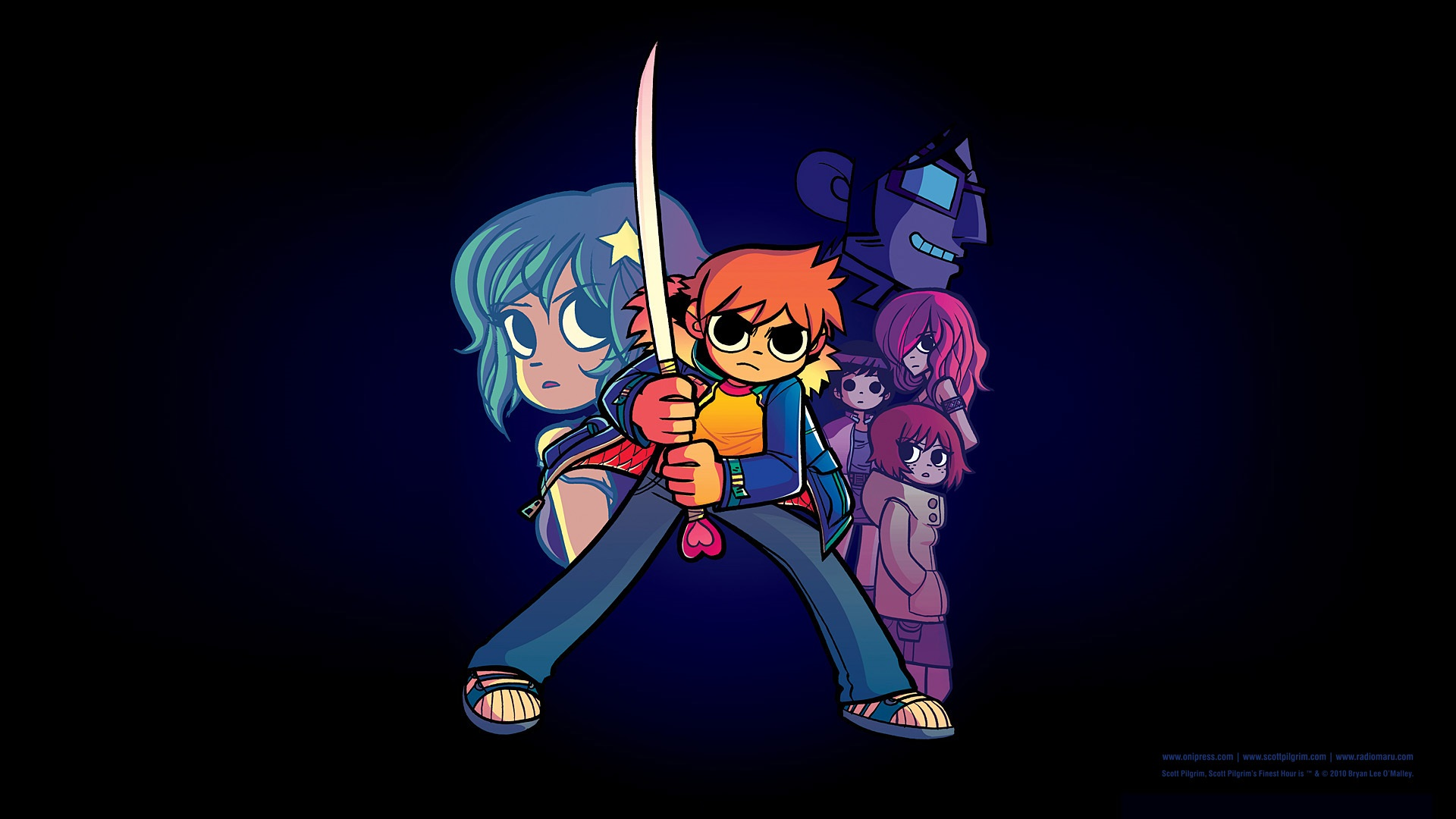
Scott Pilgrim

Heck yeah, it was worth it.

Scott Pilgrim begins in a very ordinary way: Scott lives an average life in an average city with average friends. Then, little by little, almost imperceptibly, things get weird. A girl skates through Scott’s dreams because they’re a handy shortcut on her route delivering packages. A man crashes through the ceiling and challenges him to a duel. Before long, Scott is picking up video game-style extra lives and fighting guys with katanas, all to defeat his new girlfriend’s seven evil exes.

The Scott Pilgrim books are steeped in magic realism, a literary style that combines ordinary stories with surreal details—in this case, video game tropes. Scott and his friends take for granted this bizarre blend of video games and real life. As far as they’re concerned, robots and psychic powers are no more surprising than cars or libraries. This weird, wonderful blend of mundane and fantastic is probably my favorite thing about Scott Pilgrim.

I was also taken aback by how compelling the story turns out to be. The early volumes of Scott Pilgrim aren’t particularly deep, but the last two take a surprisingly compelling turn. The books may not seem serious at first, yet they have meaningful things to say about the importance of growing up and learning to take responsibility. Even some of the story’s most ridiculous elements can be interpreted symbolically… or not, depending on how seriously you choose to view them.

Besides being unexpectedly meaningful, Scott Pilgrim is often hilarious. Characters occasionally allude to previous events in the story by referring to the volume in which they took place. A villain develops psychic powers because of his vegan lifestyle. Scott’s fights are taken for granted by his friends; at one point, they chat calmly about their lives as Scott struggles for his life in the background against a stubborn opponent.

Scott himself, despite being insecure and cowardly, is an inexplicably gifted martial artist. (Someone calls him “the best fighter in the province.”) He’s also a self-centered loser. His faults are played for laughs early on, later becoming a serious part of his character’s development. Scott Pilgrim is, appropriately enough, a pilgrimage: the journey of an irresponsible jerk toward being a decent person.

I should note that Scott Pilgrim has a 13+ rating, the graphic novel equivalent of PG-13, and it earns every bit of it. Characters smoke, drink, curse, treat sexuality with casual abandon and insult each other mercilessly. Hardly anyone—least of all Scott himself—acts respectfully or responsibly. To put it simply, most of the characters in Scott Pilgrim are terrible role models. The books contain no shockingly offensive material, but sensitive readers may want to give them a miss.

In spite of its moral shortcomings, Scott Pilgrim is a marvelously unique, gloriously silly, unexpectedly compelling series. I recommend it.

205. An Open Letter to Hollywood

Dear Hollywood Executives,

You all read this blog, right? Yes? Excellent. I know you’re all very busy, so I’ll get right down to business. There are some things we need to discuss.

First of all, stop remaking films and television shows from the eighties. I know building on existing franchises is easier than creating new ones, but your remakes are tired and predictable.

Instead of remaking lousy old shows, why not make more literary adaptations? I’ve got a list for you right here. (Good job making Ender’s Game happen, by the way. It was about freaking time!) Literature is packed with stuff your viewers would love. You’ve just got to give it to them.

Since you’re so good at adapting existing works into movies, why not target the gaming demographic with video game movies that, you know, don’t totally stink? Not every game can be made into a good movie—ahem, Super Mario Bros.—but there are plenty of franchises with endless potential. Take video games seriously. Give us characters, not men with big muscles and women with big busts. Give us stories, not predictable plots riddled with clichés.

This next issue is a touchy one, but we’ve got to face it.

Hollywood, your Christians stink.

Seriously. Do your research. Find out what authentic Christians look like, and stop insulting us with shameless hypocrites, arrogant bigots and sociopathic lunatics. Christianity has its share of awful people, but we’re not all that bad. Just as most Muslims aren’t terrorists, most Christians aren’t your offensive stereotypes. Come on, Hollywood. It ain’t that darn hard.

Heck, I’ll even give you a good example. Look at Joss Whedon. He’s an atheist, and also a phenomenally successful director. (The Avengers is the third-highest earning film of all time. I’m just saying.) In Firefly, his highly-acclaimed show about lawless scoundrels, Whedon included a Christian character called Shepherd Book. This character isn’t a stereotype. As a Christian, he’s actually Christlike—and simply likable. Shepherd Book is a well-developed character with a dry sense of humor. Fans appreciate him.

Learn from Joss Whedon, Hollywood.

Speaking of Christians, we’re quite a sizable demographic. Have you considered, you know, actually making big-budget Christian films? The Passion of the Christ, which everyone expected to fail, earned roughly twenty times its budget. More recently,The Bible, a television miniseries, became a huge commercial success. Believe it or not, people want to see good Christian media. We need moviemakers with the courage (and cash) to make some.

With superhero movies being so popular, can we get a decent Deadpool movie? Please?

Finally, for heaven’s sake, stop letting Michael Bay and M. Night Shyamalan direct movies. That is all.

Peace,

Adam

P.S. We’re tired of vampires and zombies, Hollywood. Find some new monsters.

191. TMTF’s Top Ten Weapons in Video Games

I love video games. I enjoy making top ten lists. Finally—despite my loathing for real-life violence—I like weapons.

This blog post was inevitable.

This top ten list, which includes weapons only from games I’ve played, defines a weapon as an object used to inflict damage on someone or something in a video game. Power-ups, vehicles and powered armor suits don’t count. (Sorry, Samus.) Weapons that originated in media apart from video games, such as lightsabers from Star Wars or the golden gun from James Bond films, will not be included.

Duck for cover, ladies and gentlemen, as TMTF presents…

The TMTF List of Top Ten Weapons in Video Games!

10. Barrel Cannon (Donkey Kong series)

Barrel Cannon

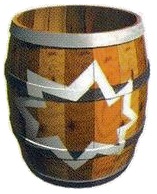
What’s more devastating than heavy artillery? Why, heavy artillery that fires gorillas, of course! The barrel cannon can be used not only as a form of transportation for Donkey Kong, but also as a way to turn the ape into a high-speed projectile. If only it fired sharks…

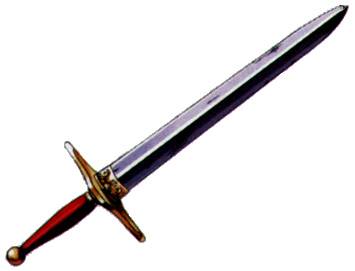
9. Masamune (Chrono Trigger)

Masamune

This legendary sword, the blade of a brave knight who, er, also happens to be a frog, is a powerful and storied weapon despite its plain appearance. It carries tremendous sentimental value for its amphibious owner. Finding and repairing the Masamune is a major feat, requiring the game’s heroes to travel through time from prehistory to the modern age. Later in the game, a sidequest unlocks the sword’s full potential and transforms it into an extremely powerful weapon.

8. Satellite Gun (Shadow the Hedgehog)

Satellite Gun

Shadow the Hedgehog is a terrible game. Apart from its bad level design, lousy writing and atrocious acting, the game is a poor attempt to make the bright, whimsical Sonic series seem dark and gritty. There is at least one good thing about this game, however: the Satellite Gun. This weapon, which looks a bit like a television remote, uses a targeting system to lock onto enemies and signals an orbiting satellite to annihilate them with a freaking laser beam from outer space. That’s cool.

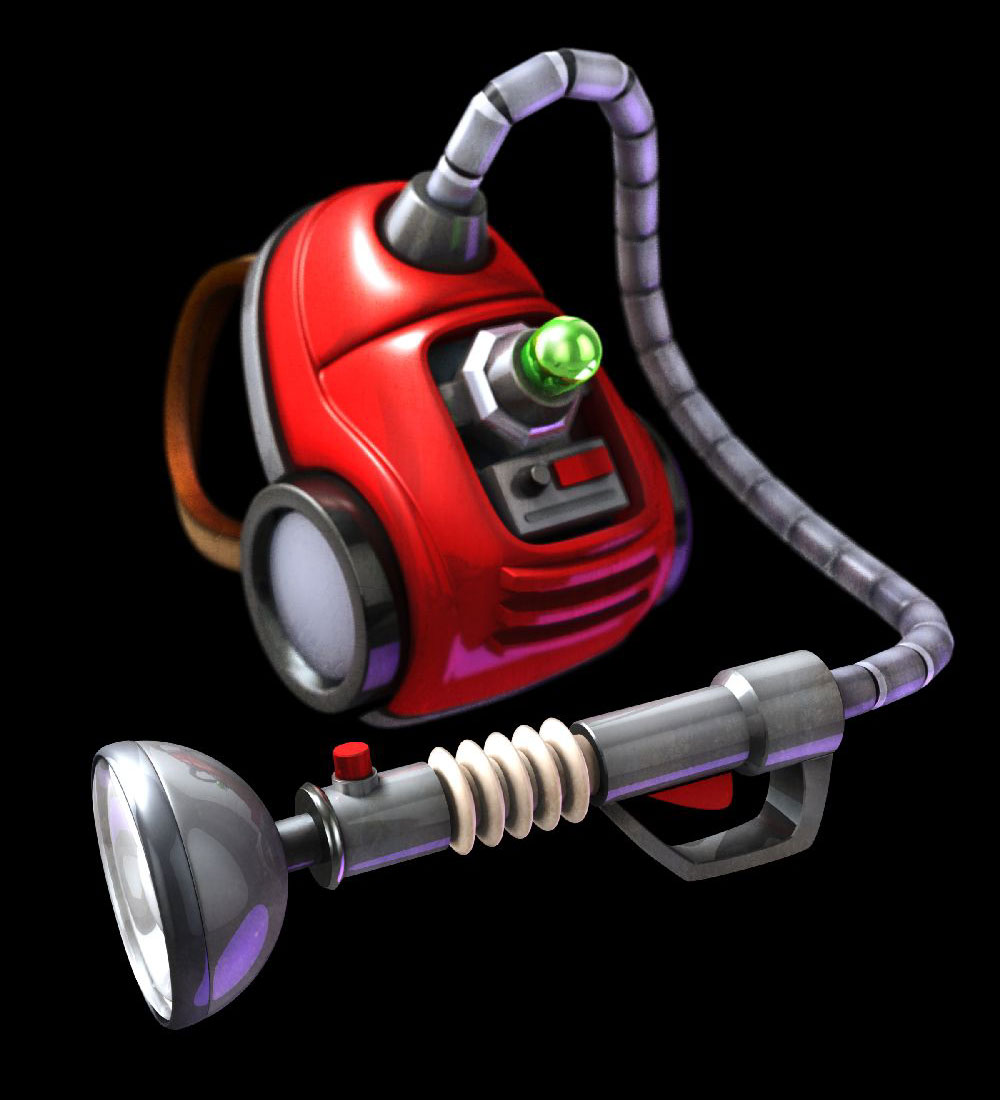
7. Poltergust 3000 (Luigi’s Mansion)

Poltergust 3000

This is a vacuum cleaner that sucks up ghosts, used by Luigi to rescue his brother Mario from a mansion teeming with spooks. (The image above is actually an advanced Poltergust from another game, but I’ve used it for this list because it’s much cooler than the original model.) Besides trapping phantoms, the Poltergust 3000 is capable of collecting cash from hard-to-reach nooks and blasting foes with fire, water or ice. All this begs the question: Who you gonna call?

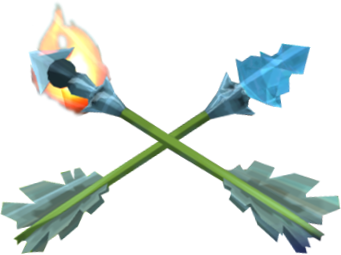
6. Enchanted Arrows (Legend of Zelda series)

Enchanted Arrow

Bows and arrows are pretty neat, but the Legend of Zelda series offers several variations thereupon that are nothing short of awesome. Players can use the three standard varieties of magical projectiles—fire, ice and light arrows—not only to damage enemies, but also to solve puzzles and navigate environments. Fire arrows burn away obstacles. Ice arrows freeze water, creating solid platforms for a player to cross. Light arrows activate switches to flip one particular dungeon entirely upside down, turning ceilings into floors and sky into an endless abyss. Bomb arrows (which are, yes, arrows with bombs attached) are cool, but enchanted arrows are nothing short of amazing.

5. Portal Gun (Portal series)

Portal Gun

The Aperture Science Handheld Portal Device, also called the portal gun, is capable of creating interdimensional portals on flat surfaces. Enter into one portal and you instantly exit the other. (Here’s a thirty-second video to demonstrate how it works.) Used correctly, the portal gun can harness physical laws like momentum and gravity to destroy enemy targets. Used incorrectly, the portal gun can use those physical laws to destroy the player. Look before you leap!

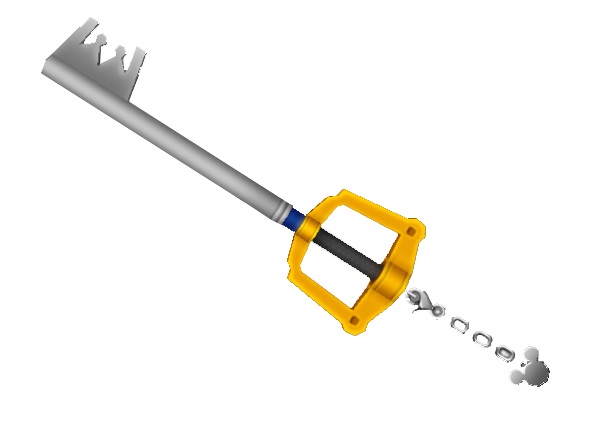
4. Keyblade (Kingdom Hearts series)

Keyblade

I’ve already shared my thoughts on this one, so I haven’t much to add. This creative, unorthodox weapon plays a huge role in the story of the Kingdom Hearts games. The Keyblade is transfigured into a new weapon by each token (keychain?) attached to its handle, and it can channel all kinds of magical abilities. Most importantly, the Keyblade is useful for smashing things.

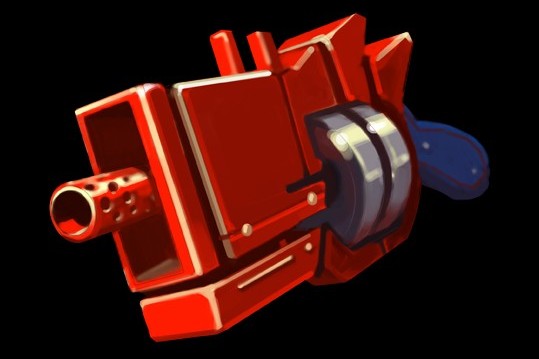
3. Machine Gun (Cave Story)

Machine Gun

Indie classic Cave Story transforms a generic firearm, one that is practically a video game cliché, into one of the most empowering weapons I’ve ever used in a game. The machine gun’s rapid rate of fire is handy for mowing down enemies, but the weapon’s greatest value lies in its navigational uses. Fully upgraded, the machine gun functions as a jet pack when fired toward the ground, giving the player the power of flight. Awesome.

2. Buster Sword (Final Fantasy VII)

Buster Sword

Look at this sword. Look at it. Tetsuya Nomura, the artist who designed this weapon, referred to it as “the giant kitchen knife.” Its blade is freaking huge. The Buster Sword has no special attributes besides two circular slots for Materia (crystallized magic) that enable its wielder to cast spells. No, the weapon’s true worth is in its sentimental value. For Cloud Strife, to whom it belongs, it symbolizes the self-sacrifice of its former owner. For players everywhere, it represents a glorious, bygone era of role-playing games.

1. Master Sword (Legend of Zelda series)

Master Sword

This is it. The Master Sword. The Blade of Evil’s Bane. This is the iconic weapon that has become synonymous with the Legend of Zelda series, itself a legendary success of the video game industry. I can think of no other video game weapon with such a wealth of lore or backstory. Depending on which game you play, the Master Sword harbors a beneficent spirit, alters the flow of time or seals away the corrupting influence of evil. No matter which game you play, the Master Sword is one heck of a weapon.

O people of the Internet, what great video game weapons would you add to this list? Let us know in the comments!

183. A Lesson from Doctor Who

I often discover lessons in unexpected places. True, I learn from the Bible and wise people, but I also learn from Batman and webcomics about video games.

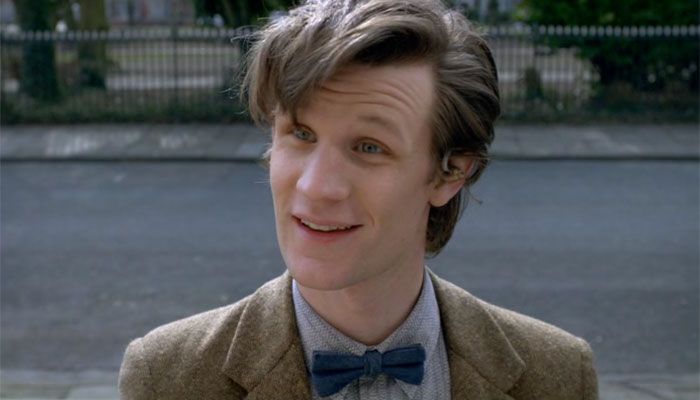
The Doctor from Doctor Who is not particularly wise—in fact, he has all the tact and maturity of a twelve-year-old boy—but he recently taught me an invaluable lesson.

This is not the face of a wise man.

This is not the face of a wise man.

I work in a group home for gentlemen with mental and physical disabilities. As you can imagine, my job is often amusing, sometimes heartbreaking and never predictable.

When I began working in a group home, I felt pity for some of its residents. Their lives are often dark and difficult. Some endure chronic physical pain. Most suffer from depression. Few are ever visited by friends or family. All of them are hurting in some way and few of them understand why.

At first I pitied only these gentlemen, but as months passed I realized they aren’t the only ones deserving of compassion.

Most of my coworkers are hurting. Some are divorced. Some have family issues. Many struggle with financial woes or health problems. I’ve heard tearful stories, bitter complaints and vicious arguments I wish I could forget.

Apart from work, I have friends facing heartrending difficulties: divorce, debt, depression, loneliness and grief.

I’m constantly surrounded by people whose problems I can’t solve, and I hate it.

At one point in Doctor Who, the Doctor and his friend learn that a person whose life they tried to save committed suicide. The Doctor’s companion is overwhelmed with grief. “We didn’t make a difference at all,” she says.

“I wouldn’t say that,” replies the Doctor, blinking back tears. He adds:

The way I see it, every life is a pile of good things and bad things. The good things don’t always soften the bad things, but vice versa, the bad things don’t necessarily spoil the good things or make them unimportant. And we definitely added to his pile of good things.

I may not be able to fix someone’s life, but nothing will ever prevent me from adding to his pile of good things.

I can’t fix my coworker’s marriage. I can’t take away the pain of the gentleman with arthritis or the hopelessness of the gentleman with depression. I can’t promise healing to a hurting friend.

I can, however, be patient. I can listen. I can pray. I pretend to be terrified when the gentlemen with whom I work tell me there are mummies in the cupboards or a mouse in my shoe.

On an afternoon a few weeks ago, just a day or two after I remembered this lesson from the Doctor, I was administering medications at work when a resident of the group home ambled up to me.

“This is for you,” he said with a grin, holding out a cup of coffee.

It occurred to me in that moment that I’m not the only one trying to add to the piles of good things around me.

Sometimes other people, even hurting people, add to mine.

178. TMTF Reviews: Hyrule Historia

As an avid gamer, I love the Legend of Zelda series. Its charming blend of adventure, exploration, combat, quirky humor and killer chickens is truly amazing. When Hyrule Historia—a book released to celebrate twenty-five years of Zelda—hit Western shores, I was quick to snag a copy.

Is Hyrule Historia a worthy celebration of one of the greatest legends in the gaming industry, or is it merely a mediocre mess of video game trivia?

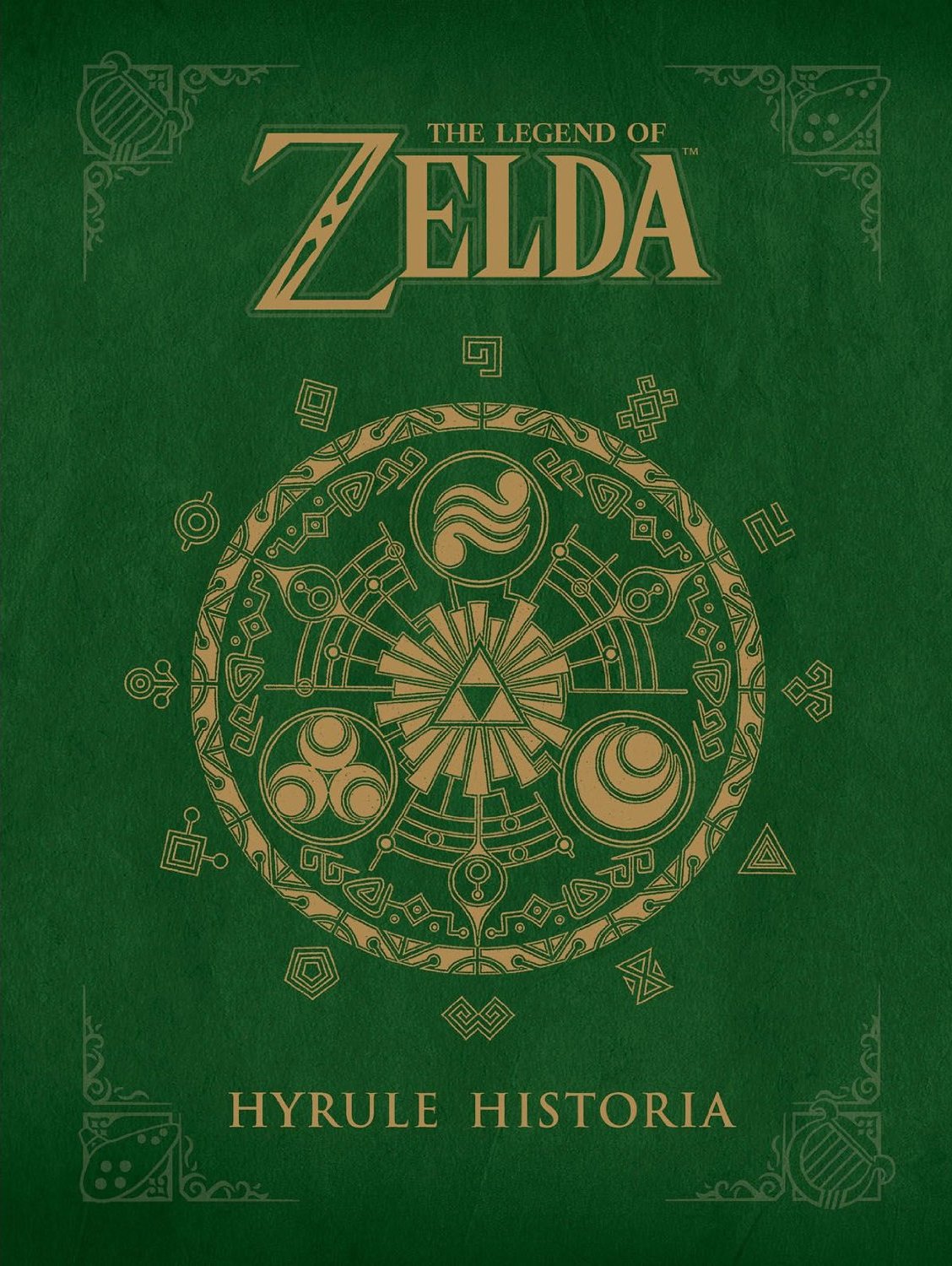
Hyrule Historia

As I expected, Hyrule Historia is a must-have book for anyone interested in Zelda: beautifully designed and packed with fun stuff for fans of the series.

I was surprised at the size of the book. For the price (about twenty dollars) I had expected something fairly small. Hyrule Historia is a whopping great hardback, about the size of my high school yearbooks and a bit thicker. The cover design is glossy and elegant. I’d totally put the book on my coffee table if, you know, I had a coffee table.

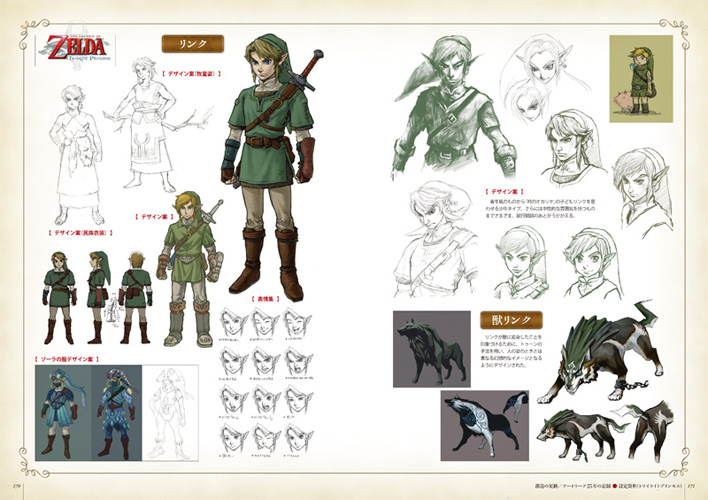
Hyrule Historia has two great assets. First is its vast wealth of concept art, reproduced in vibrant color. Second is its complete history of Hyrule, the world in which Legend of Zelda games take place. The official timeline of the games in the series—a subject of endless debate among fans and a mystery for more than two decades—is finally unveiled, along with detailed and precise (if slightly inconsistent) synopses for the games and explanations of what happens between them.

I found this pseudo-history almost as fascinating as the actual history of the series, chronicled in artwork and notes spanning twenty-five years. From the moment a strange old man handed Link a sword to Link’s latest adventure in the skies, it’s all there.

These pages are taken from the Japanese version of the book; I couldn't find images of the English version.

These pages are taken from the Japanese version of the book; I couldn’t find images of the English version.

A brief manga (Japanese comic) concludes Hyrule Historia: an exciting end to a thoroughly interesting book.

The writing in Hyrule Historia is rather weak, but that hardly matters since the book’s value is in its beautiful artwork and fascinating trivia. The thing that really puzzles me is the diffidence of the writers. They seem strangely uncertain. In describing the history of Hyrule and the development of the Legend of Zelda series, they often use phrases such as perhapsit seems and it is thought that. I expected the official guide to the Zelda series to seem a little more… official.

Strangers to Zelda won’t find much to interest them in Hyrule Historia. For fans of the series, however, the book is an absolute treasure. And you don’t even have to conquer a dungeon or defeat a boss to get it!