453. Fans, Geeks, and Cosplay: A Momentary Study

Geeks are fascinating creatures. In a perfect world, someone would make a nature documentary about them, and it would be narrated by Morgan Freeman. Tragically, since I don’t own a video camera and can’t afford to employ Mr. Freeman, I’ll have to keep writing blog posts about geeks instead of producing that well-deserved documentary.

Yes, it’s time for another brief exploration of geek culture. Today’s subject is cosplay, the hobby (or art, depending on your point of view) of dressing up like characters from movies, comics, video games, or other media. It’s sort of like wearing Halloween costumes, but really… hardcore.
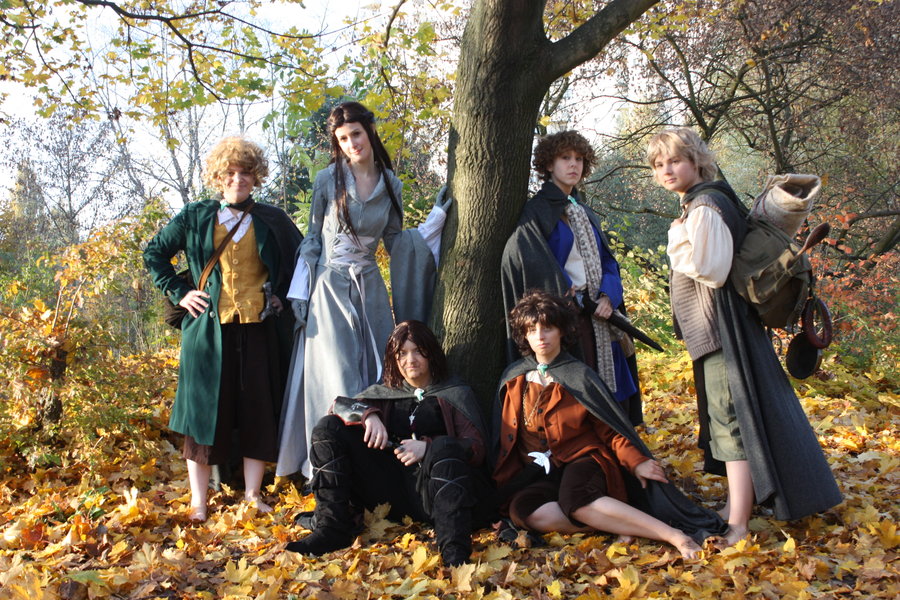
Lord of the Rings cosplay

Here’s some Lord of the Rings cosplay.

The word cosplay is a portmanteau of costume and play; it denotes not only the hobby, but also specific examples of it.

Dedicated cosplayers often create their own cosplays. This sounds easy, but flipping heck, some cosplays are complicated. Depending on the complexity of the costume, a cosplayer may need the expertise of a tailor, makeup artist, leatherworker, blacksmith, or even computer modeler (for 3D printing).

Cosplayers show off their creations by attending geeky events (such as conventions) in costume, or by holding photo shoots and sharing the photos via blogs or social networks. Some fans are so good at cosplay that they do it professionally. In order to promote their brands or products, companies may hire professional cosplayers to mingle or manage booths at conventions, trade shows, or other events. Some cosplayers don’t merely dress as characters, but act and speak like them in improvised performances.

While some cosplay strives for perfect authenticity to its source material, other styles may feature creative twists on familiar characters, or gender swaps.
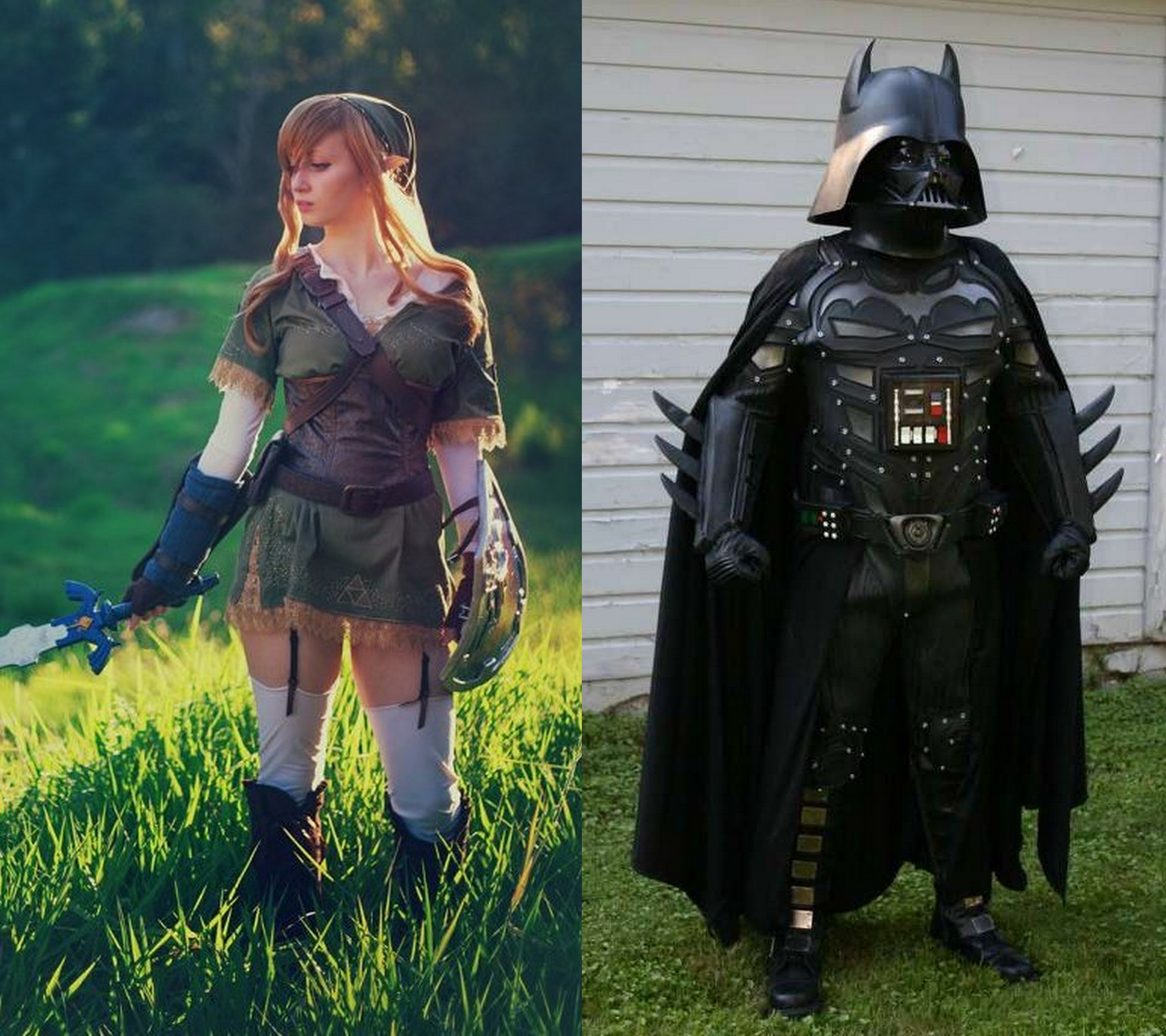
Darth Batman and Lady Link

On the left is a gender-swapped Link from The Legend of Zelda. On the right is… wait, is that Darth Batman? That is AWESOME!

What separates cosplay from other forms of dressing up? Costumes feature in some holidays and cultural events, but their purpose is nearly always rooted in tradition, religion, or symbolism. Cosplay, by contrast, is an expression of enthusiasm for a particular work or character. (Halloween costumes can be a bit cosplay-ish.)

Aided by the spread of the Internet, cosplay has gained prominence in just the past few decades; the term itself originated in the eighties. However, dressing up as fictional characters has a long and rich history. For example, just off the top of my head, I recall a scene in Little Women by Louisa May Alcott in which a couple of its characters dress up as literary figures for a fancy dress ball. Cosplay has evolved as a hobby in recent times, but its roots are firmly planted in centuries of human history.

Like many geeky hobbies, cosplay sometimes carries social stigmas. Cosplay may be considered childish, creepy, or inappropriate.

I’m not a cosplayer, but I usually disagree with these stereotypes. Cosplay is a creative hobby. It often requires superb dedication and all kinds of specialized skills. Like dressing up for Halloween, it’s fun for a lot of people. It can be inappropriate, certainly—but generally as a reflection of inappropriate media or characters. If a cosplay is in poor taste, it’s probably because the media it represents was in poor taste first.

Sadly, not all of the stigmas against cosplay come from outside its community. Fans and geeks can be as cruel as anybody. Over the years, some cosplayers have been criticized or insulted for having the wrong body type, skin color, or physical features for cosplaying certain characters. That’s dumb.
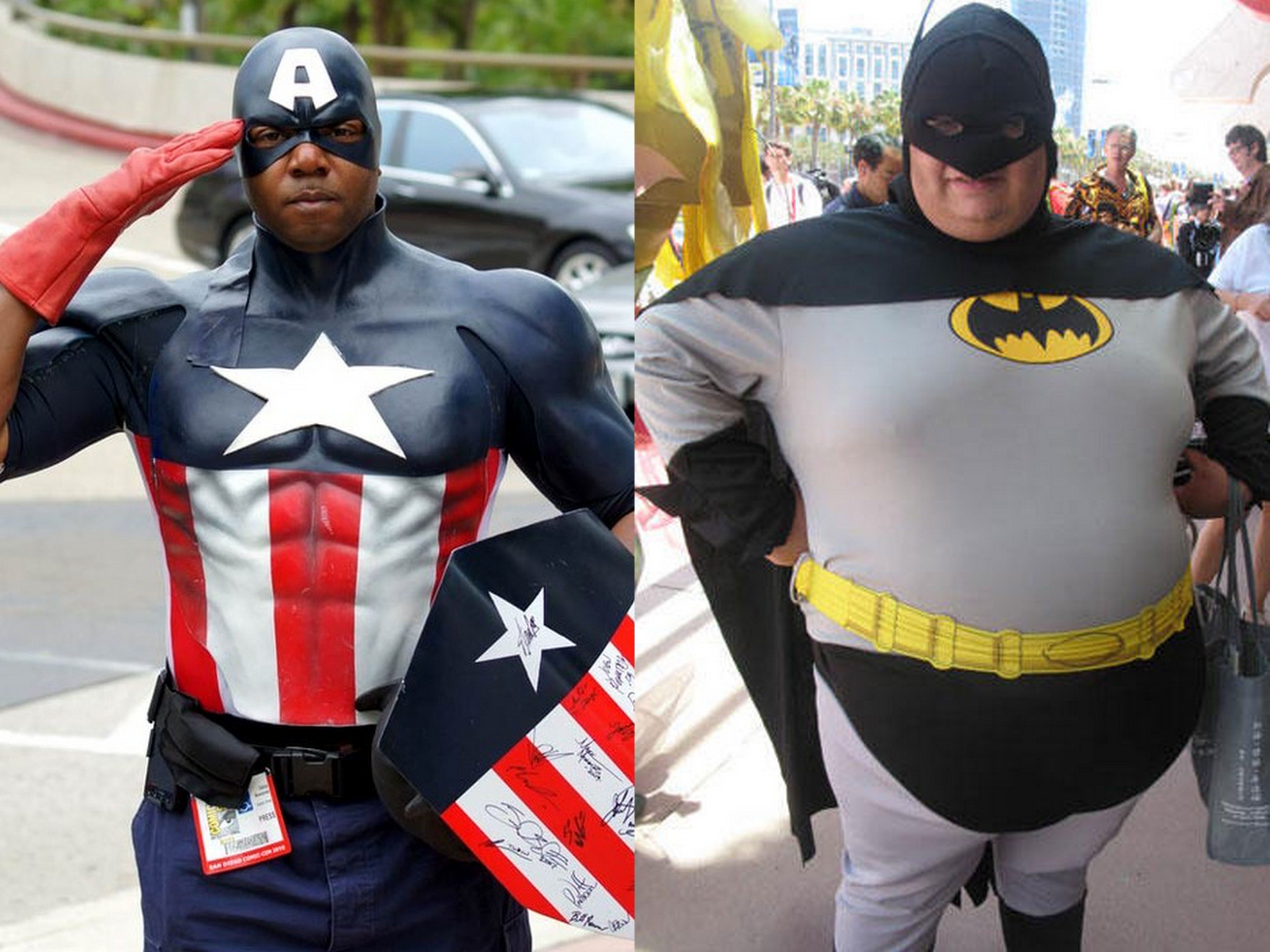
Perfectly fine cosplay

Black Captain America? Plus-size Batman? Cool. I see no problem here.

Do you see that black guy cosplaying Captain America, a traditionally white character? He’s a cosplayer. He’s not actually Captain America. It’s okay. Everyone can stop freaking out. The chubby fellow cosplaying Batman? He isn’t Batman. He lacks Batman’s muscular physique, and he’s smiling happily, which isn’t terribly Batman-like. Does it matter? He’s having a good time. So is the black gentleman in the Captain America suit, and the lady rocking Link’s iconic green tunic, and whatever mad genius created Darth Batman.

Cosplay isn’t about rules. It’s about fun, acceptance, and coming together as geeks to wear goofy costumes. Anybody should be able to cosplay as whatever the heck they want. After all, isn’t that the point of cosplay? Isn’t cosplay a chance to be an actor without a stage, becoming a completely different person, if only for a little while?

I don’t cosplay, but I understand why so many people have embraced it as a hobby. I respect them. I wish more people did. In fact, generally speaking, I wish more people respected geeks instead of assuming the worst of them. Heck, while I’m at it, I wish more people respected other people. That would be a great start.

I’m not planning ever to cosplay… but if I did, I bet I’d make a pretty good Hiccup from How to Train Your Dragon, or even a tolerable Tenth Doctor. Just a thought.

452. Prayer Requests?

It occurred to me lately that I’ve never invited my readers to submit prayer requests so that I could, y’know, pray for ’em specifically.

Today seems like a good day to make that right. How, dear reader, can I pray for you? There’s no catch, I won’t charge a cent, and there’s no fine print. I promise to pray for readers who submit requests, and to keep requests private. (I’ll also try to keep my use of the word just to a minimum; that’s one I wouldn’t mind seeing banished.)

I believe prayer can be powerful and effective, like a water-type move against a fire-type Pokémon. Okay, I admit that analogy is a bit far-fetched… or, dare I say, a bit Farfetch’d. (Wow, that pun was esoteric and lame. I’m so, so sorry.)

Adam used Pray

Life should be more like Pokémon… or maybe it shouldn’t. I dunno.

If I can pray for you in any way, leave a comment or tweet at me—or, if you want to keep your request private, send me a Facebook message or use TMTF’s Contact page.

Now, if you’ll excuse me, I need to get the Pokémon anime theme out of my head. Pray for me, guys.

445. How Much Should I Talk about My Book?

All right, guys. Serious question.

How much should I talk about my book project, the Lance Eliot saga, on this blog?

As TMTF staggers ponderously toward its imminent demise, I’m wondering how to fill its final fifty-something posts. I’m also thinking a lot about the changes I plan to make to Lance Eliot’s story. Should these musings intersect? Should I start sharing some of my plans for the Lance Eliot saga—no major spoilers, mind you, just basic stuff—on this blog?

I’m excited about my book project, and eager to share some of my early ideas. I would appreciate feedback, too. As Neil Gaiman observed, “writing is, like death, a lonely business.” Community is important for creativity. I could use the suggestions, ideas, and enthusiasm of my readers.

Writing is hard

A writer needs all the help he can get.

Another potential benefit of writing about the Lance Eliot saga is the possibility of raising interest in, and awareness for, the project. It would also give me a smoother segue from writing a blog about nothing in particular to writing a book.

However—and this is an important “However,” spoken in a deep voice and with a concerned expression—I don’t want to annoy or alienate any of my readers by talking too much about my writing plans. People read this blog, I assume, for… whatever it is that happens here. (Heck if I know.) Most readers don’t come here to read about unrelated projects.

I don’t want readers who enjoy TMTF for what it is to be disappointed by repeated discussions of a completely separate project. I don’t want anyone to feel that TMTF has become a blog “just for that book project,” especially since there is only a limited number of posts left.

If I wrote about my plans for the Lance Eliot saga, new posts might offer character profiles, an updated geopolitical situation for my imaginary world, stories from its lore, thematic elements, and maybe more.

I’m not sure what to do, so I’m leaving this one to you. What are your thoughts? What would you like to see from this blog? Should I share early ideas from the Lance Eliot saga? Should I stick to… um… whatever this blog is already? At this point, TMTF exists largely because of its readers. (I care about you, believe it or not.)

Should I write occasional posts about my book project, or stick to this blog’s usual topics? Let us know in the comments, or send me a note on social media!

444. Adam Turns into the Hulk and Rants about Noisy People

Caution: This blog post contains furious ranting. Sensitive readers, and readers averse to things being smashed, are advised not to continue.

Do you know what really gets my goat? Noisy people in public places. When folks around me in church or at the movies make a lot of noise, my goat is really and truly gotten.

Gets my goat

I would almost rather be surrounded by goats than by noisy people. Almost.

I understand that most people are sometimes a little louder than they mean to be. I sure am. That said, how can anyone excuse talking over a movie at the theater, or worse, a service at church? Do people not realize their chatter is disruptive, uncaring, and rude?

I try not to get angry about little things, but seriously… this one infuriates me. And do you know… what happens… to things that infuriate me?

They… they get… smashed.

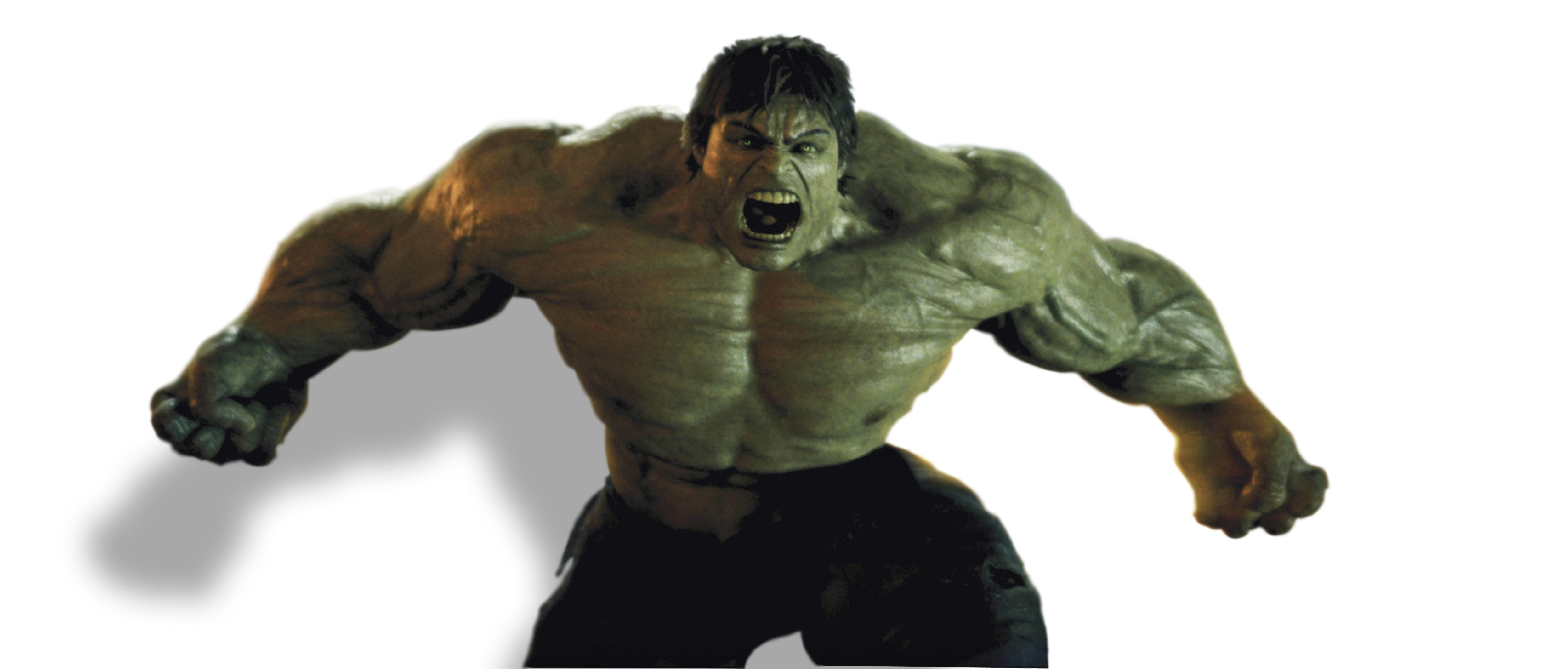
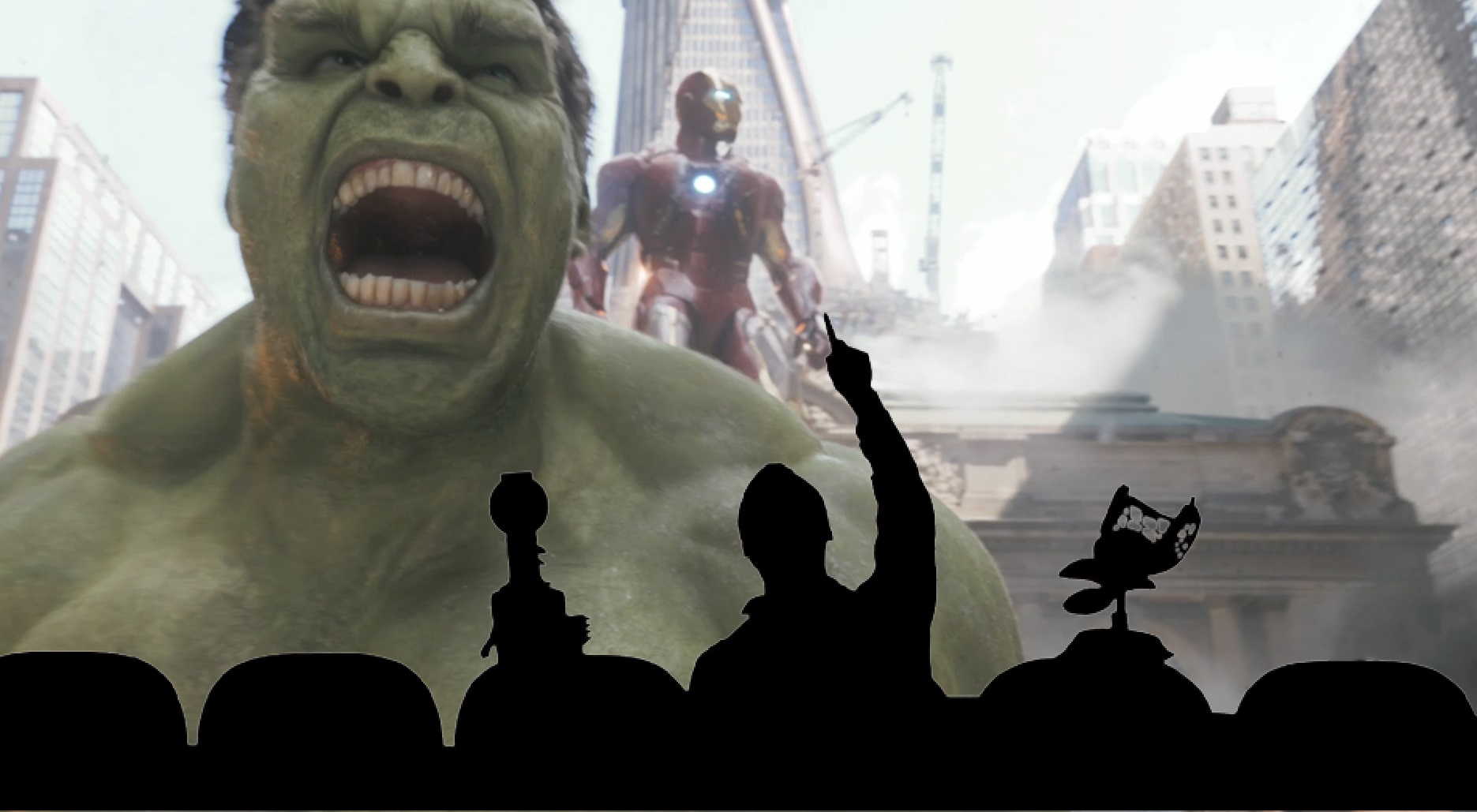
YOU TALK, I SMASH!

NOISY PEOPLE IN PUBLIC PLACES ARE WORST PEOPLE. HULK NOISY AND SPEAK IN ALL CAPS, BUT NOT IN CHURCH OR AT MOVIES.

(SPEAKING OF MOVIES, HULK JUST SEE NEW CAPTAIN AMERICA. WAS GOOD. NEEDED MORE HULK.)

LOUD PEOPLE NOT SO BAD IN MALLS AND RESTAURANTS AND OPEN SPACES. BUT NOISY PEOPLE ARE WORST IN CHURCH AND MOVIE THEATER. OTHER PUBLIC PLACES NOT STRUCTURED AROUND CENTRAL EVENT. NOISE IS FINE THERE. NOISE NOT DISTRACT FROM EVENT.

CHURCH AND MOVIE THEATER ARE DIFFERENT. THEY ARE STRUCTURED AROUND EVENTS. CHURCH AROUND MUSIC AND SERMON. MOVIES AROUND MOVIES. NOISE IS RUDE THERE. NOISE DISTRACTS FROM EVENT.

THERE IS IMPLICIT UNDERSTANDING AT CHURCH AND MOVIE THEATER THAT NOISE SHOULD BE KEPT TO MINIMUM. NO PHONES. NO CHATTER. WE ALL KNOW THIS. WE SHOULD NOT DISRUPT WITH UNNECESSARY NOISE. WE WORSHIP GOD OR ENJOY SHOW. THAT IS PURPOSE OF CHURCH AND MOVIE THEATER.

PURPOSE OF CHURCH AND MOVIES NOT FOR AUDIENCE TO MAKE NOISE. NOT FOR GOSSIP OR CHATTER OR COMMENTARY OR CLOWNING AROUND. RUINING EVENTS FOR OTHERS BY MAKING SELFISH NOISE IS IMMATURE AND INCONSIDERATE.

THERE ARE ONLY FEW EXCEPTIONS TO RULE FOR NO TALKING AT MOVIES.

NOISY CHURCHGOERS ARE MORE GUILTY THAN NOISY MOVIEGOERS. CHURCH SERVICE IS TIME FOR WORSHIP LORD GOD ALMIGHTY. NOT TIME FOR SMALL TALK. YOU SHOULD KNOW BETTER. DO UNTO OTHERS. CHAT AFTER CHURCH SERVICE. HONOR GOD BY LISTENING.

CHURCH AND MOVIE THEATER ARE PRIVILEGES. PRIVILEGES COME WITH RULES. RULE OF CHURCH AND MOVIE THEATER IS NOT MAKE NOISE. IS NOT THAT FREAKING HARD.

HULK NOT GO TO CHURCH TO LISTEN TO CHURCHGOERS CHATTER AND GOSSIP. HULK NOT GO TO MOVIES TO HEAR MOVIEGOERS’ COMMENTARIES. HULK GO TO CHURCH TO BE NEAR GOD AND TO MOVIES TO WATCH MOVIES.

LET HULK DO THESE THINGS. PLEASE. HULK TIRED OF HEARING INANE CHATTER WHEN HULK JUST WANT TO WORSHIP GOD OR WATCH MOVIE. PLEASE BE RESPECTFUL. AT LEAST BE QUIET. PLEASE.

HULK OUT!

…What was I talking about? Noisy people? They’re the worst. That’s all.

441. TMTF’s Top Ten Hot Guys in Fiction

Do you know what this blog needs? Hot guys. This blog needs more hot guys.

What? You think hot guys are an inappropriate subject for this blog? Oh, I disagree. I won’t discriminate against anyone for being totally smoking hot. I think this post is long overdue.

It’s a burning question: Who are the hottest guys in fiction? There are a lot of potential answers, so let’s warm up with a list of ten.

We’re turning up the heat, ladies and gentlemen, as TMTF presents…

The TMTF List of Top Ten Hot Guys in Fiction!

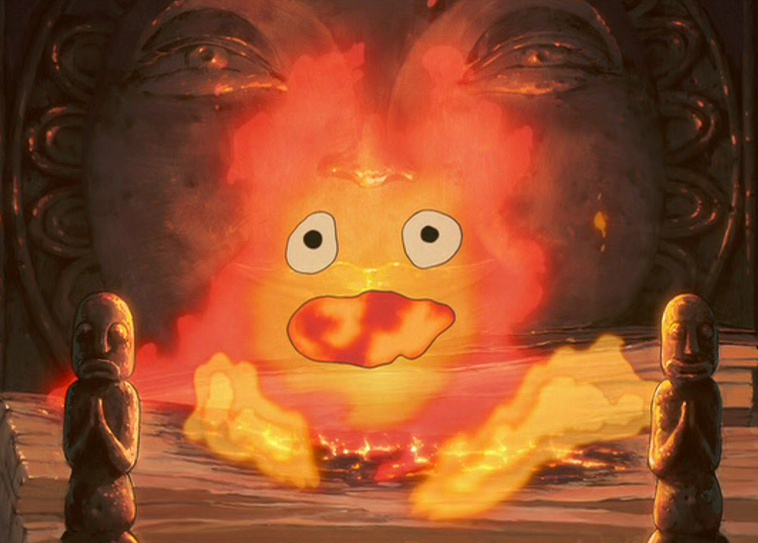
10. Calcifer (Howl’s Moving Castle)

Calcifer

This friendly fire demon is not only helpful and adorable, but also sounds exactly like Billy Crystal. (Wait, he’s actually voiced by Billy Crystal? Well.) Calcifer may not be the hottest guy on this list, but he’s certainly hot enough to fry eggs and bacon.

Cooking with Calcifer

That’s pretty hot, right?

9. Anger (Inside Out)

Anger (Inside Out)

This one is easy. I mean, the dude’s head is literally on fire.

Hot guy. No doubt about it. Great movie, too.

8. Mario (Super Mario Bros. series)

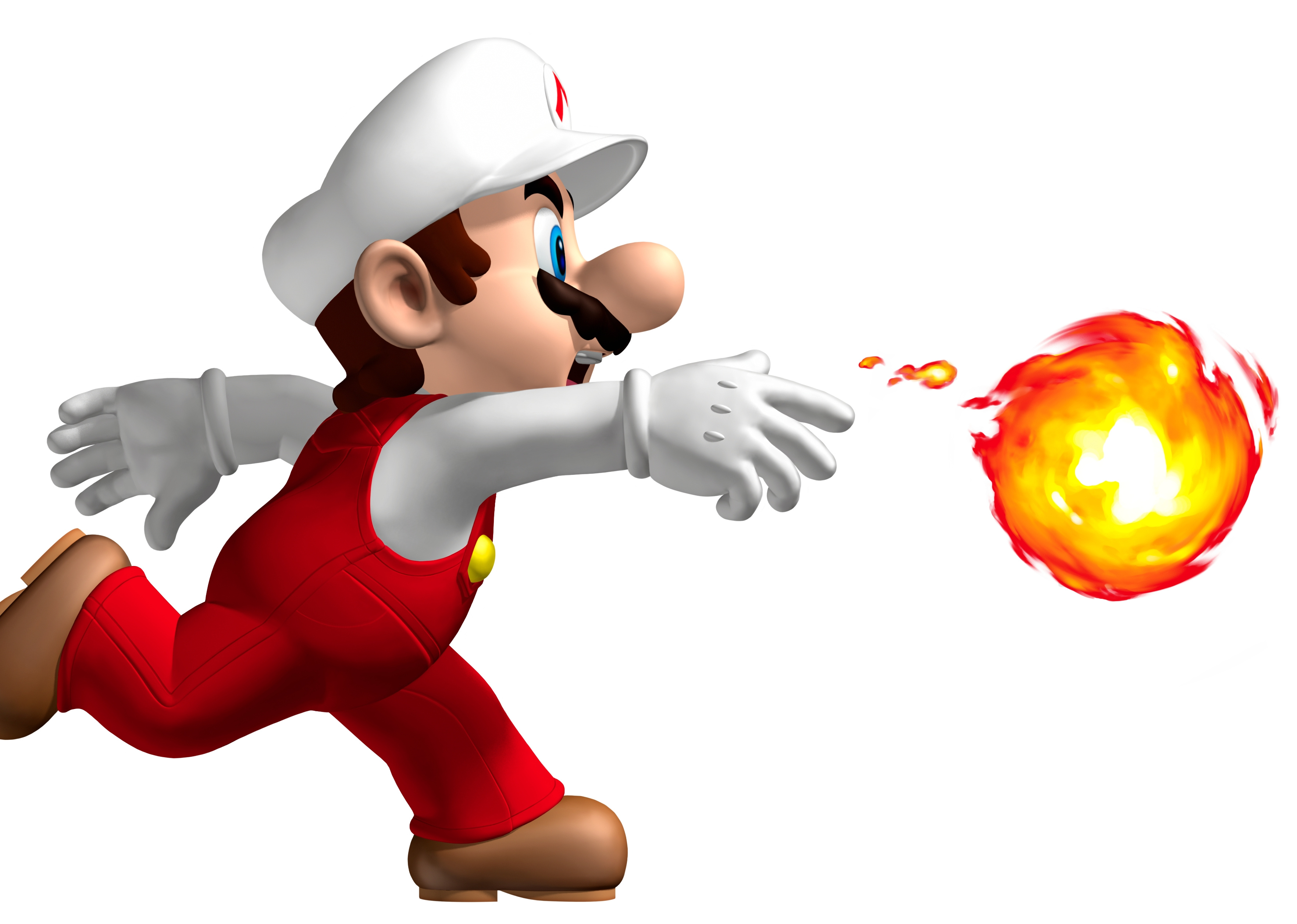
Fireball Mario

Mario isn’t always hot, but he occasionally throws fireballs. These whirling spheres of flame aren’t terribly large or threatening, except when they get out of hand. (Pun intended. I’m so, so sorry.) When Mario cuts loose with the fireballs, things heat up pretty quickly.

Mario's Final Smash

Bowser is another hot character from the Super Mario Bros. series, but I chose Mario because this list has quite enough scaly fire-breathing monsters. Speaking of which….

7. Charizard (Pokémon)

Charizard

Charizard is labeled a Fire-type Pokémon, and for good reason. His flaming tail is a life sign, like a pulse… but more likely to burn down buildings. Charizard also breathes fire.

Totally hot, man.

6. The Fury (Metal Gear Solid 3: Snake Eater)

The Fury

This crazy cosmonaut hails from my favorite Metal Gear Solid game as a member of the Cobra Unit: a team of supervillains working for a rogue Soviet colonel. The Fury is a pyromaniac through and through, packing a flamethrower and a jet pack—which, I can only assume, were standard issue for Soviet cosmonauts prior to the sixties.

When the Fury finally gives up the ghost, it’s with delusions, explosions, and surreal shrieking heads of fire. So hot.

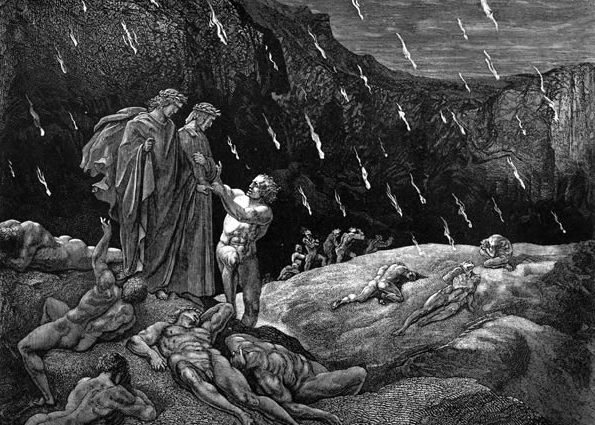
5. The Guys in the Seventh Circle of Hell (Dante’s Inferno)

Seventh Circle of Hell

The circles of Dante’s hell offer various horrors, from violent winds to ceaseless whippings. It’s the seventh circle that most closely resembles the classic image of hell as a fiery place, with a river of boiling blood and flakes of fire drifting to the ground. “Thus was descending the eternal heat, whereby the sand was set on fire, like tinder beneath the steel.”

You can bet the sinners in hell’s seventh circle are pretty hot.

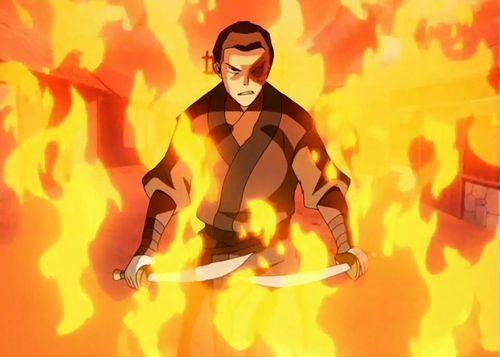
4. Zuko (Avatar: The Last Airbender)

Zuko

In the fantasy world of Avatar: The Last Airbender, Zuko is a firebender: a martial artist who redirects chi (spiritual energy) and unleashes it as fire. Firebending is awesome. It can be used to warm tea, heat bathwater, or do this:

Firebending

Zuko is the show’s most dynamic firebender, learning from dragons and experimenting with advanced forms of his art. He never did learn to make a good cup of tea, but he’s still a really hot guy.

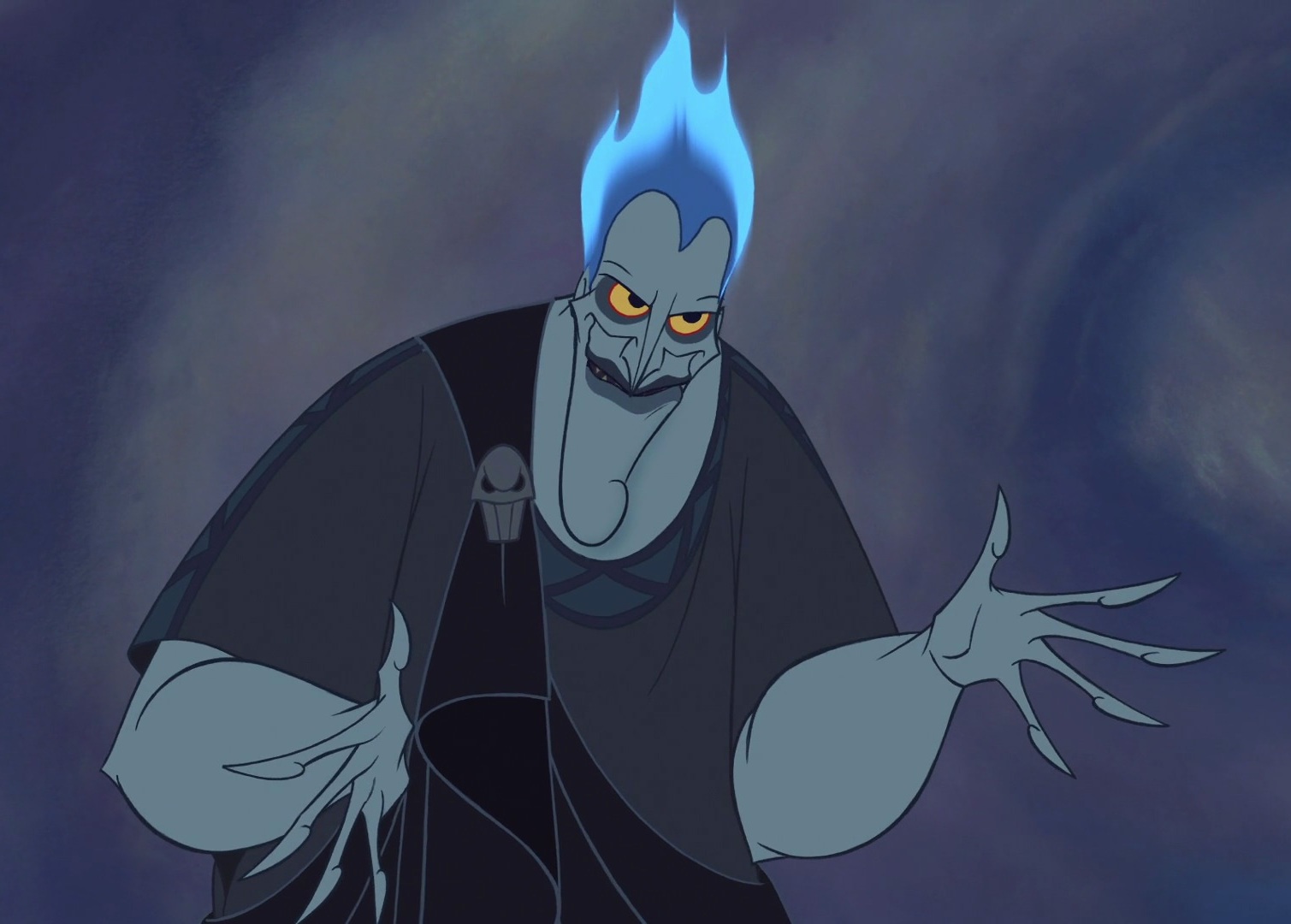
3. Hades (Disney’s Hercules)

Hades

At first glance, Hades looks like a shady uncle to Anger from Pixar’s Inside Out. Don’t be fooled. The smooth-talking god of the dead from Disney’s Hercules often loses his cool. (Pun intended. I’m still sorry.) When his temper flares (I’m so, so sorry), those flames rage out of control.

Yes, Hades is a hot guy… but he’s the master of the underworld, so what did you expect?

2. Smaug (The Hobbit)

Smaug

Do I even need to explain this one? Smaug is a dragon. He breathes fire. Dragons breathe fire. Hot.

It would have been easy to fill this list with dragons, but I limited myself to one. I chose Smaug because, of all the dragons I considered, he hit the best blend of hotness and cultural significance. (Next time, Toothless. Next time.) Smaug is far from the only hot character in J.R.R. Tolkien’s books; Sauron is represented by a fiery eye, and Denethor was pretty hot right at the end of his life.

1. The Human Torch (Marvel comics)

The Human Torch

I don’t really have anything to say about the Human Torch, except that he’s literally on fire, burning at impossibly high temperatures that would reduce ordinary men to greasy little piles of soot.

I can think of no hotter guy in fiction.

Who are your favorite hot guys or gals in fiction? Fire away in the comments!

440. Christianity in Video Games

In my last post, I wondered whether video games can be art. They’re fun, sure, but can they be anything more?

My own belief is that video games have artistic potential. Whether they actually fulfill that potential is an entirely separate question. For the most part, they favor fun over artistic expression, leaving weighty subjects to other media.

Religion is an especially weighty subject, and its effect on art is incalculably great. Christianity in particular has inspired art for two thousand years, and some of it isn’t particularly religious.

Of course, much of the art informed by Christianity is overtly religious in nature: works by Michelangelo and Leonardo da Vinci, classics like The Pilgrim’s Progress and Dante’s Divine Comedy, music like Handel’s Messiah, and countless more. However, Christianity has also influenced many secular works—watch nearly any movie by Quentin Tarantino or the Coen brothers and you’ll see what I mean.

Pulp Fiction

The book of Ezekiel is apparently a bit more vengeful than I remembered.

Yes, the influence of Christianity has reached some unlikely places. It begs the question: If video games have artistic potential, have they used any of it to explore the subject of Christianity?

The answer is… hardly.

Christianity has informed many video games, but its influence is mostly superficial. Many games draw upon Christianity for its cultural or symbolic flair—or, if I may put it another way, its flavor.

The Legend of Zelda, one of the most important games ever made, uses Christian iconography not to make a point, but rather to convey an impression. For example, the game’s protagonist has the symbol of a cross on his shield.

Zelda NES screenshot

Is it just me, or does the hero of The Legend of Zelda look like he’s going from door to door with a Gospel tract?

I don’t know why the game’s developers put a Christian cross on the shield. Perhaps it was inspired by the cross designs on shields in medieval Europe. Maybe it was supposed to represent nobility, righteousness, or heroism. Either way, this symbol of Christianity is literally front and center in one of the greatest games of all time.

Incidentally, the game features another Christian symbol: the Bible, whose title was translated for Western versions as the Book of Magic. In the game, the Bible empowers the protagonist to throw fireballs, which isn’t something Bibles generally do. (At any rate, mine doesn’t.)

I’m going to discuss a few more games in this post, but for full disclosure, I should admit that I haven’t played most of them. I know them mostly by reputation, by reading about them, or in one case by following the game’s story on YouTube.

Christian imagery shows up occasionally in video games, many of which avoid association with the religion itself in order to avoid controversy. This has led to fictional religions that bear outward resemblance to Christianity—particularly to Roman Catholicism.

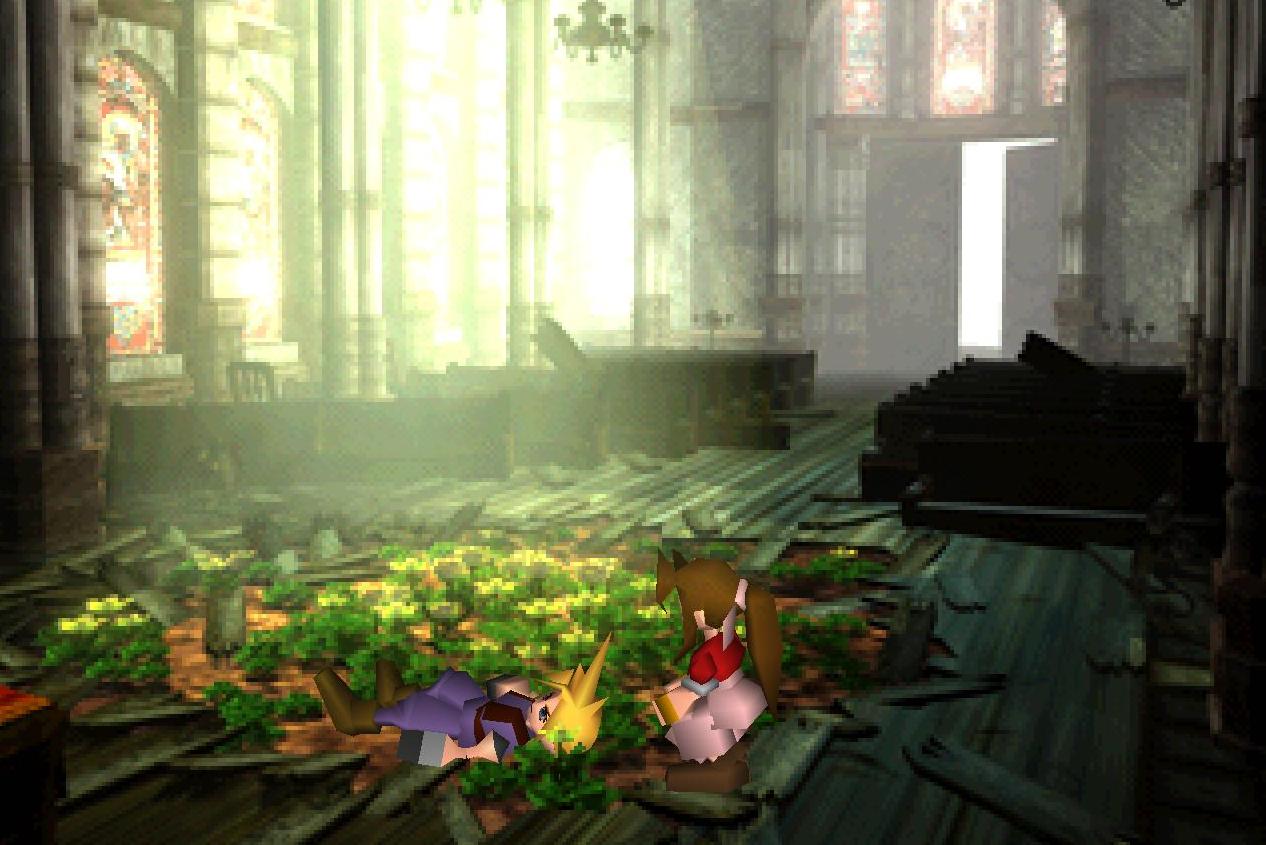
Video games such as the Final Fantasy series sometimes feature Christian (especially Roman Catholic) elements such as priests, churches, cathedrals, holy water, and baptisms.

Final Fantasy VII church

Can we take up an offering to repair the church in Final Fantasy VII? It could use a new floor. And some more pews. And a table in the back for coffee and doughnuts.

A few games even tackle the subject of religious corruption, but always within fictional religions whose resemblance to Christianity is only superficial.

Of course, some video games take a more direct approach, depicting Christianity itself (instead of a fictional religion) for its imagery, culture, or history.

The Hitman series—which, as its name suggests, is all about assassinations—uses “Ave Maria,” a song based on a Christian prayer, as its theme. It may be meant to evoke a somber mood, or perhaps to suggest an ironic parallel between the Church and the syndicate that employs the eponymous hitman. Either way, the series doesn’t have anything meaningful to say about Christianity; the games merely borrow from it.

The Assassin’s Creed series uses religion as a backdrop to its fictional history. The first game takes place in the Holy Land during the Crusades, and the second in Italy during the Renaissance. That second game apparently ends with the player beating up Pope Alexander VI, which seems weird to me. What developer, when given the limitless possibilities of game design, decided to make a game that climaxed in a fight against a fifteenth-century Pope? Did that developer just assume that all Christians are evil? Should I be offended?

There are a few games—just a few—that try to say something meaningful, whether good or bad, about Christianity.

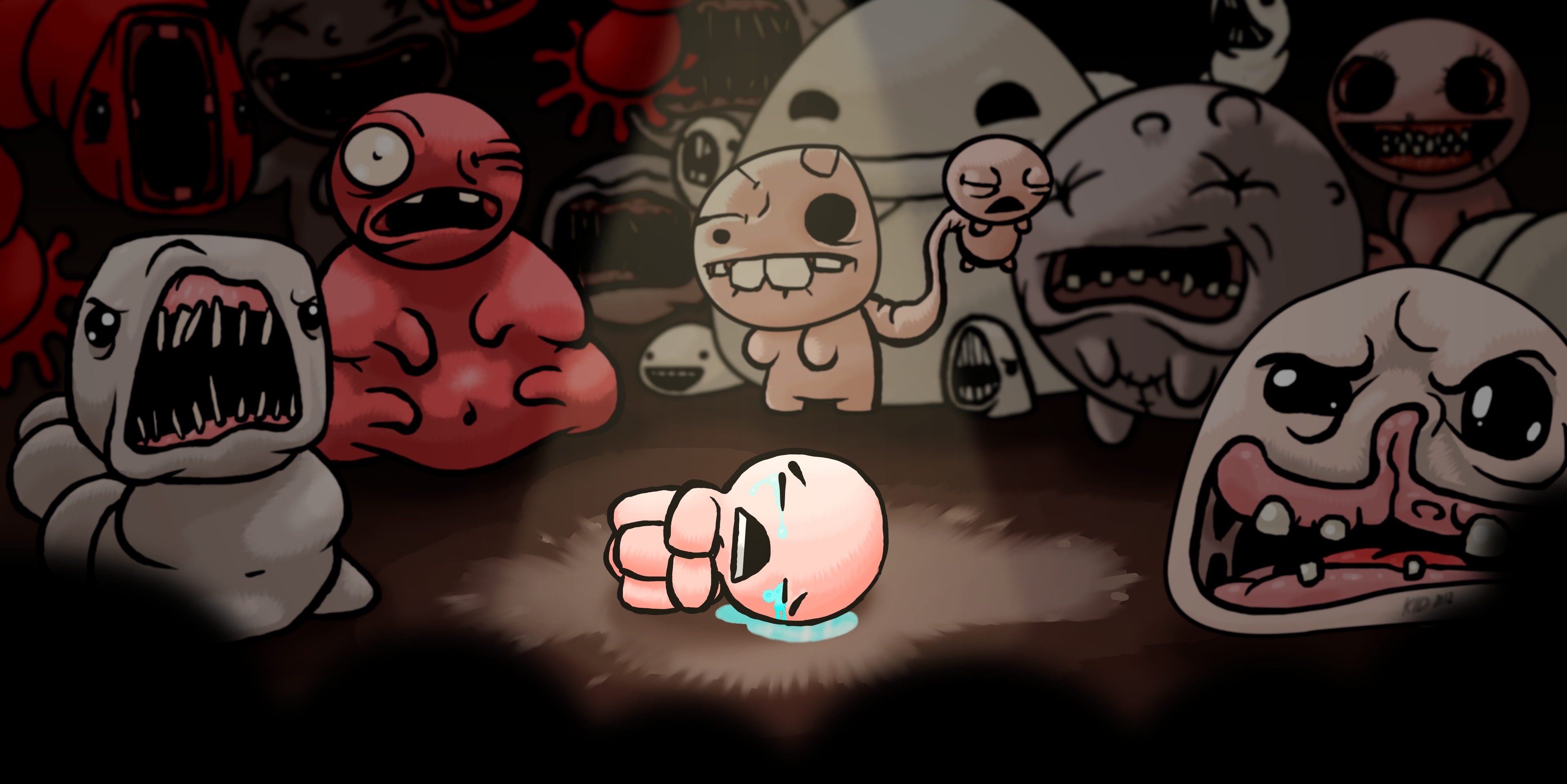
The Binding of Isaac is an indie game named for the biblical account of Abraham nearly sacrificing his own son. It follows a young boy through an underworld of twisted imagery: much of it Christian. The game seems almost blasphemous with its lurid imagery and grotesque monsters.

The Binding of Isaac

This is, um, not a game for children.

I’m not sure what point The Binding of Isaac is trying to make. The game definitely has something to say. It may be an exploration of how religion can be abused, or maybe an outright censure of Christianity. I’m in no hurry to find out; I prefer my video games not hopelessly gloomy, thank you.

The most interesting treatment of Christianity I’ve seen in a video game comes from Bioshock Infinite, a story-driven first-person shooter. (For the uninitiated: a first-person shooter is a game in which the player shoots things from a first-person perspective, simply enough.) The game doesn’t focus on religion itself as much as on what it brings out in people.

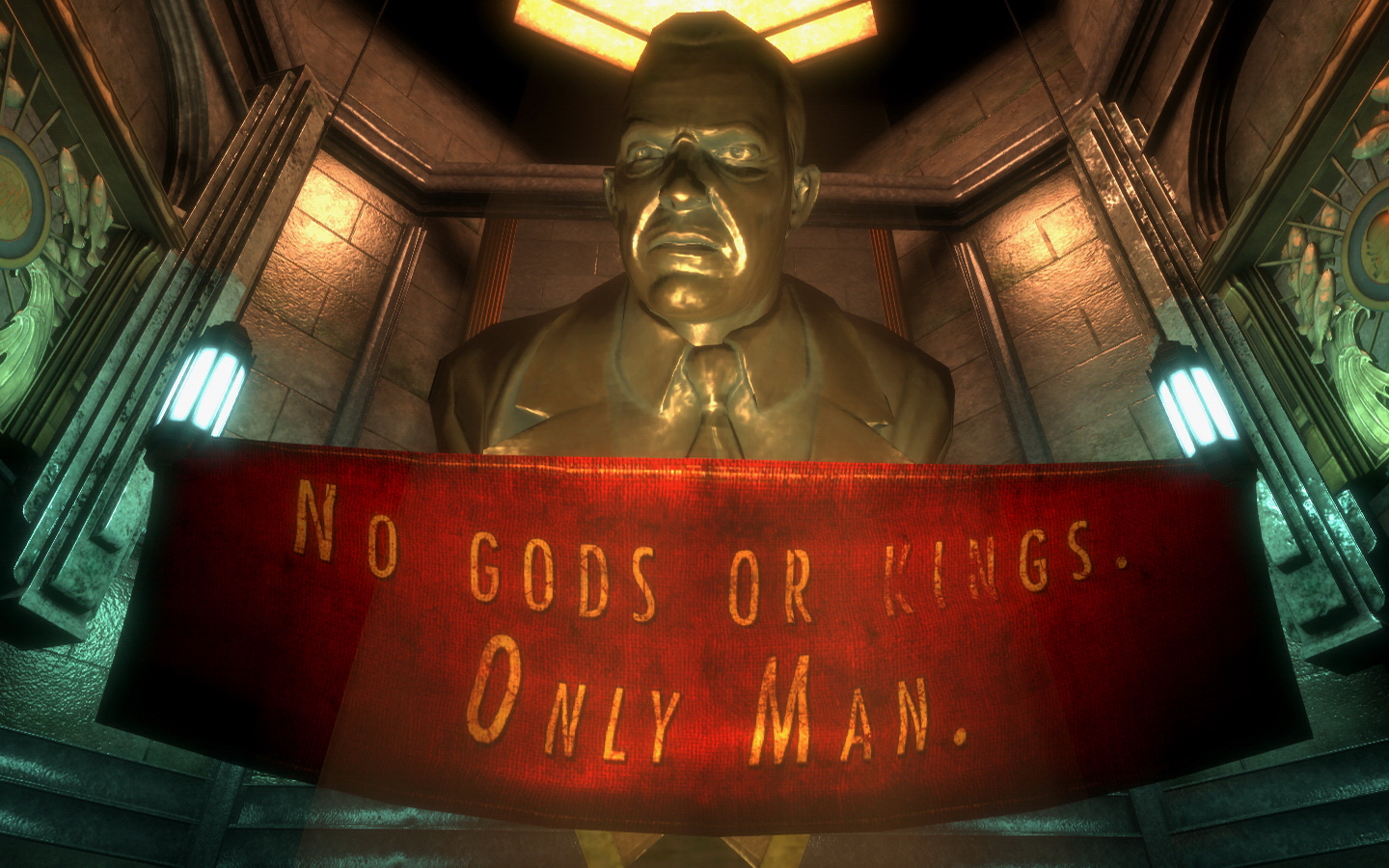
The original Bioshock game is set in Rapture: a ruined underwater dystopia. It was built by an atheist who was convinced he could harness the potential of humankind in an enlightened society. The city fell apart, its remaining inhabitants fighting for the survival of the fittest.

No gods or kings

Welcome to Rapture?

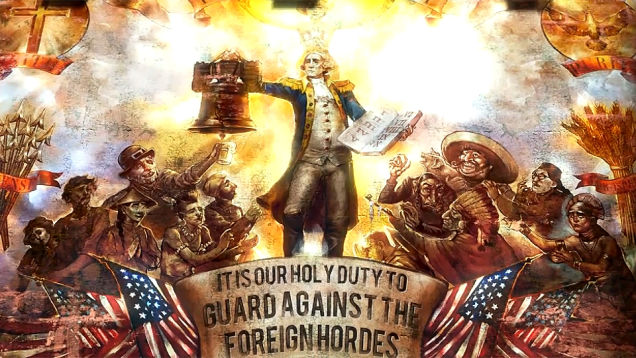
By contrast, Bioshock Infinite is set in Columbia: an airborne city bustling with religious folks and overseen by Father Comstock, a self-proclaimed prophet. Despite its bright exterior, Columbia is also a dystopia. It reflects not a Darwinian struggle for survival, however, but the ugliest blunders of American Christianity.

The religion in Bioshock Infinite is the Christianity that excused slavery, oppressed Native Americans, reviled foreigners, and mistook love of country for love of God. It’s an exaggerated picture, but also one based on history.

Bioshock Infinite mural

Welcome to Columbia?

I appreciate that Bioshock Infinite doesn’t blame Christianity for Columbia’s problems, but acknowledges how it has, throughout history, sometimes brought out the worst in people. The game suggests the problem is not with faith, but with human beings.

Fortunately, Christianity also brings out the best in people. The game’s debt-ridden protagonist, Booker, is hired to rescue a woman from Columbia on the promise that his employer will “wipe away the debt.” As the game unfolds, it becomes clear that Booker’s debt isn’t just a matter of money. He needs to be forgiven.

Besides forgiveness, Christian themes in the game include baptism and longing. The latter is beautifully expressed in the hymn “Will the Circle Be Unbroken,” which is part of the game’s soundtrack.

http://www.youtube.com/watch?v=ANeHmk22a6Q

Bioshock Infinite isn’t a perfect game, and its depiction of Christianity is definitely upsetting. However, it’s a more ambitious and nuanced take than I’ve seen from any other video game, and I respect it for that.

While a few games offer thoughtful explorations of Christian themes, others exist simply to appeal to a religious market. They’re the worst. They often steal their ideas from other games, and they’re nearly always terrible.

What are your thoughts on Christianity in video games? Let us know in the comments!

439. Are Video Games Art?

Can video games be art?

This question has proved divisive and difficult. Some people have praised games for their visuals, music, writing, and interactive narratives; others have dismissed games as a childish diversion.

Are games art

My own opinion, for whatever it’s worth, is that video games have the artistic potential of any other medium.

A few days ago, someone with whom I shared this opinion smirked, shook her head in contempt, and said “Nuh-uh,” before walking away as though she had just won an argument. I didn’t pursue the matter any further, though I did suppress a strong impulse to kick that person in the shin.

Such a jeering derision of video games—not of any specific game, but of video games as a medium—irritates me. If books, films, and songs can be valued as art forms, why not video games? They are just as capable of conveying ideas, challenging perceptions, and evoking emotions. What makes game design any less valid than other media as a form of artistic expression?

After all, many games blend acknowledged art forms—music, graphic design, storytelling, and sometimes acting—into a single medium. It seems irrational, small-minded, or even prejudiced to dismiss the entire medium as intrinsically inferior to other media, especially without giving any good reasons why.

Of course, some people have given good reasons. I’ll be the first to admit that some of the arguments against video games as an art form are well worth consideration.

Roger Ebert, for example, argued that the interactive nature of games interferes with their artistic value. Some degree of creative control is wrested from the game designers and thrust into the hands of players. To illustrate his point, Ebert posited a video game retelling of Romeo and Juliet that allowed for a happy alternate ending. Such an ending would weaken the story; the storyteller’s vision would be lost.

Romeo and Juliet

I’ve never played a Grand Theft Auto game, but its “Game over” message was too perfect not to use for Romeo and Juliet. I’m so, so sorry. (I’m not sorry.)

Another argument claims that the popular nature of video games disqualifies them for serious artistic consideration. Hideo Kojima, the creator of the Metal Gear Solid series, stands by this argument. More than perhaps any other medium, games typically exist not to convey moral, emotional, or existential insights, but simply to be fun.

Yet another argument states that video games, with their rules and conditions, are no more artistic than sports, cards, or board games. Few people consider soccer matches or poker games works of art.

What about video games that exist not to be played in a traditional sense, but simply to immerse the player or tell a story? The argument goes that these aren’t really games, which brings us back to the contentious not-a-game debate. What is a video game, really?

In the end, the question of whether video games can be art hinges on an even bigger question: What is art, anyway? That’s a question with no easy answer, and without a categorical standard for art, there’s no way of knowing whether video games can meet such a standard.

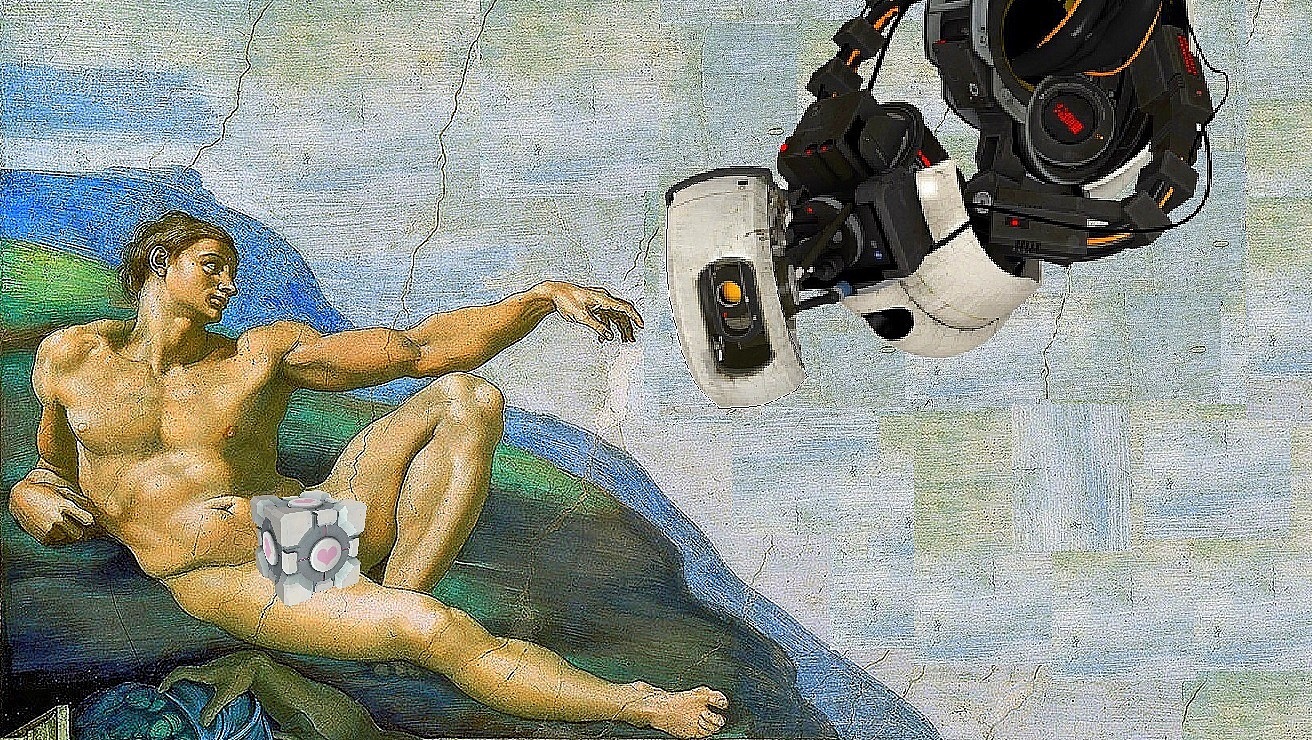
Fortunately, it doesn’t really matter whether video games can be art. I believe they have value as a medium in any case. For example, I think the Portal games are works of art, but I know they’re tons of fun. My appreciation for those games doesn’t depend on whether anyone labels them art.

Adam and... GLaDOS

If any game is a work of art, it’s Portal 2. (I covered up the indecent bits.)

The question of whether video games can be art is interesting to discuss, but not worth a fight. I suppose the thing that irritates me is when people express unsupported opinions as fact, without acknowledging even the possibility of discussion—and that’s a problem that goes far beyond the video-games-as-art debate.

I believe video games have artistic potential. That said, whether video games actually fulfill that potential is an entirely separate question. For the most part, they tend to favor fun over artistic expression, which is a valid choice.

In my next post, I’ll discuss the ways a subject of particular interest to me has been handled by video games. Stay tuned!

428. An Open Letter to Hollywood 2: The Sequel

Dear Hollywood Executives,

I know you’re all very busy, so I’ll try to keep this short. It’s been a while since my last letter, which I assume you all read, and another one is due. Consider it a sequel.

You’ve made a few small improvements since my last letter. For example, you actually made a Deadpool movie. I haven’t seen it, but I’ve heard it’s pretty good. (I’ve also heard that it’s extremely vulgar, but Deadpool’s gotta Deadpool, I guess.) So many superhero movies are all doom and gloom, because, y’know, heaven forbid comic-book stories be fun for anybody. Irreverent takes on the genre like Deadpool and Marvel’s Guardians of the Galaxy are a welcome change. It’s okay for superhero movies not to take themselves so seriously. We don’t mind, honest!

Speaking of superhero movies, can we get a bit more diversity? Please? Take the Avengers, otherwise known as the League of White Guys. (They have only one female member: a token femme fatale with no superpowers.) I don’t read Marvel comics, but I know they feature more than white dudes. I don’t have anything against white dudes—I am one, as a matter of fact—but flooding superhero movies with them is unfair, uncool, and frankly kinda boring.

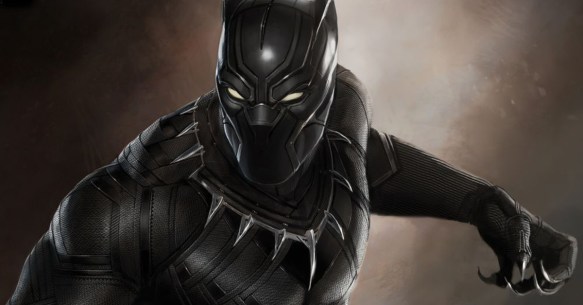
To be fair, I must congratulate you on giving Black Panther, the no-nonsense African superhero, a part in the new Captain America movie, and working toward giving him his own film in a couple of years. For a change, the black guy won’t be just a sidekick. He’ll be the hero.

Black PantherIt will be nice, after more than a dozen Marvel movies, finally to have one whose hero isn’t a white American (or quasi-British) male. It’s a step in the right direction. Keep stepping, ladies and gentlemen. Keep stepping.

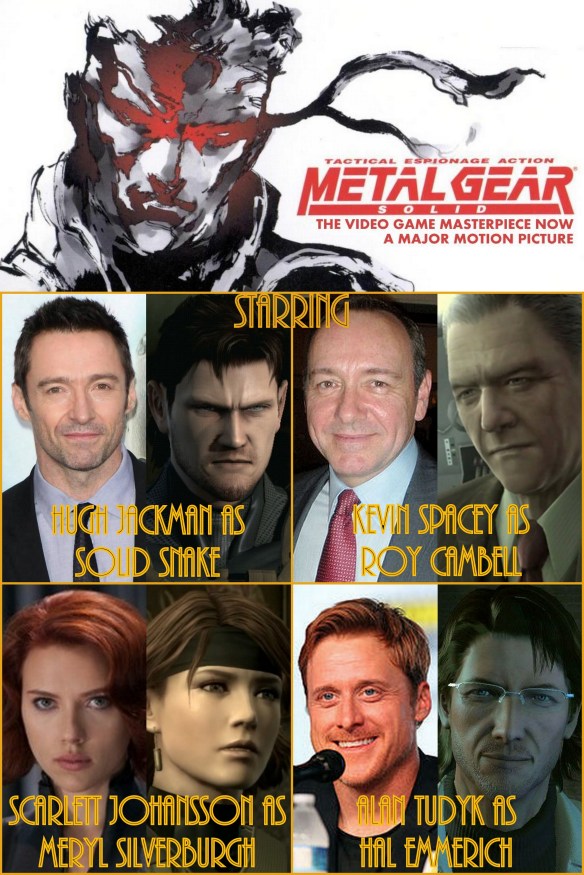
I’ve already written about video game movies and portrayals of Christians in secular media, so I won’t repeat myself here. Just go read those blog posts. I will, however, emphatically repeat my appeal for a Metal Gear Solid movie. It should happen. It needs to happen. Please, please, please, make it happen. I will give you anything to make a Metal Gear Solid movie, unto half my kingdom. (I won’t actually give you anything for making the movie, but I will buy tickets to see it.)

Look, I’ve even done some of the casting for you.

Metal Gear Solid movie Now you just need to make the movie. Please do.

As long as we’re discussing film adaptations: Why don’t you adapt more old books? As you struggle to come up with ideas, consider the thousands of terrific stories available at your local library. I once made a list of books that would make great films, and you’ve made only one of them (Ender’s Game) with a second (Ben-Hur) on its way. Seriously, I want a film version of The Man Who Was Thursday almost as much as I want that Metal Gear Solid movie.

Incidentally, I hear Martin Scorsese is working on an adaptation of Shūsaku Endō’s Silence: a brooding and powerful novel about the silence of God.

SilenceIt’s exactly the sort of obscure, slow-paced book you Hollywood execs won’t touch with a ten-foot boom pole. Mr. Scorsese thinks differently. Learn from Mr. Scorsese, Hollywood.

Moving on from a good director to some really bad ones: Why are you still letting Michael Bay and M. Night Shyamalan make movies? Why?! Just stop. Stop. Staaahhhp.

On a brighter note, Disney and Pixar have been making some outstanding movies lately. I’m glad to see that animation is not merely surviving on the Hollywood scene, but evolving and thriving. As long as you have Disney and Pixar, Hollywood, I think you’ll be all right.

I could go on, but that’s probably enough for one letter. I hope it doesn’t seem too harsh or demanding. For all of my grumbling, I really appreciate good movies, and I suppose I have you Hollywood people to thank for them. Thanks, ladies and gentlemen, for making my life a little brighter, and occasionally a little more explode-y.

Peace,

Adam

P.S. I don’t suppose there’s any chance you could just put Disney’s John Lasseter in charge of everything? No? Well, there was no harm in asking.

427. Give Me Your Best Coffee Tips!

I recently decided that I want to visit Seattle. By all accounts, this rain-drenched city is populated largely by coffee-obsessed hipsters. It sounds like my kind of place.

Seattle

Yes, I drink a lot of coffee. Anyone who has known me for more than five minutes is aware of this. For all of my jokes about it, the truth is that I do really love the stuff.

That said, I don’t know much about it. This is a little odd, especially considering that I’m something of an amateur expert on tea, my other liquid addiction. I even wrote a post sharing my best tea tips. When I considered writing a similar guide for coffee, I quickly realized I don’t actually know much about it.

Latte artAt some point, when I’ve shaved a mile or two off my reading list, I’ll find a good coffee guide. For now, dear reader, I invite you to share whatever tips, tricks, and techniques you have for brewing coffee. Give me your best advice. Enlighten me. I won’t guarantee that I’ll accept every piece of advice, but I’ll certainly consider all of it!

Now, dear reader, I humbly yield the stage to you.

What are your best tips for choosing, brewing, or flavoring coffee? Let us know in the comments, or tweet at me!

Collectible Card Games

A few days ago, as I chatted with a dear friend from Ecuador, our conversation turned to his brave but ill-fated attempts to teach me to play a collectible card game. Years ago in Quito, my friend and I sat down with colorful packs of Magic: The Gathering cards. He wanted to teach me to play; I wanted to learn to play. It seemed simple enough.

However, there were two things neither of us considered. That first is that I am easily distracted. The second is that I have a deplorable memory: especially in the case of rules and systems. As my friend, whom I’ll call Socrates, explained the rules of the game, I flipped through his cards, looking at the pretty pictures and reading incomprehensible bits and pieces of game instructions.

Magic The Gathering cards

The rules for most collectible card games are only slightly less comprehensible than Finnegans Wake. (I’m sorry; I can’t help making lit jokes occasionally.) The pictures are nice, though!

When Socrates and I tried playing a round of Magic: The Gathering, I asked him an average of thirty-seven questions per turn. We gave up in the end, opting for Mario Kart or Super Smash Bros. or some other game that wasn’t so far beyond my feeble intellect.

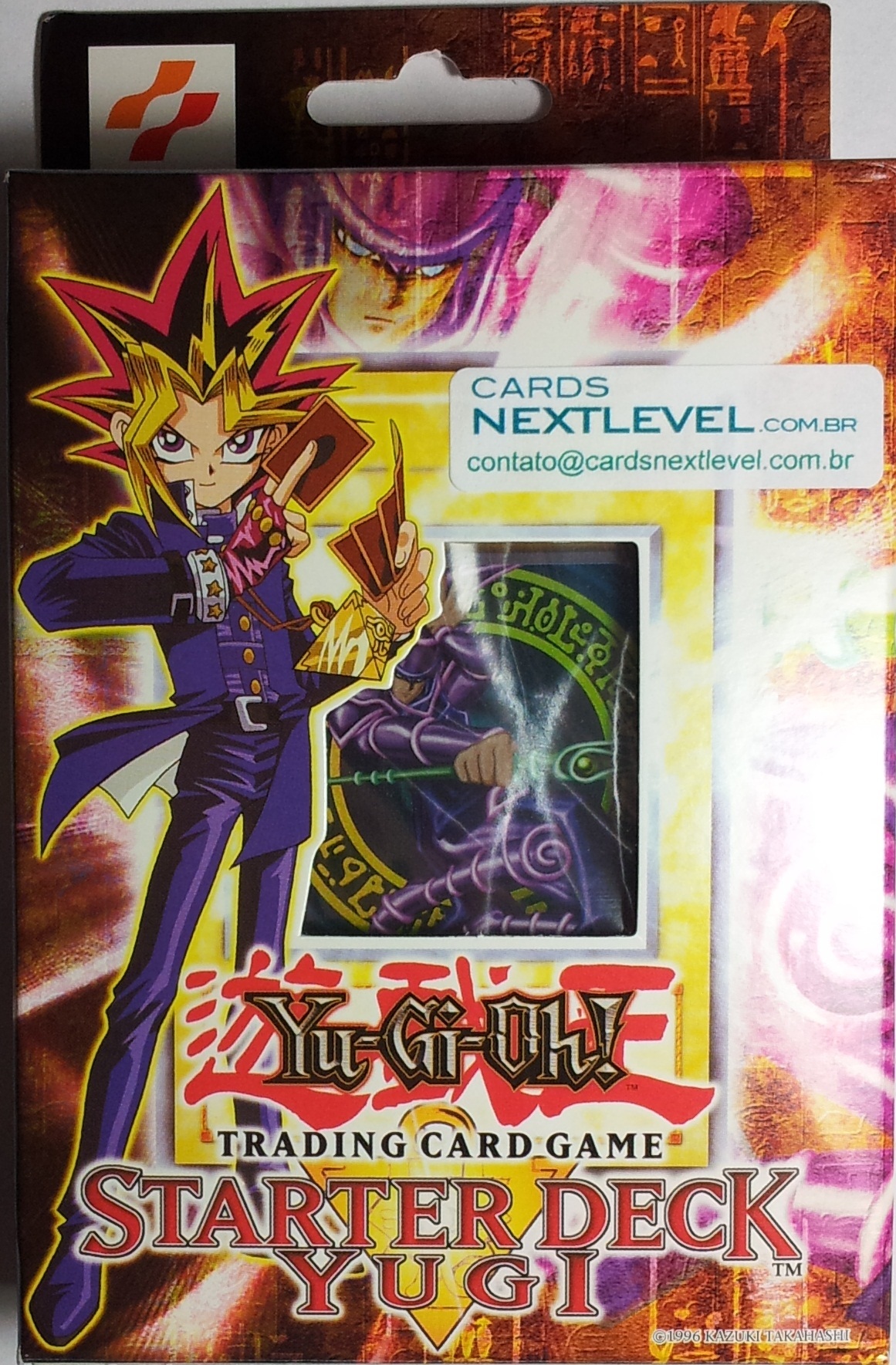
For years, I could hardly sit down at a table without having to brush away collectible cards. My friends in middle and high school collected cards from all kinds of games: Magic: The Gathering, which featured fantasy elements in the vein of Dungeons & DragonsPokémon, starring Nintendo’s cutesy Pocket Monsters; World of Warcraft, which had leaped from computers to tabletops; and Yu-Gi-Oh!, which featured the most egregious anime hair I have ever seen.

Yu-Gi-Oh! hair

Yu-Gi-Oh my gosh that hair is horrible.

I never got into collectible card games, except for a brief fascination with Pokémon cards as a kid. I went through what I can only call a Pokémon phase in fifth grade, in which I collected dozens and dozens of cards. I never learned the rules of the game, but that didn’t stop me from playing it with friends. Fortunately, my friends were as clueless as I, and our card games turned into anarchic free-for-alls with rules made up as we needed them. (It was sort of like Calvinball.)

I’m not sure what happened to all of my Pokémon cards. They probably slipped away to whatever inscrutable corner of the world swallowed up Amelia Earhart.

Pokemon cards

To this day, I have not forgotten the value of a holographic Charizard.

Since I finished high school, collectible cards seem to have vanished from my life, though news occasionally reaches me. I hear there’s a new My Little Pony: Friendship Is Magic collectible card game making the rounds, and Magic: The Gathering seems to be doing well. World of Warcraft cards have been replaced by an online card game. The anime hair in Yu-Gi-Oh! is probably just as bad as it was eight years ago, but I’m too disinterested to find out.

I enjoy looking at them, but I don’t plan to buy collectible cards any time soon. My money must go to necessities like rent, gas, coffee, and food. Besides, my life is complicated enough without the unintelligible rules and instructions for card games! If I tried to learn all the rules to a new game, I would probably lose whatever sanity I have left, and end up eating grass like old Nebuchadnezzar. No card is worth that!

Well… a Charizard might be; I suppose it depends on whether it’s holographic.


This post was originally published on June 8, 2015. TMTF shall return with new content on February 22, 2016!