424. A Gentle Request

I don’t have a blog post for you today. What I have is a gentle request.

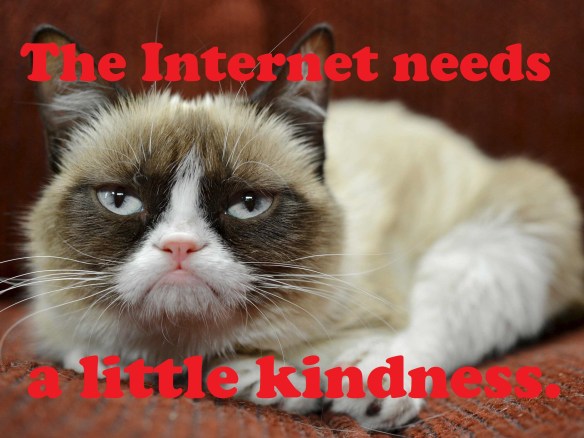
Today is Be Nice to Someone on the Internet Day. Please consider using the two minutes you might have spent reading a new post on this blog to show a person on the Internet a little kindness.

Grumpy Cat

I invite you to go to someone’s personal profile, account, channel, blog, or webpage, and leave an uplifting comment. Send someone an encouraging message, note, tweet, or email. Make someone’s day!

Go forth, dear reader! Be nice to someone on the Internet! Thanks for reading, and Godspeed!

One Punch Man

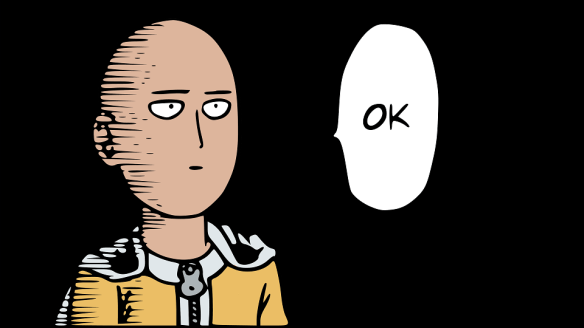
The face of a hero

This is truly the face of a mighty hero.

When Joseph Campbell wrote The Hero with a Thousand Faces, I bet he didn’t think the blank face above would be one of them. It doesn’t burn with determination, glow with compassion, or shine with righteous resolve. It just looks bored.

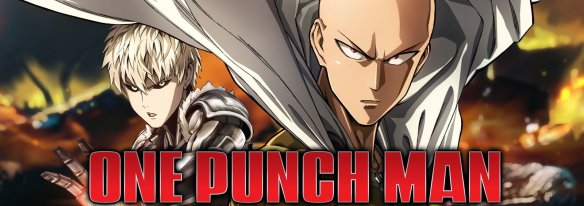
This face belongs to Saitama, the hero of One Punch Man: an anime series that swept across the geekier corners of Internet a few months ago. Its premise is very simple: Saitama is a superhero who can defeat any foe with a single punch—hence the name One Punch Man.

One Punch Man

One would expect a show with such an overpowered hero to be dull, but the storytellers wisely play Saitama’s power for laughs. One Punch Man is delightfully self-aware, at times almost satirical, in how it plays around with anime tropes and superhero clichés. I think the show’s irreverent approach is a secret to its massive popularity.

For example, a common theme in anime is a hero on a journey to become the strongest. Just look at Pokémonthe show’s theme begins with the words, “I wanna be the very best like no one ever was.” I don’t watch a lot of anime, but I get the impression that many of the most popular, from Naruto to One Piece, revolve around a hero’s quest to be stronger.

In One Punch Man, Saitama is already the strongest. (Most of the other characters haven’t realized it yet, but that’s not the point.) As more impressive-looking heroes fail, Saitama destroys his foes with the indifference of a man swatting flies. Saitama doesn’t burn with ambition. He’s bored, good-natured, and a bit clueless. How did he become so powerful? What is the secret that let him surpass hundreds of other superheroes?

In a ridiculous scene, underscored by dramatic music, Saitama finally explains the secret behind his godlike power:

It took me three years to get this strong. One hundred push-ups! One hundred sit-ups! One hundred squats! Then a ten kilometer run. Every single day! And of course, make sure you eat three meals a day. Just a banana in the morning is fine. But the most important thing is to never use the A/C or heat in the summer or winter so that you can strengthen the mind.

There you have it: the secret to absolute physical power.

One Punch Man also has a terrific opening theme. Here’s a fan-made English cover of the original Japanese song:

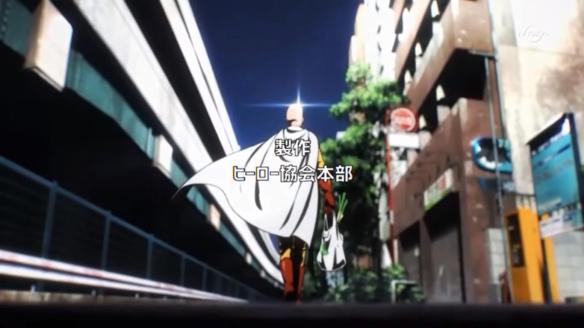
The intro to the show ends with a picture of Saitama dramatically walking home with a bag full of groceries, which pretty much sums up the tone of One Punch Man.

Saitama with shopping bag

With the media saturated with the same old clichés, it’s nice to see a story that flips so many of them on their heads.

423. I Have a Million Neighbors

Most of us have neighbors. We may be separated by a wall, street, or building—or cornfield, if you live in Indiana. However close our neighbors may be, there is nearly always a separation of some kind.

Then there’s the Internet, where all that separates me from millions of other people are a few clicks or keystrokes. Privacy can be an elusive privilege on the World Wide Web. Almost anyone can find you. Almost anyone can be your neighbor, and you can be a neighbor to almost anyone. We’re all neighbors on the Internet. Every time I open my web browser, I enter a space with a million neighbors.

So what?

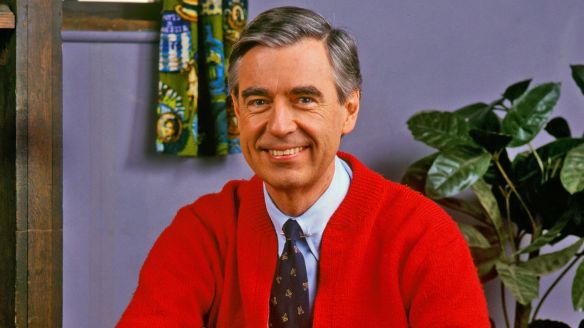
There once lived a humble, gentle, and kindhearted man, who taught of the importance of loving your neighbor as yourself.

I speak, of course, of Mr. Rogers.

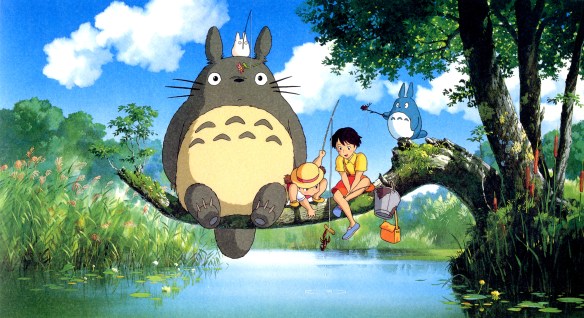
Mr. RogersDo you know who else knew how to be a good neighbor? Totoro. Totoro knew how to be a good neighbor. Heck, I wish I were neighbors with Totoro, and I’m definitely not the only one. I couldn’t ask for a better neighbor than this fuzzy forest spirit.

Totoro

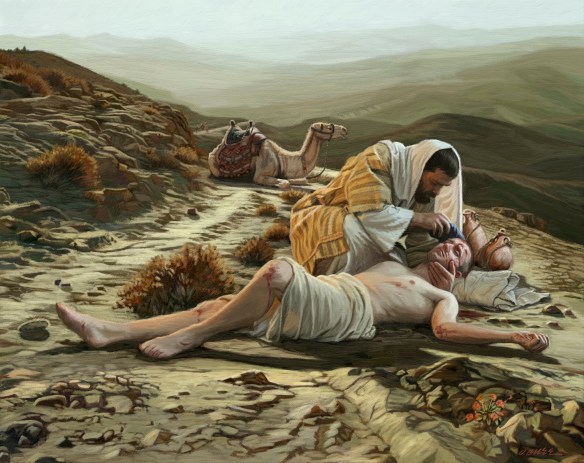
I can think of yet another good neighbor. There’s an old, old story of a traveler who was attacked by robbers and left half dead on the road. (You’ve probably heard this one.) A couple of people ignored the wounded man, but a stranger took pity on him, bandaged his wounds, and carried him to safety.

Good Samaritan

Art by Dan Burr.

That story of a good neighbor was told by Jesus Christ, the leading expert on loving people. According to Jesus, “Love your neighbor as yourself” is one of the most important rules in the universe.

We must love our neighbors. I mean, we can hardly disagree with Mr. Rogers, Totoro, and Jesus Christ, can we?

We’re all neighbors on the Internet, and we must love our neighbors, so what now? Well, this Friday is March 4, and if you’ve been around this blog for a while, you know what that means.

March 4 is Be Nice to Someone on the Internet Day. This Friday marks the event’s fifth year—and, due to the end of TMTF later this year, the last one to be celebrated on this blog. (After TMTF concludes, I plan to celebrate the event every year on Facebook and Twitter.)

Be Nice to Someone on the Internet Day is, well, a day for being nice to someone on the Internet. On March 4, or any time this week, go to someone’s personal profile, account, channel, blog, or webpage, and leave an uplifting comment. Send someone an encouraging message, note, tweet, or email. Find a person you appreciate—whether a content creator, friend, or total stranger—and be a good neighbor.

We’re all neighbors on the Internet. On Friday, March 4, let’s be good ones!

422. Lance Eliot Is Not Dead

A long time ago, I declared the death of a dream. My attempts to tell the tale of Lance Eliot, a sarcastic and reluctant hero, had finally failed. I pronounced Lance Eliot dead… well, mostly dead.

I announce today that Lance Eliot is alive… well, somewhat alive. (I thought about titling this blog post Lance Eliot Is Alive, but that seemed much too optimistic, so we’ll have to settle for Lance Eliot Is Not Dead.)

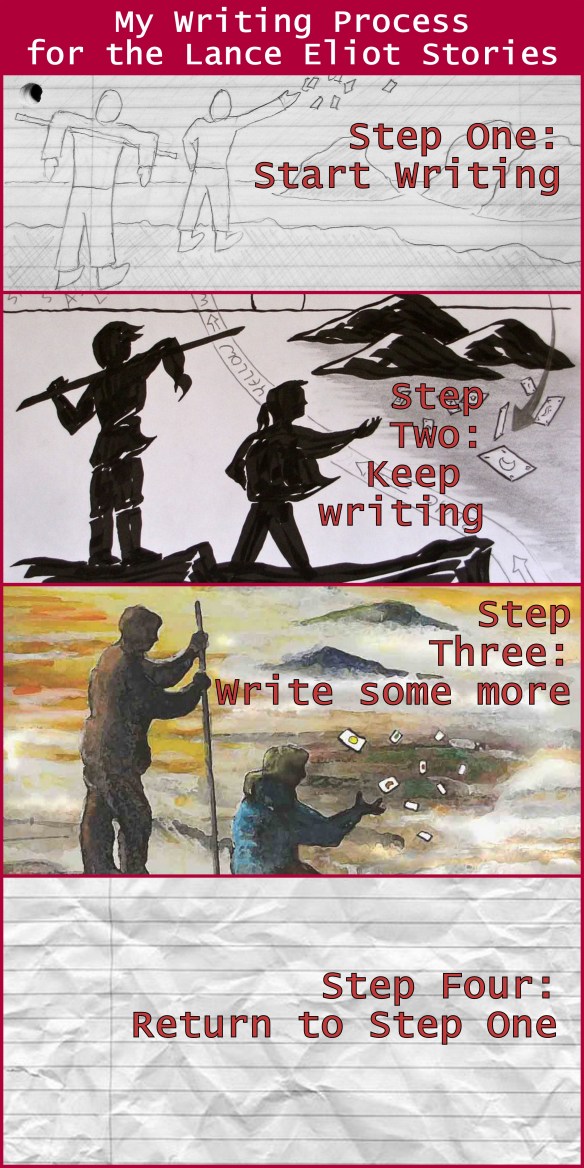
After Typewriter Monkey Task Force concludes later this year, I will rewrite the first part of Lance’s story, The Trials of Lance Eliot, before moving on to its two sequels.

At any rate, that’s the plan. God only knows how many years it will take me to write the Lance Eliot saga, or whether I shall even finish it. I don’t know if I can, but I suppose I’ll try.

The Lance Eliot story cycleAt this point there are three questions I should probably answer. Why am I rewriting The Trials of Lance Eliot instead of working directly on its sequels? Why am I revisiting Lance Eliot’s story instead of starting something totally new? And who the heck is Lance Eliot anyway?

Let’s start with that last one.

Who the heck is Lance Eliot?

From pretty much the moment I could read, I wanted to write a book. Years later, in middle school, I steeped my impressionable imagination in the fantasy novels of J.R.R. Tolkien, C.S. Lewis, and Stephen R. Lawhead; I also played a lot of fantasy games, such as the outstanding Legend of Zelda series. It was then, during my awkward transition from boy to slightly-taller-and-less-chubby-boy, that my vague dream of writing a book crystallized into a clear ambition of writing a fantasy novel.

It wasn’t until my sophomore year of high school that I stumbled upon a decent idea for a story. People in fantasies and fairy tales are often summoned from one place to another by magic. What if a magician summoned the wrong person by mistake? What she tried to summon, say, Lancelot from the Arthurian legends, but got some unsuspecting loser instead?

Over the next six years, the idea became a short story, and then a completed novella, and then one or two incomplete manuscripts, and then finally a published novel—and then it failed spectacularly, failing even to recoup the expenses of publication. I struggled for a year or so to make progress on its sequels, and finally gave up.

This brings us to the next question.

Why am I revisiting Lance Eliot’s story?

I no longer dream of publishing novels. Even if I finish all three parts of the Lance Eliot saga, which is by no means guaranteed, I may not bother publishing them. If I do take another stab at publication, I will probably self-publish instead of working with a literary agent or trying to court a major publishing house.

My reason for revisiting Lance Eliot’s story is a simple one: it’s a story I want to tell. In the vast scheme of things, it isn’t remotely special. It won’t be particularly deep or clever or original. I have no delusions of grandeur this time around. The Lance Eliot saga won’t be a masterpiece. It will be nothing more than a story I want to tell—a story I feel compelled to tell—a story I’ve struggled for more than a decade to tell.

I’ve already told part of it, but not very well. This leads to the final question.

Why am I rewriting The Trials of Lance Eliot instead of moving on to its sequels?

A few people have said ridiculously nice things about my novel; in response, I’m touched, flattered, and grateful. When I look at it, however, I see an embarrassing number of clichés, oversimplifications, cheap coincidences, and lackluster characterizations.

I believe I can do better. There are so many things I want to change about the story, including some I haven’t mentioned. Instead of writing reluctant sequels to a failed novel, I want to start over with more experience and creative freedom, and less emotional and literary baggage.

Am I excited to revisit the Lance Eliot saga? Nah, not really. What I feel is a mixture of resignation, determination, nervousness, and cautious optimism.

After four or five manuscripts, one failed novel, and more than a decade of hard work, I am now almost ready to begin working on the Lance Eliot saga. Oh, boy.

Here I go again.

In Case of Fire, Send Email

I have to work an extra day this week, so instead of writing a long Geeky Wednesday post, I’ve leave you in the capable hands of Maurice Moss from The IT Crowd, a superb British comedy series.

Here’s a safety tip: If there’s a fire in your building, email is probably not the best way to contact the fire department. (Trust me on this one. When you’ve worked with my typewriter monkeys for as long as I have, you learn a lot about fire safety.)

Stay safe!

421. The Beginning of the End

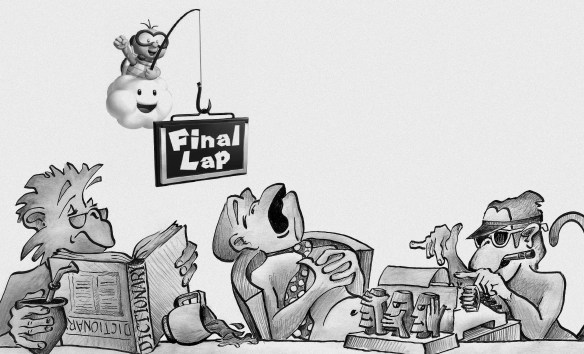
Well, dear reader, this is it. This is the beginning of the end. After four and a half years of caffeinated rants and geeky ramblings, Typewriter Monkey Task Force is starting its final laps.

Final lap! (Watch out for banana peels.)

Final lap! (Watch out for banana peels.)

I’m ending this blog, but not quite yet. TMTF shall conclude with its five hundredth numbered post, which will probably be published toward the end of this year. I don’t yet have an exact date for that post; it depends on how many more breaks I take from blogging.

(You know, this bittersweet blog post could use an appropriately bittersweet soundtrack, such as “The Best Is Yet to Come” from Metal Gear SolidHere you go. No need to thank me.)

Why am I ending this blog? Well, that’s a good question. (I’m glad I asked.) Ending TMTF is a big decision, and I’m not the only one it affects—if you follow this blog, it probably affects you, too.

You may be a little saddened by TMTF’s impending demise. If you’ve enjoyed something over a long time, it can be hard to see it end. (Gravity Falls ended just a few days ago, so believe me, I know the feeling.)

Then again, you may just be wondering why I didn’t put this blog out of its misery ages ago.

There are a few reasons for my decision to end TMTF.

It’s getting harder for me to come up ideas for new posts.

As I think of posts to write for this blog, I feel like I’m beginning to scrape the bottom of the barrel. I would much rather give TMTF a respectable finish than drag it out endlessly: as Tolkien put it, “like butter scraped over too much bread.”

TMTF has lost its purpose.

I began this blog years ago with a strong sense of purpose. TMTF originally had three clear objectives.

  1. I wanted to build up an audience for the novel I was finishing at the time.
  2. I wanted to make some sort of positive difference with my God-given talents for writing, humor, and creativity.
  3. I wanted to try something new and exciting.

At this point, TMTF has either completed or failed these objectives; either way, they hardly matter anymore.

  1. My novel failed, and it won’t be getting sequels anytime soon, so there is no longer any point in finding an audience.
  2. At this point, I think TMTF has made pretty much all the difference it can. I’ve said most of the things I really wanted to say… except for the word pulchritude, of course, and now I’ve said it.
  3. After four and a half years, TMTF is neither new nor exciting. Writing this blog has been a great experience, but I’ve lost my passion for it.

When I started TMTF, I was motivated to write blog posts by a sense of purpose. Now I write them because I have to keep the blog’s publishing schedule. I’m trying to live more purposefully; it’s one of my resolutions for this year. My writing should be driven by a sense of purpose, not feelings of obligation. I owe that much to my readers, and to myself, and to God.

I want to work on a new project.

I could say more, but that’s another post for another day.*

I’m thankful for this blog, and I don’t regret the time and effort I’ve put into it. Working on TMTF over the years has brought me satisfaction, laughter, gleams of insight, and moments of catharsis… not to mention quite a lot of harmless fun.

I’ve met a number of amazing people through this blog whom I would never have met otherwise: JK Riki, the animator and creativity expert; Tom Zuniga, the wandering blogger; Rev Kev Niebuhr, the manliest Methodist of our generation; and more. I’ve also had the privilege of collaborating with awesome folks like Paul McCusker, a veteran writer for Adventures in Odyssey; Kevin McCreary, a YouTube and podcast creator; and colorful YouTube personalities like DRWolf and Crowne Prince, among many others.

This blog motivated me to write a fantasy novella and some short stories, not to mention hundreds of pointless rants thoughtful reflections upon faith, writing, video games, literature, TV, movies, life, the universe, and everything. With the help and support of its fabulous readers, TMTF raised hundreds and hundreds of dollars for charity. I even invented a holiday on this blog: Be Nice to Someone on the Internet Day—which is coming up on March 4, by the way!

I’m thankful for Typewriter Monkey Task Force—and it ain’t over yet, folks! It shall continue yet for months and months, and there’s one thing I want to make very clear about its end. I’m not abandoning this blog. I’m finishing it.

Finally: Thank you, my dear readers. Thanks for the past four and a half years. I welcome you to stick around for whatever is left, and for whatever comes after!


*And that day shall be Friday.

Collectible Card Games

A few days ago, as I chatted with a dear friend from Ecuador, our conversation turned to his brave but ill-fated attempts to teach me to play a collectible card game. Years ago in Quito, my friend and I sat down with colorful packs of Magic: The Gathering cards. He wanted to teach me to play; I wanted to learn to play. It seemed simple enough.

However, there were two things neither of us considered. That first is that I am easily distracted. The second is that I have a deplorable memory: especially in the case of rules and systems. As my friend, whom I’ll call Socrates, explained the rules of the game, I flipped through his cards, looking at the pretty pictures and reading incomprehensible bits and pieces of game instructions.

Magic The Gathering cards

The rules for most collectible card games are only slightly less comprehensible than Finnegans Wake. (I’m sorry; I can’t help making lit jokes occasionally.) The pictures are nice, though!

When Socrates and I tried playing a round of Magic: The Gathering, I asked him an average of thirty-seven questions per turn. We gave up in the end, opting for Mario Kart or Super Smash Bros. or some other game that wasn’t so far beyond my feeble intellect.

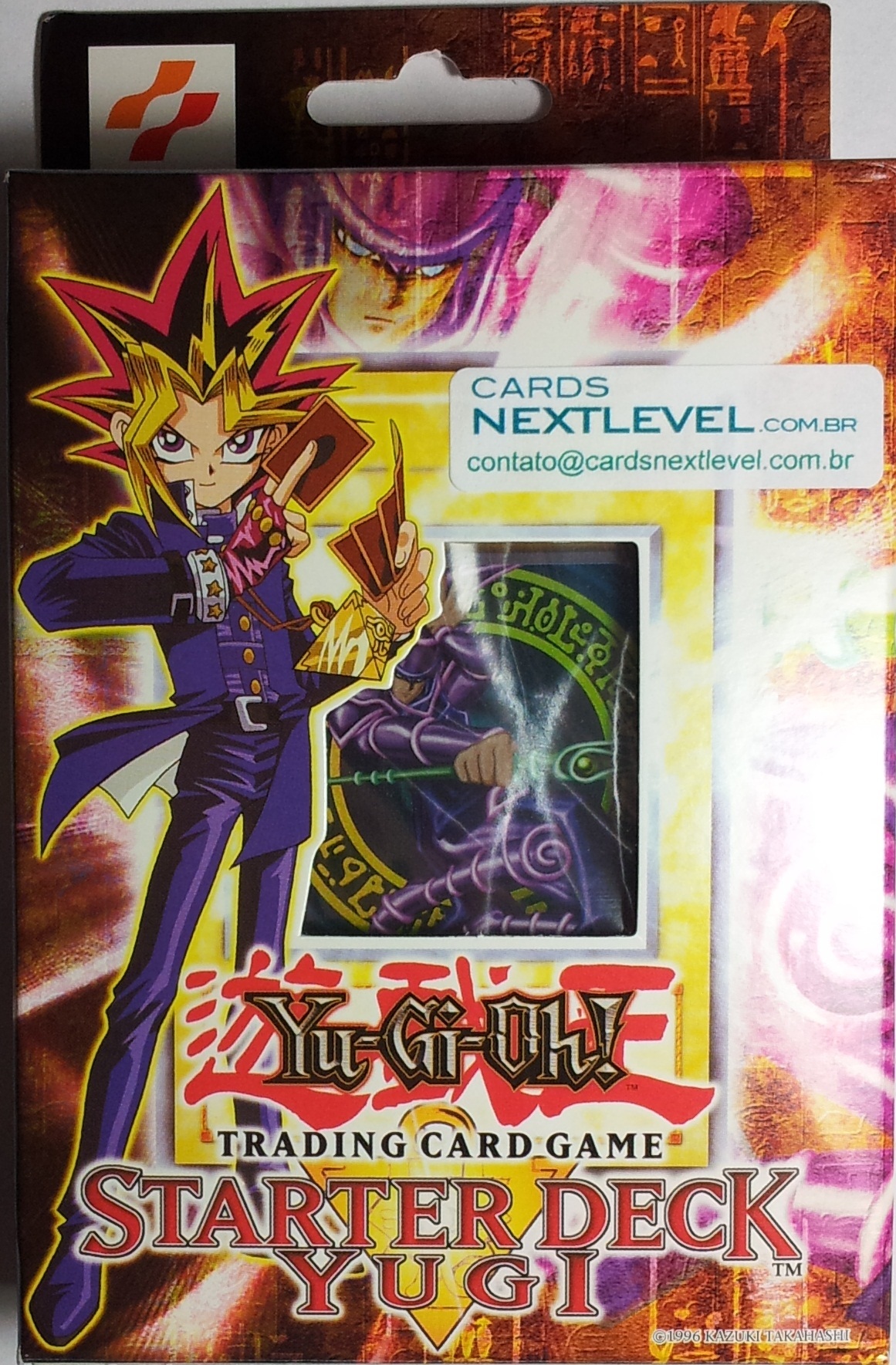
For years, I could hardly sit down at a table without having to brush away collectible cards. My friends in middle and high school collected cards from all kinds of games: Magic: The Gathering, which featured fantasy elements in the vein of Dungeons & DragonsPokémon, starring Nintendo’s cutesy Pocket Monsters; World of Warcraft, which had leaped from computers to tabletops; and Yu-Gi-Oh!, which featured the most egregious anime hair I have ever seen.

Yu-Gi-Oh! hair

Yu-Gi-Oh my gosh that hair is horrible.

I never got into collectible card games, except for a brief fascination with Pokémon cards as a kid. I went through what I can only call a Pokémon phase in fifth grade, in which I collected dozens and dozens of cards. I never learned the rules of the game, but that didn’t stop me from playing it with friends. Fortunately, my friends were as clueless as I, and our card games turned into anarchic free-for-alls with rules made up as we needed them. (It was sort of like Calvinball.)

I’m not sure what happened to all of my Pokémon cards. They probably slipped away to whatever inscrutable corner of the world swallowed up Amelia Earhart.

Pokemon cards

To this day, I have not forgotten the value of a holographic Charizard.

Since I finished high school, collectible cards seem to have vanished from my life, though news occasionally reaches me. I hear there’s a new My Little Pony: Friendship Is Magic collectible card game making the rounds, and Magic: The Gathering seems to be doing well. World of Warcraft cards have been replaced by an online card game. The anime hair in Yu-Gi-Oh! is probably just as bad as it was eight years ago, but I’m too disinterested to find out.

I enjoy looking at them, but I don’t plan to buy collectible cards any time soon. My money must go to necessities like rent, gas, coffee, and food. Besides, my life is complicated enough without the unintelligible rules and instructions for card games! If I tried to learn all the rules to a new game, I would probably lose whatever sanity I have left, and end up eating grass like old Nebuchadnezzar. No card is worth that!

Well… a Charizard might be; I suppose it depends on whether it’s holographic.


This post was originally published on June 8, 2015. TMTF shall return with new content on February 22, 2016!

A Portrait of the Artist as a Hero Drinking Coffee

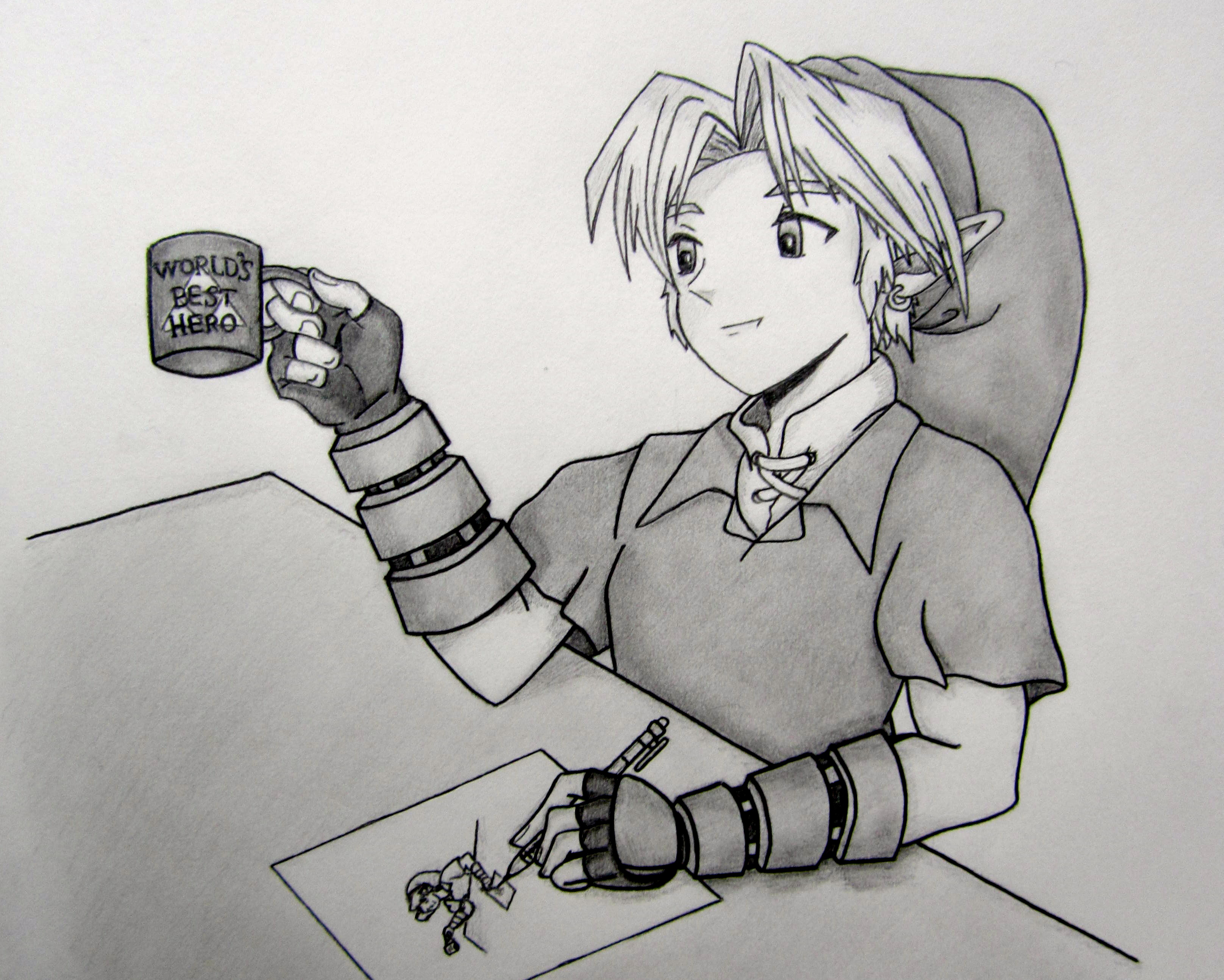
Link Drinking CoffeeLook at that picture. Look at it. I wish I could draw pictures like that.

While I fool around on this blog, my younger brother sketches fantastic pictures in pencil and posts them on his DeviantArt page. Seriously, I don’t know how he produces drawings like these. I’m guessing pencils and paper are involved somehow; the rest is a glorious mystery.

The image above is my brother’s profile picture: Link, the protagonist of the Legend of Zelda games, drinking coffee and drawing… himself. (If his coffee cup is to be believed, Link is also the World’s Best Hero.) As a Zelda fan, I find my bro’s profile picture clever and hilarious.

I strongly recommend taking a look around my brother’s DeviantArt profile. Seriously, it’s cool. Check it out!


This post was originally published on November 27, 2013. TMTF shall return with new content on February 22, 2016!

TMTF’s Top Ten Disney Villains

All right, guys. We all knew this was coming. It was only a matter of time.

I like villains—from a safe distance, of course. Bad guys are often so much more interesting than good ones. Whether misguided, damaged, or simply evil, a striking or well-developed villain is often the best part of a story. Walt Disney Animation Studios understands this. In its seventy-something years of filmmaking, it has created an entire pantheon of memorable bad guys.

Prepare yourself for the best of the baddies, ladies and gentlemen, as TMTF presents…

The TMTF List of Top Ten Disney Villains!

Be ye warned: Here there be minor spoilers.

10. Cruella de Vil (One Hundred and One Dalmations)
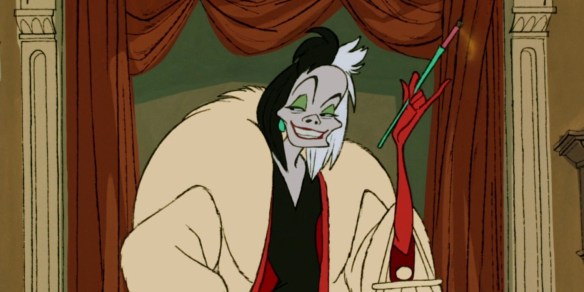
Cruella de VilleNot every villain needs to be an all-powerful menace. Cruella de Vil is merely a bad person: shallow, selfish, cruel, unbalanced, and a little sociopathic. I would call her a crazy cat lady, but she’s more of a dog person—but only if “dog person” means “person who wants to kill puppies and turn their skins into coats.” Her visual design is incredible, from the bulky furs dangling from her skeletal body to the sneer on her blood-red lips. Cruella de Vil is a maniac, and a refreshingly low-key change from the large-scale evil of other Disney villains.

9. Maleficent (Sleeping Beauty)
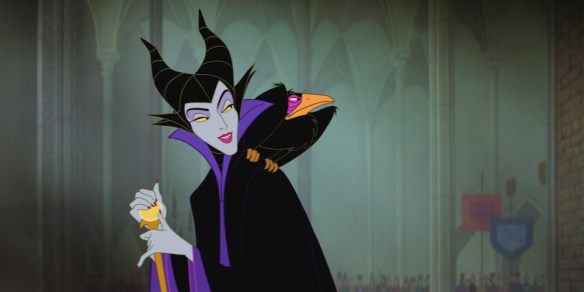
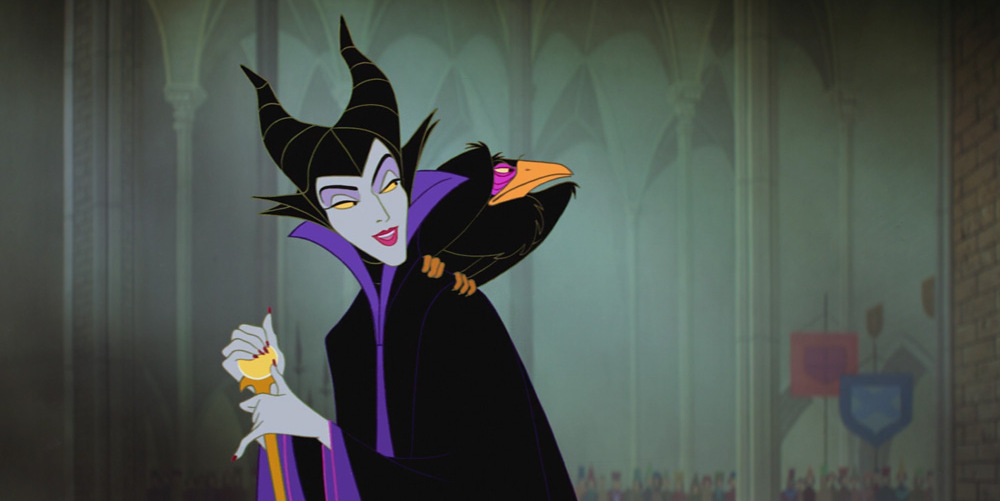
MaleficentMaleficent isn’t a complex villain, or even a particularly interesting one, but she gets bonus points for making an impression. She may be the most recognizable baddie in the Disney pantheon. Maleficent perfects the gaunt-and-sinister-old-lady character type. By comparison, the queen from Snow White and the Seven Dwarfs and the stepmother from Cinderella seem like mere prototypes. Maleficent also turns into a dragon, which is pretty rad.

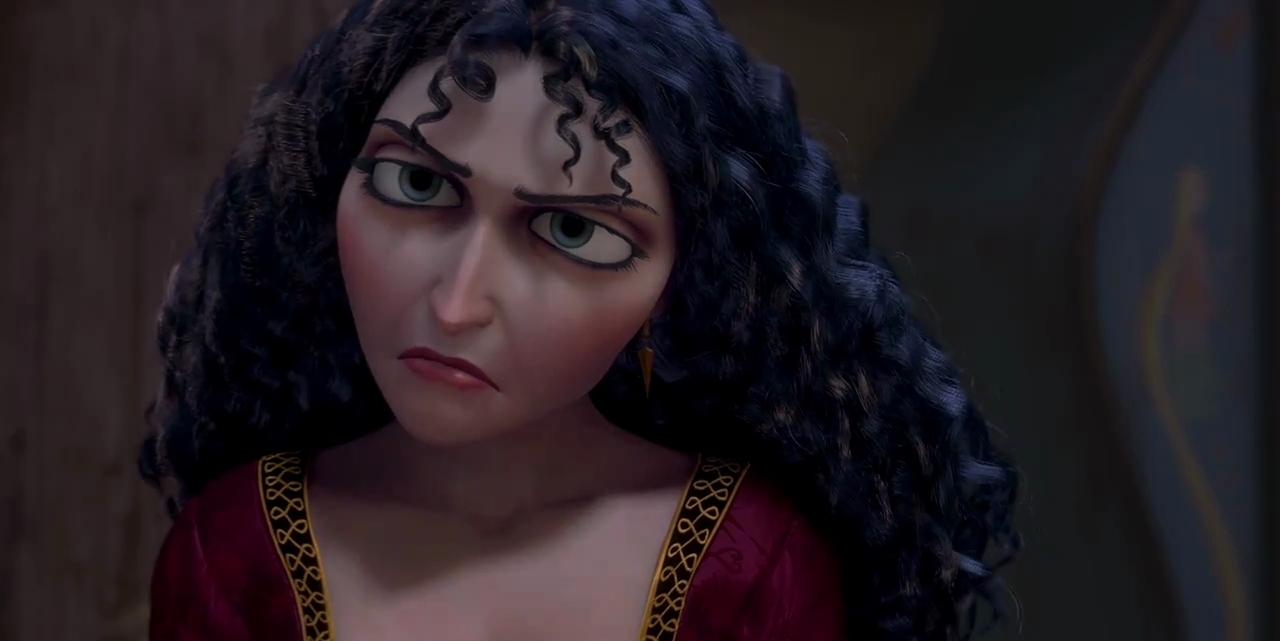
8. Mother Gothel (Tangled)
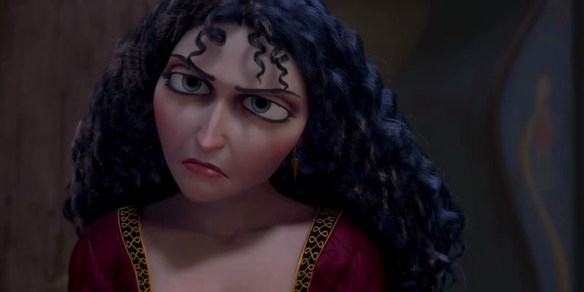
Mother GothelI’m going to be lazy and let another blogger explain this one: “What makes Mother Gothel terrifying is the fact that Rapunzel loved her. That makes Mother Gothel more than a villain in the traditional hey-I’m-going-to-kill-you way. It makes her a liar, deceiver, and traitor, violating one of the deepest bonds we can think of (mother-daughter).” (As long as I’m stealing ideas from Amy Green, you should go read her old two-part post on Disney villains.) Mother Gothel isn’t as powerful as other villains on this list, but she’s far more relatable—and that scares me more.

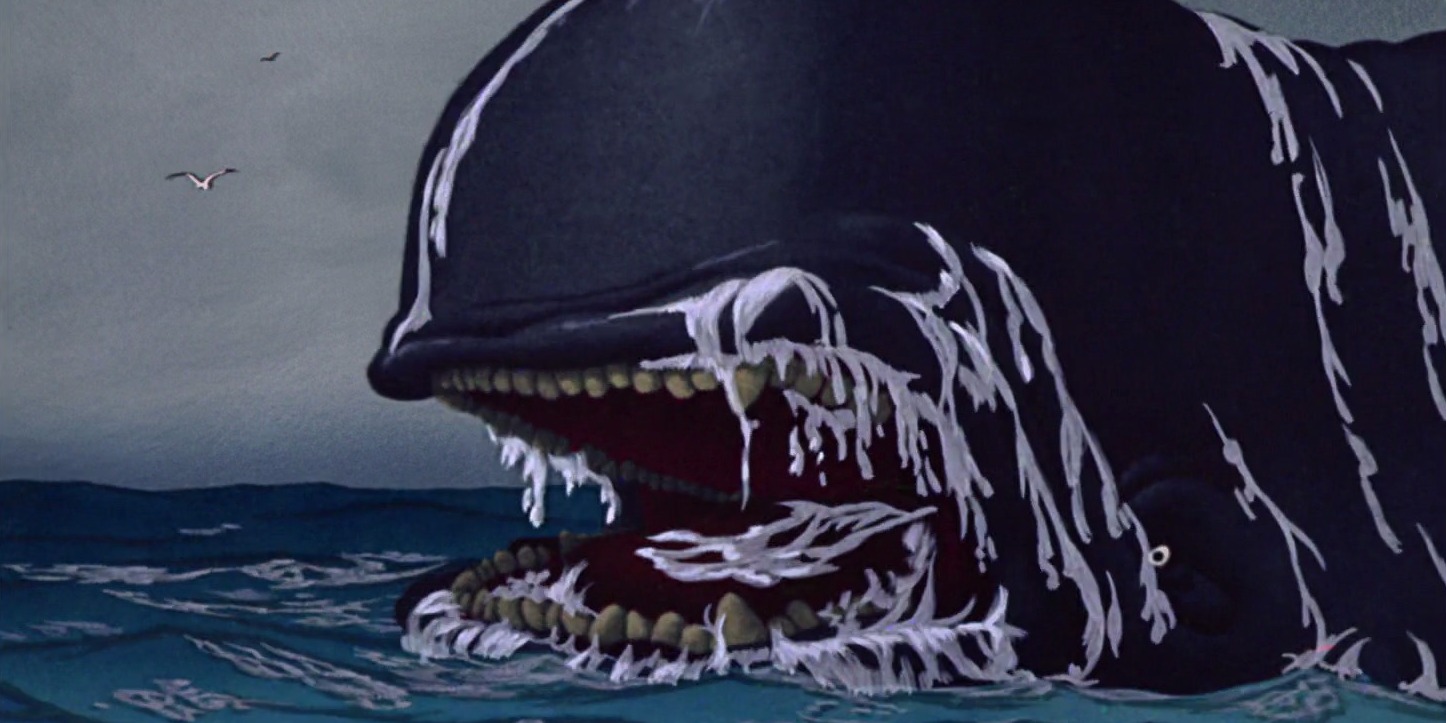
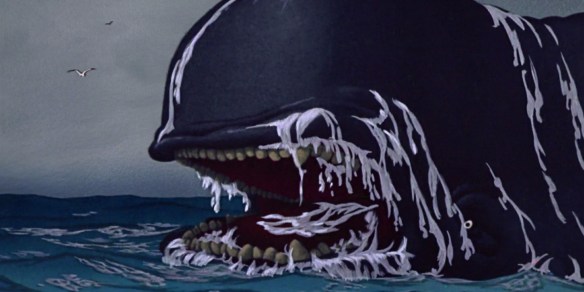
7. Monstro (Pinocchio)
Monstro

Monstro is not a well-developed character—or any kind of character, for that matter. Monstro is a whale. He has no dialogue, and his only apparent motivation is rage. Like Sauron in The Lord of the Rings or Cthulhu in the works of H.P. Lovecraft, Monstro is not so much a character as a force of evil. Monstro is a monster, true to his name, in the truest sense of the word: inscrutable, elemental, destructive, powerful, incomprehensible, angry, and terrifying.

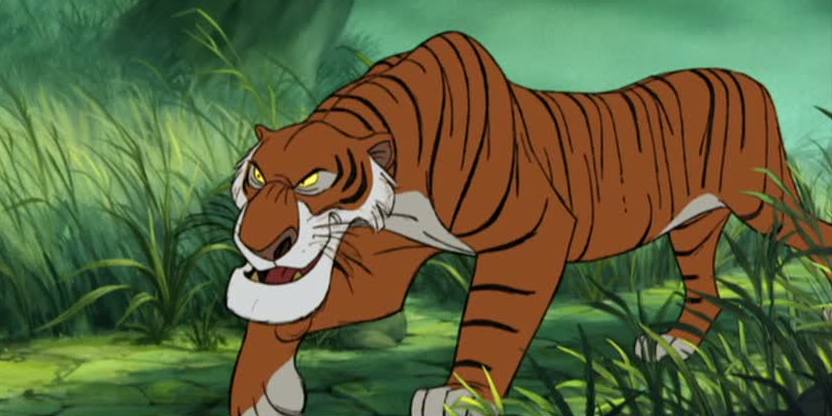
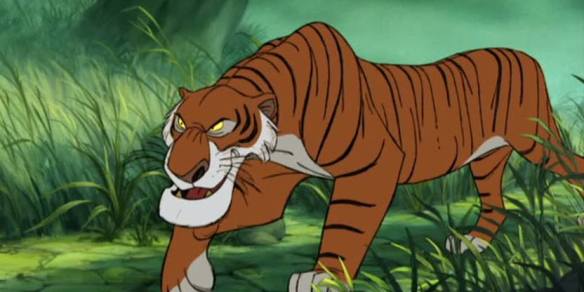
6. Shere Khan (The Jungle Book)
Shere Khan

Shere Khan is an implacable predator. He isn’t exactly evil, but lives according to his nature, and his nature is to kill. Here is another example of superb visual design creating a memorable character: his massive jaw and tiny yellow eyes give him a predatory look, and his smooth, cat-like movements convey power and confidence. The unsettling way Shere Khan swings from politeness to savagery reminds me of Hannibal Lector from The Silence of the Lambs. Shere Khan isn’t out to conquer the world. He just wants to kill, and he’s creepily nice about it.

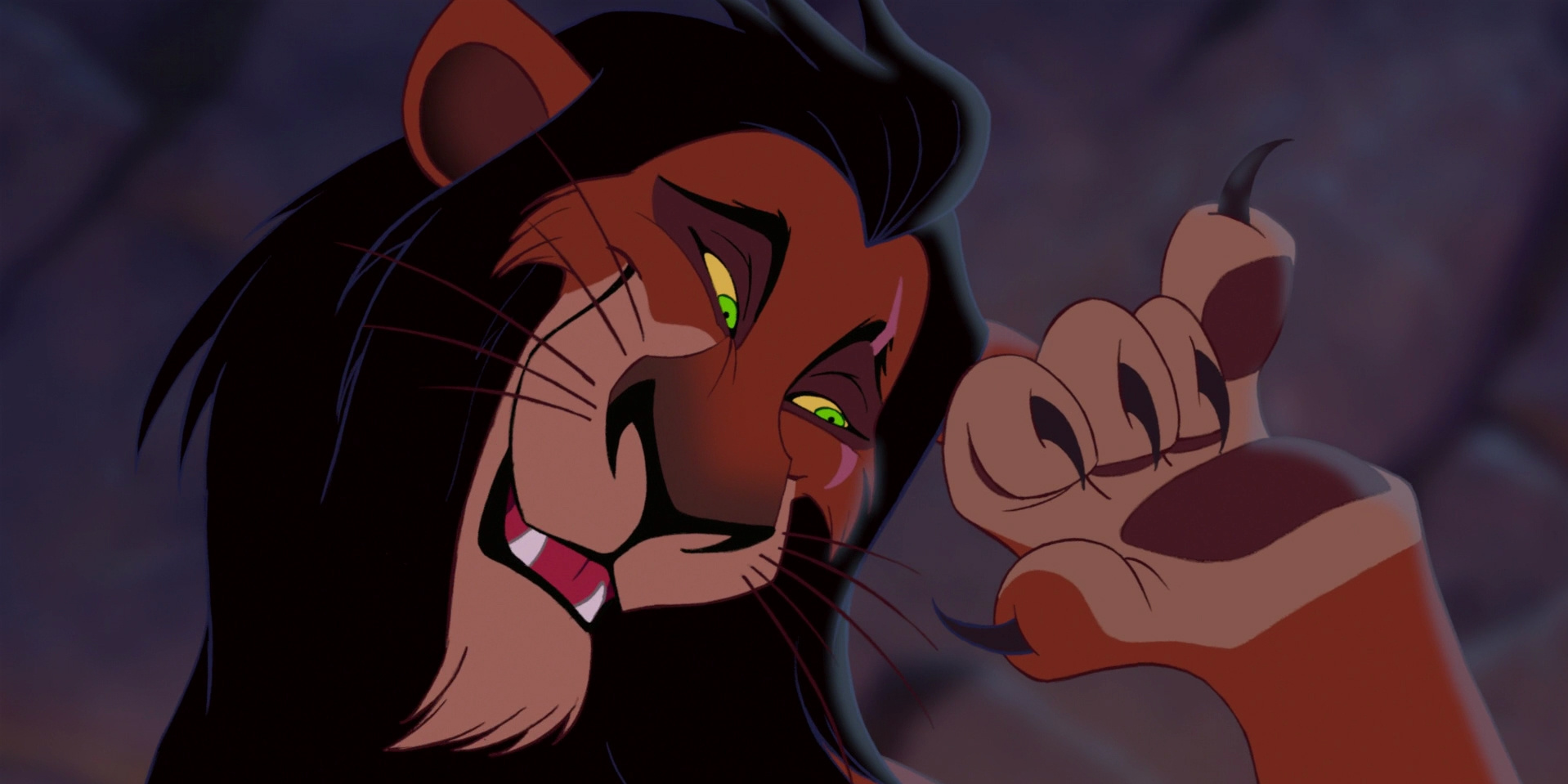
5. Scar (The Lion King)
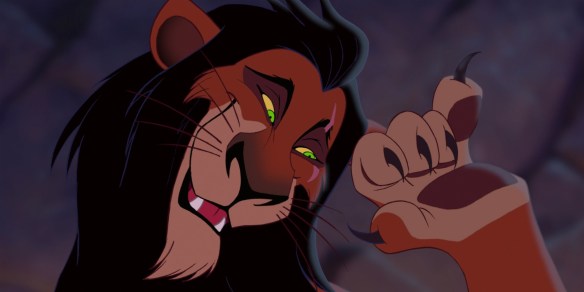
ScarScar is delightful and charming, insofar as a treacherous tyrant can be either of those things. As a king’s younger brother, he resents his young nephew for taking away his claim to the throne. (It’s all very Shakespearean, which is appropriate since The Lion King is based loosely on Shakespeare’s Hamlet. Scar reminds me more of Richard III, though.) I can think of a lot of words to describe Scar: sarcastic, scheming, ruthless, resentful, and vicious, among others. He has a lot in common with other Disney villains, but his underhanded charm sets him apart.

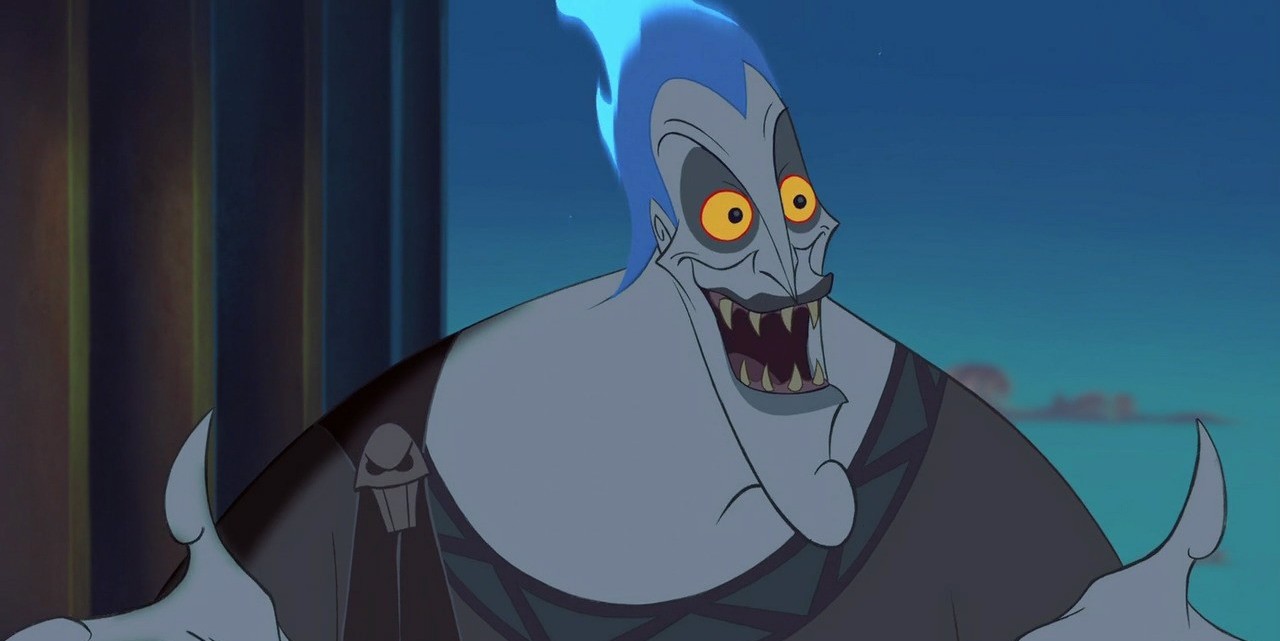
4. Hades (Hercules)
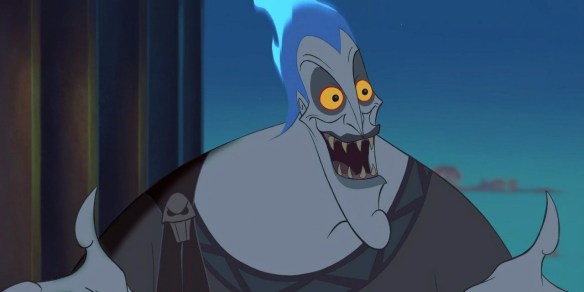
HadesThis smooth-talking scoundrel gives the impression of a shady used car salesman. His friendly manner can’t hide his short temper and ill intent. Did I mention that Hades is the god of the dead? He’s the god of the dead. His character in the film is never quite as funny as I remember, yet I absolutely adore the combination of a sleazy personality with the almighty power of a mythical god. Villains tend to be serious, sometimes to the point of tedium or predictability. Hades joins baddies like the Joker and Kefka Palazzo as a really bad guy with a really good sense of humor.

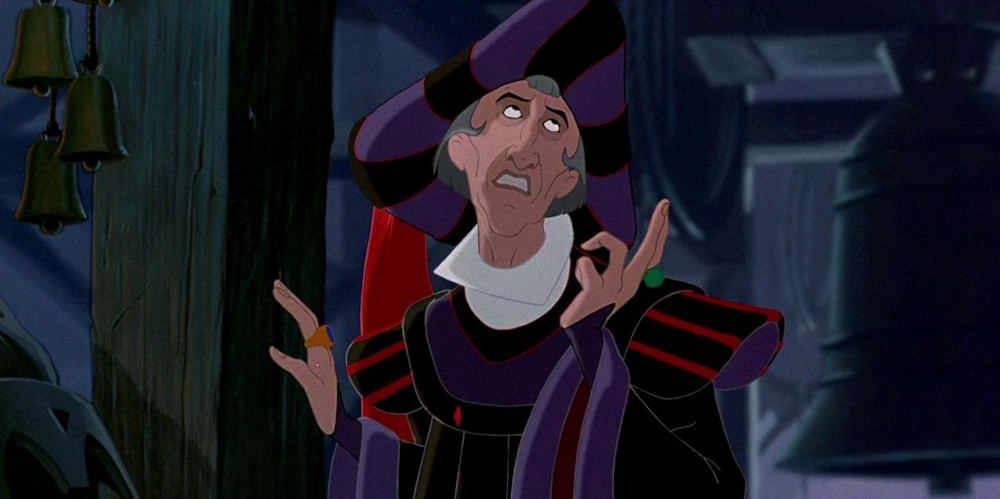
3. Judge Frollo (The Hunchback of Notre Dame)
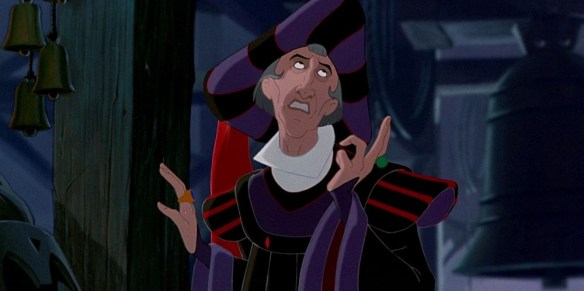
Judge FrolloTo this day, I can hardly believe Disney allowed The Hunchback of Notre Dame to be made. It’s an excellent film, but definitely doesn’t fit Disney’s kid-friendly image. Take Claude Frollo. This judge plans a genocidal crusade to murder the gypsies of Paris: a heartless ethnic cleansing in the name of religion. Judge Frollo clings to hypocritical self-righteousness, yet desperately fears that his lust for a gypsy woman will damn him to an eternity in hell. Yeah. Heavy stuff. Just listen to his villain song, “Hellfire.” Most Disney baddies get a villain song, but Frollo’s is the only one about sexual desire and everlasting damnation. Judge Frollo is a complex, tormented man, and a haunting antagonist for one of Disney’s most daring films.

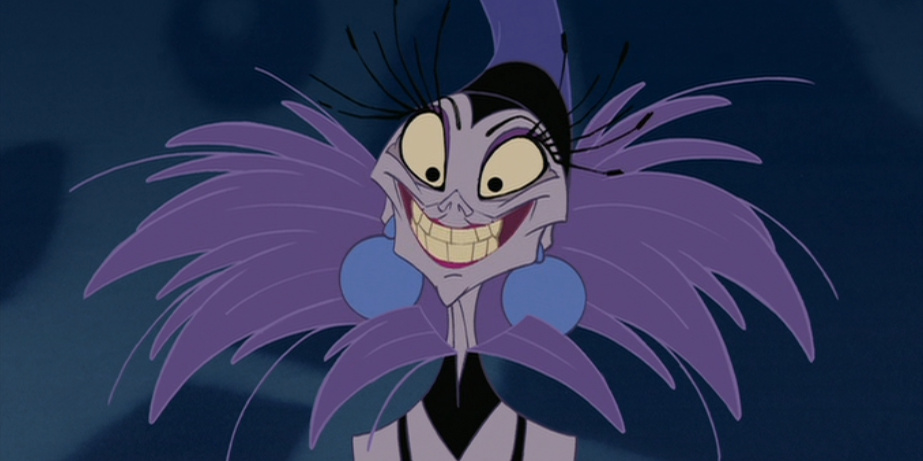
2. Yzma (The Emperor’s New Groove)
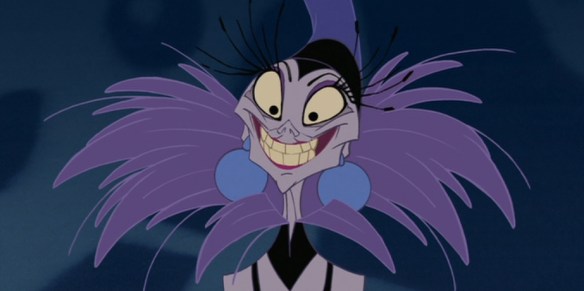
YzmaNot every villain has to be dark and brooding. If you haven’t already seen The Emperor’s New Groove, stop reading this blog post and don’t come back until you have. Yzma is flipping hilarious. This resentful old woman, whom other characters describe as “scary beyond all reason,” swings madly from manic cheerfulness to furious grumpiness. When she finally loses patience with her laid-back, self-centered emperor, she plans his assassination… only for the plan to go awry and the emperor to end up transformed into a llama. Throughout the film, Yzma and her adorkable henchman Kronk try (unsuccessfully) to track down and kill the emperor before he can reclaim his throne. Hilarity ensues, proving that a villain doesn’t have to be scary to be awesome.

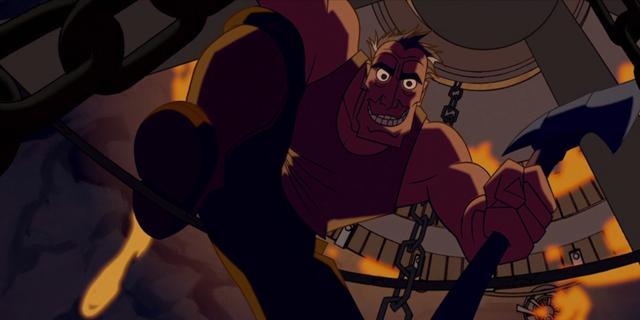
1. Rourke (Atlantis: The Lost Empire)
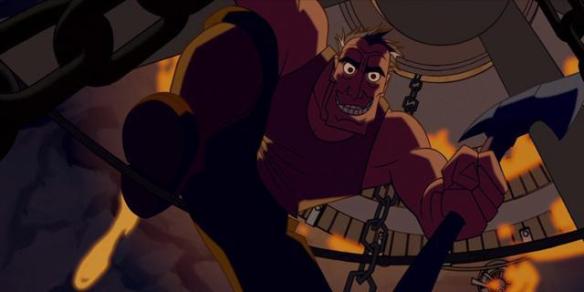
Commander RourkeI doubt anyone saw this one coming. Atlantis: The Lost Empire was released in the dark age between the Disney Renaissance in the nineties and the so-called Disney Revival of the past six or seven years. Most of Disney’s films from the early aughts have faded from memory. In the case of Atlantis: The Lost Empire, it’s a shame: I consider this steampunk adventure an underappreciated gem. Its villain, Rourke, is the kind of pragmatic, no-nonsense killer I would never have expected from Disney. Rourke, the leader of an expedition to discover Atlantis, reveals himself to be a mercenary—or to use his preferred term, an “adventure capitalist.” He plans to plunder a magical artifact from Atlantis, killing all of its inhabitants in the process. Rourke stands out for his dry sense of humor, absolute self-interest, and complete disregard for human life. Did I mention the scene in which he snaps and tries to murder the protagonist with an axe? Rourke is a fantastic villain, and I think Disney has none better.

Who are your favorite Disney villains? Let us know in the comments!


This post was originally published on October 16, 2015. TMTF shall return with new content on February 22, 2016!
Strange American Valentine Rituals

The United States of America has many strange customs and holidays, and I consider it my duty to research them. With St. Valentine’s Day soon taking place, I set my studies of Halloween and Thanksgiving behind me in order to give this latest holiday the anthropological scrutiny it deserves.*

My findings were… dark. Despite its popular image as a time for giving gifts and expressing romantic love, St. Valentine’s Day represents bloodstained history and wanton consumerism.

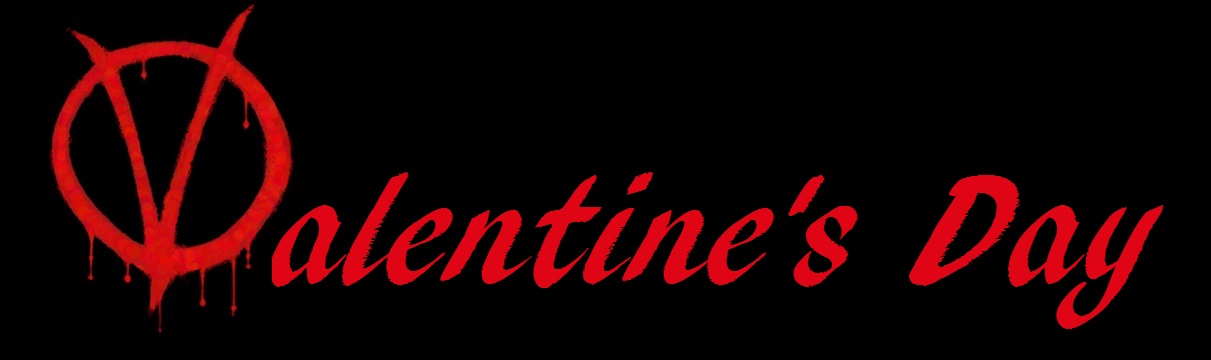
Verily, of the various letters vividly visible above, the very first veers vaguely toward the visual vibe of a violent yet entertaining film I once viewed.

Verily, of the various letters vividly visible above, the very first veers vaguely toward the visual vibe of a viscerally vicious and violent film I once viewed: V for Valentine, or some variation.

As the holiday is named for a historical figure, my first task was to research St. Valentine himself. Little is known of this ancient Roman martyr, whose death is celebrated every year in America by the sale and distribution of gifts such as flowers, chocolates, cookies, cards, jewelry, and frilly undergarments. St. Valentine, who is known as Valentinus in some accounts, is surrounded by legends, but few facts remain.

Upon finding the study of this dead saint to be a dead end, I turned my researches toward the holiday itself, and discovered a sordid celebration of Valentine’s demise.

The name of the event, St. Valentine’s Day, is generally shortened to Valentine’s Day by the disgraceful omission of Valentine’s hagiographic title. Just as the Christmas season is marked by certain colors (viz. red and green), so Valentine’s Day is recognized by the colors red and pink.

The significance of these colors is open to speculation. Given what little is known of St. Valentine’s personal history, the color red may represent his violent death as a martyr. Pink generally represents love or sweetness; its association with the bloody red of Valentine’s death demonstrates a disturbing veneration of violence.

More than fifteen centuries after Valentine’s tragic end, why is it celebrated by the giving of gifts? Why is romantic love the legacy of Valentine’s martyrdom? What aspect of his brutal death inspired sappy cards, heart-shaped candies, and other mawkish gifts?

These are distressing questions, and my best researches have yielded no answer.

Do you know what else is distressing? These awful pills. I don't know what kind of medication they contain, but they taste awful.

Do you know what else is distressing? These awful tablets. I don’t know what kind of medication they contain, but they taste awful.

Perhaps it would be prudent for me to narrow the lens of my researches from the purpose of the holiday to its specific observances.

The greatest tradition of Valentine’s Day seems to be buying things, such as the aforementioned flowers, candy, cookies, cards, jewelry, and lingerie. This eclectic assortment of romantic items has no discernible connection to Valentine himself, leaving me to surmise that their popularity as Valentine’s Day gifts is prompted by the theme of romantic love that has left its indelible and inexplicable mark upon the remembrance of that saint’s death.

Never mind the occasion—coffee is always an appropriate gift.

Never mind the occasion—coffee is always an appropriate gift.

Although these gifts are generally exchanged by romantic partners, it is common for celebrants of Valentine’s Day to distribute cheaper and less intimate gifts among friends, classmates, and coworkers; candy and cards are among the most popular options. Other Valentine’s Day traditions observed in America include going on dates or to parties.

A romantic card or letter given on Valentine’s Day is known as a valentine. This eponymous designation is shared by any person to whom such a card or letter is given.

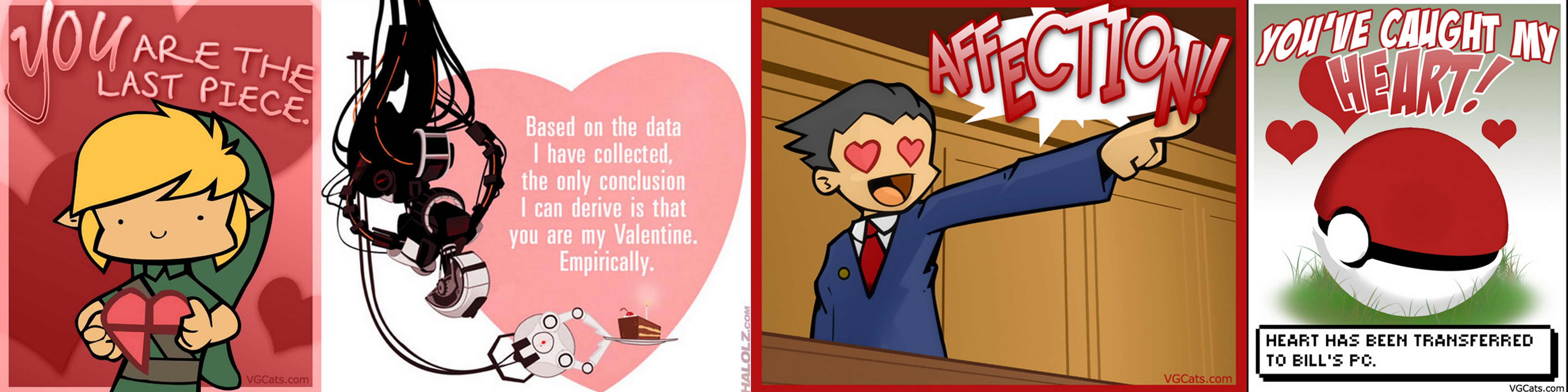
(If I may permit a personal view to interfere with my serious studies of American holidays: I strongly opine that video game valentines are the best valentines.)

If you recognize all of the games represented in these Valentine's Day cards, you deserve a cookie.

If you recognize all of the games represented in these valentines, a winner is you!

In conclusion, Valentine’s Day seems to celebrate the violent death of a good man, associating it (for dark, unknown reasons) with romantic sentimentality. I acknowledge, regardless, the importance of the virtues venerated by the holiday—to wit, love and friendship.

Thus, with sincerity and due caution, I wish you a happy St. Valentine’s Day.

*I should remind my dear readers that my studies of American holidays are silly, sarcastic, and absolutely not serious. This blog post is a joke. Please don’t take it seriously!


This post was originally published on February 13, 2015. TMTF shall return with new content on February 22, 2016!