445. How Much Should I Talk about My Book?

All right, guys. Serious question.

How much should I talk about my book project, the Lance Eliot saga, on this blog?

As TMTF staggers ponderously toward its imminent demise, I’m wondering how to fill its final fifty-something posts. I’m also thinking a lot about the changes I plan to make to Lance Eliot’s story. Should these musings intersect? Should I start sharing some of my plans for the Lance Eliot saga—no major spoilers, mind you, just basic stuff—on this blog?

I’m excited about my book project, and eager to share some of my early ideas. I would appreciate feedback, too. As Neil Gaiman observed, “writing is, like death, a lonely business.” Community is important for creativity. I could use the suggestions, ideas, and enthusiasm of my readers.
Writing is hard

A writer needs all the help he can get.

Another potential benefit of writing about the Lance Eliot saga is the possibility of raising interest in, and awareness for, the project. It would also give me a smoother segue from writing a blog about nothing in particular to writing a book.

However—and this is an important “However,” spoken in a deep voice and with a concerned expression—I don’t want to annoy or alienate any of my readers by talking too much about my writing plans. People read this blog, I assume, for… whatever it is that happens here. (Heck if I know.) Most readers don’t come here to read about unrelated projects.

I don’t want readers who enjoy TMTF for what it is to be disappointed by repeated discussions of a completely separate project. I don’t want anyone to feel that TMTF has become a blog “just for that book project,” especially since there is only a limited number of posts left.

If I wrote about my plans for the Lance Eliot saga, new posts might offer character profiles, an updated geopolitical situation for my imaginary world, stories from its lore, thematic elements, and maybe more.

I’m not sure what to do, so I’m leaving this one to you. What are your thoughts? What would you like to see from this blog? Should I share early ideas from the Lance Eliot saga? Should I stick to… um… whatever this blog is already? At this point, TMTF exists largely because of its readers. (I care about you, believe it or not.)

Should I write occasional posts about my book project, or stick to this blog’s usual topics? Let us know in the comments, or send me a note on social media!

438. What Do You Want to See from TMTF?

An old proverb declares, “Necessity is the mother of invention,” but I think it’s more like an aunt or cousin. The mother of invention is desperation.

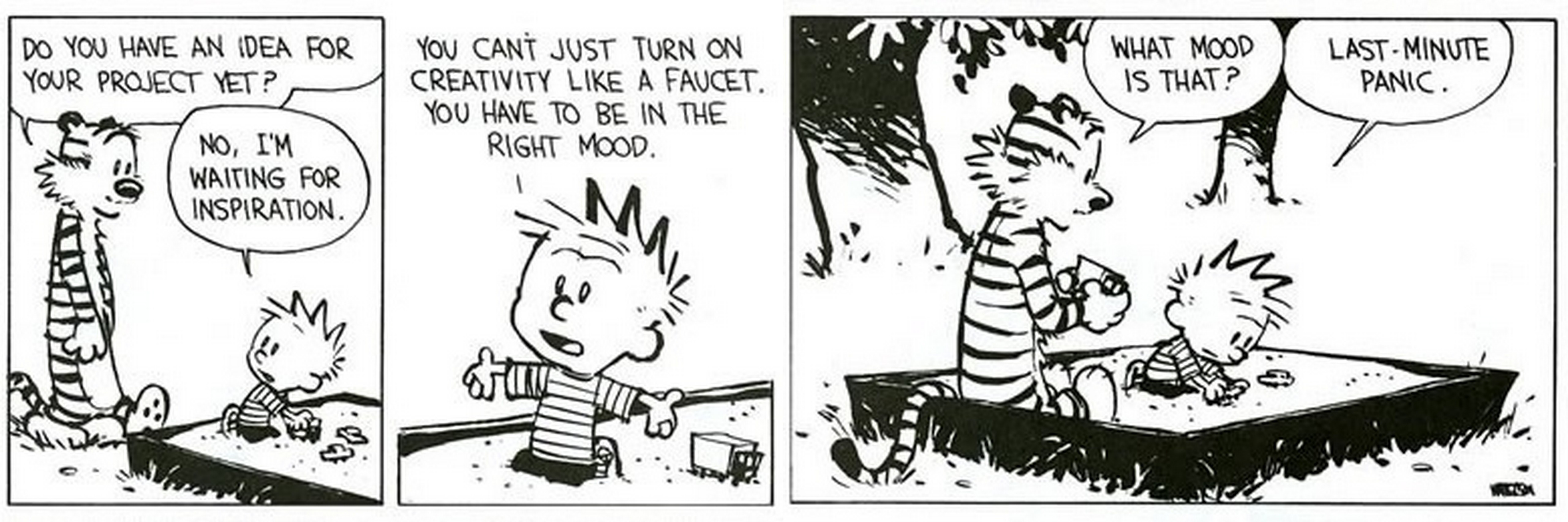
As I’ve worked on this blog over the past few months, I’ve sometimes felt on the verge of running out of ideas. I improvised some posts mere days, or in a few cases mere hours, before they were due. What can I say? Panic is a powerful motivator.

Desperation is the mother of invention

As I struggled once again, at the eleventh hour, to come up with an idea, any idea, for a quick and easy blog post, I had an epiphany.

“Eureka!” I cried, flinging up my hands in unrestrained ecstasy. The “Solved a puzzle!” sound from the Legend of Zelda series rang triumphantly in my ears. My cat, startled awake, tried to flee, but I swept her up and hugged her to my bosom, weeping tears of relief and joy. (I may be exaggerating the scene slightly.)

I’ve been a bit hard-pressed lately to come up with ideas for new posts, so I’m thinking of taking some requests from readers. What do you want me to write for this blog? Are there any specific subjects you would like TMTF to cover before it ends later this year? After all, the blog is taking its final laps, so if there are any topics you want to see discussed here, time is running out!

TMTF wants your ideas for blog posts!

If you have any requests or suggestions for new posts, feel free to share them in the comments below, through this blog’s Contact page, or via social media! I won’t necessarily accept all of them, but I’ll consider every one.

What do you want to see from TMTF before it bites the dust later this year? Let us know!

434. Reviving Lance Eliot

I recently declared my intention of resurrecting the Lance Eliot saga. With that announcement out of the way, I was free to sit back, swallow a feeling of rising panic, and ask myself, “Now what?”

I won’t begin working on a new manuscript for The Trials of Lance Eliot until after this blog bites the dust later this year, but I have plenty of groundwork to lay in the meantime. Not much research or planning went into my previous attempts to tell Lance Eliot’s story. This time, as I prepare for one last do-or-die effort, I want to give it a solid foundation.

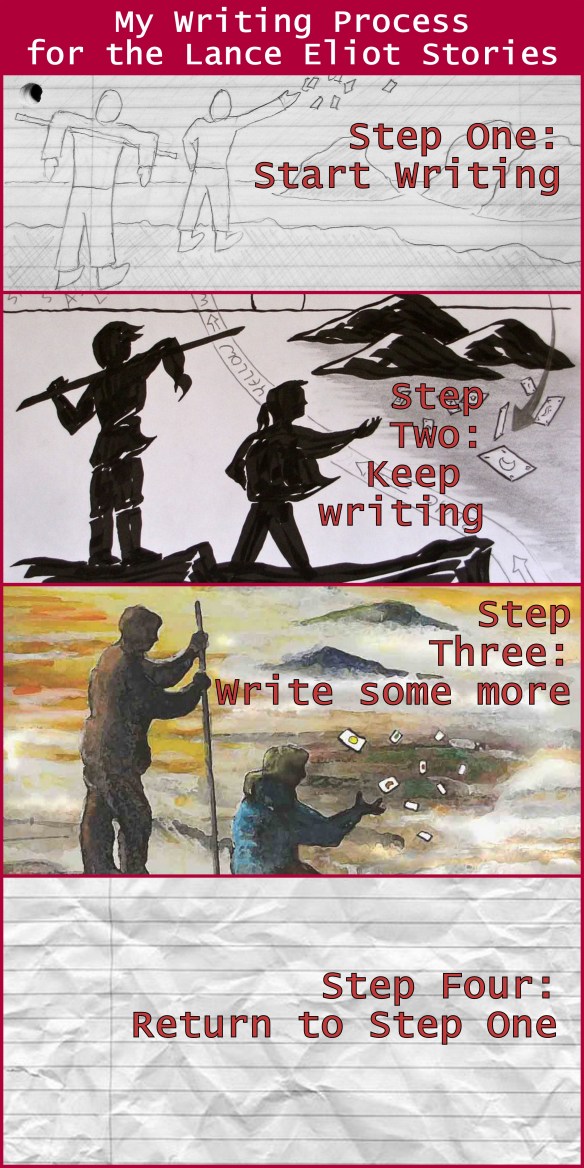
In case anyone is interested in getting a glimpse into my creative process, here are some of my early preparations for reviving Lance Eliot.

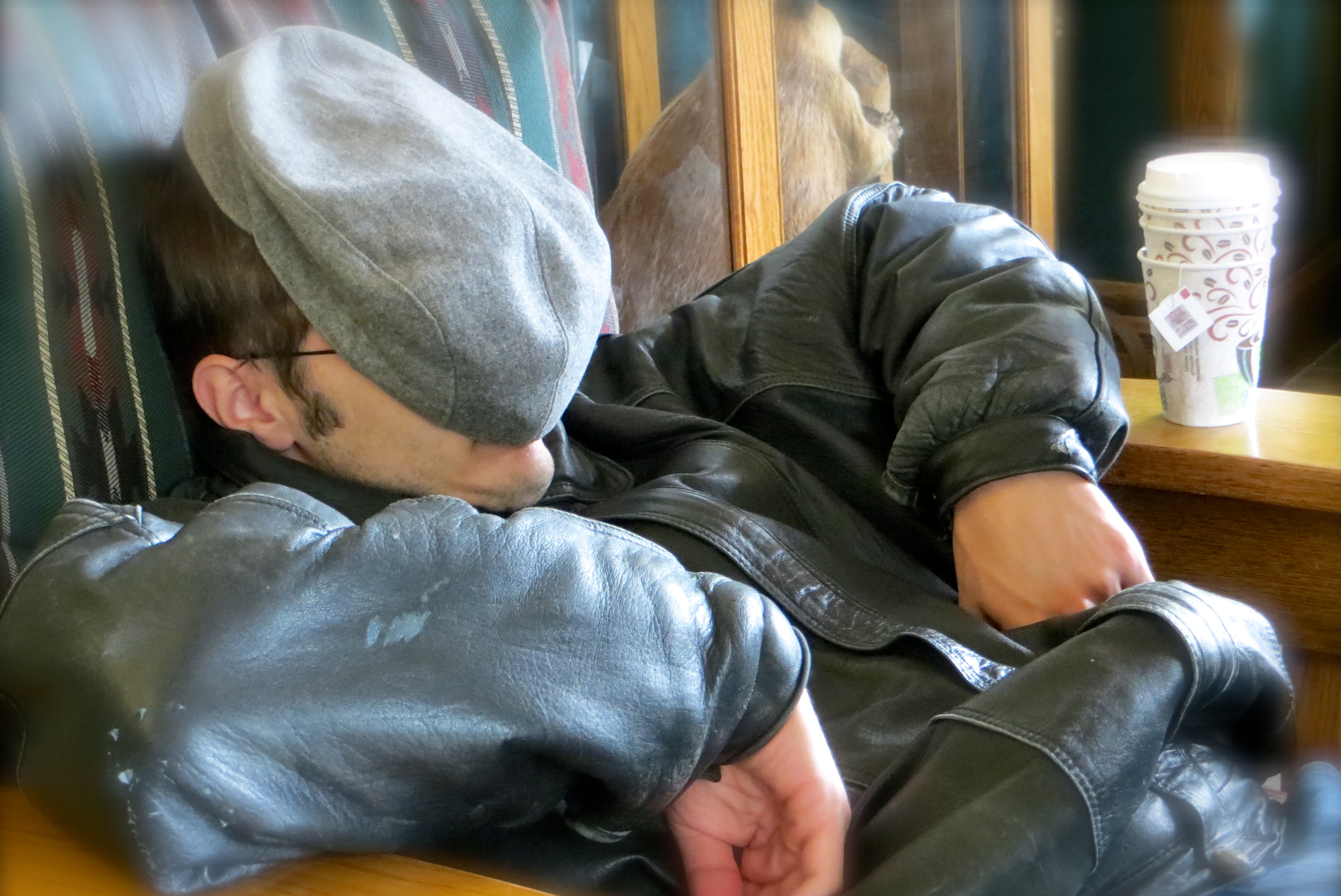
Flipping heck, when did I get to be so old?

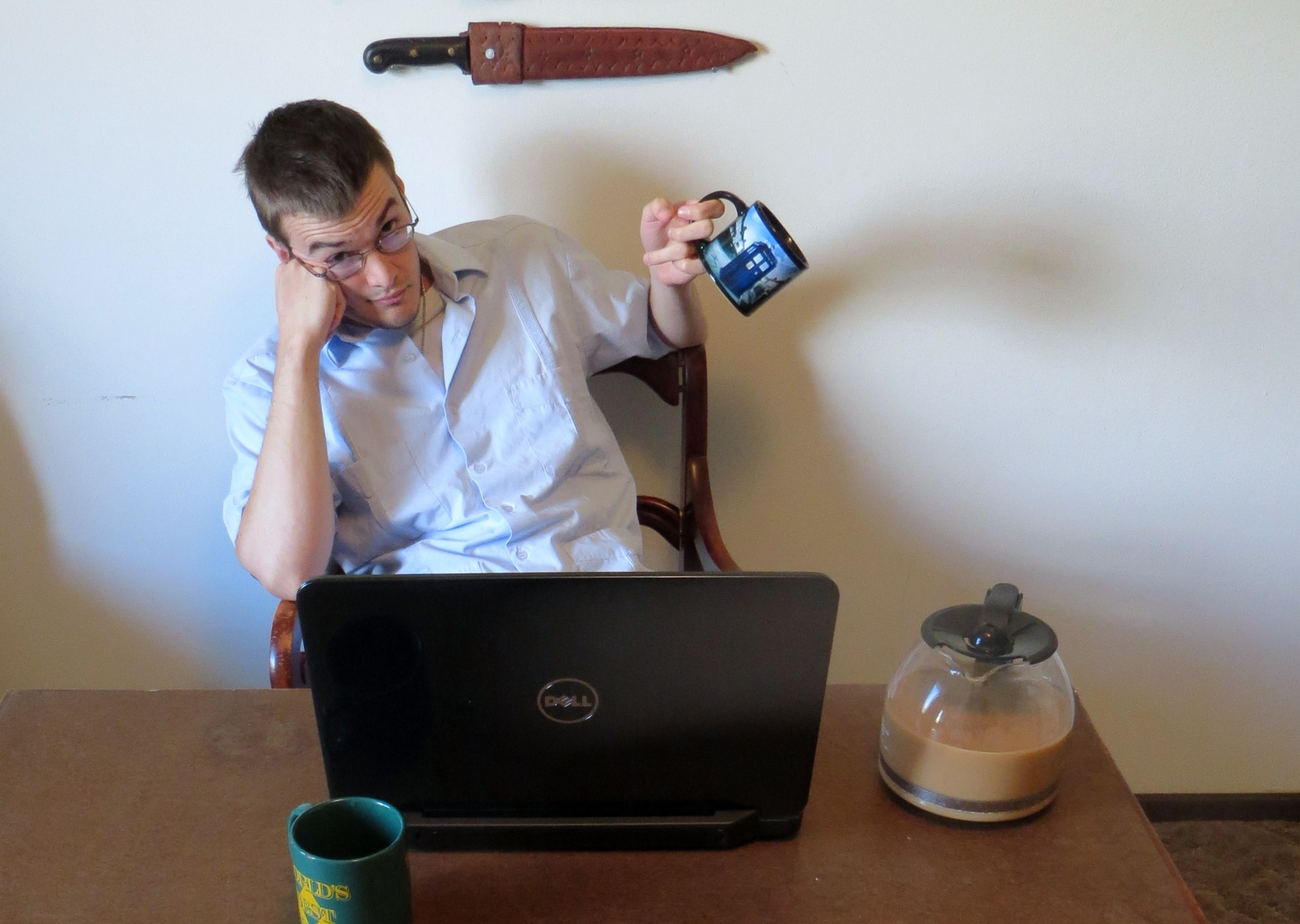
Figure 1: A writer hard at work in the conceptual stage of stage of writing.

Background reading

Reading is often a deceptively vast part of the writing process. Before returning to Lance Eliot’s story, I want to revisit some of the works that influenced it. One of these is Dante’s Divine Comedy, upon which the Lance Eliot saga is (very) loosely based. Another is Reading for Redemption, a book by one of my college professors. It posits a theory of literary criticism that informed the Lance Eliot character.

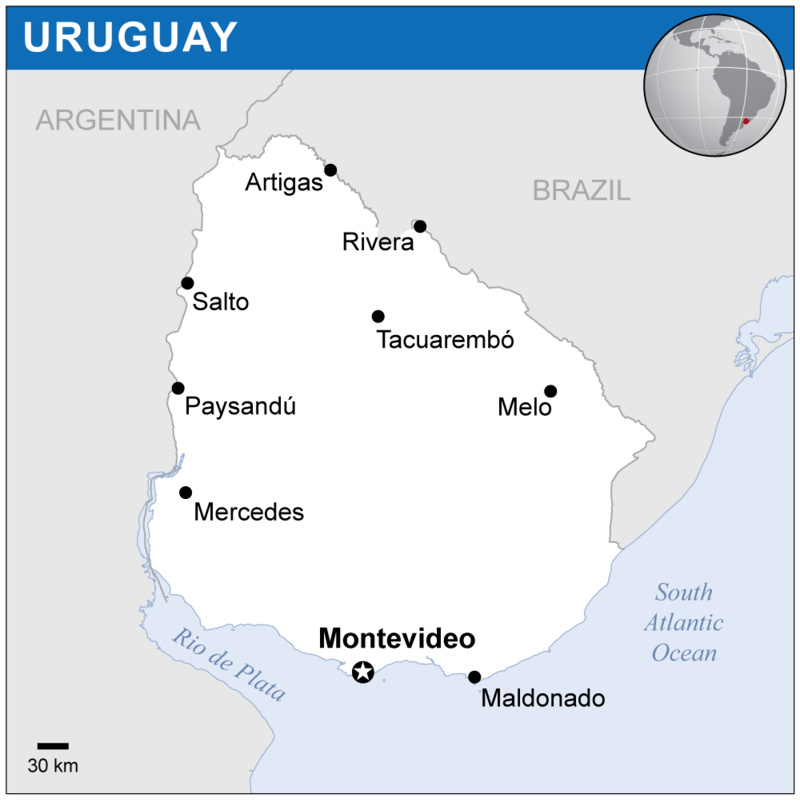
I also need to do some research. In previous drafts of the story, the setting is simplistic: a kingdom tucked between two empires, quietly minding its own business. I want to create a more precarious political situation by making the kingdom a reluctant player in a rivalry between its neighbors. When I explained this idea to my dad, he suggested I look into the history of Uruguay, which was apparently caught in a conflict between Brazil and Argentina. I clearly have some reading to do.

Uruguay

Figure 2: Real-world inspirations can be helpful.

I’ll also have to reread the latest version of The Trials of Lance Eliot because, honestly, I’ve forgotten most of it. There was a character called Tsurugi, wasn’t there? I’m pretty sure there was. And Lancelot came into it somehow? I could use a review.

Story planning

I need to begin fitting together the pieces of the story long before I start writing. Some writers are able to get away with making things up as they go along, but when I do that, I generally end up with a lot of fluff.

I want to streamline the story this time, making sure every scene and character contributes something meaningful. That will take a lot of careful planning. I’m not yet sure how I’ll keep track of everything—a notebook? Index cards? Desk graffiti?—but I’ll try to craft a more focused story.

World-building

In previous attempts to write Lance Eliot’s story, I felt too impatient to do any more world-building than absolutely necessary. If Lance Eliot doesn’t see it, I thought, the reader won’t see it, and I won’t have to make it up.

Sadly, my apathy toward the world I had created made it a bland, generic place. I need to start asking myself more questions. What’s the history of my fictional kingdom? What sort of holidays does it celebrate? What are its cultural influences? How high are its tables? I need to answer these kinds of questions even though some of my answers won’t make it into the story.

High vs. low tables

Figure 3: Table height. It matters, guys.

The reader’s image of the world I create will be much vaguer than my own. If I have only a faint concept of Lance Eliot’s world, how much fainter will the reader’s be!

Reader feedback

The Trials of Lance Eliot has been rattling around in my head for so many years that my view of it is deeply subjective. I could use some objective views from other people. What works in the story? What doesn’t? What needs to change?

If you’ve read the book, and if you can offer any feedback, please feel free to send it my way!

These early preparations for writing a story are, for me, the fun part. It’s when the writing starts, and I have to put my ideas onto paper, that things get tough.

I suppose I’ll worry about that when I get there.

426. I Want to Make You Feel

I recently announced my decision to revive the Lance Eliot saga, my greatest and most personal writing project. Today I will tell you why I made that big decision, but there is something else, something important, I must discuss first.

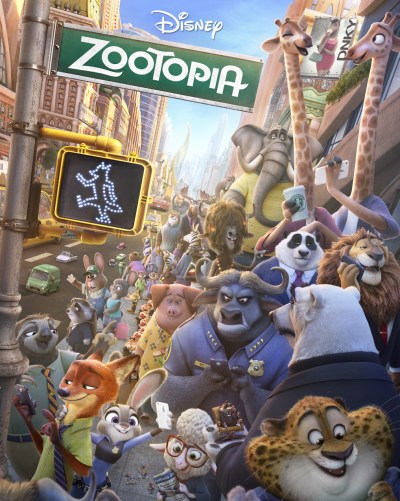
Excuse me, Sir or Madam, but have you heard the good word about Disney’s Zootopia?

Zootopia movie poster

Not far from my home in the little town of Berne there stands a cozy cinema called the Ritz Theatre. (I discovered it when I ventured forth to see The Lego Movie a couple of years ago.) The Ritz has two theater rooms, one of which is fairly small, and an old-timey lobby with a big plaster model of an Oscar trophy. I love the Ritz Theatre. It wraps the sound and fury of Hollywood movies in the charm of a friendly small business.

My younger brother and I recently made a pilgrimage to the Ritz Theatre to see Zootopia, Disney’s latest animated movie. It was fantastic. However, as much as I would love to spend this blog post explaining why the movie is fantastic, that’s not really the point. (Seriously, though, go watch Zootopia.)

The point is that Zootopia made me feel things. It evoked far deeper feelings of catharsis and happiness than any kids’ movie has any right to do. I am not an emotional person. I am, despite my sense of humor and typically sunny disposition, pragmatic and logical.

Thus, when the feels hit me, they hit me hard.

HRRRNNNGGG

I just can’t take the feels, man.

Zootopia is far from the first story to make me make me feel things. Heck, nearly every new animated Disney film since Bolt back in 2008 has left an emotional impression. For some reason, while movies for adults appeal to my intellect, movies for kids are the ones that appeal to my feelings. (Disney, Pixar, and Studio Ghibli, I’m looking right at you.)

I like positive feelings. Most people do. I’m not often emotionally overwhelmed by a story, but when I am, it’s an amazing experience. It’s a fleeting encounter with the power of storytelling: as J.R.R. Tolkien suggested, “a far-off gleam or echo” of a happy ending to our own story, which is being told by the greatest Storyteller of all.

Speaking of Tolkien, I admit few stories have made me feel as much as The Lord of the Rings. Tolkien’s masterpiece, especially the last chapters of its final book, The Return of the King, warms even my impassive old heart.

I haven’t read The Lord of the Rings since 2009 or so, and much of it had faded from my memory, but something happened last year to change that.

A few days after Christmas, my brother and I visited a family friend. I’ll call him Socrates here. (In real life, I call him Barabbas. It’s a fun story.) After welcoming us into his home, Socrates made snacks and put on the film adaptation of The Return of the King. It had been almost as long since I had seen the film as it had since I had read the book!

Return of the King movie poster

Something happened that night. The movie was as good as I remembered, but beyond that, something woke up inside me. I felt an overwhelming peace and happiness: the nostalgia of fond memories in harmony with the catharsis of seeing beloved characters reach a happy ending. It was then I realized something: I knew I once wanted to write a story of my own, but I had forgotten why.

This was why.

That night reminded me of why I decided to write stories in the first place: I wanted to feel, and I wanted to make other people feel, too. Stories like Zootopia and The Return of the King gave me moments of cathartic happiness, peace, and comfort. I wanted to give someone else those moments.

I still do.

That’s my story and I’m sticking to it. That’s my excuse for picking up the Lance Eliot saga once this blog bites the dust. I want to make you feel.

Blame Tolkien and Zootopia.

425. Stealing Ideas Is Wrong (so Borrow Them Instead)

Today’s post wound up on someone else’s blog. Hey, don’t give me that look. Bloggers sometimes misplace their posts. It happens. Don’t judge me.

My friend JK Riki wrote the book on creativity. (This isn’t just a figure of speech; he wrote a literal book on the subject.) He also writes a monthly newsletter with creative tips, and a personal blog on creativity.

JK's blog header

When I got an opportunity to write a post for JK’s blog, I wrote about J.R.R. Tolkien, because of course I did.

My latest post, “Stealing Ideas Is Wrong (so Borrow Them Instead),” can be read here!

422. Lance Eliot Is Not Dead

A long time ago, I declared the death of a dream. My attempts to tell the tale of Lance Eliot, a sarcastic and reluctant hero, had finally failed. I pronounced Lance Eliot dead… well, mostly dead.

I announce today that Lance Eliot is alive… well, somewhat alive. (I thought about titling this blog post Lance Eliot Is Alive, but that seemed much too optimistic, so we’ll have to settle for Lance Eliot Is Not Dead.)

After Typewriter Monkey Task Force concludes later this year, I will rewrite the first part of Lance’s story, The Trials of Lance Eliot, before moving on to its two sequels.

At any rate, that’s the plan. God only knows how many years it will take me to write the Lance Eliot saga, or whether I shall even finish it. I don’t know if I can, but I suppose I’ll try.

The Lance Eliot story cycleAt this point there are three questions I should probably answer. Why am I rewriting The Trials of Lance Eliot instead of working directly on its sequels? Why am I revisiting Lance Eliot’s story instead of starting something totally new? And who the heck is Lance Eliot anyway?

Let’s start with that last one.

Who the heck is Lance Eliot?

From pretty much the moment I could read, I wanted to write a book. Years later, in middle school, I steeped my impressionable imagination in the fantasy novels of J.R.R. Tolkien, C.S. Lewis, and Stephen R. Lawhead; I also played a lot of fantasy games, such as the outstanding Legend of Zelda series. It was then, during my awkward transition from boy to slightly-taller-and-less-chubby-boy, that my vague dream of writing a book crystallized into a clear ambition of writing a fantasy novel.

It wasn’t until my sophomore year of high school that I stumbled upon a decent idea for a story. People in fantasies and fairy tales are often summoned from one place to another by magic. What if a magician summoned the wrong person by mistake? What she tried to summon, say, Lancelot from the Arthurian legends, but got some unsuspecting loser instead?

Over the next six years, the idea became a short story, and then a completed novella, and then one or two incomplete manuscripts, and then finally a published novel—and then it failed spectacularly, failing even to recoup the expenses of publication. I struggled for a year or so to make progress on its sequels, and finally gave up.

This brings us to the next question.

Why am I revisiting Lance Eliot’s story?

I no longer dream of publishing novels. Even if I finish all three parts of the Lance Eliot saga, which is by no means guaranteed, I may not bother publishing them. If I do take another stab at publication, I will probably self-publish instead of working with a literary agent or trying to court a major publishing house.

My reason for revisiting Lance Eliot’s story is a simple one: it’s a story I want to tell. In the vast scheme of things, it isn’t remotely special. It won’t be particularly deep or clever or original. I have no delusions of grandeur this time around. The Lance Eliot saga won’t be a masterpiece. It will be nothing more than a story I want to tell—a story I feel compelled to tell—a story I’ve struggled for more than a decade to tell.

I’ve already told part of it, but not very well. This leads to the final question.

Why am I rewriting The Trials of Lance Eliot instead of moving on to its sequels?

A few people have said ridiculously nice things about my novel; in response, I’m touched, flattered, and grateful. When I look at it, however, I see an embarrassing number of clichés, oversimplifications, cheap coincidences, and lackluster characterizations.

I believe I can do better. There are so many things I want to change about the story, including some I haven’t mentioned. Instead of writing reluctant sequels to a failed novel, I want to start over with more experience and creative freedom, and less emotional and literary baggage.

Am I excited to revisit the Lance Eliot saga? Nah, not really. What I feel is a mixture of resignation, determination, nervousness, and cautious optimism.

After four or five manuscripts, one failed novel, and more than a decade of hard work, I am now almost ready to begin working on the Lance Eliot saga. Oh, boy.

Here I go again.

421. The Beginning of the End

Well, dear reader, this is it. This is the beginning of the end. After four and a half years of caffeinated rants and geeky ramblings, Typewriter Monkey Task Force is starting its final laps.

Final lap! (Watch out for banana peels.)

Final lap! (Watch out for banana peels.)

I’m ending this blog, but not quite yet. TMTF shall conclude with its five hundredth numbered post, which will probably be published toward the end of this year. I don’t yet have an exact date for that post; it depends on how many more breaks I take from blogging.

(You know, this bittersweet blog post could use an appropriately bittersweet soundtrack, such as “The Best Is Yet to Come” from Metal Gear SolidHere you go. No need to thank me.)

Why am I ending this blog? Well, that’s a good question. (I’m glad I asked.) Ending TMTF is a big decision, and I’m not the only one it affects—if you follow this blog, it probably affects you, too.

You may be a little saddened by TMTF’s impending demise. If you’ve enjoyed something over a long time, it can be hard to see it end. (Gravity Falls ended just a few days ago, so believe me, I know the feeling.)

Then again, you may just be wondering why I didn’t put this blog out of its misery ages ago.

There are a few reasons for my decision to end TMTF.

It’s getting harder for me to come up ideas for new posts.

As I think of posts to write for this blog, I feel like I’m beginning to scrape the bottom of the barrel. I would much rather give TMTF a respectable finish than drag it out endlessly: as Tolkien put it, “like butter scraped over too much bread.”

TMTF has lost its purpose.

I began this blog years ago with a strong sense of purpose. TMTF originally had three clear objectives.

  1. I wanted to build up an audience for the novel I was finishing at the time.
  2. I wanted to make some sort of positive difference with my God-given talents for writing, humor, and creativity.
  3. I wanted to try something new and exciting.

At this point, TMTF has either completed or failed these objectives; either way, they hardly matter anymore.

  1. My novel failed, and it won’t be getting sequels anytime soon, so there is no longer any point in finding an audience.
  2. At this point, I think TMTF has made pretty much all the difference it can. I’ve said most of the things I really wanted to say… except for the word pulchritude, of course, and now I’ve said it.
  3. After four and a half years, TMTF is neither new nor exciting. Writing this blog has been a great experience, but I’ve lost my passion for it.

When I started TMTF, I was motivated to write blog posts by a sense of purpose. Now I write them because I have to keep the blog’s publishing schedule. I’m trying to live more purposefully; it’s one of my resolutions for this year. My writing should be driven by a sense of purpose, not feelings of obligation. I owe that much to my readers, and to myself, and to God.

I want to work on a new project.

I could say more, but that’s another post for another day.*

I’m thankful for this blog, and I don’t regret the time and effort I’ve put into it. Working on TMTF over the years has brought me satisfaction, laughter, gleams of insight, and moments of catharsis… not to mention quite a lot of harmless fun.

I’ve met a number of amazing people through this blog whom I would never have met otherwise: JK Riki, the animator and creativity expert; Tom Zuniga, the wandering blogger; Rev Kev Niebuhr, the manliest Methodist of our generation; and more. I’ve also had the privilege of collaborating with awesome folks like Paul McCusker, a veteran writer for Adventures in Odyssey; Kevin McCreary, a YouTube and podcast creator; and colorful YouTube personalities like DRWolf and Crowne Prince, among many others.

This blog motivated me to write a fantasy novella and some short stories, not to mention hundreds of pointless rants thoughtful reflections upon faith, writing, video games, literature, TV, movies, life, the universe, and everything. With the help and support of its fabulous readers, TMTF raised hundreds and hundreds of dollars for charity. I even invented a holiday on this blog: Be Nice to Someone on the Internet Day—which is coming up on March 4, by the way!

I’m thankful for Typewriter Monkey Task Force—and it ain’t over yet, folks! It shall continue yet for months and months, and there’s one thing I want to make very clear about its end. I’m not abandoning this blog. I’m finishing it.

Finally: Thank you, my dear readers. Thanks for the past four and a half years. I welcome you to stick around for whatever is left, and for whatever comes after!


*And that day shall be Friday.

419. Fans, Geeks, and Fan Fiction: A Momentary Study

The pursuit of knowledge does not always take us to pleasant places. It may lift us to dizzying heights, but may also drop us into dark valleys where no sane person should go.

Today we’re talking about fan fiction. Brace yourselves.

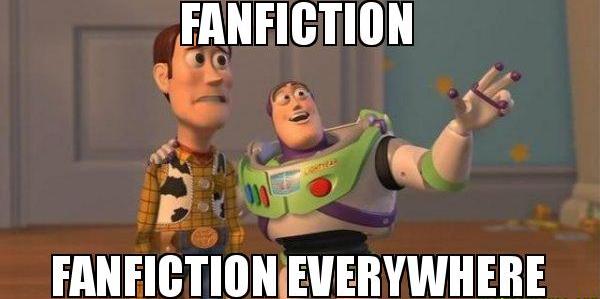
Fanfiction everywhere

The Internet has a lot of fan fiction, and also a lot of visual memes.

Let’s begin with the basics. Fan fiction is an amateur literary genre in which writers use worlds, concepts, or characters from other stories to tell their own.

At first glance, this doesn’t seem so bad—indeed, some fan fiction is actually quite tolerable. For example, many fan fictions (abbreviated fanfics) have been written and even published using characters now in the public domain, such as Alice from Alice in Wonderland and Sherlock Holmes. At its best, fan fiction is… all right, I guess?

However, most fanfics are terrible. Many writers of fan fiction lack the skill or experience to make good use of the ideas they steal from other stories. On top of that, too many writers use fanfics not to tell good stories, but as a cheap form of wish-fulfillment. Heck, there are entire categories of fan fiction devoted to fulfilling fans’ private desires.

For example, self-insert fics put the writers themselves (or fictional versions thereof) into the stories. (These representations of the authors are known as OCs, or Original Characters. OCs sometimes exist outside of fanfics, as many fans enjoy creating characters based on ideas or styles from existing stories.) Hurt/comfort fics inflict harm upon familiar characters, giving fans the emotional catharsis of seeing them comforted. Slash fics put characters in romantic or sexual relationships, thus upholding Rule 34 of the Internet: If it exists, there is porn of it.

(Here I must credit TV Tropes for its helpful information on fan fiction subgenres.)

Fan fiction can tell meaningful stories, but in practice, it hardly ever does.

Trying to cope

My reaction to most fan fiction is… not favorable.

Besides the problems with individual fanfics, fan fiction as a genre has two colossal faults. The first concerns law and ethics; the second, creativity and intellect.

Fan fiction is technically illegal. Companies hardly ever sue writers of fan fiction unless they try to publish their fanfics, and sometimes not even then. Regardless, fan fiction infringes copyright. It’s theft of intellectual property. For that reason, it has ethical as well as legal implications.

The second problem is more personal. Fan fiction represents relatively little initiative and creativity. Instead of creating new characters, situations, and settings—or at least pretending by renaming existing ones, changing them slightly, and using them differently—writers steal whole worlds from other writers.

Why do fans write fan fiction? I’ve already mentioned the aspect of wish-fulfillment. Some fans read or write fanfics as a way to delve deeper into stories they love, and fan fiction writers are usually guaranteed an audience within their fandoms. (Of course, conversely, they are usually guaranteed an audience nowhere else.) Like shipping and waifus, fan fiction is an enthusiastic outpouring of affection and interest toward a story.

In this post, I’ve been rather merciless toward fan fiction as a genre. I don’t mean to offend anyone who enjoys reading or writing fanfics. Heck, I’m as guilty as anyone. In years past, I read a few fan fictions, and even wrote a few. I still enjoy a lot of art, music, and webcomics by fans. We live in a culture of remakes and remixes, and fan works are part of that. Even unimpressive fan works are proof of how stories encourage and inspire creativity in their fans!

Calvin & Hobbes

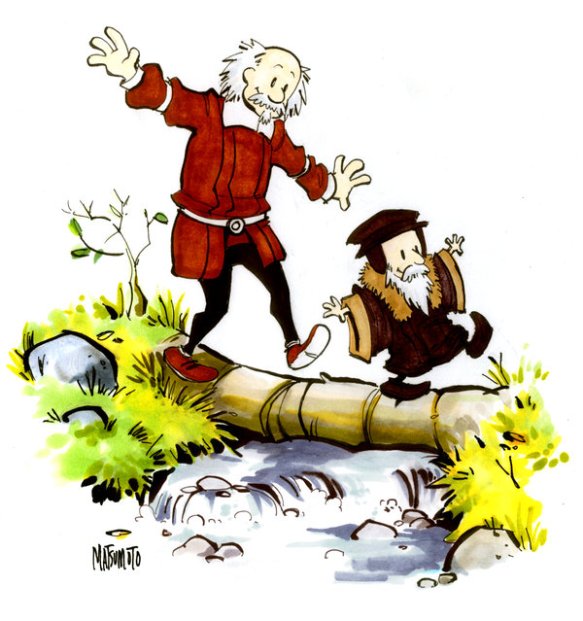
Fan works are at their best when they add something funny or clever to an existing work. In this picture, a fan of Calvin and Hobbes reimagined its characters as… well, Calvin and Hobbes.

Reading and writing fan fiction are valid hobbies. Creating it can develop writing skills, and reading it can evoke positive emotional responses. Fan fiction isn’t necessarily a bad thing… but I don’t believe it’s a particularly good one, either.

416. About Storytelling: Coincidences Are Cheap

Coincidences are a terrible storytelling device.

Seriously. In storytelling, coincidences are nearly always lazy, cheap, and frustrating. A storyteller’s job is to tell a believable story, and few things are less believable than convenient twists of fate.

Coincidences are an easy way to keep a story moving or set up exciting events, but not a compelling one. A character stumbles upon an important path, clue, or MacGuffin by accident. Complete strangers end up sharing some implausible connection. By blind luck, a character overhears a conversation relevant to the plot. These plot devices are all pretty common in fiction, and also pretty lame.

Whether from desperation, inexperience, or laziness, storytellers resort to all kinds of cheap ploys. I’m as guilty as anyone. I’ve used more lousy coincidences in my stories than I care to admit.

What exactly are the problems with using coincidences in storytelling?

Well, since I asked….

Coincidences are cheap.

The major events in a story should be earned. They should be built up carefully; foreshadowing beforehand, or explanations afterward, can be helpful. Coincidences are an easy shortcut, and a cheap way to keep the story moving.

Coincidences damage the audience’s suspension of disbelief.

Suspension of disbelief is a fancy term for the acceptance of fictional events. If I suspend my disbelief in, say, talking animals, I can watch The Lion King without constantly saying, “Hey, that lion is talking. That isn’t realistic! Lions don’t talk. This is stupid.” Some degree of suspension of disbelief is necessary for nearly any kind of story.

Coincidences make it seriously hard to believe a story; they damage the suspension of disbelief. An audience might be able to swallow a fantastical tale of magic or spaceships, but a story with too many unexplained or convenient coincidences is too contrived to accept.

Coincidences are clichéd.

I already mentioned a few common categories of coincidences in fiction: the overheard conversation, the important thing discovered by accident, and the hidden connection between unrelated characters. You have probably seen some of these before. I know I have.

Coincidences should be avoided whenever possible, if only because they have already been done to death.

Sometimes coincidences are unavoidable, or the only alternative is something even more implausible. That’s fine. Minor or infrequent coincidences may stretch plausibility, but not destroy it. A story may even offer an explanation for apparent coincidences, such as a guiding hand behind the scenes. At the very least, lampshading (i.e. acknowledging) a coincidence can make it a little easier to swallow. Coincidences do happen, after all!

In conclusion, though a good story may include coincidences, it should never depend on them.

407. Christmas Poem

’Twas the night before Christmas, and there in a heap

Lay my typewriter monkeys, unkempt and asleep.

At long last, thank the Lord, they had started to snooze.

They lay chattering faintly and smelling of booze.

And so I, much relieved, at my desk sat to write

On that bright, peaceful, glorious, holy, cold night.

When the silence was broken—a sharp, noisy tap!

On the door some odd stranger had started to rap.

I expected that raven, but there stood a man

With a snappy red sport coat, a neat beard, a tan,

And a trim, slim physique! His thin figure was slick,

But was this dapper fellow the ancient Saint Nick?

“Santa Claus? But you can’t be,” I wondered aloud.

“I am trying to fit with today’s younger crowd,”

Said the man. “Would you tell me now, if you will, please,

If it’s you who look after twelve naughty monkeys.”

“I’m the one,” I admitted. “I’m sorry,” said he.

“They have earned tons of coal. I won’t bring it, you see,

For they start many fires, and black coal is a fuel!

Such a flammable gift would be foolish and cruel.”

“Then what did you bring them?” I inquired, quite depressed.

“I brought twelve fire extinguishers—seemed like the best

Of replacements for something as risky as coal.”

And with that, he set twelve presents down. “Bless my soul!”

He exclaimed. “And I almost forgot! Here for you,

A small box! My dear boy, there’s a gift for you, too.”

And with that, old Saint Nick snapped his fingers and rose.

No more reindeer for him, but a jet. “There he goes,”

I declared as the jet roared away in the night.

To my desk I went, then, and flipped on a soft light.

What nice gift in my box had the kindly elf hid?

A brand-new coffee cup, and a note: “Good luck, kid.”


Do you know what gift would be even better than a fire extinguisher? A donation to Operation Yuletide, of course! We’re raising money to help people this Christmas. There are even rewards and stuff! (As an added perk, Santa Claus* will put donors on his Nice list.) Check it out here!

*Santa Claus does not exist. Any and all claims involving Santa Claus are intended jokes, and thus legally nonbinding. Please do not sue me, my family, or my cat.