Nintendo Makes Weird Controllers

All right, let’s have a show of hands. Who remembers the Nintendo 64? If you raised your hand, congratulations: we are now friends.

The N64 was a terrific video game system, which brought us such revolutionary and industry-defining games as Super Mario 64The Legend of Zelda: Ocarina of Time, and Super Smash Bros. The importance of the N64 can’t be overstated, and its legacy endures to this day.

Seriously, though, what the flipping heck went wrong with its controller?

The N64 controller looks like the misplaced head of a trident. Most N64 games required players to grasp the controller by the center and right-hand prongs, leaving the left-hand prong and its seldom-used D-pad jutting out pointlessly. It was awkward and uncomfortable. Why didn’t Nintendo put the analogue stick on the left-hand side, allowing the player to hold the controller comfortably? The world will never know.

Nintendo has a long history of weird controllers, starting with the one for its very first system, the Nintendo Entertainment System.

nes-controller

It was basic and angular, without even the slightest effort to be comfortable or ergonomic.

I find it fascinating to trace the evolution of the video game controller across Nintendo’s gaming consoles. The controller for the Super Nintendo Entertainment System was a bit better, and the one for the GameCube was frankly awesome. Then came the Wii and its bizarre controller, which was basically a TV remote with an optional attachment that made it look like a nunchaku, a kind of martial arts weapon—it was actually called the Nunchuk attachment.

Nintendo’s latest controller, for the Wii U, is basically a tablet. It’s a lot more sensible than some of the company’s previous designs, and surprisingly comfortable.

I wonder where Nintendo will go next. Maybe its next console will be controlled not by the player’s thumbs, but by the power of his mind?!

Of course, thumbs are fine, too.

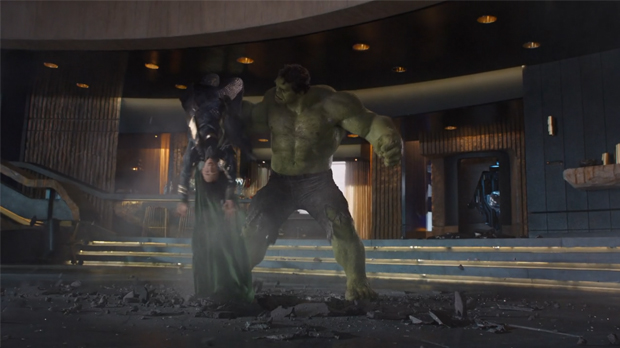
473. Adam Turns into the Hulk and Rants about Poor Hygiene

Caution: This blog post contains furious ranting. Sensitive readers, and readers averse to things being smashed, are advised not to continue.

Cleanliness is next to godliness. Well, it isn’t really, but it’s important anyway.

When human beings share the same space, whether a workplace or business or restaurant, a certain level of hygiene is imperative to prevent the spread of sickness. Besides, keeping at least somewhat clean is a sign of self-respect, and also of consideration for others.

That said, why in heaven’s name don’t some people wash their hands after using the bathroom?

Worse are stinky people. If I’ve offended any sensitive ears by saying this, I can only remind them of how badly my nose is offended by people who don’t bathe. Sometimes a little stink is unavoidable, such as after exercising or working hard, especially in hot weather: I understand that. Some people, especially among the elderly, are incontinent: I understand that, too. I work in a nursing home; I’m used to it. Incontinence isn’t a choice.

What bothers me are those who choose to be consistently dirty or smelly due to poor hygiene.

How hard is it to wash one’s hands, and to shower occasionally? Seriously. It… it makes me… angry. It makes me… want… to… to….

BLOG SMASH!

SMASH! CAPS LOCK ACTIVATED!

HULK TRY NOT TO JUDGE OTHERS. HULK KNOW EVERYONE FACES UNIQUE STRUGGLES AND CHALLENGES. THAT OKAY. POOR HYGIENE NOT OKAY. EXCEPT IN CASE OF APOCALYPSE, POOR HYGIENE PRACTICALLY INEXCUSABLE.

NOT WASHING HANDS, ESPECIALLY AFTER USING BATHROOM, SPREAD GERMS AND MAKE PEOPLE SICK. NO JOKE. AT WORST NOT WASHING HANDS MAKE OTHERS SUFFER. AT BEST? EVERYTHING UNWASHED HANDS TOUCH—DOORKNOBS, SHOPPING CARTS, MONEY, OTHER HANDS—COVERED IN BATHROOM GRIME. BATHROOM GRIME IS WORST KIND OF GRIME. HULK NOT WANT TO TOUCH YOUR GRIME.

WASHING HANDS TAKE THIRTY SECONDS. THIRTY SECONDS OF YOUR LIFE NOT MORE VALUABLE THAN HEALTH OF OTHERS. WASH YOUR [HULK EXPLETIVE] HANDS!

NOT BATHING IS JUST AS BAD. ANYONE CAN BATHE. IF YOU LIVE IN MODERN CIVILIZATION AND HAVE WATER, YOU CAN BATHE. IT NOT TAKE HIGHER EDUCATION. IT NOT TAKE MUCH MONEY. IT NOT TAKE CLASS OR SOPHISTICATION. IT TAKE SOAP AND WATER. SIMPLE.

EVEN HULK BATHE, AND HULK BUSY SAVING WORLD ALL THE TIME.

IF YOU NOT BATHE, YOU GET SICK. IS BAD FOR YOU. IS UNPLEASANT FOR OTHERS. BATHING NOT HARD. EVEN HULK BATHE, AND HULK NOT EVEN FIT IN SHOWER.

RESPECT YOURSELF. YOU VALUABLE AND UNIQUE. YOU TOO GOOD FOR NOT BATHING. RESPECT YOURSELF AND RESPECT OTHERS BY NOT STINKING.

HULK ALWAYS PRACTICE WHAT HULK PREACH. HULK SMELL LIKE PEPPERMINT AND SPRING FLOWERS. EVEN GREEN MONSTER HAVE TIME FOR SHOWER AND DEODORANT. HULK MEAN, CLEAN RAGE MACHINE.

BE CLEAN. PLEASE. RESPECT SELF AND OTHERS. WASH.

HULK OUT!

…Whoa, I just—what? Sorry. I slipped into a daze there for a minute. Sorry about that. Wait, why does my room smell like spring flowers and peppermint? Was it the Hulk? Oh, that Hulk. He’s kind of a jerk, but at least he smells nice!

472. That Time I Got Saved

I’ve written about many of the strange events in my life, from an awkward stage kiss to a severed human arm, but not until now of the day I committed my soul to God. It was… I don’t remember what kind of day it was. It was probably muggy and overcast. I was indoors at the time, standing in line, waiting for a meal that was, in retrospect, soggy and terrible.

I speak of That Time I Got Saved, a tale of grace and burgers.

(For full effect, you must read the title of this story with a Southern Baptist drawl: “That Time Ah Gawt Saaaved.”)

Unlike some of my other That Time I _____ stories, this one isn’t all that exotic or sensational. Heck, it doesn’t even make for a compelling testimony. I got saved while standing in line for a nasty hamburger.

This happened nearly twenty years ago in French Burger, a sketchy fast food joint. For all I know, it’s still open for business. (I really hope it isn’t.) French Burger served beef patties on cheap buns soaked in some kind of milky fluid: probably mayonnaise diluted by the moisture from wet shredded lettuce. These mushy burgers were served in little mustard-colored plastic bags. The burger juice would collect at the bottom of the bag, along with stray wisps of lettuce and shreds of soggy bun. The horror! The horror!

A photo of the food from French Burger would have been too graphic, so I replaced it with a picture of some pretty flowers. I’ve got to keep this blog family-friendly!

French Burger was tucked in a corner of a parking lot in Santo Domingo de los Colorados, a city built to the west of the Andes Mountains in Ecuador. My family and I spent about four years there. My memories of Santo Domingo are few and faint, but I recall gloomy impressions of mud, concrete, overcast weather, and weeds.

Understandably, I spent much of that time indoors: watching VHS tapes of old cartoons, building with Legos, playing and replaying games on our Super Nintendo Entertainment System, dodging home school assignments, learning to read—subsequently reading with voracious interest—and trying to write a novel. (Spoilers: I quit after two paragraphs.) It was a formative time. I discovered Nintendo, J.R.R. Tolkien, Star Wars, C.S. Lewis, and coffee.

I did occasionally venture forth into the community: picking up fragments of Spanish, pestering the neighbors, riding my bike, and buying bread from the local shops. My family and I made regular visits to a local river, where I encountered a Giant Mutant Killer Jungle Ant. We also visited nearby restaurants, such as a French Burger and Kentucky Fried Chicken. (KFC is weirdly popular in Ecuador.)

Oh, Santo Domingo de los Colorados. I… don’t really miss you, actually.

It was during a visit to French Burger that I found myself waiting in line, and committed my soul to God. I could joke that I got saved just in case I died of my lousy hamburger, but at the time, I actually liked those soggy messes. (My tastes have much improved, I hope.) As I waited, I realized that I should probably be saved. I was raised in a Christian home, surrounded by Adventures in Odyssey and Sunday school lessons, with the Gospel of Christ rattling around in my head. It finally occurred to me that I should probably do something about it.

I… didn’t really do anything about it. I prayed a trite sinner’s prayer—which I repeated over the next few weeks just to make sure my salvation stuck—and then continued to live however the heck I wanted. My life continued to be as messy as those burgers.

That day in French Burger didn’t make an immediate impact, but it was a tiny step forward, and God is known to work wonders with little things.

It wasn’t until the start of high school that I became a proper Christian. It wasn’t exactly a decision, but more like a gradual movement toward Christ. I took prayer more seriously, began reading the Bible, and made a sincere effort to be less of a jerk. My faith has wavered over the years, but for better or worse, I’ve kept it.

The salvation of my soul wasn’t an event of dazzling beauty or splendid emotion, but it was a start. After all, redemption has to begin somewhere. “It is not the healthy who need a doctor, but the sick.” Neither bad burgers nor bad people can preclude the grace of God.

Great Music, You Dig?

Shovel Knight is an outstanding indie game that delivers fun and adventure in spades. I really dig it. (Shovel puns!) The game’s soundtrack is particularly good, and in the video above, a couple of insanely gifted guitarists strum one of its best tunes.

With Ether is a duo of guitarists whose music I’ve featured once before. The video above is their arrangement of my favorite song from Shovel Knight, “Strike the Earth!” They somehow arranged this fast, deceptively complex chiptune for a couple of acoustic guitars, and it sounds fantastic. The breakneck bit at the thirty-eight second mark amazes me every time I hear it.

471. TMTF Reviews: Something’s Rotten

An embarrassingly long time ago, I received an invitation from a band called the PDX Broadsides to share my thoughts on their latest album: Something’s Rotten.

somethings-rotten

This happened shortly before I attended a writing conference and then took a vacation. As I traveled, connecting to the Internet only briefly and infrequently, I regrettably let the PDX Broadsides and their invitation slip through the cracks.

Only a few days ago did I finally listen to Something’s Rotten in its entirety. It’s geeky; it’s folksy; it’s definitely an album worth reviewing—and by gosh, I’m going to review it. (Yeah, I know TMTF doesn’t review stuff anymore, but I’ll make an exception for today’s post.) I don’t know the first thing about music, but I am totally a geek, so I consider myself at least slightly qualified to review this album. Besides, my last music review didn’t cause The End of Civilization as We Know It, so what’s the harm in one more?

The PDX Broadsides are an acoustic-folk-geek trio. I wasn’t familiar with them prior to their invitation, and I haven’t the faintest idea why they invited me to share my opinion, but I’m glad they did.

Here we go, with due apologies for the late review.

The PDX Broadsides seem disappointed in me—just look at those disapproving faces. I’M SORRY FOR TAKING SO LONG TO REVIEW YOUR ALBUM. Geez, guys.

Something’s Rotten is an acoustic guitar-driven album of geeky music, with a folksy vibe and plenty of vocal harmonies. This style reminded me repeatedly of Peter, Paul and Mary, whose music I adore. (I’m pretty sure I’m the only person of my generation who listens to Peter, Paul and Mary, so don’t feel bad if you haven’t heard of them.) As a geek who likes folk music, I really dig Something’s Rotten.

The album begins with “The Girl Who Couldn’t Even,” which I can only describe as the ballad of the stereotypical white American young woman. It matches her humorous overreactions to a melody that sounds like something straight out of the Old West. This intersection of tense music to a frivolous subject is pretty funny.

“Something’s Rotten: Hamlet’s Lament” is a musical soliloquy from Shakespeare’s most famous character—and let me tell you, it’s a heck of a lot more amusing than any of the soliloquies the Bard himself wrote for Hamlet. I enjoyed the offhanded way the song’s lyrics reference the events of the play.

“Catatonic” is the sad, slow lament of a fan whose mind goes blank every time she meets her favorite TV actor. I’m guessing this one was written from experience, because its authenticity strikes a chord with me. I’m easily overawed by brilliant creative people. Over the years, I’ve had the privilege of meeting a few of my own creative heroes, and I’ve gone a bit catatonic myself.
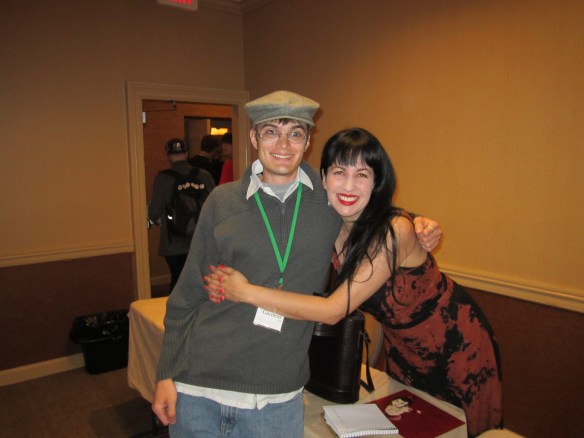
“Hey, that’s Grey DeLisle! In person! How exciting! Wait a second. OH GOSH. SHE’S HUGGING ME. PLAY IT COOL, ADAM. PLAY IT COOL.”

“Meant to Be” is a love song, but not a typical one. Love doesn’t just happen. Love takes work. This is a song about rebuilding love. There’s a tired determination in the refrain: “I’ve tried, I’ve tried, I’ve tried.”

By the time I reached “Astronaut’s Hymn,” I was already thinking of Peter, Paul and Mary, but this was the song that really clinched it. This is basically a sadder version of “Leaving on a Jet Plane,” except the singer is leaving on a spaceship instead of an airplane, and may possibly not come home. Heavy stuff.

“Far Away and Distant One” seemed at first like an unremarkable ballad of unrequited love, but after listening carefully to the lyrics, I can’t shake the conviction they must refer to a Dalek—the pepper shaker-shaped death machine from Doctor Who.

How… romantic?

I could be mistaken, but I’m pretty sure lyrics like “you blew my world away” and “you hide behind your armor” are meant literally here, not figuratively. The repeated use of the word exterminated can’t be coincidence!

“The Ultimate Riot” tells, to a tune of almost sickening cheerfulness, the story of a riot started at a convention by a guest speaker who butchered his allusions to geeky media. This was my least favorite song on the album; I found the melody grating.

In spectacularly nerdy fashion, “Nopetopus” alludes to the Internet meme of an octopus fleeing the scene, and praises the example of that cautious creature.

nopetopus

We’ve all found ourselves in awkward social situations. The thought of fleeing like the Nopetopus, “flailing like Kermit the Frog,” is certainly a pleasant one. Equally pleasant are the vocal harmonies toward the end of the song, and its chorus of “nope nope nope.” Even the wary Nopetopus has nothing to fear from this song.

“Something’s Rotten: Ophelia’s Retort” is Ophelia’s response to Hamlet’s earlier lament. It lends a nice bit of continuity to the album, and turns Hamlet’s soliloquy into a duet. The lyrics continue to amuse: Hamlet, who early in Shakespeare’s play is confronted by the ghost of his late father, mourns, “Parental expectations never die.”

“I Ship It” is an overenthusiastic ode to shipping: the tendency of fans to support or wish for romantic relationships between fictional characters (or occasionally actual people). I regard shipping with wary amusement, and this song with the same.

“Eureka!” is a chipper ode to some of the greatest scientific discoveries in history. As with a number of the songs in this album, I’m amused to hear a folksy melody and arrangement matched with something nerdy. In this case, it’s SCIENCE!

Despite some humorous lyrics, “Smile!” makes a serious point. The song is a woman’s annoyed response to a stranger asking her to smile. As well-intentioned as it may seem, asking someone to look happy isn’t courteous. It may be irritating, creepy, or sexist, depending on the situation. A woman who looks unhappy probably isn’t waiting for a Prince Charming to offer flirtatious encouragements. She’s probably, y’know, genuinely unhappy. Her face is her own, and she has a right to whatever expression she chooses. Beneath the humor and upbeat melody of “Smile!” is a serious message, and it’s worth considering.

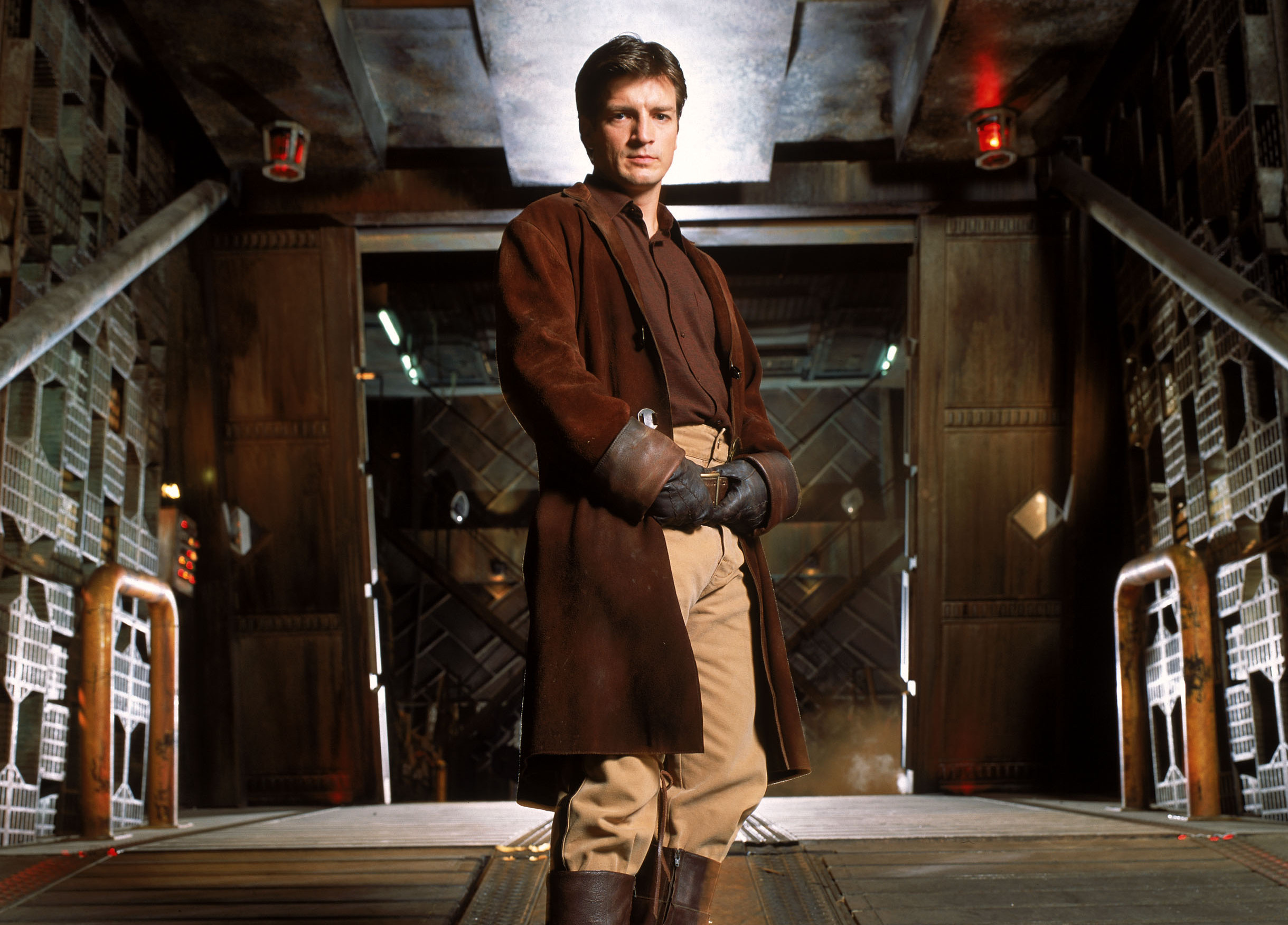
By contrast, the album’s final song isn’t even slightly serious. “Nathan Fillion (Please Take Off Your Pants)” is exactly what its title suggests: an earnest plea for actor Nathan Fillion to remove his pants and share his manly buttocks with the world. Fillion’s character loses his clothes in a memorable episode of Firefly, exposing his chiseled cheeks, and the writer of this song approves. Can I say this is my favorite song in the album? This is my favorite song in the album. It’s unbelievably catchy, and the absurdity of its premise is glorious. Think about it. Here, in our very universe, a song exists about Nathan Fillion’s bottom. Isn’t that bonkers? Besides, the thought of Mr. Fillion doing a little dance sans trousers is perfectly delightful.
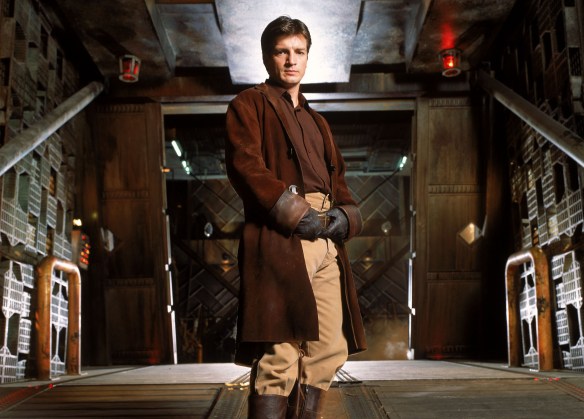
nathan-fillion

This is a photo of Nathan Fillion wearing pants.

As I conclude this music review, I realize my conclusion is exactly the same as in the last oneIf you’re a geek, this album is absolutely worth checking out. If you’re not a geek, don’t feel guilty giving it a miss. It’s steeped in nerd culture, and its jokes and references are bound to go over the heads of listeners not in the know.

For those able to appreciate its geekiness, Something’s Rotten is a clever, well-written album of acoustic folk music. There’s a bit of bawdy humor, especially in that last track, and a few swearwords, but the album is fairly tame. Something’s Rotten is on the short side, but at ten dollars (or thirteen for a physical disc) for thirteen songs, it’s a good value.

Anyone interested in Something’s Rotten can listen to its tracks and/or purchase the album here.
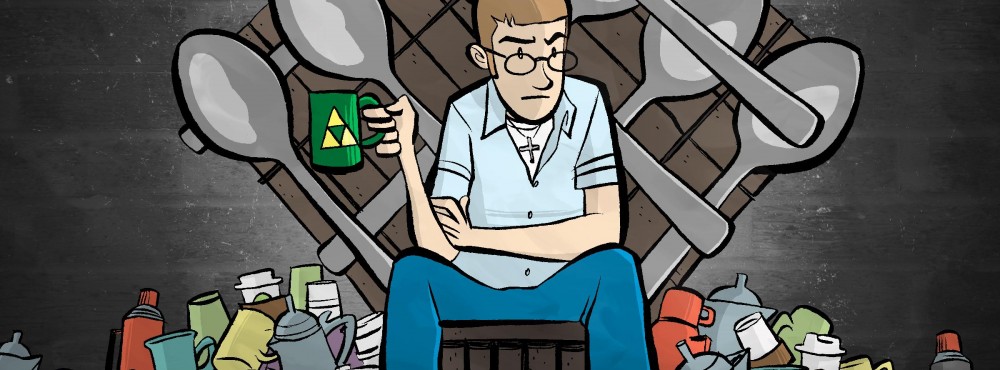
470. Adam’s Story: The Characters

For anyone new to Adam’s story, here’s an introduction.

Here’s a look at the five most important characters in my story project, with GLORIOUS CONCEPT ART by the talented Sabina K! (There’s also a bonus picture from JK Riki!) I’ve been excited for this post for a really long time, and today is the day I finally get to share it with you. Here we go!

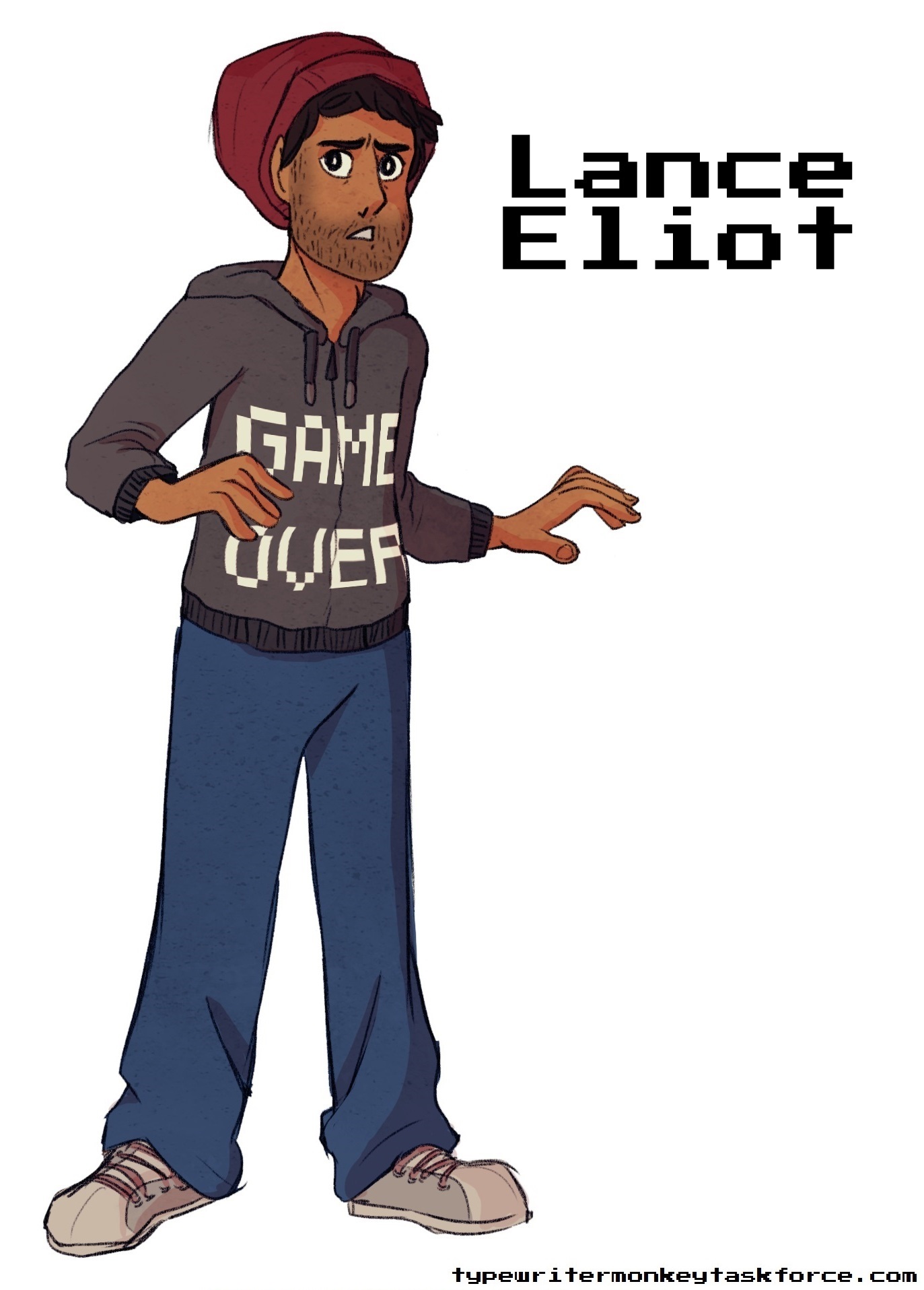
Lance (TMTF version)

Lance Santiago Eliot is a college student in the little town of Crossroads, Indiana. His plans to go home for Christmas are rudely interrupted by a journey to a strange new place: the kingdom of Guardia, a land of magic and monsters, teetering on the brink of war. Lance isn’t exactly pleased by this unexpected adventure. He isn’t a hero. He’s a timid guy who hates shaving, plays video games, and loves coffee—a beverage that doesn’t seem to exist in this other universe. The sooner he can go home, the better… but getting home might be harder than he expects.

Fun fact: Lance Eliot is Ecuadorian American, and fluent in both English and Spanish. He uses Spanish mostly for cursing, though.

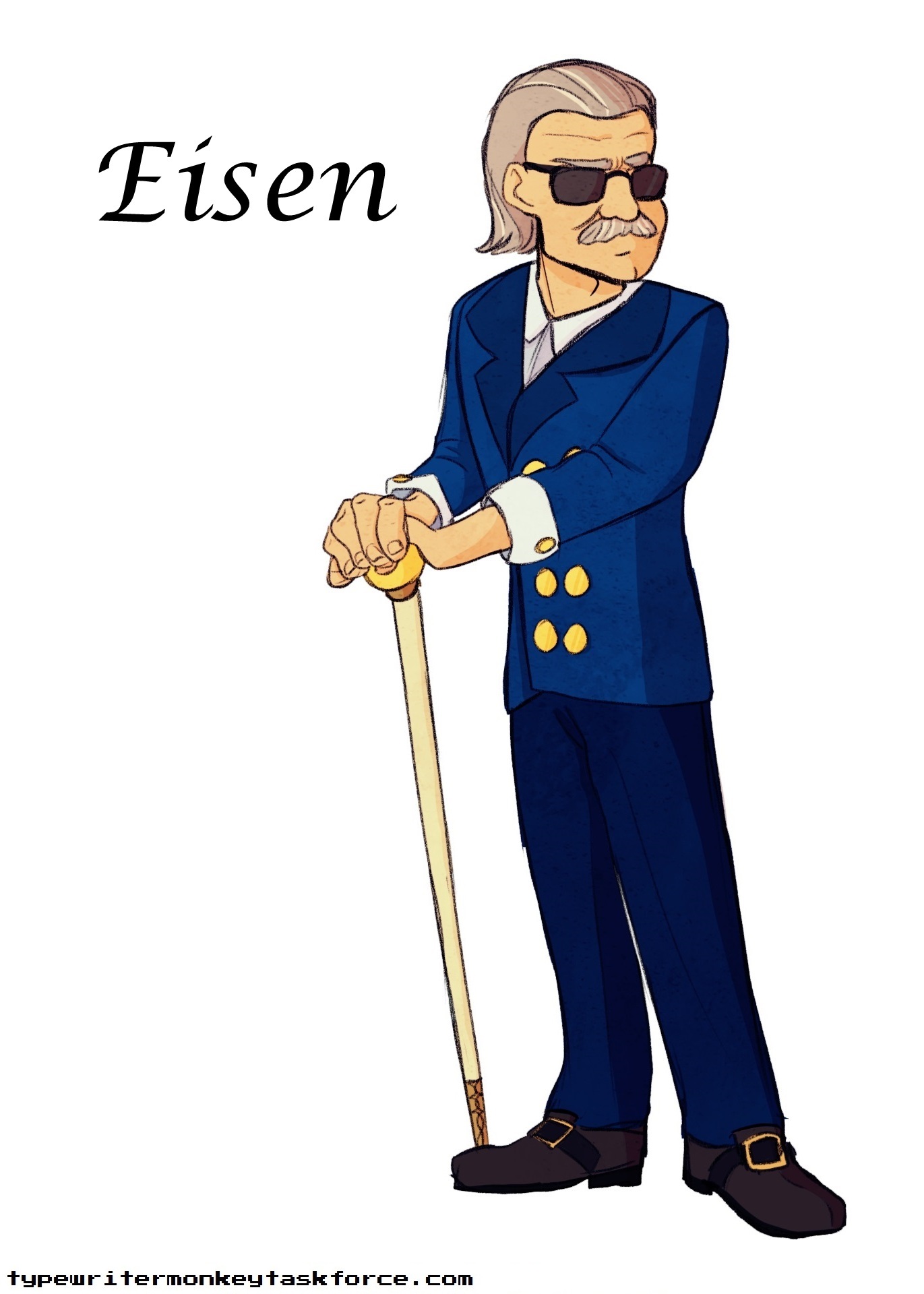
Eisen (TMTF version)

To all appearances, Eisen is a former military leader living out his retirement in the luxurious heights of Faurum, the Golden City of Guardia. Lance knows better: Eisen is actually the Chairman of the Guardian Peace Committee, a group plotting the overthrow of Guardia’s king. Eisen claims it’s the only way to prevent all-out war, but Lance isn’t convinced. After all, Eisen gave the order that brought Lance to Guardia, so Lance has a hard time trusting him. Eisen prides himself on his neat appearance, dressing in the old-fashioned suits and uniforms of his military days despite the warm climate. Although he smiles constantly, he seems more polite than sincere.

Fun fact: Eisen always wears dark glasses, even indoors. He claims they prevent his chronic headaches. They give him a slightly sinister appearance.

Note for veteran readers: Eisen replaces the Kana character from previous versions of Lance Eliot’s story.

Maia (TMTF version)

Maia is an aerist: a person born with the ability to channel aer, a cosmic energy Lance defines as “basically magic.” Maia is technically an aerist in training, but she’s getting there, really! She’s already mastered Linguamancy, the discipline of tongues, and she’s working really hard on Vocomancy, the discipline of summoning. I mean, she summoned Lance to Guardia all the way from Crossroads, Indiana! (She was actually under orders to summon Lancelot, the legendary knight of Camelot, but got Lance Eliot instead. Whoops!) Maia is upbeat, friendly, and easily excited, but seems to have a hard time taking anything seriously.

Fun fact: Despite her childlike personality, Maia is exceptionally intelligent and well-read. Her interests range from contemporary fashion to ancient lore and history.

Tsurugi (TMTF version)

When Lance leaves Faurum, Tsurugi accompanies him as an escort. Lance is both intrigued and irritated by this silent soldier. What mysteries lie behind that blank face and those shifty eyes? Lance’s speculations are soon interrupted by ugly facts: Tsurugi is a war criminal working for Eisen as an alternative to execution. Tsurugi seems tired, even broken, yet hasn’t lost his edge—his military prowess is legendary. Lance suspects there’s more to his story, but Tsurugi isn’t talking.

Fun fact: Tsurugi wears a military uniform with one unusual addition: a red bandana, which he often wears around his face. The bright color is very poor camouflage for a soldier, but Lance knows better than to question it.

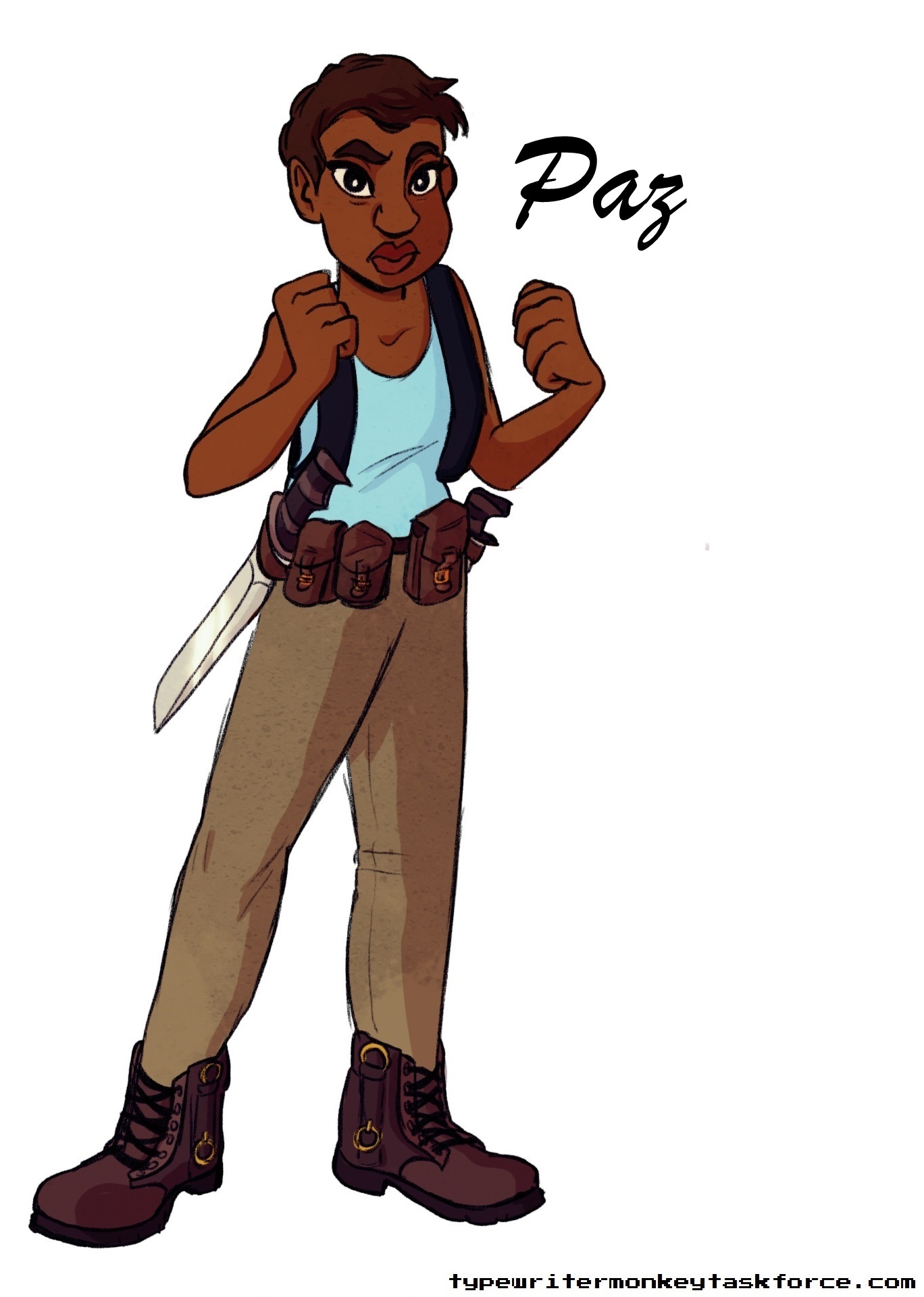
Paz (TMTF version)

Paz is a professional gambler, and she’s eerily good at it. She travels alone, making money in pubs and saloons all over Guardia, and hitting the road before anyone can ask too many questions. When asked why she never seems to lose, she insists she’s “just lucky.” Experience has taught Paz to act tough around strangers. In good company, however, she’s friendly and kindhearted. Paz has mastered many survival skills, including self-defense, but doesn’t have much schooling. After all, if you’re lucky enough to profit from every hand of cards and roll of the dice, do you really need a formal education?

Fun fact: Paz has picked up all kinds of hobbies to keep herself entertained on her solitary travels. In addition to cards for solitaire, she always has a book or two in her pack; when she finishes one book, she trades it for another in the next town she visits. Paz also carves trinkets and figurines out of wood. Since wood is neither expensive nor hard to find, woodcarving is the perfect hobby for a traveler!

Note for veteran readers: Paz replaces the Regis character from previous versions of Lance Eliot’s story.

Courtesy of JK Riki, here’s a bonus picture of Paz:

Paz alt (TMTF version)

That’s all for today! My next post in this series may cover the story’s lore or geography, or maybe some of its less important characters. I’ll work on it.

Thanks for reading!

(Before concluding, I want to thank Sabina and JK once again for their time, patience, and amazing talent. Working with each of you was a pleasure and a privilege. Thank you!)

War and Peace and Robots

This animated short tells a beautiful story without any of its characters ever speaking a word. After watching it, I’m pretty speechless, too.

…All right. It’s time to talk about the video.

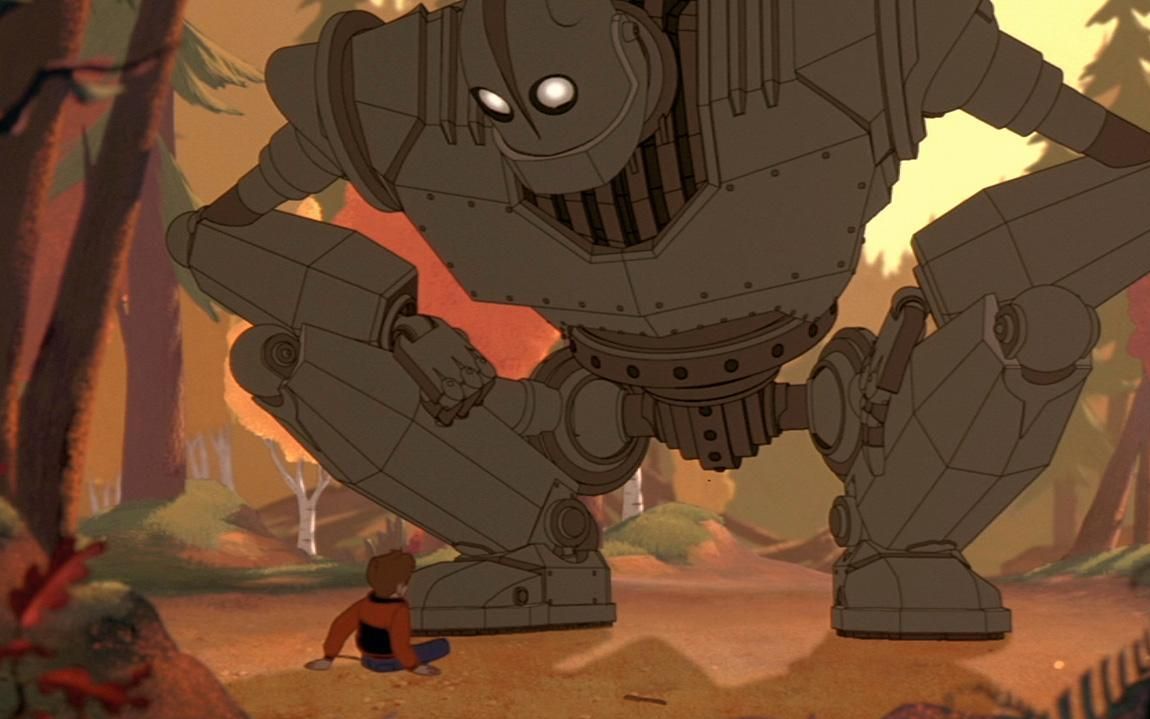
From the studio that brought you that Pixar-quality superhero animation comes another glorious animated short. This one stars Bastion, a war machine who realizes that war is kinda overrated. He joins the robots from The Iron Giant and Castle in the Sky as a machine that overrides its programming in order to love peace, appreciate nature, and stop blowing up everything it sees.

Iron Giant

The Iron Giant is an excellent movie.

I love the premise of a machine built for violence refusing to be violent. It’s sadly ironic when machines have more humanity than actual humans.

Castle in the Sky robot

Castle in the Sky is probably my favorite movie of all time.

It’s nice to know that when the robot apocalypse happens, some of the machines may not want to fight.

Incidentally, the animated short above is a promotional video for a game called Overwatch, which I’ll never play. I wish all promotional videos were so amazing.

469. Be Wherever You Are

For years and years, I’ve been waiting for something.

Don’t ask me for what, because I have no idea. I can’t shake a subconscious conviction that I’m fighting to get somewhere, somewhere, and I’m not yet there.

Waiting

I’m waiting for… something.

When I was in college, I thought it was a career as an English teacher. After those plans crashed and burned, I assumed it was the publication of my book series. Those plans eventually wound up in the crash-and-burn category along with my ambitions of teaching English. At that point, I was waiting for a better job situation, or for my religious skepticism to go away, or for something beyond the grind of my day-to-day existence.

Waiting some more

Still waiting? Still waiting.

My job situation is much improved, thank God. I’ve come to terms with my decision not to pursue a career in education. I’m resurrecting my failed book series as a project for fun, and have decided not to pursue professional writing… for the moment, at any rate. My faith survives. I’ve faced my doubts, acknowledged them openly, and persisted in spite of them.

I feel fairly stable, settled, and contented, yet can’t shake a vague dissatisfaction. It’s a feeling of waiting for I know not what.

In other news, I’ve been watching a lot of Steven Universe lately.


Steven Universe is a television series about a boy who loves pizza, wears flip-flops, and protects the world from monsters and hostile invaders. He lives in a seaside town with the Crystal Gems: three survivors of an ancient, ill-fated attempt by an intergalactic civilization to conquer Planet Earth. When Steven isn’t helping the Gems clean up the lingering threats of the alien invasion, he’s probably watching cartoons or hanging out at his dad’s car wash.

Steven Universe

“We’re good and evil never beats us. We’ll win the fight and then go out for pizzas!”

Steven Universe is an amazing show. I could spend an entire post explaining why, but I have other things to discuss today, so I’ll keep it fairly short.

Steven Universe balances adventure with slice-of-life stories. It’s infused with magical realism, sincere positivity, and hints of geeky nostalgia. (When Steven is baffled by a VHS tape, his friend explains, “It’s like a DVD shaped like a box.”) An intricate narrative and compelling characterizations slowly emerge from the show’s charm and humor. Steven Universe has a gift for tackling serious subjects (grief! war! trauma!) without ever veering into the extremes of gloominess or false cheeriness. I could say a lot more, but will leave the rest to smarter writers than I.

Oh, and Steven Universe is just fun to watch. I shouldn’t forget to mention that part.

At this point, the show has become one of my all-time favorites. (It probably ties with Gravity Falls as my second-favorite, surpassed only by Avatar: The Last Airbender.) It has been incredibly fun and satisfying to revisit the world of Steven Universe over the past five or six weeks, and the show has often made me think.


Truth and wisdom turn up in unexpected places. There is truth in Batman and Doctor Who, and apparently in Steven Universe. Who knew-niverse?

At one point, Steven finds himself stranded on a deserted island with a pair of acquaintances, Lars and Sadie. Lars, understandably, freaks out. He can’t get cell phone reception. He doesn’t belong on the island. He needs to get home now.

Steven doesn’t panic. Instead, he finds the good in his situation, and asks his companions an important question: “Why don’t you let yourself just be wherever you are?”

Mask Island

I’d vacation there.

It takes a little while (and a chipper musical number) for Lars to realize it, but the island actually ain’t so bad. Being stranded is basically an extended vacation. He might not be in control. He might not be able to move on quite as soon as he wants. However, if he accepts his situation instead of fighting it, he can enjoy it while it lasts—and it doesn’t last forever. In the end, of course, Lars and Sadie and Steven make it safely home.

There’s a lesson there.

Instead of waiting for something to happen, living in faint unease and dissatisfaction… why don’t I just let myself just be wherever I am?

Will the Circle Be Unbroken?

I had planned to share this beautiful cover of “Will the Circle Be Unbroken?” at some point, but quixotically decided to record my own cover of the hymn instead. You see, kids, this is why we don’t let Adam near microphones.

My wobbly vocals are propped up by a dynamic piano arrangement from Silas Rosenskjold, who made it freely available on his YouTube channel. The photo in the video, snapped by my dad quite a number of years ago, shows the Basílica del Voto Nacional: a cathedral in Quito renowned for its architecture and hideous gargoyles.

I discovered this lovely hymn in a violent video game, of all places. BioShock Infinite, a first-person shooter, offers the most fascinating take on Christianity I’ve ever seen in a video game. “Will the Circle Be Unbroken?” is part of the game’s soundtrack.

Around the time I shared of how I almost left my faith last year, I found myself often listening to this hymn. Some of its questions seem to be aimed squarely at wavering skeptics like me.

There are loved ones in the glory whose dear forms you often miss; when you close your earthly story, will you join them in their bliss?

You remember songs of heaven, which you sang with childish voice; do you love the hymns they taught you, or are songs of earth your choice?

One by one their seats were emptied, one by one they went away; now the family is parted—will it be complete one day?

One question, the question, stands above the rest: Will the circle be unbroken? Will that legacy of faith, cherished by your loved ones, upheld by generations past, live on in you—or will you break the circle? Will you be the one to shatter this legacy of religious faith?

I know people who’ve broken the circle. I know people who’ve kept it whole. For my part, the circle remains unbroken.

As I work with the elderly, I face regular reminders of the transience and frailty of human life. As James Thurber flatly expressed it, “Even a well-ordered life can not lead anybody safely around the inevitable doom that waits in the skies. As F. Hopkinson Smith long ago pointed out, the claw of the sea-puss gets us all in the end.”

While the skeptical part of me can’t help but question the notion of an afterlife, I rejoice that death is a temporary separation, not a permanent one. I can hardly bear the thought of losing loved ones forever.

When my family is parted, it will yet be reunited one day—thank God.


This post was originally published on June 3, 2016. TMTF shall return with new posts on Monday, September 5!

Now This Is How You Teach English!

Learning English - Chainsaw

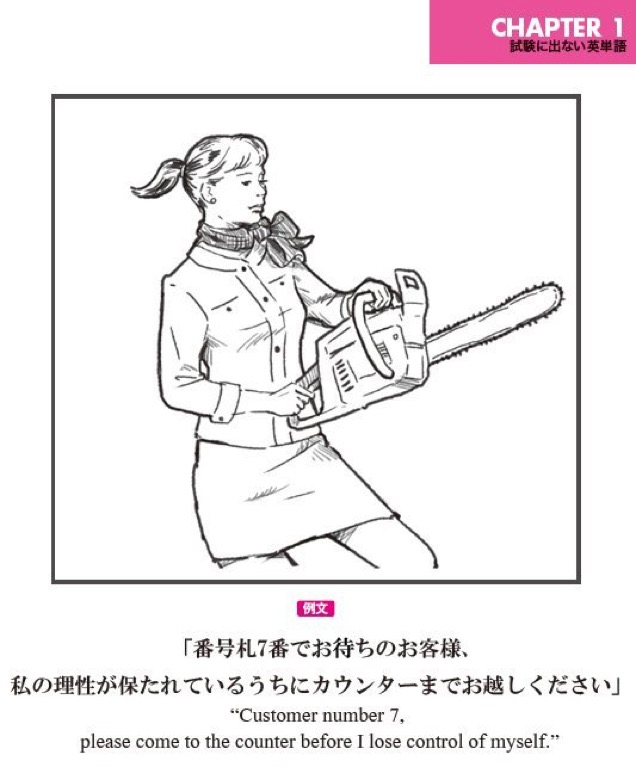
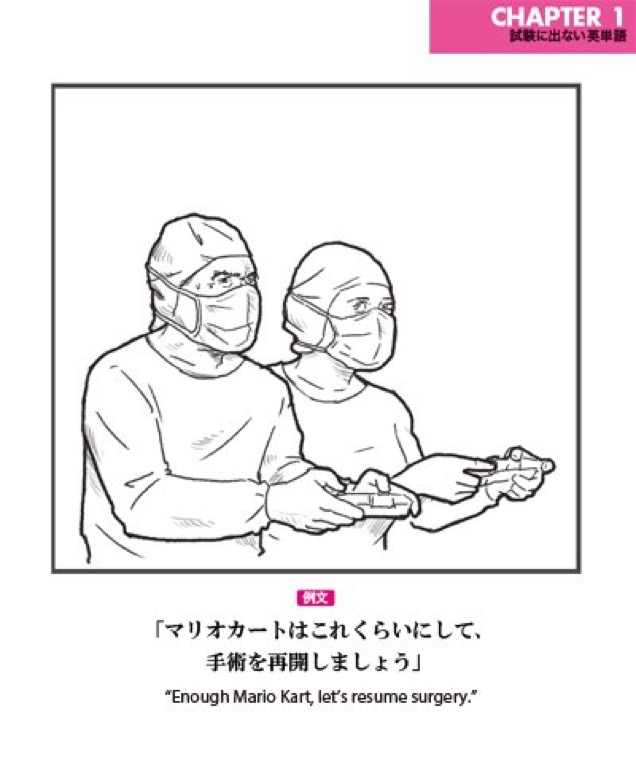
Learning a new language is hard. Fortunately, one brave little book is trying its best to make that arduous process easier, or at least funnier.

English Words That Don’t Appear on Tests is a book for Japanese-speakers learning the English language. It’s certainly… educational.

Learning English - FartThis book is apparently an actual thing that exists.

English Words That Don’t Appear on Tests

Here, in no particular order, are a few of my favorite pages.

Learning English - River crabs

Learning English - Bra

Learning English - Mario Kart

I have a degree in English Education—no, seriously, I do—and I approve these teaching materials. More can be found at this article on Kotaku. Learn, and enjoy.


This post was originally published on April 27, 2016. TMTF shall return with new posts on Monday, September 5!