213. TMTF’s Top Ten Life Lessons in Video Games

Wisdom can be found in unexpected places.

As we search for truth in literature, faith, philosophy and the lives of great people, we mustn’t overlook the lessons to be learned from BatmanDoctor Who, cartoon ponies and webcomics about video games. Speaking of which, video games have invaluable lessons to impart: useful principles that can be applied for success in real life.

What? You don’t believe me?

All right, then! Ladies and gentlemen, consider these practical principles as TMTF presents…

The TMTF List of Top Ten Life Lessons in Video Games!

10. Be Creative in Solving Problems

As tempting as it can be for gamers to try solving everything with violence, some obstacles can’t be shot, hacked or blown away. Puzzles require critical thinking. Some enemies require timing and strategy, not brute force, to conquer. Players have to be creative in solving problems, and creativity is an invaluable gift.

9. Observation Is Important

Anyone who plays a Legend of Zelda game quickly learns to keep his eyes open for cracked walls. Apply explosives to a damaged wall and—boom!—a way is opened. In video games, good things come to those who notice stuff. Video games teach players not merely to hear and see, but to listen and observe.

8. Appreciate Beauty

I love solving puzzles and defeating enemies as much as the next gamer. All the same, one of my favorite things about video games is how darn pretty they can be. (Yes, video games can be beautiful. Like brushstrokes or pencil shading, pixels can make lovely pictures.) Players are treated to sunrises and forests and ocean views, and appreciating beauty in artificial environments is a step toward appreciating it in natural ones.

7. Plan Ahead

Bad things happen to those who are unprepared. The person playing a Final Fantasy game will be annihilated by a tough boss if she hasn’t leveled up her characters or stocked up on healing potions. The person playing a Mario Kart game will lose if he hasn’t bothered figuring out the controls. This brings us to the real world, where the person taking a test or applying for a job will fail if she hasn’t planned ahead and made necessary preparations. Once again, video games reflect how things work in real life.

6. Stay Calm

The player who panics and starts mashing buttons will most often lose, and gamers get plenty of opportunities to panic. It can be hard to stay calm when facing that tricky jump or twisty racetrack or nigh-invincible boss, but rational decision-making is more likely to lead to success than wild overreaction. People who learn to keep cool under pressure while playing video games are better equipped to keep cool under pressure while doing everything else.

5. Practice Makes Perfect

I stink at fighting games: kicks and combos and Hadoukens baffle me. There is, however, one kind of fighting game in which I will destroy you: a Super Smash Bros. game. (My younger brother is a rare exception to this rule; he defeats me effortlessly.) As a kid, I resolved to learn to play Super Smash Bros. to enjoy the game with friends. Mastering the game took time and effort and many failures… and it was totally worth it. Practice makes perfect. At the very least, practice makes better. Video games remind us of the fact.

4. It’s Dangerous to Go Alone

With these cautionary words, the first Legend of Zelda game echoes something in another famous work: a book called the Bible. Quoth the Teacher in Ecclesiastes, “Two are better than one, because they have a good return for their labor: If either of them falls down, one can help the other up. But pity anyone who falls and has no one to help them up.” In other words, It’s dangerous to go alone.

3. You Reap What You Sow

So you’re playing a Final Fantasy game, slaying monsters, saving the world, when your quest is interrupted by some woman who wants you to gather medicines to heal a wounded traveler. A nuisance? Yes. You gather the medicines, the traveler recovers—and your kindness is rewarded. Another example: You take a break from your adventure in a Legend of Zelda game to attack a chicken. You’re enjoying yourself—after all, hacking away at defenseless fowl is fun—until the chicken decides to fight back, and your cruelty is punished with death. Seriously. For better or for worse, we reap what we sow. This biblical principle is common in video games.

2. Success Is an Investment

You can’t traverse that treacherous pitfall in a Mario game? Keep trying. You can’t conquer that unbeatable boss in a Kingdom Hearts game? Keep fighting. You can’t get your client acquitted in an Ace Attorney game? Keep gathering evidence. Sooner or later, you’ll pass that pitfall or flatten that boss or prove your client’s innocence. Now consider the real world. You can’t pass a class? Keep studying. You can’t afford something? Keep saving. You can’t achieve a goal? Keep working at it. No matter where you turn, success is an investment.

1. Good Guys Win

The world is full of terrible, selfish people who seem to succeed. Video games are no different. There are monsters, jerks and villains who triumph by lying, cheating and backstabbing. In the end, an overwhelming majority of those bad guys are brought to justice. The good guys—the guys who strive and fight and sacrifice to help others—win. You know what? In our world, the same thing happens. We need to be reminded that good guys sometimes win.

O people of the Internet, what useful lessons have you learned from video games? Let us know in the comments!
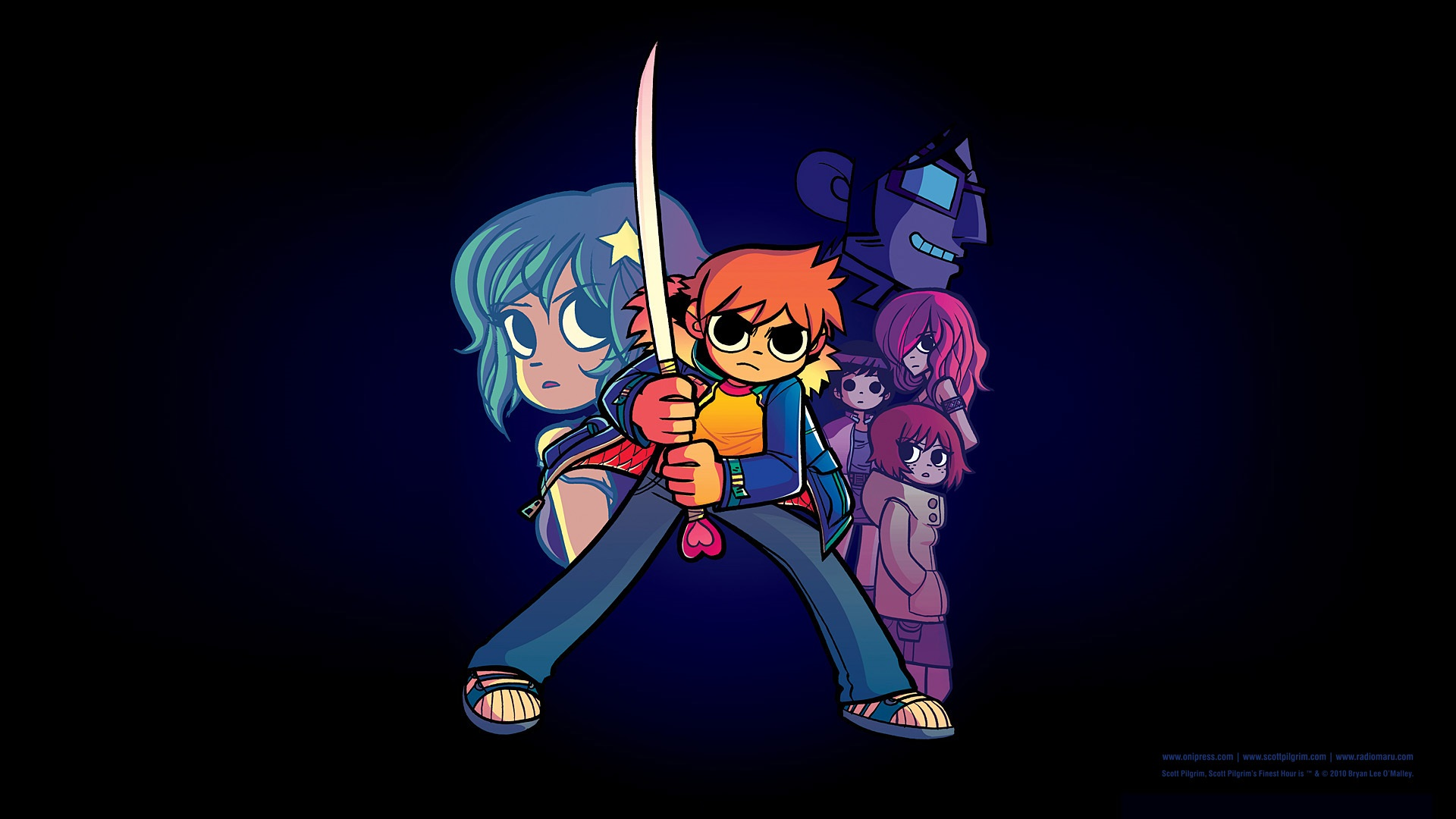
212. TMTF Reviews: Scott Pilgrim

I’m on vacation this week, so my typewriter monkeys are handling all blog updates from September 23 to September 27. Blame them for any mishaps. If I get Internet access at any point this week, I’ll be sure to check in!

Relationships are hard. Growing up is hard. Life is hard.

Just ask Scott Pilgrim. He’s a Canadian slacker, twenty-three years old, “between jobs,” mooching off his roommate, dating a high school student and doing his best to maintain his precious little life.

Then a mysterious girl rollerblades into his dreams, and people start attacking him with swords, and things get complicated.

I’d been meaning to read Scott Pilgrim, a graphic novel series, for some time. My search at the local library yielded all six volumes. Was it worth it?

Scott Pilgrim

Heck yeah, it was worth it.

Scott Pilgrim begins in a very ordinary way: Scott lives an average life in an average city with average friends. Then, little by little, almost imperceptibly, things get weird. A girl skates through Scott’s dreams because they’re a handy shortcut on her route delivering packages. A man crashes through the ceiling and challenges him to a duel. Before long, Scott is picking up video game-style extra lives and fighting guys with katanas, all to defeat his new girlfriend’s seven evil exes.

The Scott Pilgrim books are steeped in magic realism, a literary style that combines ordinary stories with surreal details—in this case, video game tropes. Scott and his friends take for granted this bizarre blend of video games and real life. As far as they’re concerned, robots and psychic powers are no more surprising than cars or libraries. This weird, wonderful blend of mundane and fantastic is probably my favorite thing about Scott Pilgrim.

I was also taken aback by how compelling the story turns out to be. The early volumes of Scott Pilgrim aren’t particularly deep, but the last two take a surprisingly compelling turn. The books may not seem serious at first, yet they have meaningful things to say about the importance of growing up and learning to take responsibility. Even some of the story’s most ridiculous elements can be interpreted symbolically… or not, depending on how seriously you choose to view them.

Besides being unexpectedly meaningful, Scott Pilgrim is often hilarious. Characters occasionally allude to previous events in the story by referring to the volume in which they took place. A villain develops psychic powers because of his vegan lifestyle. Scott’s fights are taken for granted by his friends; at one point, they chat calmly about their lives as Scott struggles for his life in the background against a stubborn opponent.

Scott himself, despite being insecure and cowardly, is an inexplicably gifted martial artist. (Someone calls him “the best fighter in the province.”) He’s also a self-centered loser. His faults are played for laughs early on, later becoming a serious part of his character’s development. Scott Pilgrim is, appropriately enough, a pilgrimage: the journey of an irresponsible jerk toward being a decent person.

I should note that Scott Pilgrim has a 13+ rating, the graphic novel equivalent of PG-13, and it earns every bit of it. Characters smoke, drink, curse, treat sexuality with casual abandon and insult each other mercilessly. Hardly anyone—least of all Scott himself—acts respectfully or responsibly. To put it simply, most of the characters in Scott Pilgrim are terrible role models. The books contain no shockingly offensive material, but sensitive readers may want to give them a miss.

In spite of its moral shortcomings, Scott Pilgrim is a marvelously unique, gloriously silly, unexpectedly compelling series. I recommend it.

205. An Open Letter to Hollywood

Dear Hollywood Executives,

You all read this blog, right? Yes? Excellent. I know you’re all very busy, so I’ll get right down to business. There are some things we need to discuss.

First of all, stop remaking films and television shows from the eighties. I know building on existing franchises is easier than creating new ones, but your remakes are tired and predictable.

Instead of remaking lousy old shows, why not make more literary adaptations? I’ve got a list for you right here. (Good job making Ender’s Game happen, by the way. It was about freaking time!) Literature is packed with stuff your viewers would love. You’ve just got to give it to them.

Since you’re so good at adapting existing works into movies, why not target the gaming demographic with video game movies that, you know, don’t totally stink? Not every game can be made into a good movie—ahem, Super Mario Bros.—but there are plenty of franchises with endless potential. Take video games seriously. Give us characters, not men with big muscles and women with big busts. Give us stories, not predictable plots riddled with clichés.

This next issue is a touchy one, but we’ve got to face it.

Hollywood, your Christians stink.

Seriously. Do your research. Find out what authentic Christians look like, and stop insulting us with shameless hypocrites, arrogant bigots and sociopathic lunatics. Christianity has its share of awful people, but we’re not all that bad. Just as most Muslims aren’t terrorists, most Christians aren’t your offensive stereotypes. Come on, Hollywood. It ain’t that darn hard.

Heck, I’ll even give you a good example. Look at Joss Whedon. He’s an atheist, and also a phenomenally successful director. (The Avengers is the third-highest earning film of all time. I’m just saying.) In Firefly, his highly-acclaimed show about lawless scoundrels, Whedon included a Christian character called Shepherd Book. This character isn’t a stereotype. As a Christian, he’s actually Christlike—and simply likable. Shepherd Book is a well-developed character with a dry sense of humor. Fans appreciate him.

Learn from Joss Whedon, Hollywood.

Speaking of Christians, we’re quite a sizable demographic. Have you considered, you know, actually making big-budget Christian films? The Passion of the Christ, which everyone expected to fail, earned roughly twenty times its budget. More recently,The Bible, a television miniseries, became a huge commercial success. Believe it or not, people want to see good Christian media. We need moviemakers with the courage (and cash) to make some.

With superhero movies being so popular, can we get a decent Deadpool movie? Please?

Finally, for heaven’s sake, stop letting Michael Bay and M. Night Shyamalan direct movies. That is all.

Peace,

Adam

P.S. We’re tired of vampires and zombies, Hollywood. Find some new monsters.

204. My Childhood Fantasy

As a kid, I loved fantasy stories. My budding imagination teemed with dragons, hobbits, wizards, weapons and those octopus-monsters from The Legend of Zelda that spit rocks. It was only natural, I suppose, for me to build a fantasy of my own.

The hero of this fantasy was an orphan (of course) with a tragic past (naturally) who overcame adversity to become a mighty swordsman, wizard and defender of the innocent. My fantasy hero was—like all true heroes—named after a character in a video game. Inspired by Link from the Legend of Zelda games, named for a challenger from the Pokémon games, my hero was Lance: a green-clad warrior for whom no quest, challenge or cup of tea was too big.

For a childish fantasy, Lance was ahead of his time. He fit the pattern of the wanderer-hero in almost every detail more than a decade before I recognized the archetype in fiction. Years before I knew anything about Doctor Who, Lance traveled through time and space with a box that was bigger on the inside. (However, unlike the Doctor, Lance didn’t travel in his box. Lance kept stuff in it.)

I didn’t feel the slightest qualm as a child about plagiarizing other stories. Lance used magic to travel anywhere, which included Middle-earth from The Lord of the Rings, Hyrule from the Legend of Zelda games, Hogwarts from Harry Potter and a few more copyrighted realms from books, films and games. (How fortunate that imagination is beyond the reach of lawsuits.) Lance rubbed shoulders, bumped elbows and occasionally sparred with many famous fantasy heroes.

After two years of vivid adventures, Lance slipped quietly into retirement when I entered my early teens. It was coincidence that the protagonist of the story I began writing a couple of years later—which grew into my novel, The Trials of Lance Eliot—had the same name as the hero of my childhood fantasy. Lance Eliot was given his name because the plot demanded it, as readers of the novel know.

I think the coincidence is rather funny. Lance the all-powerful hero and Lance Eliot the wry college student could hardly be more different. I suppose they have at least one thing in common… they like tea.

My imagination is less exuberant and more wary than it used to be. When I read, write or see a story, I find myself looking for inconsistencies, holes and weaknesses. Things have to make sense now that I’ve grown up.

All the same, I hope I never lose that spark of imagination. Making up stuff is fun.

194. The Trouble with Girls (in Video Games)

I am not a feminist. Heck, I couldn’t be a feminist even if I wanted to be. As I learned during my studies in college of literary criticism, the stricter philosophies of feminism disqualify men from being feminists. What a shame.

I may not be a feminist, but I do consider it my business to respect people. That said, I’m bothered by the way ladies are depicted in video games. Never mind touchy issues like gender empowerment—I’m talking about common courtesy.

Here are some of the problems with girls in video games.

Damsels in distress

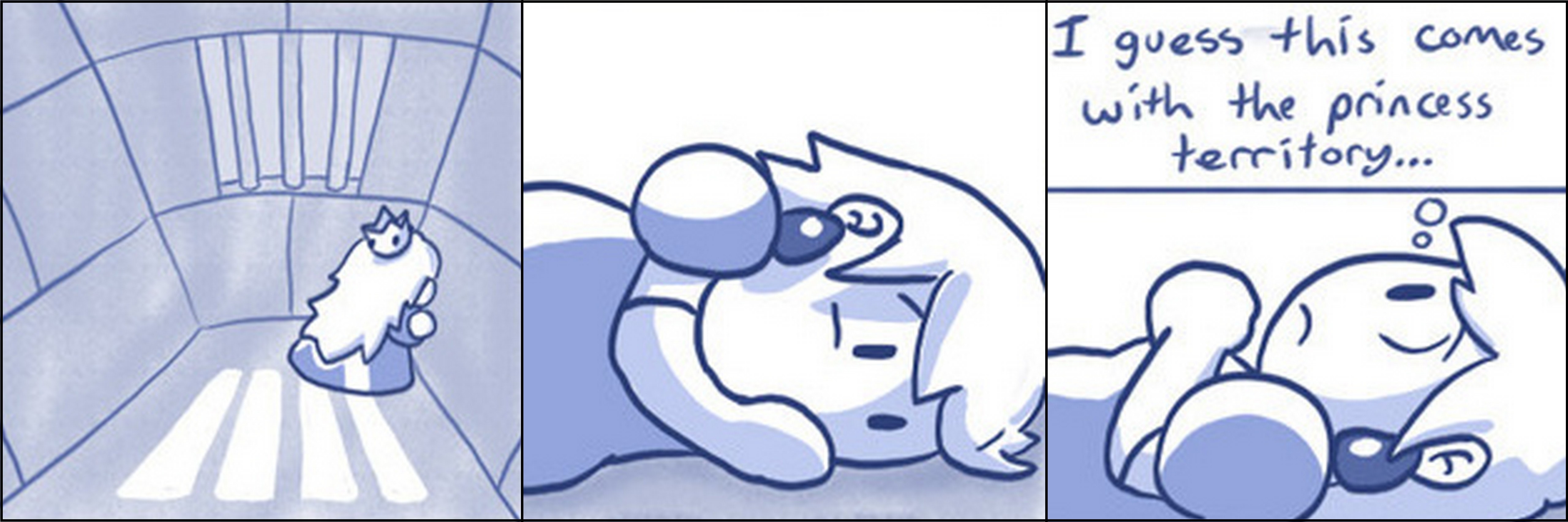
I just covered this trope in my last post. Ladies in video games tend to be helpless victims who must be rescued by male heroes. Now, this isn’t such a bad thing. Heroes clearly respect these ladies enough to risk their own lives rescuing them. Damsels in distress are also a wonderfully simple plot device. Need a story for your game? The princess was kidnapped and the hero must save her! No further details are needed; we have all the story we need.

Comic adapted from Brawl in the Family.

Art adapted from Brawl in the Family.

While the damsel in distress trope isn’t atrociously disrespectful, it does suggest women are powerless: all they can do is sit around waiting for strong men to rescue them. This implication is unfair. Intelligence, courage and strength are not limited by sex or gender.

I think the video game industry is getting better about this one. The Mario and Zelda series still feature damsels in distress, but Princesses Peach and Zelda have become clever, resourceful characters—they don’t just sit around waiting to be rescued. Meanwhile, female protagonists like Samus Aran from the Metroid series and Chell from the Portal games prove ladies can take care of themselves, thank you very much.

Sexual objectification

I’m not sure how to put this tactfully: ladies in video games tend to be… curvy. They’re often impossibly slim and buxom, and not particularly shy about showing it. These ladies tend to flaunt their curves, say flirtatious things and generally do things most self-respecting women don’t do.

There is nothing wrong with having an attractive character in a video game. Beauty is a good thing. Sexual objectification—stripping away a lady’s dignity and treating her as an object—is not a good thing.

(For the record, I also object to the sexual objectification of men in video games: those absurdly muscular, super-macho dudes who have no personalities and refuse to wear shirts.)

Treating a person as less than a person, as merely an object to be ogled, is utterly disrespectful—even if the person happens to be a video game character.

Chain mail bikinis

I’ve mentioned this one before. When male characters are completely covered by heavy armor, female characters wear… swimsuits and lingerie. (I’d cite examples to prove my point, but none of those pictures would be appropriate for this blog.) There is no tactical advantage for ladies to expose legs, midriffs or bosoms in battle. None.

Where are the heroines?

Not many video games feature ladies as the lead characters. There are a few, sure, such as the aforementioned Metroid and Portal games. For the most part, however, video game protagonists are men.

Why?

Does the video game industry believe all gamers are prejudiced males who won’t buy games with female protagonists? Does the video game industry think women are not as capable as men? Seriously, what gives?

O people of the Internet, what bothers you about video games? Let us know in the comments!
193. About Writing: Tropes

There is a website called TV Tropes, and it has gobbled up more of my time than I care to admit.

TV Tropes is a fascinating and highly informal collection of articles on tropes in storytelling. What are tropes, you ask? A trope is a recurring convention, element or device in a particular genre or type of fiction.

Take horror movies. I’ve never seen one all the way through, but even know that when the power goes out in a horror film, bad things happen to the person who goes into the basement to check the circuit breakers. Cabins in the woods are dangerous places to be in horror movies, and clowns are evil. We all know these things. They are tropes of the horror genre.

Although tropes are not necessarily good or bad, they can easily degenerate into clichés—conventions that are overused and become trite.

Take the damsel in distress trope: the convention of a female character (often a princess) being rescued by a male character. This trope is everywhere. Consider the Star Wars films, or games in the Mario and Zelda series, or pretty much any animated film produced by Disney. Princesses Leia, Peach, Zelda, Jasmine and Rapunzel are all bona fide damsels in distress.

(I laughed when, in a recent Legend of Zelda game, Princess Zelda—a character descended from a long line of damsels in distress—told the hero, “I will wait for you here. That’s what princesses have always done. From what I understand, it’s kind of a family tradition.”)

While tropes can easily become clichés, they can also be subverted or inverted in clever ways. What happens when the damsel in distress escapes on her own? What if the damsel rescues the hero?

Defying tropes is a wonderful way to surprise readers. We all expect specific things from certain kinds of stories, and it’s a delightful shock to have our expectations shattered.

We’re all familiar with bad guys. Whatever else they may be, they are… well… bad. The trope is simple. Villains are evil. Bad guys are bad. It’s common sense.

Right?

Quite a number of recent films disagree. Despicable Me and Megamind turn villains into good guys. Dr. Horrible’s Sing-Along Blog goes a step farther, making a bad guy out of a “good” superhero. Disney’s Wreck-It Ralph stars a video game villain who decides he wants to be the good guy for a change.

These films toy with our preconceived ideas about heroes and villains, blurring the lines between our notions of “good” and “bad” characters. These films are also tons of fun to watch.

If you’re writing a story, ask yourself: “Has this been done before?”

Working tropes into your story isn’t a crime; some tropes are so general there’s practically no escaping them. In many cases, however, a story can be much improved by avoiding—or defying—the expectations set by all the stories that came before.

191. TMTF’s Top Ten Weapons in Video Games

I love video games. I enjoy making top ten lists. Finally—despite my loathing for real-life violence—I like weapons.

This blog post was inevitable.

This top ten list, which includes weapons only from games I’ve played, defines a weapon as an object used to inflict damage on someone or something in a video game. Power-ups, vehicles and powered armor suits don’t count. (Sorry, Samus.) Weapons that originated in media apart from video games, such as lightsabers from Star Wars or the golden gun from James Bond films, will not be included.

Duck for cover, ladies and gentlemen, as TMTF presents…

The TMTF List of Top Ten Weapons in Video Games!

10. Barrel Cannon (Donkey Kong series)

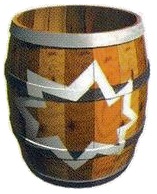
Barrel Cannon

What’s more devastating than heavy artillery? Why, heavy artillery that fires gorillas, of course! The barrel cannon can be used not only as a form of transportation for Donkey Kong, but also as a way to turn the ape into a high-speed projectile. If only it fired sharks…

9. Masamune (Chrono Trigger)

Masamune

This legendary sword, the blade of a brave knight who, er, also happens to be a frog, is a powerful and storied weapon despite its plain appearance. It carries tremendous sentimental value for its amphibious owner. Finding and repairing the Masamune is a major feat, requiring the game’s heroes to travel through time from prehistory to the modern age. Later in the game, a sidequest unlocks the sword’s full potential and transforms it into an extremely powerful weapon.

8. Satellite Gun (Shadow the Hedgehog)

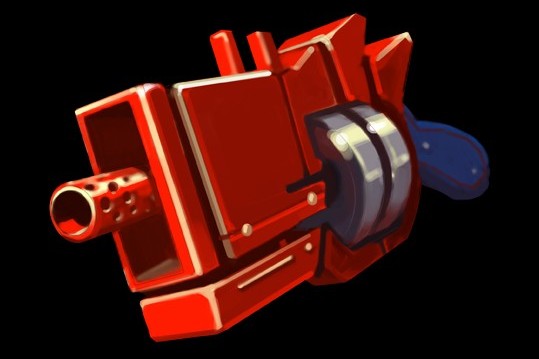
Satellite Gun

Shadow the Hedgehog is a terrible game. Apart from its bad level design, lousy writing and atrocious acting, the game is a poor attempt to make the bright, whimsical Sonic series seem dark and gritty. There is at least one good thing about this game, however: the Satellite Gun. This weapon, which looks a bit like a television remote, uses a targeting system to lock onto enemies and signals an orbiting satellite to annihilate them with a freaking laser beam from outer space. That’s cool.

7. Poltergust 3000 (Luigi’s Mansion)

Poltergust 3000

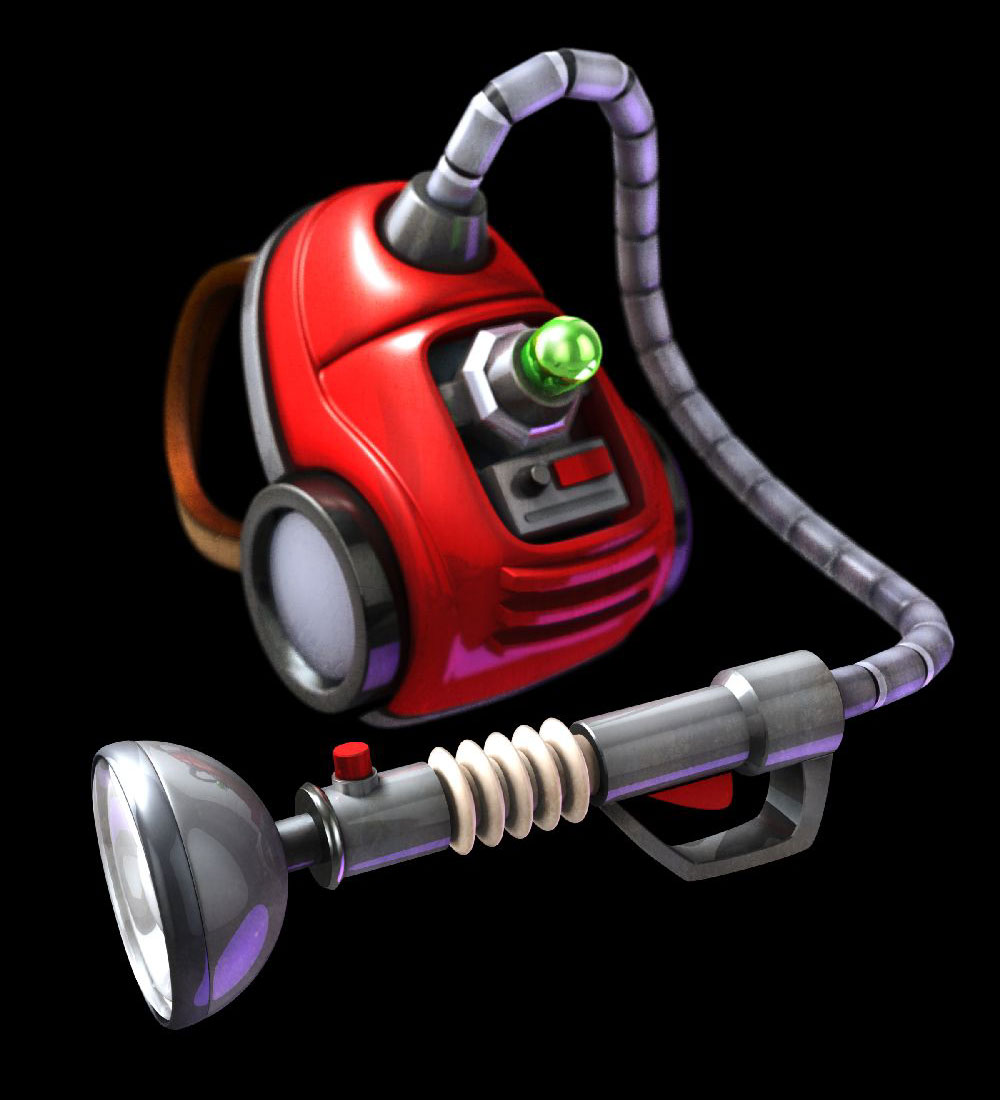
This is a vacuum cleaner that sucks up ghosts, used by Luigi to rescue his brother Mario from a mansion teeming with spooks. (The image above is actually an advanced Poltergust from another game, but I’ve used it for this list because it’s much cooler than the original model.) Besides trapping phantoms, the Poltergust 3000 is capable of collecting cash from hard-to-reach nooks and blasting foes with fire, water or ice. All this begs the question: Who you gonna call?

6. Enchanted Arrows (Legend of Zelda series)

Enchanted Arrow

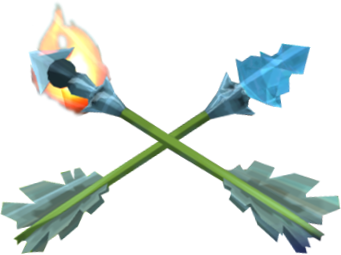
Bows and arrows are pretty neat, but the Legend of Zelda series offers several variations thereupon that are nothing short of awesome. Players can use the three standard varieties of magical projectiles—fire, ice and light arrows—not only to damage enemies, but also to solve puzzles and navigate environments. Fire arrows burn away obstacles. Ice arrows freeze water, creating solid platforms for a player to cross. Light arrows activate switches to flip one particular dungeon entirely upside down, turning ceilings into floors and sky into an endless abyss. Bomb arrows (which are, yes, arrows with bombs attached) are cool, but enchanted arrows are nothing short of amazing.

5. Portal Gun (Portal series)

Portal Gun

The Aperture Science Handheld Portal Device, also called the portal gun, is capable of creating interdimensional portals on flat surfaces. Enter into one portal and you instantly exit the other. (Here’s a thirty-second video to demonstrate how it works.) Used correctly, the portal gun can harness physical laws like momentum and gravity to destroy enemy targets. Used incorrectly, the portal gun can use those physical laws to destroy the player. Look before you leap!

4. Keyblade (Kingdom Hearts series)

Keyblade

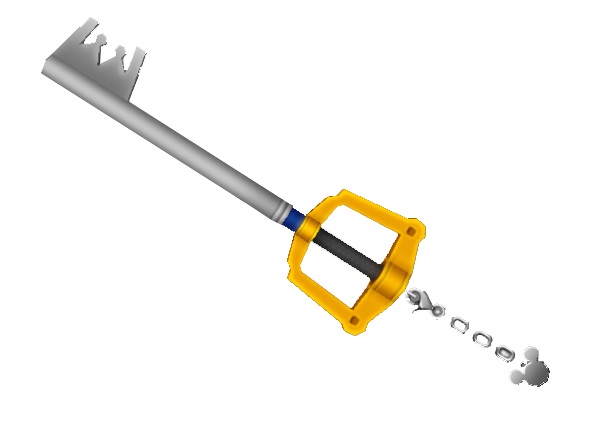
I’ve already shared my thoughts on this one, so I haven’t much to add. This creative, unorthodox weapon plays a huge role in the story of the Kingdom Hearts games. The Keyblade is transfigured into a new weapon by each token (keychain?) attached to its handle, and it can channel all kinds of magical abilities. Most importantly, the Keyblade is useful for smashing things.

3. Machine Gun (Cave Story)

Machine Gun

Indie classic Cave Story transforms a generic firearm, one that is practically a video game cliché, into one of the most empowering weapons I’ve ever used in a game. The machine gun’s rapid rate of fire is handy for mowing down enemies, but the weapon’s greatest value lies in its navigational uses. Fully upgraded, the machine gun functions as a jet pack when fired toward the ground, giving the player the power of flight. Awesome.

2. Buster Sword (Final Fantasy VII)

Buster Sword

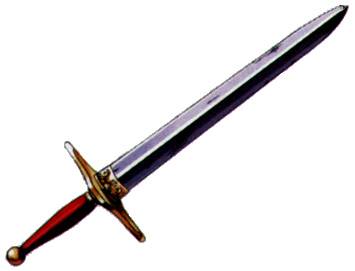
Look at this sword. Look at it. Tetsuya Nomura, the artist who designed this weapon, referred to it as “the giant kitchen knife.” Its blade is freaking huge. The Buster Sword has no special attributes besides two circular slots for Materia (crystallized magic) that enable its wielder to cast spells. No, the weapon’s true worth is in its sentimental value. For Cloud Strife, to whom it belongs, it symbolizes the self-sacrifice of its former owner. For players everywhere, it represents a glorious, bygone era of role-playing games.

1. Master Sword (Legend of Zelda series)

Master Sword

This is it. The Master Sword. The Blade of Evil’s Bane. This is the iconic weapon that has become synonymous with the Legend of Zelda series, itself a legendary success of the video game industry. I can think of no other video game weapon with such a wealth of lore or backstory. Depending on which game you play, the Master Sword harbors a beneficent spirit, alters the flow of time or seals away the corrupting influence of evil. No matter which game you play, the Master Sword is one heck of a weapon.

O people of the Internet, what great video game weapons would you add to this list? Let us know in the comments!
178. TMTF Reviews: Hyrule Historia

As an avid gamer, I love the Legend of Zelda series. Its charming blend of adventure, exploration, combat, quirky humor and killer chickens is truly amazing. When Hyrule Historia—a book released to celebrate twenty-five years of Zelda—hit Western shores, I was quick to snag a copy.

Is Hyrule Historia a worthy celebration of one of the greatest legends in the gaming industry, or is it merely a mediocre mess of video game trivia?

Hyrule Historia

As I expected, Hyrule Historia is a must-have book for anyone interested in Zelda: beautifully designed and packed with fun stuff for fans of the series.

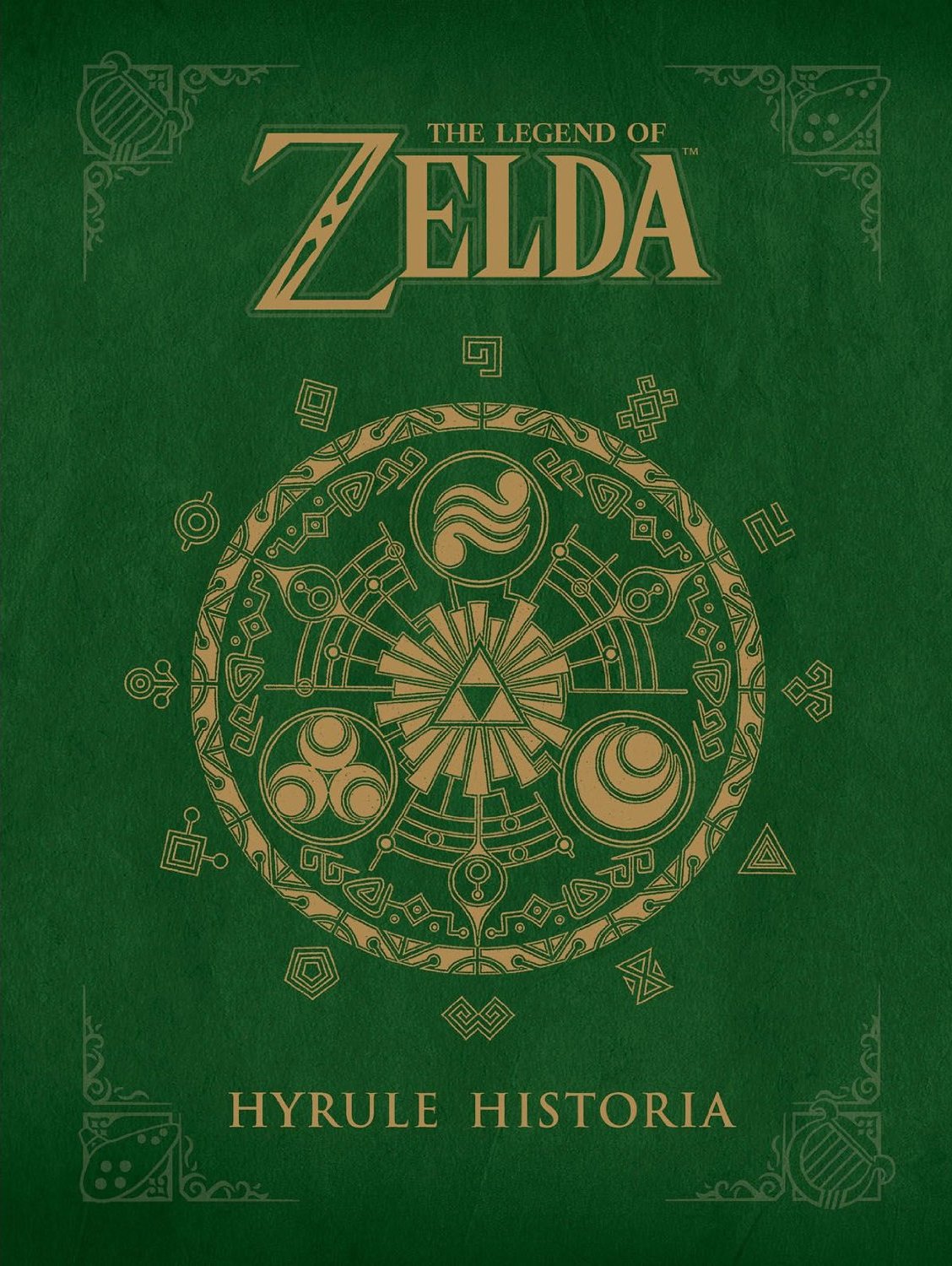
I was surprised at the size of the book. For the price (about twenty dollars) I had expected something fairly small. Hyrule Historia is a whopping great hardback, about the size of my high school yearbooks and a bit thicker. The cover design is glossy and elegant. I’d totally put the book on my coffee table if, you know, I had a coffee table.

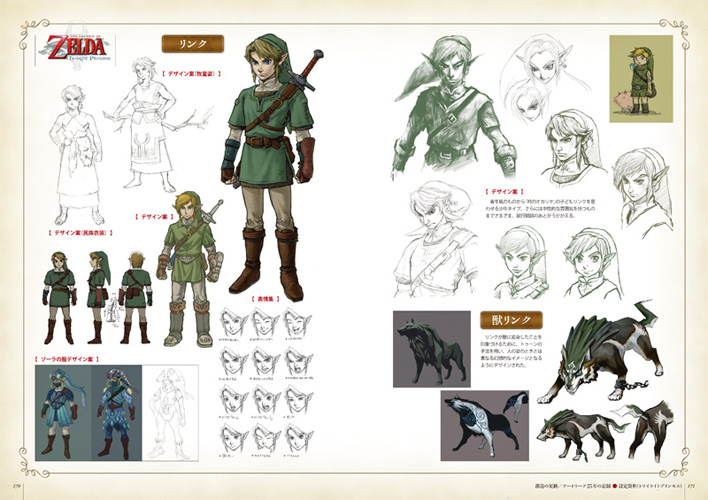
Hyrule Historia has two great assets. First is its vast wealth of concept art, reproduced in vibrant color. Second is its complete history of Hyrule, the world in which Legend of Zelda games take place. The official timeline of the games in the series—a subject of endless debate among fans and a mystery for more than two decades—is finally unveiled, along with detailed and precise (if slightly inconsistent) synopses for the games and explanations of what happens between them.

I found this pseudo-history almost as fascinating as the actual history of the series, chronicled in artwork and notes spanning twenty-five years. From the moment a strange old man handed Link a sword to Link’s latest adventure in the skies, it’s all there.

These pages are taken from the Japanese version of the book; I couldn't find images of the English version.

These pages are taken from the Japanese version of the book; I couldn’t find images of the English version.

A brief manga (Japanese comic) concludes Hyrule Historia: an exciting end to a thoroughly interesting book.

The writing in Hyrule Historia is rather weak, but that hardly matters since the book’s value is in its beautiful artwork and fascinating trivia. The thing that really puzzles me is the diffidence of the writers. They seem strangely uncertain. In describing the history of Hyrule and the development of the Legend of Zelda series, they often use phrases such as perhapsit seems and it is thought that. I expected the official guide to the Zelda series to seem a little more… official.

Strangers to Zelda won’t find much to interest them in Hyrule Historia. For fans of the series, however, the book is an absolute treasure. And you don’t even have to conquer a dungeon or defeat a boss to get it!

174. TMTF’s Top Ten Hats in Video Games

I recently learned of an indie game titled Fez. The game’s protagonist wears a fez, presumably because fezzes are cool. (We all know this.) This game reminded me that characters in video games have some pretty sweet hats.

As a gamer, blogger and proud owner of several hats, I believe it’s my solemn duty to decide which video game hats are the best.

The following rules apply: I’ll choose hats only from games I’ve played, and I’ll select no more than one hat from any game series. Only original video game hats are permitted: no hats from licensed characters like Indiana Jones or Donald Duck. Hoods, helmets, headbands, ribbons and all headgear except hats and caps are disqualified from this list.

Now, ladies and gentlemen, hats off as TMTF proudly presents…

The TMTF List of Top Ten Hats in Video Games!

10. Quote’s Baseball Cap (Cave Story)

Quote's Baseball Cap

Quote, the amnesiac hero of indie classic Cave Story, manages to look quite heroic in a simple baseball cap. The hat isn’t particularly fancy or elegant, but its bright white and red design helps Quote’s pixelated figure stand out against the muted blacks and browns of Cave Story‘s subterranean locales. On an entirely different note, do the buttons on Quote’s hat remind anyone else of Mickey Mouse’s shorts?

9. Cormano’s Sombrero (Sunset Riders)

Cormano's Sombrero

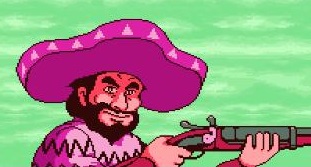
This Mexican gunslinger, who has been described as “either groundbreakingly inclusive or an offensive stereotype, take your pick,” is a playable character from Sunset Riders for the SNES. The game consists mostly of shooting stuff. Cormano’s skill with a rifle is belied by his sombrero, which is colored bright magenta and shaped like a taco. Never has the Old West been so fabulous!

8. Shadi Smith’s Pork Pie Hat (Apollo Justice: Ace Attorney)

Shadi Smith's Pork Pie Hat

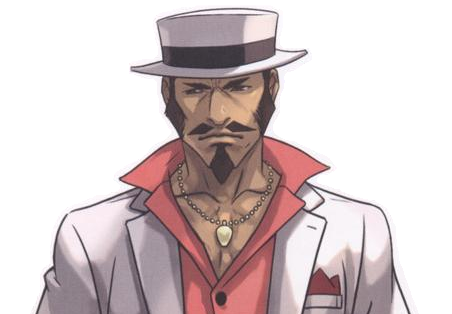
Not since Buster Keaton has anyone looked so good in a pork pie. Despite being a shifty character with questionable ethics, Shadi Smith is a really sharp dresser. There are many fantastic hats in the Ace Attorney series, from magician’s top hats to policewomen’s berets, but none seems more stylish or elegant than Shadi Smith’s classy pork pie hat.

7. Carmen Sandiego’s Fedora (Where in the World is Carmen Sandiego?)

Carmen Sandiego's Fedora

As a child, I played Where in the World Is Carmen Sandiego? on my family’s ancient black-and-white Apple Macintosh. (I’m pretty sure the above picture of Ms. Sandiego comes from another game in the series, but it’s the best I could find.) It was educational gaming at its finest: besides learning about geography and national flags, I got a taste of fashion from Carmen Sandiego’s criminally fabulous fedora.

6. Red’s Baseball Cap (Pokémon FireRed)

Red's Baseball Cap

This one was a toss-up between the hats worn by Red from Pokémon and Ness from Earthbound. Red won because his baseball cap is quite a bit cooler. (Besides, Red’s cap in the original Pokémon Red was the inspiration for Ash Ketchum’s iconic hat in the Pokémon anime.) Like Quote, Red takes a common item of casual apparel and makes it seem dashing and even heroic.

5. Agent Chieftain’s Stetson (Elite Beat Agents)

Agent Chieftan's Stetson

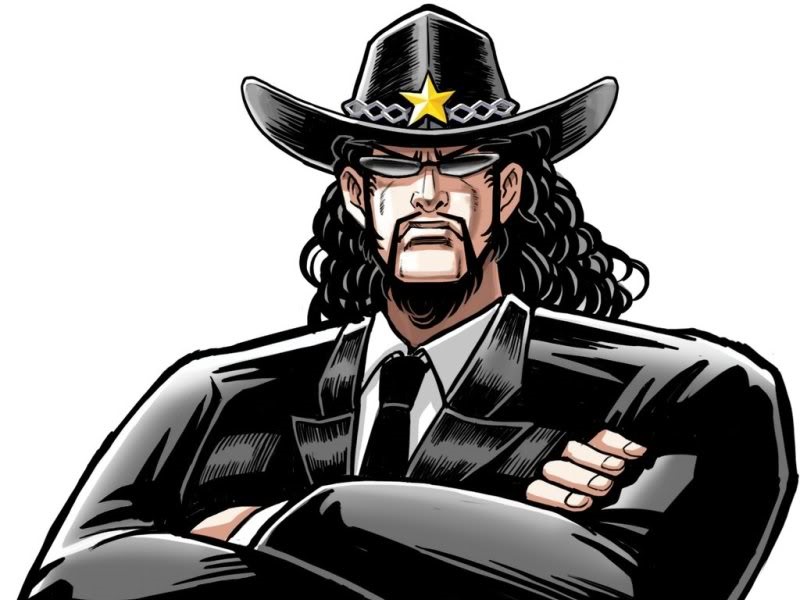
Elite Beat Agents is a wonderful rhythm game for the Nintendo DS in which government secret agents assist people in desperate need by invoking the inspirational power of song and dance. (Yes, the game is every bit as weird—and awesome—as it sounds.) Agent Chieftain, a senior agent of the Elite Beat Agency, flaunts a flashy Stetson that adds a dash of cowboy flair to his plain suit and tie.

4. Red Mage’s Wizard Hat (Final Fantasy III)

Red Mage's Wizard Hat

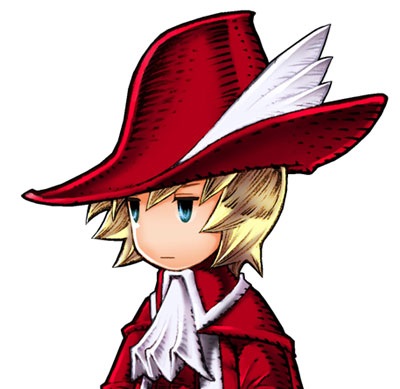
Although the Black Mages from the Final Fantasy series have neat hats, the Red Mages earn this place on the list with their gorgeous crimson hats adorned with snowy feathers. Other Final Fantasy characters have clunky helmets, dull hats or plain hoods. Red Mages alone uphold the lofty standards of fashion while defending their worlds from demons, dragons and other monsters.

3. Mario’s Flat Cap (Super Mario 64)

Mario's Flat Cap

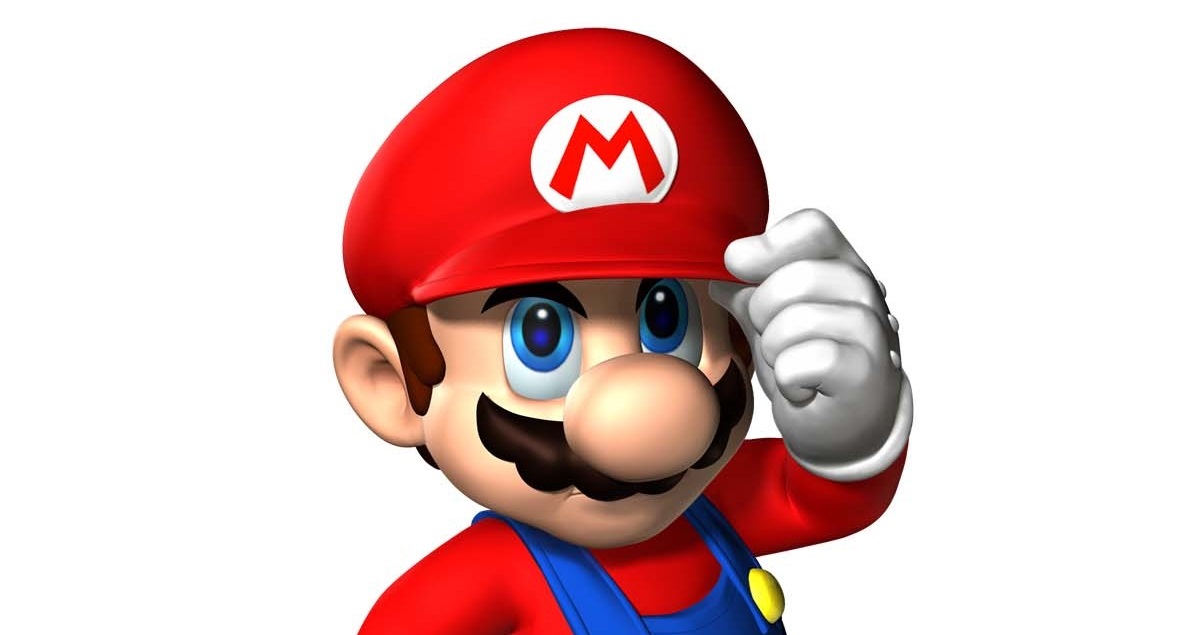
How could I not include Mario’s cap? It’s indisputably the most famous video game hat in the world, and definitely one of the neatest. Mario’s cap from Super Mario 64 deserves special mention for giving Mario superpowers, including flight. Few things in video games have been more fun for me than soaring around the game’s locales with Mario’s winged cap. Like its owner, this hat is remarkable.

2. Professor Layton’s Top Hat (Professor Layton and the Curious Village)

Livewire-AGE

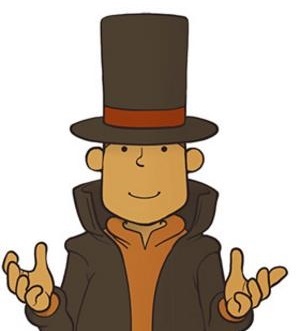
I have absolutely nothing to add.

1. Link’s… Cap? (The Legend of Zelda: The Minish Cap)

Link's... Cap

Link’s cap is one of the most iconic elements of the Legend of Zelda series. It’s instantly recognizable—seriously, how many legendary heroes wear green pointed caps? Link achieves an incredible feat in every Zelda game by looking cool in a hat that wouldn’t seem out of place on one of Santa’s elves. As much as I like it, I wouldn’t give Link’s cap the number one spot on this list if it weren’t for one detail: it talks. In The Legend of Zelda: The Minish Cap, Link is joined on his quest by Ezlo, an enchanted hat who gives advice, grumbles, cracks jokes and turns out to be one of the most engaging characters in the entire Zelda series. For its iconic status, surprisingly cool appearance and amusing dialogue—I can’t believe I’m saying this about a hat—Link’s cap is TMTF’s pick for the best hat in a video game.

O people of the Internet, what great video game hats would you add to this list? Let us know in the comments!

169. Kingdom Hearts

Do you remember when I claimed the Super Mario Bros. games are weird?

Forget about them. For video game weirdness, look no further than Kingdom Hearts.

Kingdom Hearts

I may have mentioned this series once or twice before, but it’s worth taking an entire post just to examine how incredibly strange it is.

In fact, the only thing stranger than the Kingdom Hearts games is that they’re actually pretty awesome.

I won’t even try to explain the story of Kingdom Hearts. Frankly, I’m not sure I understand it. The plot is endlessly convoluted, hinging on a complicated cosmology that’s never really explained. Locations in the Kingdom Hearts games might be illusions, memories, computer-generated virtual realities or even real places. Characters might be Heartless, which are ex-people; Nobodies, which are pseudo-people; computer programs, which aren’t any kind of people; or even—wonder of wonders!—ordinary people.

Odd as these things are, they don’t begin to compare to the thing that’s strangest about the Kingdom Hearts games: they’re a collaboration between Disney and Square Enix, which means Final Fantasy characters rub shoulders and bump elbows with characters from classic Disney films.

Yes, this means a murdering, genocidal psychopath like Sephiroth is in the same game as Winnie-the-Pooh. Complex, brooding heroes like Cloud Strife and Auron interact with Goofy and Donald Duck.

Oh, and did I mention the protagonists of the Kingdom Hearts games fight with oversized keys?

I'm desperately resisting the urge to make several key-related puns.

I’m desperately resisting the urge to make key-related puns.

Even though the story of the Kingdom Hearts games is all but incomprehensible, it manages to deliver many surprisingly touching moments. The plot may be confusing, but the characters are easy enough to understand. Wonderful character moments such as poignant goodbyes and tragic sacrifices leave the player misty-eyed. At least, they left this player misty-eyed.

The Kingdom Hearts series belongs to the genre known as hack and slash, in which gameplay consists mostly of hitting things with swords… or keys. Fortunately, the series adds exploration, platforming, role-playing elements, minigames and other gameplay mechanics to prevent the games from becoming stale.

Although its story is hard to follow, the Kingdom Hearts games have some of the best presentation I’ve ever seen in video games. The music is fantastic, whether it happens to be upbeat or heart-rending, and the voice acting is superb. (Disney got most of the voice actors for its classic characters to reprise their roles for the Kingdom Hearts games.) The cutscenes are impressive and occasionally a bit trippy.

You know, trippy is a fine word for the Kingdom Hearts series. The games are trippy in the best possible way. If you ever play a Kingdom Hearts game, don’t try to understand it. Just enjoy the ride, and try not to lose your keys.