TMTF’s Top Ten Hats in Video Games

I recently learned of an indie game titled Fez. The game’s protagonist wears a fez, presumably because fezzes are cool. (We all know this.) This game reminded me that characters in video games have some pretty sweet hats.

As a gamer, blogger and proud owner of several hats, I believe it’s my solemn duty to decide which video game hats are the best.

The following rules apply: I’ll choose hats only from games I’ve played, and I’ll select no more than one hat from any game series. Only original video game hats are permitted: no hats from licensed characters like Indiana Jones or Donald Duck. Hoods, helmets, headbands, ribbons and all headgear except hats and caps are disqualified from this list.

Now, ladies and gentlemen, hats off as TMTF proudly presents…

The TMTF List of Top Ten Hats in Video Games!

10. Quote’s Baseball Cap (Cave Story)

Quote's Baseball Cap

Quote, the amnesiac hero of indie classic Cave Story, manages to look quite heroic in a simple baseball cap. The hat isn’t particularly fancy or elegant, but its bright white and red design helps Quote’s pixelated figure stand out against the muted blacks and browns of Cave Story‘s subterranean locales. On an entirely different note, do the buttons on Quote’s hat remind anyone else of Mickey Mouse’s shorts?

9. Cormano’s Sombrero (Sunset Riders)

Cormano's Sombrero

This Mexican gunslinger, who has been described as “either groundbreakingly inclusive or an offensive stereotype, take your pick,” is a playable character from Sunset Riders for the SNES. The game consists mostly of shooting stuff. Cormano’s skill with a rifle is belied by his sombrero, which is colored bright magenta and shaped like a taco. Never has the Old West been so fabulous!

8. Shadi Smith’s Pork Pie Hat (Apollo Justice: Ace Attorney)
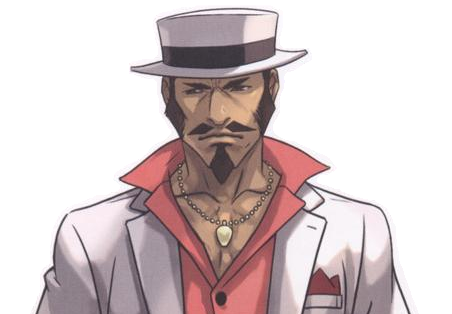
Shadi Smith's Pork Pie Hat

Not since Buster Keaton has anyone looked so good in a pork pie. Despite being a shifty character with questionable ethics, Shadi Smith is a really sharp dresser. There are many fantastic hats in the Ace Attorney series, from magician’s top hats to policewomen’s berets, but none seems more stylish or elegant than Shadi Smith’s classy pork pie hat.

7. Carmen Sandiego’s Fedora (Where in the World is Carmen Sandiego?)

Carmen Sandiego's Fedora

As a child, I played Where in the World Is Carmen Sandiego? on my family’s ancient black-and-white Apple Macintosh. (I’m pretty sure the above picture of Ms. Sandiego comes from another game in the series, but it’s the best I could find.) It was educational gaming at its finest: besides learning about geography and national flags, I got a taste of fashion from Carmen Sandiego’s criminally fabulous fedora.

6. Red’s Baseball Cap (Pokémon FireRed)

Red's Baseball Cap

This one was a toss-up between the hats worn by Red from Pokémon and Ness from Earthbound. Red won because his baseball cap is quite a bit cooler. (Besides, Red’s cap in the original Pokémon Red was the inspiration for Ash Ketchum’s iconic hat in the Pokémon anime.) Like Quote, Red takes a common item of casual apparel and makes it seem dashing and even heroic.

5. Agent Chieftain’s Stetson (Elite Beat Agents)

Agent Chieftan's Stetson

Elite Beat Agents is a wonderful rhythm game for the Nintendo DS in which government secret agents assist people in desperate need by invoking the inspirational power of song and dance. (Yes, the game is every bit as weird—and awesome—as it sounds.) Agent Chieftain, a senior agent of the Elite Beat Agency, flaunts a flashy Stetson that adds a dash of cowboy flair to his plain suit and tie.

4. Red Mage’s Wizard Hat (Final Fantasy III)

Red Mage's Wizard Hat

Although the Black Mages from the Final Fantasy series have neat hats, the Red Mages earn this place on the list with their gorgeous crimson hats adorned with snowy feathers. Other Final Fantasy characters have clunky helmets, dull hats or plain hoods. Red Mages alone uphold the lofty standards of fashion while defending their worlds from demons, dragons and other monsters.

3. Mario’s Flat Cap (Super Mario 64)
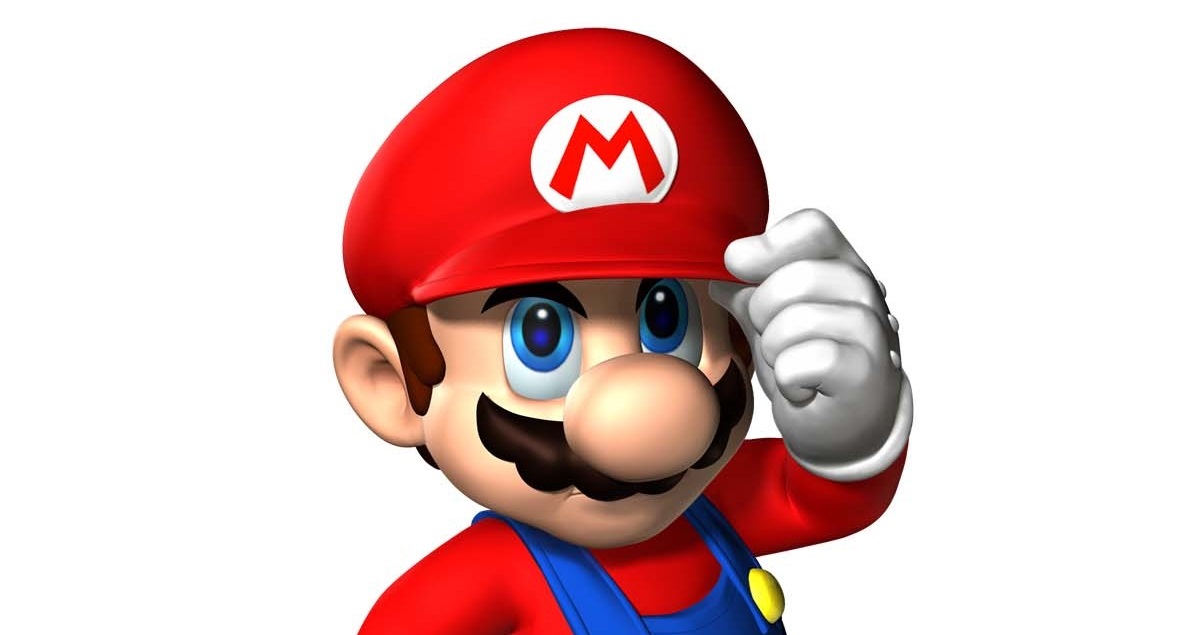
Mario's Flat Cap

How could I not include Mario’s cap? It’s indisputably the most famous video game hat in the world, and definitely one of the neatest. Mario’s cap from Super Mario 64 deserves special mention for giving Mario superpowers, including flight. Few things in video games have been more fun for me than soaring around the game’s locales with Mario’s winged cap. Like its owner, this hat is remarkable.

2. Professor Layton’s Top Hat (Professor Layton and the Curious Village)

Livewire-AGE

I have absolutely nothing to add.

1. Link’s… Cap? (The Legend of Zelda: The Minish Cap)

Link's... Cap

Link’s cap is one of the most iconic elements of the Legend of Zelda series. It’s instantly recognizable—seriously, how many legendary heroes wear green pointed caps? Link achieves an incredible feat in every Zelda game by looking cool in a hat that wouldn’t seem out of place on one of Santa’s elves. As much as I like it, I wouldn’t give Link’s cap the number one spot on this list if it weren’t for one detail: it talks. In The Legend of Zelda: The Minish Cap, Link is joined on his quest by Ezlo, an enchanted hat who gives advice, grumbles, cracks jokes and turns out to be one of the most engaging characters in the entire Zelda series. For its iconic status, surprisingly cool appearance and amusing dialogue—I can’t believe I’m saying this about a hat—Link’s cap is TMTF’s pick for the best hat in a video game.

O people of the Internet, what great video game hats would you add to this list? Let us know in the comments!


This post was originally published on April 8, 2013. TMTF shall return with new content on April 20, 2015!

A Collection of Fabulous Video Game Mustaches

Stache Stash

Clockwise, beginning at the top right: Yang (Final Fantasy), Mario (Super Mario Bros.), Dr. Eggman (Sonic the Hedgehog), Dr. Wily (Mega Man), Wario (Super Mario Bros.), Naked Snake (Metal Gear Solid), Don Paolo (Professor Layton) and Marvin Grossberg (Ace Attorney).

This is a collection of magnificent video game mustaches: a stache stash, if you will. Which is best? My money is on Mario’s mustache. It lacks the extravagant flair and staggering size of the competition, yet it boasts an understated charm.


This post was originally published on May 8, 2013. TMTF shall return with new content on April 20, 2015!
349. TMTF’s Top Ten Video Games for People Who Don’t Play Video Games

Most of my dear readers aren’t really into video games. If you’re one of those readers, this post is for you!

Like most bloggers, I glance at my blog’s statistics from time to time. My blog host, WordPress, tracks views for each post on TMTF. I’ve noticed that posts about video games are among the least popular on this blog. This realization points to one logical course of action.

What’s that? I should stop writing blog posts about video games? Don’t be ridiculous! If my posts about games aren’t popular with my readers, there is clearly just one rational solution: I must encourage my readers to play more video games!

(Yes, I’m joking.)

Here are ten video games I recommend for anyone who doesn’t play video games. Most of these titles are easy for casual gamers to pick up and play, with a few must-play classics sprinkled in for good measure. These games—which represent a variety of genres and gaming generations—are upbeat, accessible, and fun to play.

The game is afoot, ladies and gentlemen, as TMTF presents…

The TMTF List of Top Ten Video Games for People Who Don’t Play Video Games!

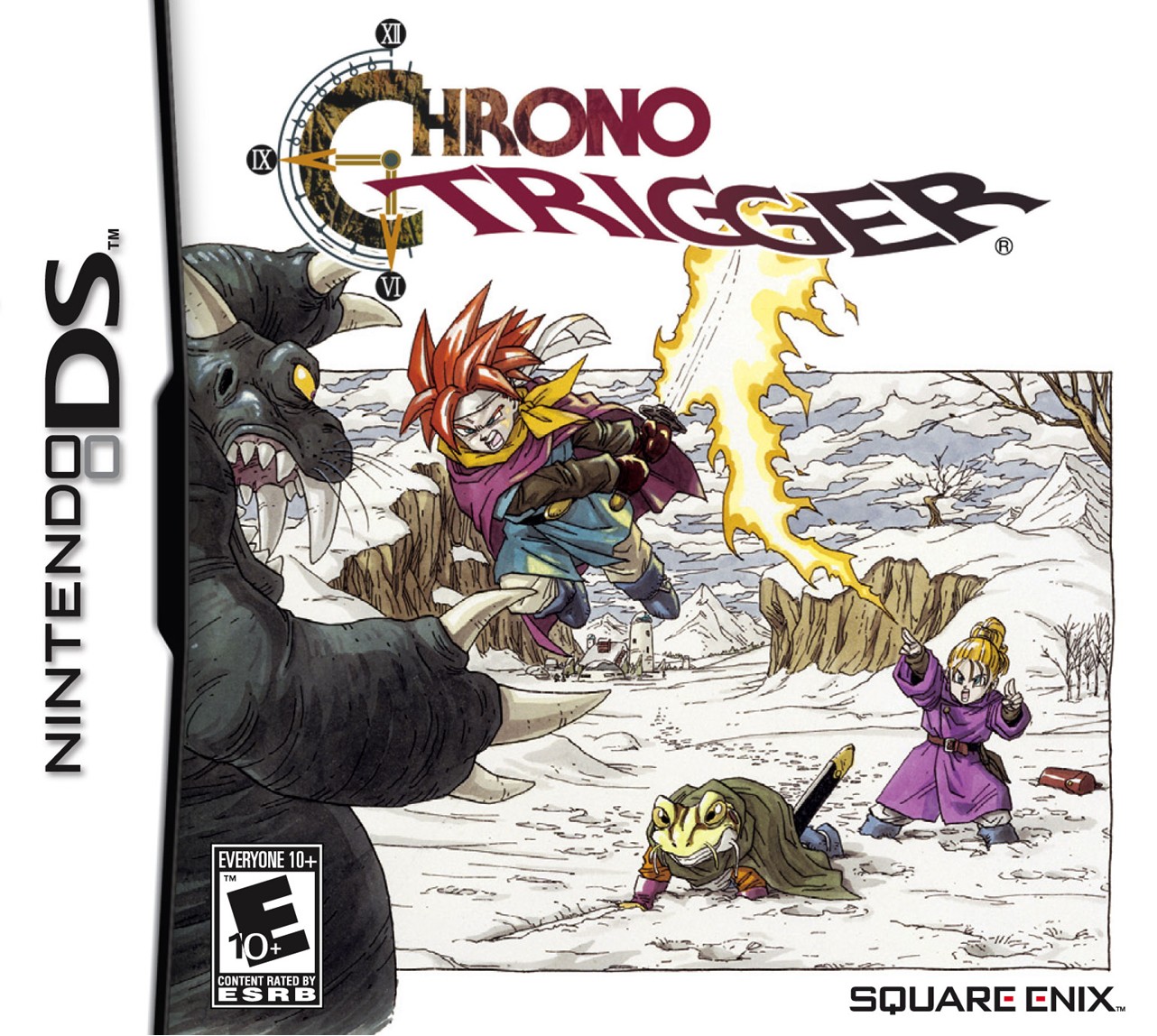
10. Chrono Trigger (Nintendo DS)

Chrono Trigger DSWe’re starting with a masterpiece, which is low on this list because it’s also a bit of a challenge for beginners. I tried to find a short, easy RPG (Role-Playing Game) for casual players, but the easy ones aren’t really worth playing. Chrono Trigger is a little complex, yet simpler than most classic RPGs—and dang if this isn’t a beautiful game.

Chrono Trigger is probably the best RPG I’ve ever played. It was revolutionary in its time, and it has aged well. The music, graphics, characters, and battle system are all superb. I recommend the Nintendo DS version above all others: the translation is vastly improved, a few handy features are added, the game can be played on the go, and it’s far easier to find than previous versions. If you play no other RPG in your lifetime, play this one!

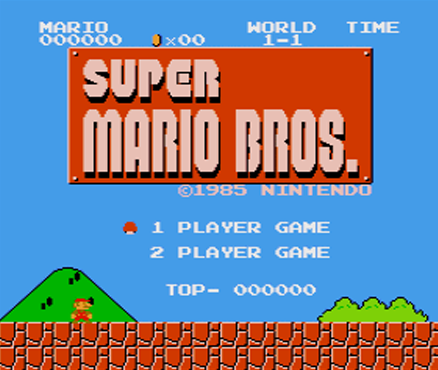
9. Super Mario Bros. (Nintendo 3DS/Wii U eShop)

Super Mario Bros.This is where it all began. Super Mario Bros. hearkens back to the early days of video games, when it launched Mario into his shining career as the most famous character in the industry. The game has aged brilliantly: after thirty years, it’s still tons of fun and pretty easy to play.

This is the world’s most recognizable platformer: an iconic iteration in the Jumping on Stuff genre of video games. Nearly all platformers that followed, including greats like the earlier Sonic the Hedgehog games, owed it all to this one. Super Mario Bros. isn’t merely a classic game. It is, unequivocally, the classic game.

8. Shantae and the Pirate’s Curse (Nintendo 3DS/Wii U eShop)

Shantae and the Pirate's CurseShantae and the Pirate’s Curse is a short, sweet, funny introduction to the action-adventure genre: a blend of exploring, fighting, and puzzle-solving. Available on Nintendo’s eShop, the game offers all the retro-styled joy of classics like Metroid, Mega Man, and Cave Story without their nail-biting difficulty and frustration.

This game is superb: a love letter to the games of yore that adds an upbeat tone and zany style. Shantae and the Pirate’s Curse is relatively short, an advantage for casual players. I must also give it bonus points for being absolutely freaking adorable.

7. Ocarina of Time 3D (Nintendo 3DS)

Ocarina of Time 3DConsidered by many to be the greatest video game ever made, The Legend of Zelda: Ocarina of Time is the quintessential adventure game. I can hardly overstate its excellence. It defined both a genre and a generation.

The original version of Ocarina of Time shows its age, but the Nintendo 3DS version makes the game accessible by putting it on a mobile system with better graphics, redesigned menus, and an elegant hint system to help casual players. Even the Water Temple, a stage of infamous difficulty, has been streamlined. Ocarina of Time may be the world’s best video game, and this is certainly its best version.

6. Elite Beat Agents (Nintendo DS)

Elite Beat AgentsElite Beat Agents is pleasantly bonkers. Imagine someone putting a lot of popular songs (“September,” “Y.M.C.A.,” and “Material Girl,” among others) in a blender along with comic books, Japanese anime on VHS tapes, and disco fashion. This rhythm game is the result, inviting players to tap their way through more than a dozen absurd scenarios.

The premise of Elite Beat Agents is that a secret government agency assists desperate people through the inspirational power of song. It’s every bit as wacky as it sounds, and any player with a sense of rhythm (and a sense of humor) will probably enjoy it.

5. Portal (Microsoft Windows/Xbox 360/PlayStation 3)

PortalPortal puts players in the high-tech boots of Chell, a woman who wakes up in an abandoned research facility with only a deranged (and delightfully funny) computer for company. Chell must escape armed only with an Aperture Science Handheld Portal Device that opens interconnected gates in three dimensional space. (It’s cooler than it sounds.)

Portal is a puzzle game, and probably the best example I’ve seen of a video game as art. The portal concept seems complicated for the first few minutes, but quickly becomes intuitive as the game puts players through puzzles on a gentle difficulty curve. Portal is brilliant, funny, sophisticated, and conveniently short at just a few hours long. While its sequel, the legendary Portal 2, is the better game, Portal is the perfect place to start.

4. Mario Kart: Double Dash!! (Nintendo GameCube)

Mario Kart - Double Dash!!Mario Kart games are one part racing, one part warfare, and all parts fun. The games are all about beating competitors to the finish line… and also beating them with an assortment of damaging objects. Watch out for banana peels, explosives, and high-speed projectiles! Mario Kart games are a blast, sometimes literally.

Mario Kart: Double Dash!! is, in my humble opinion, the best of the bunch. The controls are straightforward and finely tuned. The racetracks are well-designed. Best of all, having two racers per go-kart allows for cooperation between players, not just competition. Newer players can pair up with more experienced ones.

3. Wii Sports (Wii)

Wii SportsThis is the ultimate casual game. All it requires is the ability to wave a controller that looks like a TV remote, and the willingness to look silly doing it. Wii Sports isn’t a deep game, but it doesn’t need to be. It offers fun, simple activities like golf and bowling. They won’t keep you hooked for hours, but they’re quite enjoyable in short sessions or with friends.

The real joy of Wii Sports is in getting up and moving. Motion controls are usually a cheap gimmick, but Wii Sports is one of the few games to use them really well. It may not be long or complex, but it’s an inviting place for casual gamers to start.

2. Phoenix Wright: Ace Attorney – Dual Destinies (Nintendo 3DS eShop)

Ace Attorney - Dual DestiniesWhen I first played an Ace Attorney game, I expected it to be dull—how could a video game about the legal profession be any fun at all? I was absolutely wrong. Ace Attorney is a series of interactive murder mysteries, with some courtroom drama and a ton of humor thrown in for good measure.

In the pretentiously-titled Phoenix Wright: Ace Attorney – Dual Destinies, the courts have entered a “dark age” in which suspicion and corruption run rampant. Wright and his team must defend their clients—including, in one memorable case, an innocent killer whale—as they unravel the mystery behind the dark age of the law. Dual Destinies is the best the Ace Attorney series has to offer, with polished mechanics and stellar storytelling. It’s also a great starting point for players new to the series, demanding no knowledge of previous games.

1. Professor Layton and the Last Specter (Nintendo DS)Professor Layton and the Last SpecterHave you ever picked up a book of puzzles—you know, a collection of mazes, word searches, riddles, math questions, brainteasers, and crosswords? The Professor Layton games are basically those puzzle books, but a thousand times more charming. They also feature tales of intrigue and mystery, all starring the top-hatted Hershel Layton.

Professor Layton and the Last Specter is the first chapter of Layton’s story, but not the first game in the series. By this point, the series has hit its stride. The puzzles are delightfully varied, the style is charming, and the Professor himself is a refreshingly polite, kindhearted alternative to more traditional video game heroes. For those who don’t play video games, I can offer no higher recommendation than the good Professor’s puzzles!

What casual games do you recommend? Let us know in the comments!

The Not-a-Game Argument

I’m no expert on logical fallacies, but that doesn’t stop me from being annoyed by them. The Not-a-Game Argument is one of the worst. (I’m sure it has a proper name, but I haven’t bothered checking.)

Nintendo recently added some indie games to its online store. One of them, Gone Home, is an interactive story in which the player pieces together a narrative by wandering around a mansion and examining things. There are no bad guys to fight and no obstacles to overcome. It’s not a particularly video game-y video game.

The gaming community is not the friendliest, and some gamers have apparently been outraged by Gone Home. How dare its developers call it a game! It’s just a simulation, a story told passively, an affront to the artistic integrity of video games—including, I suppose, all the sophisticated and highly artistic games dedicated to shooting stuff.

Is Gone Home a video game? I’m not sure it matters. The problem with the Not-a-Game Argument is that it sidesteps the real questions. Is Gone Home good or bad? Is it art? Does it tell a good story? The Not-a-Game Argument refuses to ask these questions. It says, “I don’t like Gone Home, therefore it’s not a game and doesn’t have to be taken seriously. All arguments in its favor are invalidated, and can be ignored, because it doesn’t fit my personal specifications for a video game.”

The Not-a-Game Argument can be applied to anything. I can tell a Twilight fan, “I think the Twilight books are rubbish. Because you like them, your literary opinions must all be wrong.” I can tell an atheist, “I believe your worldview is incorrect, therefore I can ignore all of your views.” The Not-a-Game Argument is just a flimsy excuse for dismissing opinions we dislike.

Whether or not Gone Home is really a game, it’s worth taking seriously. Atheism, the Twilight books, and nearly everything else deserve consideration regardless of whether we end up agreeing with them. Not every conclusion is right, but every argument deserves to be heard.

In other news, Leo in the video above has perhaps the most soothing voice I’ve ever heard. It’s the polar opposite to Gilbert Gottfried’s harsh, grating tone. Gilbert and Leo should get together sometime and read poetry aloud.

309. TMTF Reviews: Mario & Luigi – Dream Team

Since deciding to review video games on this blog, I’ve covered a lot of violent ones. I’ve played titles in the Metal Gear Solid and Resident Evil series: games featuring guns, explosions, zombies, guns, death, nuclear weapons, and guns. Heck, I’ve played more violent video games in the past year alone than in all the years that came before.

It’s high time for something quirky and colorful. After so many gritty games, it’s time for a title that’s a little more… dreamy.

Mario & Luigi: Dream Team for the Nintendo 3DS the latest in a series of offbeat RPGs (role-playing games) starring a pair of portly plumbers. Mario’s RPGs are generally something special, and I hoped Dream Team would be no exception.

Does it play like a dream? Is is a nightmarish mess?

Mario & Luigi - Dream Team

Mario & Luigi: Dream Team (Nintendo 3DS, 2013)

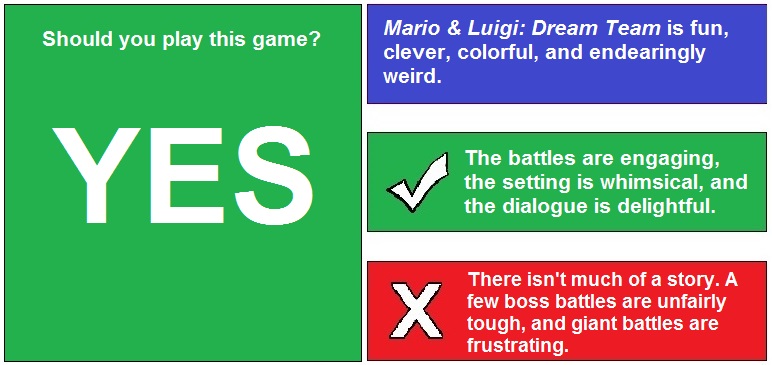
Mario & Luigi: Dream Team may not be the greatest Mario RPG ever made, but it’s superb… and strange. It’s very, very strange.

TMTF Reviews - Dream Team

Fever Dreams

When Mario and Luigi fly to Pi’illo Island for a restful visit, their vacation is disturbed by Antasma, a creature who haunts the world of dreams. Led by the prince of the ancient Pi’illo people, the Mario bros must rescue Pi’illo Island. They have one advantage: Luigi’s ability to nap anywhere allows him to open portals to the dream world, where things get weird.

Mario games are always a bit strange, but Dream Team is absolutely ridiculous. This is a game in which pillows talk, bizarre monsters roam freely, and Russian-accented bodybuilders obsess over beef—and all this in the “real” world. When the Mario bros dive into the dream world, it gets positively trippy. It’s a place in which timeless spirits talk on cell phones and geek out over superheroes.

The Mario RPGs have an unfair share of charm, and Dream Team is absolutely no exception. The setting is colorful, the characters are whimsical, and the dialogue is endearingly goofy. Dream Team is bright, absurd, and occasionally heartwarming.

Sadly, for all its strengths, the game doesn’t have much of a story. RPGs are often defined by strong narratives, and Dream Team doesn’t really have one. It’s a game whose story consists mostly of a series of objectives to be completed. I also lamented the lack of Fawful from previous Mario & Luigi games. His overenthusiastic villainy and mangled English were delightful, and his absence makes Dream Team a tiny bit less special.

Two’s a Crowd

Like the games before it, Dream Team gives the player separate, simultaneous control of both Mario bros. It takes a little practice, but controlling two characters allows for some engaging puzzles and battles.

The battle system is probably the game’s greatest strength. RPGs are built around strategy-based fights. Dream Team continues the Mario tradition of adding rhythm and timing to strategy. Instead of merely punching in commands and watching the battle unfold, the player must use timely button presses to attack and dodge. Battles, which so often become a chore in RPGs, are consistently fun.

I say consistently, not constantly, fun; a few of the tougher fights are frustrating. Casual players may appreciate the option for an “Easy” mode for boss battles. Without it, a couple of fights (especially the very last one) are unfairly tough.

Dream Team also features “giant battles” in which Luigi grows to colossal size in his dreams to take on huge foes. These battles look cool and use the Nintendo 3DS in innovative ways… but also take way too long, demand perfect timing, and allow practically no margin for error. It was hard to appreciate the giant battles when they made me want to smash my younger brother’s Nintendo 3DS against the wall.

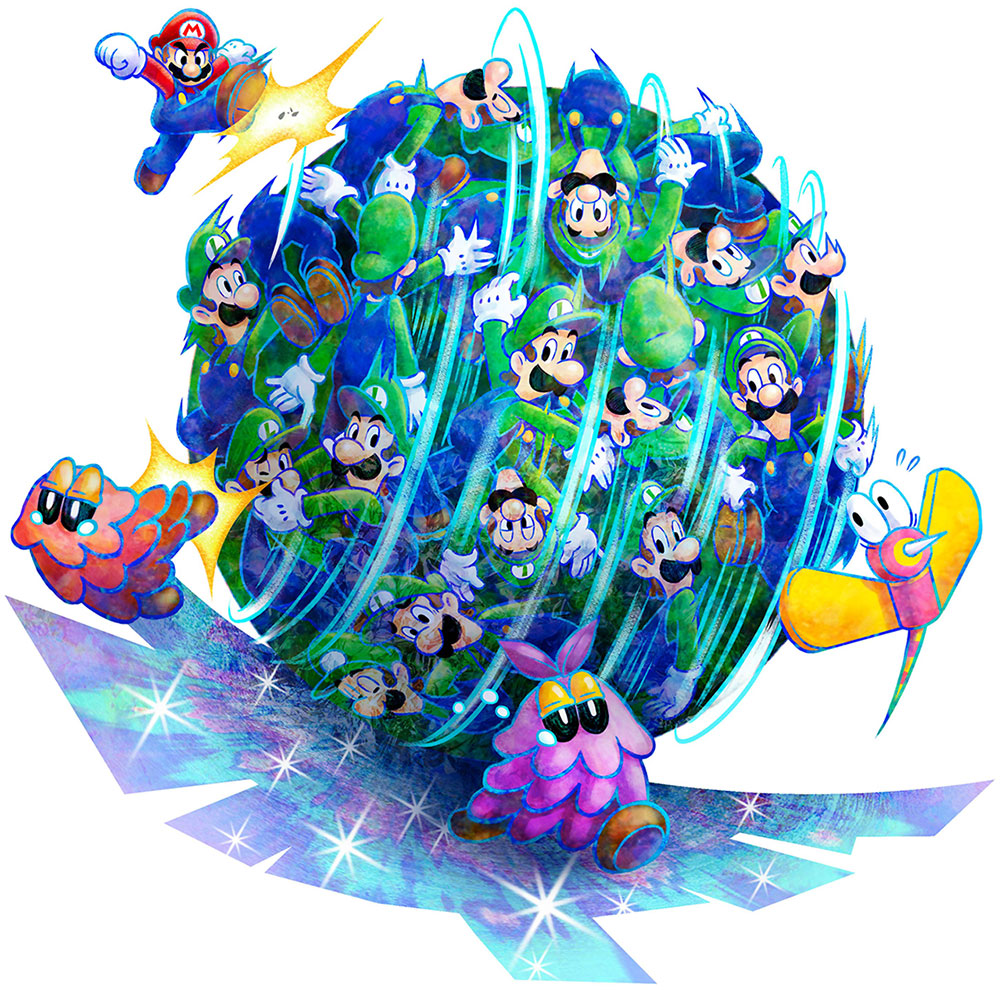
The “real” world in Dream Team is built as an isometrically-viewed RPG. The dream world, however, is viewed horizontally like a traditional Mario side scroller. Switching perspectives is refreshing. Even battles function differently in the dream world. As Mario dives into Luigi’s dreams, the slumbering Luigi is replaced by dream versions of himself. “Dreamy Luigi” can multiply himself to do all sorts of trippy things, from stacking up to rolling around in a ball. It’s surreal, and kinda awesome.

Dreamy!

That’s just how Luigi rolls.

Dreamy!

Although it can be frustrating at times, Mario & Luigi: Dream Team is upbeat, engaging, and fun—and bizarre in the most wonderful ways.

After so many grim games with guns, it was nice to enjoy something lighter, brighter, and altogether more cheerful. I expected charm and whimsy. I wasn’t disappointed. What I didn’t expect was talking pillows and beef-obsessed bodybuilders, but that’s just icing on a very sweet cake.

307. Goodbye, Brawl in the Family

I’ve seen many little blessings vanish from my life. The Harry Potter books concluded. Avatar: The Last Airbender aired its final episode. Nintendo Power ceased publication. (This noble magazine was too clearly good for this world; may it rest in peace.) One by one, these sparks of joy and humor were extinguished, leaving my world a tiny bit darker.

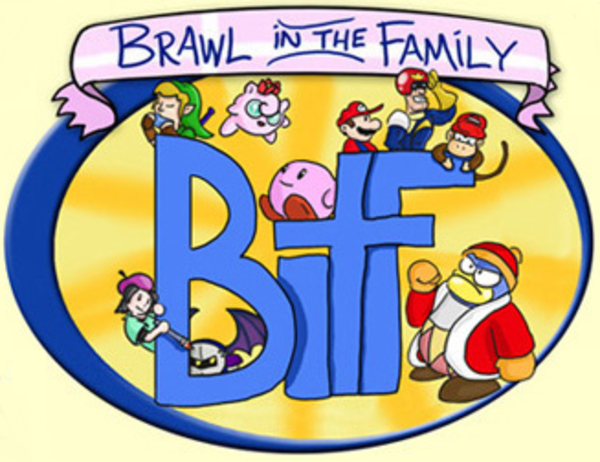
Today the Internet loses a great webcomic. Brawl in the Family has ended its six-year run, and I am reminded of how fleeting are most of the good things in life.

I shall miss you. Well, may not you, Ice Climbers, but I'll miss the rest of you.

(Am I seriously writing a blog post mourning the end of a webcomic? Yes. Yes, I am.)

Anyone familiar with Nintendo and its games should check out Brawl in the Family immediately. BitF is a superb webcomic. (However, it’s also packed with video game-specific humor, so non-Nintendo fans shouldn’t feel bad for giving it a miss.)

As a person who creates stuff and throws it at the Internet, I admire the creators of BitF. I’ll miss its cartoony style and gentle humor. The comic’s jokes were often sophisticated, using absurdism or deconstructionism to poke fun at Nintendo’s video games… and then some of the comic’s jokes were just really bad puns.

BitF has long brightened quiet corners of this blog. The comic inspired one of TMTF’s earliest posts, taught me the history of Nintendo in one ridiculously catchy song, and made bearable one of the darker days of my life. And have you noticed the green coffee cup I hold in one of this blog’s banners? It’s a nod to the comic. Heck, BitF has made so many appearances on TMTF that I’ve considered giving the comic its own tag.

I’ll miss Kirby, Dedede, and the comic’s other oddball characters. I’ll even miss Waluigi and his surreal (and invariably purple-colored) antics.

Waluigi goes trick-or-treating

One of the comic’s creators is going on to develop his own video game and compose game soundtracks. As much as I’ll miss his comic, I can appreciate that he wants to move on to new things.

Goodbye, Brawl in the Family. Thanks for brightening my life with laughter, absurdity, and Kirby-eats-something jokes.

I’m gonna miss you, Kirby.

Video Game Systems Sure Make Great Instruments

Musical instruments may be designed to produce a specific sound, but that doesn’t stop some musicians from using a single instrument to make all kinds of noises. For example, guitarist Phil Keaggy and cellist Steven Sharp Nelson use their instruments in incredibly creative ways. In my all-time favorite arrangement of Pachelbel’s Canon, Mr. Nelson strums his instrument like a banjo and beats it like a drum besides playing it as, you know, a cello.

Some clever musician on YouTube composed and performed some lovely music: smooth electronica backed by acoustic percussion. The only instruments used were three video game consoles: a Wii, an Xbox 360, and a PS3. The song is titled “Console Wars.” Of course.

I’m amazed at how a coherent melody, let alone such a charming one, could be arranged from the beeps of systems powering on, the jingles of menu screens, the clicks of analogue sticks, and the soft thumps of hands hitting plastic.

I like video game music, and I’ve shared a lot of it. This song isn’t like any I’ve ever heard. I wonder what other everyday objects could be used as instruments….

284. TMTF’s Top Ten Toughest Dudes in Video Games

It would be tough to live in a video game.

Seriously, I wouldn’t last two minutes. If I were extremely fortunate, I might end up in a nice, nonviolent title like Animal Crossing or Professor Layton. I would more likely blunder into a racing game, fantasy RPG or first-person shooter and be run over, beheaded or blown to bits. Even family-friendly titles like Mario Kart offer plenty of opportunities for violence and mayhem. (Curse you, blue shells!)

With perils, pitfalls, monsters, explosions, blades, bullets, traps, tyrants or bottomless pits at every turn, life as a video game character must be tough. It makes sense, then, for video game characters to be tough dudes. Today, dear reader, we will look at ten of the toughest.

For the purpose of this list, toughness is defined as the quality of being durable, stoic, intimidating and that word I can’t use. The usual top ten list rules apply: only characters from games I’ve played, only one character per game series, no licensed characters from other media (e.g. Han Solo or Indiana Jones) and so forth.

Toughen up, ladies and gentlemen, as TMTF presents…

The TMTF List of Top Ten Toughest Dudes in Video Games!

Be ye warned, here there be minor spoilers.

10. Wobbuffet (Pokémon series)

Wobbuffet

At this point there are more than seven hundred Pokémon, representing all kinds of creatures and concepts. It makes perfect sense, then, that there is a punching bag Pokémon. In battle, Wobbuffet doesn’t ever strike first, but receives blows and then counterattacks. The stoic, patient way it takes its enemies’ attacks is astonishing.

9. Chell (Portal series)

Chell

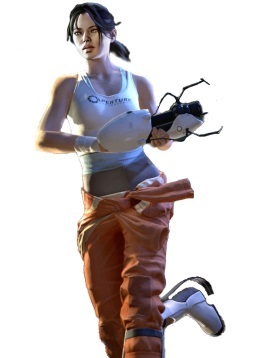
Chell isn’t a dude, per se, but the mute protagonist of the Portal games is as tough as they come. Unfazed by deadly traps, frightening falls and the childish taunting of a deranged opponent, Chell solves puzzles and cheats death with a deadpan expression and stubborn silence that would make Clint Eastwood proud.

8. Link (Legend of Zelda series)

Tough Link

Link is an all-purpose hero, navigating dark dungeons, solving puzzles, defeating monsters and wielding an endless array of weapons with effortless aplomb. Neither horrifying enemies nor baffling riddles seem to trouble him in the slightest, and no obstacle or pitfall ever derails his adventures. Link would be much higher on this list if he were not so adorable.

7. Jim Raynor (StarCraft)

Jim Raynor

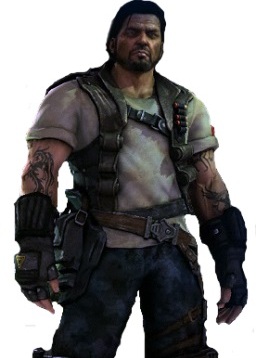
Jim Raynor—a man covered in tattoos and ammunition, and probably smelling of whiskey, tobacco and engine grease—is a marshal-turned-outlaw-turned-hero. Bringing together the grit of a Wild West lawman and the tactical brilliance of an admiral, this spacefaring marine is betrayed by humans, hunted by space monsters and feared by practically everyone.

6. Bowser (Mario series)

Bowser

Bowser may be surly, self-absorbed and not very bright, but there’s no denying he’s tougher than iron. This hulking monster survives eight plunges into molten lava in his first game alone. The games that follow subject Bowser to falls, beatings and all kinds of injuries, yet the only thing he ever seems to bruise is his ego.

Update: My younger brother corrected me by pointing out that Bowser plunges into lava only once in his first game, not eight times. Notwithstanding this correction, Bowser is a pretty tough dude.

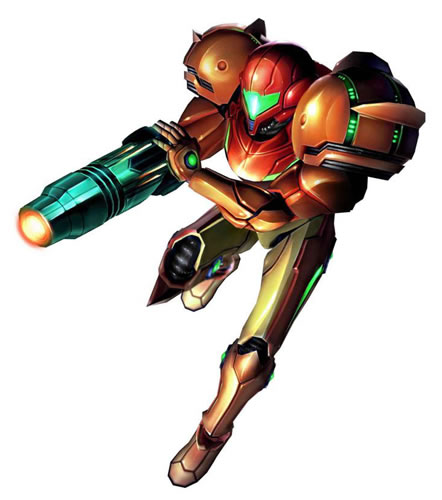
5. Samus Aran (Metroid series)

Samus Aran

Samus Aran, like Chell, isn’t a dude, but that never keeps her from being resourceful, independent and ridiculously tough. Venturing alone onto enemy spaceships and hostile planets, Samus guns down the galaxy’s most dangerous criminals and escapes without a scratch. Truly, hell hath no fury like a woman with a laser cannon.

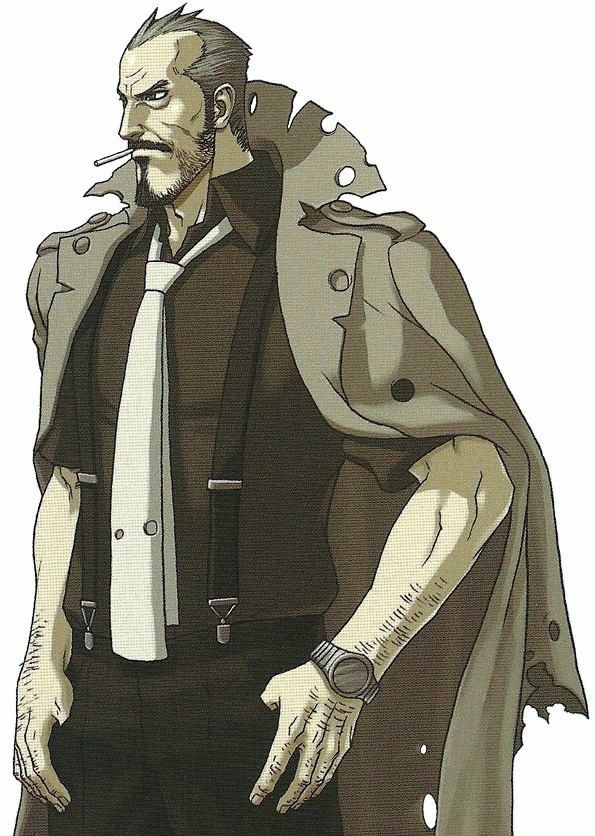
4. Tyrell Badd (Ace Attorney Investigations: Miles Edgeworth)

Tyrell Badd

Look at those bullet holes. Look at them. Even Tyrell Badd’s necktie has bullet holes. I can only surmise that the bullets, after passing through his tie, simply bounced off Badd. This hard-bitten homicide detective is a man of few words. Really, his coat says it all. By the way, that’s not a cigarette in his mouth, nor is he grabbing a gun when he reaches abruptly into his pocket. No, that’s a sucker in his mouth, and he’s reaching for a hand mirror. It’s a testament to his toughness that Badd makes even these effeminate items seem intimidating.

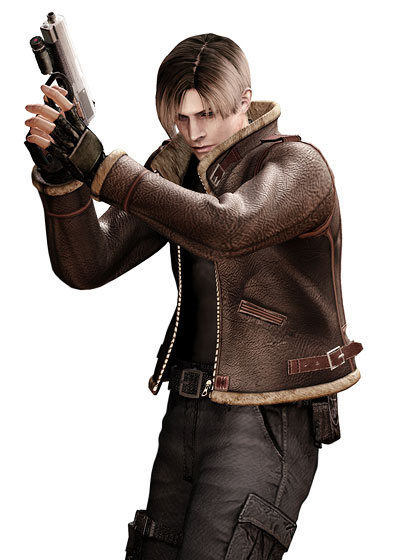
3. Leon S. Kennedy (Resident Evil 4)

Leon S. Kennedy

Nothing seems to faze this tough-as-nails government agent: not homicidal maniacs with chainsaws, not mutated monstrosities, not even the whiny college student he is sent to rescue. Leon S. Kennedy calmly and professionally handles every crisis, making every bullet count, thinking on his feet and suplexing anyone who gets too close. His tireless persistence and grace under pressure are remarkable.

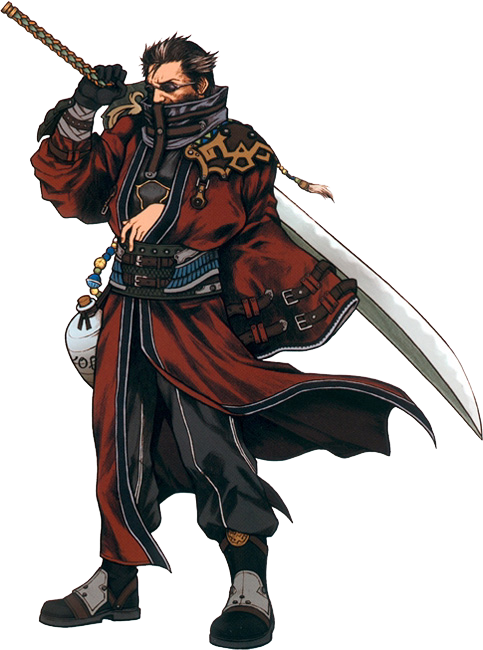
2. Auron (Final Fantasy X)

I’m not sure I even need to say anything about this guy. Auron’s sword is nearly as big as he is, for heaven’s sake! He often fights one-handed simply because he can. His clothes are equal parts samurai and gunslinger, with an awesome pair of shades for good measure. Auron is noble and courteous, but takes no nonsense and will cut any obstacle into very tiny pieces. Oh, and one final thing: Auron is dead. Not even death can stop this man. He lingers for one final adventure simply because he has unfinished business in the land of the living. Heroes hardly get tougher than that!

1. Naked Snake (Metal Gear Solid series)

Naked Snake

Naked Snake is the perfect soldier: an unstoppable combination of sniper, spy and infantryman. He sneaks through jungles and military bases, enduring harsh weather, surviving on rats and snakes, digging bullets out of his body with a knife and patching up his wounds before charging (or sneaking) back onto the battlefield. Snake defeats legendary soldiers, destroys massive war machines and prevents worldwide nuclear war at least three times. Then, tired of serving a corrupt government, he becomes a mercenary, creates his own nation-state and nearly conquers the world. (Note also his wicked eye patch.) There is no tougher dude in video games than this man.

O people of the Internet, what tough video game dudes would you add to this list? Let us know in the comments!

Video Games Need More Gilbert Gottfried

Video games are great and all, but do you know what they need? Gilbert Gottfried, the comedian who voiced the parrot from Disney’s Aladdin. Gilbert Gottfried is what video games need.

That said, here is two minutes and forty-five seconds of Gilbert Gottfried voicing iconic lines from video games, followed by a few very brief observations of my own.

1. Navi, the fairy from The Legend of Zelda: Ocarina of Time, would be less annoying if she were voiced by Mr. Gottfried.

2. Mr. Gottfried’s quiet “Fus ro dah,” a casual performance of a fierce dragon shout, is still enough to send a man plummeting to his death in The Elder Scrolls V: Skyrim. The man’s got skills.

3. The famous opera scene from Final Fantasy VI definitely loses some of its charm and beauty when Mr. Gottfried reads its lyrics. I suppose he can’t win them all.

4. A Mario game in which Mr. Gottfried provided Mario’s voice would be sublime.

5. Mr. Gottfried’s performance is possibly the only thing in the universe that could make Liquid Snake’s monologue about genetics from Metal Gear Solid any cheesier.

Now all we need is a video in which iconic game lines are read by Morgan Freeman. Get on it, Internet!

278. TMTF Reviews: Beyond Good & Evil

I have played many video games in my twenty-something years of life, but this is the first to be titled after a philosophical work by Friedrich Nietzsche.

When I was a child in Ecuador, my life was brightened by a magazine known as Nintendo Power. (May this noble publication rest in peace!) A friend lent me new issues, which gave me glimpses into the mysterious worlds of modern video games. (This was, incidentally, the very same friend who recommended the last game I reviewed on this blog.) Years before I blundered onto the Internet, Nintendo Power gave me the latest and greatest video game news.

There are a number of games Nintendo Power recommended very highly. Video games are scarce and expensive in Ecuador, so I was never able to buy them. Now, a decade later, I’m making a point of tracking down and playing some of the classics I missed as a child.

Of all the games Nintendo Power praised, few made a stronger impression than an odd game called Beyond Good & Evil. It stars not a tough-as-nails soldier or noble knight, but a photojournalist. An ordinary photojournalist! Madness! Next they’ll be making games starring boring professionals like surgeons, lawyers or customs officials. Ha! What an idea!

Jade, the photojournalist star of BG&E, isn’t exactly a boring professional. Most photojournalists don’t carry weapons, work for resistance groups or live on alien planets populated by anthropomorphic animals. Jade does. Armed with bō staff and camera, this plucky photographer-turned-rebel is out to expose the treachery of her planet’s military and rally her people to fight for freedom.

Did I mention that her uncle is a pig? Yeah, her uncle is a pig.

Jade and Pey'j

Beyond Good & Evil is as quirky as they come, but is it worth playing? Never mind its questions of good and evil. The real question is this: Is this game is great or lousy?

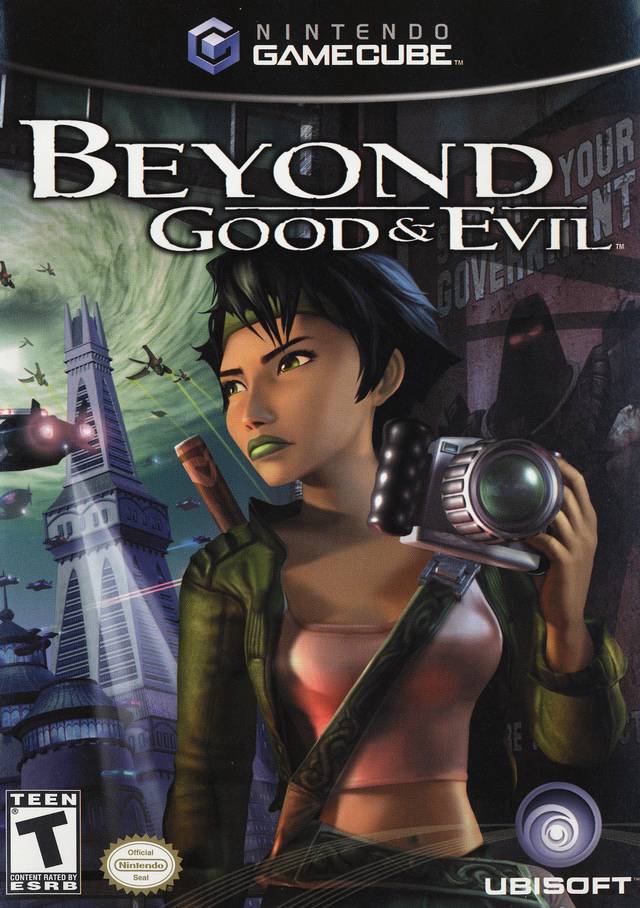
Beyond Good & EvilBeyond Good & Evil is a fine game, but never goes beyond good. It is a good game, not a great one.

The best way I can describe this game is to suppose its developers sneaked into Nintendo’s kitchen late at night and tried making a game with all Nintendo’s ingredients. There are several cups of fighting and puzzle-solving from the Legend of Zelda games, and a few tablespoons of futuristic racing from F-Zero, and just a dash of space combat from Star Fox, and a spoonful of Metal Gear Solid-style stealth borrowed from Konami’s kitchen next door.

BG&E has a bit of everything, and it does everything adequately—but few things really well.

The world of BG&E is beautiful and feels vast… until the player realizes it’s not as big as it seems. The combat works… but it’s not very deep. The racing is fun… for about ten minutes. The space combat is exhilarating… the one time it happens. Nothing about the game is bad, but few aspects are engaging enough to hold the player’s interest for long.

This includes the story. Jade is recruited early on into a resistance group determined to expose the military’s corruption. This setup is fantastic, but a couple of lame twists make for an underwhelming experience. The moral ambiguity suggested by the title is nowhere to be seen. The good guys are good, and the bad guys are bad, and that’s all.

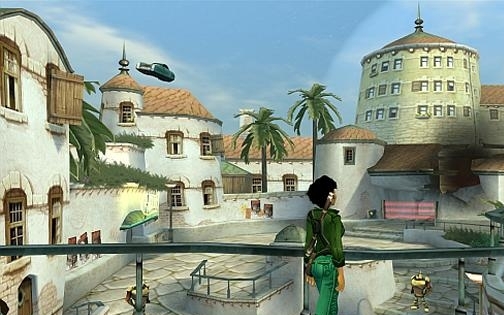
The setting and characters, however, are wonderful. The world of Hillys is lovely, with green mountains and tranquil oceans, and I had a blast exploring caves on foot and zipping across the seas in a hovercraft. I wish there had been more to see. The game’s one city is equal parts Star Wars and Arabian Nights, with futuristic technology and fanciful architecture.

Hillys

Most of the game’s characters are unexceptional, but the three who matter most—Jade, her pig-uncle (puncle?) Pey’j and Jade’s fellow resistance member Double H—are brilliantly developed and eminently lovable. Double H, for example, constantly quotes from a military manual titled Carlson & Peeters, citing page numbers with enthusiasm. When he charges into a fight, “Carlson and Peeters!” is his war cry. It’s positively adorkable.

I especially appreciate Jade. Women aren’t often treated respectfully in video games, but Jade is. She’s no damsel in distress or impossibly curvy babe. Jade is a person. She wears sensible pants, rocks green lipstick, cares for kids and tears apart robots with her bō staff. There is no pointless romance. Jade is never just a foil to male characters. It was really refreshing to play as a heroine who is—I say this in absolutely the best possible way—ordinary.

Jade’s camera was one of the best things about BG&E. Besides snapping incriminating photos for her resistance group, she is tasked by a research institute with taking pictures of local animals. More fauna photos mean more money, giving the player plenty of incentive to search high and low for exotic creatures. It was almost magical to zoom in on a distant seagull or wait for a whale to leap out of the water… and a delightful shock to realize Pey’j and other characters qualified as “local animals” whose pictures are worth cash.

BG&E is a bit short, and I’ve already mentioned its lack of depth. Besides minor camera issues and some obtuse level design, I have only one other complaint. Its stealth sections suck.

Maybe I’ve been spoiled by the Metal Gear Solid games, which perfected the fine art of sneaking, but stealth sections in BG&E are just frustrating. Stealth in the MGS games works because of its flexibility: the player has endless choices in how to avoid or confront enemies. BG&E gives players one or two strict choices, and it’s a matter of infuriating trial and error to figure them out. Worst of all is how players are punished for failing some stealth sections by instant death lasers. Instadeaths (that is, one-hit kills) in video games are frustrating. In this game, with its awkward camera controls and badly-designed stealth sections, instadeaths are intolerable. If I gave numerical scores to games in my reviews, I’d take off a full point out of ten just for those freaking lasers.

Despite its flaws, Beyond Good & Evil is a fine game. I now understand why Nintendo Power sang its praises all those years ago. The game is a colorful, offbeat adventure with a bit of everything.

I just wish it did everything a bit better.