A Lesson from Doctor Who

I often discover lessons in unexpected places. True, I learn from the Bible and wise people, but I also learn from Batman and webcomics about video games.

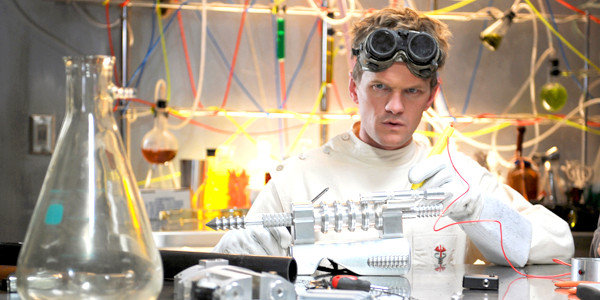
The Doctor from Doctor Who is not particularly wise—in fact, he has all the tact and maturity of a twelve-year-old boy—but he recently taught me an invaluable lesson.
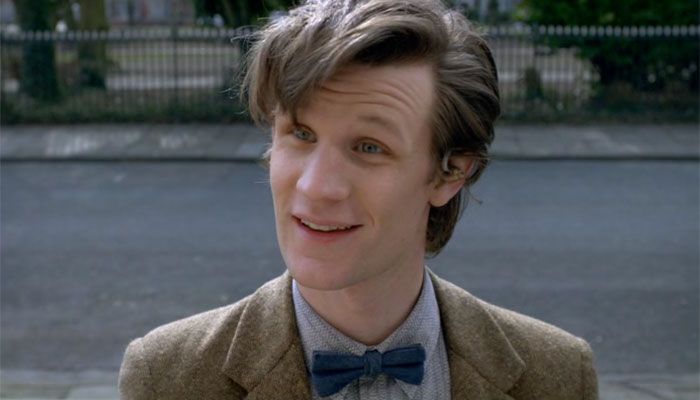
This is not the face of a wise man.

This is not the face of a wise man.

I work in a group home for gentlemen with mental and physical disabilities. As you can imagine, my job is often amusing, sometimes heartbreaking and never predictable.

When I began working in a group home, I felt pity for some of its residents. Their lives are often dark and difficult. Some endure chronic physical pain. Most suffer from depression. Few are ever visited by friends or family. All of them are hurting in some way and few of them understand why.

At first I pitied only these gentlemen, but as months passed I realized they aren’t the only ones deserving of compassion.

Most of my coworkers are hurting. Some are divorced. Some have family issues. Many struggle with financial woes or health problems. I’ve heard tearful stories, bitter complaints and vicious arguments I wish I could forget.

Apart from work, I have friends facing heartrending difficulties: divorce, debt, depression, loneliness and grief.

I’m constantly surrounded by people whose problems I can’t solve, and I hate it.

At one point in Doctor Who, the Doctor and his friend learn that a person whose life they tried to save committed suicide. The Doctor’s companion is overwhelmed with grief. “We didn’t make a difference at all,” she says.

“I wouldn’t say that,” replies the Doctor, blinking back tears. He adds:

The way I see it, every life is a pile of good things and bad things. The good things don’t always soften the bad things, but vice versa, the bad things don’t necessarily spoil the good things or make them unimportant. And we definitely added to his pile of good things.

I may not be able to fix someone’s life, but nothing will ever prevent me from adding to his pile of good things.

I can’t fix my coworker’s marriage. I can’t take away the pain of the gentleman with arthritis or the hopelessness of the gentleman with depression. I can’t promise healing to a hurting friend.

I can, however, be patient. I can listen. I can pray. I pretend to be terrified when the gentlemen with whom I work tell me there are mummies in the cupboards or a mouse in my shoe.

On an afternoon a few weeks ago, just a day or two after I remembered this lesson from the Doctor, I was administering medications at work when a resident of the group home ambled up to me.

“This is for you,” he said with a grin, holding out a cup of coffee.

It occurred to me in that moment that I’m not the only one trying to add to the piles of good things around me.

Sometimes other people, even hurting people, add to mine.


This post was originally published on May 10, 2013. TMTF shall return with new content on April 20, 2015!

TMTF’s Top Ten Hats in Video Games

I recently learned of an indie game titled Fez. The game’s protagonist wears a fez, presumably because fezzes are cool. (We all know this.) This game reminded me that characters in video games have some pretty sweet hats.

As a gamer, blogger and proud owner of several hats, I believe it’s my solemn duty to decide which video game hats are the best.

The following rules apply: I’ll choose hats only from games I’ve played, and I’ll select no more than one hat from any game series. Only original video game hats are permitted: no hats from licensed characters like Indiana Jones or Donald Duck. Hoods, helmets, headbands, ribbons and all headgear except hats and caps are disqualified from this list.

Now, ladies and gentlemen, hats off as TMTF proudly presents…

The TMTF List of Top Ten Hats in Video Games!

10. Quote’s Baseball Cap (Cave Story)

Quote's Baseball Cap

Quote, the amnesiac hero of indie classic Cave Story, manages to look quite heroic in a simple baseball cap. The hat isn’t particularly fancy or elegant, but its bright white and red design helps Quote’s pixelated figure stand out against the muted blacks and browns of Cave Story‘s subterranean locales. On an entirely different note, do the buttons on Quote’s hat remind anyone else of Mickey Mouse’s shorts?

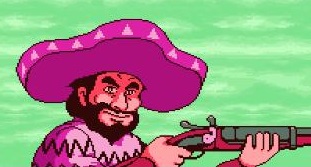
9. Cormano’s Sombrero (Sunset Riders)

Cormano's Sombrero

This Mexican gunslinger, who has been described as “either groundbreakingly inclusive or an offensive stereotype, take your pick,” is a playable character from Sunset Riders for the SNES. The game consists mostly of shooting stuff. Cormano’s skill with a rifle is belied by his sombrero, which is colored bright magenta and shaped like a taco. Never has the Old West been so fabulous!

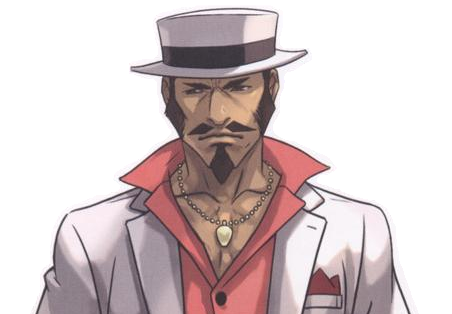
8. Shadi Smith’s Pork Pie Hat (Apollo Justice: Ace Attorney)

Shadi Smith's Pork Pie Hat

Not since Buster Keaton has anyone looked so good in a pork pie. Despite being a shifty character with questionable ethics, Shadi Smith is a really sharp dresser. There are many fantastic hats in the Ace Attorney series, from magician’s top hats to policewomen’s berets, but none seems more stylish or elegant than Shadi Smith’s classy pork pie hat.

7. Carmen Sandiego’s Fedora (Where in the World is Carmen Sandiego?)

Carmen Sandiego's Fedora

As a child, I played Where in the World Is Carmen Sandiego? on my family’s ancient black-and-white Apple Macintosh. (I’m pretty sure the above picture of Ms. Sandiego comes from another game in the series, but it’s the best I could find.) It was educational gaming at its finest: besides learning about geography and national flags, I got a taste of fashion from Carmen Sandiego’s criminally fabulous fedora.

6. Red’s Baseball Cap (Pokémon FireRed)

Red's Baseball Cap

This one was a toss-up between the hats worn by Red from Pokémon and Ness from Earthbound. Red won because his baseball cap is quite a bit cooler. (Besides, Red’s cap in the original Pokémon Red was the inspiration for Ash Ketchum’s iconic hat in the Pokémon anime.) Like Quote, Red takes a common item of casual apparel and makes it seem dashing and even heroic.

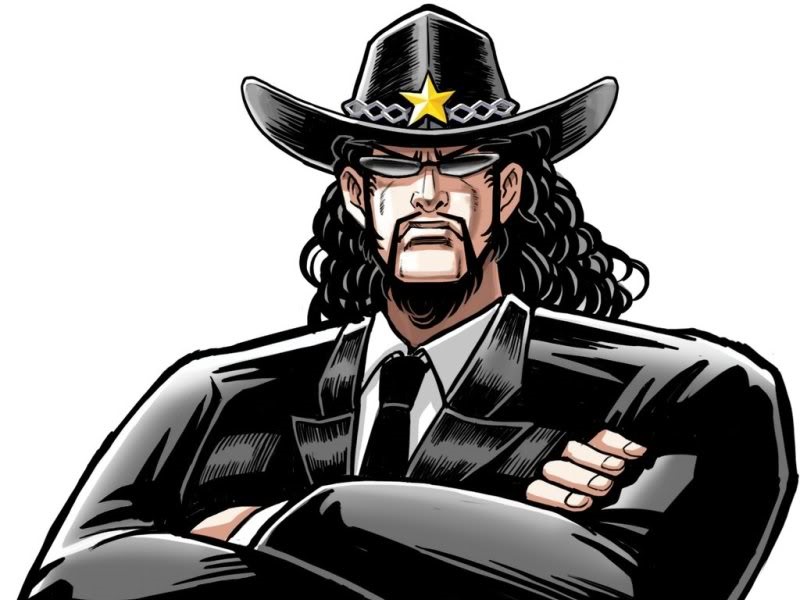
5. Agent Chieftain’s Stetson (Elite Beat Agents)

Agent Chieftan's Stetson

Elite Beat Agents is a wonderful rhythm game for the Nintendo DS in which government secret agents assist people in desperate need by invoking the inspirational power of song and dance. (Yes, the game is every bit as weird—and awesome—as it sounds.) Agent Chieftain, a senior agent of the Elite Beat Agency, flaunts a flashy Stetson that adds a dash of cowboy flair to his plain suit and tie.

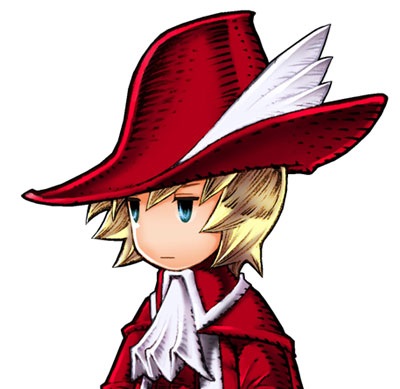
4. Red Mage’s Wizard Hat (Final Fantasy III)

Red Mage's Wizard Hat

Although the Black Mages from the Final Fantasy series have neat hats, the Red Mages earn this place on the list with their gorgeous crimson hats adorned with snowy feathers. Other Final Fantasy characters have clunky helmets, dull hats or plain hoods. Red Mages alone uphold the lofty standards of fashion while defending their worlds from demons, dragons and other monsters.

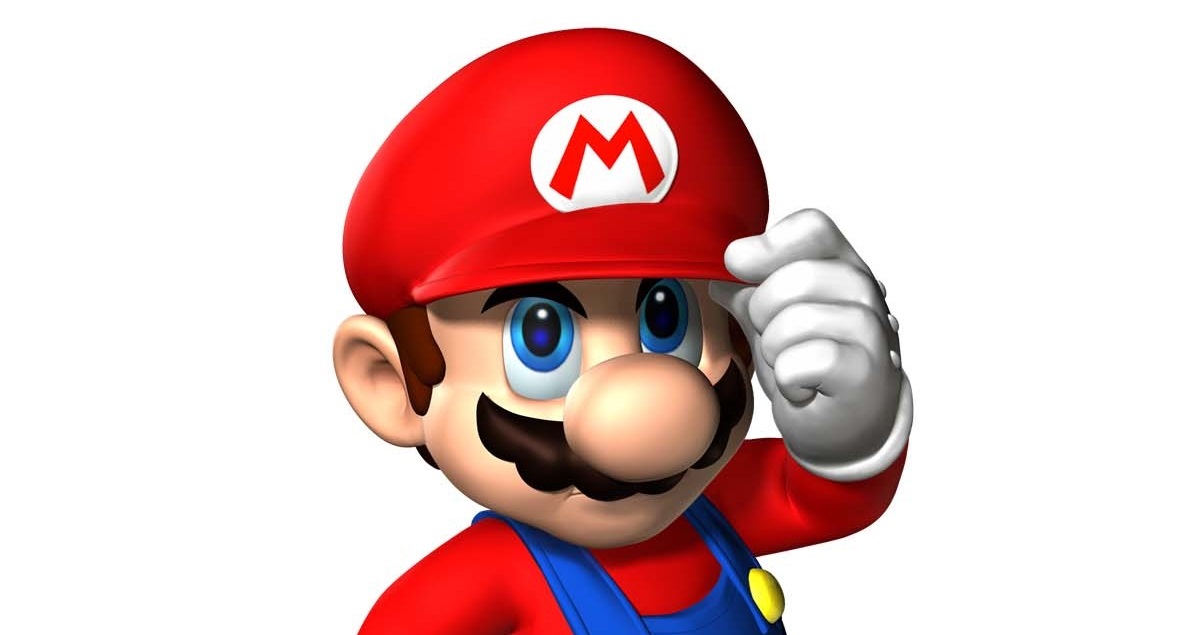
3. Mario’s Flat Cap (Super Mario 64)

Mario's Flat Cap

How could I not include Mario’s cap? It’s indisputably the most famous video game hat in the world, and definitely one of the neatest. Mario’s cap from Super Mario 64 deserves special mention for giving Mario superpowers, including flight. Few things in video games have been more fun for me than soaring around the game’s locales with Mario’s winged cap. Like its owner, this hat is remarkable.

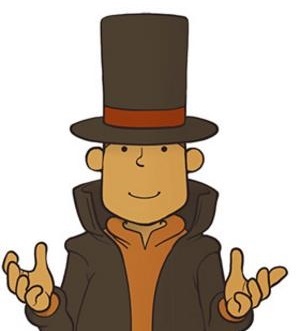
2. Professor Layton’s Top Hat (Professor Layton and the Curious Village)

Livewire-AGE

I have absolutely nothing to add.

1. Link’s… Cap? (The Legend of Zelda: The Minish Cap)

Link's... Cap

Link’s cap is one of the most iconic elements of the Legend of Zelda series. It’s instantly recognizable—seriously, how many legendary heroes wear green pointed caps? Link achieves an incredible feat in every Zelda game by looking cool in a hat that wouldn’t seem out of place on one of Santa’s elves. As much as I like it, I wouldn’t give Link’s cap the number one spot on this list if it weren’t for one detail: it talks. In The Legend of Zelda: The Minish Cap, Link is joined on his quest by Ezlo, an enchanted hat who gives advice, grumbles, cracks jokes and turns out to be one of the most engaging characters in the entire Zelda series. For its iconic status, surprisingly cool appearance and amusing dialogue—I can’t believe I’m saying this about a hat—Link’s cap is TMTF’s pick for the best hat in a video game.

O people of the Internet, what great video game hats would you add to this list? Let us know in the comments!


This post was originally published on April 8, 2013. TMTF shall return with new content on April 20, 2015!
332. Geek Studies

Geeks are fascinating creatures.

Believe me, I should know. I’ve spent a lot of time among geeks, observing their behaviors and gathering data. In fact, in the interests of full disclosure and journalistic integrity… I must confess that I myself am totally a geek.

Yes, I can imagine the disbelieving astonishment in your expression. Who could have imagined that Adam Stück, of all solemn and serious people, has been a geek all along? I’ll give you a moment to get over your shock.

As I said, geeks are strange and marvelous creatures. Geeks, and the cultures they create, are worth studying.

Et-Webscout16

Geek culture, you say? Fascinating! I must science it immediately!

What is a geek? The simplest definition for a geek is a person with a strong interest in something. A geek is not a nerd, though a person can be both. A nerd is intelligent, generally introverted or asocial, and sometimes (but not always) socially inept. Although geeks are often stereotyped as nerds, anyone can be a geek. Sports fans, college professors, or motorcycle enthusiasts can be geeky about their respective interests.

Geeks are usually ordinary people with a passion for something trivial—a book, sport, hobby, video game, television series, or something else. Besides having a strong attachment to their objects of interest, geeks usually know a lot about them. Once you get geeks talking, it can be really hard to shut them up. Geeks can have more than one object of interest, of course. I have many!

The thing that fascinates me most about geeks is the instant solidarity and understanding that often springs up between them. A common interest, no matter how trivial, can unite people of all cultures, races, nations, languages, beliefs, and opinions. A shared love of soccer, Star Wars, or world history brings together the most unlikely people. Geeks frequently set aside personal differences; the wolf lives with the lamb; the calf and the lion and the yearling quit arguing about religion or politics and go out for coffee.

I’ve done a little informal research into geek culture, and I’d like to do more. Brief studies of geek culture shall join About Storytelling posts, TMTF Reviews, and Why [Insert Author Name] Is Awesome posts as an occasional feature on this blog.

Anthropology isn’t exactly my field, true, yet I have what Liam Neeson would call “a particular set of skills.” My skills, unlike Liam Neeson’s, mostly involve geeky things like winning Mario Kart races and rambling about J.R.R. Tolkien. I consider myself highly qualified to discuss geek culture. In fact, some time ago, I went so far as to create a geek studies tag for TMTF and add it to a bunch of old posts… which, I suppose, makes me guilty of retconning my own blog.

What’s that? You’re wondering what retconning means? Don’t worry about it. Retconning is a geek thing.

Emoticons

Emoticons—those short combinations of letters, numbers and punctuation marks that sort of resemble little faces if you look at them sideways—have crept over the Internet like an army of tiny pictographic soldiers.

When I was a student teacher, some of my students even used emoticons in their homework. This annoyed and perplexed me greatly. Apart from being childish and unprofessional, putting emoticons in hand-written assignments seemed pointless. I can’t imagine why my students made the effort to write out emoticons when they could have just drawn little faces.

Though I seldom use emoticons, I have nothing against them. They’re an interesting development of written English, and they can give informal writing a certain charm.

For the sake of Internet People everywhere, I’ve compiled (with a little help from Dave Barry) a list of useful emoticons.

Typewriter Monkey Task Force is proud to present…

The Official TMTF List of Eminently Practical Emoticons for Convenient, Everyday Usage!

: )         Happy person

: (         Sad person

: – )       Happy person with a nose

: – (       Sad person with a nose

: — (     Person who is sad because he has such a big nose

: /          Frustrated person

: D        Overjoyed person

. (         Person who ran with scissors

X D        Amused person

<l : )      Gandalf the Grey

:’ (         Weeping person

: P        Cheerful person

:V: (      Person with an alligator on her head

:-3         Cat

; )          Wry person

: o )       Clown

XO        Person who is afraid of clowns

: o          Slightly surprised person

8 O        Very surprised person

: ) ?        Captain Hook

: I           Person who has eaten too much

: ) ~D     Person about to drink a calming cup of Jasmine tea

: ^ (        Cyrano de Bergerac

O Internet People, it is now up to you to use these emoticons with creativity, discernment and wisdom.

Just don’t use any of them on homework assignments, all right?

What emoticons did I miss? What are your favorites? Let us know in the comments!


This post was originally published on January 20, 2012. TMTF shall return with new content on January 19, 2015!

324. I Want to Hug These Games

I don’t care much for hugs.

Well, I suppose some hugs aren’t so bad. I give my younger brother awkward sibling hugs all the time. For the most part, though, I’m about as easy to hug as a cactus. Hugs are a little too close and personal for me; I much prefer an affable fist bump.

However, I keep bumping into video games that are madly original and gloriously unique, and I want to hug them.

As much as I enjoy video games, I’m disappointed to see so many of them fall into the same clichéd categories. There are Games about Cars, Games with Guns, Games about Sports, Games with Swords and Magic, and games to fit nearly every other exhausted genre. The same problem is found in other media, from books to movies to music. New titles are hardly distinguishable from old ones; there is nothing new under the sun.

It’s important for me to make clear that genres aren’t necessarily bad. In fact, some of the best games I’ve ever played (including most of my favorites) fall into the broad categories mentioned above. All the same, I appreciate game developers who boldly go where no one has gone before, bringing color and creativity to a tired industry.

There are thousands of games about guns, zombies, cars, sports, or princesses in need of rescuing… and then there are a few odd, endearing games like Octodad.

I seldom borrow from other sources when writing for this blog, but nothing does Octodad justice like this understated description from its Wikipedia page: “The game consists of controlling the protagonist Octodad in completing chores typical of the mundane suburban father, but complicated by the fact that he is an octopus in disguise.”

Octodad, wryly subtitled Dadliest Catch, is the whimsical tale of a loving husband and father who happens to be an octopus pretending to be a human being. The fact that “nobody suspects a thing” when Octodad is clearly an octopus only makes the game that much funnier.

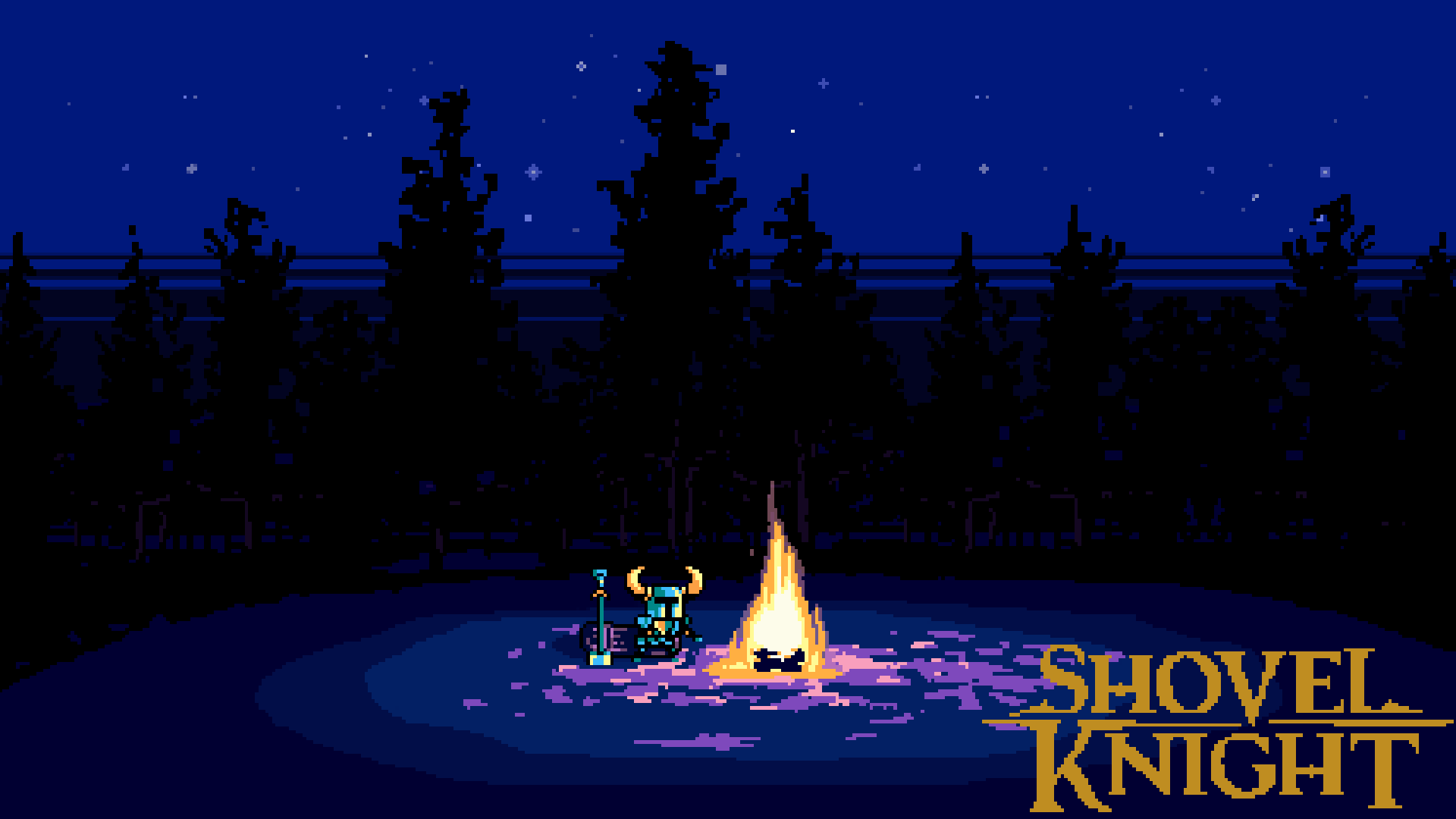
Shovel Knight is another title that caught my attention. It’s exactly what it sounds like: a game about a knight with a shovel.

Shovel Knight

I’m really digging this game. (Pun intended. I’m so, so sorry.)

Well, to be more precise, Shovel Knight is a retro-styled adventure game, in the tradition of Mega Man and Metroid, starring a warrior whose weapon of choice is a shovel. The knight valiantly swings, hacks, bounces, and yes, digs his way to victory. Swords? Bah! Who needs swords?

Then there’s Five Nights at Freddy’s and its sequel. These are horror titles, but they lack ghosts, zombies, demons, aliens, or any of the other monsters you’d expect from a scary game. No, these games have those animatronics from arcades and restaurants—you know, the ones designed to entertain defenseless little kids.

In these games, which I’m too nervous to play, the player assumes the role of a night watchman at Freddy Fazbear’s Pizza: a restaurant for kids and obvious nod to Chuck E. Cheese’s. The hapless watchman remains in his office, checking security cameras and monitoring the restaurant’s malfunctioning robotic mascots in order to avoid being murdered by them. The game looks terrifying.

I haven’t actually played any of these titles. To tell the truth, I don’t seem to have much time anymore for games what with work, household chores, and sundry commitments. (This blog won’t write itself!) It still delights me to see creative people defying conventions and making awesome, offbeat video games.

In conclusion, the game industry needs fewer guys with cars or guns, and more guys who are secretly octopuses.

Thanks for reading! If you have a moment, please check out TMTF’s charity fundraisers this month and make this Christmas awesome for a person in need!

322. Adam Turns into the Hulk and Rants about Black Friday

Caution: This blog post contains furious ranting. Sensitive readers, and readers averse to things being smashed, are advised not to continue.

It’s that time of year again. Today is the day I stay inside, bolt the door, drink tea, and reflect upon the injustices of the world. Of all these, one of the greatest is that Black Friday, America’s annual celebration of consumerism, takes place on the day after Thanksgiving.

Look, Black Friday has every right to exist. I may not like the event, but I don’t think it’s inherently bad. Black Friday is a great opportunity for businesses to make money, and an equally great opportunity for consumers to buy things cheaply. Everybody wins. There are few problems, except for the fact that Black Friday now eclipses the one day we set apart for being thankful.

Black Friday’s timing is the worst kind of irony. It’s infuriating. The whole thing… I mean… it’s so frustrating… it makes my stomach hurt…

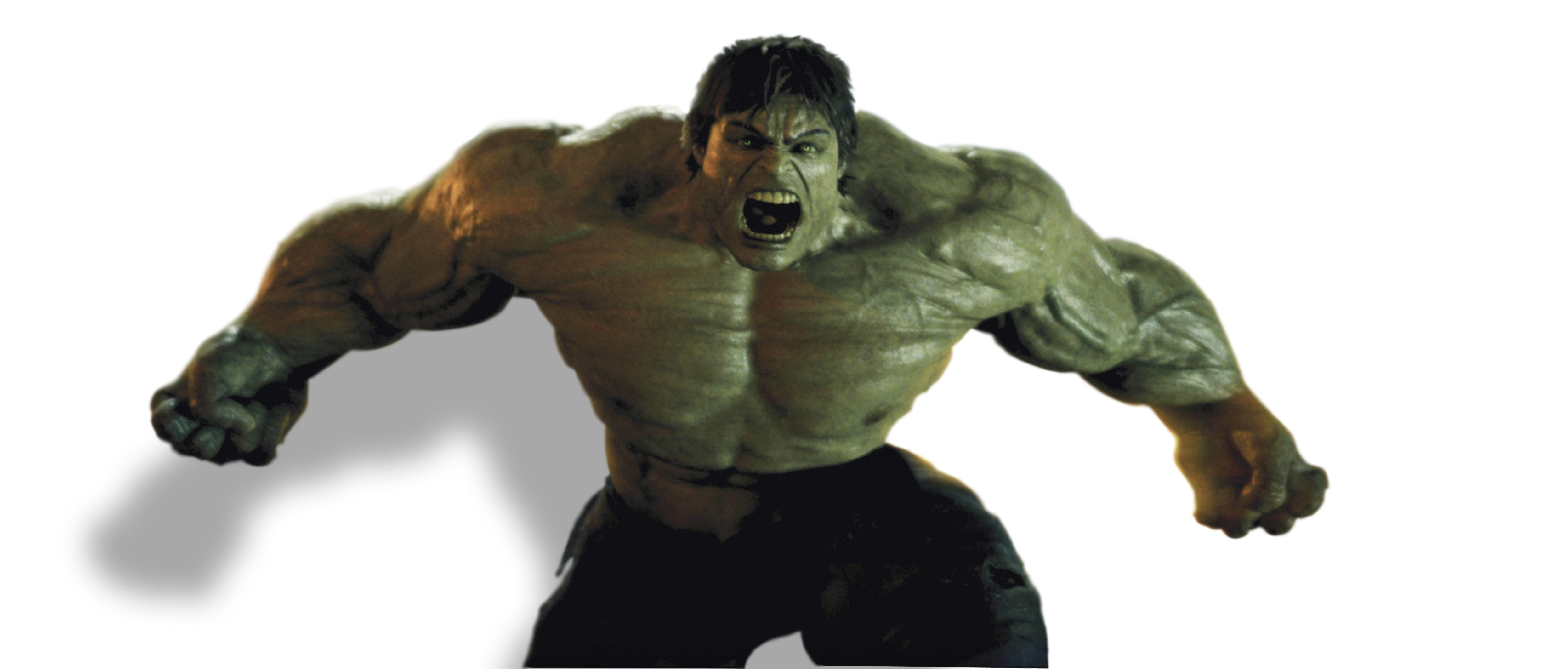
BLOG SMASH!

HULK TIME! CAPS LOCK ACTIVATED!

BLACK FRIDAY HAS WORST TIMING OF ANY EVENT IN UNIVERSE. HULK WOULD SMASH BLACK FRIDAY, BUT CRAZED SHOPPERS ALREADY CAUSE ENOUGH DAMAGE.

HULK ADMIT BLACK FRIDAY ITSELF IS NOT BAD. EVEN ITS TIMING AFTER THANKSGIVING MAKE SENSE—PEOPLE HAVE DAYS OFF FOR HOLIDAY AND CAN SHOP FREELY. DAY AFTER THANKSGIVING IS ALSO START OF CHRISTMAS SHOPPING SEASON AND CONVENIENT DAY FOR BUYING THINGS.

DAY AFTER THANKSGIVING IS ALSO STUPID DAY FOR BUYING THINGS.

THANKSGIVING IS ONE DAY OF YEAR WE SET ASIDE TO BE THANKFUL. THANKSGIVING IS NOW OVERSHADOWED BY CRAZY CONSUMERISM. BEAUTIFUL HOLIDAY IS NOW CLUTTERED WITH AGGRESSIVE ADS FROM BUSINESSES TO BUY MORE AND SPEND MONEY AND GET STUFF. MESSAGE OF NOVEMBER MONTH IS NO LONGER “Relax, rejoice, and be thankful” BUT “You can buy a TV for 70% off at Wal-Mart—OMG, guys! Go buy it! Buy it now!”

THANKSGIVING IS NO LONGER QUIET DAY TO EAT AND BE THANKFUL AND SPEND TIME WITH FAMILY. THANKSGIVING IS NOW DAY OF PREPARATION FOR BLACK FRIDAY.

SOME STORES NOW EVEN OPEN ON THANKSGIVING DAY! HULK ASK AMERICA: IS NO THING SACRED?! YOU NOT SATISFIED TO ECLIPSE THANKSGIVING? YOU MUST STIR UP GREED AND FRENZY ON THANKSGIVING DAY ITSELF?!

BLACK FRIDAY IS DAY OF CHAOS AND VIOLENCE. PEOPLE GET ANGRY. PEOPLE GET HURT. PEOPLE HAVE DIED. HULK USUALLY MAKE POINT BY SMASHING THINGS, BUT SHOPPERS TODAY BEAT HULK AT HULK’S OWN GAME.

THIS DAY OF GREED, SELFISHNESS, VIOLENCE, STRESS, AND NOISE CASTS SHADOW OVER THANKSGIVING: DAY OF PEACE, REST, JOY, FEASTING, AND FUN. BLACK FRIDAY COULD BE ANY DAY BEFORE CHRISTMAS HOLIDAY.

HULK ASK AMERICA: WHY CHOOSE DAY AFTER THANKSGIVING FOR SHOPPING DAY? WHY DISTRACT FROM PEACE AND THANKFULNESS WITH WORRY AND GREED? WHY? WHY?!

HULK NOT UNDERSTAND. HULK NEVER UNDERSTAND.

HULK BEG PEOPLE EVERYWHERE. PLEASE. HONOR THANKSGIVING. REST. EAT. BE THANKFUL. AND IF YOU SHOP ON BLACK FRIDAY: BE KIND AND RESPONSIBLE.

HULK OUT!

Whoa, that was disorienting. Did I turn into the Hulk again? I blame the mutagenic effects of my wireless Internet connection—it may not be as dangerous as gamma radiation, but it sure does the trick. I suppose violent, unpredictable mutations are a cross we bloggers must bear. Well, I had better go put on a shirt.

315. Fans, Geeks, and Shipping: A Momentary Study

Today we delve once again into anthropological study as we take a look at shipping. No, I don’t mean the transportation of goods. The word shipping also denotes a strange, fascinating, and occasionally outrageous trend observable in communities of geeks across the Internet.

As an eminently geeky blog, TMTF must investigate this sociological phenomenon. For science! Grab your pens, clipboards, and safety goggles, ladies and gentlemen. Let’s get geeky!

(Wait, give me ten minutes to research shipping on Wikipedia, that splendid fount of Internet knowledge. All right, let’s begin!)

We begin with a preliminary note about fandom. A portmanteau of fan and kingdom, a fandom is a community of people united by a common attachment to something. To put it more simply: a fandom is a group of fans. The word also refers to the subcultures created by these groups, and to each fan’s individual predilection for the object of attachment.

As the word shipping used in the context of fandom, it denotes a wish for two people, usually fictional characters, to have a certain kind of relationship—usually a romantic one. (I suppose shipping can involve more than two people, but I prefer not to pursue that thread of inquiry any further.) The term is the gerund form of the verb ship, which is derived from the word relationship. Fans ship their favorite characters by pairing them up. The word ship also functions as a noun, referring to a specific pairing.

In other words, shipping is fans wanting people (real or imagined) to find happiness together, which is sort of sweet, extremely silly, and just a bit creepy.

I didn’t know much about shipping before looking into it; I thought it might make an interesting blog post. I was astonished to realize how fully developed and widely accepted a practice shipping has become. Many fans pen fan fiction, create artwork, or write music promoting their preferred ships. Some fans argue about them—after all, this is the Internet.

Shipping has become so widely practiced that it apparently has its own terminology. A sailed ship, for example, is a pairing that actually happens. A joke ship is a ship too ridiculous to be taken seriously, and a sunken ship is one that has no chance of happening. (Wikipedia has a list of nearly twenty shipping terms. It’s insane.) Portmanteau combinations of names often represent ships, such as Romuliet for Romeo and Juliet. (Yes, Romuliet is an awful word; I hate to think of what terrible violence ships have inflicted upon the English language.) Some fans become so invested in certain ships that they declare them OTPthe One True Pairing for those characters.

I thought shipping was mostly a joke, but I was surprised to discover its complexity and ubiquity across the Internet.

What’s that? You want to know my preferred ship? That would be milk and coffee, thanks for asking. What finer OTP could there be?

312. Gritty or Glittery?

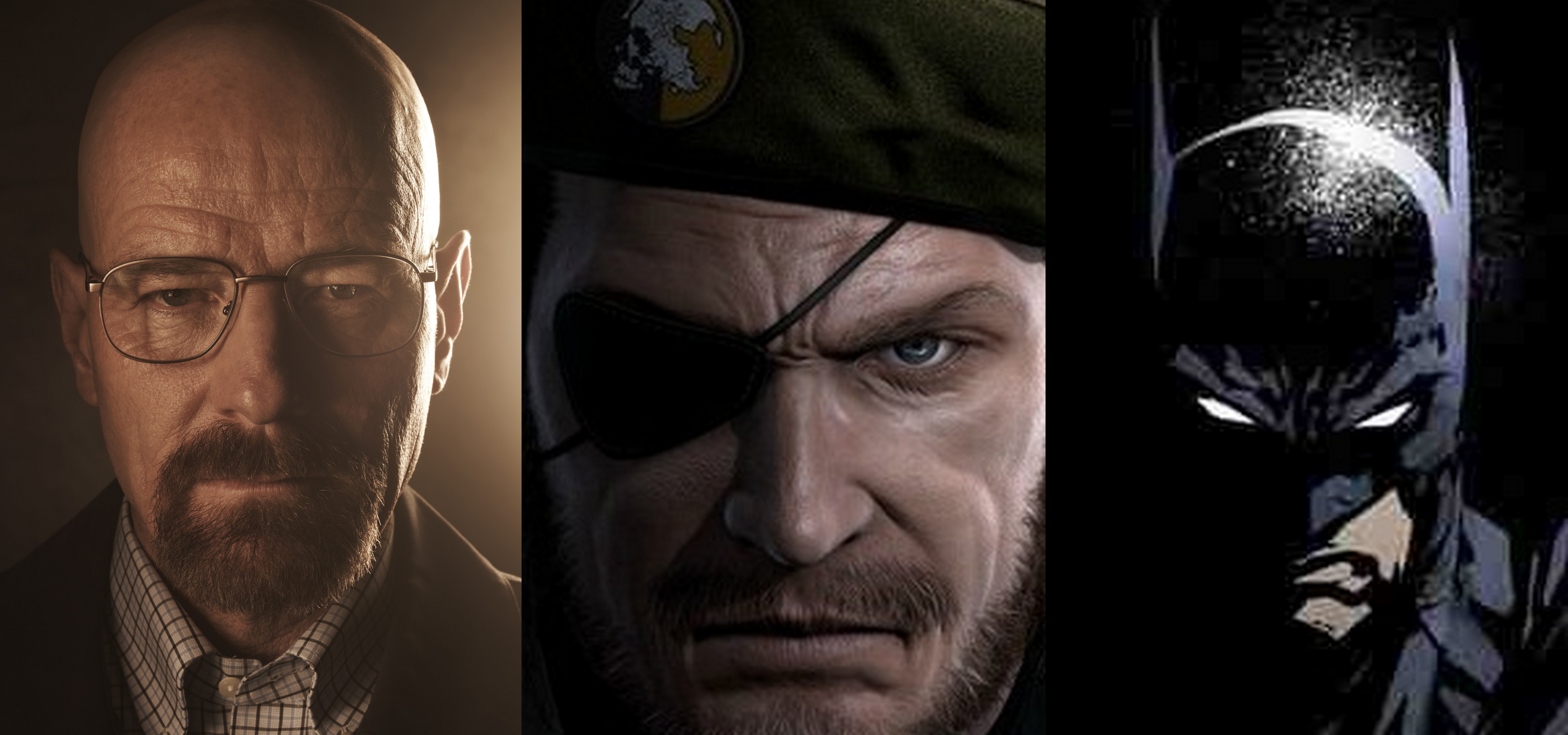
In the past few years, we’ve seen a lot of gritty media: books, films, and video games characterized by darkness, angst, violence, and square-jawed men brooding over inner conflicts. From Wolverine to Walter White, we’ve seen plenty of angsty characters on the large and small screens. Books—even young adult literature—feature people killing (and dying!) in all sorts of creative ways. The video game industry continues making games with guns, gore, and roughly one in every five words of dialogue being the f-bomb.

Angst! Darkness! Square jaws!

Angst! Darkness! Square jaws!

Why is gritty media popular? That’s a tough question to answer. I suppose there’s some truth to the darkness and violence in these media, and it resonates with people. We all feel sadness, discouragement, and anger. Some face depression, abuse, self-destructive impulses, or equally “gritty” problems.

Finally, gritty media often seems mature, sophisticated, or “grown-up.” All of this begs the question: Is it?

While gritty media has become more popular in past years, there are still plenty of lighthearted books, films, and video games: “glittery” media, so to speak.

Light! Smiles! Goofy braces!

Light! Smiles! Goofy braces!

Throughout history, comedy has nearly always taken a backseat to tragedy. Shakespeare’s most famous plays are his tragedies; Mark Twain’s cynical Adventures of Huckleberry Finn is celebrated over his cheerfuller books; P.G. Wodehouse’s clever comedies are largely eclipsed by the gloomy writings of his contemporaries. It seems humor and optimism can’t be taken seriously.

While there are certainly good things to say for gritty narratives, I don’t believe grittier is necessarily better. A purpose of art is to reflect or represent truth; the truth is that life isn’t always gloomy. A Farewell to Arms or The Things They Carried may be brilliant depictions of the horrors of war, but peace is no less real than violence. I think it’s absurd to suppose, say, Anne of Green Gables is necessarily an inferior book because it reflects joy and sentiment instead of pain and despair.

In the end, it’s a mistake to judge the quality of a thing by whether it’s gritty or glittery, tragic or comic, cynical or optimistic. That said, I would love to see people take glittery media more seriously. Can we study humorists like P.G. Wodehouse or James Thurber more widely in schools? I’m sure students wouldn’t mind putting down The Lord of the Flies. Can we have fewer gritty superhero movies and have more like Marvel’s quirky Guardians of the Galaxy? We could use a break from gloom and doom.

The world is an awfully dark place, but there’s a little light left. Some stories remember that, and I think they’re worth taking seriously.

303. About Storytelling: Temporary Death

Death is one of life’s few absolute certainties. Others include taxes and the fact that every person will, at some point, step in a puddle of water on the bathroom floor while wearing socks. Yes, life can be cruel.

Death is inevitable. For the most part, even fiction acknowledges this. What some stories don’t guarantee is that characters will stay dead. I’ve discussed how to kill off fictional characters, and even mentioned temporary death as a video game cliché, but I think it’s still worth taking a look at how characters in some stories recover from death as easily as getting over a cold.

There are endless possibilities for cheating death in fiction, going all the way back to classical mythology. In Greco-Roman myths, death was a literal place from which a surprising number of people managed to escape: Heracles and Orpheus, among others.

The past few decades have given us an endless array of methods for cheating death, especially in geekier media like comics, video games, and fantasy fiction.

Here are some of my favorites.

Be ye warned, here there be minor spoilers.

Time travel

How often dead characters have been restored to life because someone went back in time to rescue them! Thanks to the butterfly effect, tiny decisions in the past can have huge consequences in the future. Probably my favorite example of time travel resurrecting a dead character comes from Chrono Trigger, pretty much the greatest RPG ever made, in which characters travel to the exact moment of a man’s death to save his life.

Superhero comics

There is no single explanation for this one—comic book characters are revived in such a staggering variety of ways that I can’t even begin to list them all. A mutant’s seeming death triggers her evolution into a more advanced mutant. A superhero’s innate healing abilities pull him back from the brink of death. A villain fakes his death by a stupidly elaborate scheme. Really, the possibilities are countless.

Magic

When in doubt, magic is the ultimate deus ex machina. Magic is mysterious and inexplicable by its very nature. If a writer resurrects characters by magic, who is there to argue? Miracles, such as the triumphant return of Aslan or Gandalf, fall into this category, which also includes medicines like the chocolate-coated pill from The Princess Bride.

Supposed to be dead

What? I’m supposed to be dead? Well, this is awkward.

Technology

By technology I mean magic as it is called in sci-fi stories. Let’s face it: advanced technology and supernatural magic are practically the same thing in some science fiction.

Reincarnation

This metaphysical concept has been lifted from various religions and adapted to everything from Avatar: The Last Airbender to Doctor Who. (The Doctor’s regeneration is basically sci-fi reincarnation.) Characters may technically die, but reincarnation allows the narrative to bring them back.

Afterlives

This brings us to ghosts, phantoms, and other not-alive states of being. Again, even if the story considers characters dead, they’re still fulfilling the roles of living persons by lingering as spirits.

Fake deaths

This one annoys me. (All the same, I’ve used it more often in my writing than I care to admit!) When a character seems to die, the narrative treats them as dead… until they turn out to have been alive all along. Fake deaths generally cheapen the reactions of living characters. Responses like mourning, grief, and anger become less meaningful when they’re revealed to have been unnecessary. Besides, fake deaths are generally predictable.

I think temporary death is a valid storytelling trope, but I prefer death in fiction to be permanent. Death is more realistic, and carries much more weight, when it’s treated as an everlasting reality instead of a fleeting condition.

Anyone who knows anything about video games probably knows that Aerith dies in Final Fantasy VII. Partway through the story, this cheerful flower vendor is impaled by the villain. That’s it. There’s no resurrection, no last-minute deus ex machina. In the game, she is dead. The other characters mourn her… and so does any player whose heart isn’t made of stone.

Death is tragic. It often seems meaningless. However, in storytelling, that miraculous medium which makes all things meaningful, death matters—especially when it lasts more than a few minutes.

300. Creative Counseling with DRWolf

In past months, I’ve felt burned out. Writing has been harder. I realized it was time for this blog to get some help, so I met with DRWolf—a creative thinker known for his work in the brony community—to discuss the problem. He was friendly, polite, and helpful. What I didn’t expect was for the good doctor actually to be… you know… a wolf.

I want to thank DRWolf for his time, consideration, and advice. I was sincerely interested in finding some answers, and he gave some really good ones. Keep up the fine work, Doctor. It was an honor to work with you.

I also want to thank Crowne Prince, animator extraordinaire, for the superb video. It’s absolutely fantastic, Ms. Prince. I appreciate your time and expertise!

As usual whenever I stumble over a blogging milestone, I have a few more words to say.

I owe a great debt of gratitude to my parents for their support and encouragement, and especially to my father for his tips and artwork. Without him, TMTF would probably not have lasted long. Thanks, old man. You’re the stoutest of Stout Fellas.

Next, a word to my typewriter monkeys: If you ever do that again, I will donate you to the zoo. I mean it this time.

Speaking of my monkeys, I guess they deserve some credit. Despite their laziness, pyromania, and extensive criminal record, I don’t know how I would keep TMTF up and running without my dirty dozen: Sophia, Socrates, Plato, Hera, Penelope, Aristotle, Apollo, Euripides, Icarus, Athena, Phoebe, and Aquila. Thanks, guys.

(I’m serious about the zoo, though. Behave yourselves for once!)

My readers have been far kinder to this blog than my monkeys ever have. To every person who has supported TMTF by commenting on it, sharing it, liking posts here or on Facebook, writing guest posts, celebrating Be Nice to Someone on the Internet Day, or simply reading the blog occasionally—thank you. Thank you so much. The greatest joy of a writer is to be read, and I appreciate every single one of you.

Finally—insofar as a blog about video games, Doctor Who, and exploding tomatoes can honor anybody—soli Deo gloria. Whatever my struggles, I hope these three words will always be my guiding principle for creativity.

On a less spiritual note… if I had a penny for every post I’ve written for this blog, I’d have enough money to go out and buy a cup of coffee. That’s pretty neat. All in all, thanks to all of you, it seems I haven’t quite run out of reasons to be creative.

I’d better keep writing.