390. An Open Letter to Content Creators

Dear Content Creators,

I’m afraid content creator is a boring title, but it’s the best one I could find for all of you. (I considered creative people on the Internet, but that’s kind of a mouthful.) The title of content creator is the one given to all of you artists, bloggers, actors, video makers, musicians, animators, commentators, cartoonists, gamers, photographers, creative writers, and other creative people who make stuff and throw it at the Internet.

For example, consider the artist who reimagined the Fellowship of the Ring as a bunch of cats:

The Fellowship of the Cats

She’s a content creator. So are these video makers who try to explain Doctor Who in sixty seconds:

There’s this guy rocking out on a guitar to the best song from Mario Kart.

He’s a content creator, alongside this hipster Calvinist and all the other people who say funny things on social media:

https://twitter.com/coolvinism/status/646322751490252805

Then there’s, um, whatever this guy is doing:

You people are awesome.

If you’re anything like me, your content-creating experience is a roller coaster. Sometimes it’s fun and exhilarating. Sometimes it’s dull and exhausting. There are days when you feel an incredible sense of accomplishment, and days when you think you’ve accomplished nothing at all. All of it—the highs and lows and twists and loops—takes determination, effort, vision, and (occasionally) a touch of obsessive lunacy.

Most of you don’t make much money, if any, from your work. You create because you enjoy it. You create because you are an artist. Whether you have an audience of one or one million, I admire your creative spirit. If you do make a living as a content creator, I congratulate you all the more. That takes a lot of dedication.

And here’s the thing. I don’t just respect you—I really, really enjoy the work of content creators. A staggering amount of my music library consists of songs not from professionals, but from amateurs on the Internet. I read several blogs and webcomics, follow a few artists, and spend quite a lot of time on YouTube.

So much of the entertainment, laughter, insight, inspiration, excitement, and happiness in my life comes from the work of content creators—people like you.

I’m not the only one whose life is better because of content creators and their work. In fact, millions of people across teh internetz enjoy the humor and creativity of content creators—but they don’t always take time to say “I really enjoyed this,” or “This was brilliant,” or simply “Thank you.”

It is so easy for content creators to become discouraged. When their work doesn’t receive a positive response, they tend to assume the worst. They think their work wasn’t worth the effort.

I’m here to say: Your work matters, and thank you.

Thank you, content creators, for brightening my everyday life with moments of amusement and understanding. Thank you for being hilarious, honest, insightful, vulnerable, creative, clever, witty, weird, and wonderful. Thank you for being you, and for sharing your creativity with the rest of us.

Oh, and keep up the good work.

Peace,

Adam

372. About Storytelling: Lampshading

How do you make something more obvious?

You put a lampshade on it, of course. Observe.

Lampshading

In fiction, there are sometimes implausible elements or plot holes that can’t be resolved by the author of the story. How can a storyteller respond to such a thing? That’s easy! The author can simply acknowledge the thing, whatever it is, and then move on.

Of course, this doesn’t fix the thing, but it reassures the audience that the storyteller is aware of it. By drawing attention to the thing—putting a lampshade on it, figuratively speaking—the author can dispense with it and get on with the story. This technique is called lampshade hanging or simply lampshading.

Lampshading is a great technique for writers because, sooner or later, most of us run into plot holes, clichés, or other issues we simply can’t fix. By lampshading those things, we don’t make them go away, but we at least make them easier to swallow.

This is such a notable technique that the logo of TV Tropes, a website that catalogs tricks and tropes used by storytellers, has a literal lampshade hung on it.

TVTropes logo

One of my favorite examples of lampshading comes from Monk, a television show about an obsessive-compulsive private detective. Many detective stories, including Monk, constantly kill off minor characters in order to give the detectives murders to solve. It really stretches the story’s credibility after a while. After all, in real life, people aren’t ingeniously murdered left and right as they are in detective stories.

In Monk, murders and mysteries abound. Everywhere the detective goes, people die. The show never explains this implausible fact, but one episode lampshades it hilariously. After yet another murder victim turns up, the show’s detective, Adrian Monk, has the following conversation with his assistant Natalie and a police officer, Captain Stottlemeyer.

Natalie: Everywhere you go, every time you turn around, somebody is killing somebody else.

Captain Stottlemeyer: That’s true.

Monk: What?

Captain Stottlemeyer: Well, there was the time you went on vacation, and then on the airplane.

Monk: These things happen.

Captain Stottlemeyer: Oh, and then that that stage play.

Monk: It happens.

Natalie: To you! Not to me, not to anybody else. It follows you around. You’re not just unlucky, it’s—it’s something else.

Monk: Bad karma?

Natalie: You’re like a magnet.

Captain Stottlemeyer: Bad karma.

Natalie: It’s like you’re causing it somehow. You’re the Prince of Darkness!

Captain Stottlemeyer: No, he’s not the Prince of Darkness. I’ve seen him vacuuming the ceiling. You wouldn’t see the Prince of Darkness doing that.

Natalie: No, I can picture the Prince of Darkness vacuuming the ceiling, to trick us. He’s very tricky.

Monk: Stop calling me the Prince of Darkness! That’s how rumors get started.

Monk’s tendency to show up wherever murders happen doesn’t make sense, and the show never explains it. By simply acknowledging it, however, the show makes this unbelievable fact a little easier to accept.

Another superb use of lampshading comes from Doctor Who, the enduring British series about a time-traveling wanderer-hero. This show practically wrote the book on lampshading. I can’t find the quote, but I remember one of the show’s writers stating that the plot holes in Doctor Who are explained by the time travel in the show and the resulting butterfly effect. That’s fifty years of plot holes lampshaded by a single statement. Most impressive.

My favorite example of lampshading from Doctor Who is the Tenth Doctor’s explanation of time travel, which posits that time is not a straight line of cause and effect, but “more like a big ball of wibbly-wobbly, timey-wimey… stuff.”

This isn’t an explanation. It’s a statement lampshading the fact that time travel in Doctor Who doesn’t really make sense. We should all just assume that time travel is too difficult for humans to comprehend, leave it in the clever hands of the Doctor, and dismiss any narrative inconsistencies with the words “wibbly-wobbly, timey-wimey.”

If you’re writing fiction, and you’re stuck in an unavoidable plot hole or cliché, consider acknowledging it and getting on with your story. Now, if you’ll excuse me, I need to get this lampshade off my head.

A Lesson from Doctor Who

I often discover lessons in unexpected places. True, I learn from the Bible and wise people, but I also learn from Batman and webcomics about video games.

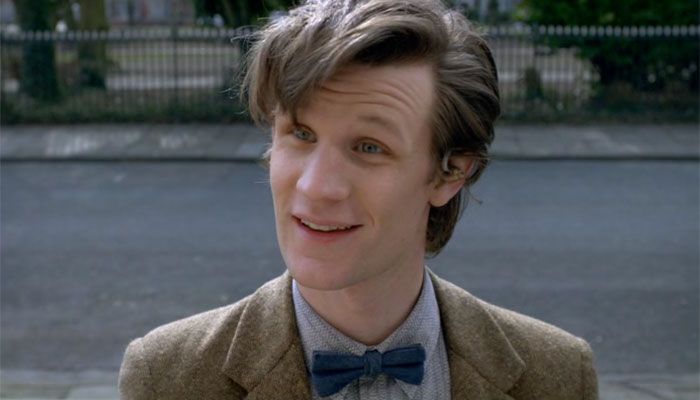
The Doctor from Doctor Who is not particularly wise—in fact, he has all the tact and maturity of a twelve-year-old boy—but he recently taught me an invaluable lesson.

This is not the face of a wise man.

This is not the face of a wise man.

I work in a group home for gentlemen with mental and physical disabilities. As you can imagine, my job is often amusing, sometimes heartbreaking and never predictable.

When I began working in a group home, I felt pity for some of its residents. Their lives are often dark and difficult. Some endure chronic physical pain. Most suffer from depression. Few are ever visited by friends or family. All of them are hurting in some way and few of them understand why.

At first I pitied only these gentlemen, but as months passed I realized they aren’t the only ones deserving of compassion.

Most of my coworkers are hurting. Some are divorced. Some have family issues. Many struggle with financial woes or health problems. I’ve heard tearful stories, bitter complaints and vicious arguments I wish I could forget.

Apart from work, I have friends facing heartrending difficulties: divorce, debt, depression, loneliness and grief.

I’m constantly surrounded by people whose problems I can’t solve, and I hate it.

At one point in Doctor Who, the Doctor and his friend learn that a person whose life they tried to save committed suicide. The Doctor’s companion is overwhelmed with grief. “We didn’t make a difference at all,” she says.

“I wouldn’t say that,” replies the Doctor, blinking back tears. He adds:

The way I see it, every life is a pile of good things and bad things. The good things don’t always soften the bad things, but vice versa, the bad things don’t necessarily spoil the good things or make them unimportant. And we definitely added to his pile of good things.

I may not be able to fix someone’s life, but nothing will ever prevent me from adding to his pile of good things.

I can’t fix my coworker’s marriage. I can’t take away the pain of the gentleman with arthritis or the hopelessness of the gentleman with depression. I can’t promise healing to a hurting friend.

I can, however, be patient. I can listen. I can pray. I pretend to be terrified when the gentlemen with whom I work tell me there are mummies in the cupboards or a mouse in my shoe.

On an afternoon a few weeks ago, just a day or two after I remembered this lesson from the Doctor, I was administering medications at work when a resident of the group home ambled up to me.

“This is for you,” he said with a grin, holding out a cup of coffee.

It occurred to me in that moment that I’m not the only one trying to add to the piles of good things around me.

Sometimes other people, even hurting people, add to mine.


This post was originally published on May 10, 2013. TMTF shall return with new content on April 20, 2015!

Haircuts Are Evil

Like taxes, haircuts are are a necessary evil.

Every few months, I glance in the mirror and despair, for my hair needs to be cut. It’s pretty easy for me to tell when I should hit the hair salon. When my hair starts to look like Justin Beiber’s iconic (and idiotic) hair helmet, I know it needs to be cut.

I’m sometimes tempted to ignore the Beiber resemblance and let my hair keep growing, but one thought pulls me back to safety from the brink of madness.

I will never, ever have a mullet.

My hair has generally been a mess. Once, in middle school, I tried styling it with gel: a mistake that shattered my fragile self-esteem into tiny, tiny pieces. Since then, I’ve occasionally attacked my hair with a comb and left it at that.

If you tell me I need a haircut, I will glare at you with cold, bitter fury. And then I'll go get a haircut.

If you tell me I need a haircut, I will glare at you with cold, bitter fury. And then I’ll probably go get a haircut.

The problem with haircuts is that they bring scissors, razors and other sharp objects very close to my eyes, ears and other things I’d rather not have cut off or gouged out. My fears are not baseless. At least one hair stylist has drawn blood—repeatedly—giving me good reason to fear anyone who brandishes bladed implements anywhere near my face.

Are haircuts evil? Yes. I will prove it. Let us turn to Scripture, brethren, for our answers.

Most of us know the story of Samson, who let his hair grow as a symbol of devotion to God. When his hair was cut, Samson lost his divinely-given strength. He was surrounded, powerless to resist. His tormentors blinded and enslaved him. In the end, Samson ended his own life. (This is all in Judges 16.) All of this happened because Samson got a haircut. A haircut killed him!

Don’t even get me started on Absalom. He was a really bad dude. He also had his hair cut regularly. An evil man who got haircuts? Coincidence? Coincidence?!

With this vast and comprehensive wealth of Scriptural evidence, I believe I’ve proved that haircuts are evil.

(No, I’m not being serious. Please put down your Bibles and/or heavy stones before someone gets hurt.)

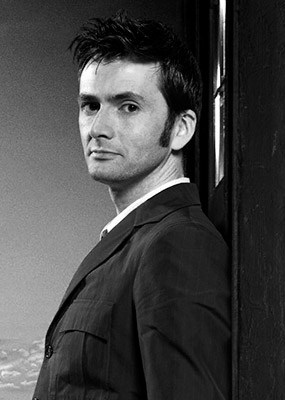
In the past two years, I have found one consolation to make haircuts bearable. The Tenth Doctor from Doctor Who has some sweet, sweet sideburns. Although my paltry sideburns are not worth comparing to the good Doctor’s, they’ve definitely grown on me. (Pun intended. I’m so, so sorry.) Haircuts are awful, yet they keep my sideburns neatly trimmed. Neat sideburns put me ever so slightly closer to achieving the splendor of the Tenth Doctor’s hairstyle.

Saving the universe? Bah! A negligible accomplishment compared to having such awesome hair.

THOSE SIDEBURNS.

Maybe haircuts are worth it after all.

Then again… maybe they’re not.


This post was originally published on May 2, 2014. TMTF shall return with new content on April 20, 2015!

350. Your Questions Are Answered!

A couple of weeks ago, I invited my dear readers to ask me anything. Today I answer those questions, and conclude by making an announcement about this blog.

Here we go!


Kristi asks: Since choosing to not continue with the books following the one you published, have you regretted or reconsidered that decision? Do you continue to write in that world, even if you have no plans for publication?

The unfinished tale of Lance Eliot is near and dear to my heart, yet I’ve neither regretted nor reconsidered my decision to let it go. The first novel was a commercial disaster, I didn’t have time to continue writing fiction, and Lance Eliot’s story was exhausting me. I believe it was right for me to set it aside.

Someday, if I have the time, I may try again. I would like to rework the first novel, The Trials of Lance Eliot, and then write its two sequels at my own pace. Then, with all three novels completely finished, I could focus on getting them published.

In this chapter of my life, I already feel overwhelmed by work, blogging, and other commitments. In order to write The Eliot Papers, I would have have to stop working or blogging… and I doubt I’ll be quitting either of those any time soon!


ferrettt55 asks: I’ve kind of been wondering why you wrote your book under the name M.L. Brown. Any particular reason? A story behind it, perhaps?

I had two reasons for using a pen name. The first is that I liked the idea of being an anonymous success: a literary superhero with a secret identity. (In retrospect, this was a stupid reason.)

My other reason for calling myself M.L. Brown was to build a frame story around the tale of Lance Eliot. I wasn’t Adam Stück, the author of novels—no, I was M.L. Brown, the supposed “editor” of Lance Eliot’s “memoirs.” Brown was eventually going to appear as a minor character in the last book. (The author who called himself Lemony Snicket did something similar in A Series of Unfortunate Events.)

In the end, I regret not using my real name. It would have made marketing my novel much, much easier, and perhaps sold a few more copies.

Fun fact: The initials M.L. stand for Michael Lewis. In full, my pen name alluded to the archangel Michael, the author C.S. Lewis, and the detective Father Brown.


JK Riki asks: If you had unlimited resources (time, money, skill, whatever necessary) what is the one thing you would do that you’ve either always wanted to or felt called to do? (It can be a silly answer like “Eat a taco with both chicken AND beef” but I’m kind of plumbing for a deeper response here with some real meaning and thought. Your choice, though.)

If I had boundless time and money, I would first celebrate with pizza! I would then take a few weeks to plan my next steps, pray, and confer with trusted friends and relatives. In the end, I would probably move to a cozy apartment somewhere on America’s west coast, donate most of my money to churches and charities, and spend my time writing fiction, volunteering, blogging, and drinking too much coffee. (Some things never change.)

If I had limitless talents, I would probably become a professional author and an ambassador for a charitable organization or relief agency. I would also drink too much coffee, natch.


Socrates asks: Where are your monkeys from (and I DON’T mean Amazon.com)? I mean, where were they actually born (are any of them from, y’know, THE Amazon?), what schools did they attend, are any of them related (to each other, I mean), had you met any of them before finding them on the internet?

I didn’t know any of my typewriter monkeys before I purchased them from Amazon.com, but I’m pretty sure they have ties to criminal cartels, and at least two of my monkeys have spent time in Colombian prisons.

Listen, sometimes it’s best not to ask these kinds of questions.


Some Guy asks: Do you know anyone actually named Socrates? Have you seen Bill and Ted’s Excellent Adventure? It’s not that great of a film, but I am reminded of it whenever you refer to Socrates. What is the plural of Socrates? You play and review video games, but what are your favorite non-video games? I’m thinking board and card games, but other categories are fair too (tag, dodgeball, darts, etc.)

Sadly, I don’t know any Socrateses. (I’m guessing Socrateses is the plural of Socrates.) Socrates is my go-to pseudonym because I respect the ancient Greek philosopher, and also because I’m too lazy to come up with a new pseudonym every time I need one.

I’ve heard of Bill and Ted’s Excellent Adventure, but I haven’t seen it. Doctor Who has satisfied my desire to see someone travel through time in a phone box!

Confession: I… um… I don’t like non-video games. Competition stresses me out.

Mind you, I have absolutely nothing against sports or board games. In fact, I’ve played quite a lot of them: Monopoly, cards, bowling, Munchkin, darts, Sorry, checkers, Risk, fútbol (or soccer, if you want to be American about it), and badminton, among others. As much as I appreciate these games, I seldom enjoy competition. (Mario Kart is an exception, of course.) I prefer relaxing pastimes such as one-player video games, going for walks, and climbing trees.


Thomas Mark Zuniga asks: Do you have other awesome hats like the one depicted here? What is your hat-wearing to non-hat-wearing ratio? I’ve always been intrigued by hats and hat-people.

I’m honored to be called a hat-person.

When shopping or running errands, I generally wear my cherished cloth cap. I occasionally wear a fez at home, especially when watching Doctor Who or Gravity Falls, which are my reasons for owning a fez in the first place. (I have no regrets.) My other hats include a couple of beanies, a leather flat cap, a baseball cap, and a gaudy jester hat promoting Ecuador’s national fútbol team.

I once shared pictures of my hats in a post on this blog… which promptly received more views than nearly any two of my other posts combined. As a blogger, I was humiliated to be outperformed by a bunch of hats.


I would like to thank everyone who submitted a question for this Q&A! (Without you, this would have been a really short post.) I would also like to make a quick announcement about this blog.

TMTF will be taking a three-week break, returning with new posts on April 20. The blog will not go dark during the break; I’ll post an original short story on Monday, followed by old posts on the usual schedule (Monday, Wednesday, Friday) until TMTF resumes in a few weeks.

We’ll be back with new content on Monday, April 20. Thank you for reading!
331. TMTF Strikes Back!

After a two-week hiatus, TMTF is back with new content! My typewriter monkeys and I have resumed… whatever it is we do around here. I don’t know.

Before I get carried away with new posts, there’s some stuff we need to discuss—mostly following up on last month’s charity fundraisers, and also asking an urgent question about hats. Prepare yourself, dear reader, for some Important Business Things. We’ll cover them one at a time. Here we go!

TMTF’s charity fundraisers were a success!

Because of your support, TMTF’s charity fundraisers last month were successful!

Charity logos

The Child’s Play fundraiser didn’t quite reach its goal, yet contributed a respectable $75 toward purchasing toys and video games for kids in hospitals. (I like to think that every cent of our donations was spent on Legend of Zelda games, but that’s just me.) While the Child’s Play fundraiser didn’t meet its goal, I’m thankful we were able to give as much as we did.

The Living Water International fundraiser, which is ongoing, surpassed its goal. Thanks to you, we’ve given $375 toward providing clean water to people in impoverished areas! That’s one hundred twenty-five percent of the fundraiser’s original goal, which is just bonkers.

When we started raising funds last month for charity, I honestly wasn’t sure we would meet our goals. You guys have amazed me. Thank you so much for making this possible. You are my heroes. Well done.

Bravo (GIF)The Living Water International fundraiser is still going strong!

Even though the clean water fundraiser was meant to be a Christmas project, it won’t end for another few weeks. (I didn’t have much flexibility in planning its duration.) For as long as it’s up and running, this blog’s rewards for donors will remain in effect, so feel free to give!

I’m still working on donor rewards, and I will get them to donors as soon as I can.

If you haven’t received your rewards for donating to one or both of TMTF’s fundraisers, I haven’t forgotten you! I’m still working on them, and I’ll send them your way as soon as I can.

By the way, there were a few anonymous donations. If you donated anonymously and would like to receive donor rewards, it’s not too late to contact me. I want to say thank you!

Should charity fundraisers become a Christmas tradition for this blog?

I don’t know. What do you think?

All right, enough talk about fundraising. Let’s discuss hats.

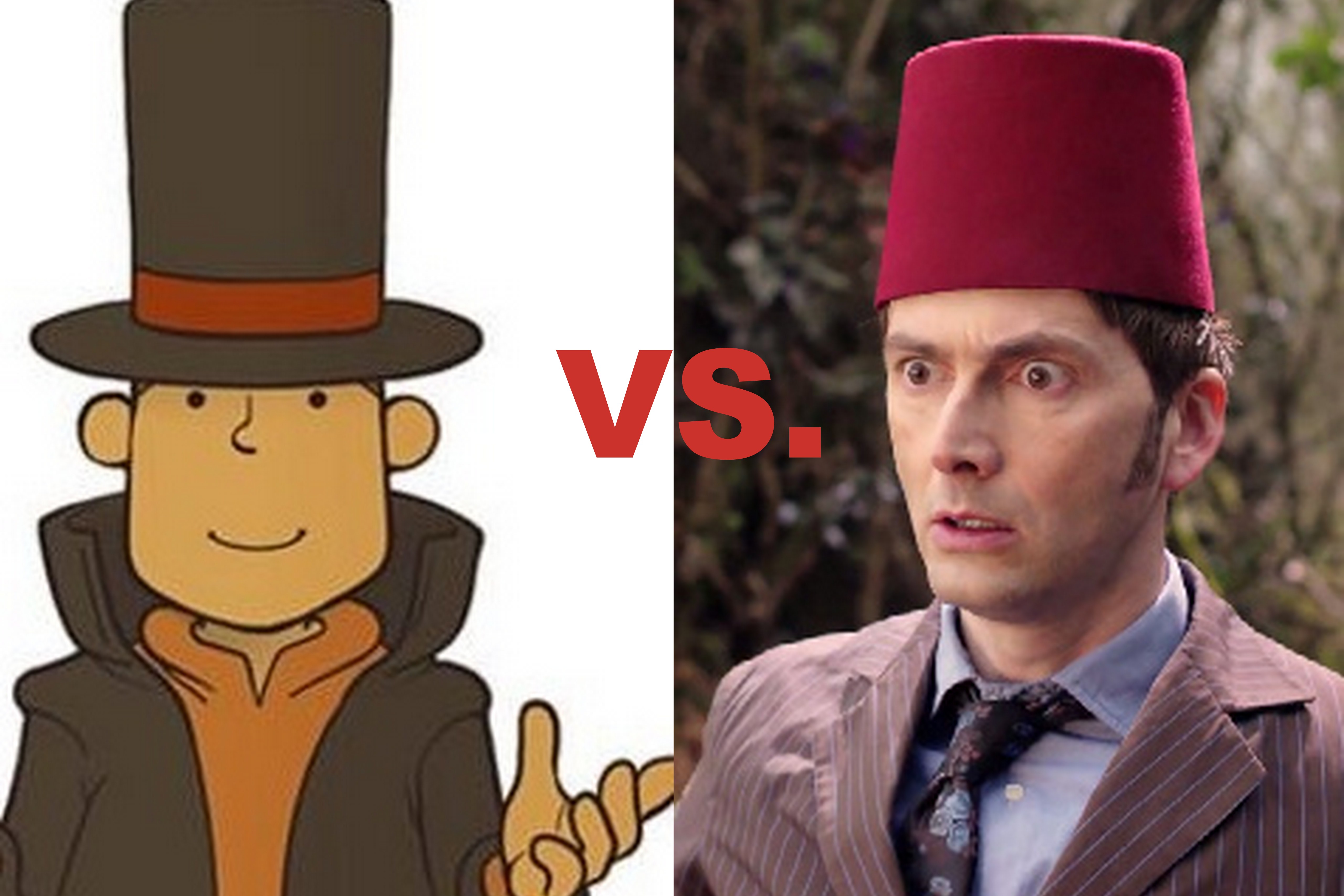
Top hats or fezzes?

Top hats vs. fezzes

Discuss.

I think that’s everything!

I guess those are all the Important Business Things we have to discuss for now. Thanks again, dear readers, for making last month’s charity events a success!

In conclusion, fezzes are less expensive, but top hats lend a certain dignity to any aspiring gentleman. They’re both pretty great.

Batman Syndrome

I have Batman Syndrome.

I wish this meant I were as cool, skilled or accomplished as Batman. It does not. It most certainly does not. What it means is that Batman and I have something in common: we obsess over our mistakes.

If you or someone you love suffers from Batman Syndrome... I feel your pain.

If you or someone you love suffers from Batman Syndrome… I feel your pain.

I like fictional characters who overlook their victories and overemphasize their failures. There’s something compelling about characters who are heroic without realizing it. Take the Doctor from Doctor Who, who has saved every planet in the universe roughly twenty-seven times. In all his travels through space and time, he never leaves behind his insecurity, self-loathing or guilt. Consider Jean Valjean from Les Misérables, who atones for a few petty crimes by spending years serving the poor and helpless. They bless him as a saint. He despises himself as a criminal.

Then we have Batman, the eponymous sufferer of Batman Syndrome, who is so blinded by guilt that he fails to recognize one all-important fact: he is freaking Batman. No matter how many thousands of people he rescues, he remains obsessed with the two he failed to save.

I’m not a savior like the Doctor or a saint like Jean Valjean. I’m certainly not a superhero like Batman. Even so, I occasionally do things right. I also do things wrong. In my mind, the wrong things eclipse the right ones. A mistake cancels out all successes.

This isn’t always such a bad thing. I feel driven by my mistakes to try harder, to be better, to get it right. In the short term, it helps.

In the long term, however, Batman Syndrome wears away my confidence. It also makes me anxious. Dash it all, does it ever make me anxious. Doing anything is hard for someone desperately afraid of making mistakes. Perfection is a lousy minimum standard.

Batman Syndrome haunts me with one dreadful question.

You’ll never get it right, so why even try?

I write a lot about grace and stuff. In the end, I suppose it’s because I’m amazed (and sometimes incredulous) that God loves me. I’ve made a lot of mistakes. More to the point, I make a lot of mistakes. It’s easy for me to accept God’s forgiveness for a sin committed ten years ago. What’s hard for me to accept is forgiveness for a sin committed ten minutes ago.

It can also be hard for me to acknowledge my victories. I want to be humble, but there’s a difference between true humility and false modesty. I’m often reminded of my weaknesses. I think I must also allow myself to be reminded of the strengths God has given me. I’ve a long way to go, but I mustn’t overlook how far I’ve come.

I’m not Batman, and I think I’m finally beginning to accept that I don’t have to be.


This post was originally published on March 18, 2013. TMTF shall return with new content on January 19, 2015!

A Most Unusual Nativity Scene

Today’s Geeky Wednesday post features Mr. Bean and a delightfully odd Nativity scene. Yes, I know today is Friday.

This blog just had a Geeky Wednesday post a couple of days ago—you know, on Wednesday—but some unexpected complications this week have prevented me from writing a proper blog post for today.

Please accept my apologies, along with the weirdest/best Nativity scene I’ve ever witnessed. It comes from Mr. Bean, a comical British television program about a bumbling man child. (Despite his many faults, Mr. Bean still acts with more thoughtfulness, tact, and common sense than most celebrities.) In the video above, Mr. Bean takes a humble Nativity scene and elevates it to dizzying heights of weirdness.

Since I was a little kid, this was my favorite scene from any Mr. Bean episode. Now that I recognize its marauding robot as a Dalek from Doctor Who, my amusement has only increased.

To conclude on a more serious note, I’ve always loved well-crafted Nativity scenes. (Those garish inflatable ones are dreadful.) Depictions of the Nativity are a quiet reminder of the hope and meaning underlying Christmas.

312. Gritty or Glittery?

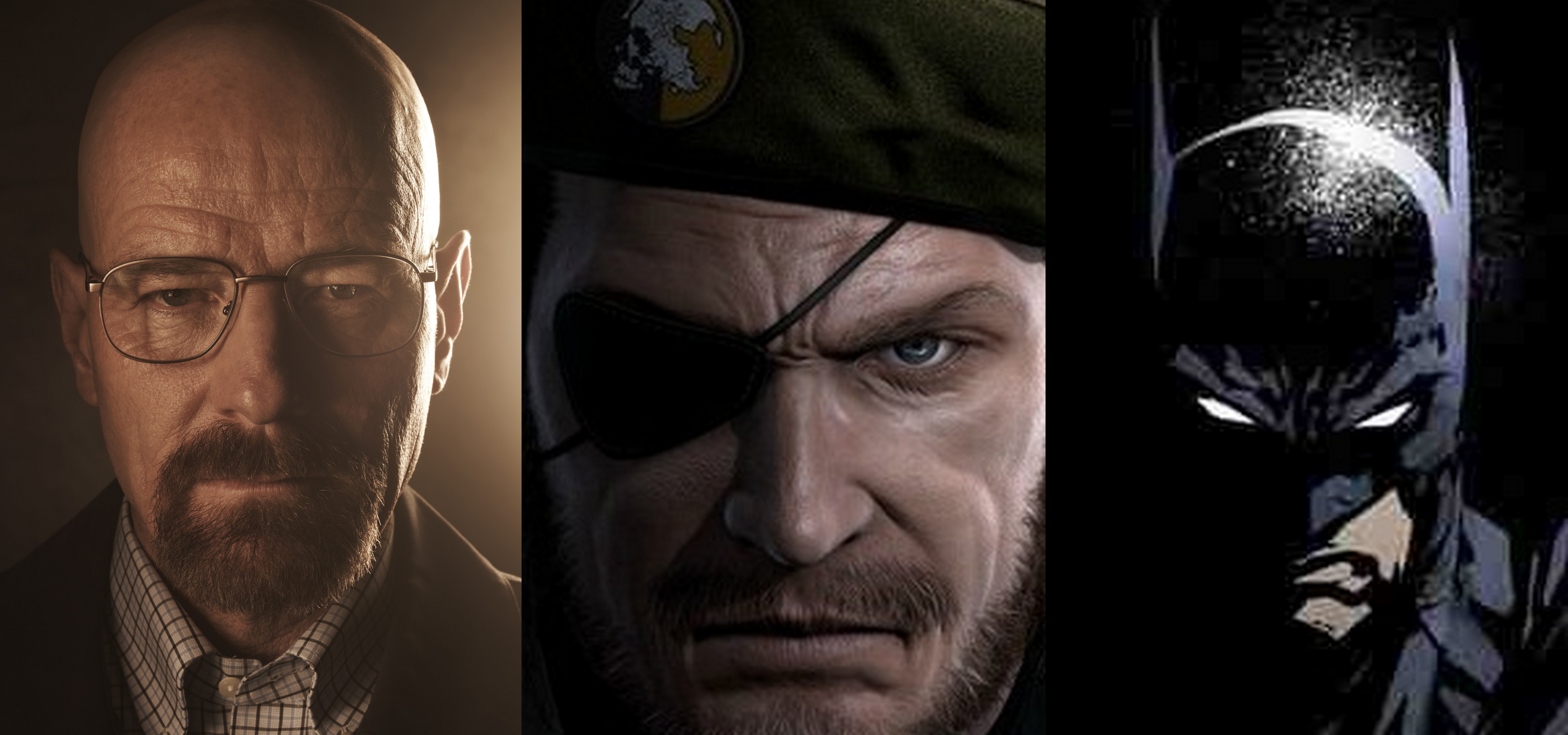
In the past few years, we’ve seen a lot of gritty media: books, films, and video games characterized by darkness, angst, violence, and square-jawed men brooding over inner conflicts. From Wolverine to Walter White, we’ve seen plenty of angsty characters on the large and small screens. Books—even young adult literature—feature people killing (and dying!) in all sorts of creative ways. The video game industry continues making games with guns, gore, and roughly one in every five words of dialogue being the f-bomb.

Angst! Darkness! Square jaws!

Angst! Darkness! Square jaws!

Why is gritty media popular? That’s a tough question to answer. I suppose there’s some truth to the darkness and violence in these media, and it resonates with people. We all feel sadness, discouragement, and anger. Some face depression, abuse, self-destructive impulses, or equally “gritty” problems.

Finally, gritty media often seems mature, sophisticated, or “grown-up.” All of this begs the question: Is it?

While gritty media has become more popular in past years, there are still plenty of lighthearted books, films, and video games: “glittery” media, so to speak.

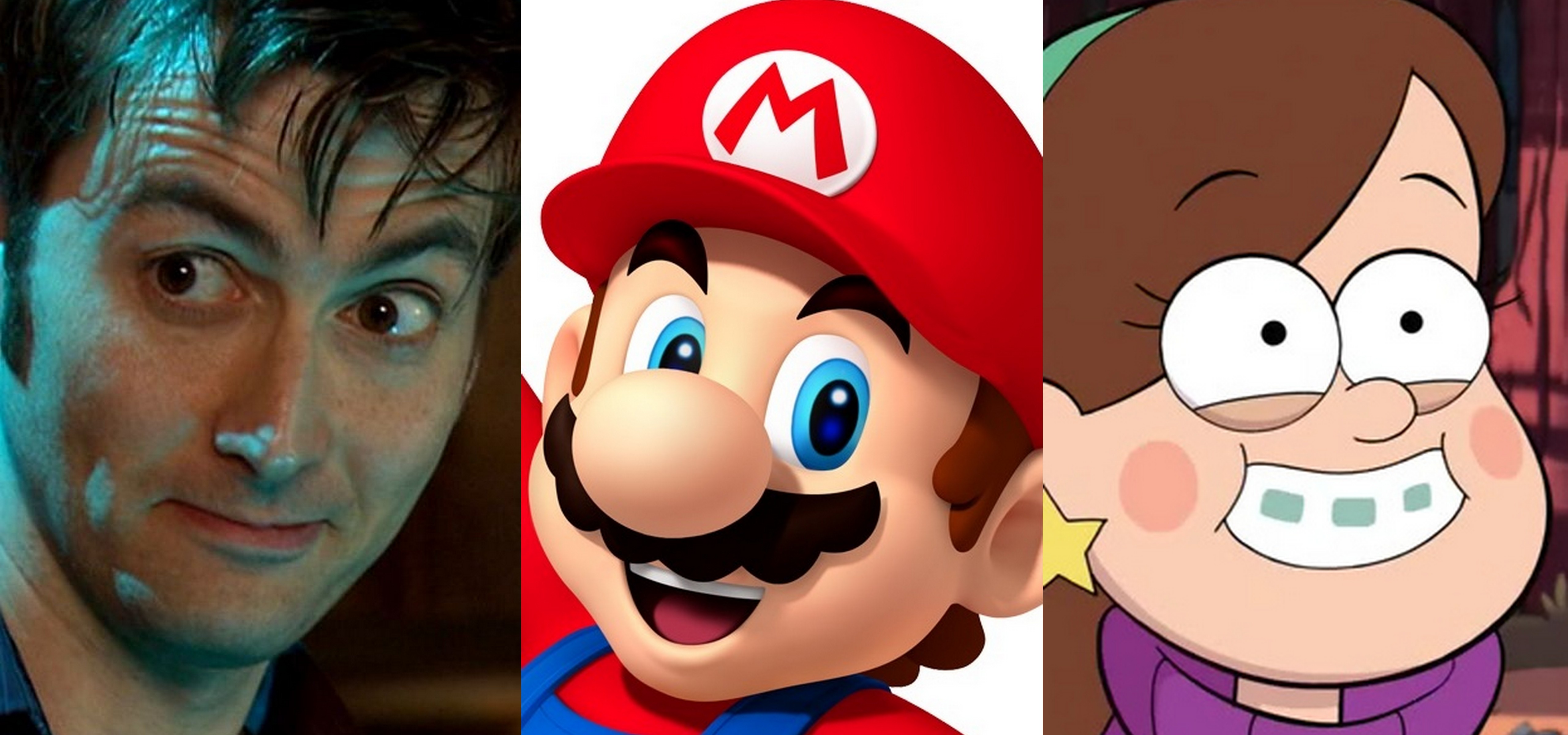
Light! Smiles! Goofy braces!

Light! Smiles! Goofy braces!

Throughout history, comedy has nearly always taken a backseat to tragedy. Shakespeare’s most famous plays are his tragedies; Mark Twain’s cynical Adventures of Huckleberry Finn is celebrated over his cheerfuller books; P.G. Wodehouse’s clever comedies are largely eclipsed by the gloomy writings of his contemporaries. It seems humor and optimism can’t be taken seriously.

While there are certainly good things to say for gritty narratives, I don’t believe grittier is necessarily better. A purpose of art is to reflect or represent truth; the truth is that life isn’t always gloomy. A Farewell to Arms or The Things They Carried may be brilliant depictions of the horrors of war, but peace is no less real than violence. I think it’s absurd to suppose, say, Anne of Green Gables is necessarily an inferior book because it reflects joy and sentiment instead of pain and despair.

In the end, it’s a mistake to judge the quality of a thing by whether it’s gritty or glittery, tragic or comic, cynical or optimistic. That said, I would love to see people take glittery media more seriously. Can we study humorists like P.G. Wodehouse or James Thurber more widely in schools? I’m sure students wouldn’t mind putting down The Lord of the Flies. Can we have fewer gritty superhero movies and have more like Marvel’s quirky Guardians of the Galaxy? We could use a break from gloom and doom.

The world is an awfully dark place, but there’s a little light left. Some stories remember that, and I think they’re worth taking seriously.

303. About Storytelling: Temporary Death

Death is one of life’s few absolute certainties. Others include taxes and the fact that every person will, at some point, step in a puddle of water on the bathroom floor while wearing socks. Yes, life can be cruel.

Death is inevitable. For the most part, even fiction acknowledges this. What some stories don’t guarantee is that characters will stay dead. I’ve discussed how to kill off fictional characters, and even mentioned temporary death as a video game cliché, but I think it’s still worth taking a look at how characters in some stories recover from death as easily as getting over a cold.

There are endless possibilities for cheating death in fiction, going all the way back to classical mythology. In Greco-Roman myths, death was a literal place from which a surprising number of people managed to escape: Heracles and Orpheus, among others.

The past few decades have given us an endless array of methods for cheating death, especially in geekier media like comics, video games, and fantasy fiction.

Here are some of my favorites.

Be ye warned, here there be minor spoilers.

Time travel

How often dead characters have been restored to life because someone went back in time to rescue them! Thanks to the butterfly effect, tiny decisions in the past can have huge consequences in the future. Probably my favorite example of time travel resurrecting a dead character comes from Chrono Trigger, pretty much the greatest RPG ever made, in which characters travel to the exact moment of a man’s death to save his life.

Superhero comics

There is no single explanation for this one—comic book characters are revived in such a staggering variety of ways that I can’t even begin to list them all. A mutant’s seeming death triggers her evolution into a more advanced mutant. A superhero’s innate healing abilities pull him back from the brink of death. A villain fakes his death by a stupidly elaborate scheme. Really, the possibilities are countless.

Magic

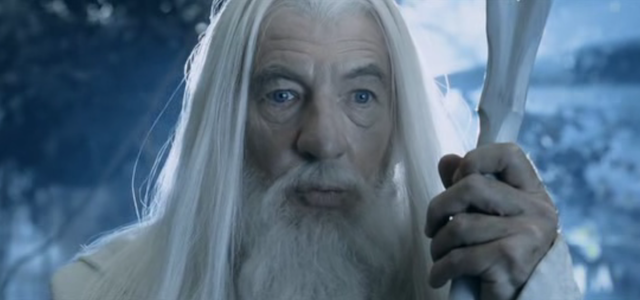
When in doubt, magic is the ultimate deus ex machina. Magic is mysterious and inexplicable by its very nature. If a writer resurrects characters by magic, who is there to argue? Miracles, such as the triumphant return of Aslan or Gandalf, fall into this category, which also includes medicines like the chocolate-coated pill from The Princess Bride.

Supposed to be dead

What? I’m supposed to be dead? Well, this is awkward.

Technology

By technology I mean magic as it is called in sci-fi stories. Let’s face it: advanced technology and supernatural magic are practically the same thing in some science fiction.

Reincarnation

This metaphysical concept has been lifted from various religions and adapted to everything from Avatar: The Last Airbender to Doctor Who. (The Doctor’s regeneration is basically sci-fi reincarnation.) Characters may technically die, but reincarnation allows the narrative to bring them back.

Afterlives

This brings us to ghosts, phantoms, and other not-alive states of being. Again, even if the story considers characters dead, they’re still fulfilling the roles of living persons by lingering as spirits.

Fake deaths

This one annoys me. (All the same, I’ve used it more often in my writing than I care to admit!) When a character seems to die, the narrative treats them as dead… until they turn out to have been alive all along. Fake deaths generally cheapen the reactions of living characters. Responses like mourning, grief, and anger become less meaningful when they’re revealed to have been unnecessary. Besides, fake deaths are generally predictable.

I think temporary death is a valid storytelling trope, but I prefer death in fiction to be permanent. Death is more realistic, and carries much more weight, when it’s treated as an everlasting reality instead of a fleeting condition.

Anyone who knows anything about video games probably knows that Aerith dies in Final Fantasy VII. Partway through the story, this cheerful flower vendor is impaled by the villain. That’s it. There’s no resurrection, no last-minute deus ex machina. In the game, she is dead. The other characters mourn her… and so does any player whose heart isn’t made of stone.

Death is tragic. It often seems meaningless. However, in storytelling, that miraculous medium which makes all things meaningful, death matters—especially when it lasts more than a few minutes.