395. Word Derps

My younger brother, John, has a number of talents, such as recreating pictures in pencil. (You should check out his DeviantArt page!) Some of his other gifts are a little less, um, ordinary. For example, when pausing movies or videos, he often freezes them on bizarre or creepy frames.

The greatest of John’s unusual talents is his involuntary tendency to mangle the English language in everyday conversations. Some time ago, I began keeping a meticulous list of his mispronunciations. For science.

The list, titled John’s Word Derps, has grown larry vong—excuse me, very long. When it was shutter, er, shorter, it wasn’t worth sharing, but when it plast, um, passed a certain point, I thuck—I mean, I thought—the time had come to unleash it upon the world.

I need hardly add that every one of my brother’s verbal fumbles is genuine. All were mistakes; none were intentional.

With John’s blessing and no further ado, TMTF is delighted to share dozens upon dozens of examples of how English words can go wrong.

  • Pleeple for people
  • Owler for hour
  • Reppens for weapons
  • Morst for most
  • Unventure for adventure
  • Bock for back
  • Expenshiv for expensive
  • Slabbered for slobbered
  • Were-chair for wheelchair
  • Blugged for bugged
  • Fameless for famous
  • Fannum for phantom
  • Warking for working
  • Blabe for babe
  • Poistman for postman
  • Bloy for boy
  • Zacky for wacky
  • Wayney for zany
  • Quabbling for squabbling
  • Liter for later
  • Prevence for presence
  • Kerackly for correctly
  • Weeding for reading
  • Shutter for shorter
  • Canonical for conical
  • Larry vong for very long
  • Misselling for mispelling
  • Wester aunt for restaurant
  • Speeze for speed
  • Twennyse’en for twenty-seven
  • Max for masks 
  • Crom for come
  • Crip for creep
  • Darm for darn
  • Pepper for paper
  • Brench for bench
  • Plast for passed
  • Planting for planning
  • Obble for awful
  • Reem for ring
  • Sorn for scorn
  • Bicycley for basically
  • Pershun for person
  • Ruth for roof
  • Blad for blade
  • Monely for mostly
  • Weed for weird
  • Elloquint whee for eloquently
  • Wong for wrong
  • Orpenned for opened
  • Thuck for thought
  • Effisode for episode
  • Obvee on iss for obvious
  • Statue for stature
  • Insped for instead
  • Plarts for parts
  • Foast for first
  • Ween for mean
  • Kine zah for kinda
  • Insoud for inside
  • Clyde for cloud
  • Eye prawn for apron
  • Flaw-plaw for firepower
  • Jude for dude
  • Scub cout for cub scout
  • Con seized for conceived
  • Wom for wall
  • Track for truck
  • Craces for creates
  • Supplized for surprised
  • Beth for best
  • Drist for dressed
  • Punnel for pummel
  • Bretter for better
  • Horiful for horrible
  • Shavver for shower
  • Parsley for partially
  • Uttock for attack
  • Brig inning for beginning
  • Nack snep for neck snap
  • Ond for and
  • Delieve for delete

394. TMTF’s Top Ten Disney Villains

All right, guys. We all knew this was coming. It was only a matter of time.

I like villains—from a safe distance, of course. Bad guys are often so much more interesting than good ones. Whether misguided, damaged, or simply evil, a striking or well-developed villain is often the best part of a story. Walt Disney Animation Studios understands this. In its seventy-something years of filmmaking, it has created an entire pantheon of memorable bad guys.

Prepare yourself for the best of the baddies, ladies and gentlemen, as TMTF presents…

The TMTF List of Top Ten Disney Villains!

Be ye warned: Here there be minor spoilers.

10. Cruella de Vil (One Hundred and One Dalmations)
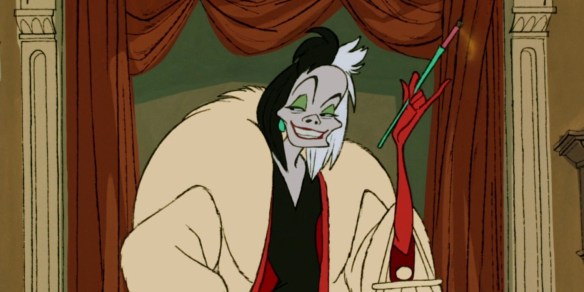
Cruella de VilleNot every villain needs to be an all-powerful menace. Cruella de Vil is merely a bad person: shallow, selfish, cruel, unbalanced, and a little sociopathic. I would call her a crazy cat lady, but she’s more of a dog person—but only if “dog person” means “person who wants to kill puppies and turn their skins into coats.” Her visual design is incredible, from the bulky furs dangling from her skeletal body to the sneer on her blood-red lips. Cruella de Vil is a maniac, and a refreshingly low-key change from the large-scale evil of other Disney villains.

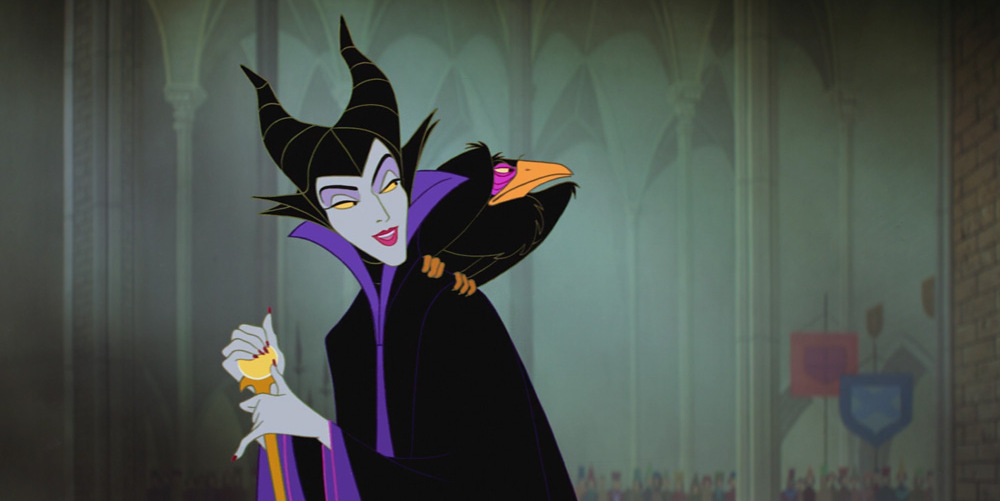
9. Maleficent (Sleeping Beauty)
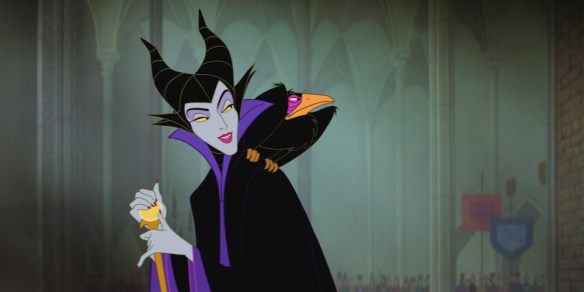
MaleficentMaleficent isn’t a complex villain, or even a particularly interesting one, but she gets bonus points for making an impression. She may be the most recognizable baddie in the Disney pantheon. Maleficent perfects the gaunt-and-sinister-old-lady character type. By comparison, the queen from Snow White and the Seven Dwarfs and the stepmother from Cinderella seem like mere prototypes. Maleficent also turns into a dragon, which is pretty rad.

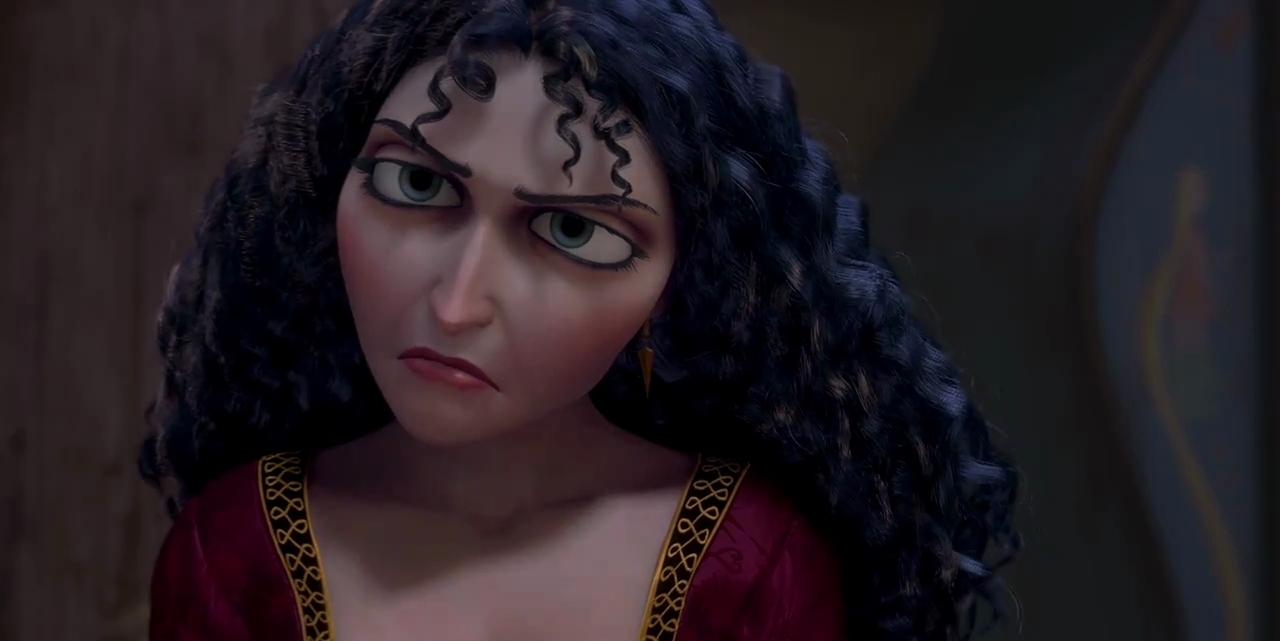
8. Mother Gothel (Tangled)
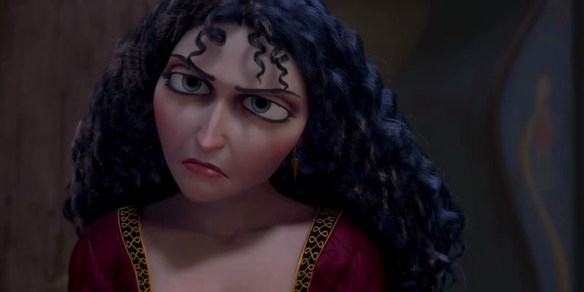
Mother GothelI’m going to be lazy and let another blogger explain this one: “What makes Mother Gothel terrifying is the fact that Rapunzel loved her. That makes Mother Gothel more than a villain in the traditional hey-I’m-going-to-kill-you way. It makes her a liar, deceiver, and traitor, violating one of the deepest bonds we can think of (mother-daughter).” (As long as I’m stealing ideas from Amy Green, you should go read her old two-part post on Disney villains.) Mother Gothel isn’t as powerful as other villains on this list, but she’s far more relatable—and that scares me more.

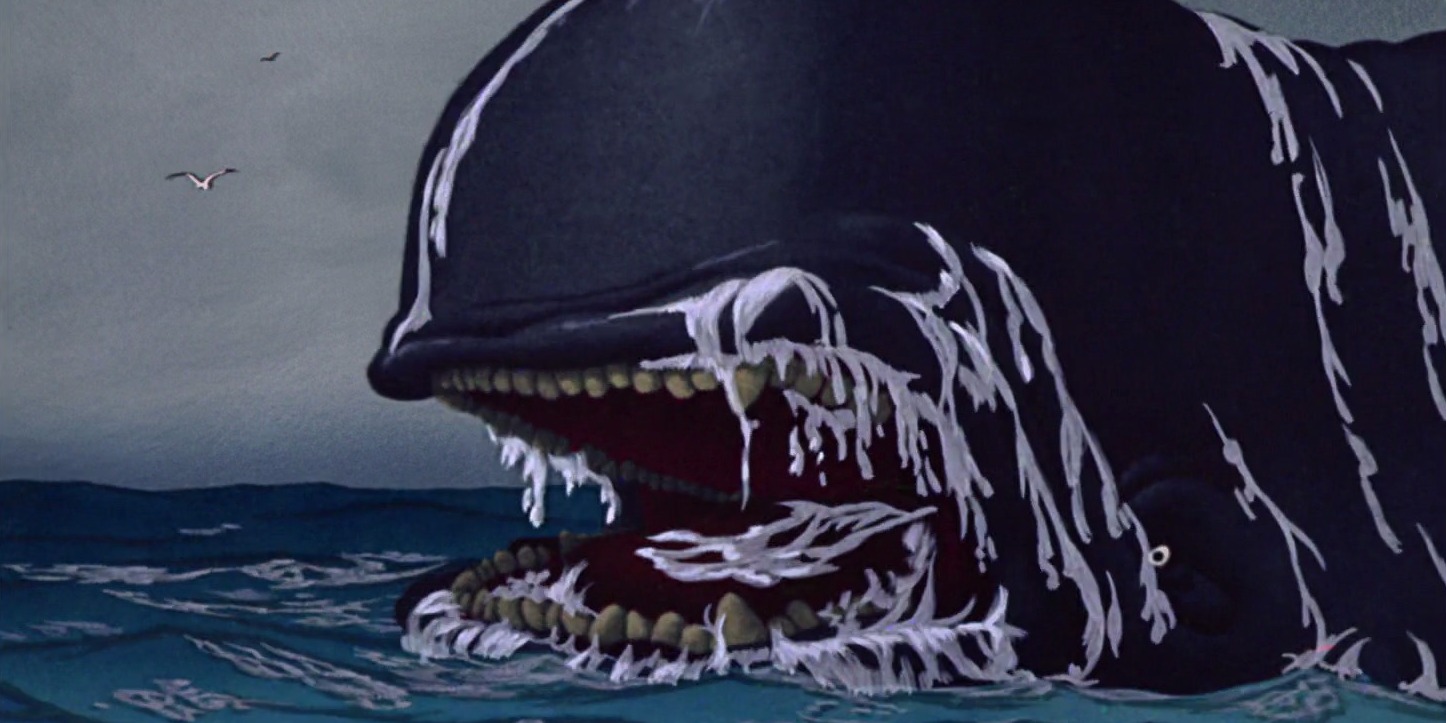
7. Monstro (Pinocchio)
Monstro

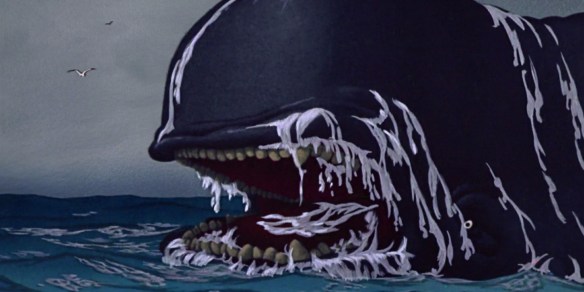
Monstro is not a well-developed character—or any kind of character, for that matter. Monstro is a whale. He has no dialogue, and his only apparent motivation is rage. Like Sauron in The Lord of the Rings or Cthulhu in the works of H.P. Lovecraft, Monstro is not so much a character as a force of evil. Monstro is a monster, true to his name, in the truest sense of the word: inscrutable, elemental, destructive, powerful, incomprehensible, angry, and terrifying.

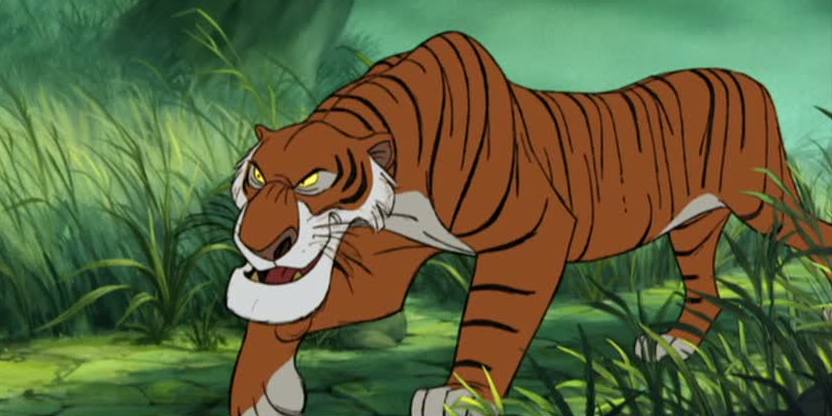
6. Shere Khan (The Jungle Book)
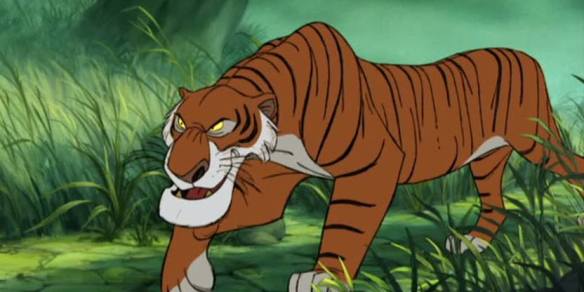
Shere Khan

Shere Khan is an implacable predator. He isn’t exactly evil, but lives according to his nature, and his nature is to kill. Here is another example of superb visual design creating a memorable character: his massive jaw and tiny yellow eyes give him a predatory look, and his smooth, cat-like movements convey power and confidence. The unsettling way Shere Khan swings from politeness to savagery reminds me of Hannibal Lector from The Silence of the Lambs. Shere Khan isn’t out to conquer the world. He just wants to kill, and he’s creepily nice about it.

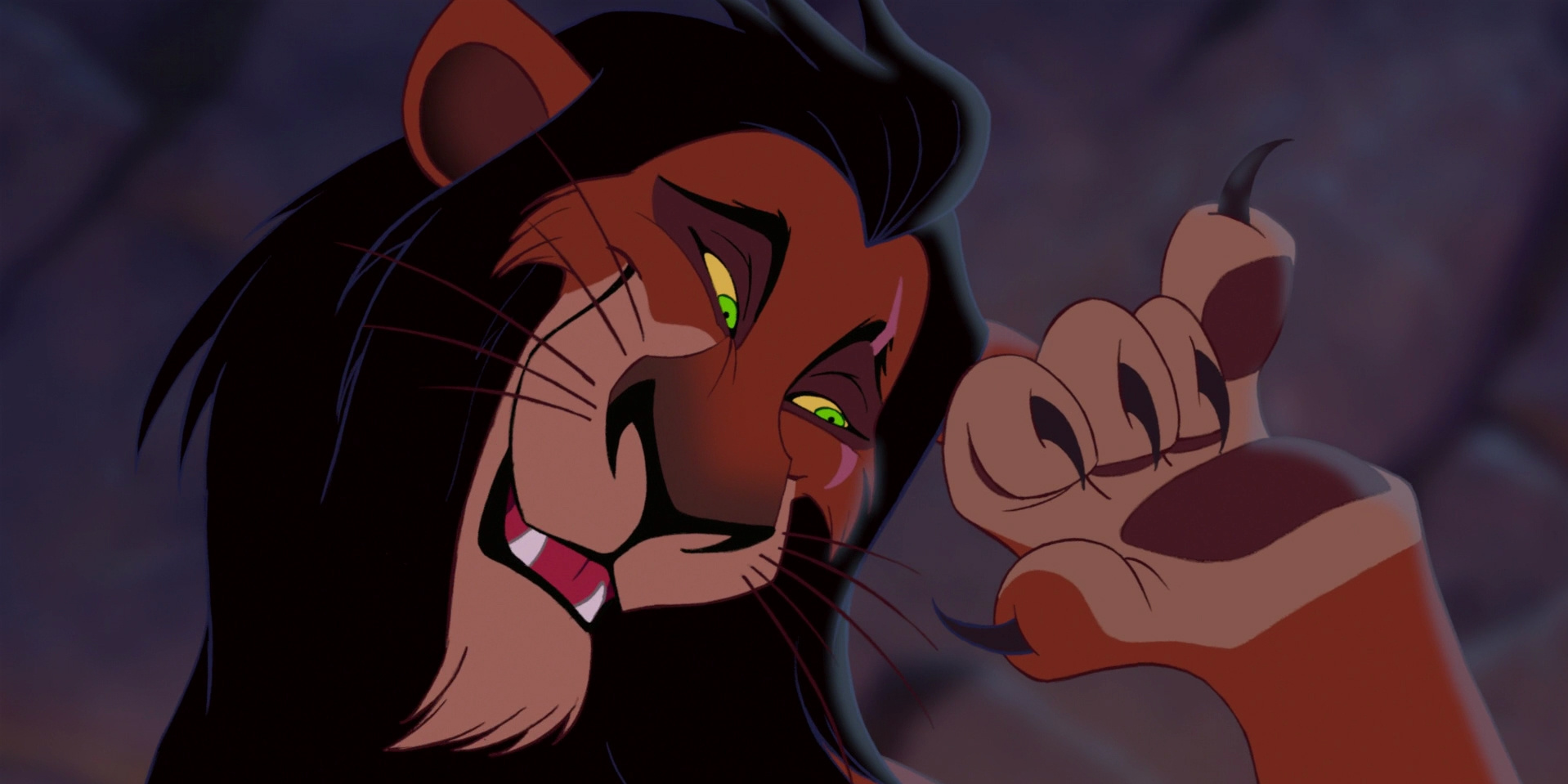
5. Scar (The Lion King)
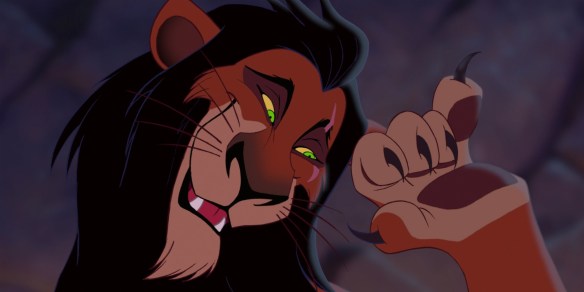
ScarScar is delightful and charming, insofar as a treacherous tyrant can be either of those things. As a king’s younger brother, he resents his young nephew for taking away his claim to the throne. (It’s all very Shakespearean, which is appropriate since The Lion King is based loosely on Shakespeare’s Hamlet. Scar reminds me more of Richard III, though.) I can think of a lot of words to describe Scar: sarcastic, scheming, ruthless, resentful, and vicious, among others. He has a lot in common with other Disney villains, but his underhanded charm sets him apart.

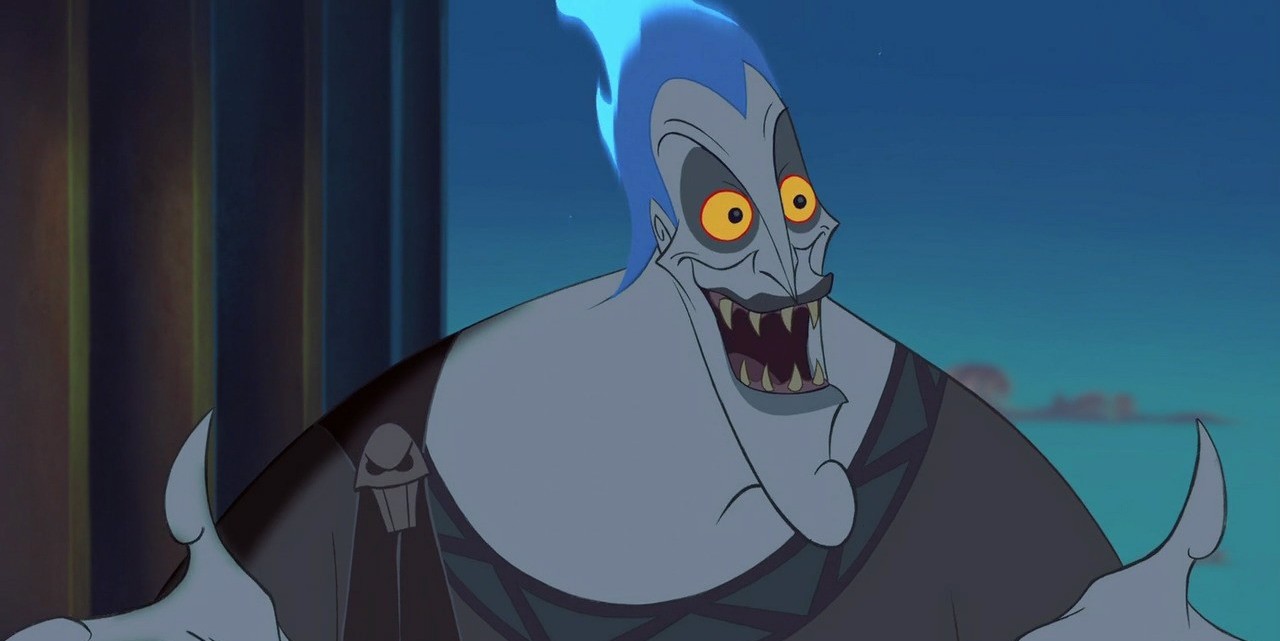
4. Hades (Hercules)
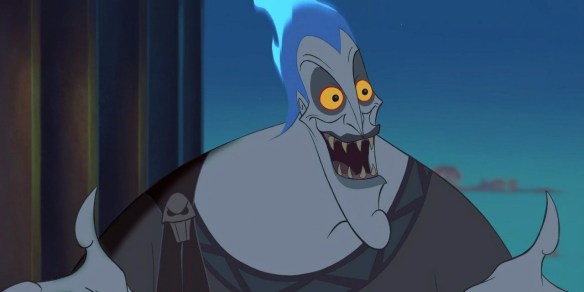
HadesThis smooth-talking scoundrel gives the impression of a shady used car salesman. His friendly manner can’t hide his short temper and ill intent. Did I mention that Hades is the god of the dead? He’s the god of the dead. His character in the film is never quite as funny as I remember, yet I absolutely adore the combination of a sleazy personality with the almighty power of a mythical god. Villains tend to be serious, sometimes to the point of tedium or predictability. Hades joins baddies like the Joker and Kefka Palazzo as a really bad guy with a really good sense of humor.

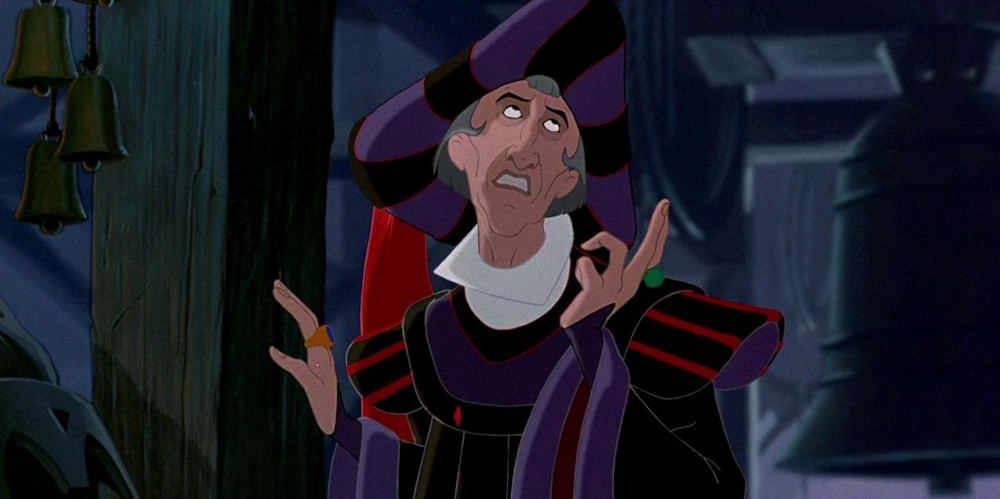
3. Judge Frollo (The Hunchback of Notre Dame)
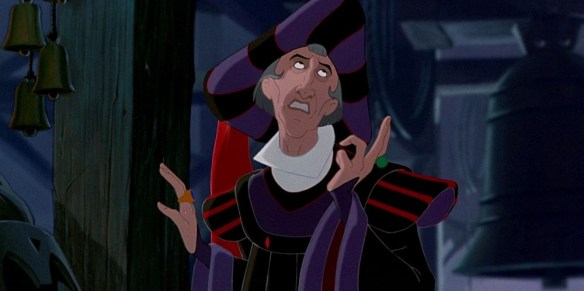
Judge FrolloTo this day, I can hardly believe Disney allowed The Hunchback of Notre Dame to be made. It’s an excellent film, but definitely doesn’t fit Disney’s kid-friendly image. Take Claude Frollo. This judge plans a genocidal crusade to murder the gypsies of Paris: a heartless ethnic cleansing in the name of religion. Judge Frollo clings to hypocritical self-righteousness, yet desperately fears that his lust for a gypsy woman will damn him to an eternity in hell. Yeah. Heavy stuff. Just listen to his villain song, “Hellfire.” Most Disney baddies get a villain song, but Frollo’s is the only one about sexual desire and everlasting damnation. Judge Frollo is a complex, tormented man, and a haunting antagonist for one of Disney’s most daring films.

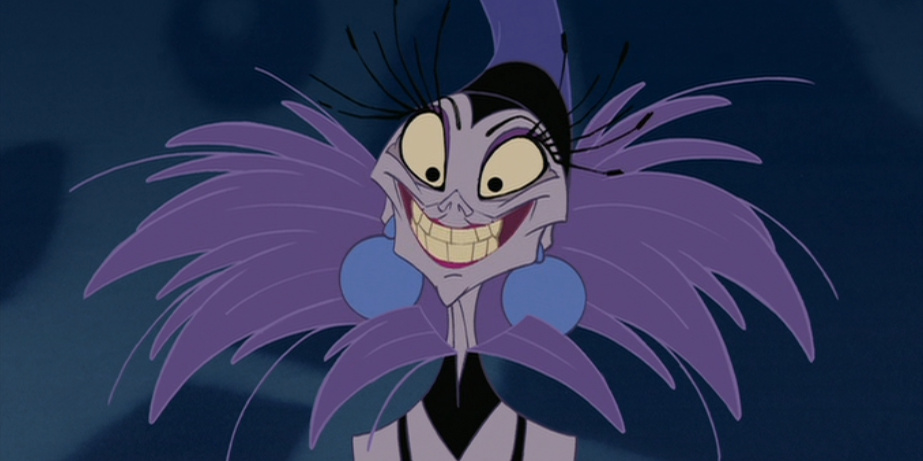
2. Yzma (The Emperor’s New Groove)
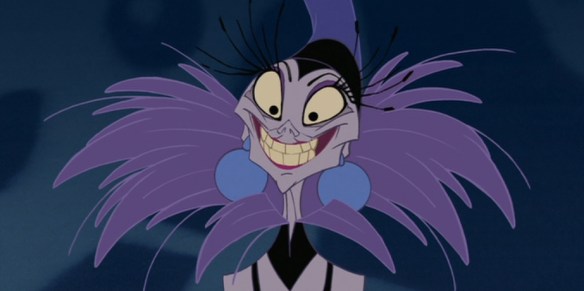
YzmaNot every villain has to be dark and brooding. If you haven’t already seen The Emperor’s New Groove, stop reading this blog post and don’t come back until you have. Yzma is flipping hilarious. This resentful old woman, whom other characters describe as “scary beyond all reason,” swings madly from manic cheerfulness to furious grumpiness. When she finally loses patience with her laid-back, self-centered emperor, she plans his assassination… only for the plan to go awry and the emperor to end up transformed into a llama. Throughout the film, Yzma and her adorkable henchman Kronk try (unsuccessfully) to track down and kill the emperor before he can reclaim his throne. Hilarity ensues, proving that a villain doesn’t have to be scary to be awesome.

1. Rourke (Atlantis: The Lost Empire)
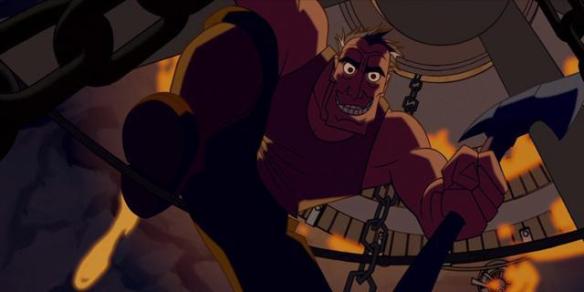
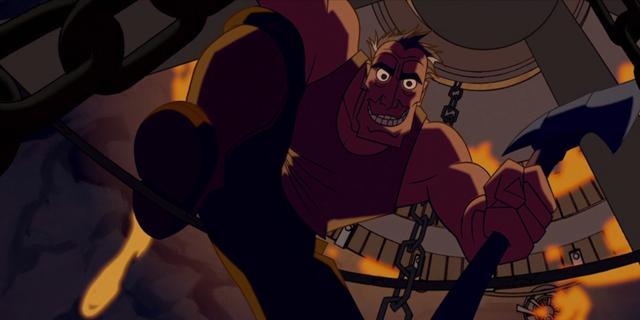
Commander RourkeI doubt anyone saw this one coming. Atlantis: The Lost Empire was released in the dark age between the Disney Renaissance in the nineties and the so-called Disney Revival of the past six or seven years. Most of Disney’s films from the early aughts have faded from memory. In the case of Atlantis: The Lost Empire, it’s a shame: I consider this steampunk adventure an underappreciated gem. Its villain, Rourke, is the kind of pragmatic, no-nonsense killer I would never have expected from Disney. Rourke, the leader of an expedition to discover Atlantis, reveals himself to be a mercenary—or to use his preferred term, an “adventure capitalist.” He plans to plunder a magical artifact from Atlantis, killing all of its inhabitants in the process. Rourke stands out for his dry sense of humor, absolute self-interest, and complete disregard for human life. Did I mention the scene in which he snaps and tries to murder the protagonist with an axe? Rourke is a fantastic villain, and I think Disney has none better.

Who are your favorite Disney villains? Let us know in the comments!

393. About Storytelling: Magic, Destiny, and Nanomachines

Here’s a question for you: What do fate, magic, nanomachines, and sonic screwdrivers have in common?

As I mentioned last time, I’ve been playing a video game called Metal Gear Solid 4. Its blend of military intrigue, science fiction, and social commentary is kinda bonkers, but the story’s strangest turns always have an explanation—or, to be more honest, an excuse. That excuse is nanomachines. These microscopic robots are injected into the bloodstream of many characters in the game, giving them superpowers (or super-weaknesses) that defy all other explanations.

How does a character in the game survive being shot in the head and stabbed through the abdomen? Nanomachines. How are entire armies instantly disarmed, disabled, and defeated? Nanomachines. How is a long-dead character revived in a stunning twist? That’s right—flipping nanomachinesEvery impossible twist in the story is explained by these hard-working little bots.

The answer is nanomachines.

The answer is nanomachines. It’s always nanomachines.

In the end, throughout the Metal Gear Solid series, nanomachines are generally the catch-all explanation for things that otherwise make no sense. The audience never learns exactly how they cause immortality, raise the dead, regulate firearms, or do any of the other crazy things they do. Nanomachines are a vague, easy solution to plot holes that can’t otherwise be filled.

Let’s not cast all the blame upon nanomachines, though. Consider how often, especially in fantasy stories, magic is used to explain away things that make no sense. Science fiction often uses technology in exactly the same way. As Arthur C. Clark reminds us, “Any sufficiently advanced technology is indistinguishable from magic.”

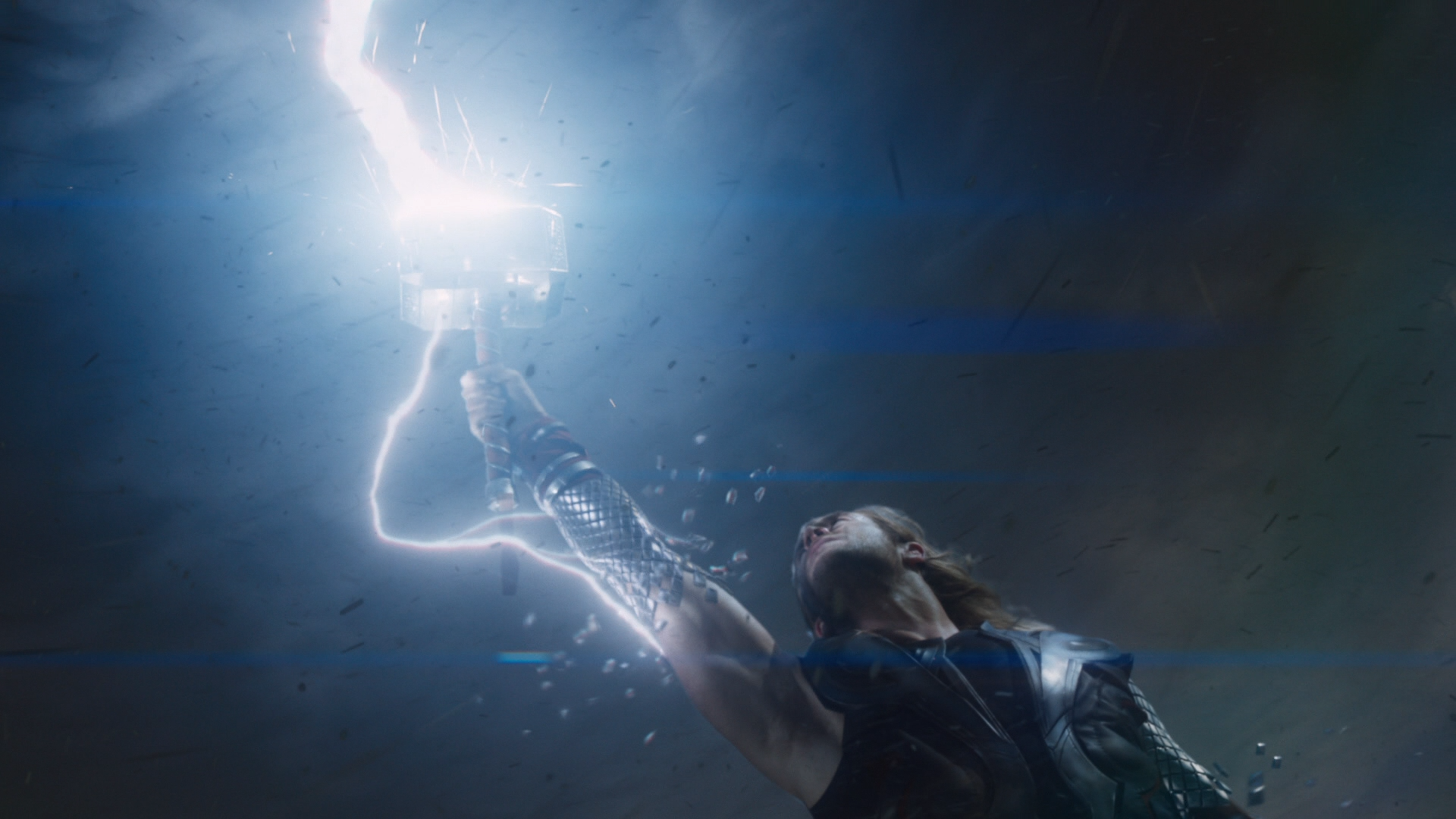
Marvel’s Thor movie openly acknowledges this when its eponymous superhero tells an ordinary human, “Your ancestors called it magic, but you call it science. I come from a land where they are one and the same.” Thor’s hammer makes no sense. Most of the stuff in Marvel’s movies makes no sense. The easiest solution is to claim that it’s incomprehensible technology and call it a day.

Witness the power of... um... technology?

Witness the power of… science?

Fate and destiny can work the same way. In dramas and romances, these vague cosmic forces offer an excuse for crazy coincidences and irrational behavior.

Then there’s Doctor Who. Flipping heck, is there ever Doctor Who. Besides the good Doctor’s sonic screwdriver, which does anything the plot needs it to do, the show’s many plot holes are waved away by the concept of “wibbly-wobbley, timey-wimey… stuff.”

Do you remember the concept of deus ex machina? It’s when a specific problem in a story is resolved by some contrived or impossible solution. This is the same idea, but bigger and more pervasive. It’s when a deus ex machina, instead of resolving a single problem, becomes the storyteller’s go-to resolution for all of the problems.

As cheap or lazy as this sounds, it doesn’t have to be so bad. It all depends on how it’s used. Some stories don’t need to be burdened by a lot of complicated explanations. If media like Doctor Who or Metal Gear Solid 4 obsessed over details, or else cut out everything that lacked a rational explanation, they would be a heck of a lot less fun. If the audience is willing to swallow a vague explanation, and it enables a better, tighter story, then it becomes a good thing.

Used badly, narrative tricks like magic and nanomachines make a story contrived and unbelievable. Used well, they prevent a story from becoming bogged down in details and explanations, and allow storytellers to focus on other areas of storytelling.

I would call my typewriter monkeys my blog’s version of this trick—a vague explanation for the complicated process of how TMTF is kept up and running—except for one thing. My monkeys don’t resolve problems. They cause them!

392. Philosophical Introspection on Growing a Beard

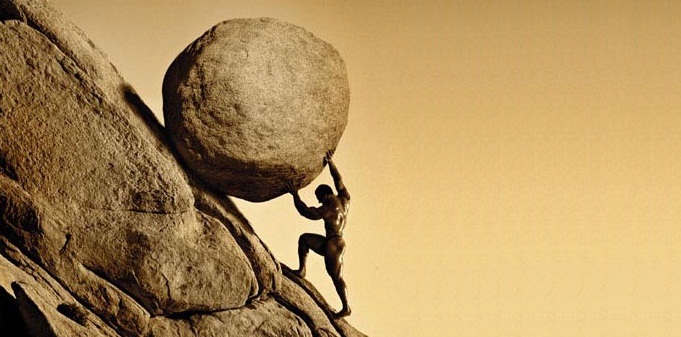
There is an old Greek legend of a king named Sisyphus. This lawless man deceived the gods, murdered travelers, and was generally a bad egg. After his death, the gods punished Sisyphus in the afterlife by forcing him to push a huge boulder up a hill. The boulder was enchanted to roll back down the hill before he could push it all the way to the top. Sisyphus was doomed to an eternity of maddening repetition, rolling the same rock up the same hill over and over again, never reaching the top.

Poor Sisyphus. Endless futility is just how he rolls.

I am growing a beard. Like Sisyphus, I am making yet another pointless attempt to reach an impossible goal. Just as the boulder rolled away from Sisyphus before he could make it to the top of the hill, my beard will certainly end up a failure. What has been will be again, what has been done will be done again; there is nothing new under the sun.

As I ponder my Sisyphean situation, rubbing my stubbled jaw and thinking gloomy thoughts, I recall my last attempt to grow a beard. It was an abomination that caused desolation. What could persuade me to unleash such a loathsome thing once more upon an unsuspecting world?

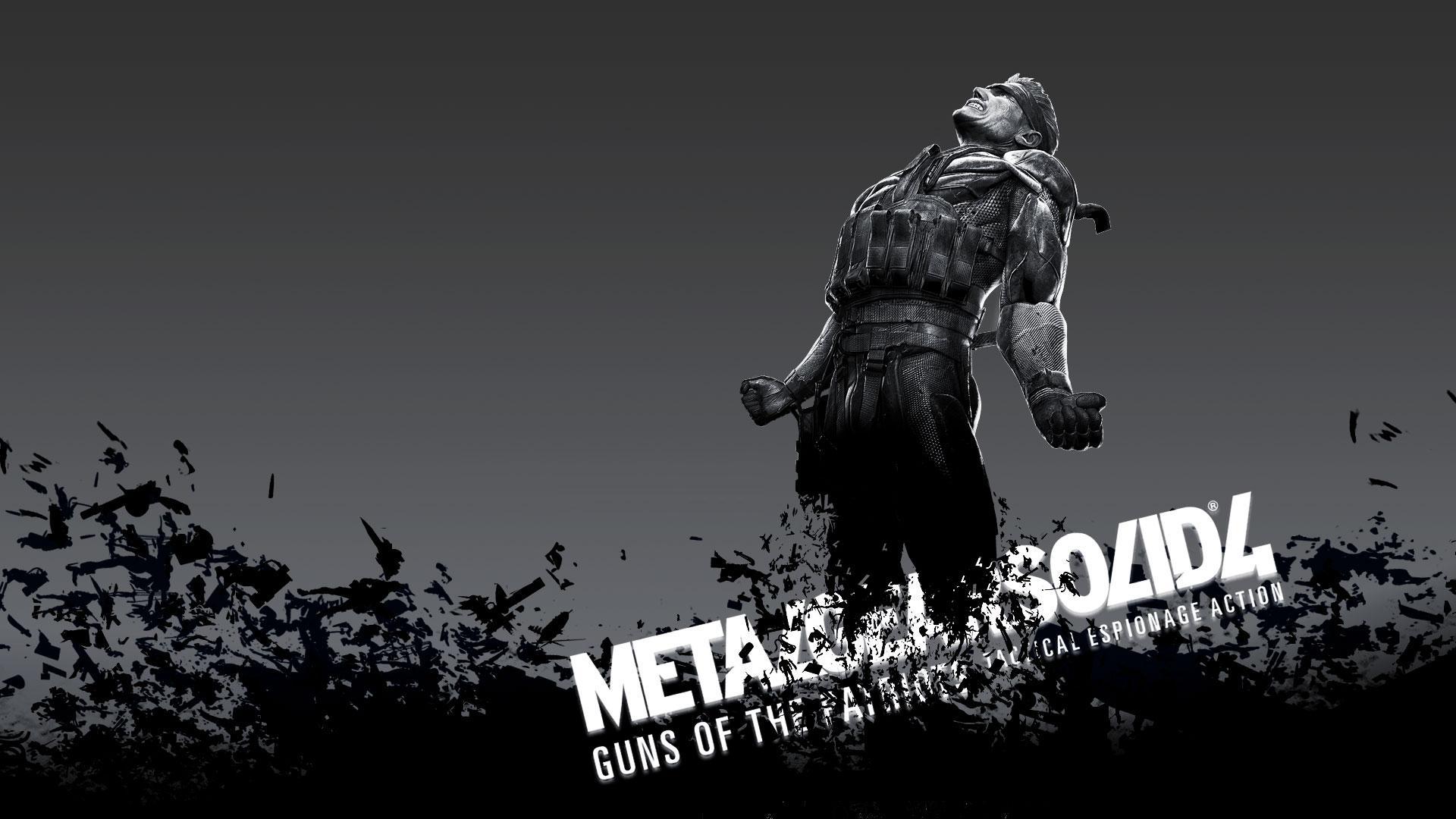
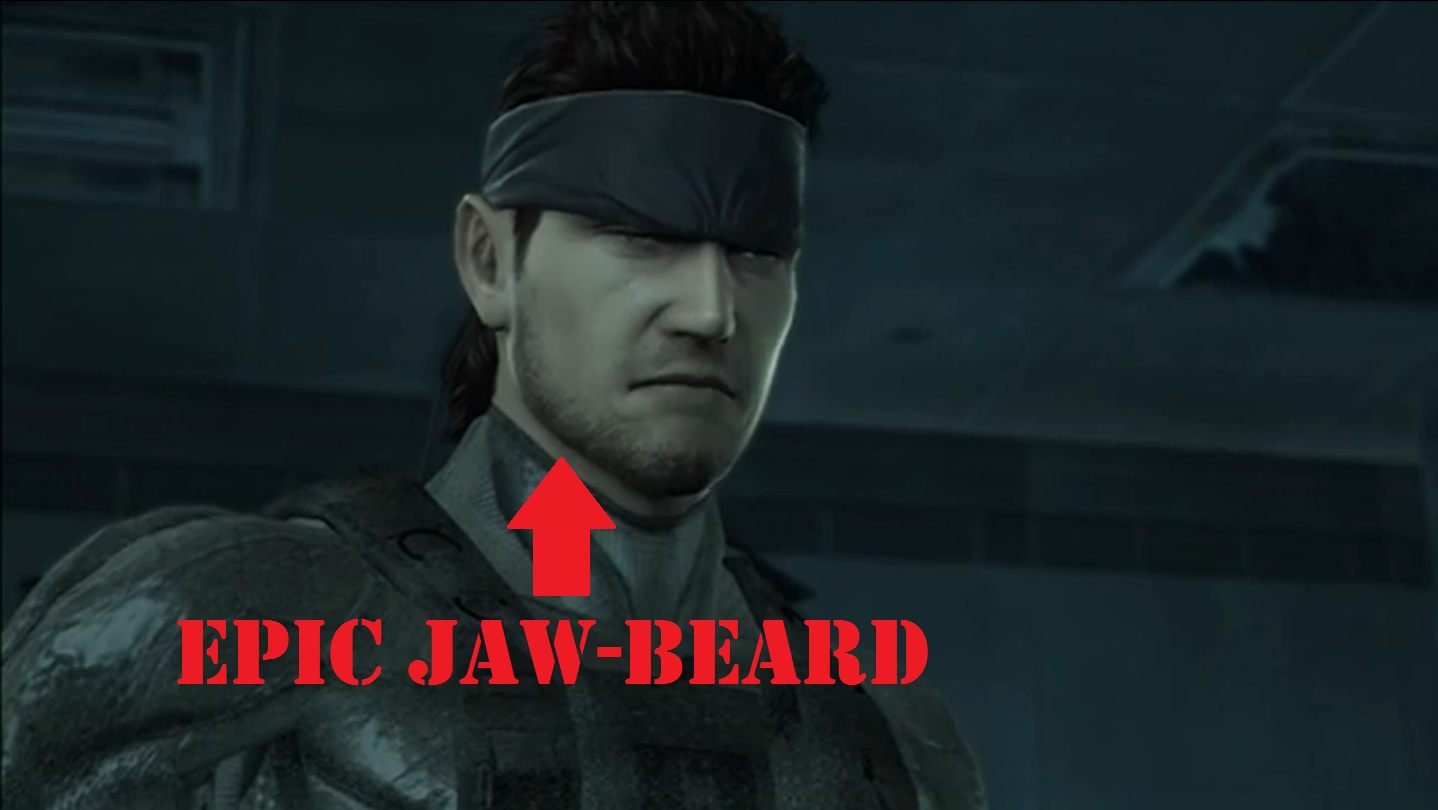
Epic jaw-beardOh, that’s right. I was playing Metal Gear Solid 4, a video game whose tough-as-nails protagonist has a rugged beard. I can only call it a jaw-beard: a line of thick stubble along the jawline. Since my own beard was strongest along the jaw, I wondered whether I might not manage a respectable jaw-beard. My hope is a forlorn one, but in a moment of quixotic stupidity, I resolved to try.

Why? Why have I returned to my folly as the dog to its vomit? What insights can I draw from my Sisyphean attempt to grow a beard? This is an opportunity for philosophical introspection. What can my patchy jaw-beard teach me about myself?

Is my beard a reaction to stagnation? After months of stressful transition, I have finally reached some shaky semblance of consistency—thank God. Does some small part of me rebel against the comfortable predictability that has settled over my life? Is my latest attempt to grow a beard a subconscious effort to escape the numbing influence of familiarity? That’s one possibility.

Is my beard an attempt to feel more grown-up? For all my twenty-something years, I don’t feel particularly competent or mature. I don’t feel very grown-up. Perhaps my beard is an attempt to instill some sort of confidence in myself as an adult—a hideous emblem of putting away childish things and embracing adulthood—a preemptive preparation against whatever grown-up challenges lie ahead. That’s another possibility.

The simplest explanation, of course, is that I think jaw-beards are cool. If that’s the case, my beard is merely a childish attempt to ape the good looks of a computer-generated character in a video game. Vanity of vanities, saith the Preacher, vanity of vanities; all is vanity.

A final possibility is that my beard has no sane explanation. It may be no more rational than the impulse a man feels when standing on a high place to jump to his death.

I suppose it doesn’t really matter. Like Sisyphus, here I go again.

This is probably a good time for me to mention that this blog post is fairly sarcastic, and not meant to be taken seriously.

391. Adam Turns into the Hulk and Rants about Expensive Coffee Drinks

Caution: This blog post contains furious ranting. Sensitive readers, and readers averse to things being smashed, are advised not to continue.

This may surprise you, but I drink a lot of coffee.

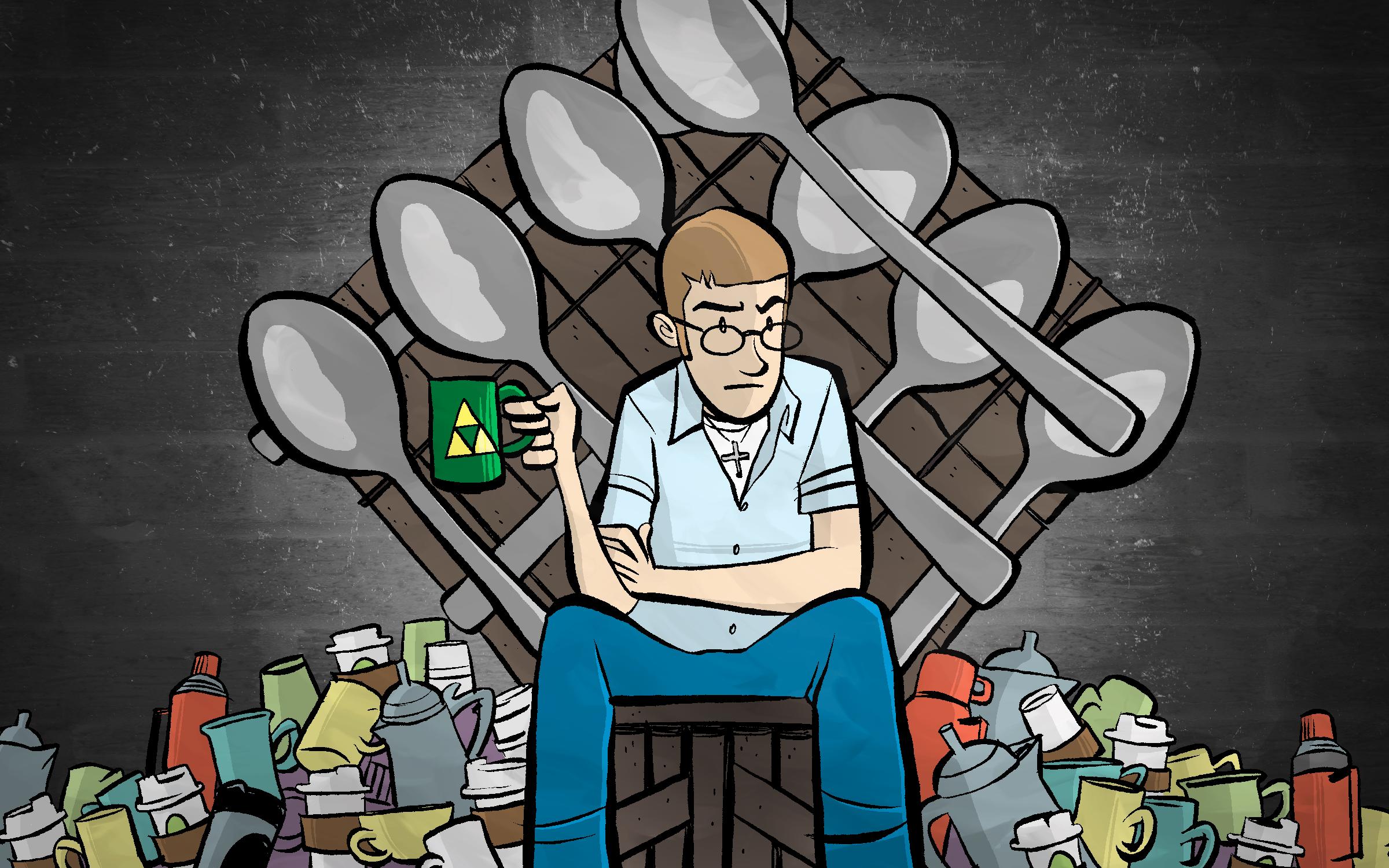
Throne of Coffee Cups

This is a fairly accurate depiction of the area around my desk.

As an addicted enthusiastic drinker of coffee, I know a thing or two about this heavenly beverage. For starters, it’s flipping tasty. Coffee also clears the mind and refreshes the spirit, bringing health to the body and nourishment to the bones. It warms and strengthens.

As a final benefit, coffee is pretty cheap. Sure, exotic or flavored blends of coffee are expensive, but these are easily ignored in favor of cheaper options. Plain, simple, honest-to-God coffee is an affordable luxury.

Well… plain coffee is sometimes an affordable luxury. You see, when it’s sold in a can or bottle, coffee is outrageously expensive. I’m looking at you, Starbucks.

What makes coffee so special when it’s put in a can or bottle that Starbucks demands so much for it? Starbucks is apparently the only big company to sell canned and bottled coffee. Why is this? Why?! Why are there no major competitors to challenge Starbucks’s ruthless monopoly of the coffee drink industry? How hard can it be to put coffee in a can or bottle with some cream and sweetener?

From the price of its coffee drinks, I can only assume Starbucks uses coffee beans imported from the mythical land of Shambhala, sugar from the tables of faerie kings, and milk from the sacred cows of the Himalayas. How else can Starbucks explain charging two or three dollars for a small can or bottle of coffee?

It makes me angry just thinking about it. I mean… there are no cheaper options… it’s just… I… I….

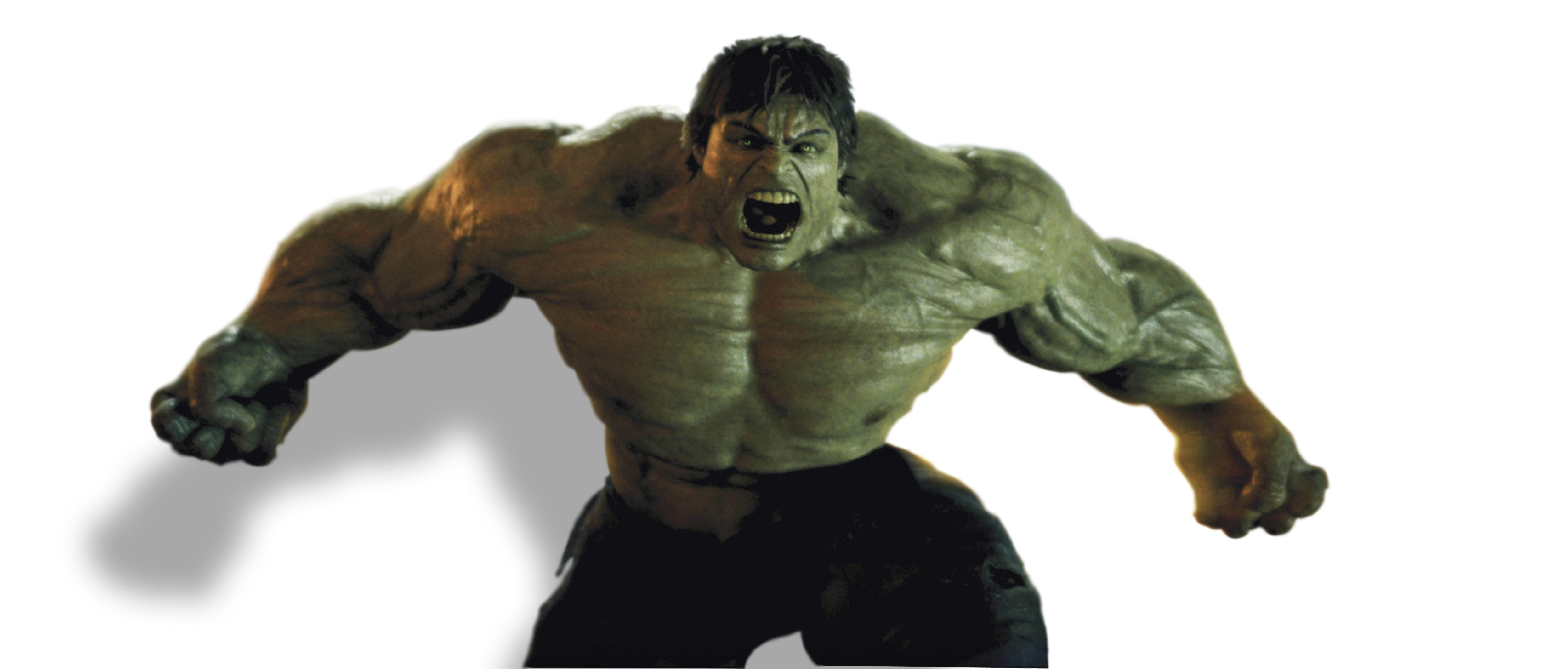
BLOG SMASH!

COFFEE OR SMASH!

COFFEE IS LIFE. HULK LOVE COFFEE. KNOW WHAT? HULK NOT ONLY ONE. AMERICA LOVE COFFEE. AMERICA ALSO LOVE CANNED AND BOTTLED DRINKS LIKE TEA AND SODA.

OBVIOUS STRATEGY IS COMBINE SUCCESSFUL BUSINESS MODELS BY SELLING COFFEE IN CANS AND BOTTLES. LIKE STARBUCKS. STARBUCKS MAKE LOTS OF MONEY BY SELLING COFFEE DRINKS.

WHY NO OTHER COMPANIES OFFER CHEAPER ALTERNATIVES? PLAIN COFFEE NOT EXPENSIVE. PUT PLAIN COFFEE IN PLASTIC BOTTLE—NOT PRICEY GLASS BOTTLE LIKE STARBUCKS—WITH CREAMER AND CORN SYRUP. THIS NOT FANCY COFFEE DRINK, BUT IS CHEAP AND PLENTY TASTY.

WHY IS EXPENSIVE STARBUCKS COFFEE ONLY OPTION ON MARKET? WHERE COMPETITION? WHERE CHEAPER BRANDS AND OTHER OPTIONS?

AND WHY ALL STARBUCKS DRINKS SO PRICEY? WHY STARBUCKS NO OFFER BUDGET-PRICED DRINKS WITH CHEAPER INGREDIENTS IN PLASTIC BOTTLES?

OTHER COUNTRIES HAVE NON-STARBUCKS COFFEE DRINKS. JAPAN AND SOUTH KOREA SELL OTHER CANNED COFFEES. (HULK BEEN TO KOREA AND DRUNK CANS OF COFFEE.) IT CAN BE DONE. IN AMERICA—COUNTRY ADDICTED TO COFFEE AND DRINKS OUT OF CANS AND BOTTLES—WHY STARBUCKS ONLY BIG COMPANY TO COMBINE THESE PRODUCTS?

PLEASE STARBUCKS. OFFER CHEAPER OPTIONS. PLEASE OTHER DRINK COMPANIES. PUT COFFEE IN CANS AND BOTTLES. SELL CHEAP COFFEE DRINKS. GIVE AMERICA OTHER OPTIONS. END REIGN OF STARBUCKS. END MADNESS.

HULK OUT!

…Sorry. I spaced out there for a minute. What was I talking about? Coffee. That’s right. Flipping heck, I could use some. Please excuse me. I need a cup of the strong stuff.

390. An Open Letter to Content Creators

Dear Content Creators,

I’m afraid content creator is a boring title, but it’s the best one I could find for all of you. (I considered creative people on the Internet, but that’s kind of a mouthful.) The title of content creator is the one given to all of you artists, bloggers, actors, video makers, musicians, animators, commentators, cartoonists, gamers, photographers, creative writers, and other creative people who make stuff and throw it at the Internet.

For example, consider the artist who reimagined the Fellowship of the Ring as a bunch of cats:

The Fellowship of the Cats

She’s a content creator. So are these video makers who try to explain Doctor Who in sixty seconds:

There’s this guy rocking out on a guitar to the best song from Mario Kart.

He’s a content creator, alongside this hipster Calvinist and all the other people who say funny things on social media:

https://twitter.com/coolvinism/status/646322751490252805

Then there’s, um, whatever this guy is doing:

You people are awesome.

If you’re anything like me, your content-creating experience is a roller coaster. Sometimes it’s fun and exhilarating. Sometimes it’s dull and exhausting. There are days when you feel an incredible sense of accomplishment, and days when you think you’ve accomplished nothing at all. All of it—the highs and lows and twists and loops—takes determination, effort, vision, and (occasionally) a touch of obsessive lunacy.

Most of you don’t make much money, if any, from your work. You create because you enjoy it. You create because you are an artist. Whether you have an audience of one or one million, I admire your creative spirit. If you do make a living as a content creator, I congratulate you all the more. That takes a lot of dedication.

And here’s the thing. I don’t just respect you—I really, really enjoy the work of content creators. A staggering amount of my music library consists of songs not from professionals, but from amateurs on the Internet. I read several blogs and webcomics, follow a few artists, and spend quite a lot of time on YouTube.

So much of the entertainment, laughter, insight, inspiration, excitement, and happiness in my life comes from the work of content creators—people like you.

I’m not the only one whose life is better because of content creators and their work. In fact, millions of people across teh internetz enjoy the humor and creativity of content creators—but they don’t always take time to say “I really enjoyed this,” or “This was brilliant,” or simply “Thank you.”

It is so easy for content creators to become discouraged. When their work doesn’t receive a positive response, they tend to assume the worst. They think their work wasn’t worth the effort.

I’m here to say: Your work matters, and thank you.

Thank you, content creators, for brightening my everyday life with moments of amusement and understanding. Thank you for being hilarious, honest, insightful, vulnerable, creative, clever, witty, weird, and wonderful. Thank you for being you, and for sharing your creativity with the rest of us.

Oh, and keep up the good work.

Peace,

Adam

Out of Ideas

Creativity is hardThe struggle is real.

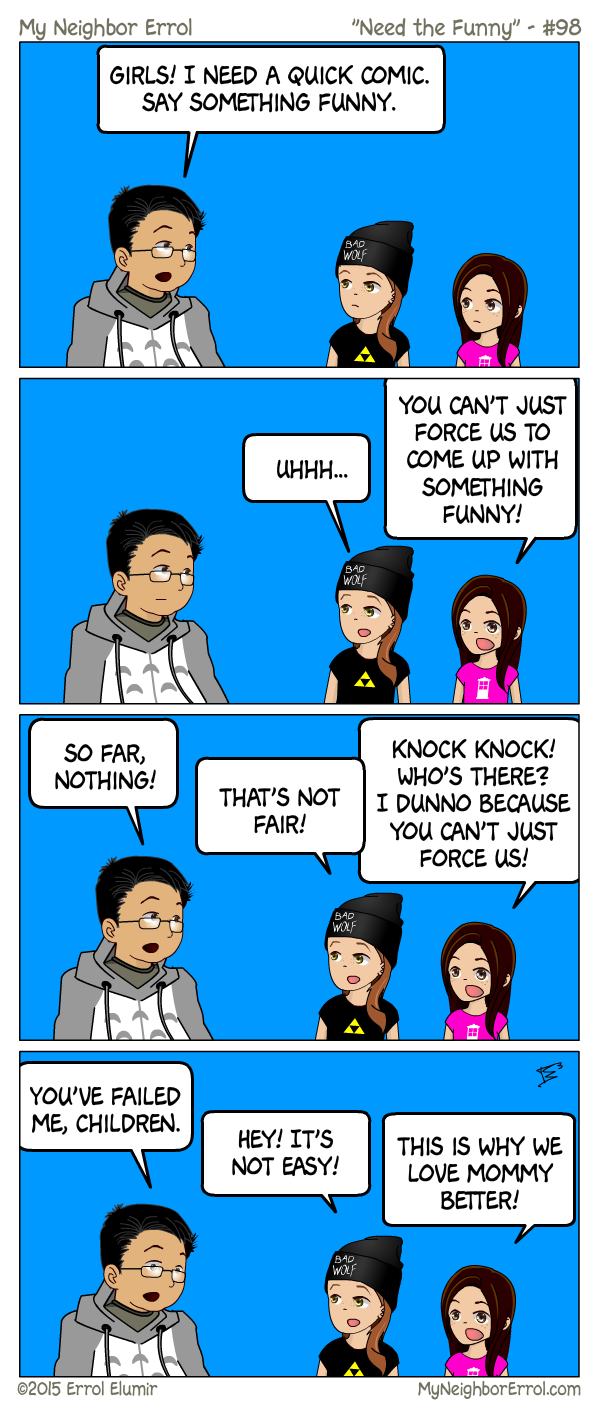
Errol Elumir is a geek, and formerly the owlish half of musical duo Debs & Errol. He draws a daily webcomic, My Neighbor Errol, chronicling his day-to-day life with his crabby daughters and ever-patient wife. The comic is written with self-aware humor and sprinkled with geeky references. (Yes, there’s quite a lot of My Neighbor Totoro, which is how it should be.) While the art is simple, relying on reused assets and plain backgrounds, I enjoy my daily dose of humor from the Elumir family.

Heck, Errol’s enthusiasm for Studio Ghibli’s mascot led me earlier this year to acquire a new neighbor of my own.

This is your fault, Mr. Elumir.

This is your fault, Mr. Elumir.

Blogging and web cartooning are different media, but they have a lot in common. For example, they update consistently, requiring a steady stream of ideas for new comics or blog posts. Like Errol, I sometimes run out of ideas.

However, every time I think I’ve finally exhausted my options, something new occurs to me. Necessity is called the mother of invention, but it’s more like an aunt. The mother of invention is desperation.

Errol pokes fun at himself for exploiting his daughters for comedy, but I think there’s quite a difference between exploiting something and merely saying of it, as I often say of things, “Heh, that’s pretty funny.” My Neighbor Errol is a funny webcomic, and gave me one more idea of something to write for this blog.

That said, now I’m out of ideas. Flipping heck.

389. The Problem with The Peanuts Movie

Hollywood is making a Peanuts movie. The film, appropriately titled The Peanuts Movie, will feature the misadventures of Charlie Brown, Snoopy, and the rest of the lovable gang from the comic strip by Charles Schultz.

Much to my surprise, the movie looks pretty good. Take a look at the trailer.

When The Peanuts Movie was announced, I cynically assumed it would be a cheap attempt to cash in on America’s nostalgia for its favorite comic strip. The trailers, however, have left me cautiously optimistic. The art is faithful to Schultz’s comics, the voices hearken back to the animated Peanuts specials, and everything (except the soundtrack) seems true to the spirit of Peanuts.

Well… almost everything does.

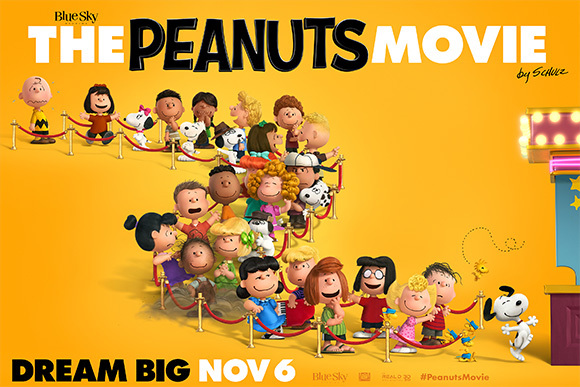
The Peanuts Movie posterIn at least one way, The Peanuts Movie will probably stray from the spirit of the comic strip.

The movie will have a happy ending.

In its trailers, The Peanuts Movie hints at a triumphant ending for its hero, Charlie Brown. His story will probably be one we’ve seen a dozen times before in other movies, from Wreck-It Ralph to How to Train Your Dragon. It’s the tale of an underdog conquering his insecurities and doing something great, earning respect and learning self-respect along the way.

It’s a familiar story. We’ve all seen it, and most of us love it. It will probably be the story of The Peanuts Movie. We all want Charlie Brown to succeed. We want him to win. I understand why the film seems to be taking this approach to the comic strip. It’s marketable. People will pay to see it, and they will enjoy it, and that’s perfectly fine. I like happy stories as much as anyone.

But that’s not what Peanuts is about.

Peanuts is not a happy comic strip. It has a reputation for innocence and optimism, thanks to cheerful TV specials and licensed greeting cards from Hallmark, but the comic itself can be pretty bleak.

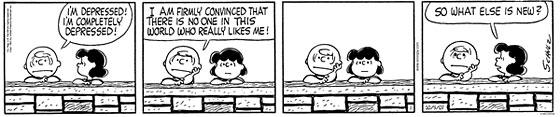
Charlie Brown is often lonely, depressed, and insecure, to the absolute indifference of those around him:

Depressed Charlie Brown

Flipping heck, even the very first Peanuts strip shows the cruel duplicity of of which children are capable:

Good old Charlie Brown

There are cheerful Peanuts strips, sure, but for every heartwarming strip about hugs or warm puppies, there are several about rejection or loneliness.

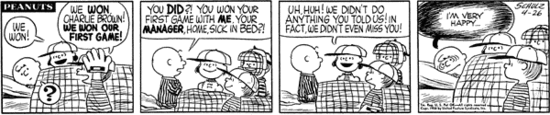
Charlie Brown is the hero of this melancholy comic strip, and he never really gets a happy ending. He never gets a Valentine. He never catches the eye of the pretty red-haired girl. He never kicks that football, and even on the rare occasions his baseball team wins, he doesn’t:

Charlie Brown's team wins

He isn’t alone. In some ways, Peanuts is a comic strip about failure. Lucy never grows out of her childishness. Snoopy doesn’t find a publisher for any of his manuscripts. In the face of a broken world, Linus clings helplessly to his security blanket.

Charlie Brown isn’t alone in his struggles, but what makes him stand out is how he responds to them. He never gets the happy ending The Peanuts Movie will probably give him, and that’s part of what makes him a hero. The other part, the really important part, is that he keeps trying.

Every February, Charlie Brown waits by the mailbox for a Valentine. He never gives up on his crush, never stops trying to kick that football, and leads his baseball team with indomitable enthusiasm. Charlie Brown, the punching bag of the universe, keeps dreaming, keeps hoping, keeps persevering. We don’t love him because he kicks that football. We love him because he keeps kicking.

However its movie turns out, Peanuts isn’t a predictable tale of finding happiness. It’s a story of persevering in an unhappy world. It’s a story of hope.

That’s what Peanuts is about, Charlie Brown.