364. Why Guest Posts Are Awesome

Update: This blog is finished, and no longer accepts guest posts. Thanks all the same!

As a blogger, I love guest posts and collaborations with creative people. In fact, over the years, I’ve pestered a number of people either to write posts for me or else to let me write posts for them.

Why is this? Well, hypothetical reader, I’m glad you asked. I’m not sure I’ve ever explained my love of creative collaborations, so here are six reasons why guest posts are awesome.

Guest posts offer a refreshing variety of styles and views.

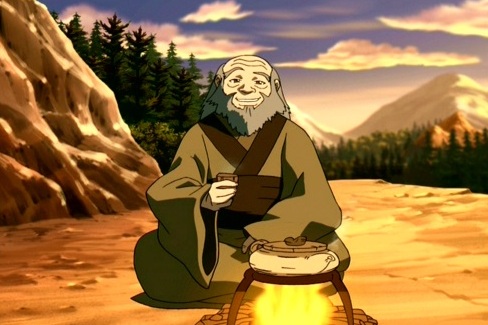
My blog is written with a particular style from a specific perspective, and it probably gets old. Guest writers bring their own unique views, styles, and stories. As wise Uncle Iroh reminds us, “It is important to draw wisdom from many different places. If you take it from only one place, it becomes rigid and stale.”

Iroh

Uncle Iroh is an inexhaustible fount of wisdom. He also makes great tea.

Guest posts can explore subjects I can’t.

Following up on the first point, I must acknowledge that my experiences and expertise are limited. Guest writers offer more than just changes of view and style. They can discuss subjects about which I know nothing.

For example, I am an introvert, and I once wrote about it. It was impossible for me to explore extroversion, the opposite characteristic, but another blogger graciously shared her thoughts on it. Readers were able to explore both sides of the subject, even though I was qualified to discuss only one.

Guest posts work to the mutual advantage of bloggers.

When I write a post for another blog, not only do I reach a new audience, but I share that blog with my own audience via social media. This often works both ways. When I share guest posts, I introduce my readers to new writers, and those writers sometimes introduce my blog to their own readers. Guest posts are a kind of creative symbiosis.

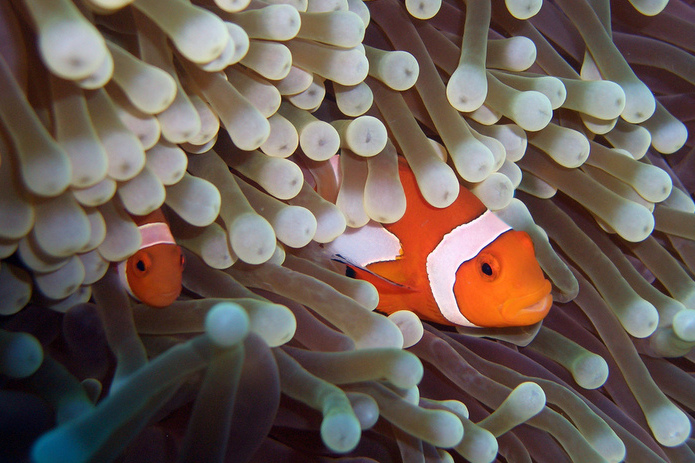
Creative collaboration is symbiotic, like clownfish and anemones. Wait, this is a terrible metaphor. Never mind.

Creative collaboration is symbiotic, like clownfish and sea anemones. Wait, did I just compare blogging to clownfish? What is wrong with me?

Guest posts are posts I don’t have to write.

What’s not to like about that?

Guest posts are a privilege for me to write and share.

I’m honored that guest writers have considered this blog worth their time, effort, and creativity. In the same way, I’m honored that other bloggers have allowed my ramblings to invade their quiet corners of the Internet. Whether I write ’em or share ’em, I consider guest posts a privilege.

Guest posts strengthen a sense of community.

Neil Gaiman once observed that “writing is, like death, a lonely business.” Guest posts are a welcome respite from the solitary grind of blogging. They bring bloggers out of isolation and into a larger community of writers and readers.

If you ever feel like tossing a guest post in my general direction, or want a guest post for your own blog, please feel free to let me know!

363. About Storytelling: Shock Value Is Overrated

This blog post discusses subjects exploited for shock value in fiction, including atrocities like torture and sexual violence. I have done my best to address these subjects in an appropriate way, yet sensitive readers may want to give this post a miss.

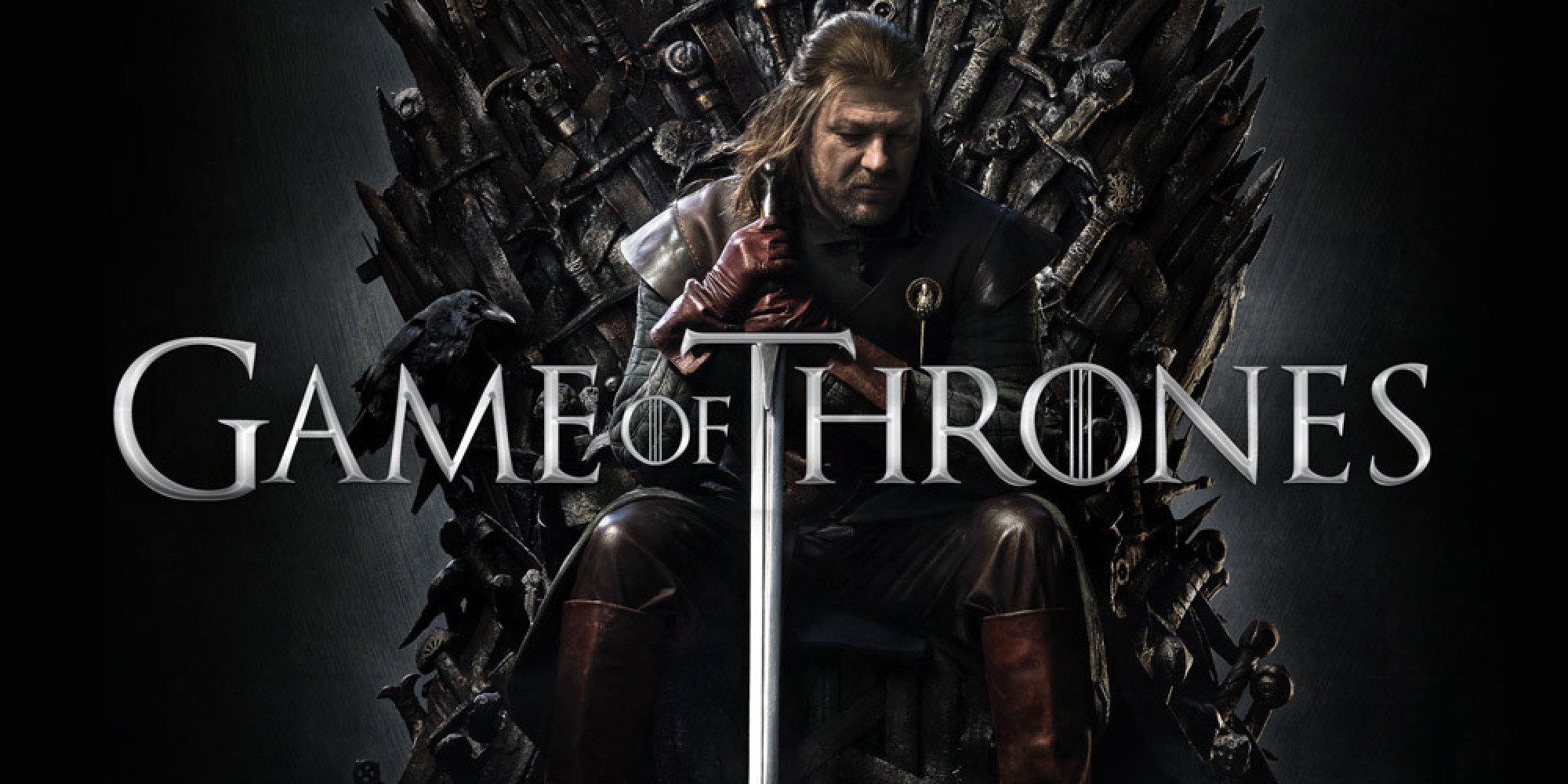
There has been a lot of buzz lately over Game of Thrones and its sexual violence. I’ve never watched Game of Thrones, yet I’ve gathered the impression that it is not—to put it as gently as possible—a family-friendly show.

That looks... familiar.

This picture looks… familiar.

Some weeks ago, the controversy over the show inspired a sensible article explaining why subjects like rape must be handled very carefully by storytellers. (I would link to the article, but I can’t find it.) The gist was that rape is a monstrous crime and should not be taken lightly.

Can such atrocities be used effectively in fiction? Of course they can. Are such atrocities used effectively in fiction? Far too often, they are not. Subjects like rape, torture, and pedophilia are sometimes used by storytellers merely for shock value. Such atrocities are a cheap way to make a villain seem evil, a setting seem dark, or story seem gritty and “mature.”

Here are a few problems with such a shallow approach.

Stories that include heinous crimes too often focus on the criminals and ignore the victims.

If storytellers have the guts to depict a vicious crime, they had better also have the guts to show its effects on its victims. Using an atrocity like rape or torture for shock value, but glossing over its horrific consequences, is not only disrespectful—it’s bad storytelling. The cost of such crimes is too great to be ignored.

Shallow or tasteless use of monstrous crimes in fiction is deeply disrespectful to real-life victims of those crimes.

Before depicting a shocking crime, storytellers should ask themselves: What if anyone in my audience has been a victim of this crime? What will that person think of this scene? Fiction can explore atrocities in a meaningful way, but using them merely for shock value is cruelly disrespectful to those who have suffered them in real life.

There are endless ways to depict evil or depravity in fiction without using horrific atrocities as a cheap shortcut.

In my twenty-something years, I’ve read a lot of disturbing books: Lord of the FliesMausHeart of Darkness, and The Road, among others. (Twilight was equally horrifying, but for entirely different reasons.) These novels are chilling in their depiction of evil. So far as I can remember, none of them relies on torture, sexual perversions, or sexual violence for shock value. The depravity of humankind isn’t limited to these atrocities!

Shock value has its place in storytelling, but it must be treated with caution. Using shock as schlock, treating monstrous crimes as shortcuts to edgy storytelling, is a terrible mistake. Shock value can be used effectively—but it must be used carefully.

357. The Reviews They Are a-Changin’

For years, I have reviewed books and video games for this blog. What can I say? I have a talent for being snobbish and judgmental. Finding fault with things comes naturally to me. It’s a gift. For that reason, TMTF Reviews have long been a feature on this blog.

This is about to change. I’ve decided to replace TMTF Reviews with a new feature: Review Roundups.

TMTF Review Roundup title cardTMTF Reviews are in-depth critiques of individual books or video games. By contrast, Review Roundups will assess several books, games, or films at a time. Roundups will be less formal than the old Reviews, offering brief impressions instead of long, detailed analyses.

Why are TMTF’s reviews a-changin’? The short answer is that comprehensive reviews are not much fun to write, and probably not much fun to read. As satisfying as it is to critique a book or video game at length, it’s also a bit tedious. Review Roundups will give me the opportunity to review more media without going into exhaustive (and exhausting) detail.

Review Roundups won’t be terribly frequent: maybe once a month or so. They certainly won’t take over this blog or steal the spotlight from… whatever it is we do around here. I don’t know.

Why do I review things at all? I suppose it’s for the same reason I write this blog—it’s fun! That said, I’m excited to continue nitpicking reviewing media for this blog.

355. What I Want to Change about The Trials of Lance Eliot

I once wrote a novel titled The Trials of Lance Eliot, and readers have asked me whether I plan to write sequels. I may continue Lance’s story someday, but what I really want to do is rewrite its first part.

Well, I don’t want to rewrite The Trials of Lance Eliot completely. (That would take a lot of work.) However, having put a couple of years between myself and my novel, I’ve realized there are quite a number of things I want to change.

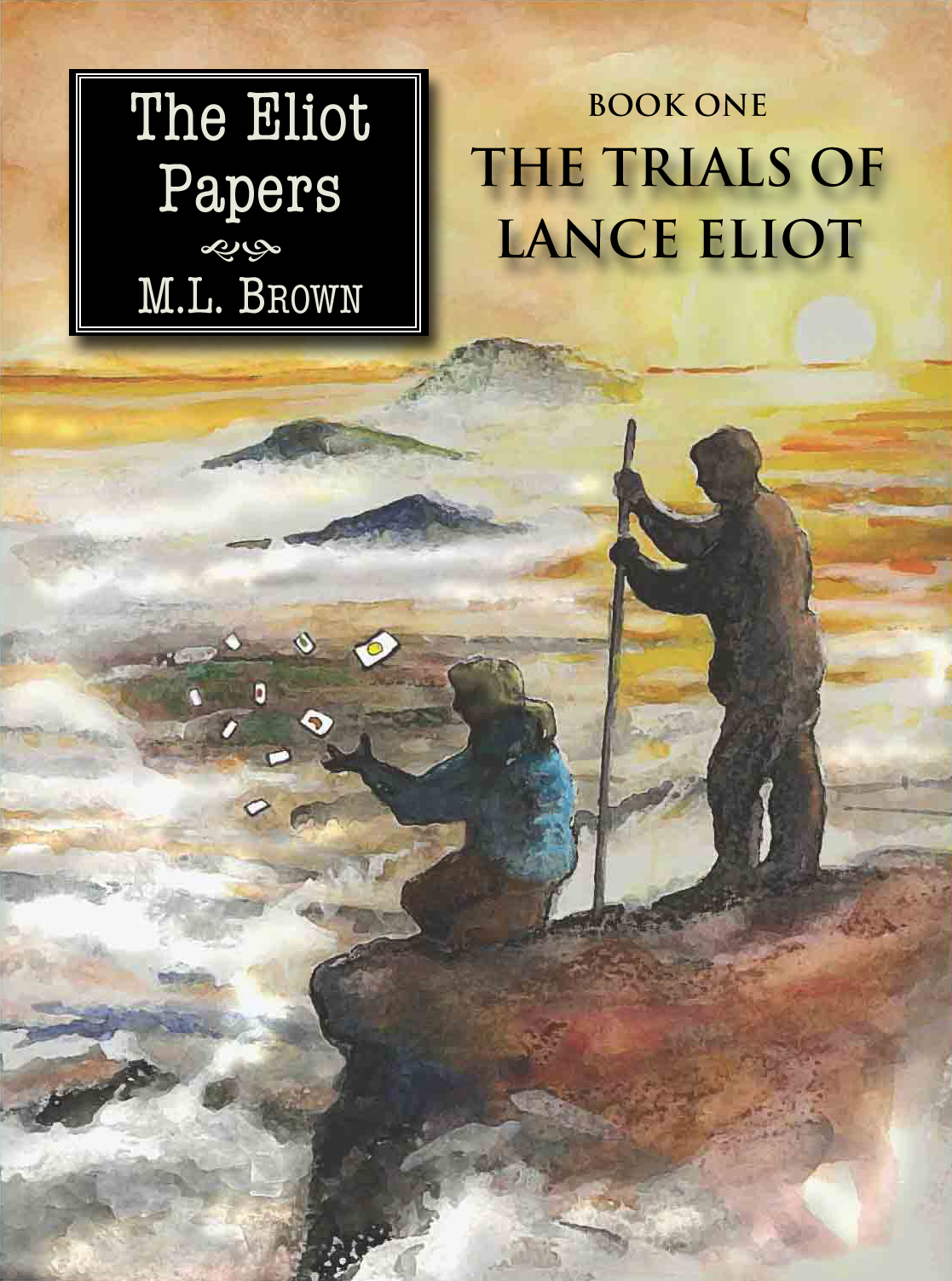
The Trials of Lance EliotHere’s what I want to change about The Trials of Lance Eliot.

In case anyone is interested in reading my little book, be ye warned: There be major spoilers ahead!

I want to remove Miles and a few other characters.

When I wrote the novel, I had big plans for Miles. He is a traveling companion to Lance, Regis, and Tsurugi, and I wanted him to balance the group by being a foil for each of them. With his soft heart, strong work ethic, and childlike faith, Miles was supposed to challenge Lance’s selfishness, Regis’s irresponsibility, and Tsurugi’s cynicism.

In the end, however, Miles doesn’t contribute much. He drops out of the story partway through, making a halfhearted encore toward the end. I don’t think the novel needs him. A few other characters could be just as easily removed: Atticus, for example, could be replaced by Petra. I think The Trials of Lance Eliot has too many underdeveloped characters, and could benefit from the removal of the unnecessary ones.

I want to clear up the disappearance of Maia and Kana.

The supposed deaths and eventual reappearances of both Kana and Maia make me cringe more than almost anything else in The Trials of Lance Eliot. Fake deaths are horribly clichéd.

However, the apparent deaths and subsequent reappearances of these characters are necessary for the story. The deaths of Maia and Kana drive the development of Lance and Regis, respectively: Lance becomes depressed, and Regis resolves to become an honest man. Maia and Kana must be reintroduced later in the story: Kana to rescue Lance, and Maia to send him home. I can think of no easy way to dodge these fake deaths.

However, I can be less coy about Maia and Kana’s disappearances. I want to state merely that they are “missing,” not that they are necessarily dead. That would still provide some tension, while making their inevitable revivals seem less contrived.

I want to start the story in the US instead of in the UK.

Full disclosure: I started the story in Oxford only because J.R.R. Tolkien and C.S. Lewis, my favorite fantasy writers, lived there. I’ve never actually been to the UK. Most of what I know about contemporary British culture comes from watching Sherlock and Doctor Who. I don’t know enough about the UK to make it a convincing start to Lance’s story.

Indiana, a place with which I’m all too familiar, would be a perfectly adequate place for the start of The Trials of Lance Eliot. If anything it would be better: a small Indiana town is far less interesting than Oxford, which would make Lance’s adventures seem more exciting by contrast.

I want to make Regis a girl.

Not long ago, someone on Twitter shared the following quote from Noelle Stevenson: “When you write a male character, think ‘does this character have to be male? Why?'”

Like The HobbitThe Trials of Lance Eliot is overstuffed with male characters. (I love The Hobbit, but its lack of female characters is appalling.) It wasn’t my intention to discriminate against female characters; I wrote mostly male ones because, well, I happen to be a guy. In the end, The Trials of Lance Eliot had only three female characters with any depth, and only one of them (Maia) received much characterization.

I’m no feminist, but I’ve realized it isn’t fair for my characters to be men by default. Of all the characters in my novel, Regis has probably the fewest reasons for being male. I want to rewrite the character as a young lady. I suppose that means I would have to change the name, wouldn’t it?

I want to change the orphanage in Valdelaus to a home for persons with disabilities.

Orphanages have become a cliché in storytelling. A home for persons with disabilities would offer far better opportunities for both pathos and comedy—believe me, I know!

I want to publish the book under my own name.

I’ve already discussed this, and have nothing to add.

I want to use exposition more evenly.

An early chapter of my novel is mostly exposition as Kana explains things to Lance. Perhaps Kana could offer his explanations incrementally across a couple of chapters? Whatever my solution, the early chapters should strike a better balance between action and exposition.

I want to rewrite some of the dialogue.

I prefer to use good grammar, but that isn’t how ordinary people talk. My characters should speak less like Adam writing and more like people actually talking.

I want Lance to swear like a normal person.

Lance’s dated British euphemisms are a bit silly. People don’t say things like “dash it” and “what in blazes” anymore. (Well, I do, but I do a lot of strange things.) My novel may be a case in which mild profanity would be justified. Ordinary swearwords like “damn” and “hell” would believably convey Lance’s lack of moral fiber toward the beginning of his journey.

These are the changes I would make to The Trials of Lance Eliot… and then, maybe, I could go back to planning its sequels. Maybe.

348. About Storytelling: Getting Drunk on Milk

In fiction, as in real life, bad things happen. When tragedy strikes, fictional characters sometimes try to drown their grief in alcohol.

We’ve all seen this in the movies. In one scene, a man loses his job or girlfriend; in the next, we find him drinking or drunk. It’s an age-old trope of storytelling. Heck, even I’ve used it. Lance Eliot, the protagonist in my novel, is quite a drinker.

What about stories for children? Here we have a problem. A story may need its characters to drink away their sorrows, but that sure ain’t appropriate for the kiddos! Storytellers, crafty creatures that they are, have discovered a family-friendly alternative to getting drunk on alcohol: getting drunk on nonalcoholic things, of course!

(In writing this blog post, I discovered this trope actually has a name: drunk on milk. Thanks, TV Tropes.)

Here are some examples of characters in family-friendly media drowning their sorrows in things that aren’t alcohol.

Tea (Toy Story)

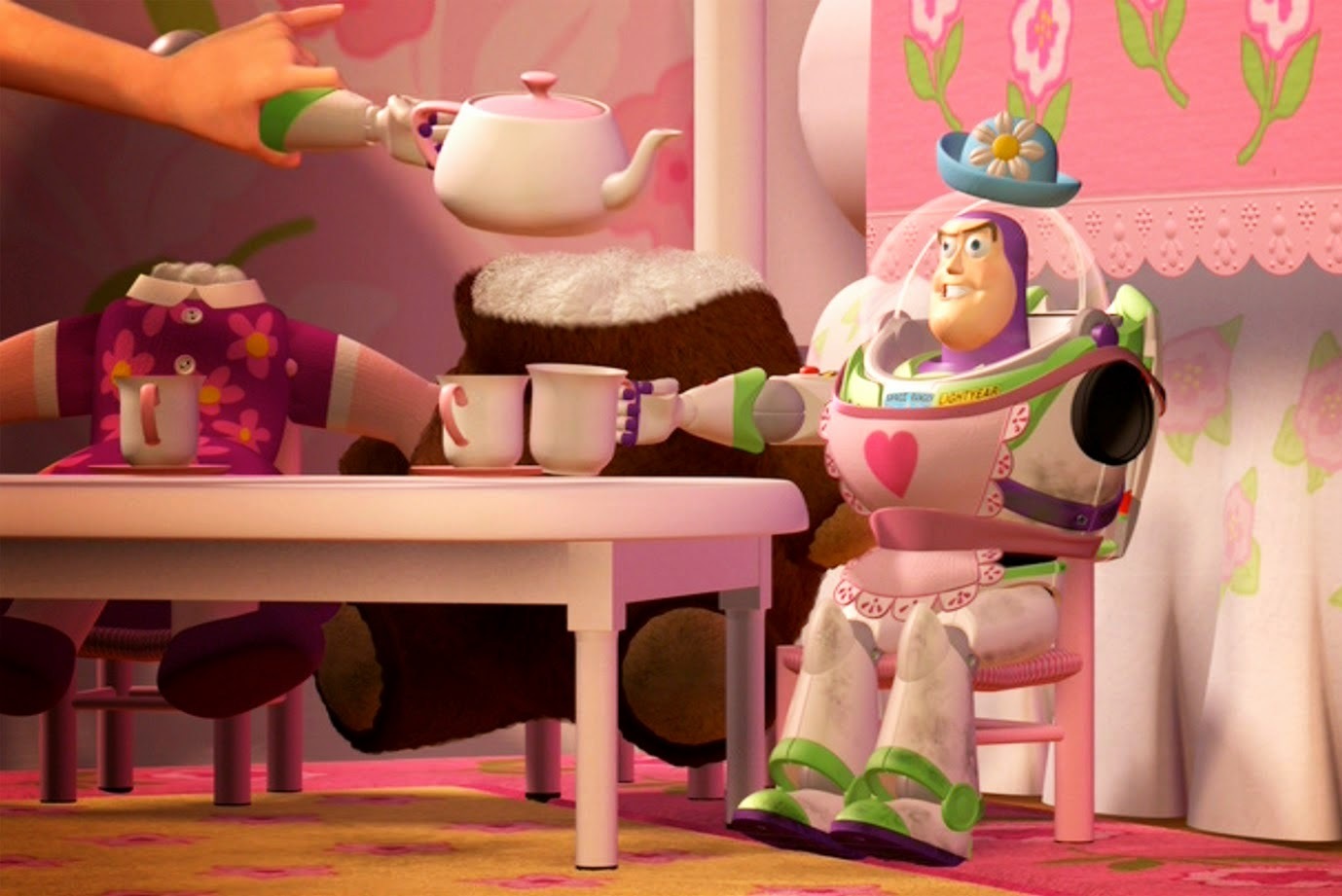
Tea drunkI’ve drunk Darjeeling tea before, and let me tell you: the stuff Buzz Lightyear drinks (or pretends to drink) in Toy Story is like no Darjeeling I’ve ever tasted. Whatever is in those teacups, Buzz gets buzzed. (Pun intended. I’m so, so sorry. By the way, in case one bad pun isn’t enough for you, “Buzz” is pronounced “booze” in a Hispanic accent.) Buzz’s, um, tea is strong enough that he doesn’t seem to mind being called “Mrs. Nesbitt,” which must be humiliating for an intergalactic hero. Darned Darjeeling!

Doughnuts (My Little Pony: Friendship Is Magic)

Drunk 'n' donutsA happy cartoon about magical rainbow ponies can’t show its characters consuming alcohol, despite the fact that one of its protagonists is apparently named after a hard liquor. The alternative? Doughnuts. When Spike the dragon is left behind by his pony pals, he hits the local doughnut shop—the name of which, I can only presume, is Drunk ’n’ Donuts. (Pun intended, but I’m not sorry for this one!) Spike may not get a hangover from his excesses, but I don’t envy him the inevitable sugar crash.

Ramen noodles (The Legend of Korra)

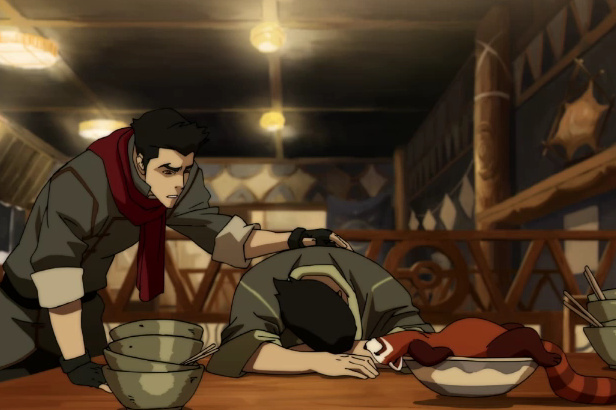
Bowls and BolinBolin—the young man passed out on the table in the picture above—deals with romantic rejection as heartbroken men do: by heading to the local ramen joint and eating too many bowls of noodles. This early scene from The Legend of Korra makes me chuckle; I’m especially amused by Bolin’s pet ferret lounging in an empty bowl. The Legend of Korra is a good show… I should catch up with it someday.

Milk (The Legend of Zelda: Majora’s Mask)

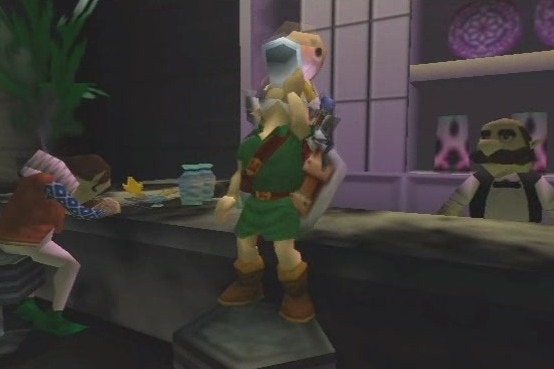
Milk drunkThe Legend of Zelda: Majora’s Mask is, without question, one of the greatest games I have ever played. It’s also one of the few to feature a milk bar. (Yes, I’ve seen a milk bar in more games than this one!) Open late at night, the milk bar caters exclusively to adults and offers both live entertainment and a variety of dairy drinks. I think the Shakespearean-looking gent in the picture above says it best: “Milk… It’s miiiilk… Can you get tipsy from something like milk?!? Hic!”

Ice cream (VeggieTales)

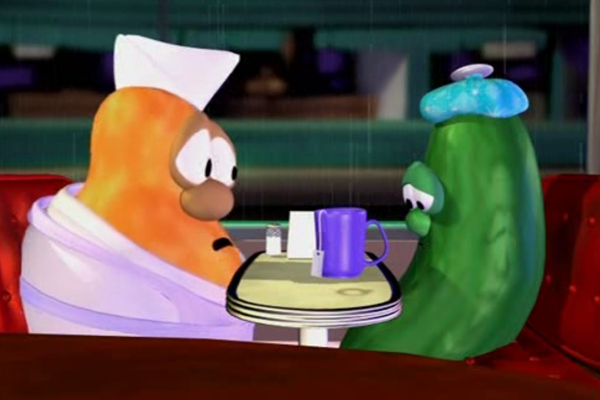
Ice cream drunkI’m digging deep into my childhood memories for this one. At one point, Larry the woebegone cucumber responds to bad news by eating too much ice cream at a diner. (VeggieTales is not just a kids’ show, but a Christian kids’ show, so they really had to keep it family-friendly!) In the picture above, Larry recovers with a warming cup of tea. Let’s hope it’s not Darjeeling.

Juice boxes (Jan Animation Studios)

Bar buddiesAll right, I’m kinda reaching here, but I suppose this short video counts. Bar Buddies, a brief animation from the brony community, has a kid getting wasted on juice boxes. Apple juice, apple cider, applejack—what’s the difference? They’re all made of apples, right? This one makes me laugh because of the disparity between the well-dressed, hard-drinking guy on the left and the silly kid on the right.

What’s drunk-on-milk scenarios did we miss? Let us know in the comments!

344. Four Lessons in Storytelling from Disney’s Latest Animated Films

Disney’s three latest animated films—Wreck-It RalphFrozen, and Big Hero 6—offer important lessons in storytelling. I wrote about four of them in today’s blog post, which… um… isn’t actually for this blog.

My post can be read on Animator Island, a community for artists, animators, and people who like animated movies (i.e. cool people). Special thanks to JK Riki for inviting me to write for the site despite my absolute lack of talent for the visual arts!

My latest post, “Four Lessons in Storytelling from Disney’s Latest Animated Films,” can be read here!

335. About Storytelling: Christians Are Evil

Those Christians, I tell you! They’re all so evil. All of them! If you don’t believe me, just switch on the television or go to the movies. Hollywood proves that Christians are evil, because Christians are often depicted as villains, and the media is always right.

Right?

Seriously, though—why are Christians so often portrayed as horrible people in the media? Why are books, movies, TV shows, and video games full of perverted priests, prejudiced pastors, and sinister ministers?

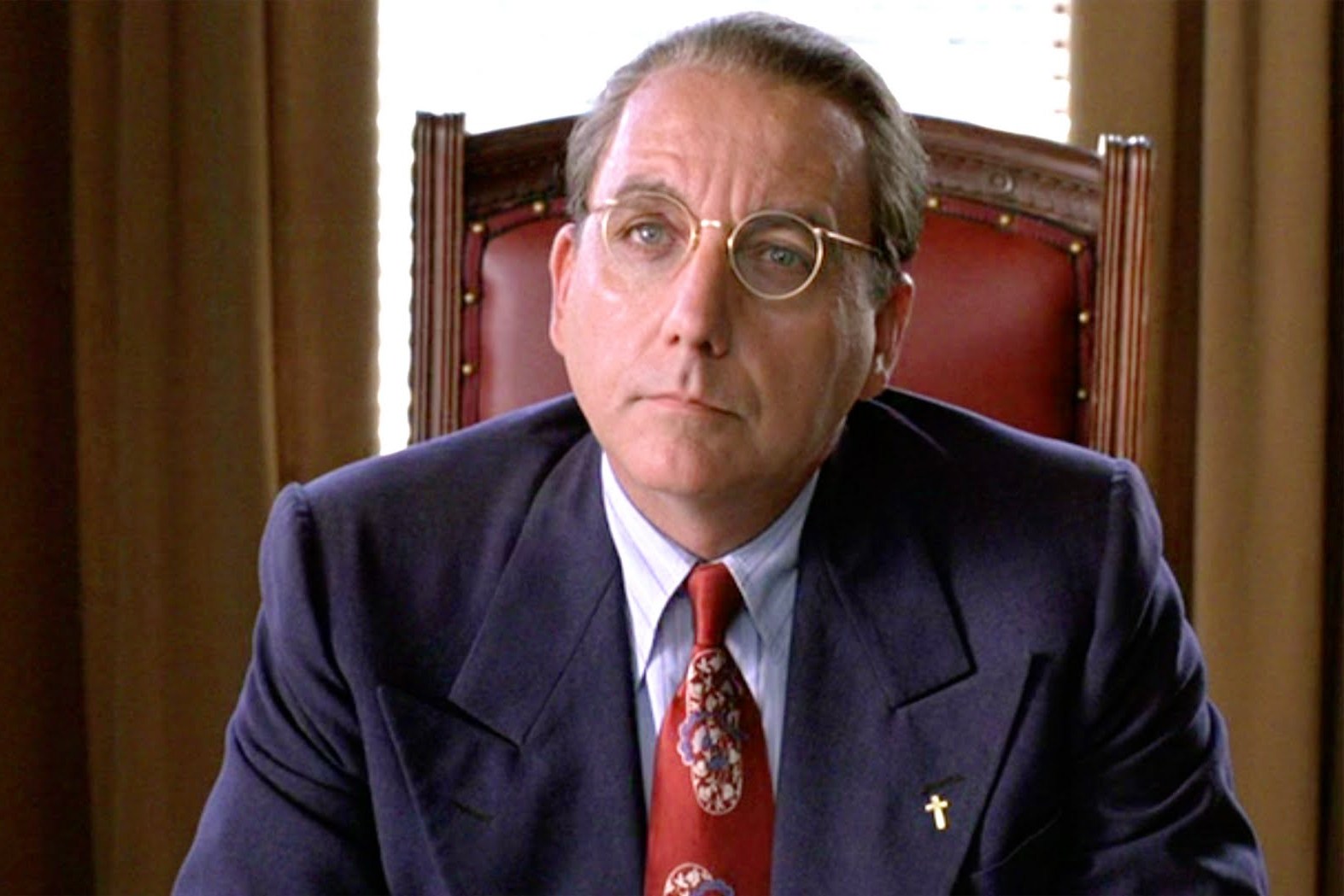
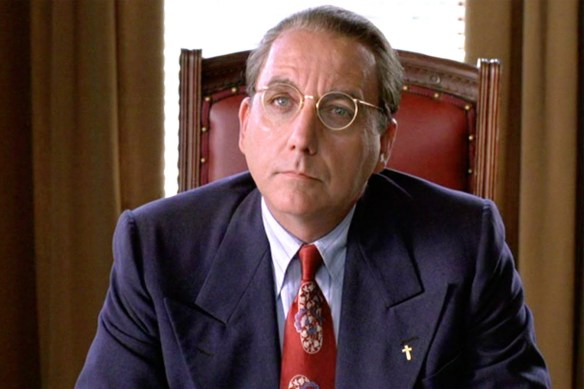
Consider Warden Norton from The Shawshank Redemption, a film based on a story by Stephen King. (I haven’t read any of his books, but I’ve heard Stephen King uses Bible-thumping Christians as a lot of his villains.) Warden Norton is an awful person. He mistreats prisoners in his care, denies them justice, accepts kickbacks, murders people, and generally makes himself unpleasant. All the while, he quotes the Bible and assumes God is on his side.
Evil warden

God loves you, but Warden Norton will probably shoot you in the face.

Even when Christians in fiction aren’t evil, they’re often well-meaning but ignorant simpletons. Take Marvel’s Agents of S.H.I.E.L.D. I really enjoyed the series, but one episode irritated me. It was the episode featuring a Christian, and she was a bland, weepy, superstitious ditz.

Why are Christians portrayed so badly in the media? There are actually quite a few reasons.

It can be ironic or scary when a supposedly “good” person is evil.

There’s an artistic irony when a righteous person is actually wicked. It’s also pretty freaking scary. Who isn’t disturbed when a good person turns out to be a bad one?

Religious people have power and influence, which makes them great villains.

Priest and pastors have influence over groups of people. What happens when religious leaders are evil? They command the loyalty of their followers—even when that loyalty is innocent or well-intentioned. Religious leaders have power and authority, which can be easily turned to wicked ends.

Religious people sometimes do horrible things.

I hate to say it, but there’s a little truth in the portrayal of priests as pedophiles and preachers as charlatans. Christians, and people who call themselves Christians, have done some awful things. The media reflects that.

No secular media group wants to be accused of proselytizing.

Media groups exist to make money. Unless they produce religious media, these companies don’t want to be accused of pandering to Christians or spreading religious propaganda. Creating a genuinely Christian character puts media groups at risk of seeming to push a religious agenda. It’s safer to fall back upon familiar stereotypes like the evil or ignorant Christian.

Some religious traditions are spooky.

Have you ever stepped into an old-fashioned cathedral? You should try it. Little noises are echoed and magnified. Candles light the vast, empty gloom. Stained glass windows depict sad, soulless saints. Somber Christs hang in perpetual agony on crosses and crucifixes. Some Christian customs and traditions are frankly a bit creepy. They really build an atmosphere for villainy.

Some people just hate religion.

I’m looking at you, Philip Pullman.

As much as I understand these reasons for creating lousy Christian characters, I’m tired of the stereotypes. Am I the only one who thinks most depictions of Christians in the media are offensive? If other groups were so badly stereotyped, there would be outrage. Why is it socially acceptable to portray Christians as universally evil or ignorant?

It’s a problem, and I have two suggestions for resolving it.

First, do your research and create Christian characters that actually represent Christianity.

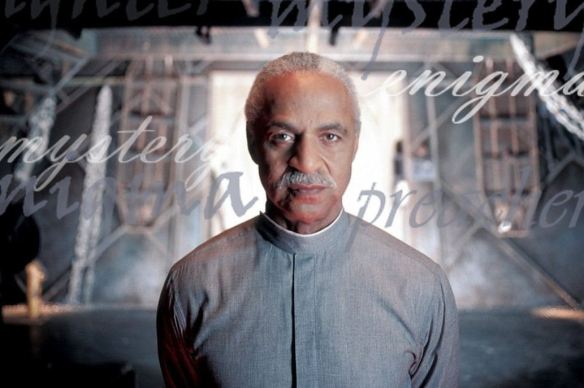
I’ve already touched upon this, but I’ll say it anyway: religious stereotypes are not only offensive, but usually incorrect. Joss Whedon, God bless him, understands this. Whedon is an atheist, yet he created a character named Shepherd Book who is genuinely Christlike.

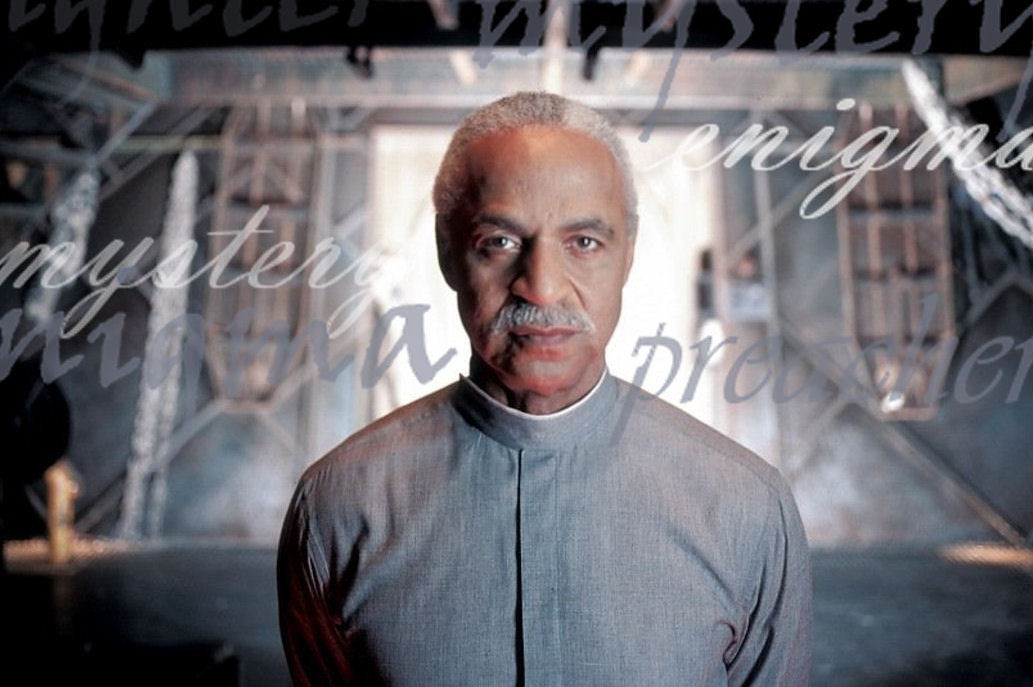
Shepherd Book demonstrates a good understanding of Christian doctrines, and an equally good sense of humor. He is devout, patient, kind, and generous. To put it simply, Shepherd Book is represented by the media as a great character and a good Christian. It can be done.
The good Shepherd

Learn from the good Shepherd.

I’m not asking anyone in the media to create religious propaganda. I’m asking everyone in the media to create Christian characters that aren’t shameless hypocrites, greedy shysters, arrogant bigots, filthy perverts, sociopathic lunatics, or well-intentioned idiots. Is that really so much to ask?

Second, it’s perfectly fine to create characters that are evil Christians—just don’t be lazy about it.

I occasionally recommend an anime called Trigun. Set on an arid planet in the distant future, Trigun is basically the Old West in space. My favorite things about the show are its two main characters, Vash the Stampede and Nicholas D. Wolfwood, and their strained friendship.

Vash is an expert marksman, unbridled optimist, and wandering hero. He lives by a philosophy of “love and peace,” refusing to kill anyone. “Ain’t it better if we all live?” he asks.

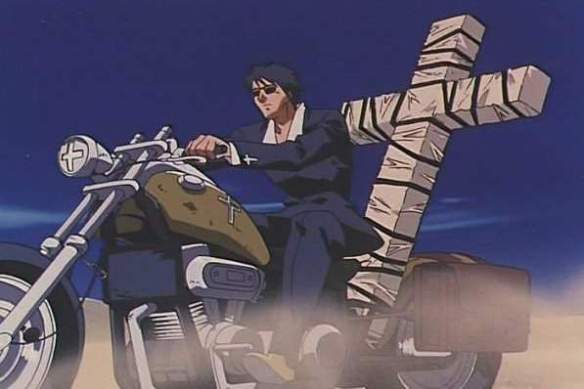
Vash and his philosophy are tested by Wolfwood, an itinerant preacher who carries a literal cross wherever he goes. (When a bystander remarks that the cross is heavy, Wolfwood quips, “That, my friend, is because it’s so full of mercy.”) Despite his merciful profession, Wolfwood’s philosophy is a harsh one. There’s an Old Testament justice in his actions. He won’t hesitate to execute a bad man.
The bad shepherd

You do not want to cross this man. (Pun intended. I’m so, so sorry.)

The thing about Wolfwood is that he himself is a bad man. He drinks, smokes, sleeps around, and kills quite a number of people. (Wolfwood’s cross is actually a machine gun with compartments for handguns, which is either blasphemous or awesome.) Even his theology is flawed. However, in spite of his faults, Wolfwood is a complex character. He sees violence as a necessity, and regards the world’s evils (and his own) with determined resignation.

To put it simply, Nicholas D. Wolfwood is a good bad Christian. He manages to be a Christian and a bad person without ever becoming an insulting stereotype. It doesn’t take offensive clichés to portray Christians as bad people. It can be done.

Christians are generally depicted very badly in the media. That needs to change. Christians—even the bad ones—can be treated fairly, and they deserve to be.

331. TMTF Strikes Back!

After a two-week hiatus, TMTF is back with new content! My typewriter monkeys and I have resumed… whatever it is we do around here. I don’t know.

Before I get carried away with new posts, there’s some stuff we need to discuss—mostly following up on last month’s charity fundraisers, and also asking an urgent question about hats. Prepare yourself, dear reader, for some Important Business Things. We’ll cover them one at a time. Here we go!

TMTF’s charity fundraisers were a success!

Because of your support, TMTF’s charity fundraisers last month were successful!

Charity logos

The Child’s Play fundraiser didn’t quite reach its goal, yet contributed a respectable $75 toward purchasing toys and video games for kids in hospitals. (I like to think that every cent of our donations was spent on Legend of Zelda games, but that’s just me.) While the Child’s Play fundraiser didn’t meet its goal, I’m thankful we were able to give as much as we did.

The Living Water International fundraiser, which is ongoing, surpassed its goal. Thanks to you, we’ve given $375 toward providing clean water to people in impoverished areas! That’s one hundred twenty-five percent of the fundraiser’s original goal, which is just bonkers.

When we started raising funds last month for charity, I honestly wasn’t sure we would meet our goals. You guys have amazed me. Thank you so much for making this possible. You are my heroes. Well done.

Bravo (GIF)The Living Water International fundraiser is still going strong!

Even though the clean water fundraiser was meant to be a Christmas project, it won’t end for another few weeks. (I didn’t have much flexibility in planning its duration.) For as long as it’s up and running, this blog’s rewards for donors will remain in effect, so feel free to give!

I’m still working on donor rewards, and I will get them to donors as soon as I can.

If you haven’t received your rewards for donating to one or both of TMTF’s fundraisers, I haven’t forgotten you! I’m still working on them, and I’ll send them your way as soon as I can.

By the way, there were a few anonymous donations. If you donated anonymously and would like to receive donor rewards, it’s not too late to contact me. I want to say thank you!

Should charity fundraisers become a Christmas tradition for this blog?

I don’t know. What do you think?

All right, enough talk about fundraising. Let’s discuss hats.

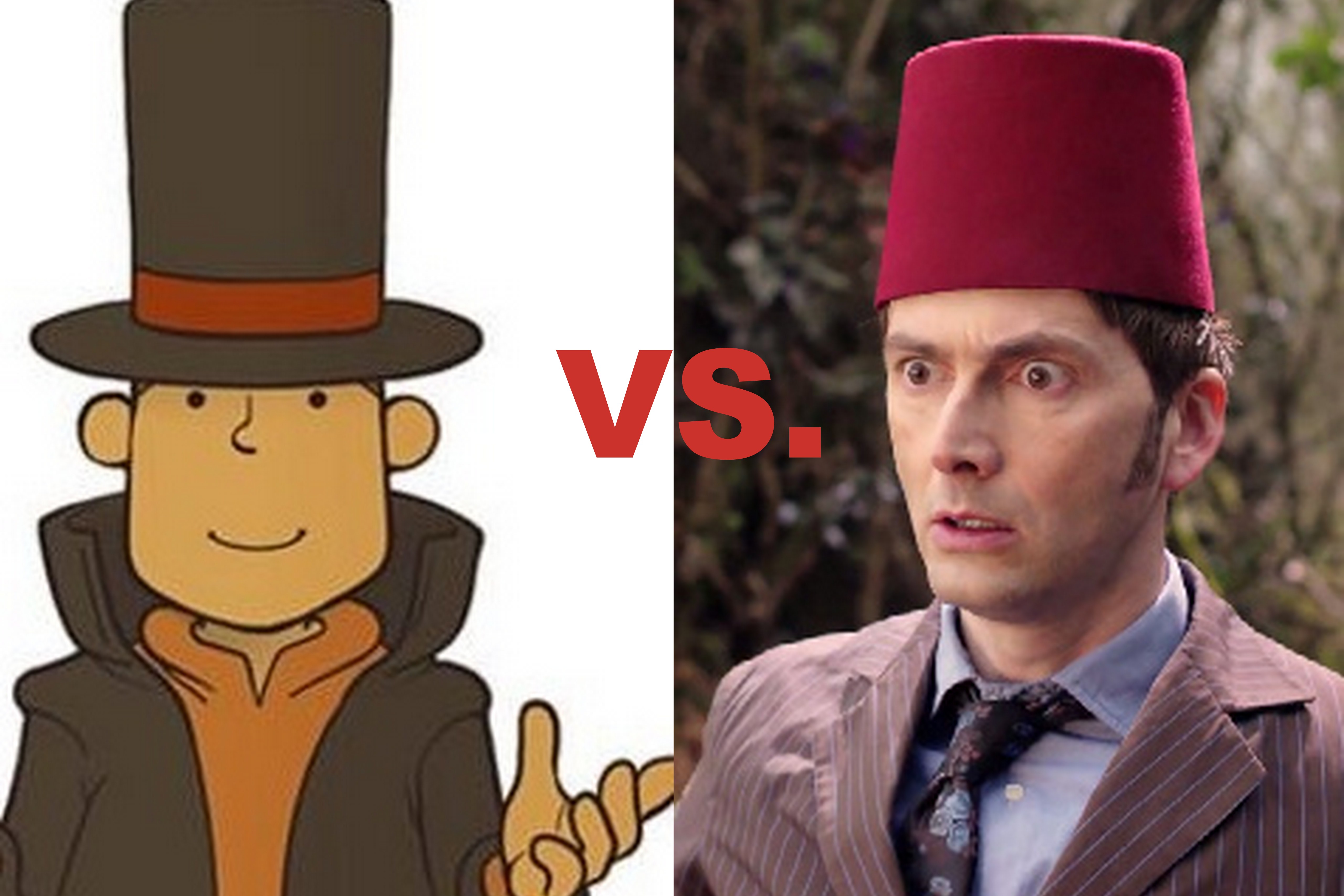
Top hats or fezzes?

Top hats vs. fezzes

Discuss.

I think that’s everything!

I guess those are all the Important Business Things we have to discuss for now. Thanks again, dear readers, for making last month’s charity events a success!

In conclusion, fezzes are less expensive, but top hats lend a certain dignity to any aspiring gentleman. They’re both pretty great.

Emoticons

Emoticons—those short combinations of letters, numbers and punctuation marks that sort of resemble little faces if you look at them sideways—have crept over the Internet like an army of tiny pictographic soldiers.

When I was a student teacher, some of my students even used emoticons in their homework. This annoyed and perplexed me greatly. Apart from being childish and unprofessional, putting emoticons in hand-written assignments seemed pointless. I can’t imagine why my students made the effort to write out emoticons when they could have just drawn little faces.

Though I seldom use emoticons, I have nothing against them. They’re an interesting development of written English, and they can give informal writing a certain charm.

For the sake of Internet People everywhere, I’ve compiled (with a little help from Dave Barry) a list of useful emoticons.

Typewriter Monkey Task Force is proud to present…

The Official TMTF List of Eminently Practical Emoticons for Convenient, Everyday Usage!

: )         Happy person

: (         Sad person

: – )       Happy person with a nose

: – (       Sad person with a nose

: — (     Person who is sad because he has such a big nose

: /          Frustrated person

: D        Overjoyed person

. (         Person who ran with scissors

X D        Amused person

<l : )      Gandalf the Grey

:’ (         Weeping person

: P        Cheerful person

:V: (      Person with an alligator on her head

:-3         Cat

; )          Wry person

: o )       Clown

XO        Person who is afraid of clowns

: o          Slightly surprised person

8 O        Very surprised person

: ) ?        Captain Hook

: I           Person who has eaten too much

: ) ~D     Person about to drink a calming cup of Jasmine tea

: ^ (        Cyrano de Bergerac

O Internet People, it is now up to you to use these emoticons with creativity, discernment and wisdom.

Just don’t use any of them on homework assignments, all right?

What emoticons did I miss? What are your favorites? Let us know in the comments!


This post was originally published on January 20, 2012. TMTF shall return with new content on January 19, 2015!

330. Gone Writing, Back Soon!

Due to writing commitments and threats of arson, TMTF will be taking a two-week break.

I suppose I’d better start with the threats. My typewriter monkeys, my reluctant assistants for this blog, want to visit Costa Rica for some reason. (I suppose it must be the bananas and warm weather.) They’re demanding a vacation, and threatening to burn down my apartment building if I refuse their demands.

For the readers fortunate enough never to have met my monkeys, I should mention their terrifying ability to set fire to anything under any conditions. I don’t recall how many times they’ve been arrested for arson; I think the number is in the high sixties. My monkeys’ rap sheet is nearly as long as the unabridged works of Shakespeare, and that’s just for the time I’ve spent in Berne, Indiana. A complete collection of their criminal records would fill a library… which they would probably burn down.

Many Are Cold, Few Are Frozen

This is a fragment from a fire started by my monkeys last winter. I’m surprised anything survived that fire. Heck, I’m surprised survived that fire.

My point is that my monkeys like burning down buildings, and I like having a home. I have surrendered and accepted their demands.

My typewriter monkeys are on their way to Costa Rica. With any luck, they’ll stay there. TMTF will be on break until they return—or else until I hire some new animal assistants. I’ve always liked squirrels. Typewriter Squirrel Task Force has a nice ring to it, don’t you think?

In the meantime, I plan to spend my two-week break from blogging catching up with backer rewards from last month’s charity fundraisers. I have some writing to do!

(The Living Water fundraiser will be up and running for nearly two more months, by the way, so please feel free to donate to provide clean water to people in need! This blog’s rewards for donors will remain in effect for the duration of the fundraiser!)

This blog will not go dark during the break! For the next two weeks, TMTF will rerun previous posts on the usual schedule (Monday, Wednesday, and Friday) because recycling is good for the environment.

As we begin a new year, I’m going to have a Serious Adam Moment and thank you for reading. Seriously. Thank you so much. As I’ve said before, the greatest joy of a writer is to be read. I would like also to give extra-special thanks to everyone who participated in the charity fundraisers last month. You guys are awesome.

TMTF will resume with new content on Monday, January 19. Happy New Year! Stay fabulous!