360. Review Roundup: Violent Movie Edition

I like to think I’m not a particularly violent person. Sure, I own five machetes, three swords, and a few knives, but I don’t use them. In fact, I seldom show aggression, except when playing video games. All’s fair in love, war, and Mario Kart.

Despite my peaceable nature, I occasionally watch violent movies. I saw quite a few in the past month: films full of epic car chases, superheroes, dystopian futures, demonic possessions, and British cops eating Cornetto ice cream cones. I may not be doing formal reviews, yet here are some brief impressions of Mad Max: Fury RoadAvengers: Age of UltronSnowpiercerThe Exorcist, and Hot Fuzz.

Hold on to your hats.

Mad Max: Fury Road
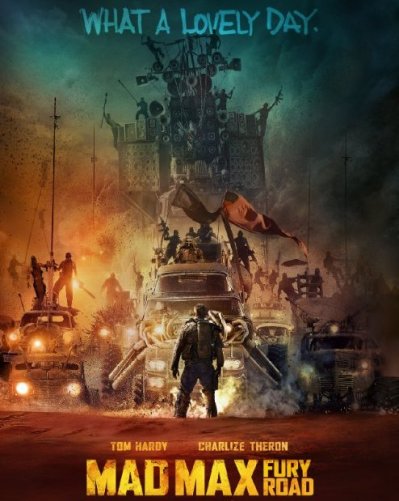
Mad Max

Mad Max: Fury Road consists of a brutal car chase and little else. Do you know what? I am five thousand percent fine with that.

Most of the film is a chase in which an entire convoy of cars follows an armored tanker truck across a desert. The cars—which were built, I can only assume, by psychopathic punk rockers with welding torches—bristle with spikes and assorted weaponry. One truck serves as a stage for a man playing an electric guitar that shoots flames.

Yes, this is that kind of movie.

In the film, a warlord named Immortan Joe reins unchallenged over refugees in a post-apocalyptic wasteland. When one of his lieutenants betrays him and flees with his wives in a tanker truck, Joe sends a convoy to reclaim his prized “possessions.” One of the outrageous vehicles in the convey has an unusual hood ornament in the form of a wanderer named Max. He may be strapped to the front of a war machine, but Max is a survivor. Explosions and mayhem ensue.

Mad Max: Fury Road doesn’t have much dialogue, but it hardly needs it. This is an action film in its purest sense. The chase sequences were filmed mostly with practical effects and minimal CGI—meaning the film shows real cars, real stuntmen, and real explosions. It’s impressive stuff, and stylish as heck.

For having little dialogue—and being, y’know, flipping ridiculous—Mad Max: Fury Road tells quite a good story. The characters aren’t terribly well-developed, but they are memorable and clearly defined. In this film with sparse dialogue and relentless explosions, profound themes emerge: survival, longing for home, and empowerment of women. Mad Max: Fury Road is a far more intelligent film than it has any right to be, while never losing its sense of good, stupid fun.

I really enjoyed Mad Max: Fury Road. If you enjoy, or have any tolerance for, over-the-top action movies, I recommend it.

Avengers: Age of Ultron
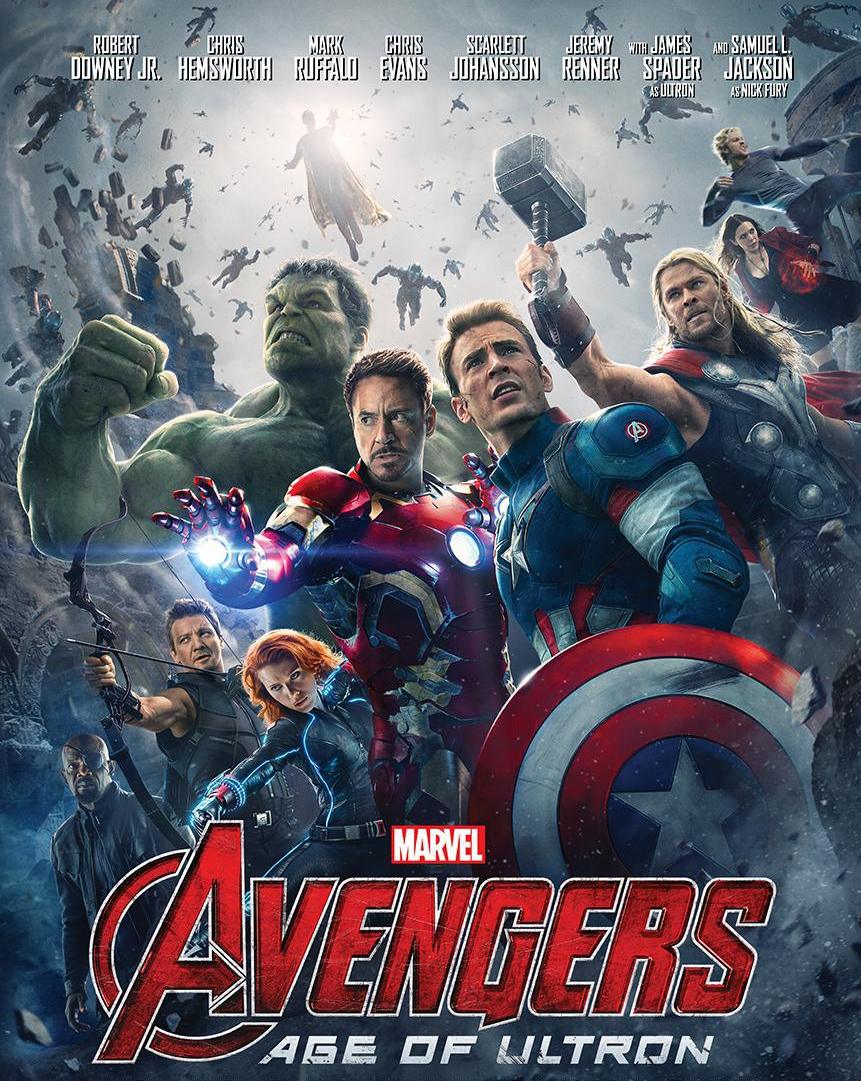
Age of Ultron

Eh, it was all right.

What? You want more of a review than that? Here goes: It was all right, but it needed more Andy Serkis.

In seriousness, Avengers: Age of Ultron wasn’t bad. In the film, the Avengers, a colorful band of superheroes, battle Ultron: a rogue AI that deems humanity unfit to live. There’s a little more to the movie, of course, but that’s the gist. If you’ve seen any of the recent Marvel movies, you probably know the drill at this point.

I liked a lot of things about the film. First of all, Ultron is a marvelous villain with a menacing appearance and a personality defined by sardonic contempt. (I appreciate a bad guy with a sense of humor.) Ultron has a vision for a better, brighter future. It just happens to be a future without human beings. It’s nothing personal.

I was impressed by how the obligatory action scenes were balanced by a surprising amount of character development. The Avengers get plenty of scenes without spectacular fights or expository dialogue—scenes that allow them simply to be themselves. Hawkeye, the least popular Avenger, gets an astonishing amount of characterization. Andy Serkis makes a brief but memorable appearance as a South African arms dealer, stealing the scene from everyone but Ultron.

This brings me to one more outstanding feature of the film: It takes place all over the world. Look, I like America, but I’m tired of seeing it in Marvel’s superhero movies. Avengers: Age of Ultron spends most of its time in Asian, African, and Eastern European countries. I really appreciated the change of scenery.

There are, of course, things I didn’t appreciate about Avengers: Age of Ultron. The film feels slightly suffocated by the weight of all the Marvel movies that came before it. Too many characters are stuffed into the film, including a pair of twins that have no business whatsoever being there. With a couple of minor tweaks, Avengers: Age of Ultron could have worked perfectly without them. One or two unexplained plot elements stick out egregiously. Unlike the breakable hero of Marvel’s Daredevil, the Avengers are invulnerable, and therefore boring.

My final problem with the movie (slight spoiler ahead) is the introduction late in the film of a messianic character in the form of a heroic android. This good AI is a foil to Ultron, sure, but it’s also a literal deus ex machina. Besides, a theme of the movie is that creating self-aware machines like Ultron is a bad idea. The Avengers defeat the godlike AI… by creating another godlike AI. Hmm.

In the end, despite its faults, Avengers: Age of Ultron is another solid entry in the Marvel movie canon. In other news, I think Ultron and GLaDOS would probably get along really well, to the detriment (and possible extinction) of humans everywhere.

Snowpiercer

Snowpiercer

In Snowpiercer, a new ice age has wiped out nearly all life on Earth. The only survivors are the passengers of a high-tech train, the eponymous Snowpiercer, that circles the globe once a year. Built for doomsday, the train is entirely self-sufficient with a powerful engine and carefully regulated ecosystems. The privileged passengers ride in luxurious cars toward the front of the train. Middle cars contain necessities such as orchards and water tanks. The squalid rear cars of the train are reserved for the stowaways. Tired of living in filth and fear, these stowaways revolt against the train’s authorities. The rebels, led by a tough-as-nails passenger named Curtis, must fight their way forward one car at a time.

Snowpiercer is brilliant. Its absurd dystopia is compelling and unique: a society whose socioeconomic classes are divided by train cars. The train doesn’t merely represent a social order—it is a social order, laid out in a neat line. There is a golden simplicity in the structure of Snowpiercer‘s dystopia, and it was gripping to watch Curtis and his crew advance through the train. The train itself is a fascinating chain of set pieces, starting with filthy rear cars and getting progressively more interesting the farther Curtis and company advance.

Although Snowpiercer is a South Korean film, it stars mostly English-speaking actors. I was surprised by how many of them I recognized. Curtis is played by Chris Evans, with other roles filled by Tilda Swinton, John Hurt, and Ed Harris. Snowpiercer has all the visual polish of a Hollywood blockbuster, but is a much smarter film than most American action flicks.

It isn’t a cheerful film, and it’s definitely not for kids, but Snowpiercer is superb: easily one of the best sci-fi movies I’ve seen. I highly recommend it, especially for viewers who like intelligent action films or dystopian fiction.

The Exorcist
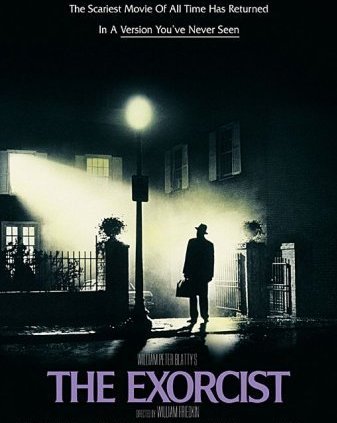
The ExorcistI’m no fan of horror films, but I decided to watch this one. For science. The Exorcist, an iconic and culturally significant film, depicts the gradual demonic possession of a girl, and the attempts of two priests to drive out the demon.

My strongest impression of The Exorcist is that it’s really slow. This is both a strength and a weakness. On the one hand, I appreciate that the film takes time to develop its characters instead of rushing to sensational scares. I don’t know much about horror movies, but my impression is that their characters are often treated not as people, but as objects for death and dismemberment. The Exorcist acknowledges its characters as people, which makes their suffering at the hands (claws?) of the demon all the more gut-wrenching. However, while I appreciated the film’s slow-but-steady approach, I found it too slow. The movie’s ponderous pacing leads to an all-too-short denouement, which left me asking, “Heck, that’s it?”

I didn’t find The Exorcist all that scary. The buildup to the demon was excellent, and the scene in which it fully possesses the girl is terrifying, but from that point on the demon-possessed child is mostly silly. Her appearance is blatantly fake, like a Halloween outfit, and it just ain’t scary. By the point the girl starts vomiting lime-green goo, I couldn’t take the demon seriously. A subtler approach, with a lot less makeup, would have been far creepier.

The famous scene in which the demon takes over the girl is easily the scariest in the film, and it’s frankly shocking: especially for a film released in the seventies. Among other things, the girl repeatedly jams a crucifix into her vagina. (The scene isn’t explicit, but it is disturbing.) It’s disgusting and profane—but then, that’s the point. The artist in me is impressed by the strong characterization of the demon. The rest of me is grossed out.

Despite its solid characterization and few scary scenes, the poor pacing and tasteless schlock of The Exorcist make it hard to recommend.

Hot Fuzz
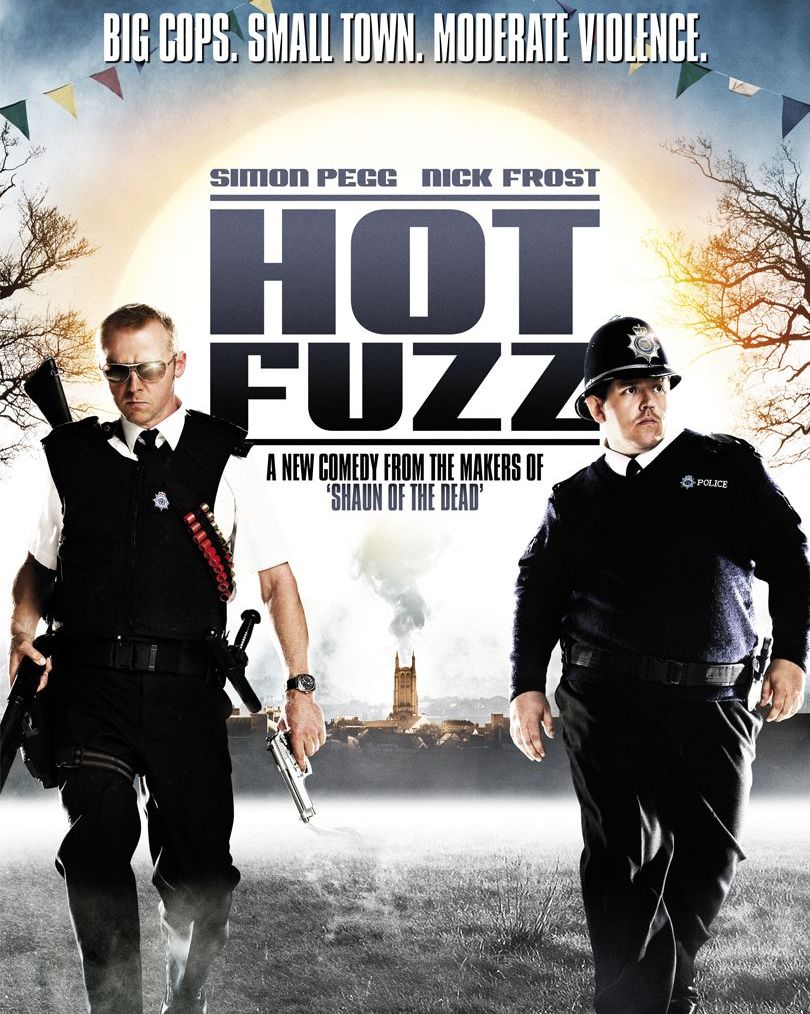
Hot FuzzQuestion: Is Hot Fuzz A) an action movie, B) an old-fashioned murder mystery, or C) a fantastic comedy? The correct answer, of course, is D) all of the above.

In Hot Fuzz, straight-laced policeman—sorry, police officer—Nicholas Angel is transferred from London to the sleepy town of Sandford for making his colleagues look bad. Although Sandford is practically free of crime, a string of suspicious deaths leads Angel to believe the quiet town hides a conspiracy. With his incompetent partner, Danny Butterman, in tow, Angel sets out to solve the gruesome Sandford murders, watching action movies and eating Cornetto ice cream cones along the way.

Hot Fuzz is a unique blend of genres. It has a bit of an Agatha Christie feel with its murders in a rural British village. The gunfights near the end are an affectionate send-up of Hollywood action movies. Most of all, Hot Fuzz is a superbly-written comedy. I watched it because of this glowing review on Kotaku, which perfectly describes the film’s tight screenplay: “Nearly every line of dialogue is either an explicit joke, a set-up to a future joke, or a call-back to a joke that was set up earlier. Some manage to be all three at once.”

As noted in the Kotaku review, Hot Fuzz satirizes action movies in its cinematography. In one scene, two cops run from a bomb about to explode, the camera pulls back expectantly, and… the bomb doesn’t explode. Its a neat subversion of the stereotypical Hollywood explosion. There are also tons of quick, Michael Bay-esque edits, but instead of showing glimpses of action—explosions, gunshots, car crashes!—they punctuate ordinary tasks—filling out paperwork, opening doors, watering plants!

I have only two significant criticisms of Hot Fuzz. First is a jarring tonal shift near the end. The film transitions none too gracefully from detective-story satire to blazing action, with a number of people acting out of character. It feels forced. The other problem is the gore. This film has an astonishing amount of blood, including an icky scene in which a man’s head is crushed by a falling piece of masonry. The gory violence, all of which is flagrantly fake, is probably meant to be funny, but I found it a tasteless blemish in otherwise brilliant comedy.

Despite its overblown violence and some foul language, Hot Fuzz is a clever, well-written satire of British mystery and American action. I highly recommend it.
352. Thoughts on Marvel’s Daredevil

If you read the tagline for this blog, you may notice that television is conspicuously absent. Typewriter Monkey Task Force is a blog about “faith, writing, video games, literature, life, the universe, and everything.” When I discuss television, it falls into the same “and everything” category as muffins, snow, and fist bumps.

Update: Well, I added TV and movies to the tagline, and also as a category. I suppose it was inevitable.

This blog has a number of posts about Doctor Who and kids’ cartoons, but hardly any for more serious shows. I seldom write about grown-up shows for the reason that I seldom watch grown-up television. Not for me the Breaking Bads and Walking Deads of modern programming; I prefer to relax with something pleasant, not tales of violence, crime, sex, or scandal.

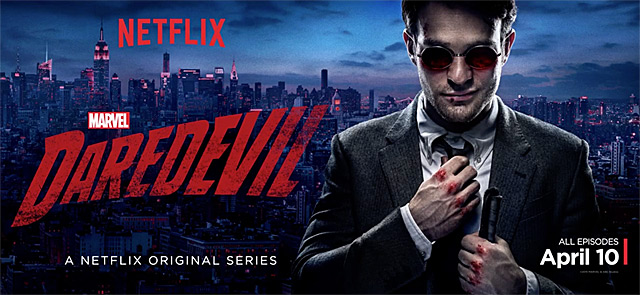
A few times, however, a show for adults has come along that absolutely blows me away. The last one was Sherlock, the BBC’s outstanding adaptation of the old Holmes stories. This time it’s Marvel’s Daredevil, a recent Netflix original series. It does so many things right that I’m taking a post to list a few of them, along with some miscellaneous observations.

Marvel's Daredevil

First, a little background: Daredevil is based on a Marvel comic about Matt Murdock, a blind lawyer whose other senses are heightened to an incredible degree, allowing him to “see” without eyes. Every night, he hits the streets of Hell’s Kitchen, a neighborhood of Manhattan, to beat criminals senseless: a lawless lawyer, so to speak.

The Netflix show happens in the same world as all those Marvel movies from Disney—the MCU, or Marvel Cinematic Universe—but takes a more mature, grounded tone. One final note: Marvel’s Daredevil has no connection, thank heaven, to that dreadful movie starring Ben Affleck.

As promised earlier this week, here are my thoughts on Marvel’s Daredevil.

Be ye warned: Here there be minor spoilers.

The villain

The grand villain in Daredevil, criminal kingpin Wilson Fisk, is one of the best baddies I’ve seen on television. Too many stories disrespect their villains by treating them not as characters, but as plot elements. Fisk, by contrast, is a brilliantly developed character: menacing, memorable, and oddly vulnerable. Despite being “merely” a villain, he gets flashbacks and a love story—considerations usually reserved for the protagonist!

At first, Fisk seems completely in control. He fits the stereotype of the criminal genius pulling strings from the shadows. Only as the story unfolds is Fisk revealed to be an unstable, emotional mess of a man, a character with noble dreams and zero compassion. Fisk is a magnificent bad guy.

The booze

The characters in Daredevil drink with alarming frequency. It’s a wonder they manage to stay mostly sober for thirteen episodes. Daredevil‘s Matt Murdock and Iron Man‘s Tony Stark probably need an intervention.

The sidekick

Matt’s business partner is a wry young lawyer named Foggy Nelson. I expected Foggy to be shallow comic relief or the bumbling Watson to Matt’s Holmes, but he surpassed my expectations in every way. Foggy is certainly funny, and he lacks Matt’s poise, yet he winds up being a smart, independent, and thoroughly likable character.

Matt Murdock and Foggy Nelson

The fight scenes

I’ve become jaded toward practically every single fight scene in the MCU. I can only watch Thor or Captain America punch people in the face so many times before I lose interest. These fight scenes are bland and bloodless. The heroes, who are practically invincible, knock out nearly every enemy in a single punch. What’s the point?

Daredevil offers a superior take on fight scenes. Matt Murdock is breakable. Many of his battles end with Matt bruised, gashed, and bloodied. He is regularly bandaged and stitched up by a sympathetic friend. Because he’s not some invincible superman, his fights are tense and engaging in a way Thor’s or Captain America’s will never be. Matt is weaker than the average superhero, and his enemies are tough. When he knocks them down, they sometimes get back up and keep fighting—a refreshing change from the one-punch knockouts of Marvel’s movies.

Finally, the fights in Daredevil aren’t flagrantly choreographed dances. They’re all-out brawls. Matt gets tired. He stumbles. His fights have the weight, momentum, and wild physicality missing in the MCU’s other media. I like Marvel’s big-budget movies, but they have so much to learn from Daredevil.

The writing

Following up on things Daredevil can teach the rest of the MCU, its writing is really good. Marvel’s movies have plenty of heavy exposition, clever quips, and inspirational speeches, but not a lot of honest-to-God conversation between characters. When Daredevil‘s characters talk to each other, they sound like people talking to each other, not actors reading a screenplay. I know Daredevil has more airtime than the average Marvel movie, but the MCU could try to mix in a little believable dialogue with its jokes and expositions.

The violence

Daredevil is really, really violent. Its blood and broken bones are earned by the story’s mature themes and gritty realism, but this show sure ain’t one for the kiddos.

The religion

Matt Murdock is nominally Roman Catholic, and I didn’t expect to be impressed by the show’s treatment of religion. The media hardly ever depicts Christians well. To my astonishment, Daredevil offers an excellent Christian character in the form of Matt’s priest, Father Lantom.

Many Christian characters in secular media are broad caricatures of religion, but Father Lantom seems authentic in both his concern for Matt and his knowledge of Christian theology. In one scene, he discusses the doctrine of the devil in astonishing detail, mentioning the fact that Satan is the Hebrew word for adversary and alluding to the liberal theory (with which he disagrees) that the devil is merely a misinterpretation of Scripture.

This is heavy stuff for a superhero show. The show’s writers really did their homework, and I love the way they wove the religious motifs of the devil, sin, and redemption into Matt’s journey. I’m impressed by Father Lantom. The heroes of Daredevil aren’t saints, but the show’s informed, respectful depiction of religion is exemplary.

The verdict

Marvel’s Daredevil is one of the best shows I’ve seen in ages. It isn’t as action-packed or colorful as Marvel’s other stuff, but I loved its serious tone, smart writing, and superb fight scenes. In all the right ways, Daredevil is a show for adults, and I highly recommend it.
A Lesson from Doctor Who

I often discover lessons in unexpected places. True, I learn from the Bible and wise people, but I also learn from Batman and webcomics about video games.

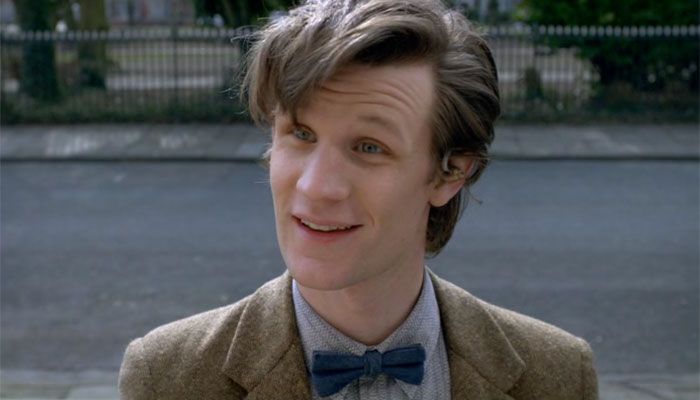
The Doctor from Doctor Who is not particularly wise—in fact, he has all the tact and maturity of a twelve-year-old boy—but he recently taught me an invaluable lesson.

This is not the face of a wise man.

This is not the face of a wise man.

I work in a group home for gentlemen with mental and physical disabilities. As you can imagine, my job is often amusing, sometimes heartbreaking and never predictable.

When I began working in a group home, I felt pity for some of its residents. Their lives are often dark and difficult. Some endure chronic physical pain. Most suffer from depression. Few are ever visited by friends or family. All of them are hurting in some way and few of them understand why.

At first I pitied only these gentlemen, but as months passed I realized they aren’t the only ones deserving of compassion.

Most of my coworkers are hurting. Some are divorced. Some have family issues. Many struggle with financial woes or health problems. I’ve heard tearful stories, bitter complaints and vicious arguments I wish I could forget.

Apart from work, I have friends facing heartrending difficulties: divorce, debt, depression, loneliness and grief.

I’m constantly surrounded by people whose problems I can’t solve, and I hate it.

At one point in Doctor Who, the Doctor and his friend learn that a person whose life they tried to save committed suicide. The Doctor’s companion is overwhelmed with grief. “We didn’t make a difference at all,” she says.

“I wouldn’t say that,” replies the Doctor, blinking back tears. He adds:

The way I see it, every life is a pile of good things and bad things. The good things don’t always soften the bad things, but vice versa, the bad things don’t necessarily spoil the good things or make them unimportant. And we definitely added to his pile of good things.

I may not be able to fix someone’s life, but nothing will ever prevent me from adding to his pile of good things.

I can’t fix my coworker’s marriage. I can’t take away the pain of the gentleman with arthritis or the hopelessness of the gentleman with depression. I can’t promise healing to a hurting friend.

I can, however, be patient. I can listen. I can pray. I pretend to be terrified when the gentlemen with whom I work tell me there are mummies in the cupboards or a mouse in my shoe.

On an afternoon a few weeks ago, just a day or two after I remembered this lesson from the Doctor, I was administering medications at work when a resident of the group home ambled up to me.

“This is for you,” he said with a grin, holding out a cup of coffee.

It occurred to me in that moment that I’m not the only one trying to add to the piles of good things around me.

Sometimes other people, even hurting people, add to mine.


This post was originally published on May 10, 2013. TMTF shall return with new content on April 20, 2015!

348. About Storytelling: Getting Drunk on Milk

In fiction, as in real life, bad things happen. When tragedy strikes, fictional characters sometimes try to drown their grief in alcohol.

We’ve all seen this in the movies. In one scene, a man loses his job or girlfriend; in the next, we find him drinking or drunk. It’s an age-old trope of storytelling. Heck, even I’ve used it. Lance Eliot, the protagonist in my novel, is quite a drinker.

What about stories for children? Here we have a problem. A story may need its characters to drink away their sorrows, but that sure ain’t appropriate for the kiddos! Storytellers, crafty creatures that they are, have discovered a family-friendly alternative to getting drunk on alcohol: getting drunk on nonalcoholic things, of course!

(In writing this blog post, I discovered this trope actually has a name: drunk on milk. Thanks, TV Tropes.)

Here are some examples of characters in family-friendly media drowning their sorrows in things that aren’t alcohol.

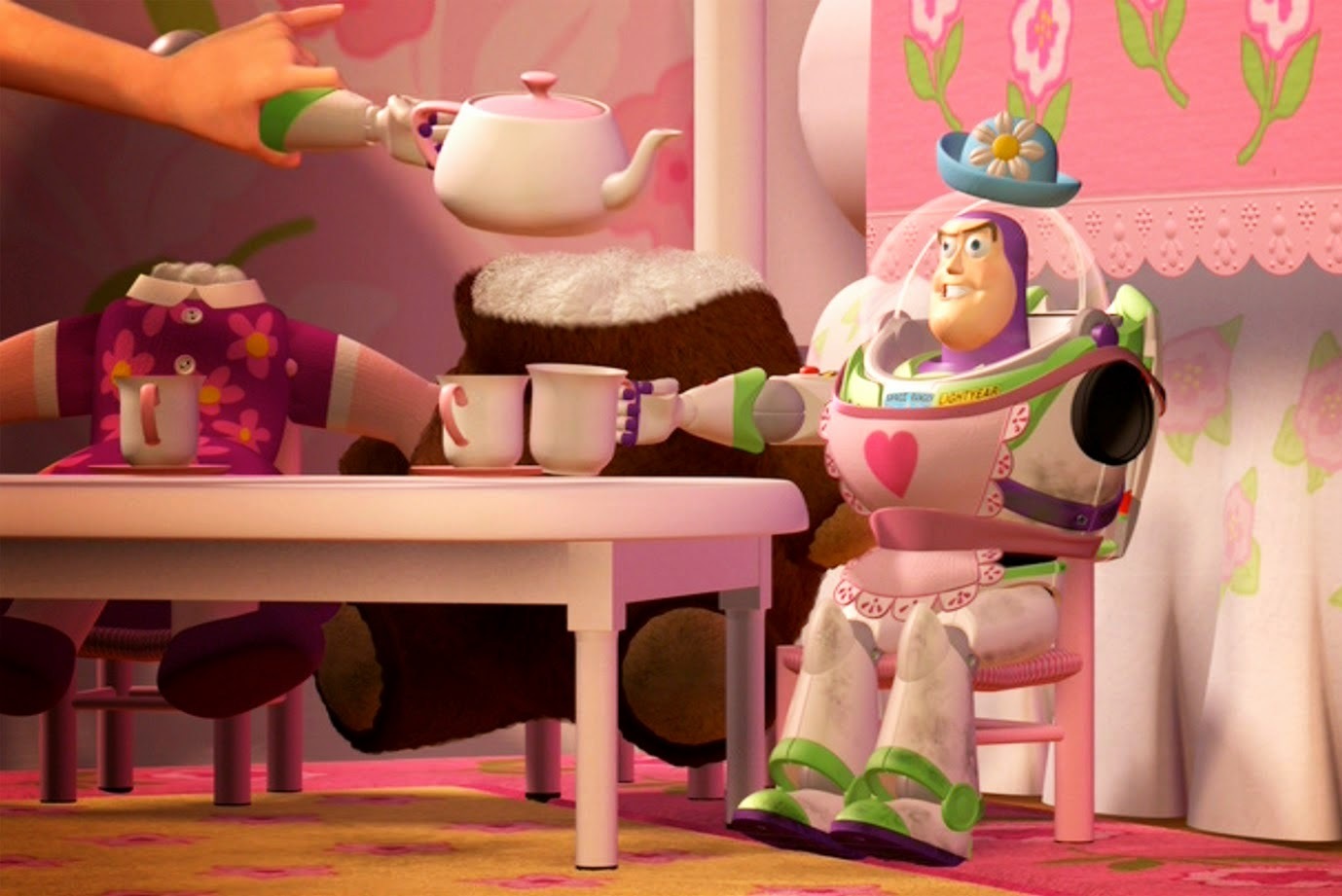
Tea (Toy Story)

Tea drunkI’ve drunk Darjeeling tea before, and let me tell you: the stuff Buzz Lightyear drinks (or pretends to drink) in Toy Story is like no Darjeeling I’ve ever tasted. Whatever is in those teacups, Buzz gets buzzed. (Pun intended. I’m so, so sorry. By the way, in case one bad pun isn’t enough for you, “Buzz” is pronounced “booze” in a Hispanic accent.) Buzz’s, um, tea is strong enough that he doesn’t seem to mind being called “Mrs. Nesbitt,” which must be humiliating for an intergalactic hero. Darned Darjeeling!

Doughnuts (My Little Pony: Friendship Is Magic)

Drunk 'n' donutsA happy cartoon about magical rainbow ponies can’t show its characters consuming alcohol, despite the fact that one of its protagonists is apparently named after a hard liquor. The alternative? Doughnuts. When Spike the dragon is left behind by his pony pals, he hits the local doughnut shop—the name of which, I can only presume, is Drunk ’n’ Donuts. (Pun intended, but I’m not sorry for this one!) Spike may not get a hangover from his excesses, but I don’t envy him the inevitable sugar crash.

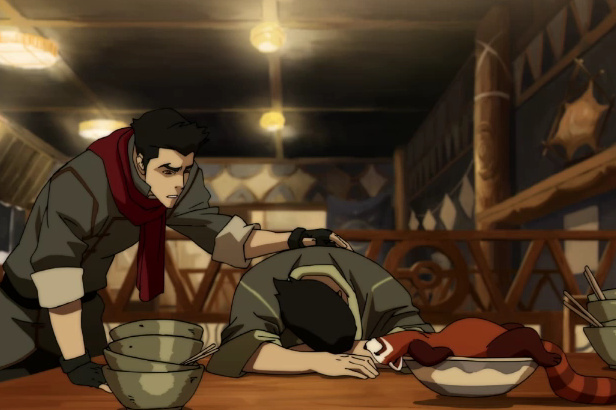
Ramen noodles (The Legend of Korra)

Bowls and BolinBolin—the young man passed out on the table in the picture above—deals with romantic rejection as heartbroken men do: by heading to the local ramen joint and eating too many bowls of noodles. This early scene from The Legend of Korra makes me chuckle; I’m especially amused by Bolin’s pet ferret lounging in an empty bowl. The Legend of Korra is a good show… I should catch up with it someday.

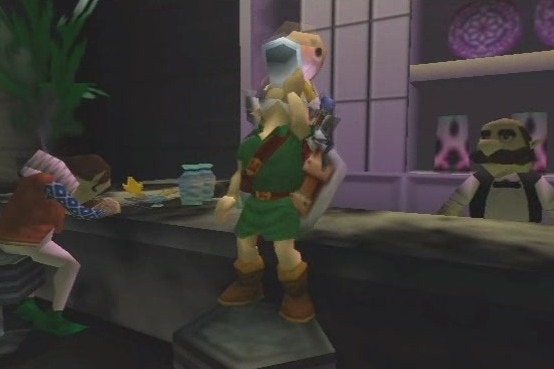
Milk (The Legend of Zelda: Majora’s Mask)

Milk drunkThe Legend of Zelda: Majora’s Mask is, without question, one of the greatest games I have ever played. It’s also one of the few to feature a milk bar. (Yes, I’ve seen a milk bar in more games than this one!) Open late at night, the milk bar caters exclusively to adults and offers both live entertainment and a variety of dairy drinks. I think the Shakespearean-looking gent in the picture above says it best: “Milk… It’s miiiilk… Can you get tipsy from something like milk?!? Hic!”

Ice cream (VeggieTales)

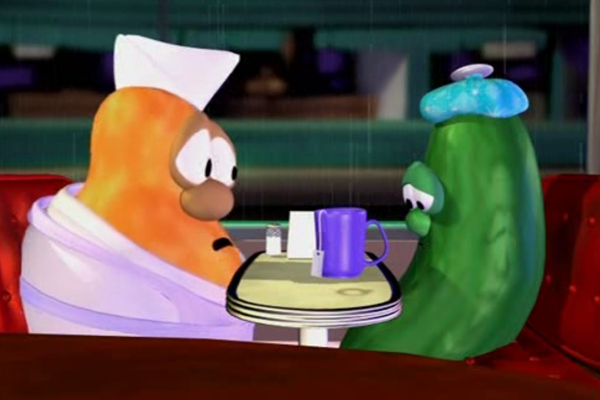
Ice cream drunkI’m digging deep into my childhood memories for this one. At one point, Larry the woebegone cucumber responds to bad news by eating too much ice cream at a diner. (VeggieTales is not just a kids’ show, but a Christian kids’ show, so they really had to keep it family-friendly!) In the picture above, Larry recovers with a warming cup of tea. Let’s hope it’s not Darjeeling.

Juice boxes (Jan Animation Studios)

Bar buddiesAll right, I’m kinda reaching here, but I suppose this short video counts. Bar Buddies, a brief animation from the brony community, has a kid getting wasted on juice boxes. Apple juice, apple cider, applejack—what’s the difference? They’re all made of apples, right? This one makes me laugh because of the disparity between the well-dressed, hard-drinking guy on the left and the silly kid on the right.

What’s drunk-on-milk scenarios did we miss? Let us know in the comments!

344. Four Lessons in Storytelling from Disney’s Latest Animated Films

Disney’s three latest animated films—Wreck-It RalphFrozen, and Big Hero 6—offer important lessons in storytelling. I wrote about four of them in today’s blog post, which… um… isn’t actually for this blog.

My post can be read on Animator Island, a community for artists, animators, and people who like animated movies (i.e. cool people). Special thanks to JK Riki for inviting me to write for the site despite my absolute lack of talent for the visual arts!

My latest post, “Four Lessons in Storytelling from Disney’s Latest Animated Films,” can be read here!

335. About Storytelling: Christians Are Evil

Those Christians, I tell you! They’re all so evil. All of them! If you don’t believe me, just switch on the television or go to the movies. Hollywood proves that Christians are evil, because Christians are often depicted as villains, and the media is always right.

Right?

Seriously, though—why are Christians so often portrayed as horrible people in the media? Why are books, movies, TV shows, and video games full of perverted priests, prejudiced pastors, and sinister ministers?

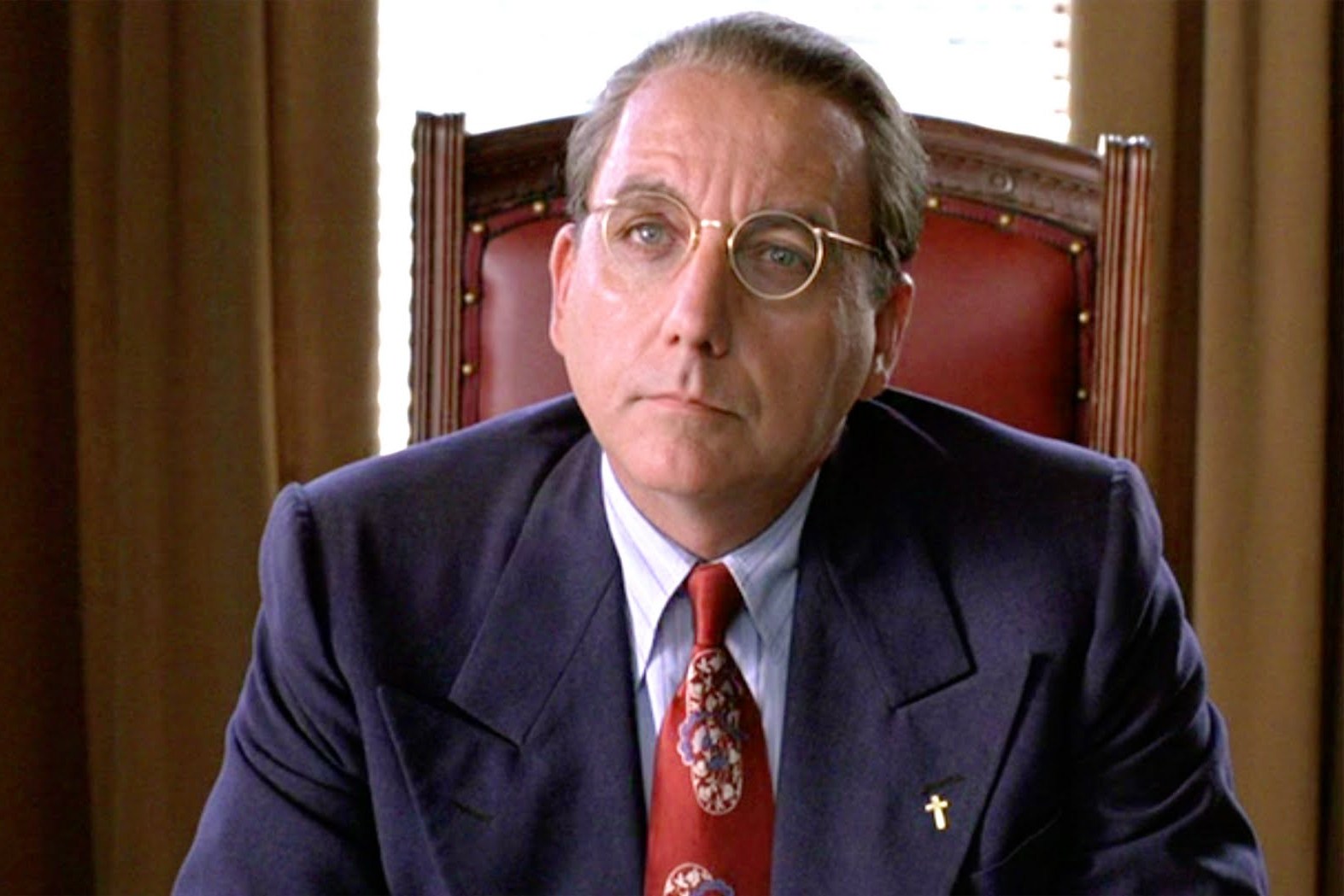
Consider Warden Norton from The Shawshank Redemption, a film based on a story by Stephen King. (I haven’t read any of his books, but I’ve heard Stephen King uses Bible-thumping Christians as a lot of his villains.) Warden Norton is an awful person. He mistreats prisoners in his care, denies them justice, accepts kickbacks, murders people, and generally makes himself unpleasant. All the while, he quotes the Bible and assumes God is on his side.

Evil warden

God loves you, but Warden Norton will probably shoot you in the face.

Even when Christians in fiction aren’t evil, they’re often well-meaning but ignorant simpletons. Take Marvel’s Agents of S.H.I.E.L.D. I really enjoyed the series, but one episode irritated me. It was the episode featuring a Christian, and she was a bland, weepy, superstitious ditz.

Why are Christians portrayed so badly in the media? There are actually quite a few reasons.

It can be ironic or scary when a supposedly “good” person is evil.

There’s an artistic irony when a righteous person is actually wicked. It’s also pretty freaking scary. Who isn’t disturbed when a good person turns out to be a bad one?

Religious people have power and influence, which makes them great villains.

Priest and pastors have influence over groups of people. What happens when religious leaders are evil? They command the loyalty of their followers—even when that loyalty is innocent or well-intentioned. Religious leaders have power and authority, which can be easily turned to wicked ends.

Religious people sometimes do horrible things.

I hate to say it, but there’s a little truth in the portrayal of priests as pedophiles and preachers as charlatans. Christians, and people who call themselves Christians, have done some awful things. The media reflects that.

No secular media group wants to be accused of proselytizing.

Media groups exist to make money. Unless they produce religious media, these companies don’t want to be accused of pandering to Christians or spreading religious propaganda. Creating a genuinely Christian character puts media groups at risk of seeming to push a religious agenda. It’s safer to fall back upon familiar stereotypes like the evil or ignorant Christian.

Some religious traditions are spooky.

Have you ever stepped into an old-fashioned cathedral? You should try it. Little noises are echoed and magnified. Candles light the vast, empty gloom. Stained glass windows depict sad, soulless saints. Somber Christs hang in perpetual agony on crosses and crucifixes. Some Christian customs and traditions are frankly a bit creepy. They really build an atmosphere for villainy.

Some people just hate religion.

I’m looking at you, Philip Pullman.

As much as I understand these reasons for creating lousy Christian characters, I’m tired of the stereotypes. Am I the only one who thinks most depictions of Christians in the media are offensive? If other groups were so badly stereotyped, there would be outrage. Why is it socially acceptable to portray Christians as universally evil or ignorant?

It’s a problem, and I have two suggestions for resolving it.

First, do your research and create Christian characters that actually represent Christianity.

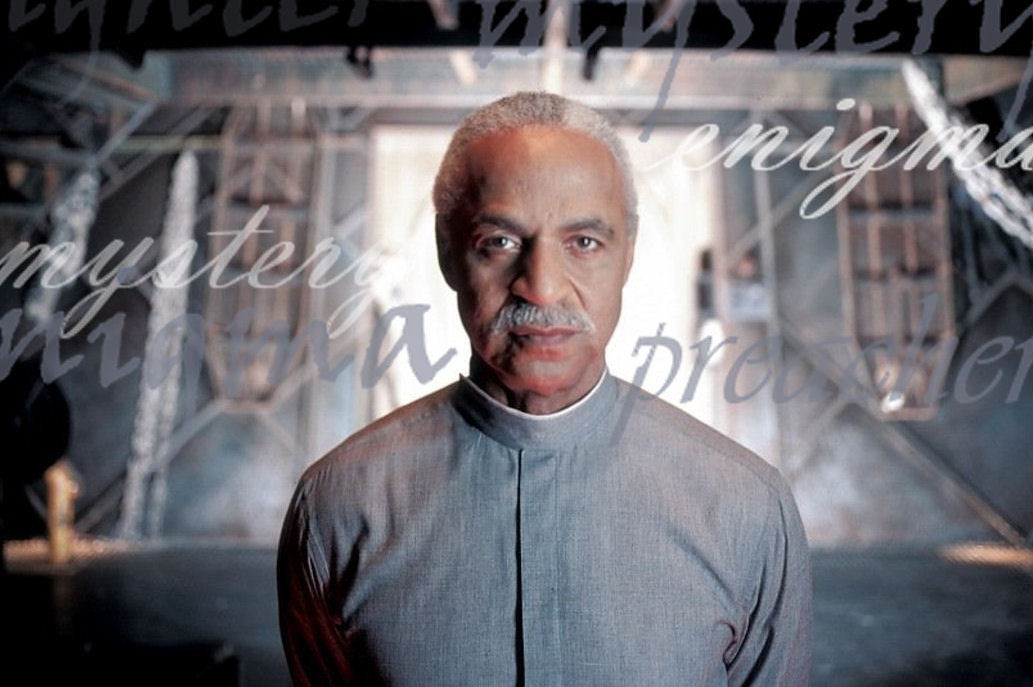
I’ve already touched upon this, but I’ll say it anyway: religious stereotypes are not only offensive, but usually incorrect. Joss Whedon, God bless him, understands this. Whedon is an atheist, yet he created a character named Shepherd Book who is genuinely Christlike.

Shepherd Book demonstrates a good understanding of Christian doctrines, and an equally good sense of humor. He is devout, patient, kind, and generous. To put it simply, Shepherd Book is represented by the media as a great character and a good Christian. It can be done.

The good Shepherd

Learn from the good Shepherd.

I’m not asking anyone in the media to create religious propaganda. I’m asking everyone in the media to create Christian characters that aren’t shameless hypocrites, greedy shysters, arrogant bigots, filthy perverts, sociopathic lunatics, or well-intentioned idiots. Is that really so much to ask?

Second, it’s perfectly fine to create characters that are evil Christians—just don’t be lazy about it.

I occasionally recommend an anime called Trigun. Set on an arid planet in the distant future, Trigun is basically the Old West in space. My favorite things about the show are its two main characters, Vash the Stampede and Nicholas D. Wolfwood, and their strained friendship.

Vash is an expert marksman, unbridled optimist, and wandering hero. He lives by a philosophy of “love and peace,” refusing to kill anyone. “Ain’t it better if we all live?” he asks.

Vash and his philosophy are tested by Wolfwood, an itinerant preacher who carries a literal cross wherever he goes. (When a bystander remarks that the cross is heavy, Wolfwood quips, “That, my friend, is because it’s so full of mercy.”) Despite his merciful profession, Wolfwood’s philosophy is a harsh one. There’s an Old Testament justice in his actions. He won’t hesitate to execute a bad man.

The bad shepherd

You do not want to cross this man. (Pun intended. I’m so, so sorry.)

The thing about Wolfwood is that he himself is a bad man. He drinks, smokes, sleeps around, and kills quite a number of people. (Wolfwood’s cross is actually a machine gun with compartments for handguns, which is either blasphemous or awesome.) Even his theology is flawed. However, in spite of his faults, Wolfwood is a complex character. He sees violence as a necessity, and regards the world’s evils (and his own) with determined resignation.

To put it simply, Nicholas D. Wolfwood is a good bad Christian. He manages to be a Christian and a bad person without ever becoming an insulting stereotype. It doesn’t take offensive clichés to portray Christians as bad people. It can be done.

Christians are generally depicted very badly in the media. That needs to change. Christians—even the bad ones—can be treated fairly, and they deserve to be.

317. About Storytelling: Deus Ex Machina

Be sure to vote in this week’s poll!

There come moments when storytellers feel trapped. A story has a problem with no easy solution. The hero is cornered by ravenous wolves, pushed off a cliff, or given a toothpick for a duel instead of a sword. No happy ending is possible.

This is when storytellers use a dirty little trick called deus ex machina. This fancy-sounding phrase is used to describe contrived or impossible resolutions in storytelling.

In the first problem mentioned above, the hero might be saved by the wolves dropping dead of simultaneous heart attacks. The second problem can be solved by an angel catching the hero in midair, and the third by the hero’s opponent abruptly putting down his sword and becoming a pacifist.

These solutions are ridiculously improbable, and that’s the point: deus ex machinas (or dei ex machinis if you want to be really fancy) are not believable. They are jarring reminders that fiction is completely made-up.

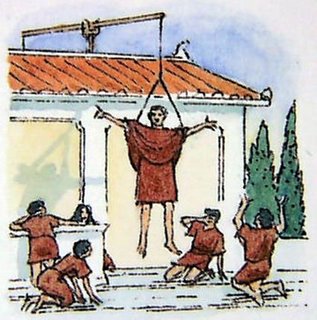
The phrase deus ex machina is Greek for god from the machine. In ancient Greek theater, actors representing gods entered the stage using literal machines, such as platforms that raised them up through trapdoors or lifts that lowered them down from above. These “gods from machines” represented divine beings capable of doing anything. Was the hero stuck in a problem with no solution? Presto! Here came a god to solve his problem miraculously!

Deus Ex Machina

Fear me, mortals! Be awed by my divine splendor! Pretend not to notice the crane!

Thanks to this theatrical convention, deus ex machina has entered the vocabularies of writers everywhere.

One of the most infamous deus ex machinas in recent history is the convenient arrival of giant eagles to save the heroes at the last possible moment in The Lord of the Rings. In The Adventures of Tintin, the hero is frequently saved by lucky coincidences such as landmines turning out to be duds when he drives over them. Charles Dickens, bless him, used deus ex machinas all the time to give his characters happy endings.

Aspiring writers should be familiar with the concept of deus ex machina for two reasons. First, they can avoid using it unnecessarily. Nothing ruins the excitement or verisimilitude of a good story like a cheap deus ex machina. Second, writers aware of the concept can use it meaningfully.

Yes, it can actually be a good thing for problems to be resolved in a contrived fashion. Deus ex machinas can be used for ironic or humorous effect, such as heroes escaping a monster because its animator has a sudden heart attack. They can also be used seriously to make a point, as in the final scenes of the movie Signs. In the climax of the film, a family survives a crisis due to an incredible set of coincidences… which begs a question asked earlier in the movie: “What if there are no coincidences?”

(Signs was quite a good film, but I will never forgive its director for what he later did to The Last Airbender. That movie, based on a truly superb television show, is a disaster no deus ex machina could save.)

Why am I writing about deus ex machinas? Well… I’m writing this post less than a day before it’s due. The subject of last-minute resolutions seems appropriate!

312. Gritty or Glittery?

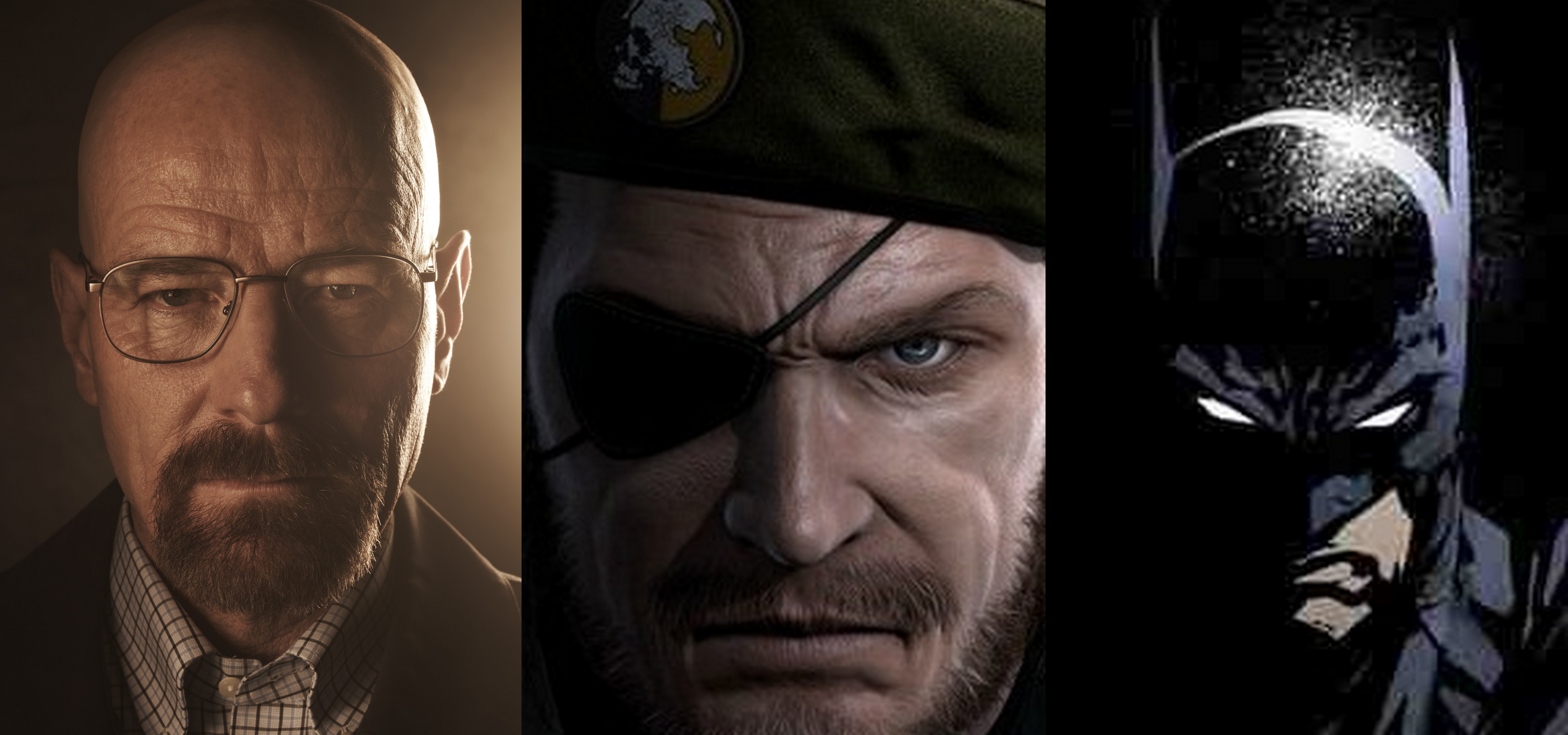
In the past few years, we’ve seen a lot of gritty media: books, films, and video games characterized by darkness, angst, violence, and square-jawed men brooding over inner conflicts. From Wolverine to Walter White, we’ve seen plenty of angsty characters on the large and small screens. Books—even young adult literature—feature people killing (and dying!) in all sorts of creative ways. The video game industry continues making games with guns, gore, and roughly one in every five words of dialogue being the f-bomb.

Angst! Darkness! Square jaws!

Angst! Darkness! Square jaws!

Why is gritty media popular? That’s a tough question to answer. I suppose there’s some truth to the darkness and violence in these media, and it resonates with people. We all feel sadness, discouragement, and anger. Some face depression, abuse, self-destructive impulses, or equally “gritty” problems.

Finally, gritty media often seems mature, sophisticated, or “grown-up.” All of this begs the question: Is it?

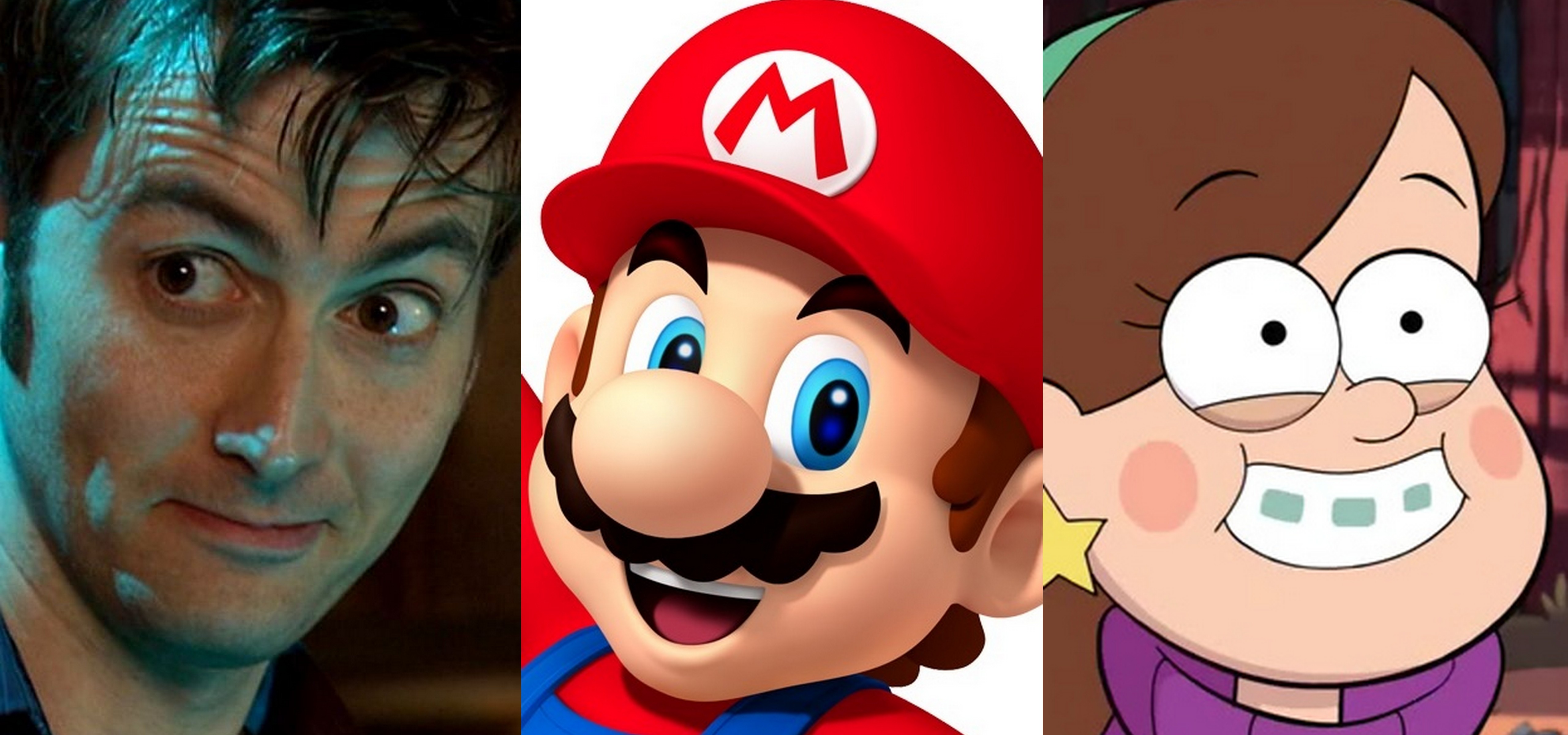
While gritty media has become more popular in past years, there are still plenty of lighthearted books, films, and video games: “glittery” media, so to speak.

Light! Smiles! Goofy braces!

Light! Smiles! Goofy braces!

Throughout history, comedy has nearly always taken a backseat to tragedy. Shakespeare’s most famous plays are his tragedies; Mark Twain’s cynical Adventures of Huckleberry Finn is celebrated over his cheerfuller books; P.G. Wodehouse’s clever comedies are largely eclipsed by the gloomy writings of his contemporaries. It seems humor and optimism can’t be taken seriously.

While there are certainly good things to say for gritty narratives, I don’t believe grittier is necessarily better. A purpose of art is to reflect or represent truth; the truth is that life isn’t always gloomy. A Farewell to Arms or The Things They Carried may be brilliant depictions of the horrors of war, but peace is no less real than violence. I think it’s absurd to suppose, say, Anne of Green Gables is necessarily an inferior book because it reflects joy and sentiment instead of pain and despair.

In the end, it’s a mistake to judge the quality of a thing by whether it’s gritty or glittery, tragic or comic, cynical or optimistic. That said, I would love to see people take glittery media more seriously. Can we study humorists like P.G. Wodehouse or James Thurber more widely in schools? I’m sure students wouldn’t mind putting down The Lord of the Flies. Can we have fewer gritty superhero movies and have more like Marvel’s quirky Guardians of the Galaxy? We could use a break from gloom and doom.

The world is an awfully dark place, but there’s a little light left. Some stories remember that, and I think they’re worth taking seriously.

303. About Storytelling: Temporary Death

Death is one of life’s few absolute certainties. Others include taxes and the fact that every person will, at some point, step in a puddle of water on the bathroom floor while wearing socks. Yes, life can be cruel.

Death is inevitable. For the most part, even fiction acknowledges this. What some stories don’t guarantee is that characters will stay dead. I’ve discussed how to kill off fictional characters, and even mentioned temporary death as a video game cliché, but I think it’s still worth taking a look at how characters in some stories recover from death as easily as getting over a cold.

There are endless possibilities for cheating death in fiction, going all the way back to classical mythology. In Greco-Roman myths, death was a literal place from which a surprising number of people managed to escape: Heracles and Orpheus, among others.

The past few decades have given us an endless array of methods for cheating death, especially in geekier media like comics, video games, and fantasy fiction.

Here are some of my favorites.

Be ye warned, here there be minor spoilers.

Time travel

How often dead characters have been restored to life because someone went back in time to rescue them! Thanks to the butterfly effect, tiny decisions in the past can have huge consequences in the future. Probably my favorite example of time travel resurrecting a dead character comes from Chrono Trigger, pretty much the greatest RPG ever made, in which characters travel to the exact moment of a man’s death to save his life.

Superhero comics

There is no single explanation for this one—comic book characters are revived in such a staggering variety of ways that I can’t even begin to list them all. A mutant’s seeming death triggers her evolution into a more advanced mutant. A superhero’s innate healing abilities pull him back from the brink of death. A villain fakes his death by a stupidly elaborate scheme. Really, the possibilities are countless.

Magic

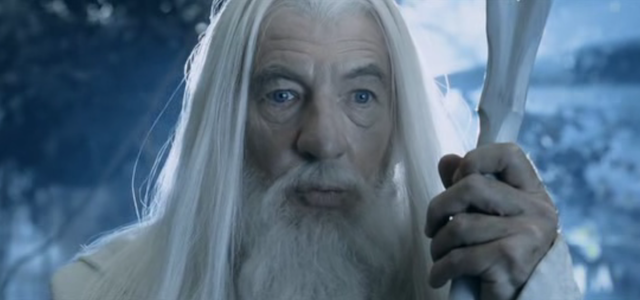
When in doubt, magic is the ultimate deus ex machina. Magic is mysterious and inexplicable by its very nature. If a writer resurrects characters by magic, who is there to argue? Miracles, such as the triumphant return of Aslan or Gandalf, fall into this category, which also includes medicines like the chocolate-coated pill from The Princess Bride.

Supposed to be dead

What? I’m supposed to be dead? Well, this is awkward.

Technology

By technology I mean magic as it is called in sci-fi stories. Let’s face it: advanced technology and supernatural magic are practically the same thing in some science fiction.

Reincarnation

This metaphysical concept has been lifted from various religions and adapted to everything from Avatar: The Last Airbender to Doctor Who. (The Doctor’s regeneration is basically sci-fi reincarnation.) Characters may technically die, but reincarnation allows the narrative to bring them back.

Afterlives

This brings us to ghosts, phantoms, and other not-alive states of being. Again, even if the story considers characters dead, they’re still fulfilling the roles of living persons by lingering as spirits.

Fake deaths

This one annoys me. (All the same, I’ve used it more often in my writing than I care to admit!) When a character seems to die, the narrative treats them as dead… until they turn out to have been alive all along. Fake deaths generally cheapen the reactions of living characters. Responses like mourning, grief, and anger become less meaningful when they’re revealed to have been unnecessary. Besides, fake deaths are generally predictable.

I think temporary death is a valid storytelling trope, but I prefer death in fiction to be permanent. Death is more realistic, and carries much more weight, when it’s treated as an everlasting reality instead of a fleeting condition.

Anyone who knows anything about video games probably knows that Aerith dies in Final Fantasy VII. Partway through the story, this cheerful flower vendor is impaled by the villain. That’s it. There’s no resurrection, no last-minute deus ex machina. In the game, she is dead. The other characters mourn her… and so does any player whose heart isn’t made of stone.

Death is tragic. It often seems meaningless. However, in storytelling, that miraculous medium which makes all things meaningful, death matters—especially when it lasts more than a few minutes.

298. TMTF’s Top Ten Cartoons You Should Watch

I spend more time watching cartoons than any grown man should. Needless to say, I regret nothing.

The fact is that cartoons can be innocent, bright, smart, and funny. While the media is often jaded or cynical, cartoons are pleasant, and unapologetic about it. I appreciate them.

That said, some cartoons are much better than others. Today we’re listing ten of the best, because making top ten lists is what we do.

This is a list for Western animation. Anime (Japanese animation) is in a category by itself and deserves a list of its own. Someday, perhaps!

Discerning readers may notice that nearly all of the shows on this list are pretty recent, airing within the past decade or so. This is because I avoided cartoons until a few years ago. Growing up in Ecuador, I watched only the few shows my family had on tape. I mostly rejected cartoons in middle and high school, dismissing them as “too childish,” and only rediscovered them as an adult. (The irony has not escaped me.) Most of the cartoons I’ve watched are recent ones, which is why this list lacks any really old classics.

Let’s take a look, ladies and gentlemen, as TMTF presents…

The TMTF List of Top Ten Cartoons You Should Watch!

10. The Powerpuff Girls

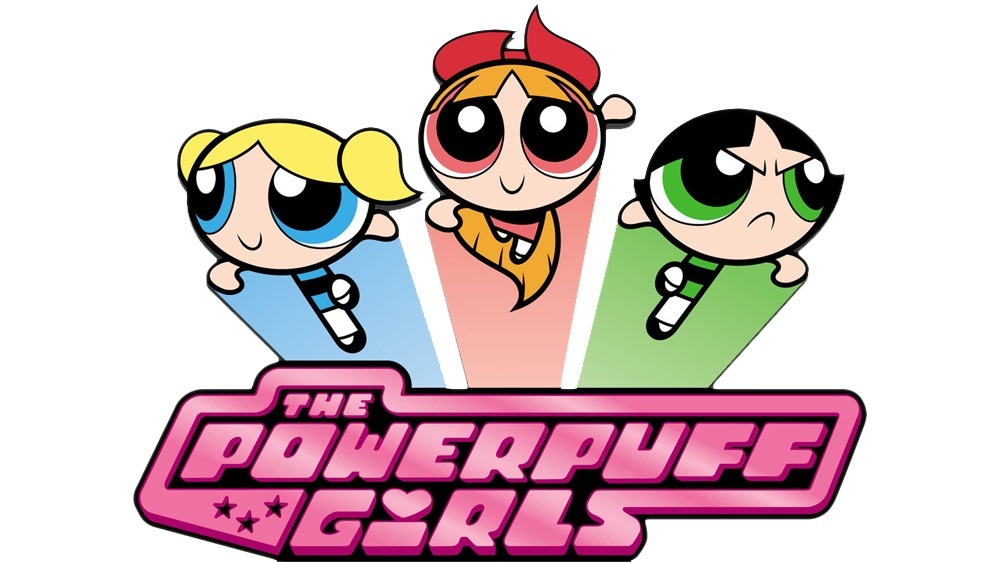
The Powerpuff Girls

When an absent-minded scientist blends “suger, spice, and everything nice” to create perfect little girls, he spills an untested chemical into the mixture and produces the Powerpuff Girls: a trio of young superheroines who protect the innocent, defend their city from all evil, and attend kindergarten every weekday.

The show pokes fun at superheroes, monster movies, campy science fiction, and pop culture in general. Its playful tone and subversive humor are a blast. The Powerpuff Girls is full of charming little touches, from its hilariously incompetent mayor to the fact its greatest villain is a chimpanzee with an exaggerated Japanese accent.

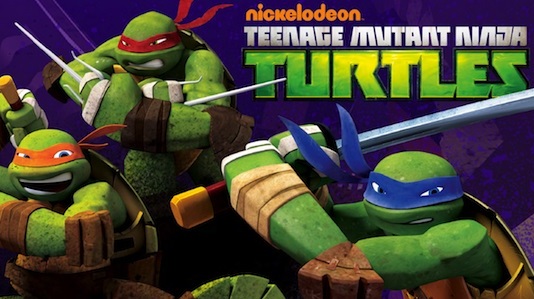
9. Teenage Mutant Ninja Turtles

Teenage Mutant Ninja Turtles

Beneath New York City, in some dark, forgotten sewer tunnel, dwell four fearless fighters. They emerge at night to patrol the streets and protect the innocent. So what if these heroes happen to be turtles?

Nickelodeon’s recent take on the Turtles is refreshingly lighthearted and self-aware. It mixes the whiz-bang style of comic books with the stylish action of old kung fu films, holding it all together with some really good writing. The show never takes itself or its story very seriously… but then its protagonists are nerdy mutant turtles, so that may not be such a bad thing.

8. Scooby-Doo! Mystery Incorporated

Scooby-Doo! Mystery Incorporated

In Crystal Cove, a touristy town that proclaims itself the “Most Hauntedest Place on Earth,” four teenagers and their dog solve mysteries. These kids, who call themselves Mystery Incorporated, debunk the town’s “supernatural” phenomena as the tricks of frauds and criminals… much to the chagrin of Crystal Cove’s mayor, who wants the town to keep its spooky reputation. When Mystery Inc. is contacted by someone called Mr. E, they find themselves caught up in a bigger mystery than they can imagine.

I saw one or two older Scooby-Doo cartoons as a kid, and they were kind of terrible. Scooby-Doo! Mystery Incorporated astonished me with its excellence. It has character development, a story arc that stretches across the entire series, and an entire episode spoofing the works of H.P. Lovecraft. Best of all, Fred Jones—who was a bland stereotype in every version of Scooby-Doo up to this point—is reimagined as someone cheerful, well-meaning, slightly neurotic, and endearingly inept. I honestly don’t think Scooby-Doo will ever manage to be any better than this show.

7. The Legend of Korra

The Legend of Korra

In a world divided among four nations, a messianic figure called the Avatar arises in each new generation to maintain peace and balance. Each nation represents a classical element—water, earth, fire, or air—and certain people can control or “bend” one of these elements. The Avatar is the only person who can bend all four. This time around, the Avatar is a short-tempered young woman named Korra. She must master her abilities and navigate the political complexities of her world to keep things from falling part.

I’m bending the rules with this one. (Pun intended. I’m so, so sorry.) The Legend of Korra is neither Western animation nor anime, but something in between. Its characters are nuanced and compelling. The action scenes are wonderful, and the animation is some of the best on television. Best of all, the world of The Legend of Korra is a magical mix of Asian culture, steampunk technology, and beautiful scenery. Korra would be much higher on this list, but it never quite achieves its full potential, and an even better show steals its lofty place… but more on that later!

6. Samurai Jack

Samurai Jack

When a young samurai from feudal Japan is flung by a demon into a post-apocalyptic future, he sets off on a surreal journey to return to his own time. The samurai’s travels take him from futuristic cities to lonely jungles, and he meets everything from aliens to crazy Scotsmen. Wherever he goes, the legend spreads of a brave, kind, noble warrior: the samurai known only as “Jack.”

This show is probably the most artsy on this list, and also the most cartoony. It brings together the zany humor of The Powerpuff Girls with elegant action scenes and measured pacing. Samurai Jack uses dialogue sparingly; sometimes whole minutes go by without anyone speaking. The visuals tell the story. The show is strange, stylish, and thoroughly enjoyable.

5. My Little Pony: Friendship Is Magic

My Little Pony - Friendship Is Magic

In a fairy-tale world populated by candy-colored ponies, a bookish unicorn named Twilight is sent to a small town to “make some friends.” After settling in and meeting the town’s eccentric residents, Twilight begins to understand the importance of friendship. She and her friends live, learn, and occasionally save the world together.

This is a show for little girls, and it’s kind of awesome. (Its fans are also pretty neat.) It has all the sentimental, sappy, twee nonsense one would expect from a show about magical rainbow ponies. It also has some great writing, solid characterization, strong moral values, upbeat humor, and charming innocence. My Little Pony: Friendship Is Magic is a much, much better show than it has any right to be.

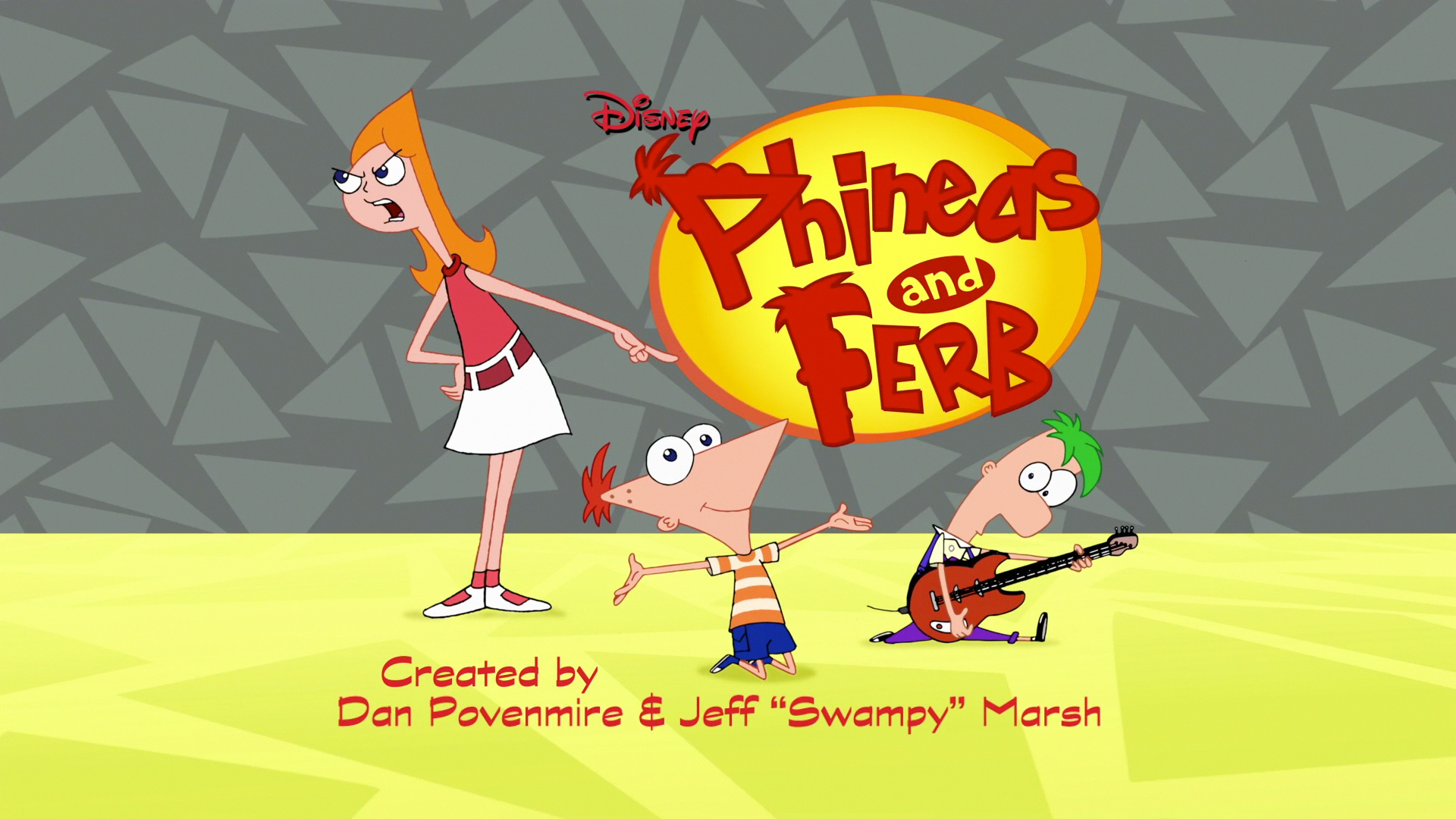
4. Phineas and Ferb

Phineas and Ferb

It’s a beautiful summer day, and stepbrothers Phineas and Ferb know exactly how to spend it: building some outlandish, impossible contraption in the backyard. Their older sister, refusing to allow such reckless behavior, tries vainly to get them in trouble with their mum. Meanwhile, in another part of town, an evil scientist tries to conquer the world—well, that might be overambitious. He’ll settle for the tri-state area. All that stands between him and its innocent residents is an elite secret agent… who happens to be Phineas and Ferb’s pet platypus.

Phineas and Ferb has been around for years, and it’s still finding ways to subvert its simple formula for each episode. It’s the most self-aware show I’ve ever seen, peppered with droll dialogue, clever gags, and catchy music. Among other things, the show’s evil scientist, the lonely and forgetful Dr. Doofenshmirtz, is probably the funniest character I’ve seen on television.

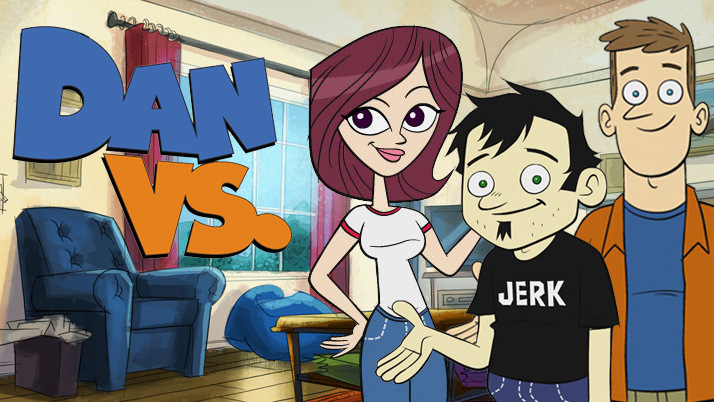
3. Dan Vs.

Dan Vs.

Dan is convinced that everything and everyone in the universe, from his neighbors to modern art, is out to get him. He won’t take it lying down! This jobless misanthrope will go to any lengths to get back at whatever or whoever he thinks has wronged him. Chris and his wife Elise, Dan’s only friends, are often dragged along on his madcap schemes for vengeance.

Dan Vs. manages to be sharp and satirical without ever resorting to vulgarity or profanity. Dan is hilariously unhinged. I wouldn’t want him as a friend, but from a safe distance his schemes are great fun to watch. One of the show’s creators compared him to Calvin from Calvin and Hobbes, saying “I think of the Dan character as Calvin as a grownup, if his life had gone horribly wrong somewhere.” Dan shares Calvin’s paranoia, intelligence, ill temper, and absolute lack of common sense. Dan Vs. is smart, biting, and a joy to watch.

2. Gravity Falls

Gravity Falls

Mabel and Dipper Pines, twelve-year-old twins, have been sent by their parents to spend the summer in Gravity Falls, Oregon. They stay with their Great Uncle (or “Grunkle”) Stan, who runs a shady tourist attraction called the Mystery Shack. Although Dipper is disappointed to be stuck in a small town, he soon finds a journal detailing the supernatural monsters and mysteries of Gravity Falls. As Mabel and Dipper begin unraveling the riddles of this sleepy little town, Grunkle Stan, a gruff skeptic and shameless shyster, does his best to swindle the tourists who visit the Mystery Shack.

Gravity Falls has been called “gently twisted,” and I think that’s a good description. The show is equal parts funny, intriguing, heartwarming, outrageous, and weird. I would call it just a good comedy, except that it’s also packed with riddles and ciphers for fans to solve, and held together by a really compelling mystery. I’m not sure what exactly is going on in Gravity Falls, but I can’t wait to find out.

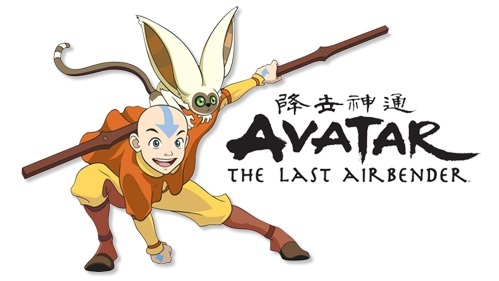
1. Avatar: The Last Airbender

Avatar - The Last Airbender

Before The Legend of Korra, there was an Avatar named Aang. When one of the four nations, the Fire Nation, wars against the others, Aang and his friends must stop it and restore peace before the world burns.

It takes a few episodes to hit its stride, but once it does this show never falters. This not-quite-anime predecessor to The Legend of Korra creates a world as beautiful and fully realized as Tolkien’s Middle-earth, and populates that world with a ridiculous number of memorable characters. Avatar: The Last Airbender isn’t merely a kid’s cartoon. It transcends its medium to become as deep and gripping a story as any I’ve seen… while never losing the gleams of humor and silliness that made it fun in the first place.

O people of the Internet, what cartoons have you enjoyed? Let us know in the comments!