345. Always Winter but Never Christmas

I’m tired, guys.

I look out my window at a desert of old snow. Once soft and shining, it has become an icy crust over withered grass and frozen mud. The sun shines now and then, melting snow, only for the water to freeze overnight into slick, dangerous patches of ice. I haven’t had even a glimpse of green leaves in months. The landscape is a gloomy muddle of white and brown and gray. Overhead, the sky is a weary, faded blue… when it isn’t covered by clouds. It’s cold.

I’m so tired.

Work has been ghastly. We’ve been short-staffed, putting everyone under pressure. My workplace has become toxic with complaints, accusations, gossip, and abusive remarks. No matter how hard I work, I seem to take an unfair share of blame. I often feel unappreciated at work, but I’m beginning to feel unwanted. It hurts.

At the end of the day, exhausted, I go to bed, trying not to think about work, blogging, or any of the things on my to-do list. That list never seems to get any shorter: like the hydra, which grows two heads for each one cut off, my to-do list defies my attempts to conquer it.

I’m so, so tired.

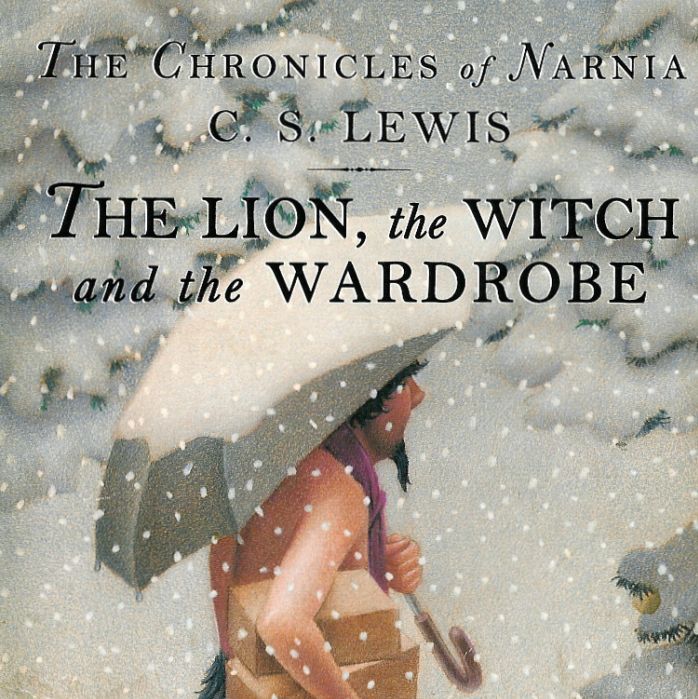
C.S. Lewis once described a curse that made it “always winter but never Christmas.” I’m amused by the childlike clarification about the holiday. After all, when confronted by eternal winter, only children would be concerned by its effect on Christmas; the grownups would be too busy worrying about food, warmth, shelter, and the collapse of Society As We Know It.

C.S. Lewis knew a thing or two about winter.

I feel cold just looking at this picture.

All the same, I admit that “always winter but never Christmas” paints a bleak picture. It suggests gloom, bitterness, and suffering with no consolation. There are no holidays to brighten the darkness: no parties, presents, or carols to keep hope alive. “Always winter but never Christmas” is an awful thing. It wears away a person.

In the end, though, that curse was broken. No winter lasts forever. Sooner or later, spring melts the snow and breathes life into the grass and trees. Spring is a resurrection. Spring is a promise, echoing the very words of God: “I am making everything new!”

I should also point out, for the record, that I had a very nice Christmas.

As it happens, beyond the holidays, my winter hasn’t lacked for blessings. I haven’t run out of coffee. I grumble about winter from the warmth of a cozy apartment. My job has hit a rough patch, yet I’m thankful to be employed. My life isn’t really “always winter but never Christmas.” It’s occasionally winter and sometimes Christmas, and there’s one more consolation.

Spring is coming.

002

This tree stands outside my window: at this moment, a desolate skeleton sticking out of the snow. As this photo reminds me, spring will make it new.

I’m waiting to see some blossoms on the skeletal trees outside my apartment. I’m trusting, hoping, and persevering—at least, I’m trying. (I’m certainly drinking a lot of coffee, so that helps.) Spring will arrive with warmth and sunshine and explosions of pink petals. I know it will.

As I blunder onward, one day at a time, I’m trying not to forget it.

341. Mole End

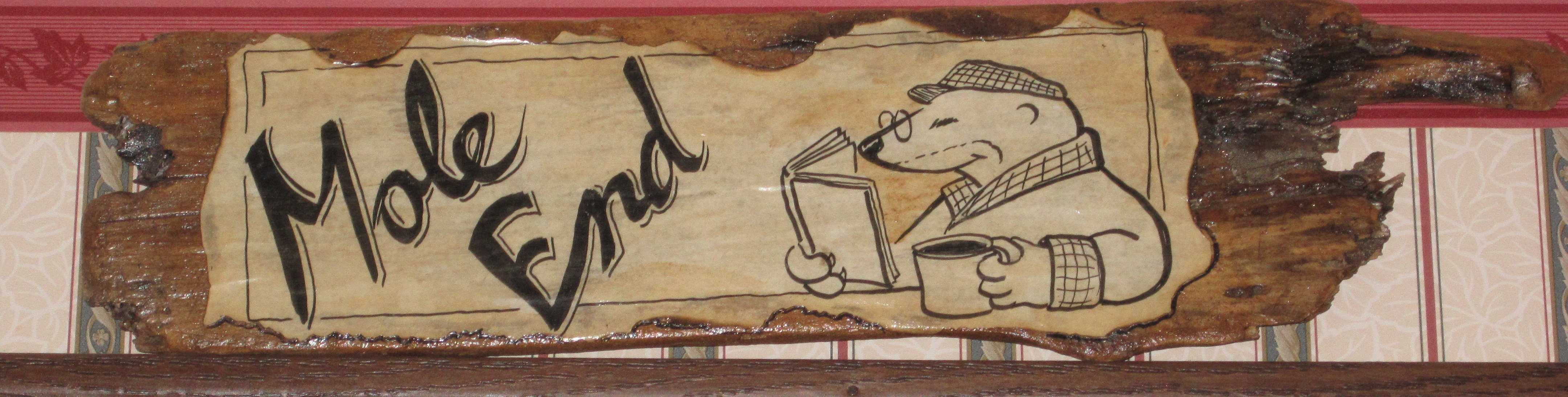
If you ever happen to visit my apartment, you will be greeted by a wooden sign immediately upon stepping inside. It depicts a well-dressed mole drinking coffee and reading a book, along with two welcoming words: Mole End.

Mole End

I love the way the mole’s glasses are perched delicately on the end of his snout.

My dad, God bless him, crafted this sign for me many years ago. Although he’s known round these parts for his superb drawings of monkeys, my old man is perfectly capable of drawing other small mammals!

The sign is made of driftwood from an Ecuadorian beach. (The sign fell from the wall a few weeks ago, scattering sand from its deepest crevices all over my floor. I was oddly touched to find my small-town Indiana apartment suddenly dusted with sand from my faraway homeland.) My old man sketched the picture on an ordinary piece of paper, glued it to the driftwood, aged it with cold tea, and applied a layer of finish.

When I moved into my apartment two and a half years ago, I immediately christened it Mole End and put up the sign shortly thereafter. Now, you may wonder why I chose this name for an apartment in a quiet, out-of-the-way corner of Indiana. You wouldn’t be the first!

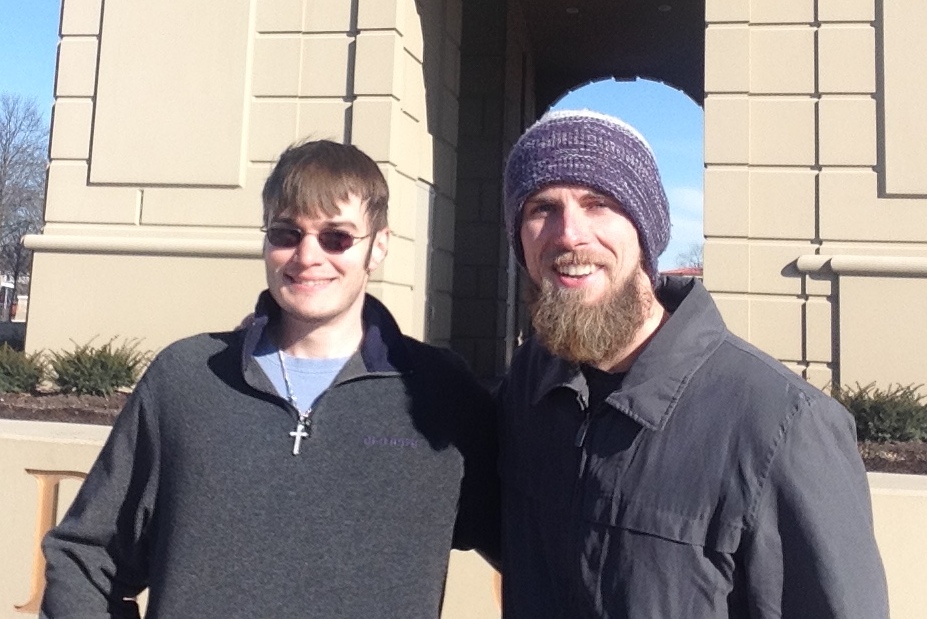
Some time ago, I was honored to receive a visit from Thomas Mark Zuniga. This wise, wandering blogger had written for my blog. I had written for his, and also reviewed his debut book. It was quite a privilege finally to meet the man (and his splendid beard) in person.

Adam and Tom

Someday, if I am very lucky, I will have a beard half as nice as Tom’s.

Upon entering Mole End, Tom asked about the sign. It took me a moment to stammer out a reply: “Have you ever read The Wind in the Willows?”

For those who haven’t read this enchanting book, The Wind in the Willows is the tale of several animals in the old-timey English countryside. One of these creatures, Mole, reminds me strongly of myself: neat, anxious, insecure, quick to blame himself, and a devoted homebody. In a few other ways, I’m rather like a mole: I’m an introvert, keeping away from social events and enjoying my safe, cozy, solitary burrow.

Mole loves his subterranean home, Mole End, yet leaves it early on in search of fresh experiences. It’s only later in the book, as he chats with a Badger, that Mole remembers how much he enjoys life underground.

“Once well underground,” he said, “you know exactly where you are. Nothing can happen to you, and nothing can get at you. You’re entirely your own master, and you don’t have to consult anybody or mind what they say. Things go on all the same overheard, and you let ’em, and don’t bother about ’em. When you want to, up you go, and there the things are, waiting for you.”

That, dear reader, is why I call my apartment Mole End.

Mole later returns to Mole End in a chapter aptly titled “Dulce Domum,” Latin for sweet home. He is overwhelmed to the point of tears. Mole End is all the sweeter because Mole abandoned it for a while, like the man in the book by G.K. Chesterton who left his house and walked around the world simply for the joy of coming home again.

I love my home—not my Indiana apartment, specifically, but the place I feel secure, comfortable, and relaxed. My home isn’t permanent. There’s a reason the Bible refers to our bodies as a “tent” instead of a house. Quoth the Apostle Paul, “For we know that if the earthly tent we live in is destroyed, we have a building from God, an eternal house in heaven.”

We are all foreigners and strangers on earth. Some of us are searching for a better country—a heavenly one. My apartment in Indiana may be the closest thing to home I shall ever find on earth. I don’t know how long I’ll stay. In the future, I may have many homes… but I will only ever have one Mole End.

Of course, Mole End’s size, appearance, and layout may change occasionally. Its location may vary. Mole End may be found, at various times, in different cities, countries, and continents.

As long as I have the promise of a heavenly home—and the sign, of course—I’ll carry Mole End with me.

335. About Storytelling: Christians Are Evil

Those Christians, I tell you! They’re all so evil. All of them! If you don’t believe me, just switch on the television or go to the movies. Hollywood proves that Christians are evil, because Christians are often depicted as villains, and the media is always right.

Right?

Seriously, though—why are Christians so often portrayed as horrible people in the media? Why are books, movies, TV shows, and video games full of perverted priests, prejudiced pastors, and sinister ministers?

Consider Warden Norton from The Shawshank Redemption, a film based on a story by Stephen King. (I haven’t read any of his books, but I’ve heard Stephen King uses Bible-thumping Christians as a lot of his villains.) Warden Norton is an awful person. He mistreats prisoners in his care, denies them justice, accepts kickbacks, murders people, and generally makes himself unpleasant. All the while, he quotes the Bible and assumes God is on his side.
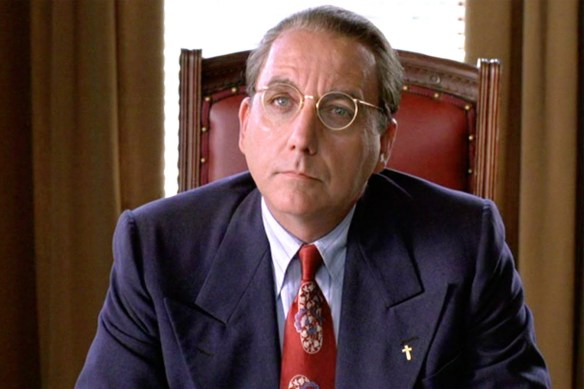
Evil warden

God loves you, but Warden Norton will probably shoot you in the face.

Even when Christians in fiction aren’t evil, they’re often well-meaning but ignorant simpletons. Take Marvel’s Agents of S.H.I.E.L.D. I really enjoyed the series, but one episode irritated me. It was the episode featuring a Christian, and she was a bland, weepy, superstitious ditz.

Why are Christians portrayed so badly in the media? There are actually quite a few reasons.

It can be ironic or scary when a supposedly “good” person is evil.

There’s an artistic irony when a righteous person is actually wicked. It’s also pretty freaking scary. Who isn’t disturbed when a good person turns out to be a bad one?

Religious people have power and influence, which makes them great villains.

Priest and pastors have influence over groups of people. What happens when religious leaders are evil? They command the loyalty of their followers—even when that loyalty is innocent or well-intentioned. Religious leaders have power and authority, which can be easily turned to wicked ends.

Religious people sometimes do horrible things.

I hate to say it, but there’s a little truth in the portrayal of priests as pedophiles and preachers as charlatans. Christians, and people who call themselves Christians, have done some awful things. The media reflects that.

No secular media group wants to be accused of proselytizing.

Media groups exist to make money. Unless they produce religious media, these companies don’t want to be accused of pandering to Christians or spreading religious propaganda. Creating a genuinely Christian character puts media groups at risk of seeming to push a religious agenda. It’s safer to fall back upon familiar stereotypes like the evil or ignorant Christian.

Some religious traditions are spooky.

Have you ever stepped into an old-fashioned cathedral? You should try it. Little noises are echoed and magnified. Candles light the vast, empty gloom. Stained glass windows depict sad, soulless saints. Somber Christs hang in perpetual agony on crosses and crucifixes. Some Christian customs and traditions are frankly a bit creepy. They really build an atmosphere for villainy.

Some people just hate religion.

I’m looking at you, Philip Pullman.

As much as I understand these reasons for creating lousy Christian characters, I’m tired of the stereotypes. Am I the only one who thinks most depictions of Christians in the media are offensive? If other groups were so badly stereotyped, there would be outrage. Why is it socially acceptable to portray Christians as universally evil or ignorant?

It’s a problem, and I have two suggestions for resolving it.

First, do your research and create Christian characters that actually represent Christianity.

I’ve already touched upon this, but I’ll say it anyway: religious stereotypes are not only offensive, but usually incorrect. Joss Whedon, God bless him, understands this. Whedon is an atheist, yet he created a character named Shepherd Book who is genuinely Christlike.

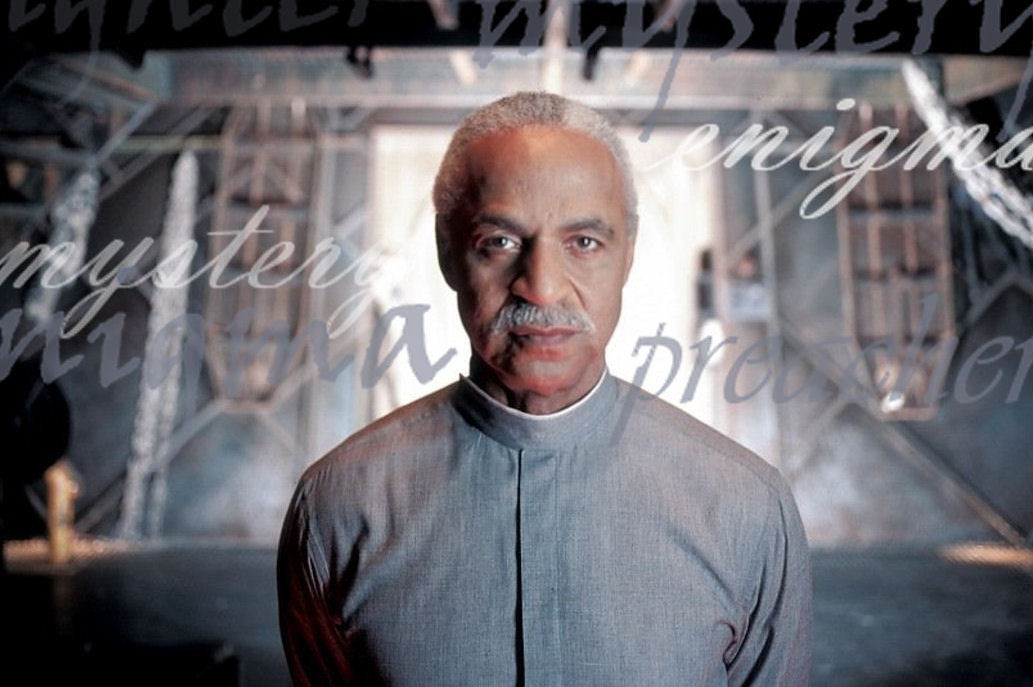
Shepherd Book demonstrates a good understanding of Christian doctrines, and an equally good sense of humor. He is devout, patient, kind, and generous. To put it simply, Shepherd Book is represented by the media as a great character and a good Christian. It can be done.
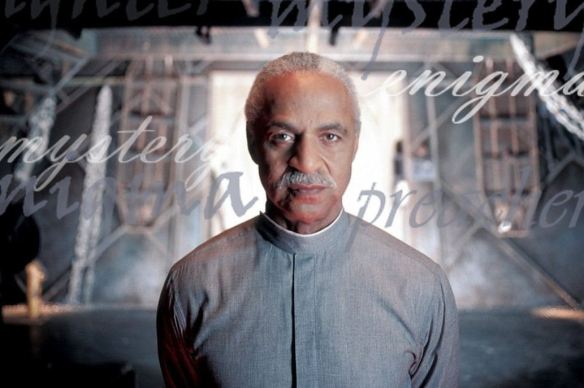
The good Shepherd

Learn from the good Shepherd.

I’m not asking anyone in the media to create religious propaganda. I’m asking everyone in the media to create Christian characters that aren’t shameless hypocrites, greedy shysters, arrogant bigots, filthy perverts, sociopathic lunatics, or well-intentioned idiots. Is that really so much to ask?

Second, it’s perfectly fine to create characters that are evil Christians—just don’t be lazy about it.

I occasionally recommend an anime called Trigun. Set on an arid planet in the distant future, Trigun is basically the Old West in space. My favorite things about the show are its two main characters, Vash the Stampede and Nicholas D. Wolfwood, and their strained friendship.

Vash is an expert marksman, unbridled optimist, and wandering hero. He lives by a philosophy of “love and peace,” refusing to kill anyone. “Ain’t it better if we all live?” he asks.

Vash and his philosophy are tested by Wolfwood, an itinerant preacher who carries a literal cross wherever he goes. (When a bystander remarks that the cross is heavy, Wolfwood quips, “That, my friend, is because it’s so full of mercy.”) Despite his merciful profession, Wolfwood’s philosophy is a harsh one. There’s an Old Testament justice in his actions. He won’t hesitate to execute a bad man.
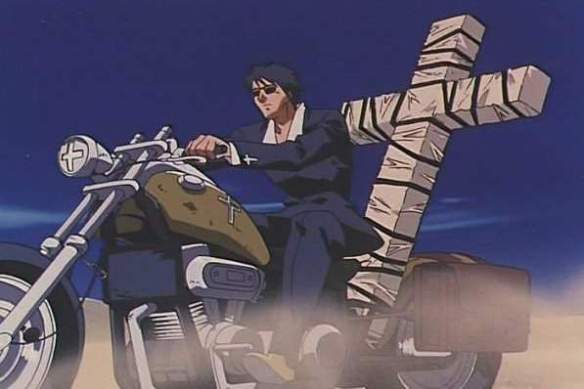
The bad shepherd

You do not want to cross this man. (Pun intended. I’m so, so sorry.)

The thing about Wolfwood is that he himself is a bad man. He drinks, smokes, sleeps around, and kills quite a number of people. (Wolfwood’s cross is actually a machine gun with compartments for handguns, which is either blasphemous or awesome.) Even his theology is flawed. However, in spite of his faults, Wolfwood is a complex character. He sees violence as a necessity, and regards the world’s evils (and his own) with determined resignation.

To put it simply, Nicholas D. Wolfwood is a good bad Christian. He manages to be a Christian and a bad person without ever becoming an insulting stereotype. It doesn’t take offensive clichés to portray Christians as bad people. It can be done.

Christians are generally depicted very badly in the media. That needs to change. Christians—even the bad ones—can be treated fairly, and they deserve to be.
Batman Syndrome

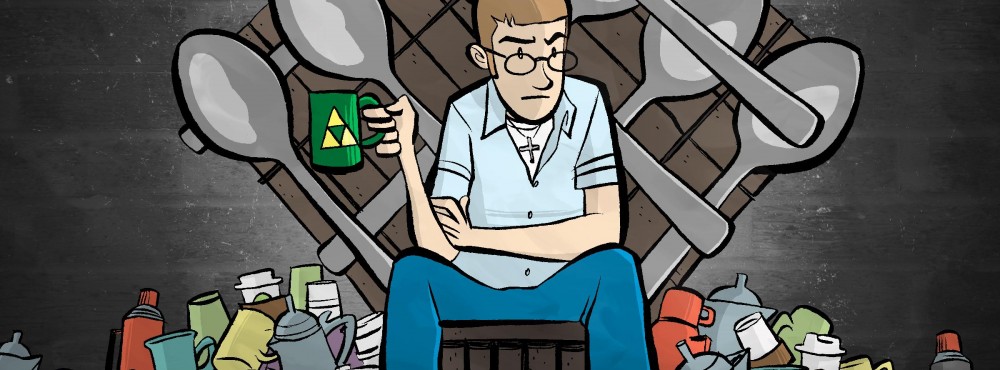
I have Batman Syndrome.

I wish this meant I were as cool, skilled or accomplished as Batman. It does not. It most certainly does not. What it means is that Batman and I have something in common: we obsess over our mistakes.

If you or someone you love suffers from Batman Syndrome... I feel your pain.

If you or someone you love suffers from Batman Syndrome… I feel your pain.

I like fictional characters who overlook their victories and overemphasize their failures. There’s something compelling about characters who are heroic without realizing it. Take the Doctor from Doctor Who, who has saved every planet in the universe roughly twenty-seven times. In all his travels through space and time, he never leaves behind his insecurity, self-loathing or guilt. Consider Jean Valjean from Les Misérables, who atones for a few petty crimes by spending years serving the poor and helpless. They bless him as a saint. He despises himself as a criminal.

Then we have Batman, the eponymous sufferer of Batman Syndrome, who is so blinded by guilt that he fails to recognize one all-important fact: he is freaking Batman. No matter how many thousands of people he rescues, he remains obsessed with the two he failed to save.

I’m not a savior like the Doctor or a saint like Jean Valjean. I’m certainly not a superhero like Batman. Even so, I occasionally do things right. I also do things wrong. In my mind, the wrong things eclipse the right ones. A mistake cancels out all successes.

This isn’t always such a bad thing. I feel driven by my mistakes to try harder, to be better, to get it right. In the short term, it helps.

In the long term, however, Batman Syndrome wears away my confidence. It also makes me anxious. Dash it all, does it ever make me anxious. Doing anything is hard for someone desperately afraid of making mistakes. Perfection is a lousy minimum standard.

Batman Syndrome haunts me with one dreadful question.

You’ll never get it right, so why even try?

I write a lot about grace and stuff. In the end, I suppose it’s because I’m amazed (and sometimes incredulous) that God loves me. I’ve made a lot of mistakes. More to the point, I make a lot of mistakes. It’s easy for me to accept God’s forgiveness for a sin committed ten years ago. What’s hard for me to accept is forgiveness for a sin committed ten minutes ago.

It can also be hard for me to acknowledge my victories. I want to be humble, but there’s a difference between true humility and false modesty. I’m often reminded of my weaknesses. I think I must also allow myself to be reminded of the strengths God has given me. I’ve a long way to go, but I mustn’t overlook how far I’ve come.

I’m not Batman, and I think I’m finally beginning to accept that I don’t have to be.


This post was originally published on March 18, 2013. TMTF shall return with new content on January 19, 2015!

325. TMTF Reviews: The Book of the Dun Cow

It sure has been a while since TMTF reviewed a book, hasn’t it? I blame Les Misérables. That novel is roughly the size of Alaska.

Some time ago, I set aside Les Misérables in order to read some books on loan from friends and relatives. (I’ll finish and review Les Mis eventually.) One of these borrowed works is The Book of the Dun Cow. This fantasy novel chronicles an ancient war against Wyrm, a colossal beast imprisoned beneath the earth. All that stands in the way of this unspeakable evil is… a pack of farm animals.

Was it worth putting down the story of Jean Valjean for the tale of some barnyard animals, or should I have continued Lez Mizzy and let the creatures of The Book of the Dun Cow fend for themselves?

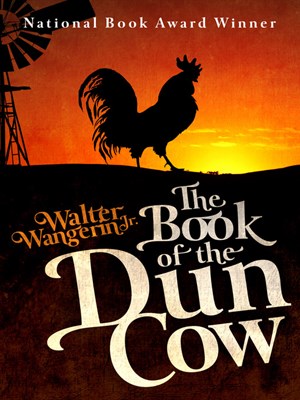
The Book of the Dun Cow

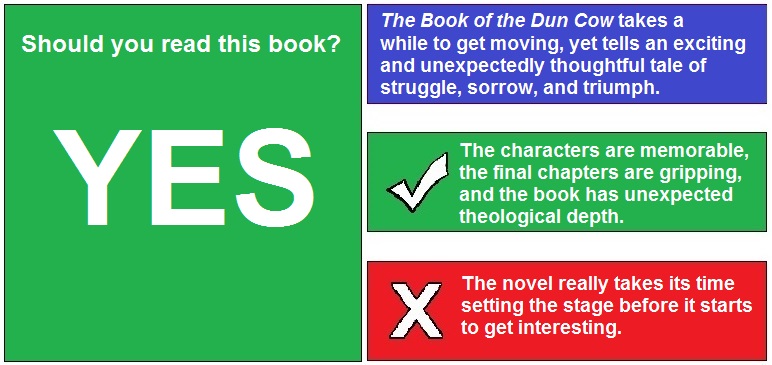
Despite a slow start, Walter Wangerin, Jr.’s The Book of the Dun Cow is an engaging, original, and surprisingly thoughtful fantasy.

TMTF Reviews - The Book of the Dun Cow

Ordinary, Extraordinary Heroes

When the world was new, God imprisoned Wyrm, a creature of absolute evil and unimaginable size, deep inside the earth. God’s creatures, oblivious to the peril beneath their feet, live their precious little lives in peace… until Wyrm begins to break free. As his land is threatened by horrors he can’t understand, Chaunticleer the Rooster prepares his fellow animals for battle. There is only one gleam of hope: the mysterious and angelic Dun Cow.

The Book of the Dun Cow is quite an original work, though some of its elements are familiar. I saw a lot of Aesop’s Fables and a bit of The Chronicles of Narnia in this tale of animals struggling against an ancient evil.

One of the most striking things about the book is its avoidance of the sword-and-sorcery clichés common in fantasy. There are no swords, wizards, princesses, prophecies, or any of the other tired trappings of fantasy fiction. Like Watership Down, which spins an epic around ordinary rabbitsThe Book of the Dun Cow tells its story without depending on flashy fantasy tropes. It’s an extraordinary tale of ordinary creatures.

The novel does three things outstandingly well.

First, its characters are simple yet memorable. The author has a Dickensian gift for creating characters that are more like caricatures. Individually, they would quickly become tiresome. All together, alongside a few well-developed protagonists, they make for a colorful cast. The names chosen for characters are inspired—John Wesley Weasel, for example.

The second thing at which The Book of the Dun Cow excels is building up a sense of dread and unrelenting tension. This is not a story in which the heroes are guaranteed to win. Heck, its heroes are farm animals. Their struggle is desperate. Every battle brings tragedy and the risk of failure… and failure means unleashing an unstoppable evil upon the universe.

This brings us to the third thing: the novel has an unexpected theological bent. It doesn’t preach or moralize. It merely depicts the harsh reality of a world in which God seems absent, and the roundabout ways he works his will. (I would add this book to my list of novels that contemplate the silence of God.) This is a book echoing Job and Ecclesiastes, a novel that seems to cry out: “My God, my God, why have you forsaken me?” The Book of the Dun Cow isn’t just a fantasy. In its own understated, roundabout way, it’s a meditation upon the inscrutable workings of God.

Slow and Steady Wins Races, Not Novels

The style of The Book of the Dun Cow is excellent, wasting no words yet conveying vivid impressions. The dialogue is particularly enjoyable. Many of the animals have their unique habits and mannerisms. John Wesley Weasel, bless him, butchers proper grammar. Lord Russel Fox rambles with self-conscious verbosity, the Turkeys gobble with nonsensical extra syllables, and the Dog loses himself in such bitter self-reproach that it’s hard for other characters to get a few plain words out of him.

My chief complaint about the novel is that it takes a long time to get going. As much as I appreciate a slow, steady approach to telling a story, The Book of the Dun Cow hardly begins moving until nearly halfway through. The excitement of the second half is belied by chapters and chapters of meticulous and largely unnecessary buildup in the first. A few early chapters foreshadow the sinister events of later ones, but most of the novel’s first half is forgettable.

The Review of the Done Book

In the end, although it takes a long time to set the stage, The Book of the Dun Cow tells an exciting, original, and oddly contemplative story. After spending so much time in Les Misérables, I felt satisfied to finish a book for a change.

Now that I’ve finished The Book of the Dun Cow, I have just half a dozen or so more books to read before picking up Less Misery where I left off. This is going to take a while.

Thanks for reading! If you have a moment, please check out TMTF’s charity fundraisers this month and make this Christmas awesome for a person in need!

319. Why James Herriot Is Awesome

In my early teens, I went through what I can only describe as a Tolkien phase. I obsessed over the reclusive author of The Lord of the Rings, devouring biographies, essays, poems, short stories, and even the good Professor’s noted treatise on Beowulf—my first foray into the confusing world of literary criticism. When I ran out of books about J.R.R. Tolkien, I began reading books about his colleague C.S. Lewis.

Yes, I was a strange child. This should come as absolutely no surprise to anyone who now knows me as a strange adult.

(Fun fact: My obsession with tea, which was diminished slightly by my later obsession with coffee, began with my fascination with British authors. I also wanted to imitate Tolkien by drinking beer and smoking tobacco, but my parents disapproved.)

It wasn’t until my high school and college years that my literary horizons broadened far beyond Lewis and Tolkien. In those early years, however, there was one more author whose books I loved dearly—a storyteller whose world delighted me as much as any Narnia or Middle-earth. Although this author was British, like Lewis and Tolkien, he was no professor.

No, he was a veterinarian.

Ladies and gentlemen, I give you a man whose stories of men, women, and animals have charmed me for more than a decade.

I give you James Herriot, who penned enchanting tales of creatures great and small.

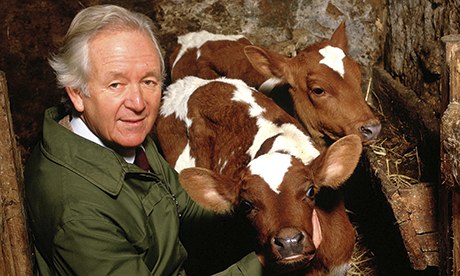
James Herriot on his farm, Yorkshire, Britain - 1995

James Alfred Wight, who wrote under the name James Herriot, was a veterinary surgeon who served farmers and residents in England’s Yorkshire Dales. He spent many years treating cattle, sheep, horses, pigs, cats, and dogs. Herriot was a vet in more ways than one: he served in England’s RAF (Royal Air Force) during World War II. His books are slightly fictionalized memoirs, full of real-life experiences tailored for dramatic effect.

The life of a vet may not seem interesting, but Herriot’s stories reveal a career of excitement and unpredictability. Have you ever seen a medical drama on television? Have you felt the tension of a tough case, the thrill of a clever cure, or the grief of a death the doctors couldn’t prevent? Imagine all that, but with animals instead of people, farms instead of hospitals, and wry optimism instead of cynical angst. I will always prefer James Herriot to Gregory House.

The animals in Herriot’s stories are often as interesting as the people, and the people are plenty interesting. Herriot’s boss (and eventual partner) Siegfried is eccentric, charismatic, short-tempered, and absent-minded. Siegfried’s younger brother Tristan is an unstoppable force of cheerful irresponsibility. Their clients, from tough-as-nails gaffers to delusional old ladies, are a fascinating bunch.

The stories themselves range from hilarious to heartbreaking. One day, Herriot holds back laughter as Siegfried cowers beneath the tyrannical bossiness of his secretary. Another day, Herriot holds back tears as a poverty-stricken man loses his dog to cancer. Add a burgeoning romance to the mix, one with enough humor to appease even a cynical reader like me, and Herriot’s stories become something truly special.

For someone with no background as an author—Herriot didn’t start writing until the age of fifty—his style is remarkably good. His books have a warmth and sincerity that practically shine through the pages.

In conclusion, ladies and gentlemen, James Herriot is awesome.

317. About Storytelling: Deus Ex Machina

Be sure to vote in this week’s poll!

There come moments when storytellers feel trapped. A story has a problem with no easy solution. The hero is cornered by ravenous wolves, pushed off a cliff, or given a toothpick for a duel instead of a sword. No happy ending is possible.

This is when storytellers use a dirty little trick called deus ex machina. This fancy-sounding phrase is used to describe contrived or impossible resolutions in storytelling.

In the first problem mentioned above, the hero might be saved by the wolves dropping dead of simultaneous heart attacks. The second problem can be solved by an angel catching the hero in midair, and the third by the hero’s opponent abruptly putting down his sword and becoming a pacifist.

These solutions are ridiculously improbable, and that’s the point: deus ex machinas (or dei ex machinis if you want to be really fancy) are not believable. They are jarring reminders that fiction is completely made-up.

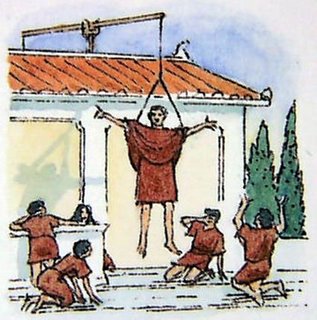
The phrase deus ex machina is Greek for god from the machine. In ancient Greek theater, actors representing gods entered the stage using literal machines, such as platforms that raised them up through trapdoors or lifts that lowered them down from above. These “gods from machines” represented divine beings capable of doing anything. Was the hero stuck in a problem with no solution? Presto! Here came a god to solve his problem miraculously!

Deus Ex Machina

Fear me, mortals! Be awed by my divine splendor! Pretend not to notice the crane!

Thanks to this theatrical convention, deus ex machina has entered the vocabularies of writers everywhere.

One of the most infamous deus ex machinas in recent history is the convenient arrival of giant eagles to save the heroes at the last possible moment in The Lord of the Rings. In The Adventures of Tintin, the hero is frequently saved by lucky coincidences such as landmines turning out to be duds when he drives over them. Charles Dickens, bless him, used deus ex machinas all the time to give his characters happy endings.

Aspiring writers should be familiar with the concept of deus ex machina for two reasons. First, they can avoid using it unnecessarily. Nothing ruins the excitement or verisimilitude of a good story like a cheap deus ex machina. Second, writers aware of the concept can use it meaningfully.

Yes, it can actually be a good thing for problems to be resolved in a contrived fashion. Deus ex machinas can be used for ironic or humorous effect, such as heroes escaping a monster because its animator has a sudden heart attack. They can also be used seriously to make a point, as in the final scenes of the movie Signs. In the climax of the film, a family survives a crisis due to an incredible set of coincidences… which begs a question asked earlier in the movie: “What if there are no coincidences?”

(Signs was quite a good film, but I will never forgive its director for what he later did to The Last Airbender. That movie, based on a truly superb television show, is a disaster no deus ex machina could save.)

Why am I writing about deus ex machinas? Well… I’m writing this post less than a day before it’s due. The subject of last-minute resolutions seems appropriate!

312. Gritty or Glittery?

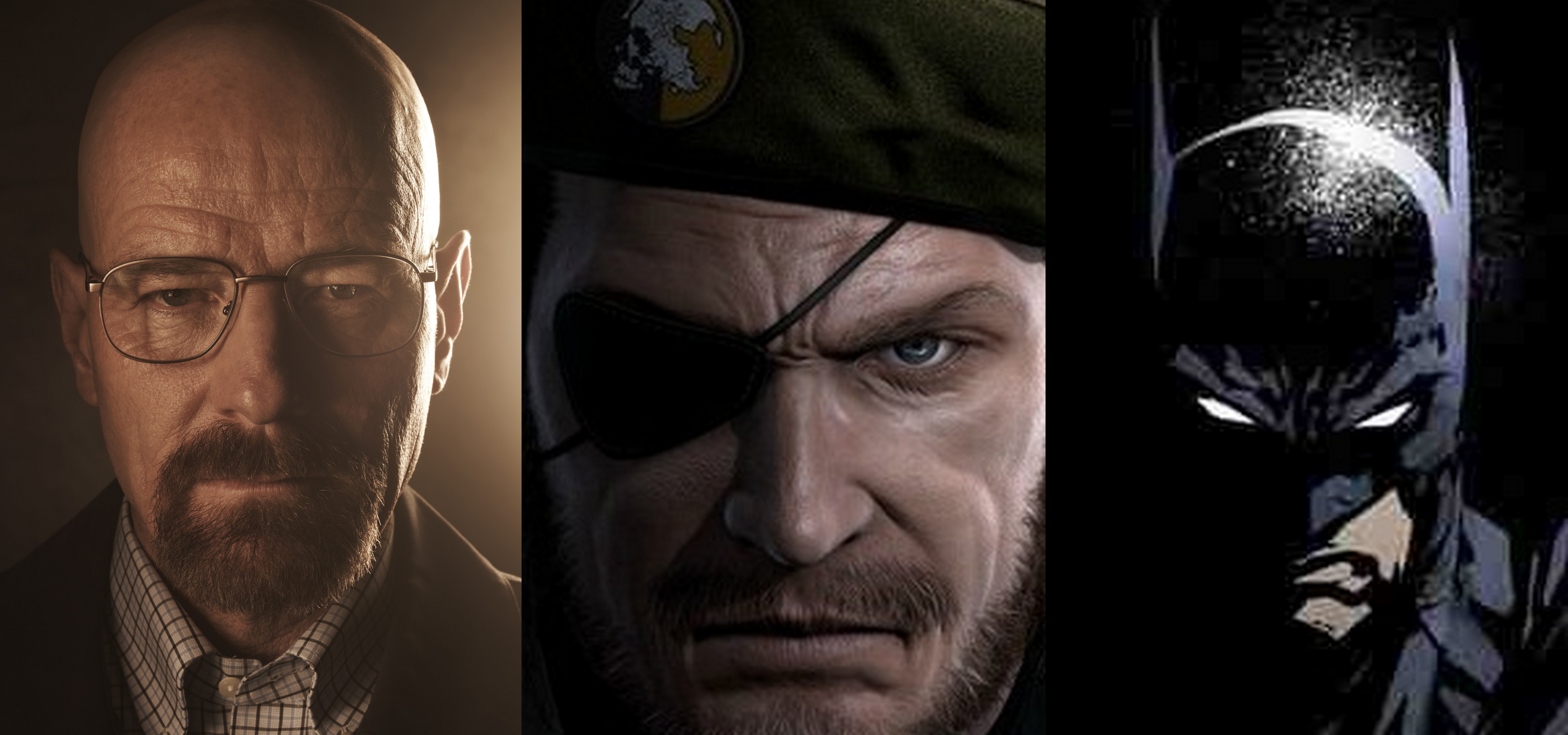
In the past few years, we’ve seen a lot of gritty media: books, films, and video games characterized by darkness, angst, violence, and square-jawed men brooding over inner conflicts. From Wolverine to Walter White, we’ve seen plenty of angsty characters on the large and small screens. Books—even young adult literature—feature people killing (and dying!) in all sorts of creative ways. The video game industry continues making games with guns, gore, and roughly one in every five words of dialogue being the f-bomb.

Angst! Darkness! Square jaws!

Angst! Darkness! Square jaws!

Why is gritty media popular? That’s a tough question to answer. I suppose there’s some truth to the darkness and violence in these media, and it resonates with people. We all feel sadness, discouragement, and anger. Some face depression, abuse, self-destructive impulses, or equally “gritty” problems.

Finally, gritty media often seems mature, sophisticated, or “grown-up.” All of this begs the question: Is it?

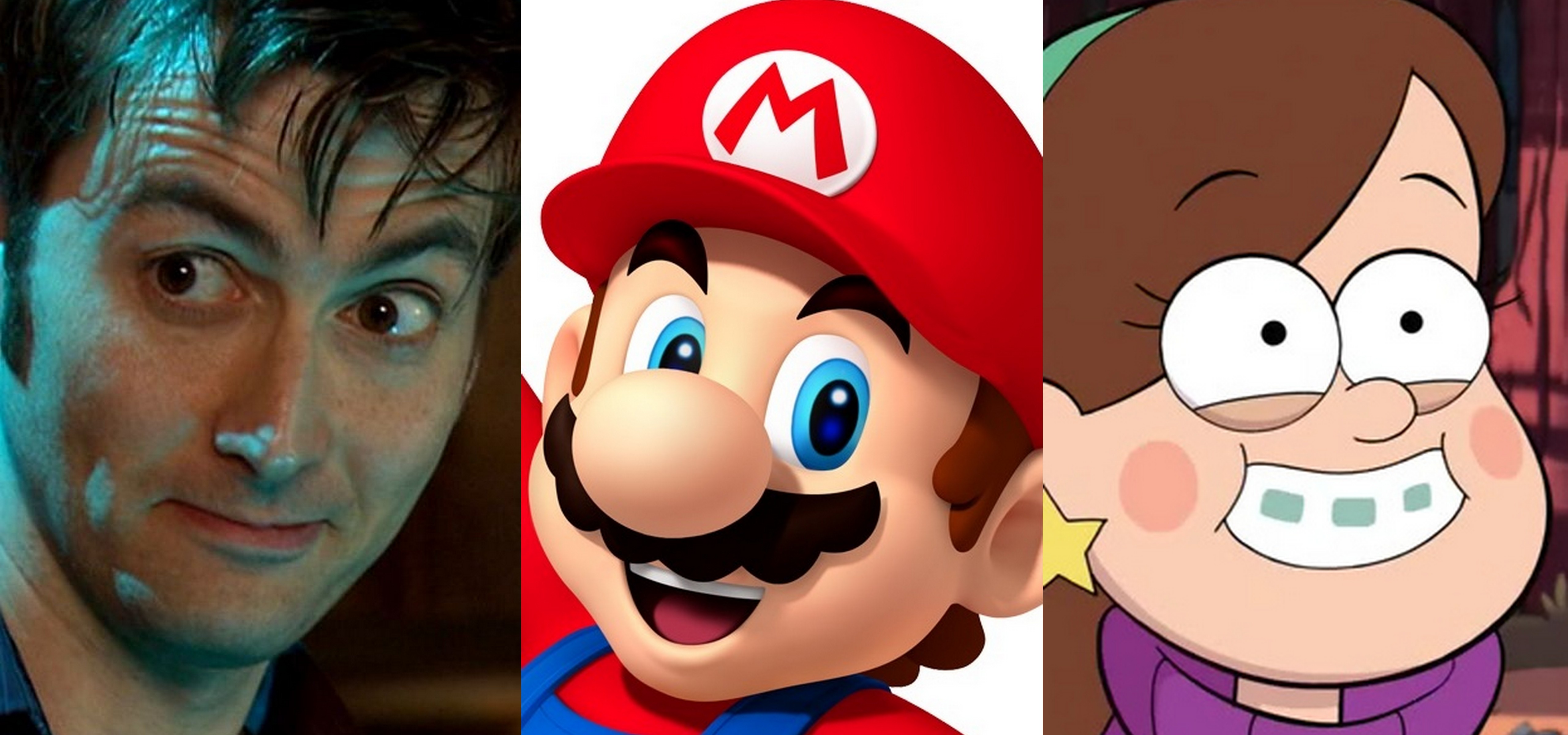
While gritty media has become more popular in past years, there are still plenty of lighthearted books, films, and video games: “glittery” media, so to speak.

Light! Smiles! Goofy braces!

Light! Smiles! Goofy braces!

Throughout history, comedy has nearly always taken a backseat to tragedy. Shakespeare’s most famous plays are his tragedies; Mark Twain’s cynical Adventures of Huckleberry Finn is celebrated over his cheerfuller books; P.G. Wodehouse’s clever comedies are largely eclipsed by the gloomy writings of his contemporaries. It seems humor and optimism can’t be taken seriously.

While there are certainly good things to say for gritty narratives, I don’t believe grittier is necessarily better. A purpose of art is to reflect or represent truth; the truth is that life isn’t always gloomy. A Farewell to Arms or The Things They Carried may be brilliant depictions of the horrors of war, but peace is no less real than violence. I think it’s absurd to suppose, say, Anne of Green Gables is necessarily an inferior book because it reflects joy and sentiment instead of pain and despair.

In the end, it’s a mistake to judge the quality of a thing by whether it’s gritty or glittery, tragic or comic, cynical or optimistic. That said, I would love to see people take glittery media more seriously. Can we study humorists like P.G. Wodehouse or James Thurber more widely in schools? I’m sure students wouldn’t mind putting down The Lord of the Flies. Can we have fewer gritty superhero movies and have more like Marvel’s quirky Guardians of the Galaxy? We could use a break from gloom and doom.

The world is an awfully dark place, but there’s a little light left. Some stories remember that, and I think they’re worth taking seriously.

303. About Storytelling: Temporary Death

Death is one of life’s few absolute certainties. Others include taxes and the fact that every person will, at some point, step in a puddle of water on the bathroom floor while wearing socks. Yes, life can be cruel.

Death is inevitable. For the most part, even fiction acknowledges this. What some stories don’t guarantee is that characters will stay dead. I’ve discussed how to kill off fictional characters, and even mentioned temporary death as a video game cliché, but I think it’s still worth taking a look at how characters in some stories recover from death as easily as getting over a cold.

There are endless possibilities for cheating death in fiction, going all the way back to classical mythology. In Greco-Roman myths, death was a literal place from which a surprising number of people managed to escape: Heracles and Orpheus, among others.

The past few decades have given us an endless array of methods for cheating death, especially in geekier media like comics, video games, and fantasy fiction.

Here are some of my favorites.

Be ye warned, here there be minor spoilers.

Time travel

How often dead characters have been restored to life because someone went back in time to rescue them! Thanks to the butterfly effect, tiny decisions in the past can have huge consequences in the future. Probably my favorite example of time travel resurrecting a dead character comes from Chrono Trigger, pretty much the greatest RPG ever made, in which characters travel to the exact moment of a man’s death to save his life.

Superhero comics

There is no single explanation for this one—comic book characters are revived in such a staggering variety of ways that I can’t even begin to list them all. A mutant’s seeming death triggers her evolution into a more advanced mutant. A superhero’s innate healing abilities pull him back from the brink of death. A villain fakes his death by a stupidly elaborate scheme. Really, the possibilities are countless.

Magic

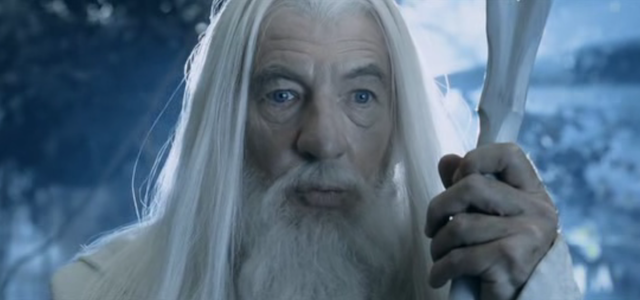
When in doubt, magic is the ultimate deus ex machina. Magic is mysterious and inexplicable by its very nature. If a writer resurrects characters by magic, who is there to argue? Miracles, such as the triumphant return of Aslan or Gandalf, fall into this category, which also includes medicines like the chocolate-coated pill from The Princess Bride.

Supposed to be dead

What? I’m supposed to be dead? Well, this is awkward.

Technology

By technology I mean magic as it is called in sci-fi stories. Let’s face it: advanced technology and supernatural magic are practically the same thing in some science fiction.

Reincarnation

This metaphysical concept has been lifted from various religions and adapted to everything from Avatar: The Last Airbender to Doctor Who. (The Doctor’s regeneration is basically sci-fi reincarnation.) Characters may technically die, but reincarnation allows the narrative to bring them back.

Afterlives

This brings us to ghosts, phantoms, and other not-alive states of being. Again, even if the story considers characters dead, they’re still fulfilling the roles of living persons by lingering as spirits.

Fake deaths

This one annoys me. (All the same, I’ve used it more often in my writing than I care to admit!) When a character seems to die, the narrative treats them as dead… until they turn out to have been alive all along. Fake deaths generally cheapen the reactions of living characters. Responses like mourning, grief, and anger become less meaningful when they’re revealed to have been unnecessary. Besides, fake deaths are generally predictable.

I think temporary death is a valid storytelling trope, but I prefer death in fiction to be permanent. Death is more realistic, and carries much more weight, when it’s treated as an everlasting reality instead of a fleeting condition.

Anyone who knows anything about video games probably knows that Aerith dies in Final Fantasy VII. Partway through the story, this cheerful flower vendor is impaled by the villain. That’s it. There’s no resurrection, no last-minute deus ex machina. In the game, she is dead. The other characters mourn her… and so does any player whose heart isn’t made of stone.

Death is tragic. It often seems meaningless. However, in storytelling, that miraculous medium which makes all things meaningful, death matters—especially when it lasts more than a few minutes.

291. TMTF’s Top Ten Books You Should Probably Read

I love recommending books. This temptation, common to bookish people, seizes me occasionally. I am tempted today beyond what I can bear; there is no way out of this temptation so that I can endure it. That said, here are ten books I think everyone in the world should read.

This list is a mix of great classics, personal favorites, and books with widespread cultural impact. This is not a definitive list of ten books everyone absolutely must read, nor is it a list of my ten all-time favorites. These are simply ten recommendations for the average reader.

Let’s get bookish, ladies and gentlemen, as TMTF presents…

The TMTF List of Top Ten Books You Should Probably Read!

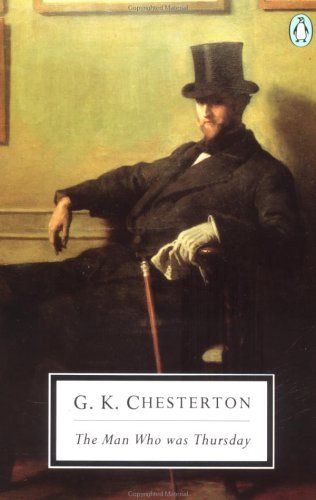
10. The Man Who Was Thursday by G.K. Chesterton

The Man Who Was Thursday

The Man Who Was Thursday is either a gripping spy thriller set in Edwardian era London, or else an eloquent reflection upon the silence of God and the meaning of pain. Either way, it’s fantastic. The dialogue is clever, the plot has some astonishing twists, and the whole book is drenched in intrigue and melancholy romanticism. It’s Thursday himself who says, “Always be comic in a tragedy. What the deuce else can you do?” This desperate courage, along with brilliant surprises and unexpected philosophical depth, make The Man Who Was Thursday a classic.

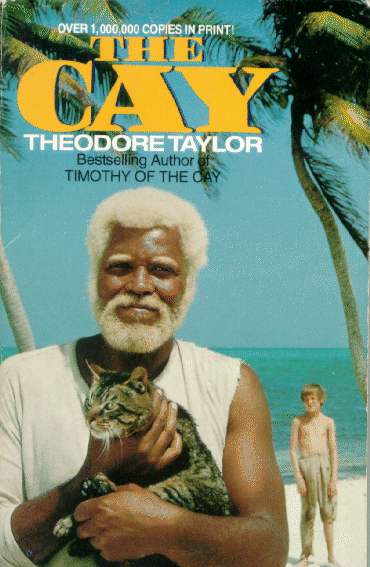
9. The Cay by Theodore Taylor 

The Cay

This book made a strong impression on me as a child. On the surface, The Cay is an exciting tale of survival: the story of a privileged white boy and a poor black man stranded together on a deserted island. A closer look at The Cay reveals themes like bigotry, sacrifice, loss, and cultural differences, all handled with disarming frankness and simplicity. The Cay is a quick, easy read, and a book well worth reading.

8. The Memoirs of Sherlock Holmes by Arthur Conan Doyle

The Memoirs of Sherlock Holmes

Everyone should read this book because freaking Sherlock Holmes. He is the archetypical crime-solver and one of the most famous characters in fiction. The Holmes stories are worth reading if only to understand their cultural impact… and they’re also pretty fun to read. The Memoirs of Sherlock Holmes is a collection of some of the best. While I personally prefer Chesterton’s Father Brown mysteries, there’s no denying the significance or excellence of Sherlock Holmes.

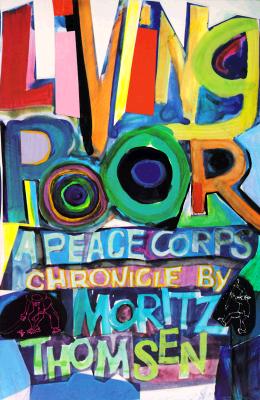
7. Living Poor by Moritz Thomsen

Living Poor

Living Poor is a memoir of Moritz Thomson, a man described as “the finest American writer you’ve never heard of.” After joining the Peace Corps, Thomson found himself living in a remote coastal village in Ecuador. His account of living poor is powerfully written, with jabs of wry humor punctuating a tone of bitter resignation. I grew up in Ecuador, so Thomson’s descriptions of its people and places strike a special chord with me. For all readers, whatever their circumstances, Living Poor is not only a heartrending glimpse of an impoverished community, but a look at the universal problems of poverty, depression, and helplessness.

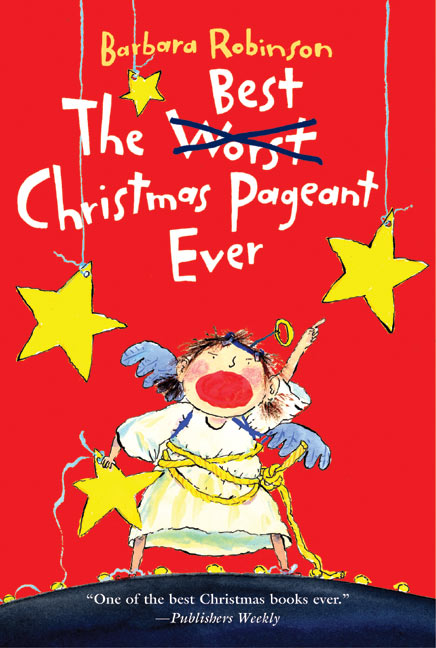
6. The Best Christmas Pageant Ever by Barbara Robinson

The Best Christmas Pageant Ever

Like The Cay, this children’s classic is disarming in its brevity and simplicity. The Best Christmas Pageant Ever is the delightfully funny story of the Herdmans, “the worst kids in the history of the world,” and their unexpected takeover of a church’s Christmas pageant. The book is hilarious. The Herdman kids respond to the Christmas story with suspicion, awe, and curiosity. Not only does this give readers plenty of laughs, but also a fresh, new perspective on an old, tired holiday. The Best Christmas Pageant Ever is two parts funny, one part poignant, and all parts wonderful.

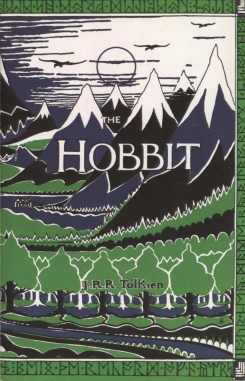
5. The Hobbit by J.R.R. Tolkien

The Hobbit

I mentioned earlier that the Sherlock Holmes stories are worth reading for their cultural impact. The Lord of the Rings is important in exactly the same way. It didn’t invent the fantasy genre, but it sure as heck defined it. While The Lord of the Rings is an amazing work of fantasy, it’s also slow-paced and really long. The Hobbit is a much quicker read: a simpler adventure that shows off Tolkien’s remarkable world and sows the seeds for the bigger tale told in The Lord of the Rings. The story of Bilbo Baggins and his epic journey “there and back again” is a charming read. I can think of no better introduction to the fantasy genre.

4. Silence by Shūsaku Endō

Silence

Silence is the story of a Portuguese Jesuit sent to seventeenth-century Japan, and also one of the most heartbreaking books I’ve ever read. The novel deftly changes perspectives partway through as it follows Sebastião Rodrigues in his journey from religious zeal to anguished perplexity at God’s silence. Silence is not only an elegy on the silence of God, but also a fascinating look at how cultures and their values conflict—much like Things Fall Apart by Chinua Achebe, another book I considered for this list. It’s not a fun or easy read, but Silence is a book to challenge the mind and the heart.

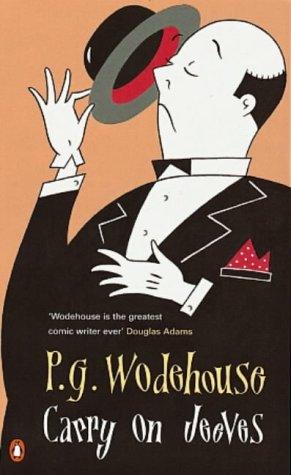
3. Carry On, Jeeves by P.G. Wodehouse

Carry On, Jeeves

This is not a particularly deep book, and it doesn’t have to be. It’s a collection of Jeeves and Wooster stories by P.G. Wodehouse. Really, what higher praise can there be? The book introduces two of Wodehouse’s most enduring characters, bumbling Bertie Wooster and his nigh-omniscient valet Jeeves, in a series of stories penned with Wodehouse’s effortless humor, aplomb, and British wit. Wodehouse’s work belongs on any list of recommended books, and Carry On, Jeeves is a fine place to start.

2. To Kill a Mockingbird by Harper Lee

To Kill a Mockingbird

Many of my dear readers probably had to read this book for school, which is kind of a shame. Nothing sucks the fun out of books like being forced to read them. There’s a reason this one is read so widely in schools—it’s absolutely fantastic. Everything about the book is excellent, from the setting to the characters to its skillful handling of themes like racism, class divides, and the loss of innocence. Like Mark Twain’s Adventures of Huckleberry Finn, another novel that nearly made this list, To Kill a Mockingbird is one of the great classics of Western literature. If you’ve never read this book, read it. If you were forced to read it for school, give it another chance.

1. The Bible

Holy Bible

Along with Greco-Roman mythology, the Bible is the foundation of Western literature. Its cultural and literary impact over two millennia is literally incalculable. The Bible is packed with history, poetry, and philosophy that have inspired people and shaped societies. As literature, the Bible is a little uneven—the Psalms are much better reading than, say, Leviticus—but the work as a whole is an incredible wealth of wisdom, truth, and beauty.

O people of the Internet, what are your top book recommendations? Let us know in the comments!