463. Goodbye, Beatrice

I’ve been reading about hell, and thinking of the girls I liked in my younger days. There’s a connection here, but… probably not the one you think.

In preparation for my story project, I’ve been rereading Dante’s Inferno, a centuries-old poem about a man who journeys through hell. The poem starts with Dante meeting the soul of Virgil, an ancient Roman poet. Virgil rescues Dante from a dark wood, giving him both good and bad news.

Inferno

Oh, hell.

The bad news is that they must pass through the nightmarish depths of hell. The good news is that Dante’s love, the dearly departed Beatrice, has interceded for him from heaven. After braving hell and purgatory, Dante will meet her there.

In the poem, Dante represents Beatrice as a savior: a lady of perfect beauty and saintly goodness. In real life, Dante apparently met Beatrice twice. He barely knew her as a person. Instead, he obsessed over her as an idea—a vision that had poetic power but was disconnected from reality.

Beatrice married another man, and died young. Dante obsessed over her memory for the rest of his life, thinking of her even after marrying another woman and having children. He himself acknowledged Beatrice as “the glorious lady of my mind,” a vision barely grounded in reality. In Dante’s mind, Beatrice was an angelic being of compassion and redemption.

Beatrice

To Dante, Beatrice was all clouds and halos.

It makes me wonder what Beatrice was like in real life. Did she think twice about Dante? Did she even read poetry? What were her favorite foods? Did she have a secret crush of her own?

Beatrice is a fascinating character in Dante’s work—a fictional character. She plays an invaluable role in Dante’s Divine Comedy, of which Inferno is the first part, but the role owes everything to Dante’s imagination and practically nothing to Beatrice herself. Dante’s Beatrice was an idea, not a person.

Like Dante, I’ve had secret crushes on gals I’ve known. Most of them are now happily married to other dudes, and good for them. I wish them the best.

It’s just hard to let go sometimes.

There’s one gal in particular—I’ll call her Socrates—who is rather like my own Beatrice. I could share more details, but won’t in case she ever reads my blog. How awkward would that be? (Answer: Soul-rendingly awkward.) I haven’t seen my old crush in years, but when I think of Dante’s Beatrice, I imagine her looking just like Socrates.

Penguin!

I won’t post a picture of Socrates, so please accept this photo of a penguin instead.

I’m a sentimental person. It’s hard for me not to treasure my memories of Socrates, and even to idealize them. She has become my own “glorious lady of my mind,” disconnected from the real Socrates. The real Socrates, wherever she is now, is a living person. She has her own likes and plans and interests. She has her own life. At this point, it isn’t romantic for me to idealize Socrates—it’s disrespectful, really. It makes for great poetry but lousy living.

I sometimes can’t help but wonder whether my life would be different if I had told Socrates that I liked her all those years ago. This can become just as disrespectful as idealizing her, and for the same reason. It replaces a person with an idea. I stop thinking of Socrates as an actual person, and think of her instead as a missed opportunity. It isn’t respectful, and it frankly isn’t healthy.

I’m still a stubbornly single dude. Even so, I figured that at some point I would grow up and stop having crushes on pretty girls. I haven’t. (Of course, I still watch cartoons and occasionally make faces in the mirror, so maybe I failed the whole growing-up thing.) At the moment, I’m letting go of another crush on another Beatrice. Like Socrates, she is also an actual person with her own life to live, and I need to respect that.

I live in a complicated world. It’s tempting to reduce human beings to trite, comforting ideas, but it isn’t right. People are people. They deserve to be respected as people, not reimagined according to my own romantic notions.

Dante wrote some great stuff, but I have to wonder whether he was happy. He was haunted by the memory of a girl he met twice. Is that any way to live?

My Beatrices have their own lives to live, and I have mine. I had better live it.

I’m now going to eat peppermint fudge and watch Steven Universe. Take that, Dante.

457. The Sirens Are Calling for Me

No man is an island, entire of itself; every man is a piece of the continent, a part of the main. If a clod be washed away by the sea, Europe is the less, as well as if a promontory were, as well as if a manor of thy friend’s or of thine own were: any man’s death diminishes me, because I am involved in mankind, and therefore never send to know for whom the bell tolls; it tolls for thee.

~ John Donne

Nearly every time I think of John Donne, I remember the concluding lyrics of “Can You Feel the Love Tonight” from The Lion King. This is admittedly an odd reaction to a centuries-old English poet, but there’s a reasonable explanation, I swear!

When I was in high school, I did an assignment on a meditation Donne wrote about friendship. (I think Donne wrote it; someone else may have.) He argued that friendship and romance take away from each other: as a man grows closer to his romantic partner, he grows farther from his friends. His affections become divided.

I explained this concept in my assignment. When I received it back from my teacher, I found the following words scribbled in the margin: “And if he falls in love tonight….” These apt lyrics from “Can You Feel the Love Tonight” are easily the best thing anyone has ever written on any of my homework.

In short, their pal is dooooooomed.

I’ve read hardly anything by Donne, but one of his statements is very famous. It provided the title for one of Earnest Hemingway’s novels. Heck, even I’ve quoted it. It’s his statement on our shared humanity: “Never send to know for whom the bell tolls; it tolls for thee.”

In other words: If someone dies, and the funeral bell rings, don’t ask who died. It was a fellow human, and as a member of the human race, you just lost a piece of yourself. The bell rings for you.

On a related note, I’ve been hearing a lot of sirens lately.


I listen to the sirens as they sing me back to sleep.

I pray that no one’s seriously hurt.

It feels like everything is dying at the pivot point of me.

I listen to the sirens tell me things could still be worse.

~ Relient K


I live in a quiet corner of Indiana. There aren’t many violent crimes around my home. Throughout the United States, however, there has recently been a number of shootings. It’s old news at this point, and I won’t rehash the sordid details. It’s enough to know that a lot of people have lost loved ones. A lot of people are angry. A lot of people are scared.

None of this affects me directly. I’m a white dude in a small town in Indiana. I never hear gunshots; the loudest things around here are geese and firecrackers. The tragedies across the US are just headlines on the Internet and blurred articles in the newspaper. My immediate reaction is to say “That’s really sad,” and then to get back to whatever I was doing.

Police siren

I hate the sound of sirens.

It’s exactly the same when I hear sirens. I don’t know whether they’re announcing a medical emergency, a police arrest, or a house on fire—all I know is that sirens are bad news. I often take a moment to pray for those trapped in whatever tragedy summoned the sirens. Beyond that, I’m not affected. Those sirens call for someone else… don’t they?

The truth is that sirens are a lot like Donne’s bells. They’re calling for me. Every siren, online article, and smudged newspaper headline tells me that humankind is broken, and that I’ve lost something.

I’m not sure what to do with that.

455. Thoughts on Extremism

A few days ago, John Cleese showed up on my Twitter homepage—a video of him, I mean, not the man himself. (That would have been pretty cool, though.) I think the video, a brief discussion of extremism, is worth sharing.

Extremism is a vague term, but it generally describes a cause or belief—or, alternatively, support for a cause or belief—so extreme as to be harmful or irrational.

In just a few words, Mr. Cleese lists benefits of extremism, which are more or less synonymous with some of its flaws:

Well, the biggest advantage of extremism is that it makes you feel good, because it provides you with enemies.

Let me explain. The great thing about having enemies is that you can pretend that all the badness in the whole world is in your enemies, and all the goodness in the whole world is in you. Attractive, isn’t it?

So if you have a lot of anger and resentment in you anyway, and you therefore enjoy abusing people, then you can pretend that you’re only doing it because these enemies of yours are such very bad persons! And if it wasn’t for them, you’d actually be good-natured, and courteous, and rational, all the time. So if you want to feel good, become an extremist!

That’s a problem with extremism, isn’t it? It’s often nothing more than an oversimplification, or a deflection of blame. It deflects the blame for vast, complicated problems toward anyone with whom the extremist strongly disagrees. This enables both wrath and pride, allowing an extremist to act like a jerk and feel like a saint: an appalling hypocrisy.

Most extremists are easily controlled. They want to deflect blame on others. If someone tells them others are to blame, most extremists are only too eager to agree. After all, it’s satisfying to point out a speck in someone else’s eye. It’s much harder to acknowledge that I might have something in my own.

Extremism is alive and well in the world today. It provokes conflicts great and small, from massive terrorist attacks to petty political insults. I like to think I’m not an extremist, but Mr. Cleese’s video touches a nerve—I understand the mindset he describes. It’s easier to blame others than to figure out to whom the blame really belongs… especially if it ends up belonging to me.

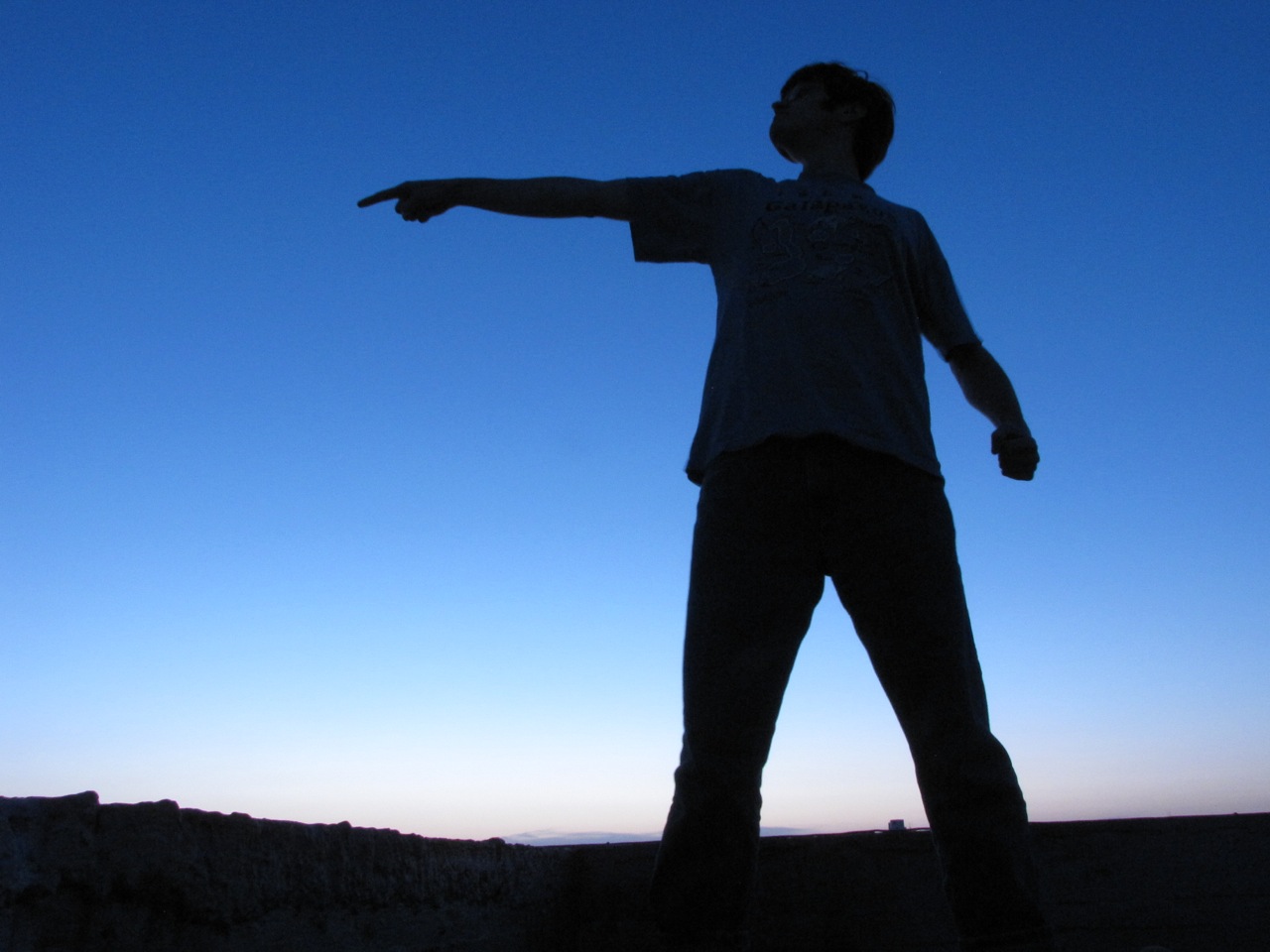
It’s so easy to point fingers, isn’t it?

I mean, just for example, I could say, “Those extremists! They ruin everything, and I have nothing but contempt for them.”

If I said this, I would admittedly make a valid point: Extremists generally make the world a worse place. However, I would also overlook a point of great significance: By griping about extremists, I’m not exactly making the world any better, am I?

It begs the question: How is my contempt for extremists any different than their contempt for others?

It’s all rather complicated. The world tends to be a mess, after all, which may be why Jesus Christ made a point of summing up so neatly: “So in everything, do to others what you would have them do to you, for this sums up the Law and the Prophets.”

This doesn’t mean that I must accept every point of view. What it means is that I must do my best to respect and understand everyone, even if I don’t agree with them. Disagreement is fine. Extremism—demonizing those who disagree—is never acceptable.

On a personal note, I do tend to blame my typewriter monkeys for all of this blog’s problems. Maybe, instead of deflecting that blame, I should acknowledge that some of it belongs to me. I make mistakes, too. Maybe I should try to respect and understand my monkeys instead of assuming the worst of them.

I’ll think about it.

Abandon Hope, but Save a Little

Thence we came forth to see again the stars.

~ Dante Alighieri

Dante’s Inferno is not a cheerful poem. It follows the poet Dante and his guide Virgil through hell, upon whose gate are inscribed these words: Abandon all hope, ye who enter hereThis slogan could just as easily be printed on the poem’s front cover. Inferno isn’t a fun read, unless you happen to enjoy long conversations (all written in archaic language and poetic meter) with the tormented souls of damned sinners.

I once wrote about my favorite opening lines in literature, and more recently considered some of my favorite last lines. For example, A Tale of Two Cities ends on a poignant note: “It is a far, far better thing that I do, than I have ever done; it is a far, far better rest that I go to than I have ever known.” My all-time favorite last line concludes The Lord of the Rings: “‘Well, I’m back,’ he said.”

The final line of the Inferno is right up there with my favorites. For a poem whose most enduring words are “Abandon hope,” it ends hopefully. Dante and Virgil leave hell.

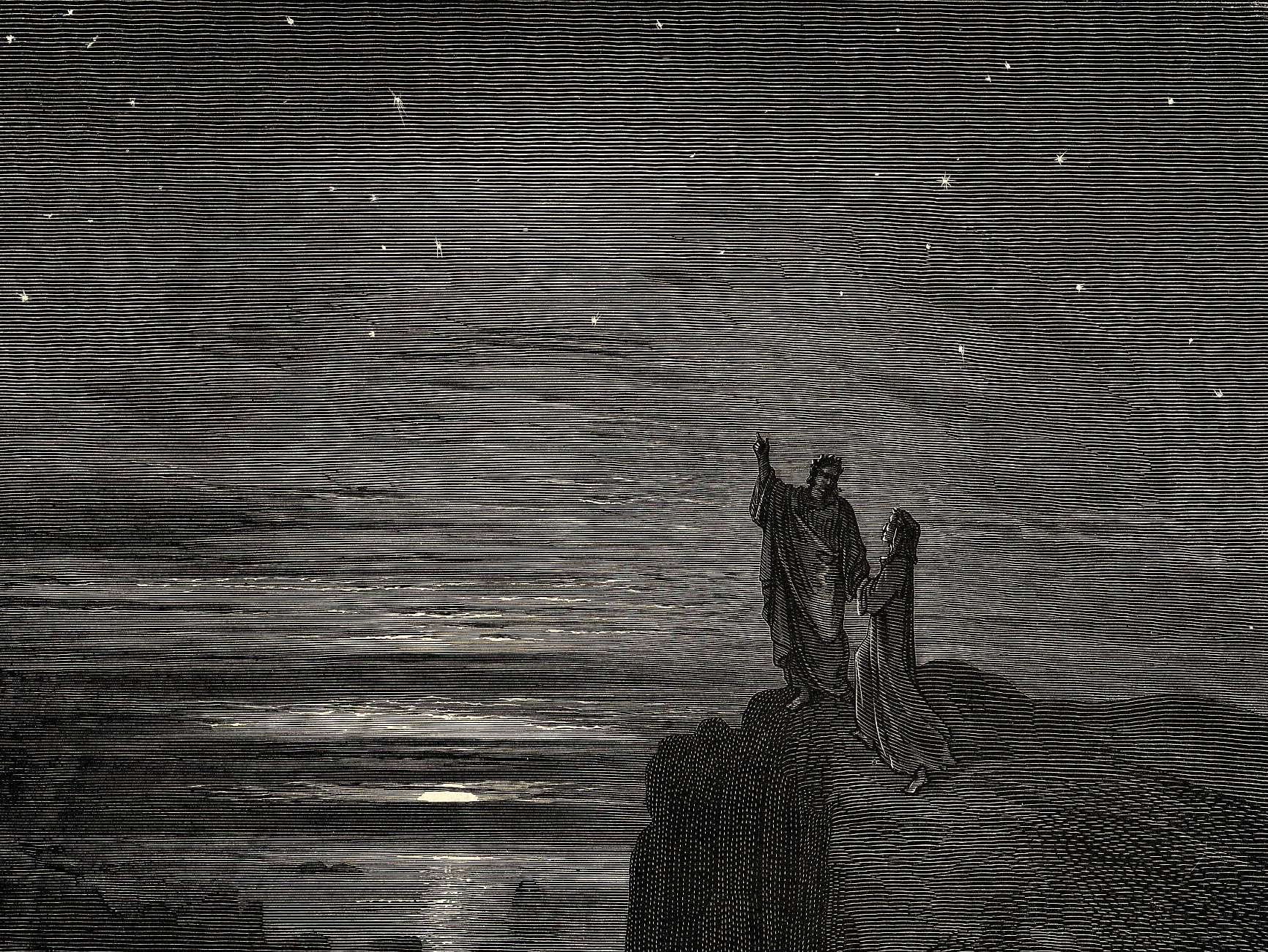
I can imagine it so clearly: disheveled travelers, exhausted from climbing in the endless dark, chilled by the ice of hell’s last circle, disturbed by the horrors of the underworld, glancing upward and seeing a sky alight with stars. I can see them stumbling out of the cave into the fresh air, blinking in the soft light from heaven. I can hear cicadas buzzing and feel a breeze stirring the grass. Hell is behind them. The nightmare is ended. After all the circles of hell, they know they’ve reached safety, for they see again the stars.

Thence we came forth to see again the stars

I’m a bit sentimental, but that’s one of my favorite images in all of literature. After literally going through hell, our heroes are safe. They are no longer trapped beneath stone ceilings. Above them, the heavens declare the glory of God. It’s a touching picture, and an uplifting end to a really bleak poem.

In one of the Chronicles of Narnia by C.S. Lewis, there’s a similar scene in which the protagonists escape an underworld to find themselves beneath a starry sky. J.R.R. Tolkien’s books also feature characters ending underground journeys by stumbling out into the open, such as Bilbo getting out of the Misty Mountains in The Hobbit and the Fellowship fleeing Moria in The Fellowship of the Ring. Escaping the underworld to find oneself beneath the sky has become a literary motif, and I dig it.

To conclude, here’s a bit of trivia: All three parts of the Divine Comedy end with the word stars. Neat, huh?

450. Adam Answers

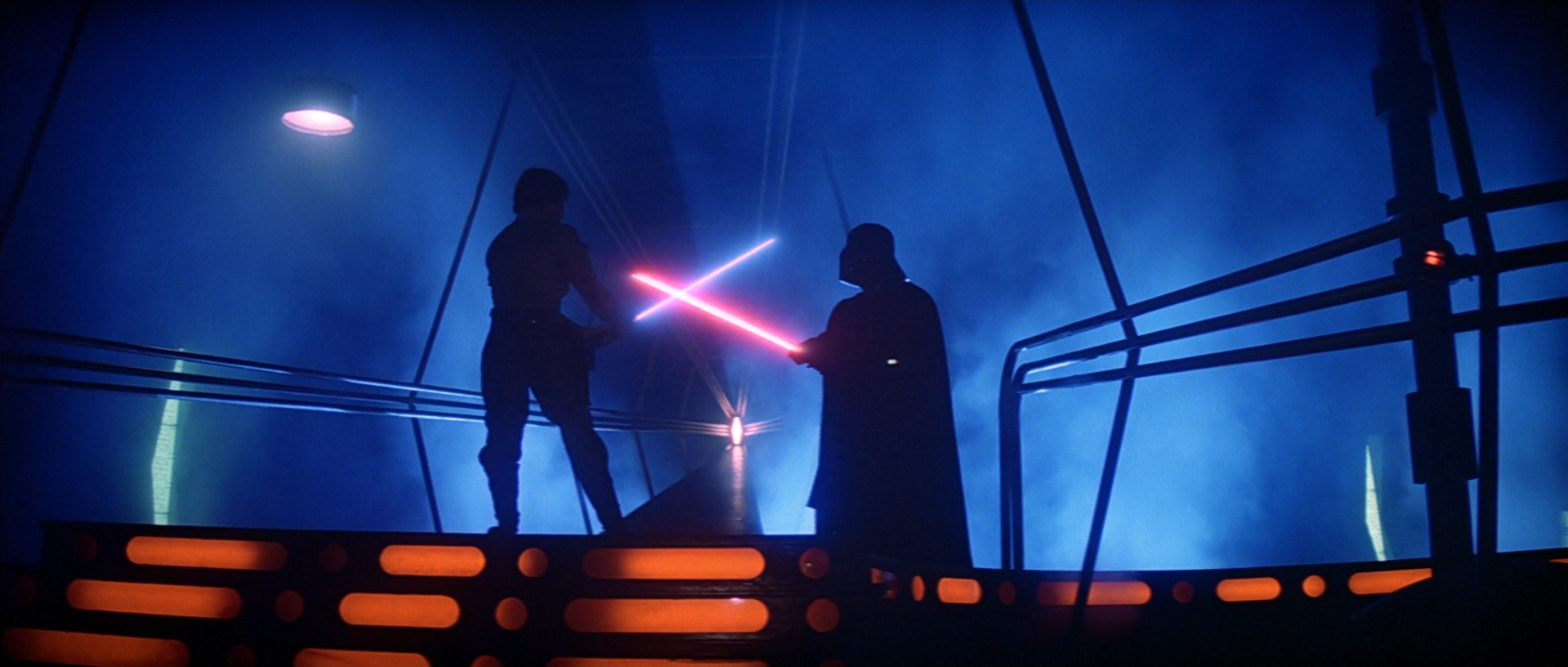
As TMTF hits its last fifty-post milestone before the end, I want to pause a moment, thank everyone who has been a part of this blog’s journey, and declare my opinion that Empire Strikes Back is the best Star Wars movie.

Empire Strikes Back

The greatness was strong with this one.

All right, with that out of the way, here are my answers to the questions submitted by readers for today’s Q&A. Here we go!


JK asks: In spite of your down-playing your abilities, I think your singing is quite lovely. Do you have any music related experience/training, or is it just natural know how? Play any instruments to go along with the vocals? Follow up, can we get another serenade while you’re at it?

Aw, thanks, JK! I sang in choir a couple of years in high school, and performed with a few worship teams over the years, but I’ve never taken lessons or anything.

I am a little proud of my vibrato: that wobble in the pitch of my singing voice. As a kid, I heard other singers perform the vibrato technique. I thought it was neat, so I trained myself to do it. Mine is a bit forced, but hey, I’ll take what I can get.

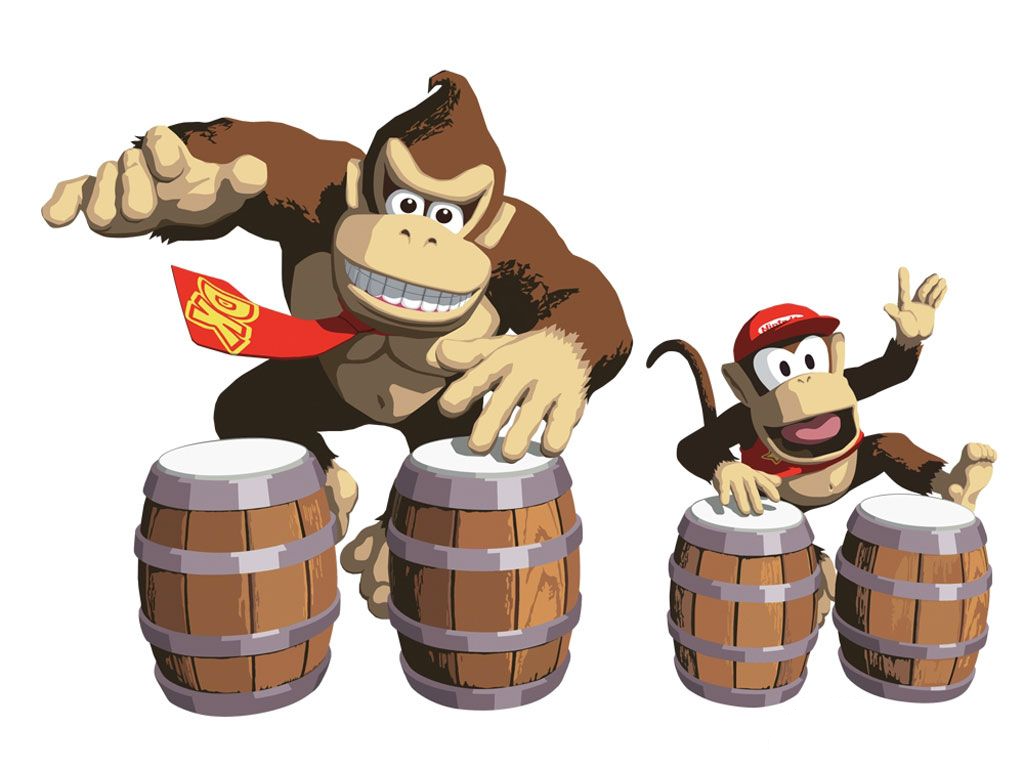
The only instrument I’ve ever played is the bongo drum, for which I have no training whatsoever, and on which I performed with more enthusiasm than skill.

Bongos

None of my typewriter monkeys play bongos, thank heaven. Imagine the racket!

I’ve thought about doing one or two more song covers, but for an amateur like me, they take a ton of trial and error. I’d rather spend my non-blogging free time relaxing! I did cover “Baba Yetu” karaoke-style a while back, though, singing over the original track. I’m really pleased with how that one turned out.


Sarah asks: How much time per week do you and your monkeys put into the blog? And how has that changed since you started the site? Of all the places you could have chosen to live, why Indiana?

Good questions! My time spent blogging varies wildly from week to week, and I don’t really keep track of it, but I estimate three to eight hours.

Depending on the kind of post I write, I might dash off it in an hour or slave away at it for three to five. Personal reflections and silly thoughts on random subjects are quicker and easier to write; serious treatises take tons of time and effort. Posts involving audio recording or image editing take extra time.

I’m probably spending less time on the blog these days than when I started, thanks to my decision long ago to publish a short, geeky commentary every Wednesday instead of another numbered post. The shorter mid-week updates require much less effort, and they let me share stuff I think is cool.

Your final question is a familiar one! When people ask me why I settled in Indiana after living overseas, I tell them, “It’s a really long story, but I’ll give you the really short version.”

Here’s that short answer: I live in the United States because, of all the countries in the world, it’s the only one for which I currently have the legal paperwork required for a job; I live in Indiana because, of the few roots I have in this country, most are here; and I live in the little town of Berne because, when I was looking for a job years ago, it had the only place that would hire me.

Berne ain’t a bad place to live.

I’m fond of Berne, but it really could use a movie theater, some mountains, a beach or two, a Japanese noodle stand, and a Starbucks. Ah, well. Nowhere is perfect, I guess.


JS asks: What about pants?

A most profound question. I cannot offer an answer worthy of it, for I am but a foolish mortal. How can I, or any of the humans who live their short lives upon this fading earth, match a question of such wisdom with an answer equally wise?

The word pants can be traced back through the English, French, and Italian languages to Pantalone, the character stereotype in commedia dell’arte, a form of performance art popular in sixteenth-century Italy. This stereotype, which caricatured Venetians, was named for Saint Pantaleon, a saint popular in Venice.

By following these tangled skeins of history and etymology, we trace pants to a legendary saint. Does its connection to an ancient martyr make pants the holiest of clothes?

Speaking of holey clothes, why do some stores sell torn jeans? Who actually buys pants that, as Dave Barry put it, appear to have been ripped to shreds by crazed wolverines? That’s another question for which I have no good answer.

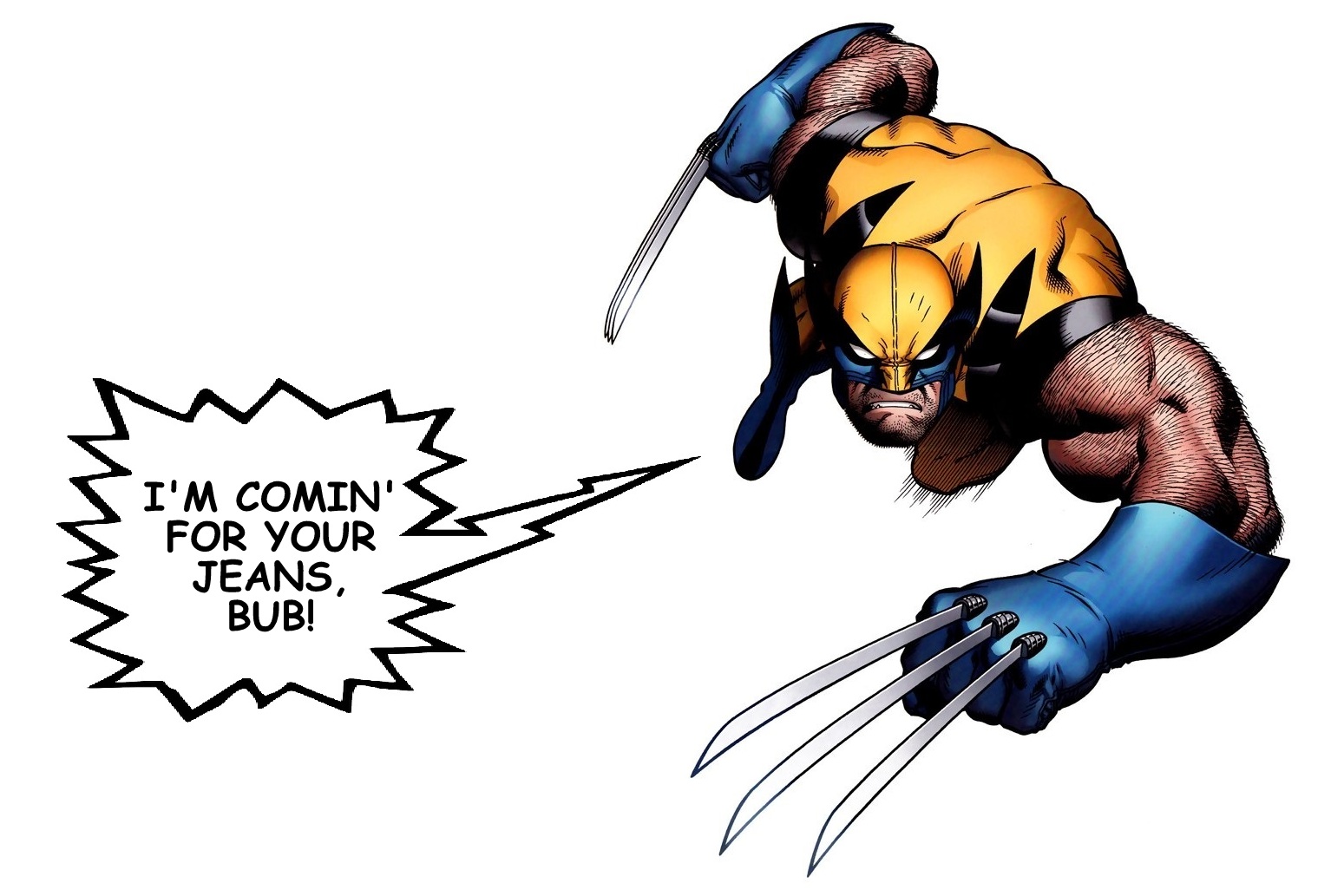
Wolverine

Not that kind of wolverine, guys.

Returning to my reader’s question, a character in Avatar: The Last Airbender, my all-time favorite show, offers this unfathomable wisdom: “Pants are an illusion, and so is death.”

My own view on pants is that a gentleman shouldn’t leave home without them.


That concludes today’s Q&A post! I’m grateful to everyone who submitted questions; without you, this post would have been embarrassingly short. Thanks, guys.

With fifty posts left, TMTF is hitting the final stretch at last. I could say a lot, but I’ll save it for some other time. For now, I will only say this: Onward!

449. Everything You Ever Wanted to Know about Introverts (but Were Afraid to Ask)

I’m currently gathering questions for a blog Q&A this Friday. I’ve received questions from exactly one person so far. (God bless him.) Friday’s post will be really short if no one else speaks up! If you’ve ever wanted to ask me anything about my life, blog, book project, or anything else, ask away!

I plan to attend a writing conference later this summer. It will probably be an educational experience. It shall certainly be a caffeinated one. I plan to drink a lot of coffee, that very present help in trouble. After all, as an introvert at a crowded social event, I’ll need all the help I can get.

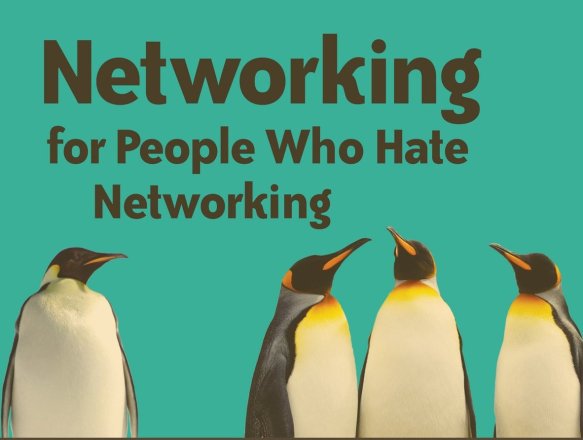
That said, I recently picked up a book titled Networking for People Who Hate Networking on my latest visit to the bookstore. The book was on sale, is marketed to introverts, and has penguins on the cover. Penguins, guys. How could I refuse?

Networking with penguins

Professional Networking: Now with 100% More Penguins!

The book hasn’t offered any spectacular insights, but it has served (so far) as a solid introduction to introverts, extroverts, and ways both groups can connect with new people.

A few of the book’s points are well worth sharing, so I am going to share them.

Misconceptions shall be shattered! Stereotypes shall be broken! A sword day, a red day, and the sun rises! Ride now! Ride—wait, sorry, that’s Théoden’s speech from The Return of the King. I got a bit carried away. Let me try again.

For introverts and extroverts alike—and for all of those people who don’t know the difference—here is everything you ever wanted to know about introverts, but were afraid to ask.

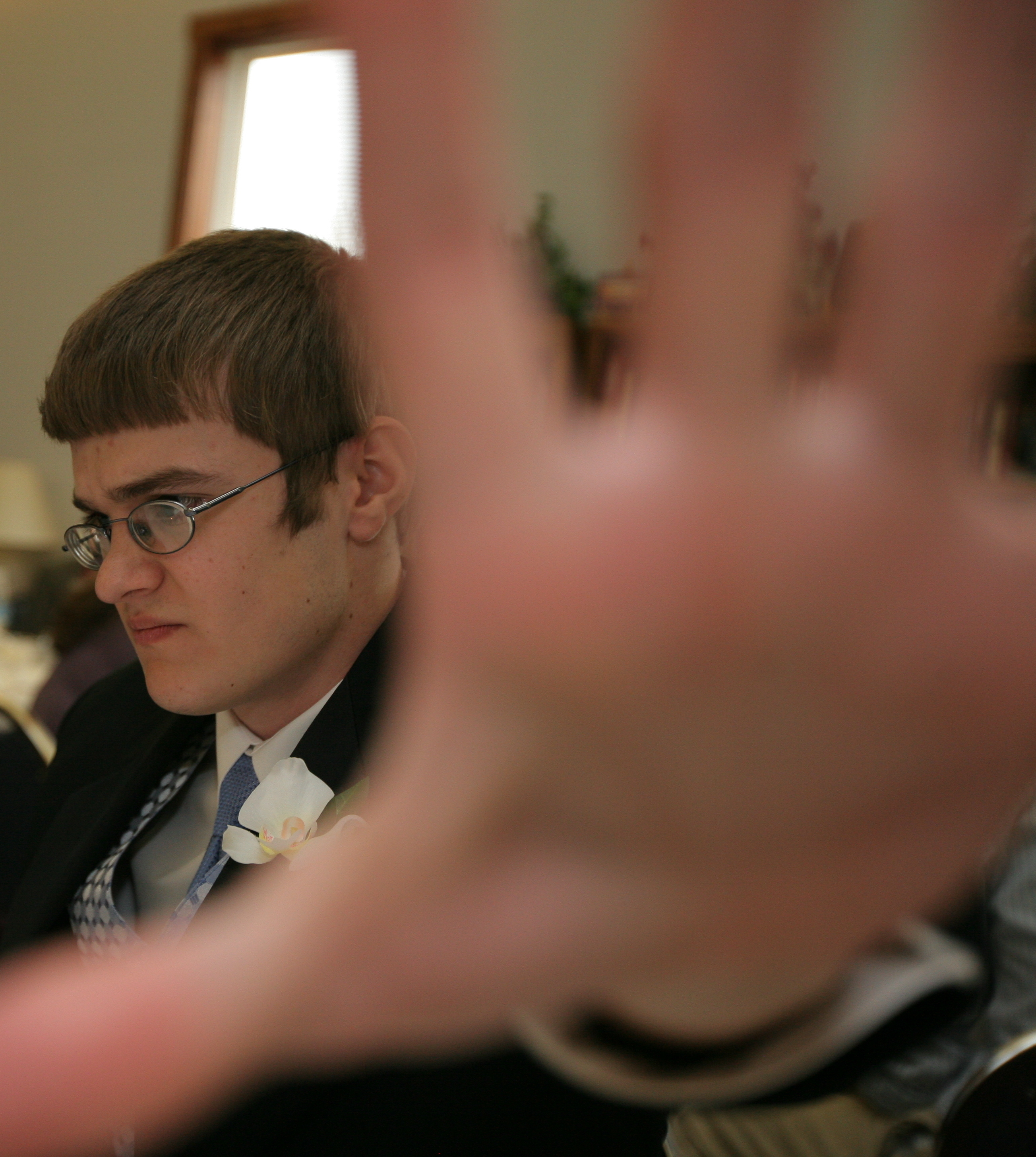
Trying to cope

I’m an introvert. You may have noticed.

Introverts are not necessarily shy or quiet.

Many introverts can be talkative; this introvert, especially so. Introverts are often labeled shy because we tend to be guarded around people we don’t know well. Once we feel comfortable around others, we drop our guard and speak up.

Extroverts, by contrast, often feel comfortable talking around others, even people whom they don’t know well. That can be a great gift. Good for you, extroverts.

I’m generally very quiet around new people. Once I get to know them, they sometimes can’t shut me up.

Introverts are not necessarily negative.

Introverts tend to be less impulsive than extroverts. We need time to consider circumstances and process decisions. Thus, when given a request or invitation for which an immediate response is expected, we tend to say, “No.”

If we have a little time to think about an invitation or request, and to make up our minds without being rushed, introverts are much more likely to respond positively.

Introverts need time alone.

I use the word need here deliberately. We don’t merely want it—we need time alone in order to function well. Without opportunities to regain our mental balance, away from distractions and other people, we become stressed, anxious, or grumpy.

This, dear reader, this is why it bothers me so much when people interrupt me when I’m reading a book on break at work. It isn’t really about the book. In my job, which consists of working with dementia patients whose behaviors are often exhausting, I need time alone, immersed in a book, without coworkers dragging me into inane conversations. I get enough tiring human interactions when I’m working; I don’t need them on break.

Not that I’m bitter or anything.

(I may be a little bitter.)

Introverts tend to weigh their words carefully.

I typically choose my words with near-obsessive care. I want to say exactly what I mean, and to mean everything I say. Nuances matter to me. Like most introverts, I think to talk.

Extroverts, by contrast, often talk to think. Talking is how they reach their conclusions. They think out loud. This means their views and opinions can change wildly from one conversation to the next, and even from one moment to the next. This makes it easy for introverts to label extroverts thoughtless or indecisive. It’s important for introverts and extroverts alike to understand these differences in mental processing.

Introverts excel at depth, not quantity.

Extroverts often have vast social circles. Introverts tend to have a close circle of dear friends. Extroverts go wide; introverts go deep. With fewer social commitments, introverts can spend more time and effort developing those closest relationships.

These principles can be applied in the context of networking. Introverts can be aware of different communication styles, plan opportunities to recharge, and focus on making a few key connections instead of using up their energy on small talk. As I’ve read the Guide to Networking with Penguins, or whatever that book is titled, I’ve been rather gratified to see that it also recommends some of my own strategies for coping with social events.

When I attend that writing conference later this summer, I will add to the book’s admirable list of tips my own tried-and-true strategy: liquid courage. It is for such times, after all, that God made coffee.

446. Will the Circle Be Unbroken?

I had planned to share this beautiful cover of “Will the Circle Be Unbroken?” at some point, but quixotically decided to record my own cover of the hymn instead. You see, kids, this is why we don’t let Adam near microphones.

My wobbly vocals are propped up by a dynamic piano arrangement from Silas Rosenskjold, who made it freely available on his YouTube channel. The photo in the video, snapped by my dad quite a number of years ago, shows the Basílica del Voto Nacional: a cathedral in Quito renowned for its architecture and hideous gargoyles.

I discovered this lovely hymn in a violent video game, of all places. BioShock Infinite, a first-person shooter, offers the most fascinating take on Christianity I’ve ever seen in a video game. “Will the Circle Be Unbroken?” is part of the game’s soundtrack.

Around the time I shared of how I almost left my faith last year, I found myself often listening to this hymn. Some of its questions seem to be aimed squarely at wavering skeptics like me.

There are loved ones in the glory whose dear forms you often miss; when you close your earthly story, will you join them in their bliss?

You remember songs of heaven, which you sang with childish voice; do you love the hymns they taught you, or are songs of earth your choice?

One by one their seats were emptied, one by one they went away; now the family is parted—will it be complete one day?

One question, the question, stands above the rest: Will the circle be unbroken? Will that legacy of faith, cherished by your loved ones, upheld by generations past, live on in you—or will you break the circle? Will you be the one to shatter this legacy of religious faith?

I know people who’ve broken the circle. I know people who’ve kept it whole. For my part, the circle remains unbroken.

As I work with the elderly, I face regular reminders of the transience and frailty of human life. As James Thurber flatly expressed it, “Even a well-ordered life can not lead anybody safely around the inevitable doom that waits in the skies. As F. Hopkinson Smith long ago pointed out, the claw of the sea-puss gets us all in the end.”

While the skeptical part of me can’t help but question the notion of an afterlife, I rejoice that death is a temporary separation, not a permanent one. I can hardly bear the thought of losing loved ones forever.

When my family is parted, it will yet be reunited one day—thank God.

443. Good Things, Bad Things

While this blog was on break, I went to a wedding. It was splendid. I’m not the sort of person who enjoys weddings, but this one was all right.

The tables at which the wedding guests were seated were named after fantasy lands, from Hyrule to Narnia to Middle-earth. I sat at the Redwall table, drinking coffee and stacking the paper cups like a conqueror piling up the skulls of his vanquished foes. I chatted with relatives, some of whom I hadn’t seen in many years.

The whole stacking-empty-cups-like-skulls-of-slain-enemies thing is a habit of mine.

All around me rang the joyous hubbub of dozens and dozens of people, all gathered to celebrate the union of a man and a woman who really love each other. I may not care much for weddings, but heck, I’m not made of stone. It was a lovely evening made special by lovely people, and also by cake and coffee.

For a few months, I’ve struggled more often with depression, but on that evening, it all seemed very far away.


I love road trips. A good road trip is a breath of fresh air—no, a blast of fresh air. It blows away the dust and cobwebs of tired routines and lingering anxieties, making even familiar things seem new again.

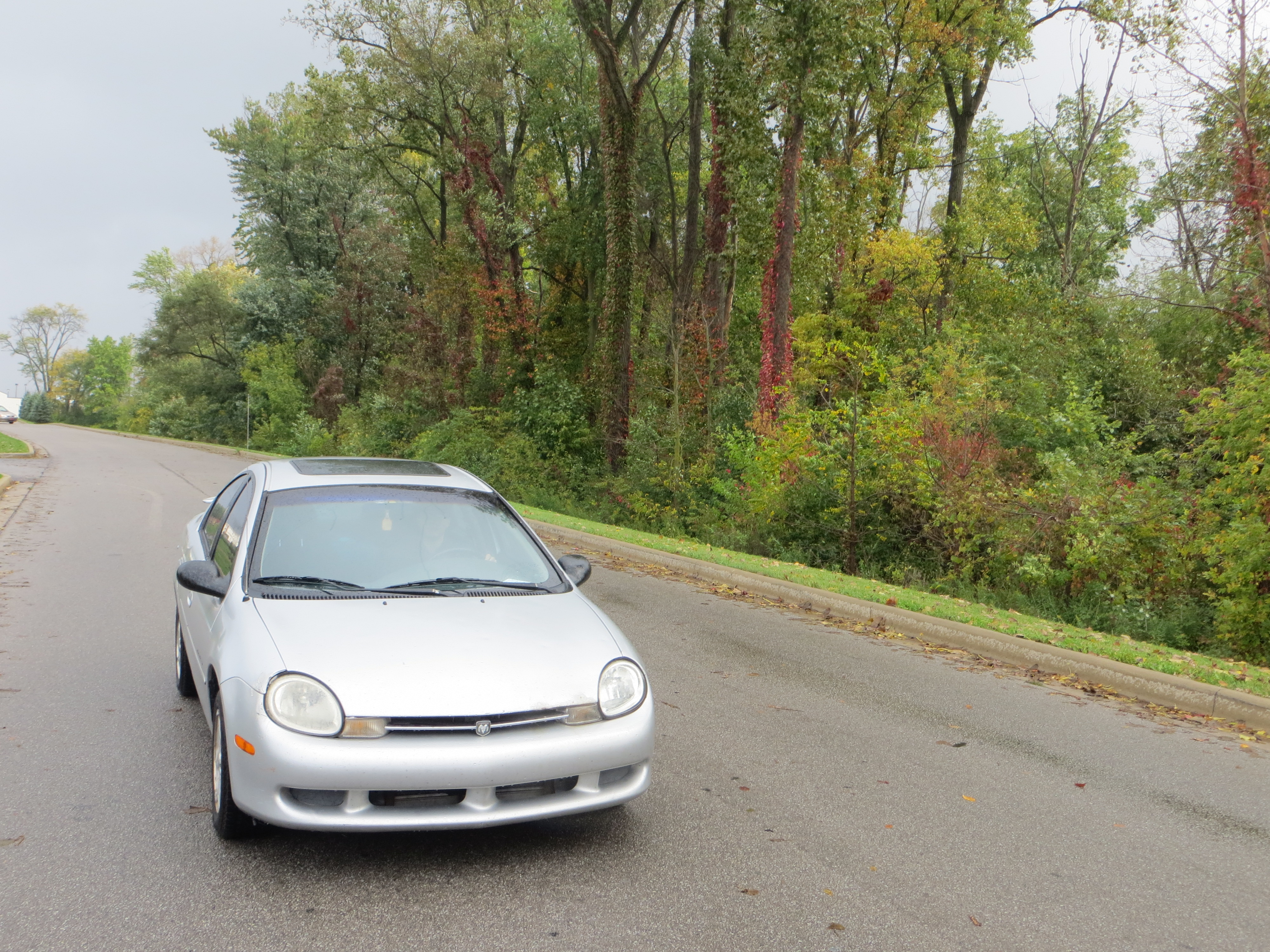
My younger brother and I took a road trip to attend that wedding. (Due to scheduling difficulties, we had to miss another wedding last week, which is too bad.) We followed back roads through woods and meadows, along rivers, and past quaint little towns. An iron sky stretched over us. Rain spattered the windshield, but we were wrapped in warm clothes, with coffee drinks at our elbows, comfortably braced for our travels.

Eliezer

There’s nothing like a road trip on a wet day.

At one point, as I lounged in the passenger seat, I spread out my duster overcoat like a blanket. “If you need me,” I told my brother, “I’ll be in my duster cave.” With that, I dove into warm darkness, where I spent a few cozy minutes thinking of nothing in particular.

After the wedding, as we drove homeward in deepening gloom, I made up for lost time by thinking hard about my plans for my book project, the Lance Eliot saga. I bounced some ideas off my bro, who listened patiently and made encouraging noises.

After years of feeling stressed and guilty about my book project, I felt something different. I felt optimistic. I felt excited. “Lance Eliot’s story is going to be so much better this time,” I told myself, “assuming I ever get around to writing the damned thing.”

I don’t know whether I’ll ever finish Lance Eliot’s story, but after that trip, I felt eager to try.


Those days of rest and travel were like a strong wind, blowing away the dust, and breathing hope into my life. I appreciated the break from blogging. It was good to spend a few hours on the road, and great to spend time with family. I’m encouraged and refreshed.

However, a cynical part of me can’t help but wonder: How long before the dust settles again? In the past few days, familiar shadows of gloom and anxiety have crept up on me at odd moments. Has anything really changed? What happens when my hopefulness wears off?

I don’t know.


C.S. Lewis once wrote,

Now Faith, in the sense in which I am here using the word, is the art of holding on to things your reason has once accepted, in spite of your changing moods. For moods will change, whatever view your reason takes.

Blogging pro tip: When in doubt, quote C.S. Lewis. Works every time.

My hope and courage are more dependent on my moods than I feel comfortable admitting. When times are good, I tend to assume they’ll stay that way. When times are bad, I lose hope of ever seeing better ones. I get so caught up in the moment that I can hardly imagine the future being any different than the here and now.

TMTF returns today after a two-week break. I took that break because of some bad days, and during those two weeks I had some really good ones.

Life is full of good and bad things. I once wrote of a lesson from Doctor Who, in which the good Doctor says,

The way I see it, every life is a pile of good things and bad things. The good things don’t always soften the bad things, but vice versa, the bad things don’t necessarily spoil the good things or make them unimportant.

I tend to let these good and bad things dictate my moods, and thus, much of my life. I’m trying to learn to enjoy good things without becoming overoptimistic, and to endure bad ones without losing hope. As it is written, “When times are good, be happy; but when times are bad, consider this: God has made the one as well as the other.”

God is there, in the good times and the bad. So are many of the people whom I love most, and that’s a comfort.

In other news, TMTF is back to updating regularly. We apologize for the inconvenience.

435. Getting Old

I have a birthday this month. I’ll be twenty-something. Don’t ask me how old exactly, because I’ve forgotten. I’m getting old, guys.

I’m reaching the decrepit stage of life at which my memories fade like the flowers of the field. My senses dim. The sun and moon and stars go dark. My mind falters. My strength ebbs away. I can almost see the vultures circling over me. “Soon,” they tell each other. “Soon.”

Circling vultures

Given the amount of coffee I drink, any vulture that eats me will end up with quite a caffeine buzz.

All right, I may be exaggerating a little; twenty-something isn’t so old. After all, I work with old folks, so I should know.

I work in the memory care unit of a nursing home, assisting dementia patients and forgetful retirees. My own memory is abysmal, so I fit right in. Besides, I can tell the same jokes every day and the residents never tire of them. I know that I too shall be a forgetful old person someday. I’m already a forgetful young person, so I have a terrific head start.

I sometimes wonder what my life will be like when I’m an old man… assuming, of course, I don’t perish in the Mad Max-style wasteland America will become if Donald Trump wins the presidential election. (I’m joking.)

Immortan Trump

Seriously, though, are we quite sure that Donald Trump and Mad Max’s Immortan Joe aren’t the same person?

Getting old is rough, guys. The guy who wrote Ecclesiastes knew it. The mind and body, not just the memory, stop working as well as they should. Independence becomes difficult. Pain becomes all too common. The world, with its changing culture and evolving technology, seems ever farther and farther beyond comprehension. No one else seems to understand or remember the old things, the good things.

As the residents at the nursing home play bingo and watch reruns of Green Acres and The Lawrence Welk Show, I ask myself: How will members of my own generation spend their declining years? Will we sit around surfing the Internet? Will we watch reruns of Breaking Bad and The Walking Dead on future-Netflix? Will we play games on antique systems like the PlayStation 2 and Nintendo 64? How old-fashioned and out of touch will we seem to young people sixty years from now?

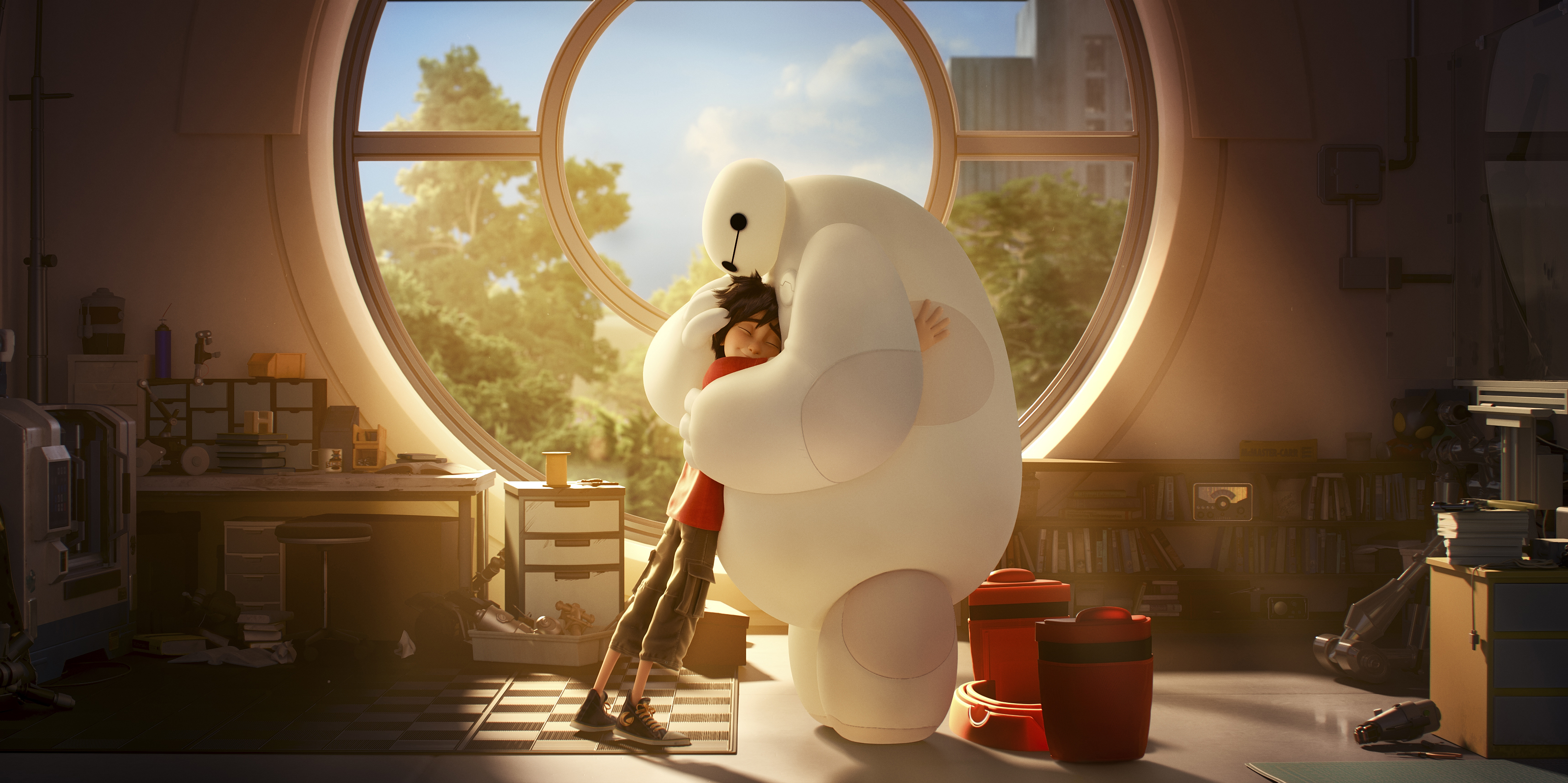
Heck, for all I know, in sixty years senior citizens might be plugged into Matrix-style computers to spend their final years in the comforting embrace of virtual reality. My own job as a nursing assistant might be outsourced to robots like Baymax from Big Hero Six. (I would be okay with that, honestly.)

If Baymax cared for me in my old age, I’m sure I would be satisfied with my care.

As another birthday comes and goes, and I inch ever closer to my inevitable demise, I can’t help but wonder what the future holds. If I reach the age of the folks at the nursing home, what will the world look like?

I’ll face the world one day at a time, I suppose. “Do not worry about tomorrow, for tomorrow will worry about itself. Each day has enough trouble of its own.”

Of course, it doesn’t hurt to plan ahead. I had better keep piling up canned food and clean water in case Trump wins this year’s election. In the wasteland, fortune favors the well-prepared.*


*For the record, all of my jabs at Donald Trump are in good fun, and not to be taken seriously. Please don’t deport me.

417. Working on Self-Respect

A while back, a resident of the nursing home where I work thanked me for helping her with something. “Sure thing,” I replied. “They don’t pay me to stand around looking grumpy, you know.”

The resident laughed, and I added, “I am pretty good at it, though. If being a grump were a paying profession, I’d be the best in my field.”

“Don’t say that,” said the resident, suddenly serious. “You’re too hard on yourself.”

I briefly considered explaining my tendency toward self-deprecating humor, but decided against it for two reasons. First, I had other people to assist. Second, the resident is in her nineties and can’t even remember my name, so an explanation didn’t seem worth the effort.

I like to make people laugh, and put-downs are an easy form of humor. Since other people are hurt by mockery, I mock myself. I don’t think there’s any harm in that. Heck, some of the people whom I admire most, including family members, poke fun at themselves all the time.

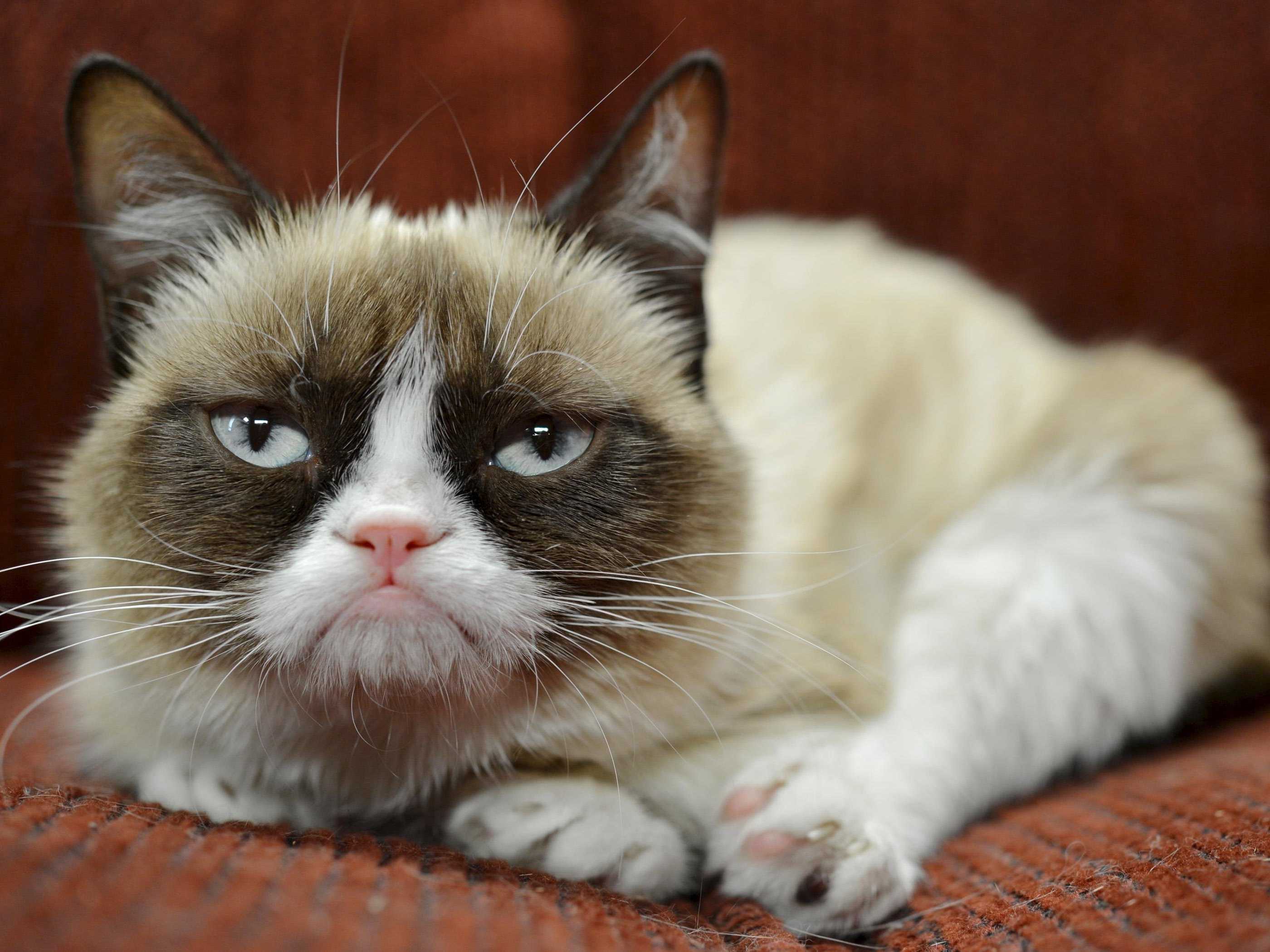
Taking a break

Besides, when it comes to cheerful self-deprecation, I’m an awfully easy target.

However, if I’m honest with myself, some small part of my self-deprecation is a response to low self-esteem. Poking fun at myself allows me to point out some of my own faults before anyone else gets the chance. It’s a way of telling others, “Look, I know I have problems. You don’t have to tell me. I already know.”

Low self-esteem seems to run in the family. Many of my relatives on both sides have struggled to maintain a sense of self-worth. Fortunately, however little a person might esteem or value himself, he can choose to respect himself. Self-esteem depends on mood or circumstances, but self-respect is a choice.

Self-respect is a powerful weapon for overcoming life’s obstacles. (Specifically, self-respect is a sharp katana blazing with purple flames… according to the movies, anyway.) I may not be able to wish away feelings of low self-worth, but I try to maintain self-respect in my day-to-day life.

How am I trying to maintain self-respect? Well, I’m glad I asked.

I’m trying to keep my home neat and clean.

In this chaotic, broken mess of a world, my home is the only place over which I have complete control. When I allow it to become cluttered or dirty, I feel like I’m losing what little respectability and self-discipline I have. I may sometimes feel like a mess, but I can at least make sure my immediate surroundings aren’t messy.

Oddly enough, I’m not even slightly bothered by the messiness of other people. Their clutter is their concern. Only my own messes bother me. When I stay in other homes, or other people stay in mine, I’m satisfied to keep my own stuff neat. It’s only when I become untidy that my self-esteem plummets.

I’m trying to keep myself neat and clean.

This is pretty much the same principle as the one above, but applied to my person instead of my surroundings. I don’t wear elegant clothes or obsess over my appearance. However, I do wear clean clothes that fit, match, and have no obvious rips, holes, or stains. I try to look respectable, and to smell clean. Heck, I even shave occasionally. Neatness and cleanliness are basic virtues, but important ones for maintaining self-respect.

I don’t look particularly nice, but I’ll settle for vague respectability.

I feel lazy and slovenly when I stop caring about my appearance. Even when I feel like a failure, I sure as heck don’t want to look like one.

I’m trying not to blame myself for things that aren’t my fault.

I tend to blame myself when things go wrong. After all, I have to blame someone, and I feel guilty blaming other people. Thus, when my car breaks down, or someone steals a package I ordered, or a person at work is rude, I assume it’s somehow my fault. I could have avoided it, right? I could have done something better, and I should have done it. This assumption makes it awfully hard to stay positive. I make enough mistakes without blaming myself for everything else.

As I blunder onward, I’m trying to be more rational in acknowledging that stuff isn’t always my fault—or at least, it isn’t always all my fault. In one of the Harry Potter books, as Dumbledore confesses a terrible mistake, he admits it was “almost entirely my fault—I will not be so arrogant as to claim responsibility for the whole.” There’s a lesson there.

I’m trying not to procrastinate.

Putting off commitments and responsibilities leaves me feeling stressed and guilty. Completing them promptly gives me a warm feeling of satisfaction, and allows me to feel ever so slightly more in control of my life. I’m trying not to procrastinate. I’m not really succeeding—I didn’t know what I was going to write for this post, let alone start writing it, until the day before it was due—but I sure am trying.

I’m trying to balance work and rest.

I feel stressed and helpless when I’m too busy, and anxious and guilty when I’m not busy enough. Both extremes damage whatever self-esteem I have. It’s when I reach a healthy balance of work and rest that I feel like a respectable, well-adjusted human being.

Are my attempts to maintain self-respect working? I think so, though it doesn’t always feel like it. Fortunately, self-respect isn’t a feeling, but a choice. However my self-esteem may rise or fall, I choose to believe I’m a worthwhile human being, and to act like one.

(I don’t have a flaming katana yet, but I’m getting there.)