194. The Trouble with Girls (in Video Games)

I am not a feminist. Heck, I couldn’t be a feminist even if I wanted to be. As I learned during my studies in college of literary criticism, the stricter philosophies of feminism disqualify men from being feminists. What a shame.

I may not be a feminist, but I do consider it my business to respect people. That said, I’m bothered by the way ladies are depicted in video games. Never mind touchy issues like gender empowerment—I’m talking about common courtesy.

Here are some of the problems with girls in video games.

Damsels in distress

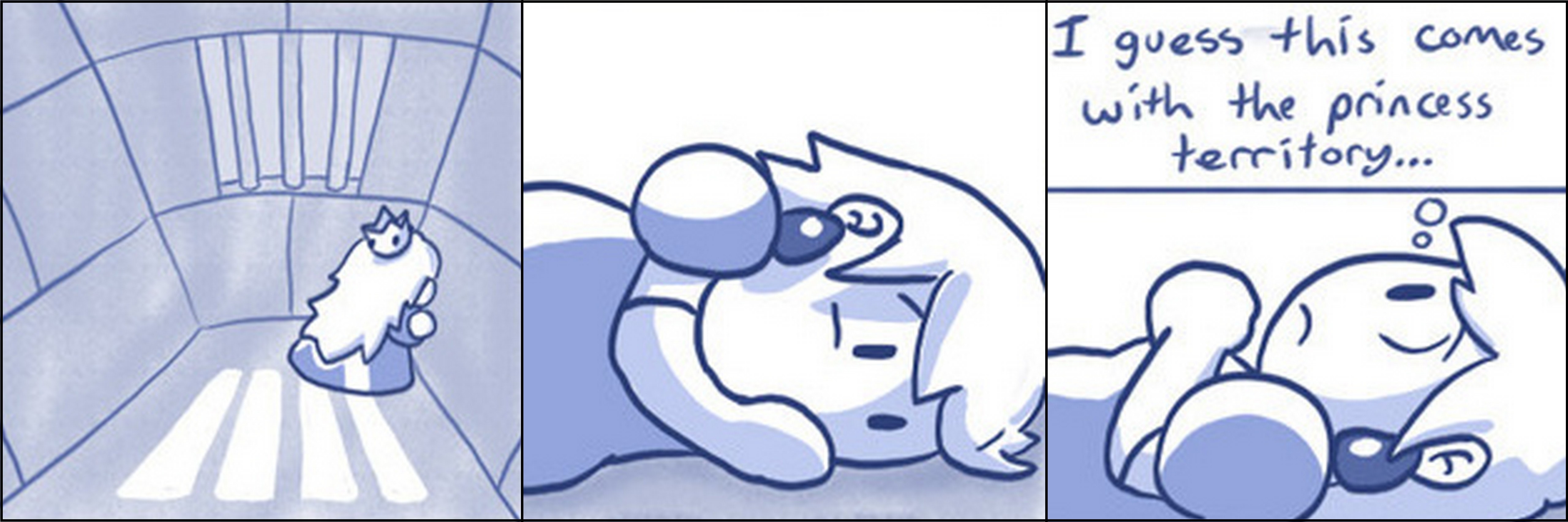
I just covered this trope in my last post. Ladies in video games tend to be helpless victims who must be rescued by male heroes. Now, this isn’t such a bad thing. Heroes clearly respect these ladies enough to risk their own lives rescuing them. Damsels in distress are also a wonderfully simple plot device. Need a story for your game? The princess was kidnapped and the hero must save her! No further details are needed; we have all the story we need.

Comic adapted from Brawl in the Family.

Art adapted from Brawl in the Family.

While the damsel in distress trope isn’t atrociously disrespectful, it does suggest women are powerless: all they can do is sit around waiting for strong men to rescue them. This implication is unfair. Intelligence, courage and strength are not limited by sex or gender.

I think the video game industry is getting better about this one. The Mario and Zelda series still feature damsels in distress, but Princesses Peach and Zelda have become clever, resourceful characters—they don’t just sit around waiting to be rescued. Meanwhile, female protagonists like Samus Aran from the Metroid series and Chell from the Portal games prove ladies can take care of themselves, thank you very much.

Sexual objectification

I’m not sure how to put this tactfully: ladies in video games tend to be… curvy. They’re often impossibly slim and buxom, and not particularly shy about showing it. These ladies tend to flaunt their curves, say flirtatious things and generally do things most self-respecting women don’t do.

There is nothing wrong with having an attractive character in a video game. Beauty is a good thing. Sexual objectification—stripping away a lady’s dignity and treating her as an object—is not a good thing.

(For the record, I also object to the sexual objectification of men in video games: those absurdly muscular, super-macho dudes who have no personalities and refuse to wear shirts.)

Treating a person as less than a person, as merely an object to be ogled, is utterly disrespectful—even if the person happens to be a video game character.

Chain mail bikinis

I’ve mentioned this one before. When male characters are completely covered by heavy armor, female characters wear… swimsuits and lingerie. (I’d cite examples to prove my point, but none of those pictures would be appropriate for this blog.) There is no tactical advantage for ladies to expose legs, midriffs or bosoms in battle. None.

Where are the heroines?

Not many video games feature ladies as the lead characters. There are a few, sure, such as the aforementioned Metroid and Portal games. For the most part, however, video game protagonists are men.

Why?

Does the video game industry believe all gamers are prejudiced males who won’t buy games with female protagonists? Does the video game industry think women are not as capable as men? Seriously, what gives?

O people of the Internet, what bothers you about video games? Let us know in the comments!

193. About Writing: Tropes

There is a website called TV Tropes, and it has gobbled up more of my time than I care to admit.

TV Tropes is a fascinating and highly informal collection of articles on tropes in storytelling. What are tropes, you ask? A trope is a recurring convention, element or device in a particular genre or type of fiction.

Take horror movies. I’ve never seen one all the way through, but even know that when the power goes out in a horror film, bad things happen to the person who goes into the basement to check the circuit breakers. Cabins in the woods are dangerous places to be in horror movies, and clowns are evil. We all know these things. They are tropes of the horror genre.

Although tropes are not necessarily good or bad, they can easily degenerate into clichés—conventions that are overused and become trite.

Take the damsel in distress trope: the convention of a female character (often a princess) being rescued by a male character. This trope is everywhere. Consider the Star Wars films, or games in the Mario and Zelda series, or pretty much any animated film produced by Disney. Princesses Leia, Peach, Zelda, Jasmine and Rapunzel are all bona fide damsels in distress.

(I laughed when, in a recent Legend of Zelda game, Princess Zelda—a character descended from a long line of damsels in distress—told the hero, “I will wait for you here. That’s what princesses have always done. From what I understand, it’s kind of a family tradition.”)

While tropes can easily become clichés, they can also be subverted or inverted in clever ways. What happens when the damsel in distress escapes on her own? What if the damsel rescues the hero?

Defying tropes is a wonderful way to surprise readers. We all expect specific things from certain kinds of stories, and it’s a delightful shock to have our expectations shattered.

We’re all familiar with bad guys. Whatever else they may be, they are… well… bad. The trope is simple. Villains are evil. Bad guys are bad. It’s common sense.

Right?

Quite a number of recent films disagree. Despicable Me and Megamind turn villains into good guys. Dr. Horrible’s Sing-Along Blog goes a step farther, making a bad guy out of a “good” superhero. Disney’s Wreck-It Ralph stars a video game villain who decides he wants to be the good guy for a change.

These films toy with our preconceived ideas about heroes and villains, blurring the lines between our notions of “good” and “bad” characters. These films are also tons of fun to watch.

If you’re writing a story, ask yourself: “Has this been done before?”

Working tropes into your story isn’t a crime; some tropes are so general there’s practically no escaping them. In many cases, however, a story can be much improved by avoiding—or defying—the expectations set by all the stories that came before.

191. TMTF’s Top Ten Weapons in Video Games

I love video games. I enjoy making top ten lists. Finally—despite my loathing for real-life violence—I like weapons.

This blog post was inevitable.

This top ten list, which includes weapons only from games I’ve played, defines a weapon as an object used to inflict damage on someone or something in a video game. Power-ups, vehicles and powered armor suits don’t count. (Sorry, Samus.) Weapons that originated in media apart from video games, such as lightsabers from Star Wars or the golden gun from James Bond films, will not be included.

Duck for cover, ladies and gentlemen, as TMTF presents…

The TMTF List of Top Ten Weapons in Video Games!

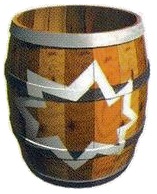
10. Barrel Cannon (Donkey Kong series)

Barrel Cannon

What’s more devastating than heavy artillery? Why, heavy artillery that fires gorillas, of course! The barrel cannon can be used not only as a form of transportation for Donkey Kong, but also as a way to turn the ape into a high-speed projectile. If only it fired sharks…

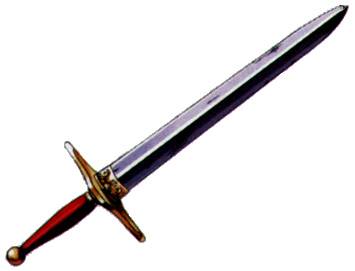
9. Masamune (Chrono Trigger)

Masamune

This legendary sword, the blade of a brave knight who, er, also happens to be a frog, is a powerful and storied weapon despite its plain appearance. It carries tremendous sentimental value for its amphibious owner. Finding and repairing the Masamune is a major feat, requiring the game’s heroes to travel through time from prehistory to the modern age. Later in the game, a sidequest unlocks the sword’s full potential and transforms it into an extremely powerful weapon.

8. Satellite Gun (Shadow the Hedgehog)

Satellite Gun

Shadow the Hedgehog is a terrible game. Apart from its bad level design, lousy writing and atrocious acting, the game is a poor attempt to make the bright, whimsical Sonic series seem dark and gritty. There is at least one good thing about this game, however: the Satellite Gun. This weapon, which looks a bit like a television remote, uses a targeting system to lock onto enemies and signals an orbiting satellite to annihilate them with a freaking laser beam from outer space. That’s cool.

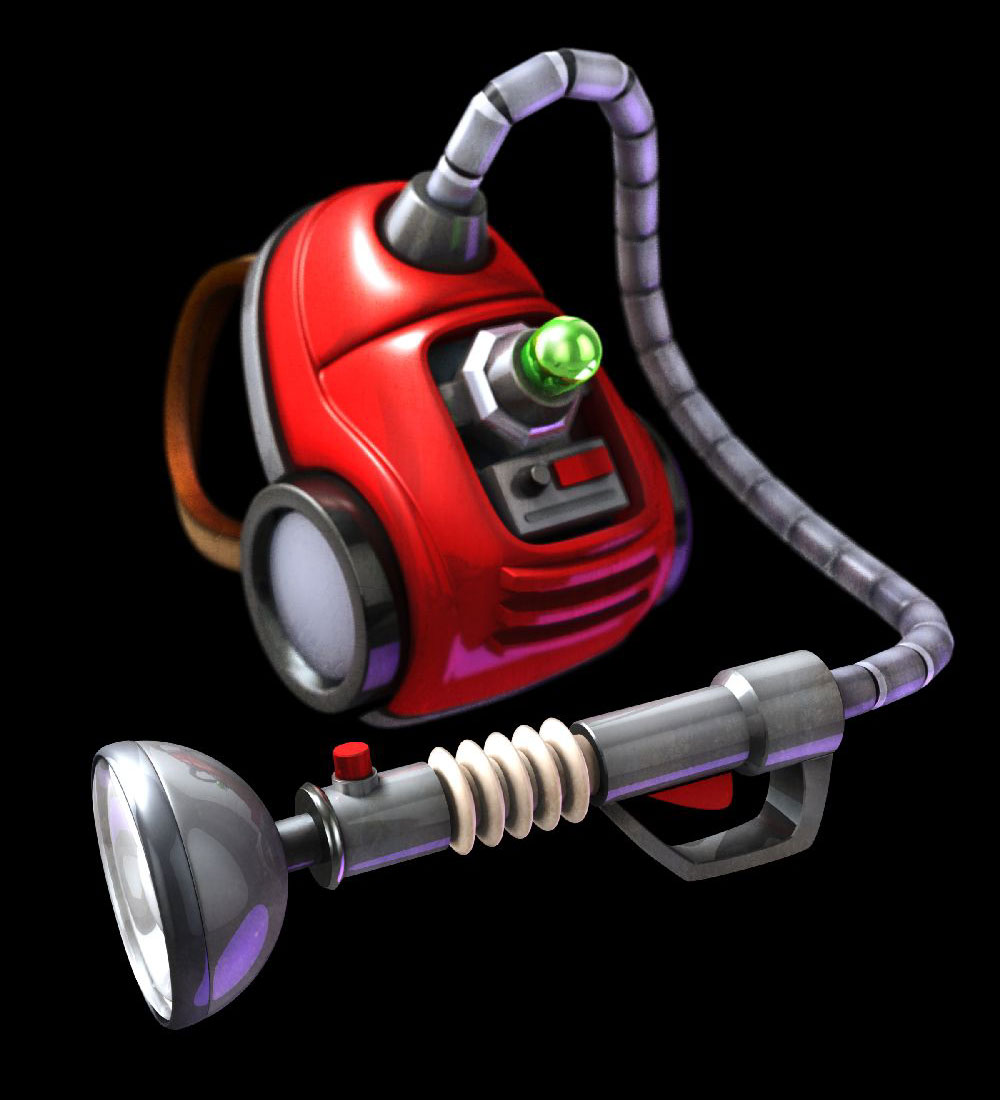
7. Poltergust 3000 (Luigi’s Mansion)

Poltergust 3000

This is a vacuum cleaner that sucks up ghosts, used by Luigi to rescue his brother Mario from a mansion teeming with spooks. (The image above is actually an advanced Poltergust from another game, but I’ve used it for this list because it’s much cooler than the original model.) Besides trapping phantoms, the Poltergust 3000 is capable of collecting cash from hard-to-reach nooks and blasting foes with fire, water or ice. All this begs the question: Who you gonna call?

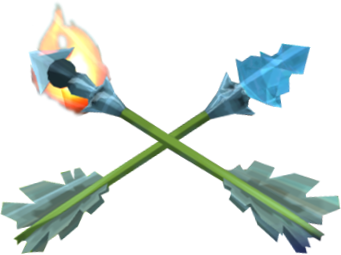
6. Enchanted Arrows (Legend of Zelda series)

Enchanted Arrow

Bows and arrows are pretty neat, but the Legend of Zelda series offers several variations thereupon that are nothing short of awesome. Players can use the three standard varieties of magical projectiles—fire, ice and light arrows—not only to damage enemies, but also to solve puzzles and navigate environments. Fire arrows burn away obstacles. Ice arrows freeze water, creating solid platforms for a player to cross. Light arrows activate switches to flip one particular dungeon entirely upside down, turning ceilings into floors and sky into an endless abyss. Bomb arrows (which are, yes, arrows with bombs attached) are cool, but enchanted arrows are nothing short of amazing.

5. Portal Gun (Portal series)

Portal Gun

The Aperture Science Handheld Portal Device, also called the portal gun, is capable of creating interdimensional portals on flat surfaces. Enter into one portal and you instantly exit the other. (Here’s a thirty-second video to demonstrate how it works.) Used correctly, the portal gun can harness physical laws like momentum and gravity to destroy enemy targets. Used incorrectly, the portal gun can use those physical laws to destroy the player. Look before you leap!

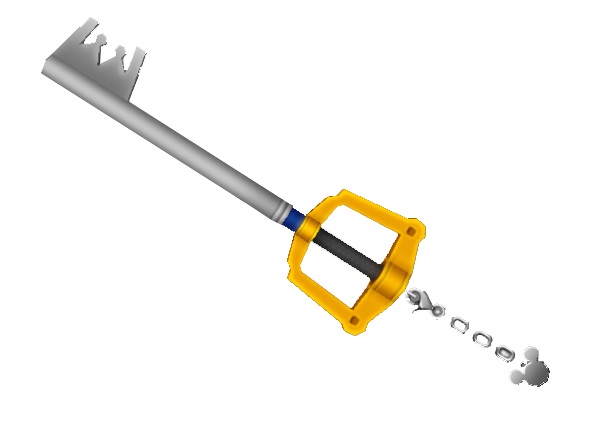
4. Keyblade (Kingdom Hearts series)

Keyblade

I’ve already shared my thoughts on this one, so I haven’t much to add. This creative, unorthodox weapon plays a huge role in the story of the Kingdom Hearts games. The Keyblade is transfigured into a new weapon by each token (keychain?) attached to its handle, and it can channel all kinds of magical abilities. Most importantly, the Keyblade is useful for smashing things.

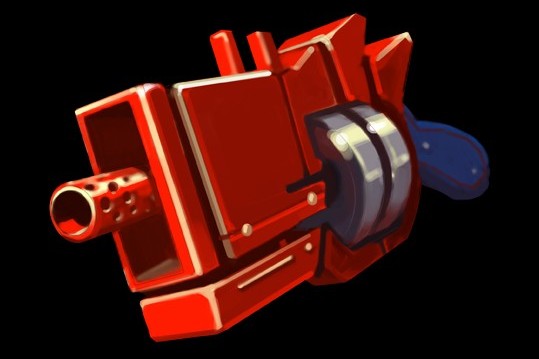
3. Machine Gun (Cave Story)

Machine Gun

Indie classic Cave Story transforms a generic firearm, one that is practically a video game cliché, into one of the most empowering weapons I’ve ever used in a game. The machine gun’s rapid rate of fire is handy for mowing down enemies, but the weapon’s greatest value lies in its navigational uses. Fully upgraded, the machine gun functions as a jet pack when fired toward the ground, giving the player the power of flight. Awesome.

2. Buster Sword (Final Fantasy VII)

Buster Sword

Look at this sword. Look at it. Tetsuya Nomura, the artist who designed this weapon, referred to it as “the giant kitchen knife.” Its blade is freaking huge. The Buster Sword has no special attributes besides two circular slots for Materia (crystallized magic) that enable its wielder to cast spells. No, the weapon’s true worth is in its sentimental value. For Cloud Strife, to whom it belongs, it symbolizes the self-sacrifice of its former owner. For players everywhere, it represents a glorious, bygone era of role-playing games.

1. Master Sword (Legend of Zelda series)

Master Sword

This is it. The Master Sword. The Blade of Evil’s Bane. This is the iconic weapon that has become synonymous with the Legend of Zelda series, itself a legendary success of the video game industry. I can think of no other video game weapon with such a wealth of lore or backstory. Depending on which game you play, the Master Sword harbors a beneficent spirit, alters the flow of time or seals away the corrupting influence of evil. No matter which game you play, the Master Sword is one heck of a weapon.

O people of the Internet, what great video game weapons would you add to this list? Let us know in the comments!

178. TMTF Reviews: Hyrule Historia

As an avid gamer, I love the Legend of Zelda series. Its charming blend of adventure, exploration, combat, quirky humor and killer chickens is truly amazing. When Hyrule Historia—a book released to celebrate twenty-five years of Zelda—hit Western shores, I was quick to snag a copy.

Is Hyrule Historia a worthy celebration of one of the greatest legends in the gaming industry, or is it merely a mediocre mess of video game trivia?

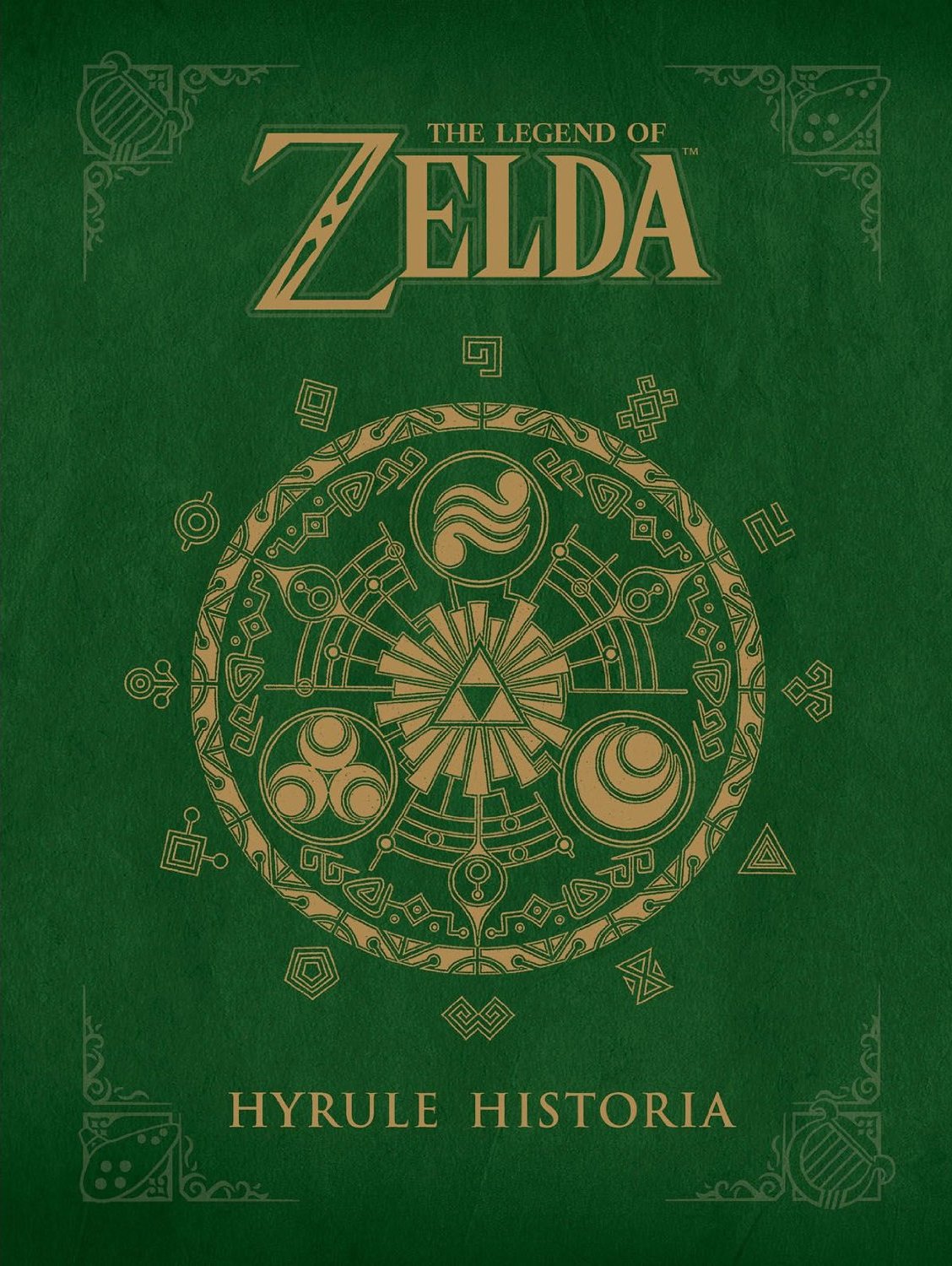
Hyrule Historia

As I expected, Hyrule Historia is a must-have book for anyone interested in Zelda: beautifully designed and packed with fun stuff for fans of the series.

I was surprised at the size of the book. For the price (about twenty dollars) I had expected something fairly small. Hyrule Historia is a whopping great hardback, about the size of my high school yearbooks and a bit thicker. The cover design is glossy and elegant. I’d totally put the book on my coffee table if, you know, I had a coffee table.

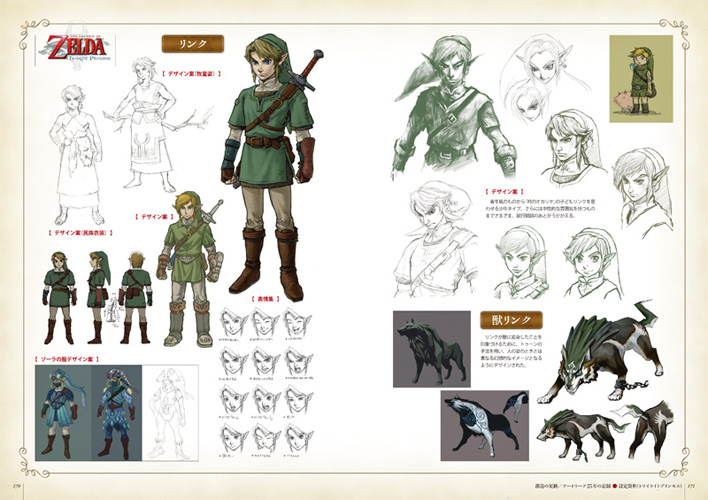
Hyrule Historia has two great assets. First is its vast wealth of concept art, reproduced in vibrant color. Second is its complete history of Hyrule, the world in which Legend of Zelda games take place. The official timeline of the games in the series—a subject of endless debate among fans and a mystery for more than two decades—is finally unveiled, along with detailed and precise (if slightly inconsistent) synopses for the games and explanations of what happens between them.

I found this pseudo-history almost as fascinating as the actual history of the series, chronicled in artwork and notes spanning twenty-five years. From the moment a strange old man handed Link a sword to Link’s latest adventure in the skies, it’s all there.

These pages are taken from the Japanese version of the book; I couldn't find images of the English version.

These pages are taken from the Japanese version of the book; I couldn’t find images of the English version.

A brief manga (Japanese comic) concludes Hyrule Historia: an exciting end to a thoroughly interesting book.

The writing in Hyrule Historia is rather weak, but that hardly matters since the book’s value is in its beautiful artwork and fascinating trivia. The thing that really puzzles me is the diffidence of the writers. They seem strangely uncertain. In describing the history of Hyrule and the development of the Legend of Zelda series, they often use phrases such as perhapsit seems and it is thought that. I expected the official guide to the Zelda series to seem a little more… official.

Strangers to Zelda won’t find much to interest them in Hyrule Historia. For fans of the series, however, the book is an absolute treasure. And you don’t even have to conquer a dungeon or defeat a boss to get it!

174. TMTF’s Top Ten Hats in Video Games

I recently learned of an indie game titled Fez. The game’s protagonist wears a fez, presumably because fezzes are cool. (We all know this.) This game reminded me that characters in video games have some pretty sweet hats.

As a gamer, blogger and proud owner of several hats, I believe it’s my solemn duty to decide which video game hats are the best.

The following rules apply: I’ll choose hats only from games I’ve played, and I’ll select no more than one hat from any game series. Only original video game hats are permitted: no hats from licensed characters like Indiana Jones or Donald Duck. Hoods, helmets, headbands, ribbons and all headgear except hats and caps are disqualified from this list.

Now, ladies and gentlemen, hats off as TMTF proudly presents…

The TMTF List of Top Ten Hats in Video Games!

10. Quote’s Baseball Cap (Cave Story)

Quote's Baseball Cap

Quote, the amnesiac hero of indie classic Cave Story, manages to look quite heroic in a simple baseball cap. The hat isn’t particularly fancy or elegant, but its bright white and red design helps Quote’s pixelated figure stand out against the muted blacks and browns of Cave Story‘s subterranean locales. On an entirely different note, do the buttons on Quote’s hat remind anyone else of Mickey Mouse’s shorts?

9. Cormano’s Sombrero (Sunset Riders)

Cormano's Sombrero

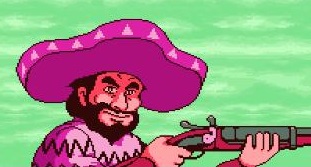
This Mexican gunslinger, who has been described as “either groundbreakingly inclusive or an offensive stereotype, take your pick,” is a playable character from Sunset Riders for the SNES. The game consists mostly of shooting stuff. Cormano’s skill with a rifle is belied by his sombrero, which is colored bright magenta and shaped like a taco. Never has the Old West been so fabulous!

8. Shadi Smith’s Pork Pie Hat (Apollo Justice: Ace Attorney)

Shadi Smith's Pork Pie Hat

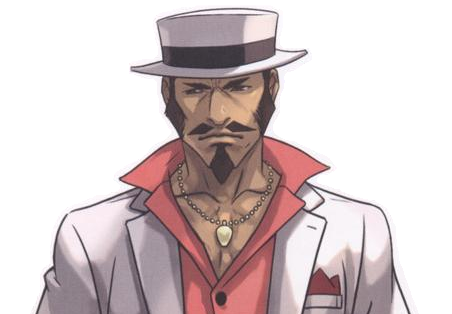
Not since Buster Keaton has anyone looked so good in a pork pie. Despite being a shifty character with questionable ethics, Shadi Smith is a really sharp dresser. There are many fantastic hats in the Ace Attorney series, from magician’s top hats to policewomen’s berets, but none seems more stylish or elegant than Shadi Smith’s classy pork pie hat.

7. Carmen Sandiego’s Fedora (Where in the World is Carmen Sandiego?)

Carmen Sandiego's Fedora

As a child, I played Where in the World Is Carmen Sandiego? on my family’s ancient black-and-white Apple Macintosh. (I’m pretty sure the above picture of Ms. Sandiego comes from another game in the series, but it’s the best I could find.) It was educational gaming at its finest: besides learning about geography and national flags, I got a taste of fashion from Carmen Sandiego’s criminally fabulous fedora.

6. Red’s Baseball Cap (Pokémon FireRed)

Red's Baseball Cap

This one was a toss-up between the hats worn by Red from Pokémon and Ness from Earthbound. Red won because his baseball cap is quite a bit cooler. (Besides, Red’s cap in the original Pokémon Red was the inspiration for Ash Ketchum’s iconic hat in the Pokémon anime.) Like Quote, Red takes a common item of casual apparel and makes it seem dashing and even heroic.

5. Agent Chieftain’s Stetson (Elite Beat Agents)

Agent Chieftan's Stetson

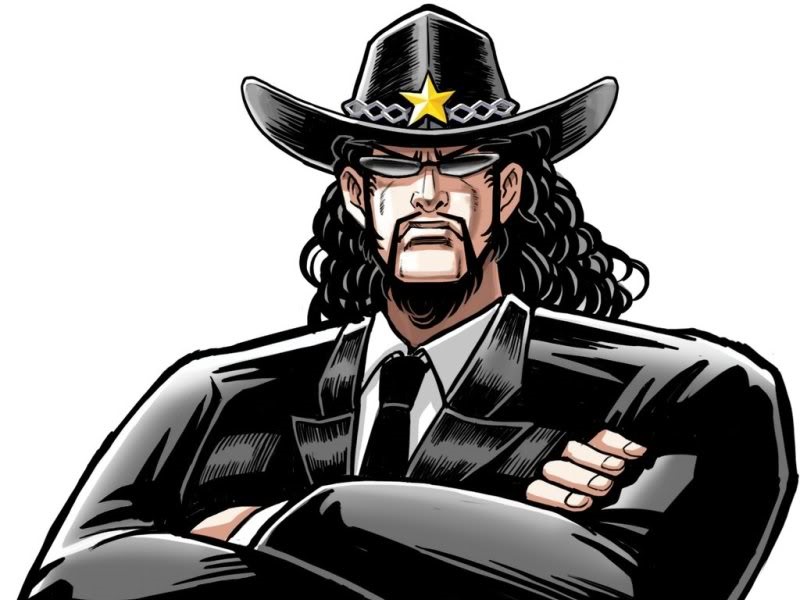
Elite Beat Agents is a wonderful rhythm game for the Nintendo DS in which government secret agents assist people in desperate need by invoking the inspirational power of song and dance. (Yes, the game is every bit as weird—and awesome—as it sounds.) Agent Chieftain, a senior agent of the Elite Beat Agency, flaunts a flashy Stetson that adds a dash of cowboy flair to his plain suit and tie.

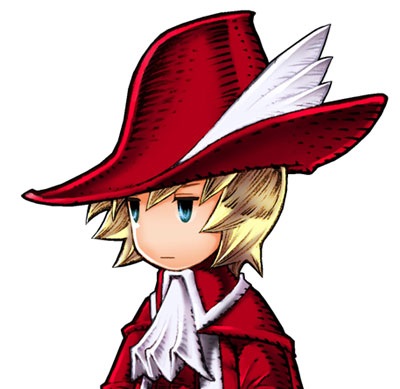
4. Red Mage’s Wizard Hat (Final Fantasy III)

Red Mage's Wizard Hat

Although the Black Mages from the Final Fantasy series have neat hats, the Red Mages earn this place on the list with their gorgeous crimson hats adorned with snowy feathers. Other Final Fantasy characters have clunky helmets, dull hats or plain hoods. Red Mages alone uphold the lofty standards of fashion while defending their worlds from demons, dragons and other monsters.

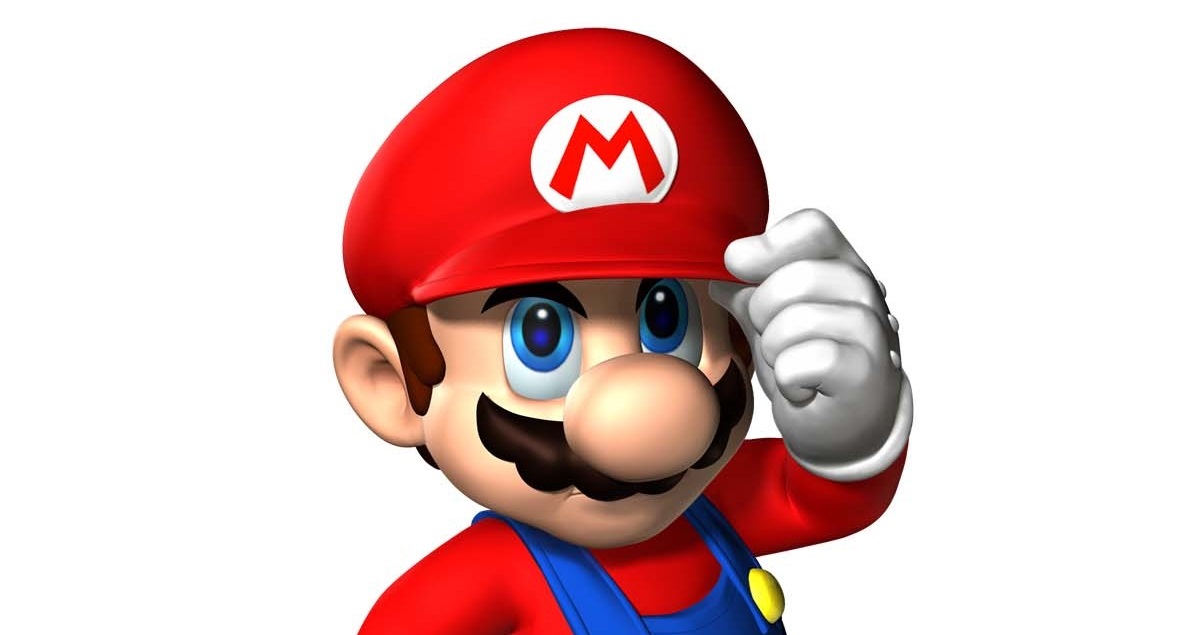
3. Mario’s Flat Cap (Super Mario 64)

Mario's Flat Cap

How could I not include Mario’s cap? It’s indisputably the most famous video game hat in the world, and definitely one of the neatest. Mario’s cap from Super Mario 64 deserves special mention for giving Mario superpowers, including flight. Few things in video games have been more fun for me than soaring around the game’s locales with Mario’s winged cap. Like its owner, this hat is remarkable.

2. Professor Layton’s Top Hat (Professor Layton and the Curious Village)

Livewire-AGE

I have absolutely nothing to add.

1. Link’s… Cap? (The Legend of Zelda: The Minish Cap)

Link's... Cap

Link’s cap is one of the most iconic elements of the Legend of Zelda series. It’s instantly recognizable—seriously, how many legendary heroes wear green pointed caps? Link achieves an incredible feat in every Zelda game by looking cool in a hat that wouldn’t seem out of place on one of Santa’s elves. As much as I like it, I wouldn’t give Link’s cap the number one spot on this list if it weren’t for one detail: it talks. In The Legend of Zelda: The Minish Cap, Link is joined on his quest by Ezlo, an enchanted hat who gives advice, grumbles, cracks jokes and turns out to be one of the most engaging characters in the entire Zelda series. For its iconic status, surprisingly cool appearance and amusing dialogue—I can’t believe I’m saying this about a hat—Link’s cap is TMTF’s pick for the best hat in a video game.

O people of the Internet, what great video game hats would you add to this list? Let us know in the comments!

165. Wishing I Had My Own Theme Music

This Monday, March 4, is Be Nice to Someone on the Internet Day. That said, follow the good (or bad?) example of Scar from The Lion King and be prepared!

People in video games get their own theme music. I envy them.

Take Princess Zelda from the Legend of Zelda games. She has a wonderful musical theme. Seriously, check it out on YouTube. It’s beautiful. The soft, lovely notes of this song reflect Zelda’s character: kind, pure and gentle.

On the other end of the scale we have charming psychopaths like Sephiroth, a truly daunting villain. His musical theme is… not beautiful. It’s actually kind of terrifying. Somewhere between the chanting choir and the screaming guitars, the player gets a strong impression that Sephiroth is not a nice person.

I wish I had a leitmotif, my own personal musical theme that accompanied me everywhere. I would, of course, want to be able to switch it on and off at will. An epic musical theme might not be the best thing to have, say, during a church service.

If I could have my own theme music, here are a few possibilities.

“I Can Do It When It Counts, Pal!”

Dick Gumshoe is an incompetent, good-natured, ramen noodle-munching detective from the Ace Attorney games. This upbeat arrangement of his musical theme is simply fantastic. (Seriously, just listen to dat bass.) I’m generally a cheerful person, so I think the song fits. Besides, I really like ramen noodles.

“Detective Conan Theme”

This song is similar to the last one, but bigger and more exciting. The exuberant bass is toned down and replaced with cheerful brass, epic strings and (why not?) some electric guitar. I’m no detective, but I wish this theme were mine.

“Skyrim Theme”

All right, I admit it. I included this song simply because it’s awesome. It doesn’t fit my personality at all, but I still kind of wish it were my leitmotif. Honestly, who wouldn’t?

“BRODYQUEST”

Yes, I’m joking. Well, sort of joking.

If you could have your own personal musical theme, what would it be? Let us know in the comments!

141. Let’s Make Better Christian Video Games

It’s a bitter truth, but we must face it bravely.

Christian video games stink.

Almost without exception, Christian video games are cheap knockoffs of mainstream video games. Christians have made superb contributions to practically every other medium in the world—art, music, literature, film—but not video games.

Why is this?

Well, there are lots of reasons. Video games require money to make, and Christians are a minority demographic in the video game industry. It’s more profitable to make games for larger audiences. More to the point, most Christian video games seem to be made by developers with good intentions, microscopic budgets and practically no experience. The fact that Christian video games tend to be derivative, preachy and poorly designed doesn’t help.

Perhaps the greatest problem is that Christian game developers often focus too much on the message of the games. (This may sound blasphemous, but please hear me out.) Other media can focus primarily on message and succeed, but video games are different.

Video games are built upon gameplay, the way a player interacts with the game. Elements like story, theme and message are secondary. The Mario games, which are amazing, feature the same story over and over again: rescue the princess from the bad guy. Many excellent games have no message—they’re simply entertaining. Even games like Portal and Bioshock with clever plots, deep themes and well-developed characters work only because they are fun to play. For a video game to have a compelling message, it must first have good gameplay.

That’s where Christian video games seem to fail. No matter how good their messages, these games are too flawed for any gamer to care. A video game must succeed as a video game before it can succeed as anything else.

How can we fix Christian video games? Listen up, Christian video game developers. (You all read this blog, right?) I’ve got some suggestions for you.

Focus on gameplay. Don’t preach. Let the game captivate the player with its excellence before introducing profound messages. Put together an adequate budget before starting development. Work with experienced developers. Did I already advise you not to preach? Borrow—but don’t steal—elements from other games. Get lots of feedback. Market your game cleverly and extensively to both Christian and mainstream demographics.

You still need ideas? All right, here are a few concepts for Christian video games that might actually be worth playing. When you make one of these games, just list me in the credits as Creative Consultant.

Underground

Genres: action-adventure, open world, stealth

Influences: Assassin’s Creed series, Metal Gear Solid series

It is the dawn of the fourth century A.D. Diocletian, Emperor of Rome, has intensified the persecution of Christians: burning sacred texts, leveling church buildings and brutally executing Christian leaders. In this time of terror and darkness, a young Christian—let’s call him Socrates—volunteers to be a courier, delivering urgent messages and carrying out secret missions for underground churches.

Underground would borrow much from Assassin’s Creed with its emphasis on historical details, roaming a vast environment and sneaking around without getting caught by the bad guys.

Unlike Assassin’s Creed, the focus of the game wouldn’t be assassination. Socrates would parkour his way around Rome and the surrounding country: clambering over rooftops, creeping through sewers, clinging to the undersides of chariots and generally getting from Point A to Point B without getting caught. (Socrates would also avoid detection by hiding in clay jars, Solid Snake-style.) Since the early church frowned upon murder, killing an enemy would be an instant Game Over. Socrates would have to find creative, nonlethal methods for incapacitating his foes.

Add a story rife with intrigue, betrayal and excitement, and Underground could work.

Pilgrim’s Progress

Genres: RPG, action-adventure

Influences: Legend of Zelda series, Final Fantasy XII, God of War series

The plot of John Bunyan’s classic allegory is perfect for a video game: an unlikely hero sets out on a quest, receives a sword, fights monsters, traverses dangerous environments and finally reaches a happy ending.

Pilgrim’s Progress would give players the choice of playing as either Christian or Christiana. Setting out from the City of Destruction, the player would follow a mostly linear path through exotic locales like the Slough of Despond and the Valley of the Shadow of Death, defeating enemies, solving puzzles and collecting treasures along the way. The ultimate goal? The Celestial City, a place of safety and rest.

The game would include RPG elements like experience points and leveling up, and equipment could be upgraded. Special weapons and tools would be used for combat and puzzle-solving. (Who wouldn’t want to use the Staff of Moses to cross a heretofore impassible river, or the Light of the Word to illuminate a dark cavern?) Progress would be recorded at Save Points. These would also provide a feature called Pilgrim’s Journal, which would allow the player to revisit areas explored previously. (This feature would keep the player from physically backtracking, which is antithetical to the plot of Pilgrim’s Progress.)

The story would have to be tweaked a bit, of course. Although there are one or two “boss battles” in the original allegory, I suggest adding more. For example, there really ought to be a final boss battle right before the player crosses the River of Death to reach the Celestial City. Perhaps Christian (or Christiana) could confront his (or her) greatest fear or worst temptation or something.

Gun for Hire

Genres: third-person shooter, adventure

Influences: Resident Evil 4, Ace Attorney series

Daniel Grey is a private investigator whose tiny office is a mess. A worn duster is draped over the back of his chair. Across his desk are scattered a revolver, a fedora, a Bible and a cup of coffee. When a businessman comes begging him to recover his kidnapped daughter, Grey has only one condition: “Nobody dies.”

As a third-person shooter, Gun for Hire would have plenty of shooting. Grey would venture into some pretty shady places, and bullets would fly. As with Underground, however, killing an enemy would mean an instant Game Over. The game would challenge the player to find creative uses for firearms. When shot, certain pipes would vent clouds of steam to blind foes. A well-aimed bullet would bring a shelf crashing down on an unsuspecting criminal, and shattering a dog’s chain would set it free to chase away potential threats. Of course, a pragmatic player could simply shoot to injure enemies, or knock them out with a blackjack and leave them tied up in a closet.

The game would also focus on investigation, allowing players to examine areas for clues. Important things—facts, documents and miscellaneous items—would be filed away as clues. Aligning the right clues would lead to conclusionsClues and conclusions would be used as keys to unlock answers in conversations with suspects, eventually leading to each mystery’s solution. Gun for Hire would balance exploration and shooting with investigation and perhaps a few puzzles.

The cases in Gun for Hire would be part of an overarching story involving a criminal conspiracy. The game would be set in a big city, probably in the early twentieth century. Daniel Grey would be a Wanderer-Hero with a strong faith, a kind heart, a quick wit and a tragic past. (Why does he drink so much coffee? Is he sublimating a craving for drugs or liquor into a harmless addiction, or simply using the buzz of caffeine to distract himself from some painful memory?) Strong gameplay, clever writing and good acting could make Gun for Hire a great game.

Will some experienced developer please make a good Christian video game? Someone? Anyone?
118. Video Game Clichés

Video games operate by their own quirky rules, most of which differ wildly from real life. Consider how Mario, a portly plumber with short legs, can jump roughly ten feet into the air without a running start. In real life, Mario might manage ten inches, but not much more.

Many of these strange video game rules have become patterns repeated over the years, and some of these patterns have been worn to clichés. Here are just a few.

Spikes

In video games, deadly spikes are everywhere. A villain’s lair? Spikes. An ancient castle? Spikes. An ordinary meadow? Spikes. Along with bottomless pits, spikes are the standard obstacle in video games.
It would be nice to see some alternatives to spikes. Electric fences, perhaps? Buried explosives? Buckets of piranhas?

On a logistical note, I wonder who installs spikey obstacles in video games. Maybe villains outsource to construction companies for spike installations.

Big swords

I’ve already written about this one, and I don’t really have anything to add except for one brief observation: they may be clichéd, but huge swords are awesome.

Revealing outfits

Ladies in video games often wear tight, revealing outfits. Even when male warriors are clad from head to foot in heavy armor, females charge into battle with bosoms, legs or midriffs exposed. There may be some significant tactical advantage to fighting in a swimsuit, but I can’t imagine what it might be.

Death as a temporary condition

Unlike real life, in which death is permanent, many video games present death as a temporary affliction—much like the common cold. Administer a one-up mushroom, some phoenix down or a fairy in a bottle, and death is cured.

Variations include reviving characters through magic, time travel, advanced science or some other implausible means. Another version of this cliché is to fake the death of important characters.

Not to be cruel, but it’s always a bit of a relief when characters actually die. You know, permanently.

Puppet villains

Too many video game bad guys are revealed to be pawns controlled by greater villains. It’s almost more surprising to me when there’s no unexpected plot twist and the obvious villain turns out to be the bad guy after all!

Ice levels

There’s even a song about this one.

Cheerful, perky sidekicks

From a storytelling perspective, giving the hero a happy, optimistic companion makes sense. Such sidekicks can provide comic relief, act as a foil to more serious characters or brighten the mood of scenes that might otherwise be too bleak.

Even so, I’m tired of cheerful companions. I want a cynical sidekick: one who is pessimistic, sarcastic, gloomy, unsentimental and dryly humorous.

Breaking and entering

People in video games don’t seem to mind you entering their houses and stealing their stuff. As the hero of the game, you’re permitted trespass on private property and take whatever items are left conveniently lying around.

Link, the hero from the Legend of Zelda games, is notorious for smashing pots belonging to other people in his relentless search for cash. Almost every RPG I’ve ever played allows the player to loot the homes of innocent civilians.

What video game clichés have we missed? Let us know in the comments!

99. Pencil Drawings

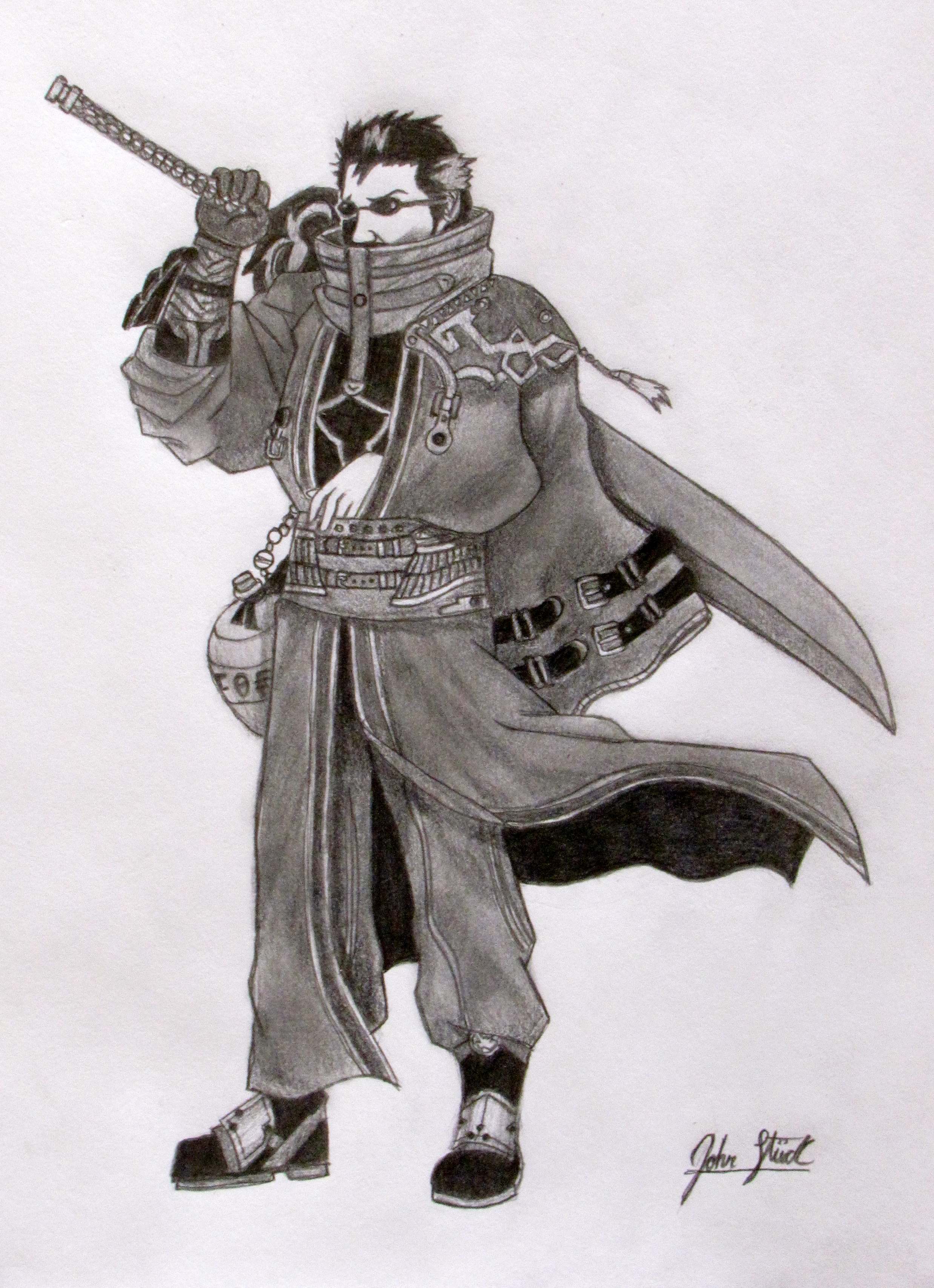
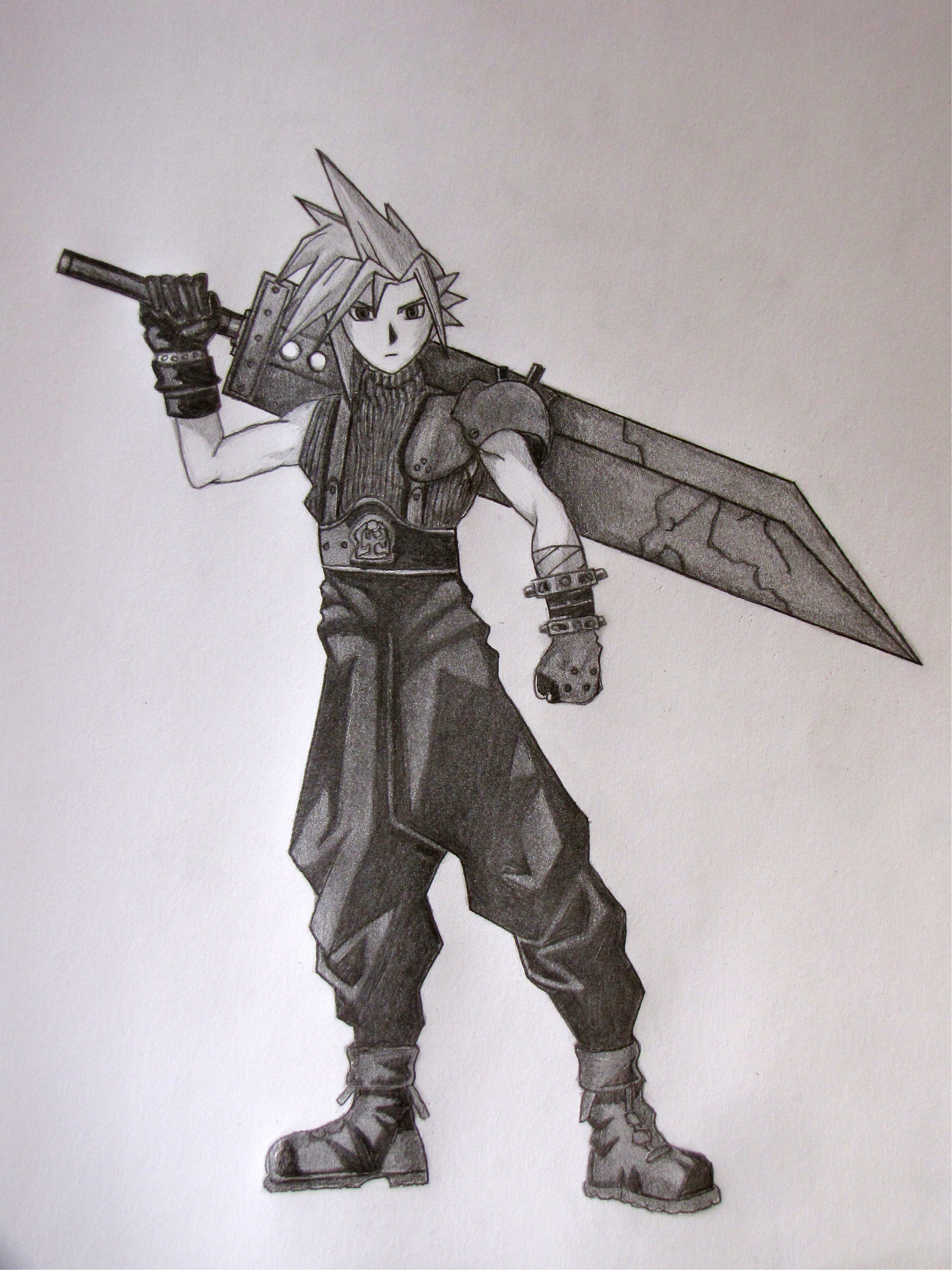
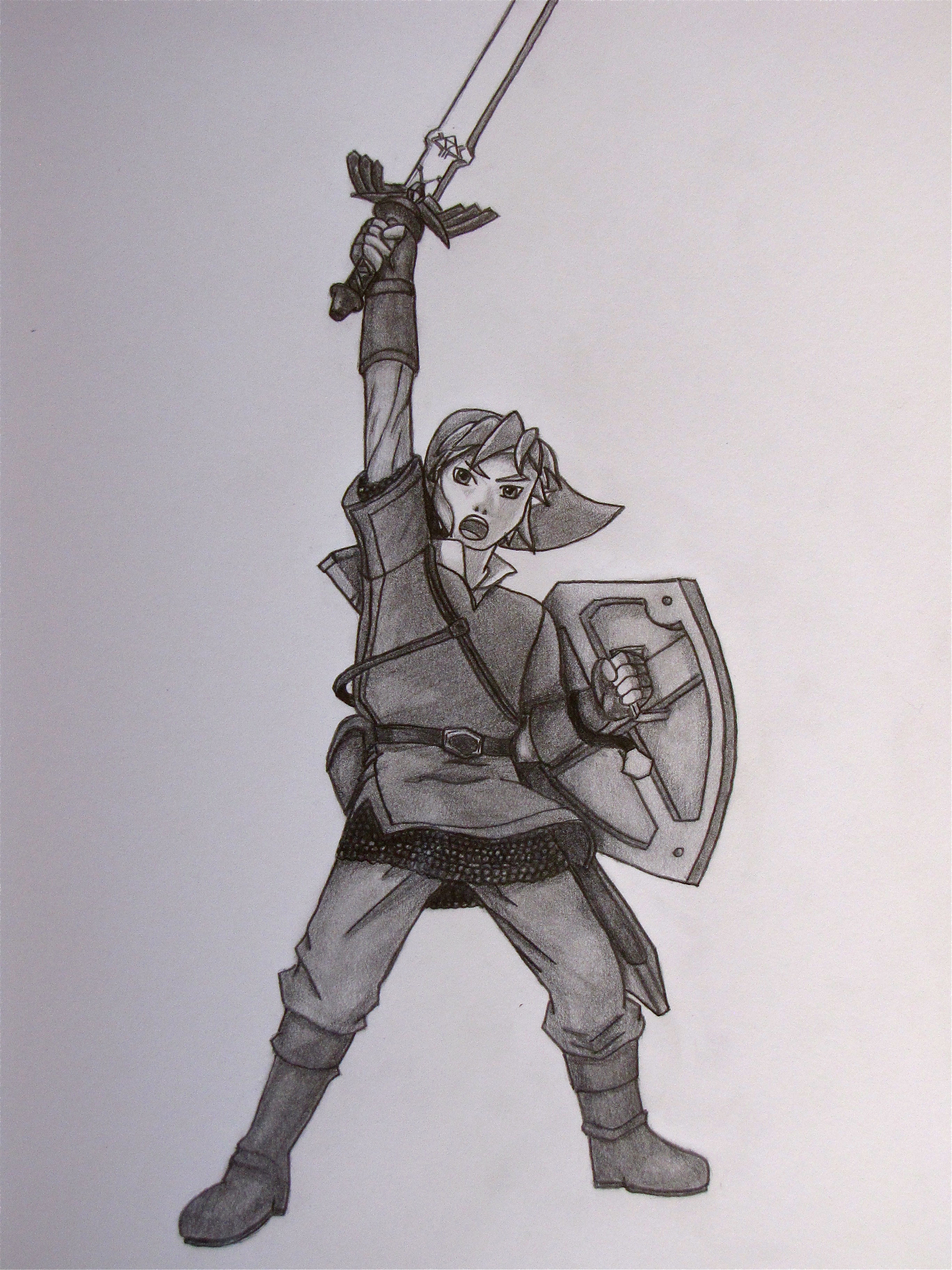
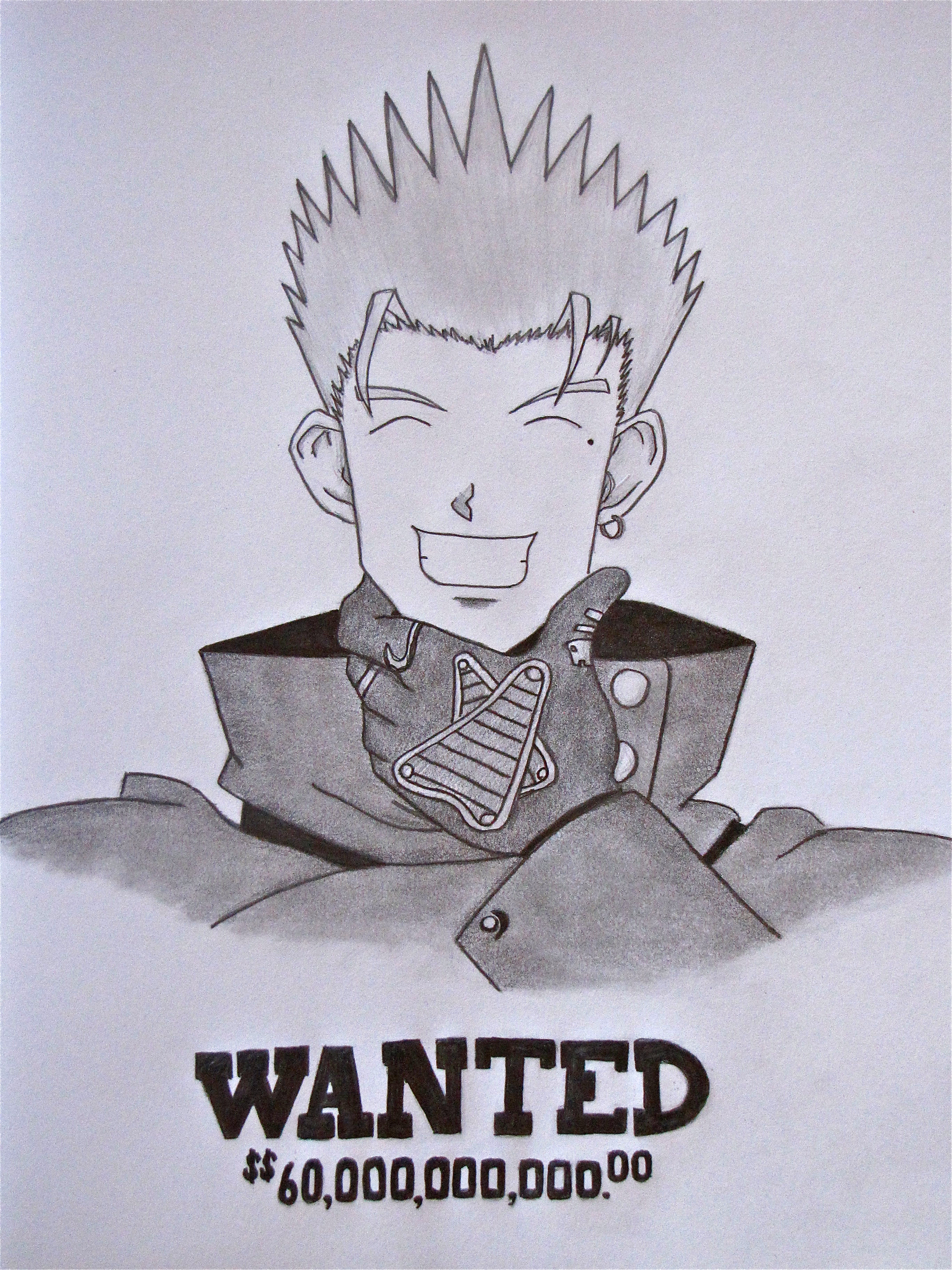
My old man is a great artist, and his portrait of my typewriter monkeys at work—work being a relative term—graces TMTF’s banner. Sadly, neither I nor my older brother inherited any of my old man’s artistic skill. My younger brother, however, is turning into an excellent artist, and I’m proud today to share some of his work. Check out his deviantART page for more awesome artwork!

I’m not sure why he needs the sunglasses or the sake jug, but Auron is one cool dude.

This excellent portrait of Cloud Strife leaves me with one question: Which is sharper, the sword or the hair?

Besides being brave and noble, Link has a great fashion sense.

Featuring Vash the Stampede, a legendary outlaw, this may be the most awesome wanted poster in the history of history.

97. TMTF’s Top Ten Video Game Heroes

Having previously posted a top ten list of video game villains, I felt obligated to put together a list for video game heroes, thus restoring equilibrium.

According to the standards of this list, a video game character must be playable in order to qualify as a hero.

Without further preamble, TMTF is excited to present…

The TMTF List of Top Ten Video Game Heroes!

10. Mario (Mario series)

The first thing to be said about Mario is that he has a fabulous ’stache. Equally impressive are his inexhaustible heroism and wide range of talents. When he’s not busy racing karts, competing in athletic events or curing viruses, Mario can usually be found trying to rescue his beloved Princess Peach, whose fate is to be kidnapped pretty much every time she steps outside. Apart from his mustache, chivalry and mad skills, Mario deserves a place on this list because…well…he’s Mario.

9. Samus Aran (Metroid series)

Unlike many women in video games, Samus Aran is no damsel in distress. Ms. Aran, a skilled bounty hunter, is quite comfortable fighting hostile extraterrestrials and exploring the uncharted depths of alien planets. Samus Aran’s high-tech armor is another good reason to give her a place on this list. Her suit is packed with all sorts of nifty weapons, tools and gadgets. It’s also modest and sensible—unlike many of the outfits women in video games are forced to wear.

8. Cloud Strife (Final Fantasy VII)

Introduced as an aloof soldier, Cloud is revealed to be a man with a tragic past, struggling to forgive himself and atone for his mistakes. He’s also kind of a jerk, which is why I debated putting him on this list. Cloud won me over in the end: partly because he’s a compelling character, and mostly because he’s ridiculously cool. Although his redemption is a major theme of Final Fantasy VII, most players remember Cloud for his impossibly large sword.

7. Sora (Kingdom Hearts series)

The protagonists in many RPGs are bitter, taciturn outcasts. (Ahem, Cloud Strife.) Sora is a refreshing exception to the rule: cheerful, friendly, fiercely loyal to his friends and always ready to help. Chosen by destiny to wield a weapon called the Keyblade, Sora is thrown into a universe in which all worlds are under attack by dark, mysterious creatures known as the Heartless. Sora never loses hope, no matter how desperate the situation, and he’s a genuinely nice guy.

6. Marche Radiuju (Final Fantasy Tactics Advance)

Yes, Marche Radiuju is an obscure character. Yes, his outfit is absurd. No, I don’t know how to pronounce his last name. Setting aside these concerns, Marche is quite a hero. When he and his friends become trapped in a fantasy world, he takes it upon himself to open a way for them to go home. Marche grows from a timid boy into a fearless leader, exploring new places, conquering vicious foes and even confronting his friends in order to do what he believes is right. He might not be as famous as some of the other heroes on this list, but Marche Radiuju is no less heroic.

5. Balthier (Final Fantasy XII)

The self-proclaiming leading man of Final Fantasy XII, Balthier is a sky pirate with a fabulous fashion sense. He was a powerful politician years ago, but he’s cleaned up his act (as he would put it) and become an honest brigand. Balthier has a strong sense of justice and loyalty, which he’s careful to hide behind an indifferent manner, a sharp wit and a truly staggering ego. In a story full of bitterness and betrayal, Balthier shines like the star he claims to be.

4. Frog (Chrono Trigger)

Although he appears to be a monstrous amphibian, Frog was once a brave lad named Glenn. A sorcerer called Magus murdered Glenn’s mentor and cursed the unlucky lad with a frog’s shape, ruining his ambitions of becoming a knight. Glenn abandoned his name and took up the lonely life of a vigilante. As the kingdom comes under attack, he joins the battle to defend it from Magus and his minions. Frog’s bravery, chivalry, unique appearance, intriguing characterization and epic musical theme earn him a place on this list.

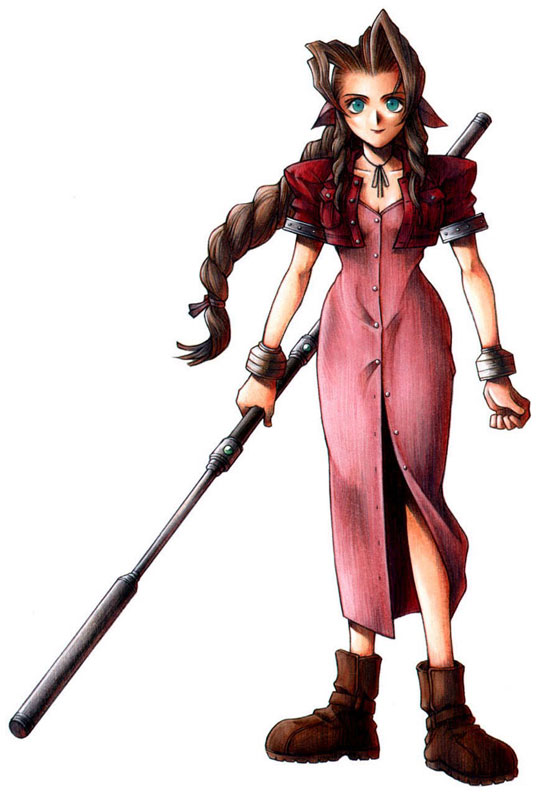
3. Aerith (Final Fantasy VII)

Aerith is a paradox. She’s angelic and ethereal, yet down-to-earth and friendly. In the slums of Midgar—a dark, dirty place full of trash, monsters and ruined buildings—Aerith keeps a garden and sells flowers to make a living. The heroes of Final Fantasy VII are mostly embittered, tough and cynical. Aerith is cheerful, hopeful and compassionate. She has a beautiful musical theme, too. Then, halfway through the game, Aerith dies. Even though her dying actions help save the world, her companions (not to mention gamers everywhere) are left with a profound sense of loss.

2. Phoenix Wright (Ace Attorney series)

Objection! Lawyers are not nearly so interesting as warriors, knights and bounty hunters. A mere lawyer does not deserve so high a place on this list of video game heroes… or does he? In the case of this particular lawyer, I overrule all objections and present the court with the following statement: Phoenix Wright is awesome. A rookie defense attorney, Phoenix defends his clients with perseverance, sarcasm, luck, spiky hair and an unshakable belief that everyone deserves a fair trial.

1. Link (Legend of Zelda series)

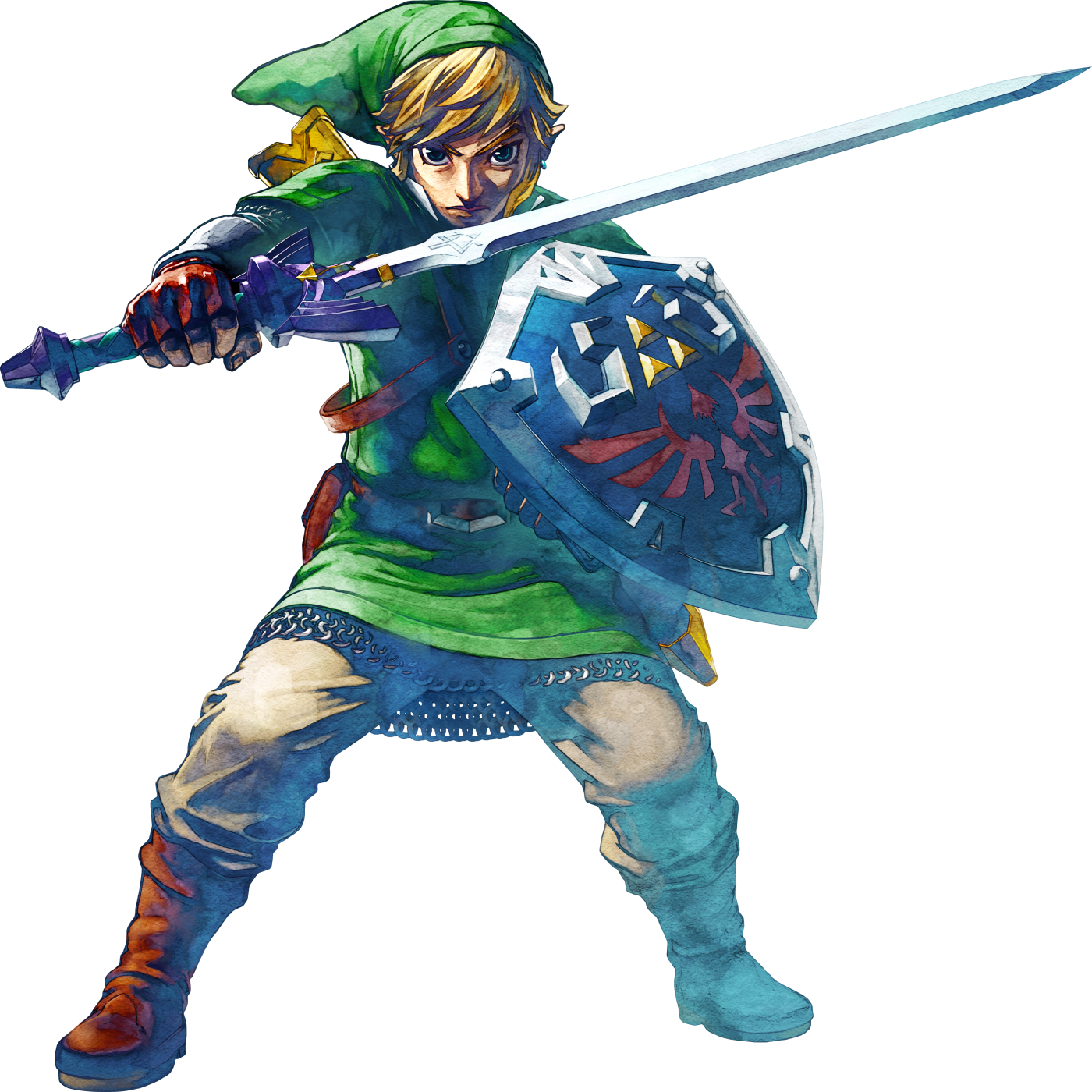
Link lacks any intricate characterization or complicated backstory. He’s a silent protagonist, without so much as a word of dialogue. Why have I put him first on this list? Link isn’t merely a character—he’s an archetype. He is the Everyman, the unexpected hero who is snatched from a peaceful life, thrown into an adventure and pitted against a ruthless enemy. Link is a simple character, but his simplicity serves him well. Right from the beginning, the player gets it. No elaborate explanations are needed. Link is an ordinary guy who overcomes evil and becomes a hero. It’s an old story, and one that strikes a universal chord to this day.

O people of the Internet, what great video game heroes would you add to this list? Let us know in the comments!