165. Wishing I Had My Own Theme Music

This Monday, March 4, is Be Nice to Someone on the Internet Day. That said, follow the good (or bad?) example of Scar from The Lion King and be prepared!

People in video games get their own theme music. I envy them.

Take Princess Zelda from the Legend of Zelda games. She has a wonderful musical theme. Seriously, check it out on YouTube. It’s beautiful. The soft, lovely notes of this song reflect Zelda’s character: kind, pure and gentle.

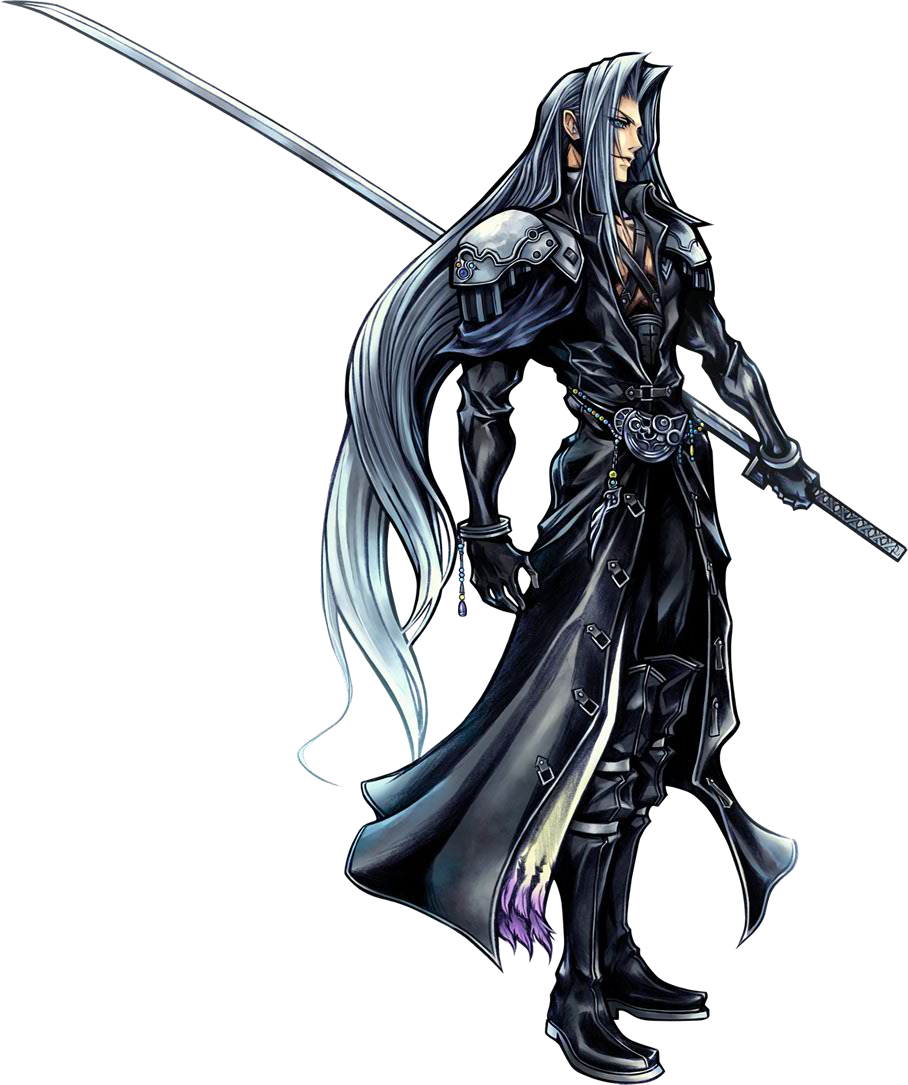
On the other end of the scale we have charming psychopaths like Sephiroth, a truly daunting villain. His musical theme is… not beautiful. It’s actually kind of terrifying. Somewhere between the chanting choir and the screaming guitars, the player gets a strong impression that Sephiroth is not a nice person.

I wish I had a leitmotif, my own personal musical theme that accompanied me everywhere. I would, of course, want to be able to switch it on and off at will. An epic musical theme might not be the best thing to have, say, during a church service.

If I could have my own theme music, here are a few possibilities.

“I Can Do It When It Counts, Pal!”

Dick Gumshoe is an incompetent, good-natured, ramen noodle-munching detective from the Ace Attorney games. This upbeat arrangement of his musical theme is simply fantastic. (Seriously, just listen to dat bass.) I’m generally a cheerful person, so I think the song fits. Besides, I really like ramen noodles.

“Detective Conan Theme”

This song is similar to the last one, but bigger and more exciting. The exuberant bass is toned down and replaced with cheerful brass, epic strings and (why not?) some electric guitar. I’m no detective, but I wish this theme were mine.

“Skyrim Theme”

All right, I admit it. I included this song simply because it’s awesome. It doesn’t fit my personality at all, but I still kind of wish it were my leitmotif. Honestly, who wouldn’t?

“BRODYQUEST”

Yes, I’m joking. Well, sort of joking.

If you could have your own personal musical theme, what would it be? Let us know in the comments!

155. Caution: Monkeys at Work

Have you ever seen those signs that announce how many days have passed since the last workplace accident? TMTF has one of those signs, but but we go by minutes instead of days.

Even so, we hardly ever break double digits.

Yes, caution is necessary whenever my typewriter monkeys are at work. We’ve been working behind the scenes for a couple of days, and I’ve been very cautious. I’m alive and injuries have been minimal, so I think we’re doing well.

Besides reworking TMTF’s tags and tagging old posts, we’ve standardized formatting, replaced broken links, made revisions, fixed errors and generally done our best to make this blog beautiful.

TMTF now boasts a Tags feature! Tags classify posts more specifically than categories. Scroll to the bottom of TMTF’s homepage or any post and you’ll find a handy list of tags; clicking one will take you to the posts marked by that tag. It’s a convenient way to navigate this blog’s posts without plodding through the Archive.

We also held board meetings to discuss things like marketing, budgeting and future plans. Since I detest wearing formal clothes and sitting through tedious discussions, these meetings were pretty awful. (I can’t believe I had to dress nicely when my typewriter monkeys didn’t wear anything.) It took many hours and quite a lot of coffee, but we reached some important decisions.

Trying to cope

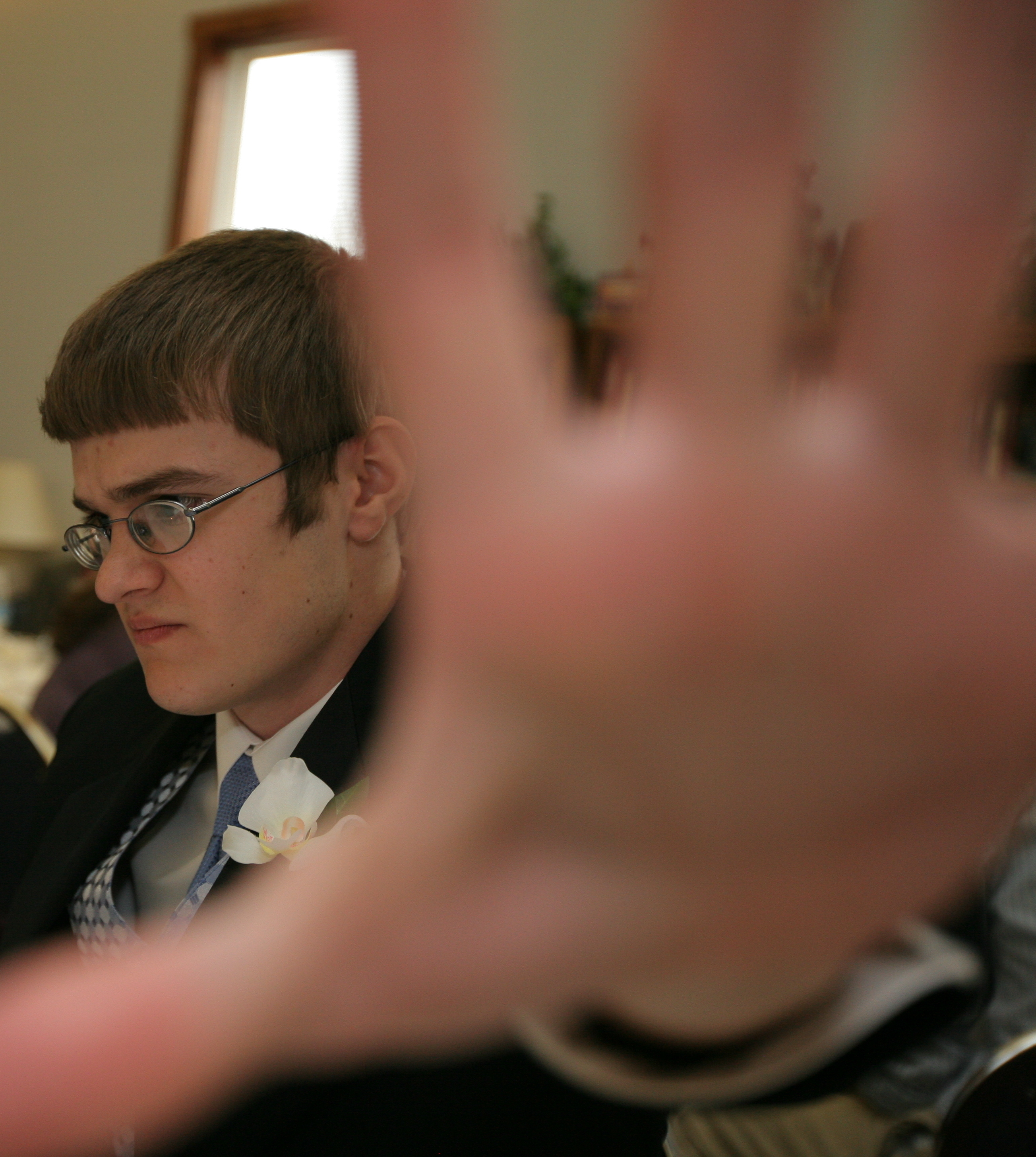
This photo, snapped during one of our board meetings, sums up my feelings about business stuff.

Last year, TMTF shared a crazy idea called Be Nice to Someone on the Internet Day. The idea was, well, to be nice to someone on the Internet: to leave a sincere, encouraging comment or compliment on someone’s Facebook profile, blog page, YouTube channel, deviantART account, Twitter profile or Tumblr account.

I think it was a great idea, but I was too hasty in springing it on my readers. I’d like to do it properly this year: spreading the word and getting other bloggers involved. Although last year’s Be Nice to Someone on the Internet Day took place in August, we’ve decided to celebrate it on March 4 this year.

Moving on: my younger bro, whose fantastic artwork has previously been featured on TMTF, now has a deviantART page! An online art community, deviantART exhibits work from millions of artists—including my bro, whose beautiful pencil-and-paper reproductions of art and photographs are now on display.

Check out his deviantART page and be amazed!

What are you waiting for? Go check out that deviantART page!

“What are you waiting for? Go check out that deviantART page!”

Well, I suppose I’d better get back to work… cautiously, of course. It’s been twenty-two minutes since our last accident, and I’m expecting another at any moment.

141. Let’s Make Better Christian Video Games

It’s a bitter truth, but we must face it bravely.

Christian video games stink.

Almost without exception, Christian video games are cheap knockoffs of mainstream video games. Christians have made superb contributions to practically every other medium in the world—art, music, literature, film—but not video games.

Why is this?

Well, there are lots of reasons. Video games require money to make, and Christians are a minority demographic in the video game industry. It’s more profitable to make games for larger audiences. More to the point, most Christian video games seem to be made by developers with good intentions, microscopic budgets and practically no experience. The fact that Christian video games tend to be derivative, preachy and poorly designed doesn’t help.

Perhaps the greatest problem is that Christian game developers often focus too much on the message of the games. (This may sound blasphemous, but please hear me out.) Other media can focus primarily on message and succeed, but video games are different.

Video games are built upon gameplay, the way a player interacts with the game. Elements like story, theme and message are secondary. The Mario games, which are amazing, feature the same story over and over again: rescue the princess from the bad guy. Many excellent games have no message—they’re simply entertaining. Even games like Portal and Bioshock with clever plots, deep themes and well-developed characters work only because they are fun to play. For a video game to have a compelling message, it must first have good gameplay.

That’s where Christian video games seem to fail. No matter how good their messages, these games are too flawed for any gamer to care. A video game must succeed as a video game before it can succeed as anything else.

How can we fix Christian video games? Listen up, Christian video game developers. (You all read this blog, right?) I’ve got some suggestions for you.

Focus on gameplay. Don’t preach. Let the game captivate the player with its excellence before introducing profound messages. Put together an adequate budget before starting development. Work with experienced developers. Did I already advise you not to preach? Borrow—but don’t steal—elements from other games. Get lots of feedback. Market your game cleverly and extensively to both Christian and mainstream demographics.

You still need ideas? All right, here are a few concepts for Christian video games that might actually be worth playing. When you make one of these games, just list me in the credits as Creative Consultant.

Underground

Genres: action-adventure, open world, stealth

Influences: Assassin’s Creed series, Metal Gear Solid series

It is the dawn of the fourth century A.D. Diocletian, Emperor of Rome, has intensified the persecution of Christians: burning sacred texts, leveling church buildings and brutally executing Christian leaders. In this time of terror and darkness, a young Christian—let’s call him Socrates—volunteers to be a courier, delivering urgent messages and carrying out secret missions for underground churches.

Underground would borrow much from Assassin’s Creed with its emphasis on historical details, roaming a vast environment and sneaking around without getting caught by the bad guys.

Unlike Assassin’s Creed, the focus of the game wouldn’t be assassination. Socrates would parkour his way around Rome and the surrounding country: clambering over rooftops, creeping through sewers, clinging to the undersides of chariots and generally getting from Point A to Point B without getting caught. (Socrates would also avoid detection by hiding in clay jars, Solid Snake-style.) Since the early church frowned upon murder, killing an enemy would be an instant Game Over. Socrates would have to find creative, nonlethal methods for incapacitating his foes.

Add a story rife with intrigue, betrayal and excitement, and Underground could work.

Pilgrim’s Progress

Genres: RPG, action-adventure

Influences: Legend of Zelda series, Final Fantasy XII, God of War series

The plot of John Bunyan’s classic allegory is perfect for a video game: an unlikely hero sets out on a quest, receives a sword, fights monsters, traverses dangerous environments and finally reaches a happy ending.

Pilgrim’s Progress would give players the choice of playing as either Christian or Christiana. Setting out from the City of Destruction, the player would follow a mostly linear path through exotic locales like the Slough of Despond and the Valley of the Shadow of Death, defeating enemies, solving puzzles and collecting treasures along the way. The ultimate goal? The Celestial City, a place of safety and rest.

The game would include RPG elements like experience points and leveling up, and equipment could be upgraded. Special weapons and tools would be used for combat and puzzle-solving. (Who wouldn’t want to use the Staff of Moses to cross a heretofore impassible river, or the Light of the Word to illuminate a dark cavern?) Progress would be recorded at Save Points. These would also provide a feature called Pilgrim’s Journal, which would allow the player to revisit areas explored previously. (This feature would keep the player from physically backtracking, which is antithetical to the plot of Pilgrim’s Progress.)

The story would have to be tweaked a bit, of course. Although there are one or two “boss battles” in the original allegory, I suggest adding more. For example, there really ought to be a final boss battle right before the player crosses the River of Death to reach the Celestial City. Perhaps Christian (or Christiana) could confront his (or her) greatest fear or worst temptation or something.

Gun for Hire

Genres: third-person shooter, adventure

Influences: Resident Evil 4, Ace Attorney series

Daniel Grey is a private investigator whose tiny office is a mess. A worn duster is draped over the back of his chair. Across his desk are scattered a revolver, a fedora, a Bible and a cup of coffee. When a businessman comes begging him to recover his kidnapped daughter, Grey has only one condition: “Nobody dies.”

As a third-person shooter, Gun for Hire would have plenty of shooting. Grey would venture into some pretty shady places, and bullets would fly. As with Underground, however, killing an enemy would mean an instant Game Over. The game would challenge the player to find creative uses for firearms. When shot, certain pipes would vent clouds of steam to blind foes. A well-aimed bullet would bring a shelf crashing down on an unsuspecting criminal, and shattering a dog’s chain would set it free to chase away potential threats. Of course, a pragmatic player could simply shoot to injure enemies, or knock them out with a blackjack and leave them tied up in a closet.

The game would also focus on investigation, allowing players to examine areas for clues. Important things—facts, documents and miscellaneous items—would be filed away as clues. Aligning the right clues would lead to conclusionsClues and conclusions would be used as keys to unlock answers in conversations with suspects, eventually leading to each mystery’s solution. Gun for Hire would balance exploration and shooting with investigation and perhaps a few puzzles.

The cases in Gun for Hire would be part of an overarching story involving a criminal conspiracy. The game would be set in a big city, probably in the early twentieth century. Daniel Grey would be a Wanderer-Hero with a strong faith, a kind heart, a quick wit and a tragic past. (Why does he drink so much coffee? Is he sublimating a craving for drugs or liquor into a harmless addiction, or simply using the buzz of caffeine to distract himself from some painful memory?) Strong gameplay, clever writing and good acting could make Gun for Hire a great game.

Will some experienced developer please make a good Christian video game? Someone? Anyone?
97. TMTF’s Top Ten Video Game Heroes

Having previously posted a top ten list of video game villains, I felt obligated to put together a list for video game heroes, thus restoring equilibrium.

According to the standards of this list, a video game character must be playable in order to qualify as a hero.

Without further preamble, TMTF is excited to present…

The TMTF List of Top Ten Video Game Heroes!

10. Mario (Mario series)

The first thing to be said about Mario is that he has a fabulous ’stache. Equally impressive are his inexhaustible heroism and wide range of talents. When he’s not busy racing karts, competing in athletic events or curing viruses, Mario can usually be found trying to rescue his beloved Princess Peach, whose fate is to be kidnapped pretty much every time she steps outside. Apart from his mustache, chivalry and mad skills, Mario deserves a place on this list because…well…he’s Mario.

9. Samus Aran (Metroid series)

Unlike many women in video games, Samus Aran is no damsel in distress. Ms. Aran, a skilled bounty hunter, is quite comfortable fighting hostile extraterrestrials and exploring the uncharted depths of alien planets. Samus Aran’s high-tech armor is another good reason to give her a place on this list. Her suit is packed with all sorts of nifty weapons, tools and gadgets. It’s also modest and sensible—unlike many of the outfits women in video games are forced to wear.

8. Cloud Strife (Final Fantasy VII)

Introduced as an aloof soldier, Cloud is revealed to be a man with a tragic past, struggling to forgive himself and atone for his mistakes. He’s also kind of a jerk, which is why I debated putting him on this list. Cloud won me over in the end: partly because he’s a compelling character, and mostly because he’s ridiculously cool. Although his redemption is a major theme of Final Fantasy VII, most players remember Cloud for his impossibly large sword.

7. Sora (Kingdom Hearts series)

The protagonists in many RPGs are bitter, taciturn outcasts. (Ahem, Cloud Strife.) Sora is a refreshing exception to the rule: cheerful, friendly, fiercely loyal to his friends and always ready to help. Chosen by destiny to wield a weapon called the Keyblade, Sora is thrown into a universe in which all worlds are under attack by dark, mysterious creatures known as the Heartless. Sora never loses hope, no matter how desperate the situation, and he’s a genuinely nice guy.

6. Marche Radiuju (Final Fantasy Tactics Advance)

Yes, Marche Radiuju is an obscure character. Yes, his outfit is absurd. No, I don’t know how to pronounce his last name. Setting aside these concerns, Marche is quite a hero. When he and his friends become trapped in a fantasy world, he takes it upon himself to open a way for them to go home. Marche grows from a timid boy into a fearless leader, exploring new places, conquering vicious foes and even confronting his friends in order to do what he believes is right. He might not be as famous as some of the other heroes on this list, but Marche Radiuju is no less heroic.

5. Balthier (Final Fantasy XII)

The self-proclaiming leading man of Final Fantasy XII, Balthier is a sky pirate with a fabulous fashion sense. He was a powerful politician years ago, but he’s cleaned up his act (as he would put it) and become an honest brigand. Balthier has a strong sense of justice and loyalty, which he’s careful to hide behind an indifferent manner, a sharp wit and a truly staggering ego. In a story full of bitterness and betrayal, Balthier shines like the star he claims to be.

4. Frog (Chrono Trigger)

Although he appears to be a monstrous amphibian, Frog was once a brave lad named Glenn. A sorcerer called Magus murdered Glenn’s mentor and cursed the unlucky lad with a frog’s shape, ruining his ambitions of becoming a knight. Glenn abandoned his name and took up the lonely life of a vigilante. As the kingdom comes under attack, he joins the battle to defend it from Magus and his minions. Frog’s bravery, chivalry, unique appearance, intriguing characterization and epic musical theme earn him a place on this list.

3. Aerith (Final Fantasy VII)

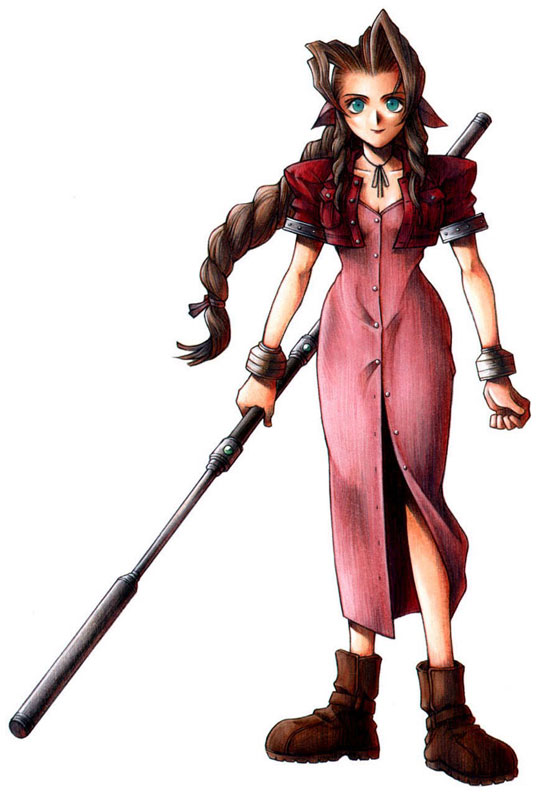
Aerith is a paradox. She’s angelic and ethereal, yet down-to-earth and friendly. In the slums of Midgar—a dark, dirty place full of trash, monsters and ruined buildings—Aerith keeps a garden and sells flowers to make a living. The heroes of Final Fantasy VII are mostly embittered, tough and cynical. Aerith is cheerful, hopeful and compassionate. She has a beautiful musical theme, too. Then, halfway through the game, Aerith dies. Even though her dying actions help save the world, her companions (not to mention gamers everywhere) are left with a profound sense of loss.

2. Phoenix Wright (Ace Attorney series)

Objection! Lawyers are not nearly so interesting as warriors, knights and bounty hunters. A mere lawyer does not deserve so high a place on this list of video game heroes… or does he? In the case of this particular lawyer, I overrule all objections and present the court with the following statement: Phoenix Wright is awesome. A rookie defense attorney, Phoenix defends his clients with perseverance, sarcasm, luck, spiky hair and an unshakable belief that everyone deserves a fair trial.

1. Link (Legend of Zelda series)

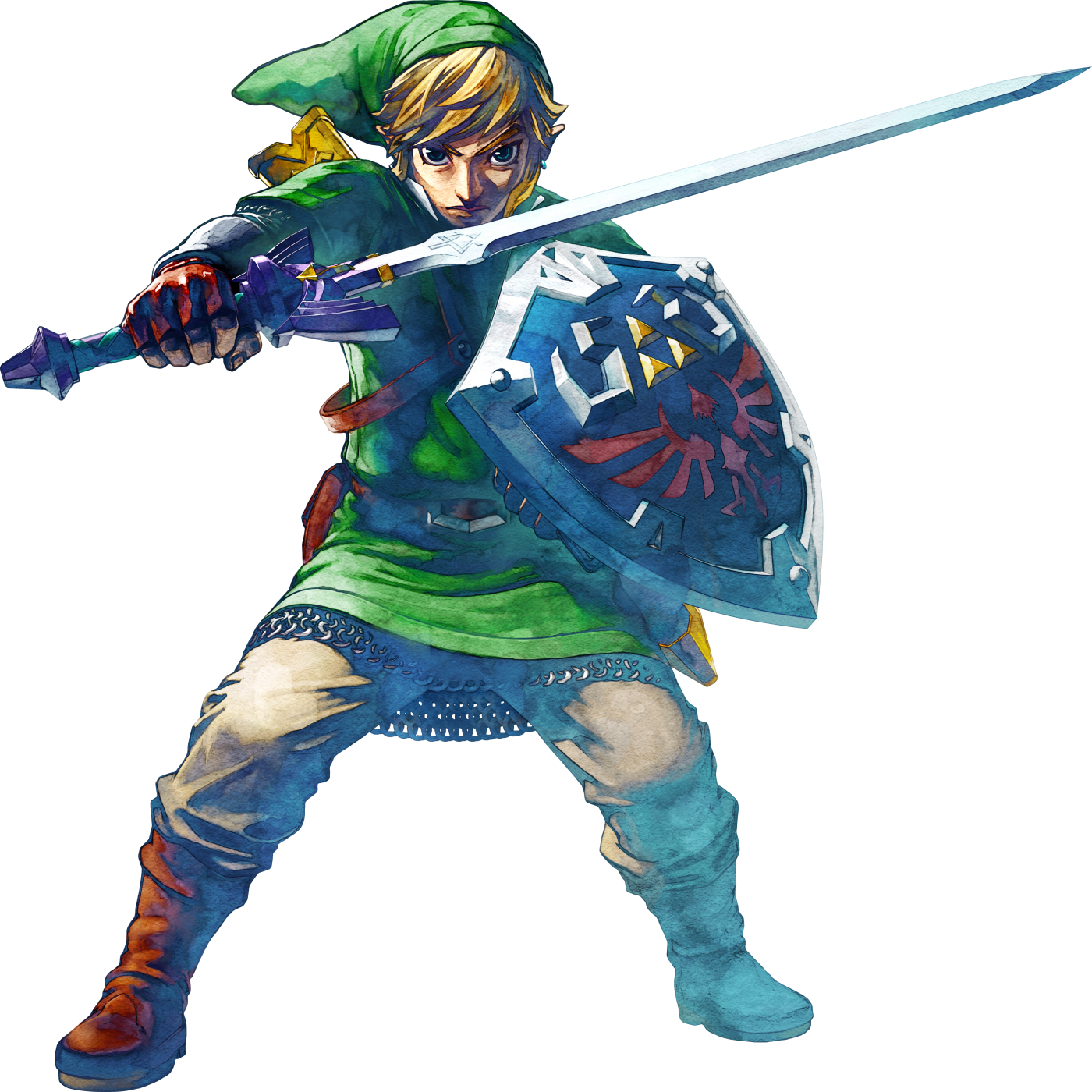
Link lacks any intricate characterization or complicated backstory. He’s a silent protagonist, without so much as a word of dialogue. Why have I put him first on this list? Link isn’t merely a character—he’s an archetype. He is the Everyman, the unexpected hero who is snatched from a peaceful life, thrown into an adventure and pitted against a ruthless enemy. Link is a simple character, but his simplicity serves him well. Right from the beginning, the player gets it. No elaborate explanations are needed. Link is an ordinary guy who overcomes evil and becomes a hero. It’s an old story, and one that strikes a universal chord to this day.

O people of the Internet, what great video game heroes would you add to this list? Let us know in the comments!

85. TMTF’s Top Ten Video Game Villains

TMTF has already featured a top ten list, but the old impulse to categorize things has stirred again deep within my blogger’s heart. This time, the object of my top-ten-list-mania is video game characters.

We cheer for the heroes, naturally, but—let’s be honest—the villains are usually much more interesting. Thus TMTF is excited to present…

The TMTF List of Top Ten Video Game Villains!

10. Dahlia Hawthorne (Ace Attorney: Trials and Tribulations)

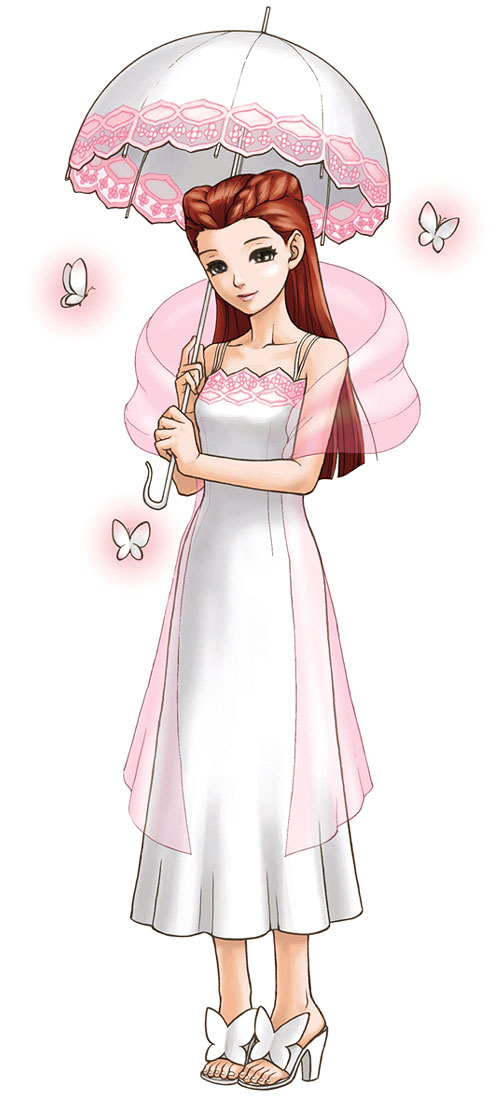
Ace Attorney villains aren’t typical video game baddies: they don’t breathe fire, wield chainsaws or threaten to inflict any other kind of bodily harm. No, their villainy is much more insidious. The player must corner them in court and prove their guilt with hard evidence. Of all these criminals, none is creepier than Dahlia Hawthorne, a dainty young lady with a parasol and a lacy dress. Behind that fair façade lurks a vindictive, selfish and manipulative murderer. Although she wears a sweet smile, Hawthorne betrays her true nature by glaring murderously at any attorney foolish enough to cross her.

9. Bowser (Mario series)

Bowser may not be the most threatening villain—or even the most competent—but his tenacity is remarkable. After twenty-five years of trying to defeat Mario, he’s still at it. Bowser is delightfully self-conceited. At one point, he announces his entrance by roaring, “Did somebody page the king of awesome?” In spite of his shortcomings, he can also be pretty scary. Giga Bowser, anyone?

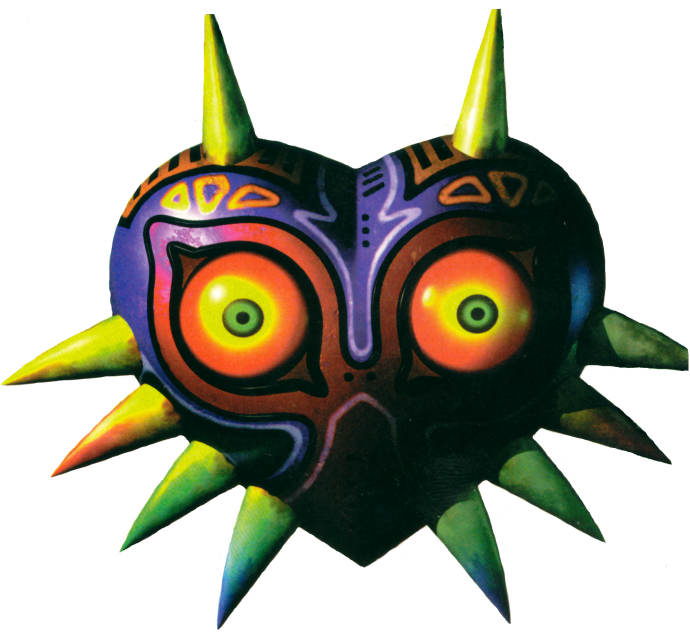
8. Majora (Legend of Zelda: Majora’s Mask)

Before reading further, go back and spend fifteen seconds looking at Majora’s Mask. Go on. I’ll wait for you. I could write lots about Majora, but everything I have to say is expressed much more eloquently in the mad, nihilistic stare of those horrible yellow eyes. Majora is demented, with no apparent motivation other than bringing the world to ruin. Ambitious, power-hungry villains are scary, but at least we understand them. Truly terrifying are villains like Majora, who are driven by nothing more than a detached, inexplicable determination to see the world burn.

7. Sarah Kerrigan (StarCraft series)

Sarah Kerrigan isn’t a villain at first—in fact, she’s hardly a major character. Kerrigan is introduced as an insurgent fighting to topple an oppressive government, and she seems like a pretty decent person. Then she’s betrayed by her superior, left to die and assimilated into the hostile extraterrestrial species known as the Zerg. Now a superhuman creature, she begins a campaign to conquer the sector, betraying allies and showing no mercy. Kerrigan’s unexpected descent into evil earns her a place on this list, along with the cool, casual way she grinds her enemies into the dust.

6. Giygas (Earthbound)

Earthbound is not a typical RPG. Its heroes aren’t warriors with swords and lances, but kids with baseball bats and frying pans. The game is cheerful, full of bright visuals and quirky humor. All this stands in stark contrast to its villain, possibly the freakiest enemy to appear in any video game ever. Giygas is… an extraterrestrial entity driven insane by its own power, maybe? Whatever it is, it looks terrifying and can speak only in the fragmented phrases expected of a creature whose consciousness has been dissolved by evil. The fact that it’s impossible to defeat without using a strange trick makes it that much scarier.

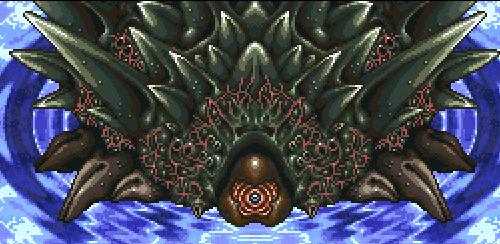
5. Lavos (Chrono Trigger)

Chrono Trigger is another unusual RPG, not to mention a masterpiece. The hero travels through time from prehistory to the far future, and his companions—a medieval knight, a cave woman and a dilapidated robot, among others—span the whole of the world’s history. Their enemy? An extraterrestrial parasite called Lavos that burrows into the world’s crust, spends millennia draining the planet’s life and emerges to reduce it to ashes. Lavos isn’t so much a character as a deadly force, a cross between a plague and a thousand atomic weapons, destined to destroy the world—unless the player can stop it first, of course.

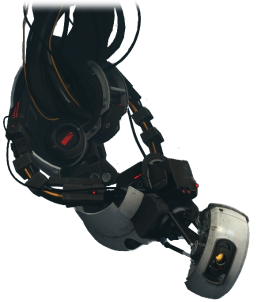
4. GLaDOS (Portal series)

GLaDOS, a computer developed by Aperture Science, is childish, sarcastic, spiteful and surprisingly likable. It puts the game’s protagonist through a series of tests, promising her a slice of cake if she succeeds in passing them all. Only partway through the game does it become clear that GLaDOS is trying to kill her. Even after its sinister nature is revealed, the computer remains an engaging character. For an amoral machine, GLaDOS earns quite a lot of respect—and perhaps even sympathy—from the player. Plus, GLaDOS sings “Still Alive.” Need I say more?

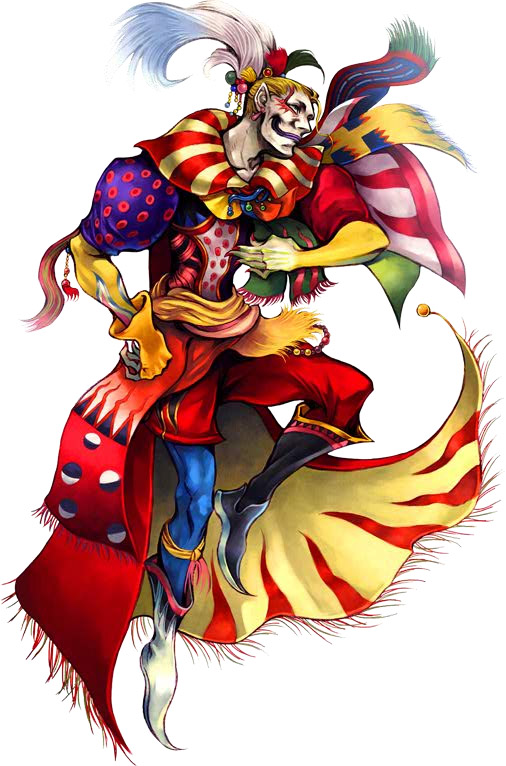
3. Kefka Palazzo (Final Fantasy VI)

Yes, he looks a bit like Joker from the Batman franchise, and yes, he shares the same twisted sense of glee, but Kefka is unforgettable. Before Kefka, most RPG villains were distant, predictable tyrants, who relied upon minions to eliminate the protagonists and sometimes made brief appearances to taunt the player. Then Kefka appears on the scene—as a lackey. A servant of the evil Emperor Gestahl, Kefka runs like a coward every time the player confronts him. Through betrayal and deception, however, Kefka attains an ancient power and devastates the earth. In the end, the protagonists don’t save the world—they save what’s left of it. Besides his memorable rise to power, Kefka is notable for his nihilistic views and fantastic musical theme, the four-part, twelve-to-seventeen-minute “Dancing Mad.”

2. Ganon (Legend of Zelda series)

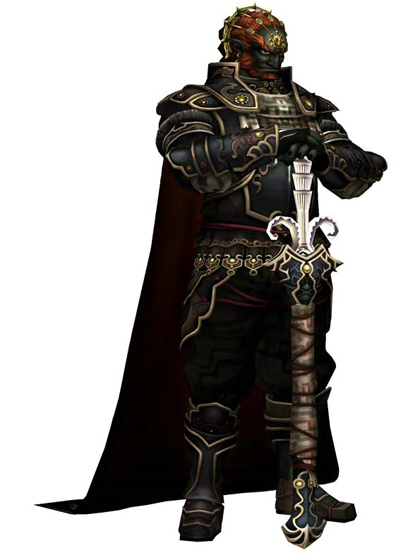
Ganon, also called Ganondorf, is one stubborn guy. Generations of heroes rise to confront him, yet he manages to press on, century after century, relentlessly seeking the powerful relic known as the Triforce. Each game gives a slightly different spin on Ganon’s character. In Ocarina of Time, he’s a thief: arrogant, treacherous and cruel. Wind Waker introduces us to a sorrowful, bitter Ganon, and Twilight Princess gives us a Ganon pulling strings from the shadows. In every game, whether controlling fiends, transforming into monsters or facing the hero in single combat, Ganon is a force with which to be reckoned.

1. Sephiroth (Final Fantasy VII)

Don’t be fooled by the long silver hair and stylish coat—Sephiroth is about as evil as a villain can get. Tragic backstory full of disastrous misunderstandings? Check. Delusions of godlike grandeur? Check. Utter disregard for morality, conscience or decency? Check. Tendency to massacre innocent, unsuspecting people? Check. Driven by a lust for power and revenge, Sephiroth manipulates one protagonist, brutally murders another and casually inflicts all kinds of havoc upon the world. Add his epic musical leitmotif, “One Winged Angel,” and you’ve got a villain to give the bravest hero second thoughts.

O people of the Internet, what great video game villains would you add to this list? Let us know in the comments!

32. Ace Attorney

“What? Video games about a lawyer? You’re not serious.”

Such was my first response to Ace Attorney, a series of games for the Nintendo DS, when I heard about it years ago. I could understand the appeal of video games about a warrior, soldier or pilot who saves kingdom, country or world from sorcerers, armies or aliens—but games about a defense attorney who saves defendants from prosecutors?

Then, a year ago, I actually played Phoenix Wright: Ace Attorney, the first game in the series, and made a most surprising discovery: it was actually kind of awesome.

Ace Attorney Logo

Had the Ace Attorney games tried to replicate every detail of our own justice system, they would undoubtedly have been tedious and boring. Fortunately, the games favor fun over realism. The court system is simplified, making trials much more exciting and easier to follow.

The Ace Attorney games star a goodhearted defense attorney named Phoenix Wright who defends his clients with perseverance, sarcasm, spiky hair and a good deal of luck.

Wright is accompanied by his friend Maya—younger sister of his deceased mentor and voracious consumer of hamburgers—who assists him in his investigations.

The gameplay of the Ace Attorney games consists of two elements. First, Wright visits scenes related to the crime and interacts with the people involved. Although this element requires a little detective work, it’s mostly about gathering information. The second element requires Wright to use the information he’s gathered to prove the innocence of his defendant in court.

Most of Wright’s business in court is cross-examining—a fancy legal term for questioning—witnesses. Cross-examination in the Ace Attorney games is guided by one basic principle: Find the contradiction and expose it with evidence! Almost all witnesses make some mistake in their testimony; Wright’s job is to consider the information he’s gathered, expose the witnesses’ lies and figure out who really committed the crime.

Each case starts slowly, but gets steadily more exciting as more information and evidence is revealed. Finding the contradictions in witnesses’ testimonies is unbelievably satisfying, and it’s exhilarating to unmask the true criminal in each case—especially since it’s sometimes the last person the player suspects.

Two things particularly stand out to me about the Ace Attorney games.

First is that events in the games are exaggerated for dramatic effect: the melodrama of each case is hilarious. When witnesses are exposed as liars, they react as though physically struck. Key witnesses have a habit of barging into court at exactly the right moment to give their testimonies. Perhaps most famously, attorneys in the Ace Attorney games don’t merely say “Objection” when they object to a proceeding in court. They bang their desks and shout—

The second thing that makes the Ace Attorney games so enjoyable is that the characters are wonderful. They remind me of Charles Dickens, whose most delightful characters are more like caricatures: Scrooge and Micawber and Fagin are too ridiculous to be realistic, yet retain just enough truth to be believable. In the same way, the Ace Attorney games are full of exaggerated characters that are too silly to be real—yet they’re believable, likable and memorable. As in Dickens’s novels, major characters are developed carefully and minor characters are never dull or insignificant.

Are the Ace Attorney games worth playing? Odd as it sounds, definitely. It’s ridiculously satisfying to solve cases and save innocent defendants, and the games’ storytelling is excellent.

And really, who can resist shouting “Objection!” into a Nintendo DS microphone and watching guilty witnesses cower in fear?