323. TMTF Charity Fundraisers!

It’s official: Typewriter Monkey Task Force is raising money to provide clean water for people in impoverished areas and video games for kids in hospitals!

You probably have some questions. Let’s take them one at a time.

Why is TMTF holding fundraisers?

We’re raising support for two charity projects.

Charity logos

TMTF is supporting Living Water International in its efforts to provide clean water for people everywhere. We have two reasons for choosing a clean water project. First, clean water saves lives. Second, clean water is necessary for preparing coffee. As we enter the Christmas season, we want to make the world a better (and wetter) place by providing clean water (and hot coffee) for people in need!

We’re also raising money for Child’s Play to give video games, toys, and other goodies to kids in hospitals. Staying in a hospital isn’t much fun. We want to help change that.

Wait. Why is TMTF supporting two separate projects?

Living Water International is a Christian organization, and not all of this blog’s readers are Christians. We want to respect our readers by providing more than one opportunity to bless others this Christmas.

If I donate to one of these fundraisers, do I receive any benefits?

You sure do! We’ve created a Kickstarter-style set of rewards for donors. Check it out below!

Give $1 or more: Droplet Tier! / Pixel Tier!

Receive a public thank-you on this blog, and bask in the satisfaction of making the world a better place!

Give $5 or more: Trickle Tier! / 8-bit Tier!

Receive a personalized thank-you message, sent to the email address of your choice! All previous rewards are included.

Give $10 or more: Splash Tier! / Sprite Tier!

Receive a personalized thank-you card, sent to the mailing address of your choice! All previous rewards are included.

Give $20 or more: Wave Tier! / 16-bit Tier!

Receive a brief video in which I thank you personally! The video will be sent as an email attachment to the email address of your choice. All previous rewards are included.

Give $30 or more: Cascade Tier! / Polygon Tier!

Receive an original blog post, or an original poem, on any subject you choose! (Full disclosure: I am a mediocre poet.) You may feature this blog post or poem anywhere (or nowhere) on the Internet. (I retain the right to reject any subjects I deem inappropriate or unsuitable.) All previous rewards are included.

Give $50 or more: Tsunami Tier! / HD Tier!

Receive an original short story written to your personal specifications! You choose anything and everything: characters, setting, theme, plot, etc. You may feature this story anywhere (or nowhere) on the Internet. (I retain the right to reject any subjects I deem inappropriate or unsuitable.) All previous rewards are included.

I can’t guarantee the donation pages will track donor information, so send me a message via this blog’s Contact page after donating to make sure you get your rewards!

I guess that’s not such a bad deal. If I donate, when can I expect to receive my rewards?

You’ll get them as soon as I can get them to you. I’m afraid I can’t give any estimated dates.

Will TMTF somehow get money out of these fundraisers?

Nope, we shan’t receive a penny.

Do your fundraisers have a definitive goal?

Yes. The Living Water International fundraiser has a $300 goal, and the Child’s Play fundraiser has a $100 goal. These goals can absolutely be surpassed, and I hope we can work together to raise far more for these charities!

How long will these fundraisers last?

The Child’s Play fundraiser will be active for one month: December 2014. I had much less flexibility in planning the duration of the Living Water International fundraiser; it will stretch about three months, until the end of February 2015.

Why are you holding a fundraiser in the first place?

It started with the Advent Conspiracy. TMTF has highlighted this awesome initiative every December since the blog began.

Advent ConspiracyWe wanted to do more this year, so we polled readers a few weeks ago about the possibility of a fundraiser. Only a dozen people voted, but the response was positive enough that we decided to give this fundraising thing a try.

How can I support one or both of these fundraisers?

TMTF now has buttons (or widgets if you want to be technical) on the right-hand side of the homepage that will take you to specialized donation pages for these fundraisers. The Living Water International donation page can also be found here, and the Child’s Play page here.

Please consider giving clean water or video games this month, and spread the word! Happy Christmas!
318: TMTF Reviews: Shantae and the Pirate’s Curse

Do you know what more video games need? That’s exactly right: friendly zombies. (How did you know?) Video games need more friendly zombies, disillusioned squid monsters, and other such zany nonsense. At a time when games are full of guns and gritty violence, the video game industry sure could use more silliness.

I may have found just the thing.

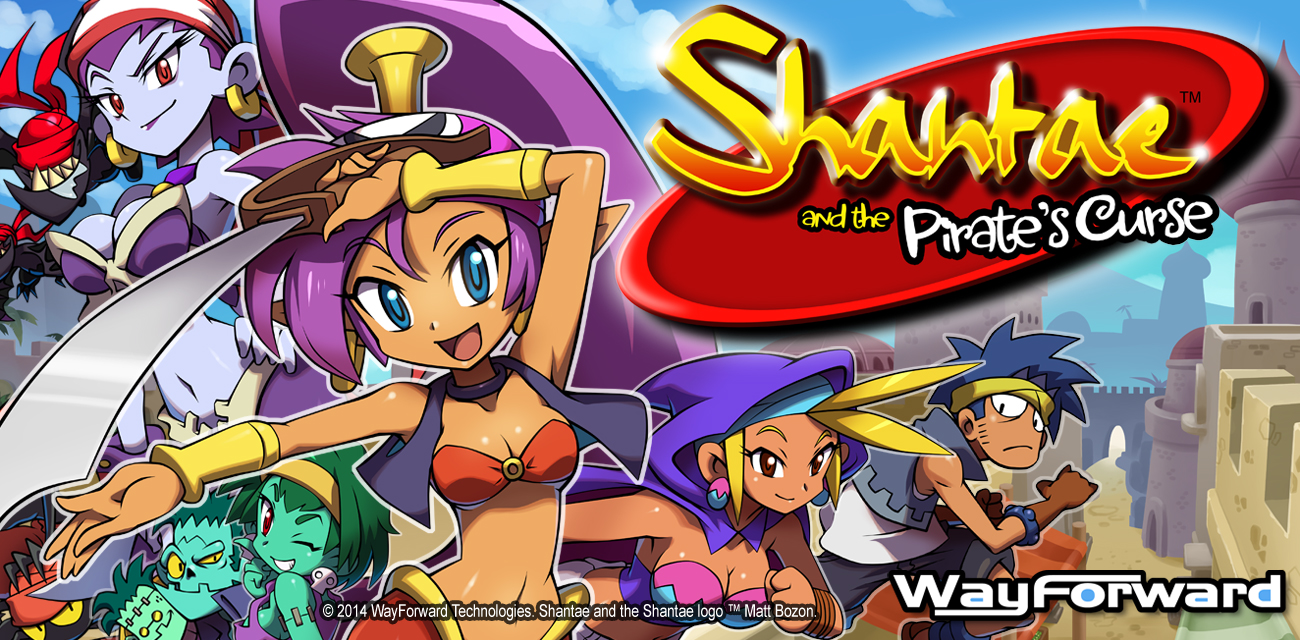
Shantae and the Pirate’s Curse is the latest chapter in the tale of Shantae, a chipper young genie—well, half-genie—sworn to protect the fishing village of Scuttle Town. The previous two Shantae games offered Metroidvania-style adventure and tons of charm, but both suffered from significant flaws.

Has Shantae finally hit her stride? Does this game’s quality match its endearing goofiness?

Shantae and the Pirate's Curse

Shantae and the Pirate’s Curse (Nintendo 3DS eShop, 2014)

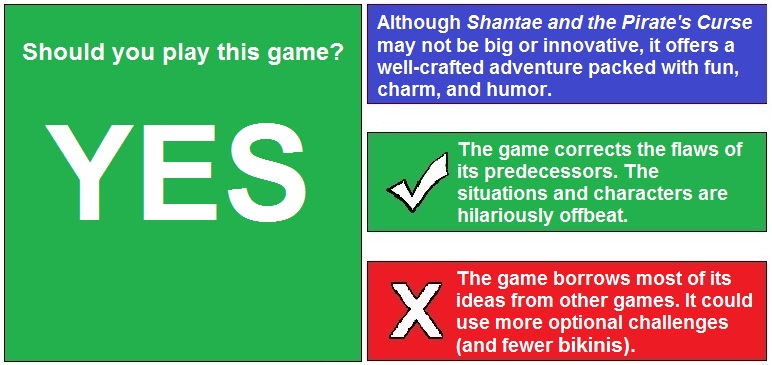
Shantae and the Pirate’s Curse may not be a big game, but like its pint-sized heroine it never lacks for humor, charm, and fun.

TMTF Reviews - Shantae and the Pirate's Curse

A Pirate’s Life for She

Shantae may have lost her genie magic in a previous chapter, but she’s no less determined to protect her village. She’s astonished when her nemesis, the dread pirate Roberts Risky Boots, sneaks into Scuttle Town and suggests a temporary truce. Shantae and Risky must work together to prevent the return of the Pirate Master, Risky’s old mentor, saving the land and perhaps even recovering Shantae’s scattered genie magic.

Shantae becomes probably the most friendly and kindhearted pirate ever to set sail. She travels from island to island, gathering Risky’s old pirate weapons, meeting bizarre people, and being totally freaking adorable.

Mechanically, Pirate’s Curse is a fine video game; more on that in a bit. Its true value, however, is in its outlandish humor and vibrant charm. The never takes itself seriously for a second, yet manages to deliver quite a touching conclusion. Getting there takes the player through all kinds of ridiculous (read: hilarious) situations.

At one point, Shantae searches for an ancient spell. She begins by sealing the smell of roasted ham in a magical lamp and releasing it near a dragon. The monster salivates hungrily and creates a pool of drool. When a pair of oblivious tourists stumble upon this convenient “swimming hole,” they strip to their swimsuits. The sunlight reflecting off their pallid skin illuminates hidden runes on a nearby wall, revealing the spell Shantae needs.

Pirate’s Curse is full of such outrageous scenes as these, and some of its humor is delightfully self-aware. One character, the monstrous Squid Baron, is a boss (extra-tough enemy) from a previous Shantae game. He spends much of Pirate’s Curse wrestling with the disillusionment and existential angst of being a low-level video-game bad guy. Shantae doesn’t seem to understand his problem, but is just as quick to comfort him as she is to fight him.

On the whole, Pirate’s Curse is as goofy and good-natured a game as any I’ve played.

Boldly Going Where Many, Many Games Have Gone Before

Shantae and the Pirate’s Curse may stand out for its style and humor, but its design and mechanics are awfully familiar.

The game’s blend of exploration, platforming, combat, and puzzle-solving is nothing new. I recognized literally every mechanic in Pirate’s Curse from some other game; even Shantae’s iconic ability from previous games to transform into different animals is replaced with a more traditional setup of gathering items and equipment to reach new areas. The puzzle-packed dungeons felt like The Legend of Zelda; the sidescrolling overworld felt like Metroid; the tricky final challenges felt like Mega Man.

Yes, here there be dragons.

Although it hardly innovates, Pirate’s Curse never feels stale. It may do nothing wildly original, but what it does it does well.

I was pleased to note Pirate’s Curse corrects the flaws of its predecessors. The first Shantae game had a sprawling overworld that was frustrating to navigate; Pirate’s Curse divides the overworld into six islands, making it much easier to get around. The second Shantae game was tragically short; Pirate’s Curse, though neither so deep as a well nor so wide as a church-door, is a big enough game to satisfy.

I wish Pirate’s Curse contained more sidequests and optional challenges. I often revisited an island equipped with an ability for reaching new areas, eager to explore and find treasure, only to realize the unexplored areas I discovered were a necessary part of the game. On the other hand, I applaud the way the game keeps track of how many collectible bonuses are on each island. This keeps frustration to a minimum by showing players where to search, preventing them from looking for treasures that aren’t there.

The music in Pirate’s Curse is catchy; the graphics are crisp and colorful; the character designs are cute. I was, however, surprised at the… um… shapeliness of the female cast. Shantae games have always been a bit flirty. Pirate’s Curse is downright saucy. The cartoony designs are never inappropriate, but the game could definitely have shown a little less skin.

(I absolutely refuse to make a pun about pirates and booty. There are depths to which even I will not sink!)

A Pirate’s Curse Is a Player’s Blessing

It has minor flaws, and it never sails past familiar territory into uncharted waters, but Shantae and the Pirate’s Curse is fun, hilarious, and absolutely a blast to play. If you’re wishing for an upbeat adventure, something sillier than the gloomy games filling store shelves, your wish is one this particular genie—well, half-genie—may be able to grant.

312. Gritty or Glittery?

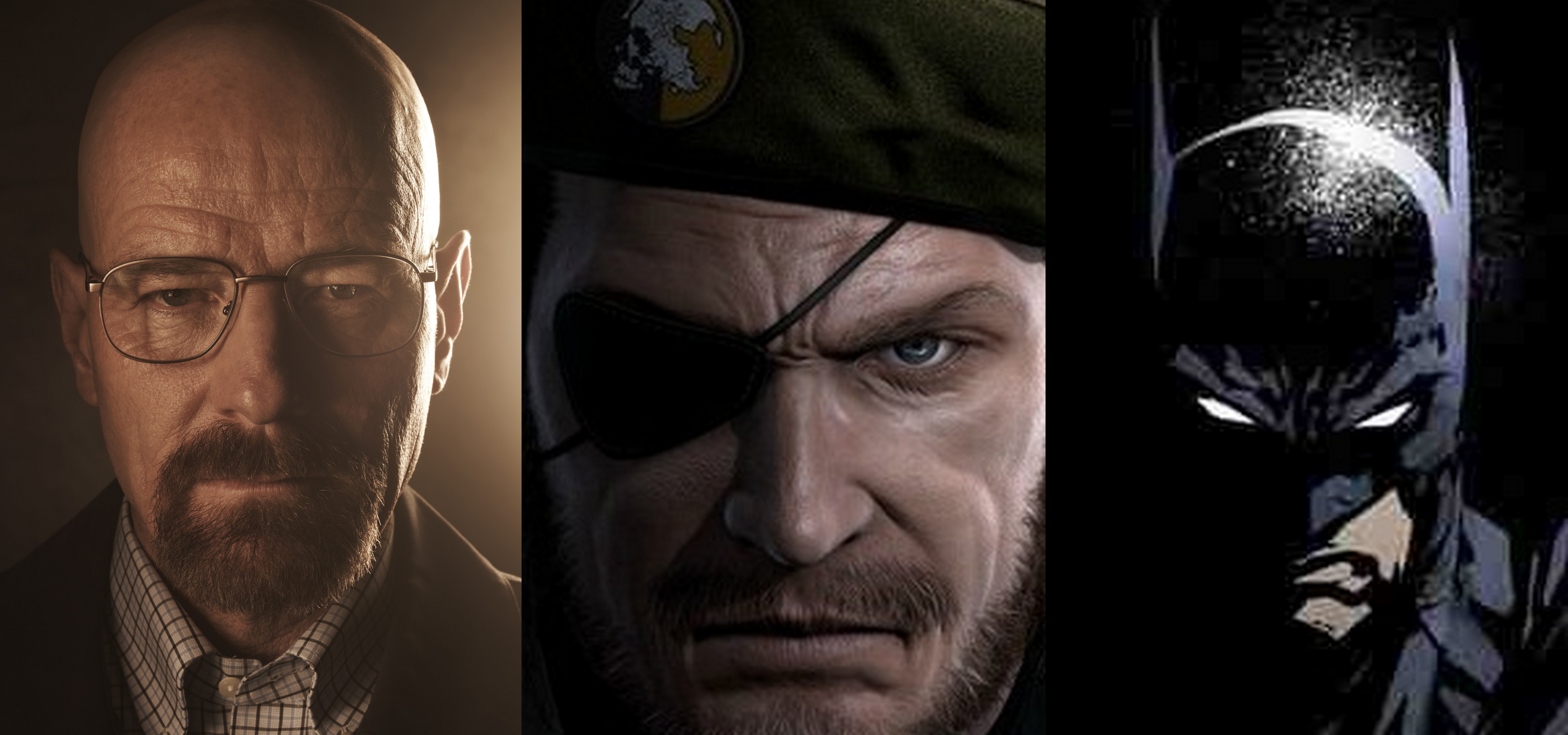
In the past few years, we’ve seen a lot of gritty media: books, films, and video games characterized by darkness, angst, violence, and square-jawed men brooding over inner conflicts. From Wolverine to Walter White, we’ve seen plenty of angsty characters on the large and small screens. Books—even young adult literature—feature people killing (and dying!) in all sorts of creative ways. The video game industry continues making games with guns, gore, and roughly one in every five words of dialogue being the f-bomb.

Angst! Darkness! Square jaws!

Angst! Darkness! Square jaws!

Why is gritty media popular? That’s a tough question to answer. I suppose there’s some truth to the darkness and violence in these media, and it resonates with people. We all feel sadness, discouragement, and anger. Some face depression, abuse, self-destructive impulses, or equally “gritty” problems.

Finally, gritty media often seems mature, sophisticated, or “grown-up.” All of this begs the question: Is it?

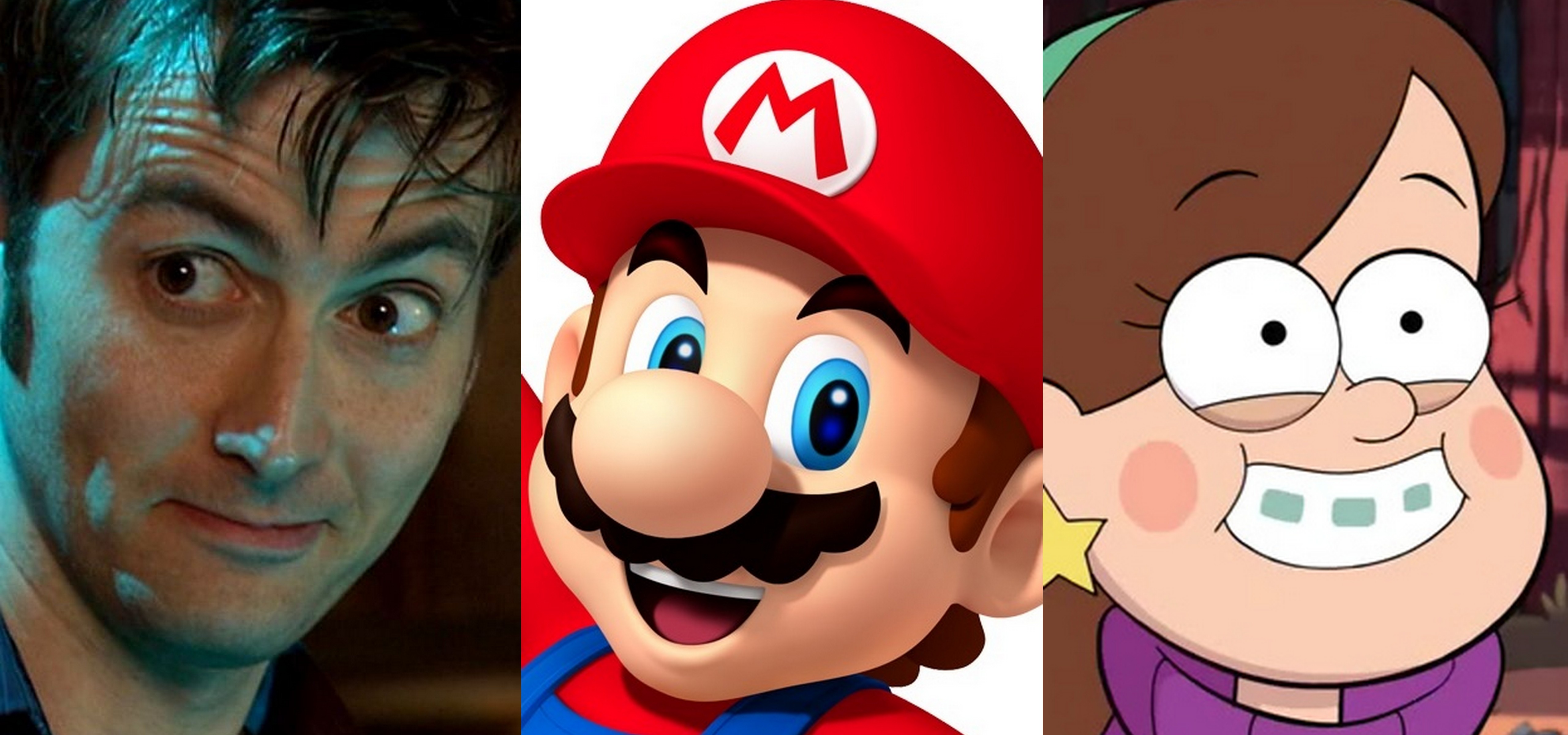
While gritty media has become more popular in past years, there are still plenty of lighthearted books, films, and video games: “glittery” media, so to speak.

Light! Smiles! Goofy braces!

Light! Smiles! Goofy braces!

Throughout history, comedy has nearly always taken a backseat to tragedy. Shakespeare’s most famous plays are his tragedies; Mark Twain’s cynical Adventures of Huckleberry Finn is celebrated over his cheerfuller books; P.G. Wodehouse’s clever comedies are largely eclipsed by the gloomy writings of his contemporaries. It seems humor and optimism can’t be taken seriously.

While there are certainly good things to say for gritty narratives, I don’t believe grittier is necessarily better. A purpose of art is to reflect or represent truth; the truth is that life isn’t always gloomy. A Farewell to Arms or The Things They Carried may be brilliant depictions of the horrors of war, but peace is no less real than violence. I think it’s absurd to suppose, say, Anne of Green Gables is necessarily an inferior book because it reflects joy and sentiment instead of pain and despair.

In the end, it’s a mistake to judge the quality of a thing by whether it’s gritty or glittery, tragic or comic, cynical or optimistic. That said, I would love to see people take glittery media more seriously. Can we study humorists like P.G. Wodehouse or James Thurber more widely in schools? I’m sure students wouldn’t mind putting down The Lord of the Flies. Can we have fewer gritty superhero movies and have more like Marvel’s quirky Guardians of the Galaxy? We could use a break from gloom and doom.

The world is an awfully dark place, but there’s a little light left. Some stories remember that, and I think they’re worth taking seriously.

309. TMTF Reviews: Mario & Luigi – Dream Team

Since deciding to review video games on this blog, I’ve covered a lot of violent ones. I’ve played titles in the Metal Gear Solid and Resident Evil series: games featuring guns, explosions, zombies, guns, death, nuclear weapons, and guns. Heck, I’ve played more violent video games in the past year alone than in all the years that came before.

It’s high time for something quirky and colorful. After so many gritty games, it’s time for a title that’s a little more… dreamy.

Mario & Luigi: Dream Team for the Nintendo 3DS the latest in a series of offbeat RPGs (role-playing games) starring a pair of portly plumbers. Mario’s RPGs are generally something special, and I hoped Dream Team would be no exception.

Does it play like a dream? Is is a nightmarish mess?

Mario & Luigi - Dream Team

Mario & Luigi: Dream Team (Nintendo 3DS, 2013)

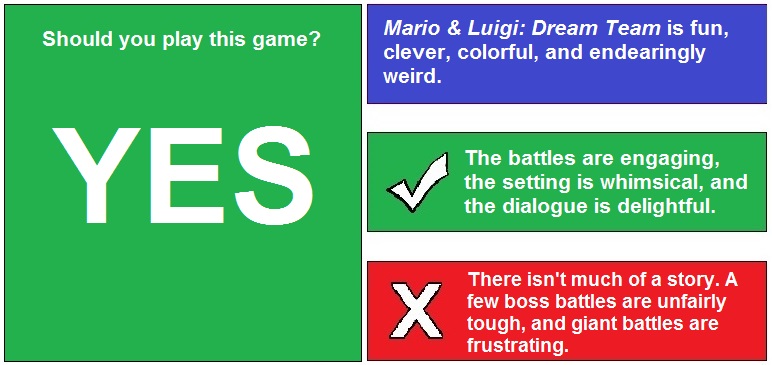
Mario & Luigi: Dream Team may not be the greatest Mario RPG ever made, but it’s superb… and strange. It’s very, very strange.

TMTF Reviews - Dream Team

Fever Dreams

When Mario and Luigi fly to Pi’illo Island for a restful visit, their vacation is disturbed by Antasma, a creature who haunts the world of dreams. Led by the prince of the ancient Pi’illo people, the Mario bros must rescue Pi’illo Island. They have one advantage: Luigi’s ability to nap anywhere allows him to open portals to the dream world, where things get weird.

Mario games are always a bit strange, but Dream Team is absolutely ridiculous. This is a game in which pillows talk, bizarre monsters roam freely, and Russian-accented bodybuilders obsess over beef—and all this in the “real” world. When the Mario bros dive into the dream world, it gets positively trippy. It’s a place in which timeless spirits talk on cell phones and geek out over superheroes.

The Mario RPGs have an unfair share of charm, and Dream Team is absolutely no exception. The setting is colorful, the characters are whimsical, and the dialogue is endearingly goofy. Dream Team is bright, absurd, and occasionally heartwarming.

Sadly, for all its strengths, the game doesn’t have much of a story. RPGs are often defined by strong narratives, and Dream Team doesn’t really have one. It’s a game whose story consists mostly of a series of objectives to be completed. I also lamented the lack of Fawful from previous Mario & Luigi games. His overenthusiastic villainy and mangled English were delightful, and his absence makes Dream Team a tiny bit less special.

Two’s a Crowd

Like the games before it, Dream Team gives the player separate, simultaneous control of both Mario bros. It takes a little practice, but controlling two characters allows for some engaging puzzles and battles.

The battle system is probably the game’s greatest strength. RPGs are built around strategy-based fights. Dream Team continues the Mario tradition of adding rhythm and timing to strategy. Instead of merely punching in commands and watching the battle unfold, the player must use timely button presses to attack and dodge. Battles, which so often become a chore in RPGs, are consistently fun.

I say consistently, not constantly, fun; a few of the tougher fights are frustrating. Casual players may appreciate the option for an “Easy” mode for boss battles. Without it, a couple of fights (especially the very last one) are unfairly tough.

Dream Team also features “giant battles” in which Luigi grows to colossal size in his dreams to take on huge foes. These battles look cool and use the Nintendo 3DS in innovative ways… but also take way too long, demand perfect timing, and allow practically no margin for error. It was hard to appreciate the giant battles when they made me want to smash my younger brother’s Nintendo 3DS against the wall.

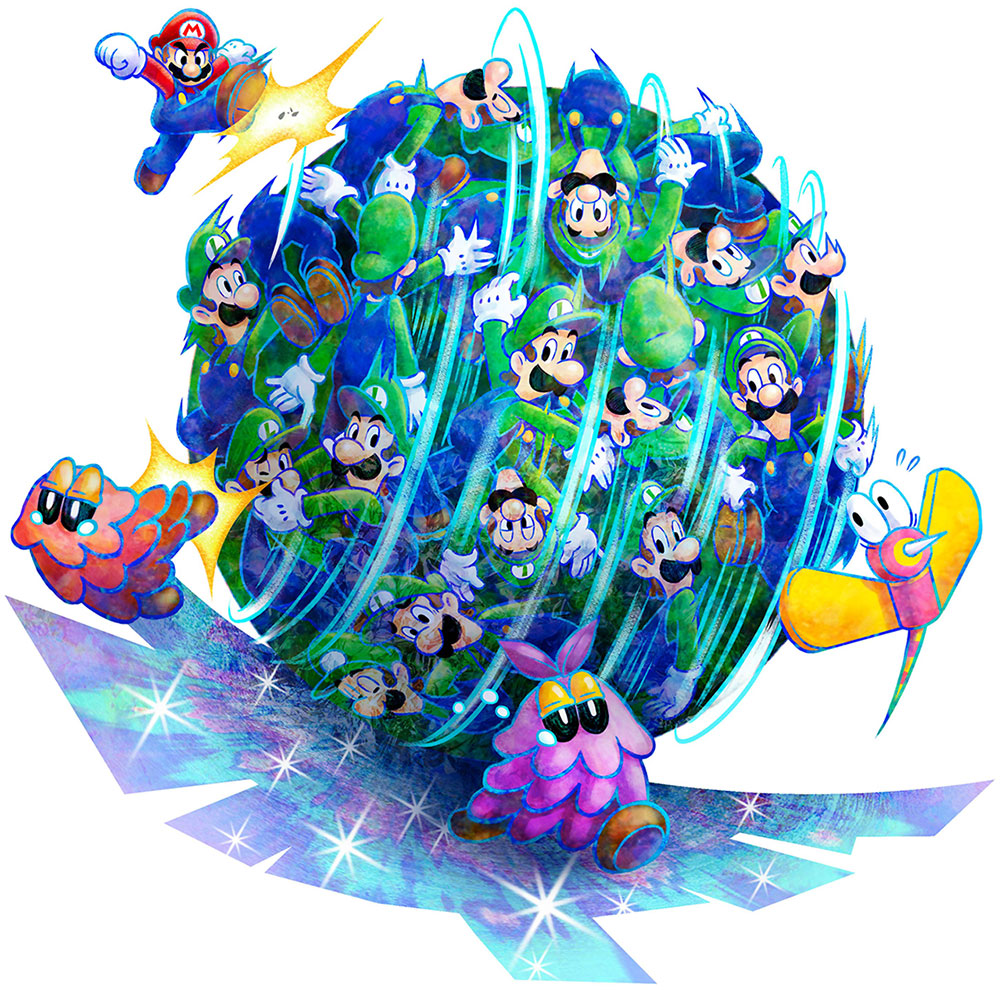
The “real” world in Dream Team is built as an isometrically-viewed RPG. The dream world, however, is viewed horizontally like a traditional Mario side scroller. Switching perspectives is refreshing. Even battles function differently in the dream world. As Mario dives into Luigi’s dreams, the slumbering Luigi is replaced by dream versions of himself. “Dreamy Luigi” can multiply himself to do all sorts of trippy things, from stacking up to rolling around in a ball. It’s surreal, and kinda awesome.

Dreamy!

That’s just how Luigi rolls.

Dreamy!

Although it can be frustrating at times, Mario & Luigi: Dream Team is upbeat, engaging, and fun—and bizarre in the most wonderful ways.

After so many grim games with guns, it was nice to enjoy something lighter, brighter, and altogether more cheerful. I expected charm and whimsy. I wasn’t disappointed. What I didn’t expect was talking pillows and beef-obsessed bodybuilders, but that’s just icing on a very sweet cake.

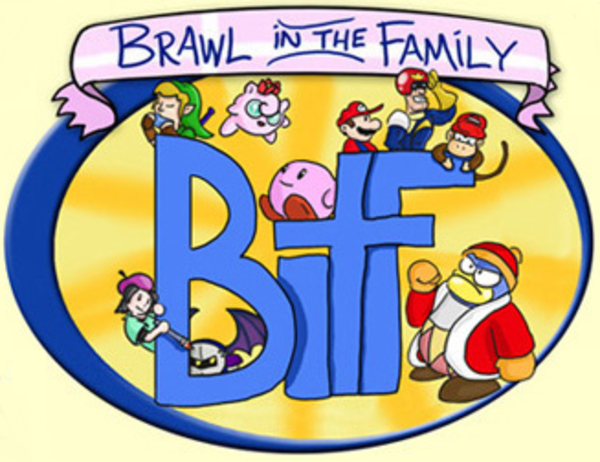
307. Goodbye, Brawl in the Family

I’ve seen many little blessings vanish from my life. The Harry Potter books concluded. Avatar: The Last Airbender aired its final episode. Nintendo Power ceased publication. (This noble magazine was too clearly good for this world; may it rest in peace.) One by one, these sparks of joy and humor were extinguished, leaving my world a tiny bit darker.

Today the Internet loses a great webcomic. Brawl in the Family has ended its six-year run, and I am reminded of how fleeting are most of the good things in life.

I shall miss you. Well, may not you, Ice Climbers, but I'll miss the rest of you.

(Am I seriously writing a blog post mourning the end of a webcomic? Yes. Yes, I am.)

Anyone familiar with Nintendo and its games should check out Brawl in the Family immediately. BitF is a superb webcomic. (However, it’s also packed with video game-specific humor, so non-Nintendo fans shouldn’t feel bad for giving it a miss.)

As a person who creates stuff and throws it at the Internet, I admire the creators of BitF. I’ll miss its cartoony style and gentle humor. The comic’s jokes were often sophisticated, using absurdism or deconstructionism to poke fun at Nintendo’s video games… and then some of the comic’s jokes were just really bad puns.

BitF has long brightened quiet corners of this blog. The comic inspired one of TMTF’s earliest posts, taught me the history of Nintendo in one ridiculously catchy song, and made bearable one of the darker days of my life. And have you noticed the green coffee cup I hold in one of this blog’s banners? It’s a nod to the comic. Heck, BitF has made so many appearances on TMTF that I’ve considered giving the comic its own tag.

I’ll miss Kirby, Dedede, and the comic’s other oddball characters. I’ll even miss Waluigi and his surreal (and invariably purple-colored) antics.

Waluigi goes trick-or-treating

One of the comic’s creators is going on to develop his own video game and compose game soundtracks. As much as I’ll miss his comic, I can appreciate that he wants to move on to new things.

Goodbye, Brawl in the Family. Thanks for brightening my life with laughter, absurdity, and Kirby-eats-something jokes.

I’m gonna miss you, Kirby.

303. About Storytelling: Temporary Death

Death is one of life’s few absolute certainties. Others include taxes and the fact that every person will, at some point, step in a puddle of water on the bathroom floor while wearing socks. Yes, life can be cruel.

Death is inevitable. For the most part, even fiction acknowledges this. What some stories don’t guarantee is that characters will stay dead. I’ve discussed how to kill off fictional characters, and even mentioned temporary death as a video game cliché, but I think it’s still worth taking a look at how characters in some stories recover from death as easily as getting over a cold.

There are endless possibilities for cheating death in fiction, going all the way back to classical mythology. In Greco-Roman myths, death was a literal place from which a surprising number of people managed to escape: Heracles and Orpheus, among others.

The past few decades have given us an endless array of methods for cheating death, especially in geekier media like comics, video games, and fantasy fiction.

Here are some of my favorites.

Be ye warned, here there be minor spoilers.

Time travel

How often dead characters have been restored to life because someone went back in time to rescue them! Thanks to the butterfly effect, tiny decisions in the past can have huge consequences in the future. Probably my favorite example of time travel resurrecting a dead character comes from Chrono Trigger, pretty much the greatest RPG ever made, in which characters travel to the exact moment of a man’s death to save his life.

Superhero comics

There is no single explanation for this one—comic book characters are revived in such a staggering variety of ways that I can’t even begin to list them all. A mutant’s seeming death triggers her evolution into a more advanced mutant. A superhero’s innate healing abilities pull him back from the brink of death. A villain fakes his death by a stupidly elaborate scheme. Really, the possibilities are countless.

Magic

When in doubt, magic is the ultimate deus ex machina. Magic is mysterious and inexplicable by its very nature. If a writer resurrects characters by magic, who is there to argue? Miracles, such as the triumphant return of Aslan or Gandalf, fall into this category, which also includes medicines like the chocolate-coated pill from The Princess Bride.

Supposed to be dead

What? I’m supposed to be dead? Well, this is awkward.

Technology

By technology I mean magic as it is called in sci-fi stories. Let’s face it: advanced technology and supernatural magic are practically the same thing in some science fiction.

Reincarnation

This metaphysical concept has been lifted from various religions and adapted to everything from Avatar: The Last Airbender to Doctor Who. (The Doctor’s regeneration is basically sci-fi reincarnation.) Characters may technically die, but reincarnation allows the narrative to bring them back.

Afterlives

This brings us to ghosts, phantoms, and other not-alive states of being. Again, even if the story considers characters dead, they’re still fulfilling the roles of living persons by lingering as spirits.

Fake deaths

This one annoys me. (All the same, I’ve used it more often in my writing than I care to admit!) When a character seems to die, the narrative treats them as dead… until they turn out to have been alive all along. Fake deaths generally cheapen the reactions of living characters. Responses like mourning, grief, and anger become less meaningful when they’re revealed to have been unnecessary. Besides, fake deaths are generally predictable.

I think temporary death is a valid storytelling trope, but I prefer death in fiction to be permanent. Death is more realistic, and carries much more weight, when it’s treated as an everlasting reality instead of a fleeting condition.

Anyone who knows anything about video games probably knows that Aerith dies in Final Fantasy VII. Partway through the story, this cheerful flower vendor is impaled by the villain. That’s it. There’s no resurrection, no last-minute deus ex machina. In the game, she is dead. The other characters mourn her… and so does any player whose heart isn’t made of stone.

Death is tragic. It often seems meaningless. However, in storytelling, that miraculous medium which makes all things meaningful, death matters—especially when it lasts more than a few minutes.

301. Blogging Anarchy

In some distant, dusty corner of my mind, there is a list titled What Adam Wants to Be When He Grows Up.

I’ve spent the past half a decade or so crossing things off this list. Voice actor was the first to go, followed by Author and Professional blogger years later. My list seems to get a little smaller every year; at this point, it consists of English teacherCopy editor, C.S. Lewis, and G.K. Chesterton. Those last two probably aren’t realistic options, since they’ve already been taken by other people.

The latest profession to be removed from What Adam Wants to Be When He Grows Up was Video game journalist. Yes, video game journalism is a thing. Someone has to review all those games, interview game developers, and cover events like E3, after all!

In the past few years, I’ve delved into the fascinating world of video game journalism and found it awesome… and also kind of awful.

I love writing. I love video games. Video game journalism unites two of my greatest interests in one exciting career. For a few months, I seriously considered looking into the profession. Like voice acting all those years ago, video game journalism seemed almost too good to be true.

Well, like voice acting, video game journalism turns out to be a heck of a lot harder than it looks. It takes more than a knack for writing and a passion for gaming. Video game journalism has extremely tight deadlines and not much job security. The job requires extensive research, technical know-how, and a high tolerance for brutal, abusive reactions.

The video game industry seems to have more than its fair share of spiteful people: gamers prowling around like roaring lions seeking whom they may devour. Every controversy in the video game industry, and media coverage thereof, gets messy. Insults, accusations, and—I hate to say this—death threats are not uncommon.

Some gamers don’t even need controversies to be cruel. All it takes to kindle their fury is a dissenting opinion. Vicious arguments are started by mild statements like “I think Majora’s Mask is a better game than Ocarina of Time,” and woe to the journalist brave enough to discuss touchy subjects like religion or feminism in video games!

In this journalistic minefield, video game journalists are wary. They follow complicated regulations about transparency and conflicts of interest. (These rules are good, fair, and necessary, but definitely a headache.) Some journalists have been publicly shamed, and had to apologize, for honest opinions.

All of this makes me especially thankful for the anarchy of blogging.

Well, anarchy may not be the best word; freedom is probably a more positive one. As the world of video game journalism is shaken by GamerGate, a recent mess of controversies involving feminist criticisms and alleged conflicts of interest, I find myself more thankful than ever for the freedom to write whatever the heck I want to write.

One of many things that makes blogging fun is that is has so few regulations. Nearly every rule for this blog is self-imposed. TMTF has deadlines and guidelines and whatnot, but they’re all the ones I chose for it. Blogging isn’t a minefield whose navigation requires strict rules. All it takes to write a blog is passion, a little experience, and maybe just a hint of insanity.

I admire video game journalists. I hope the problems of GamerGate are quickly and peacefully resolved.

Most of all, I am so, so thankful for the anarchy of blogging.

297. TMTF Reviews: Resident Evil 5

There was once a survival horror game called Resident Evil 4, and lo, it was greatly praised. It played like a dream, thrilled like a nightmare, and was tons of fun. Critics adored it. Gamers enjoyed it. Even those of us who don’t like violent or scary games gave it a try and thought it was pretty fantastic.

Then its sequel, Resident Evil 5, was released. It met with disappointment and even outrage. It was accused of being uninspired, unoriginal, and—of all things—racist.

What can we say? Is RE5 an unappreciated classic, or is it bland, repetitive, and even offensive?

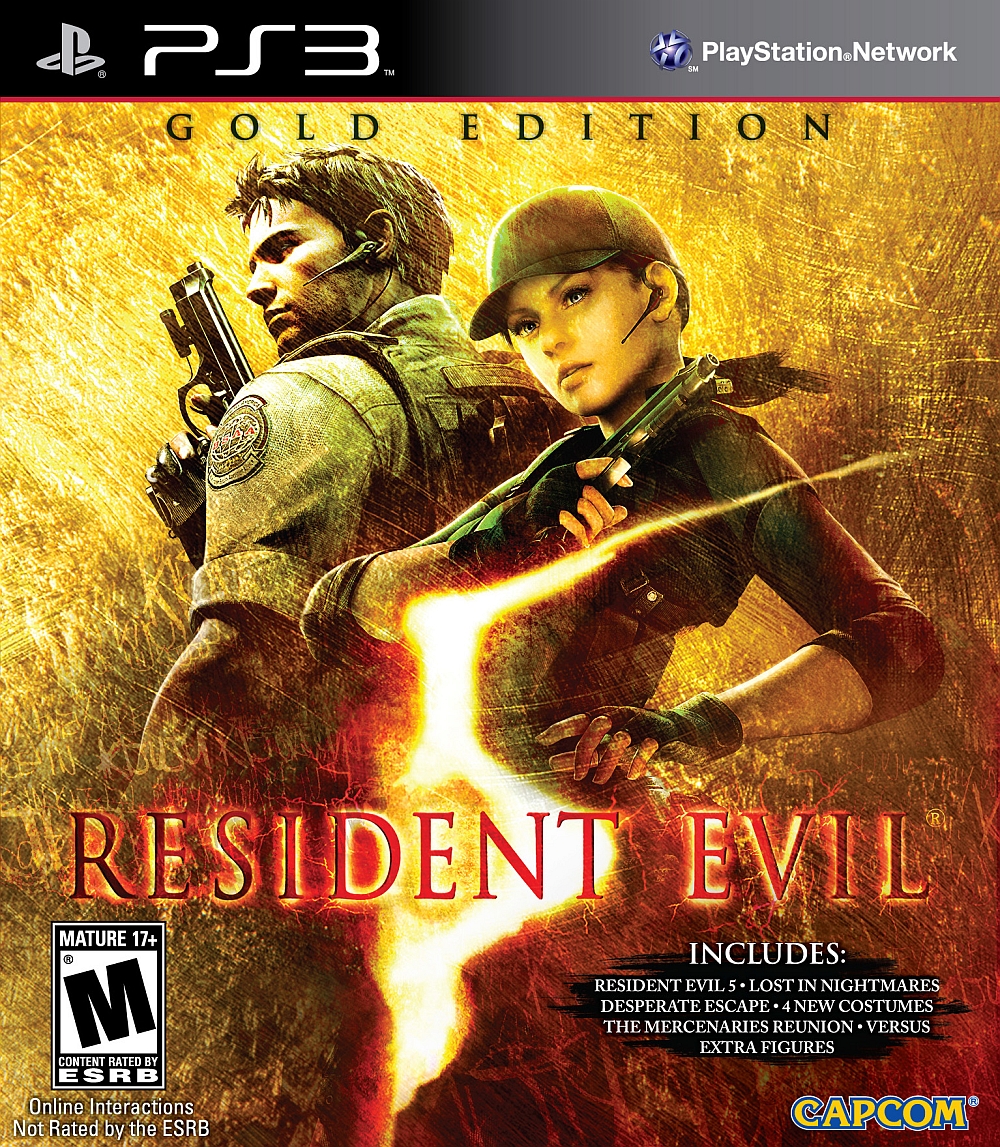
CAP-056 RE5 Gold Ed PS3_FOB_m03

Resident Evil 5 is campy, frustrating, insensitive, and… surprisingly excellent.

RE5 is the bloodstained, action-packed tale of Chris Redfield, an agent working for an organization devoted to stopping bio-terrorism. He is dispatched to an African country to investigate rumors of BOWs—Bio-Organic Weapons, monsters created through genetic tampering. Together with his ambiguously African partner, Sheva Alomar, Chris punches, shoots, and slices his way toward saving the world from megalomaniacal bio-terrorists.

There are a lot of good things to be said about this game. It’s violent—obviously—but also a lot of fun to play. The environments are brilliantly designed, aesthetically and mechanically: they look great, and they’re easy to navigate. Gameplay hasn’t changed much from RE4, which is a really good thing. The third-person, over-the-shoulder view makes exploring and shooting a breeze.

One of the things I liked best about the game was, oddly enough, reading about it. The game’s options include files containing background on the plot, characters, and enemies. These optional files delivered a lot of interesting information without burdening the game proper with long-winded exposition. Players wanting to immerse themselves in the story of RE5 can read these files; players wanting simply to shoot monsters in the face can play the game without tedious interruptions.

RE5 is fun to play, but not without its faults—many more, I’m sorry to say, than its remarkable predecessor. As long as we’re discussing a game set in Africa, we had better start with the elephant in the room.

Is RE5 racist?

During his mission in Africa, Chris, a white person, ends up shooting a bunch of black people. Granted, these Africans are BOWs infected with mind-controlling parasites, but it still seems awfully racist on the surface. It wouldn’t be so bad if Chris’s partner, Sheva, were unambiguously African. However, she’s light-skinned, speaks unaccented English, and seems more European.

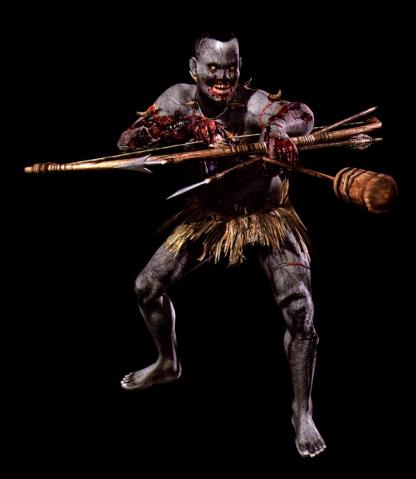
Worst of all, at a few points in the game, the African BOWs dress in a primitive, tribal fashion. This is explained by a footnote—the parasites controlling these Africans cause them to revert to the customs of their distant ancestors—but this depiction of stereotypically savage African natives is the nastiest I’ve seen since Heart of Darkness.

Not Culturally Sensitive

This is not culturally sensitive.

In the end, I think RE5 is not racist. Its enemies happen to be indigenous Africans in the same way the enemies in RE4 happen to be Spanish peasants. There’s no intentional prejudice. There is, however, staggering insensitivity. I’m astonished that apparently nobody on the development team of RE5 realized a game in which a white guy slaughters African natives might be controversial.

Besides concerns of racism, the story of RE5 is a bit campy and the dialogue is horrendous. This wouldn’t be so bad if the game didn’t take itself so seriously. RE4 was just as silly, but it had a sense of humor. Like Doctor Who or Metal Gear Solid, it was extremely kitschy, but also very self-aware. It had one or two absurd villains, some outrageous set pieces, and the ubiquitous merchant.

RE5 lacks those gleams of humor. Where RE4 allows itself to be funny and succeeds, RE5 tries to be grim and fails.

Mechanically, RE5 is not without faults. Chris’s computer-controlled partner, Sheva, can be useful or frustrating depending on the situation. As neat as it was to have a partner, I missed going it alone. Nearly every boss battle revolves around some gameplay gimmick, some unique trick to damage the boss, which is irritating. As much as I appreciate creative gimmicks, I would have liked a few bosses of the traditional, “shoot-them-till-they’re-dead” variety.

There are also so many quick time events. Oh… dear reader… there are so many. In moderation, quick time events can add tension to a game. In RE5, they are a frequent and unpardonable nuisance.

Last of all… Resident Evil 5 isn’t scary.

It’s a fine action game, but it ain’t survival horror. As a third-person shooter, it’s fun. As an entry in Capcom’s respected horror series, it completely misses its mark. The quick time events were pretty much the only things I feared or dreaded in RE5.

Should you play Resident Evil 5? My answer would be: play Resident Evil 4. If you like RE4, and can tolerate quick time events and cultural insensitivity, you’ll probably enjoy RE5. Otherwise, you may want to keep your distance.

284. TMTF’s Top Ten Toughest Dudes in Video Games

It would be tough to live in a video game.

Seriously, I wouldn’t last two minutes. If I were extremely fortunate, I might end up in a nice, nonviolent title like Animal Crossing or Professor Layton. I would more likely blunder into a racing game, fantasy RPG or first-person shooter and be run over, beheaded or blown to bits. Even family-friendly titles like Mario Kart offer plenty of opportunities for violence and mayhem. (Curse you, blue shells!)

With perils, pitfalls, monsters, explosions, blades, bullets, traps, tyrants or bottomless pits at every turn, life as a video game character must be tough. It makes sense, then, for video game characters to be tough dudes. Today, dear reader, we will look at ten of the toughest.

For the purpose of this list, toughness is defined as the quality of being durable, stoic, intimidating and that word I can’t use. The usual top ten list rules apply: only characters from games I’ve played, only one character per game series, no licensed characters from other media (e.g. Han Solo or Indiana Jones) and so forth.

Toughen up, ladies and gentlemen, as TMTF presents…

The TMTF List of Top Ten Toughest Dudes in Video Games!

Be ye warned, here there be minor spoilers.

10. Wobbuffet (Pokémon series)

Wobbuffet

At this point there are more than seven hundred Pokémon, representing all kinds of creatures and concepts. It makes perfect sense, then, that there is a punching bag Pokémon. In battle, Wobbuffet doesn’t ever strike first, but receives blows and then counterattacks. The stoic, patient way it takes its enemies’ attacks is astonishing.

9. Chell (Portal series)

Chell

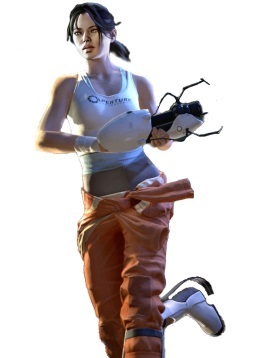
Chell isn’t a dude, per se, but the mute protagonist of the Portal games is as tough as they come. Unfazed by deadly traps, frightening falls and the childish taunting of a deranged opponent, Chell solves puzzles and cheats death with a deadpan expression and stubborn silence that would make Clint Eastwood proud.

8. Link (Legend of Zelda series)

Tough Link

Link is an all-purpose hero, navigating dark dungeons, solving puzzles, defeating monsters and wielding an endless array of weapons with effortless aplomb. Neither horrifying enemies nor baffling riddles seem to trouble him in the slightest, and no obstacle or pitfall ever derails his adventures. Link would be much higher on this list if he were not so adorable.

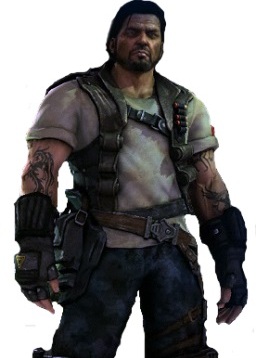
7. Jim Raynor (StarCraft)

Jim Raynor

Jim Raynor—a man covered in tattoos and ammunition, and probably smelling of whiskey, tobacco and engine grease—is a marshal-turned-outlaw-turned-hero. Bringing together the grit of a Wild West lawman and the tactical brilliance of an admiral, this spacefaring marine is betrayed by humans, hunted by space monsters and feared by practically everyone.

6. Bowser (Mario series)

Bowser

Bowser may be surly, self-absorbed and not very bright, but there’s no denying he’s tougher than iron. This hulking monster survives eight plunges into molten lava in his first game alone. The games that follow subject Bowser to falls, beatings and all kinds of injuries, yet the only thing he ever seems to bruise is his ego.

Update: My younger brother corrected me by pointing out that Bowser plunges into lava only once in his first game, not eight times. Notwithstanding this correction, Bowser is a pretty tough dude.

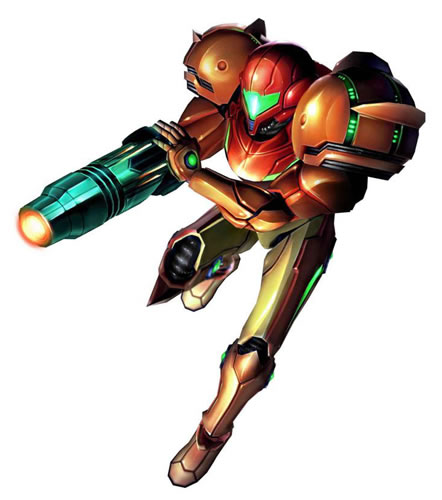
5. Samus Aran (Metroid series)

Samus Aran

Samus Aran, like Chell, isn’t a dude, but that never keeps her from being resourceful, independent and ridiculously tough. Venturing alone onto enemy spaceships and hostile planets, Samus guns down the galaxy’s most dangerous criminals and escapes without a scratch. Truly, hell hath no fury like a woman with a laser cannon.

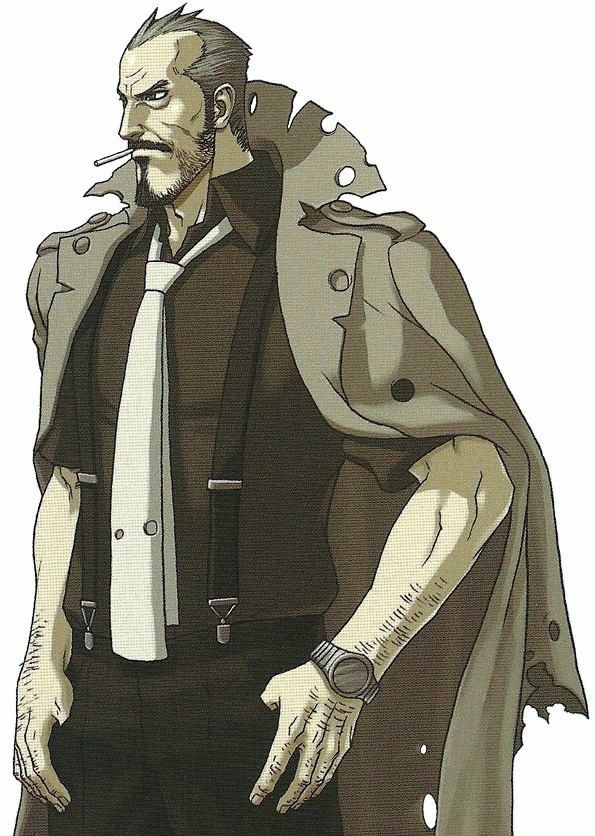
4. Tyrell Badd (Ace Attorney Investigations: Miles Edgeworth)

Tyrell Badd

Look at those bullet holes. Look at them. Even Tyrell Badd’s necktie has bullet holes. I can only surmise that the bullets, after passing through his tie, simply bounced off Badd. This hard-bitten homicide detective is a man of few words. Really, his coat says it all. By the way, that’s not a cigarette in his mouth, nor is he grabbing a gun when he reaches abruptly into his pocket. No, that’s a sucker in his mouth, and he’s reaching for a hand mirror. It’s a testament to his toughness that Badd makes even these effeminate items seem intimidating.

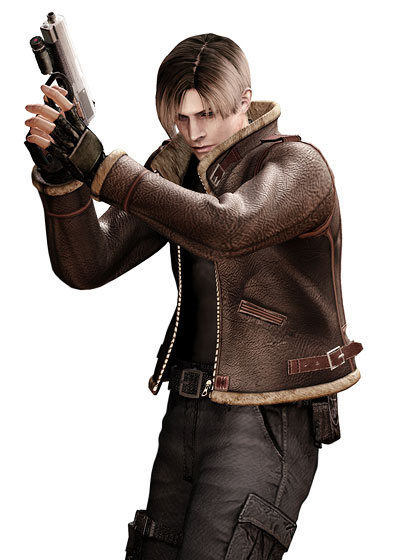
3. Leon S. Kennedy (Resident Evil 4)

Leon S. Kennedy

Nothing seems to faze this tough-as-nails government agent: not homicidal maniacs with chainsaws, not mutated monstrosities, not even the whiny college student he is sent to rescue. Leon S. Kennedy calmly and professionally handles every crisis, making every bullet count, thinking on his feet and suplexing anyone who gets too close. His tireless persistence and grace under pressure are remarkable.

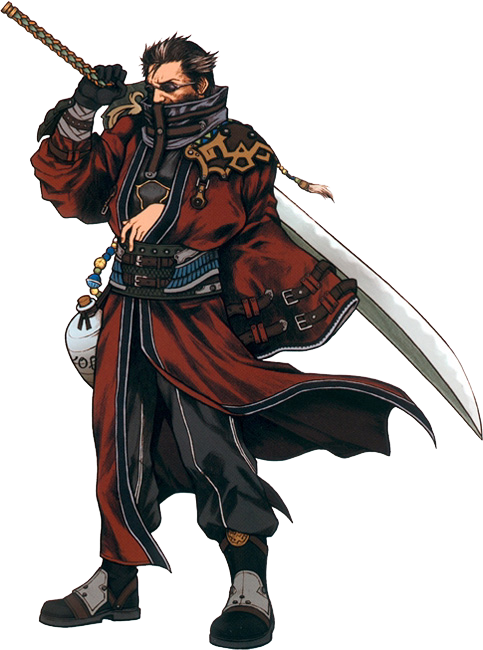
2. Auron (Final Fantasy X)

I’m not sure I even need to say anything about this guy. Auron’s sword is nearly as big as he is, for heaven’s sake! He often fights one-handed simply because he can. His clothes are equal parts samurai and gunslinger, with an awesome pair of shades for good measure. Auron is noble and courteous, but takes no nonsense and will cut any obstacle into very tiny pieces. Oh, and one final thing: Auron is dead. Not even death can stop this man. He lingers for one final adventure simply because he has unfinished business in the land of the living. Heroes hardly get tougher than that!

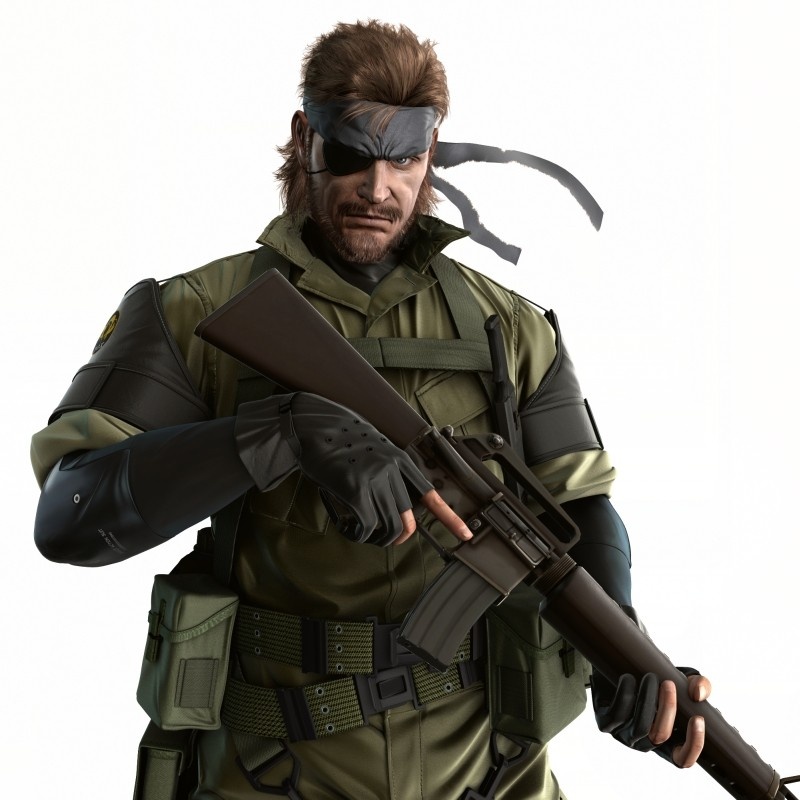
1. Naked Snake (Metal Gear Solid series)

Naked Snake

Naked Snake is the perfect soldier: an unstoppable combination of sniper, spy and infantryman. He sneaks through jungles and military bases, enduring harsh weather, surviving on rats and snakes, digging bullets out of his body with a knife and patching up his wounds before charging (or sneaking) back onto the battlefield. Snake defeats legendary soldiers, destroys massive war machines and prevents worldwide nuclear war at least three times. Then, tired of serving a corrupt government, he becomes a mercenary, creates his own nation-state and nearly conquers the world. (Note also his wicked eye patch.) There is no tougher dude in video games than this man.

O people of the Internet, what tough video game dudes would you add to this list? Let us know in the comments!

278. TMTF Reviews: Beyond Good & Evil

I have played many video games in my twenty-something years of life, but this is the first to be titled after a philosophical work by Friedrich Nietzsche.

When I was a child in Ecuador, my life was brightened by a magazine known as Nintendo Power. (May this noble publication rest in peace!) A friend lent me new issues, which gave me glimpses into the mysterious worlds of modern video games. (This was, incidentally, the very same friend who recommended the last game I reviewed on this blog.) Years before I blundered onto the Internet, Nintendo Power gave me the latest and greatest video game news.

There are a number of games Nintendo Power recommended very highly. Video games are scarce and expensive in Ecuador, so I was never able to buy them. Now, a decade later, I’m making a point of tracking down and playing some of the classics I missed as a child.

Of all the games Nintendo Power praised, few made a stronger impression than an odd game called Beyond Good & Evil. It stars not a tough-as-nails soldier or noble knight, but a photojournalist. An ordinary photojournalist! Madness! Next they’ll be making games starring boring professionals like surgeons, lawyers or customs officials. Ha! What an idea!

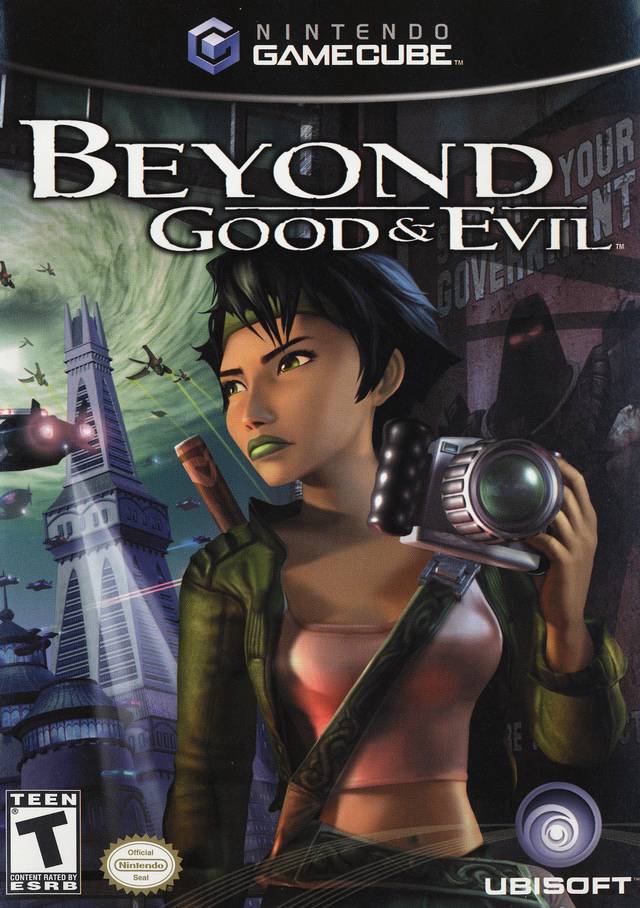
Jade, the photojournalist star of BG&E, isn’t exactly a boring professional. Most photojournalists don’t carry weapons, work for resistance groups or live on alien planets populated by anthropomorphic animals. Jade does. Armed with bō staff and camera, this plucky photographer-turned-rebel is out to expose the treachery of her planet’s military and rally her people to fight for freedom.

Did I mention that her uncle is a pig? Yeah, her uncle is a pig.

Jade and Pey'j

Beyond Good & Evil is as quirky as they come, but is it worth playing? Never mind its questions of good and evil. The real question is this: Is this game is great or lousy?

Beyond Good & EvilBeyond Good & Evil is a fine game, but never goes beyond good. It is a good game, not a great one.

The best way I can describe this game is to suppose its developers sneaked into Nintendo’s kitchen late at night and tried making a game with all Nintendo’s ingredients. There are several cups of fighting and puzzle-solving from the Legend of Zelda games, and a few tablespoons of futuristic racing from F-Zero, and just a dash of space combat from Star Fox, and a spoonful of Metal Gear Solid-style stealth borrowed from Konami’s kitchen next door.

BG&E has a bit of everything, and it does everything adequately—but few things really well.

The world of BG&E is beautiful and feels vast… until the player realizes it’s not as big as it seems. The combat works… but it’s not very deep. The racing is fun… for about ten minutes. The space combat is exhilarating… the one time it happens. Nothing about the game is bad, but few aspects are engaging enough to hold the player’s interest for long.

This includes the story. Jade is recruited early on into a resistance group determined to expose the military’s corruption. This setup is fantastic, but a couple of lame twists make for an underwhelming experience. The moral ambiguity suggested by the title is nowhere to be seen. The good guys are good, and the bad guys are bad, and that’s all.

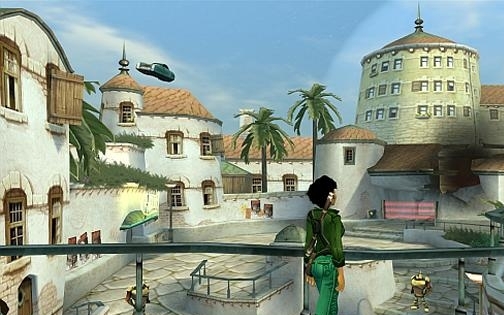
The setting and characters, however, are wonderful. The world of Hillys is lovely, with green mountains and tranquil oceans, and I had a blast exploring caves on foot and zipping across the seas in a hovercraft. I wish there had been more to see. The game’s one city is equal parts Star Wars and Arabian Nights, with futuristic technology and fanciful architecture.

Hillys

Most of the game’s characters are unexceptional, but the three who matter most—Jade, her pig-uncle (puncle?) Pey’j and Jade’s fellow resistance member Double H—are brilliantly developed and eminently lovable. Double H, for example, constantly quotes from a military manual titled Carlson & Peeters, citing page numbers with enthusiasm. When he charges into a fight, “Carlson and Peeters!” is his war cry. It’s positively adorkable.

I especially appreciate Jade. Women aren’t often treated respectfully in video games, but Jade is. She’s no damsel in distress or impossibly curvy babe. Jade is a person. She wears sensible pants, rocks green lipstick, cares for kids and tears apart robots with her bō staff. There is no pointless romance. Jade is never just a foil to male characters. It was really refreshing to play as a heroine who is—I say this in absolutely the best possible way—ordinary.

Jade’s camera was one of the best things about BG&E. Besides snapping incriminating photos for her resistance group, she is tasked by a research institute with taking pictures of local animals. More fauna photos mean more money, giving the player plenty of incentive to search high and low for exotic creatures. It was almost magical to zoom in on a distant seagull or wait for a whale to leap out of the water… and a delightful shock to realize Pey’j and other characters qualified as “local animals” whose pictures are worth cash.

BG&E is a bit short, and I’ve already mentioned its lack of depth. Besides minor camera issues and some obtuse level design, I have only one other complaint. Its stealth sections suck.

Maybe I’ve been spoiled by the Metal Gear Solid games, which perfected the fine art of sneaking, but stealth sections in BG&E are just frustrating. Stealth in the MGS games works because of its flexibility: the player has endless choices in how to avoid or confront enemies. BG&E gives players one or two strict choices, and it’s a matter of infuriating trial and error to figure them out. Worst of all is how players are punished for failing some stealth sections by instant death lasers. Instadeaths (that is, one-hit kills) in video games are frustrating. In this game, with its awkward camera controls and badly-designed stealth sections, instadeaths are intolerable. If I gave numerical scores to games in my reviews, I’d take off a full point out of ten just for those freaking lasers.

Despite its flaws, Beyond Good & Evil is a fine game. I now understand why Nintendo Power sang its praises all those years ago. The game is a colorful, offbeat adventure with a bit of everything.

I just wish it did everything a bit better.