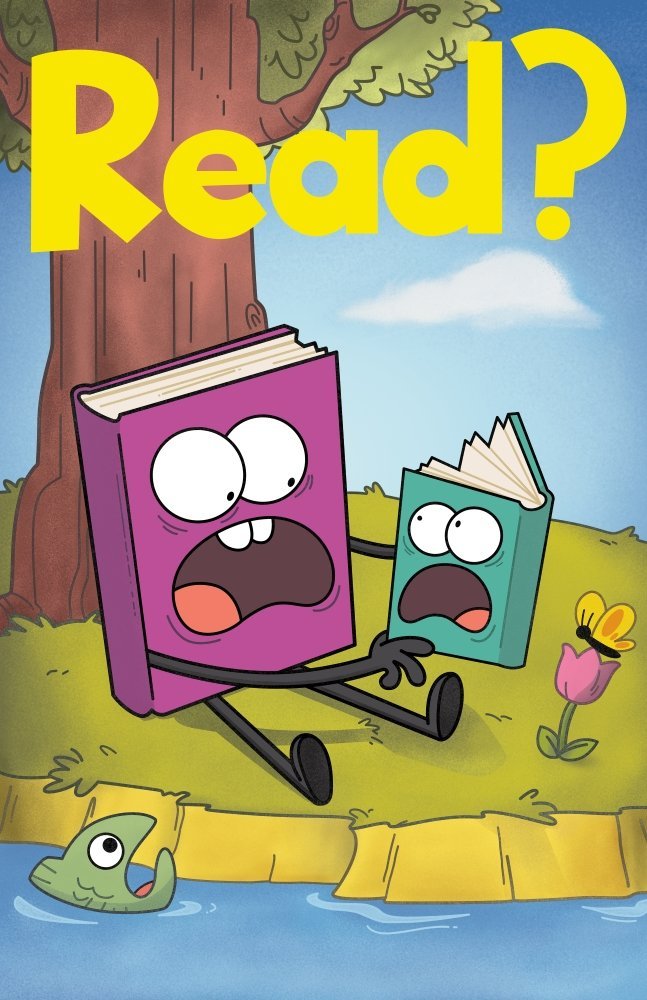
Have you ever been to a library and seen those trite posters encouraging kids to read? If I worked in a library, this is the poster I would display.
It’s probably a good thing I don’t work in a library.
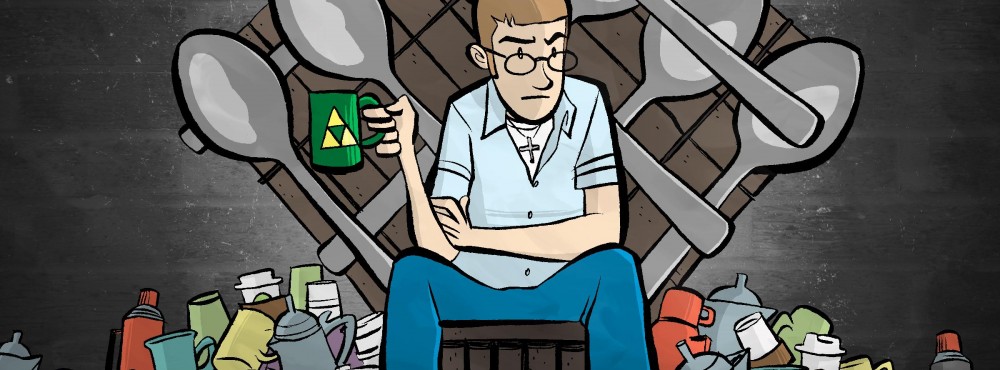
Have you ever been to a library and seen those trite posters encouraging kids to read? If I worked in a library, this is the poster I would display.
It’s probably a good thing I don’t work in a library.
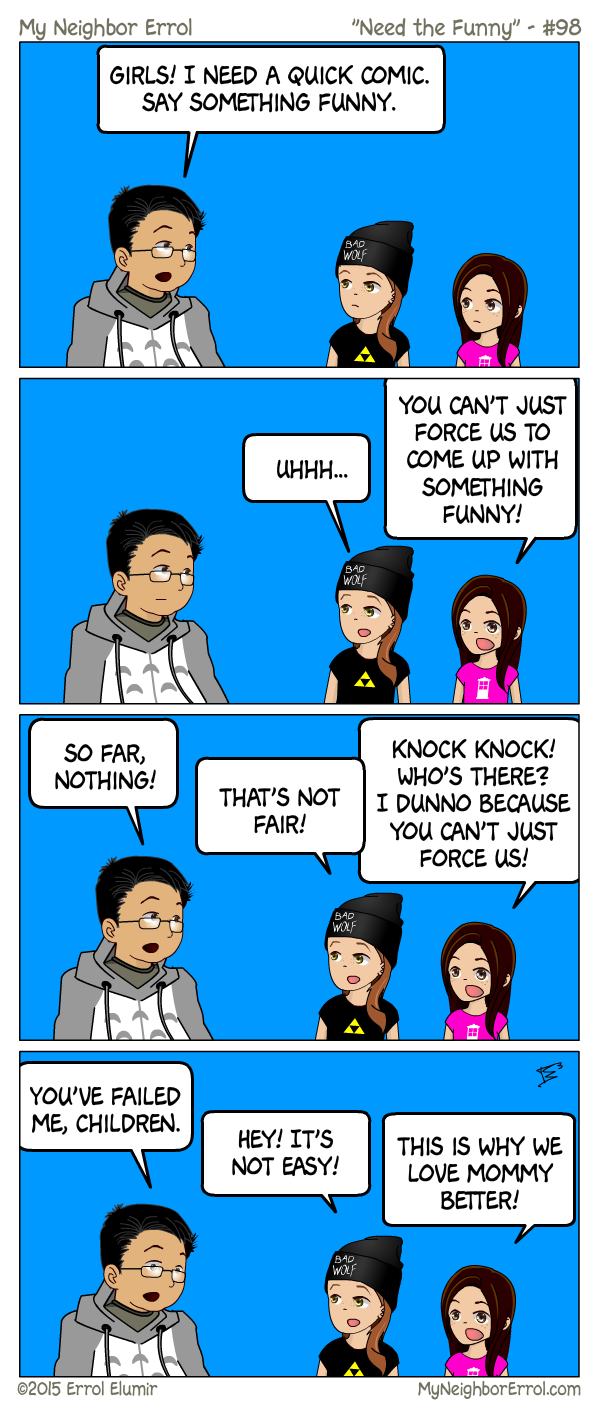 The struggle is real.
Errol Elumir is a geek, and formerly the owlish half of musical duo Debs & Errol. He draws a daily webcomic, My Neighbor Errol, chronicling his day-to-day life with his crabby daughters and ever-patient wife. The comic is written with self-aware humor and sprinkled with geeky references. (Yes, there’s quite a lot of My Neighbor Totoro, which is how it should be.) While the art is simple, relying on reused assets and plain backgrounds, I enjoy my daily dose of humor from the Elumir family.
Heck, Errol’s enthusiasm for Studio Ghibli’s mascot led me earlier this year to acquire a new neighbor of my own.

This is your fault, Mr. Elumir.
Blogging and web cartooning are different media, but they have a lot in common. For example, they update consistently, requiring a steady stream of ideas for new comics or blog posts. Like Errol, I sometimes run out of ideas.
However, every time I think I’ve finally exhausted my options, something new occurs to me. Necessity is called the mother of invention, but it’s more like an aunt. The mother of invention is desperation.
Errol pokes fun at himself for exploiting his daughters for comedy, but I think there’s quite a difference between exploiting something and merely saying of it, as I often say of things, “Heh, that’s pretty funny.” My Neighbor Errol is a funny webcomic, and gave me one more idea of something to write for this blog.
That said, now I’m out of ideas. Flipping heck.
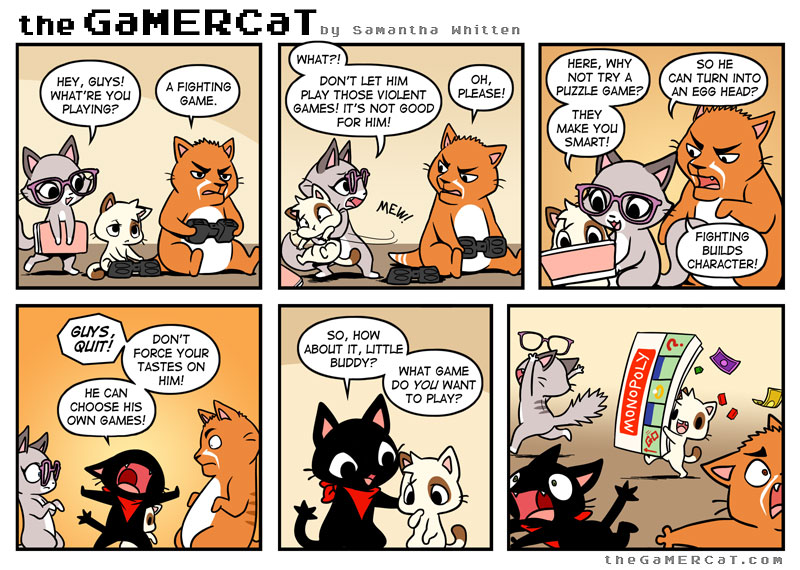
The GaMERCaT is an adorably funny video game-inspired webcomic by Samantha Whitten.
I don’t like board games.
Mind you, I have nothing against them. Many people love Monopoly, Clue, Settlers of Catan, and, um, whatever else is popular these days. Board games bring people together in fun, laughter, and friendly competition. To everyone who enjoys board games, I have this to say: Good for you.
I just don’t like ’em.
To be honest, I’m not entirely sure why I detest board games. I played my fair share as a kid, and enjoyed them. Somewhere down the line, I guess, I ran out of patience. Starting a board game demands an implicit commitment to finish it, and I don’t want to become stuck in a long session of Monopoly or Settlers of Catan.
Board games encourage fun and fellowship, sure, but so do many video games. I’ll take a few rounds of Mario Kart or Super Smash Bros. over a board game. There is, however, one series I’ll always avoid: Mario Party titles. These are basically board games in video game form, trapping players in tedious sessions of rolling digital dice and moving around a virtual game board. Meh.
Board games, bored gamers, am I right?
…I’ll show myself out.
Well, I finished Les flipping Misérables.
The unabridged version of this famous novel took me an embarrassingly long time to read. (Heck, I even blogged about it once or twice last year!) At one point, I set aside the book for months to read five other novels and roughly half of the Bone comic series. Les Mis has loomed over me for a long time, and it’s a relief to put it back on the shelf and get on with my life.
I’ll discuss Lez Miz in a future Review Roundup, but for now, I’ll just share a brief, honest look at the movie adaptation of the musical adaptation of the abridged version of the original novel. (Yes, Hollywood has adapted the heck out of this book.) The movie isn’t bad, yet it’s quite a long one, so please enjoy this much shorter (and funnier!) take on the epic story of Les Misérables.
I’m not really a Pokémon guy, but this song will echo forever in the farthest corners of my memory. I suspect most millennials have this song embedded in their collective subconscious, in the same way most people in Generation X know all the words to the theme from Gilligan’s Island. It ain’t easy to escape pop culture.
Pokémon is a media franchise with a weird acute accent that no one actually pronounces. It’s all about kids setting out on adventures, befriending cute critters known as Pokémon, and overcoming obstacles in their journeys to become the best they can be.
I’m far from the first person to point this out, but Pokémon is actually rather grim.
Of course, Pokémon wants to be a fun adventure. However, when you begin to think about it, the series can be easily deconstructed into something far more sinister.
The original story of Pokémon starts with a single mother turning her ten-year-old boy out of her home. This child is given a dangerous monster, a Pokémon, as a slave pet. He immediately confines his new friend in a tiny ball, releasing it only to pit it against other Pokémon in violent battles. In some of these, the child forces his Pokémon to attack unsuspecting local wildlife; in others, he picks fights with other kids, beats their Pokémon senseless, and takes their money.
Our savage bully young hero wanders the world alone, despite being a vulnerable child whom any adult could easily harm. This foolhardy ten-year-old braves illness, injury, stormy weather, extreme cold, dark caves, biker gangs, and hordes of Pokémon, which he either beats into submission or captures, converts to data, and stores on a dusty computer somewhere. He also tries to bring down an entire syndicate of dangerous criminals.
This all sounds pretty bad, right? It gets worse. The hero of Pokémon isn’t a lone psychopath, endangering himself in his relentless quest to assault and capture innocent creatures. He is doing exactly what his society expects him to do. The world of Pokémon revolves around the endangerment of children and exploitation of animals.
Yes, I’m taking Pokémon way too seriously, and deconstructing it in ways its creators (probably) never intended. I actually kinda like Pokémon, though it’s far from my favorite thing in the world. (That would be coffee.) Nah, I just find it interesting how quickly such a cheerful story turns grim when viewed from a certain point of view.
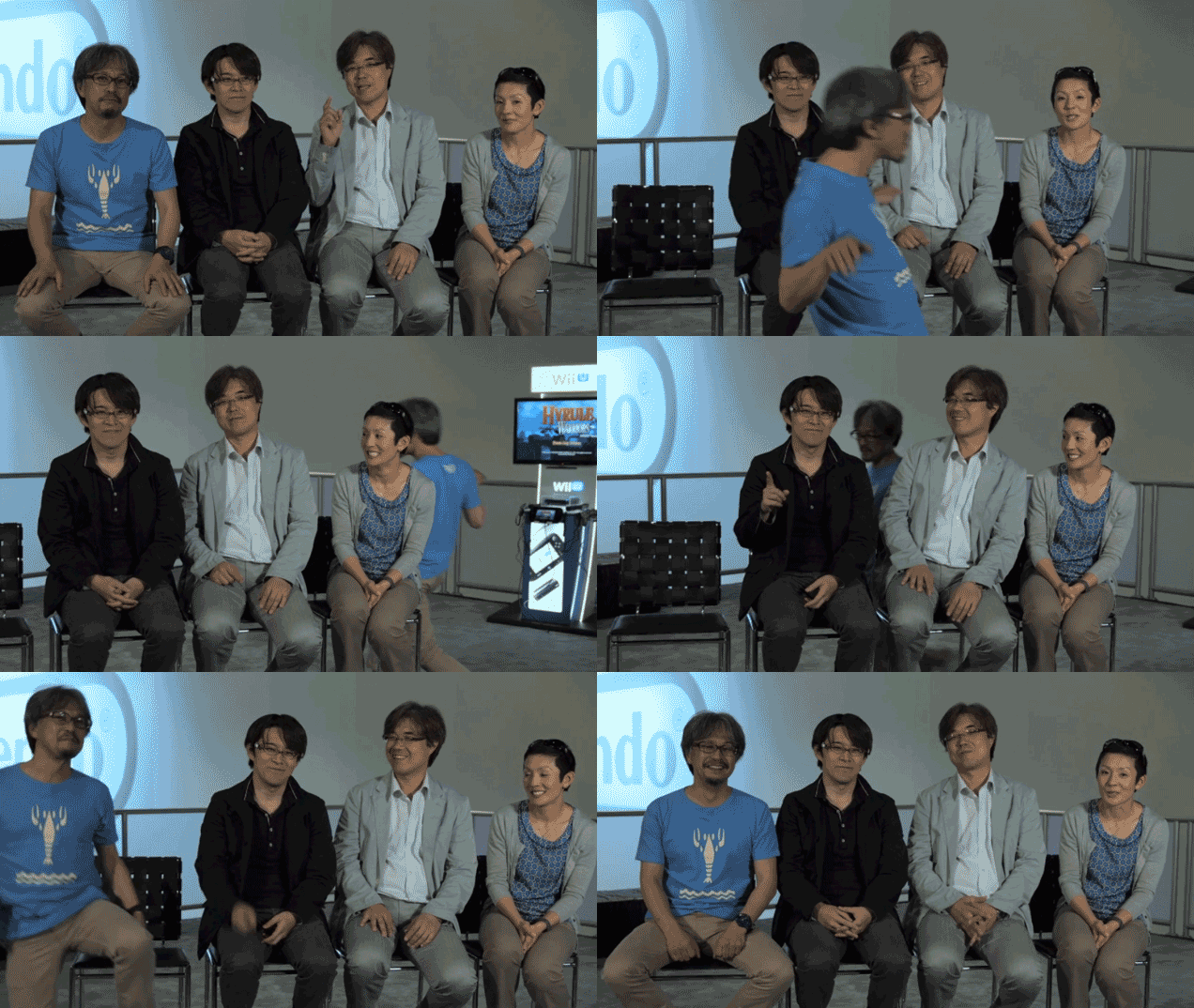 When giving an interview some time ago about a video game in development, Eiji Aonuma, one of Nintendo’s top game designers, felt it necessary to illustrate a point by strutting around the room like a chicken.
This is why Nintendo is the best company.
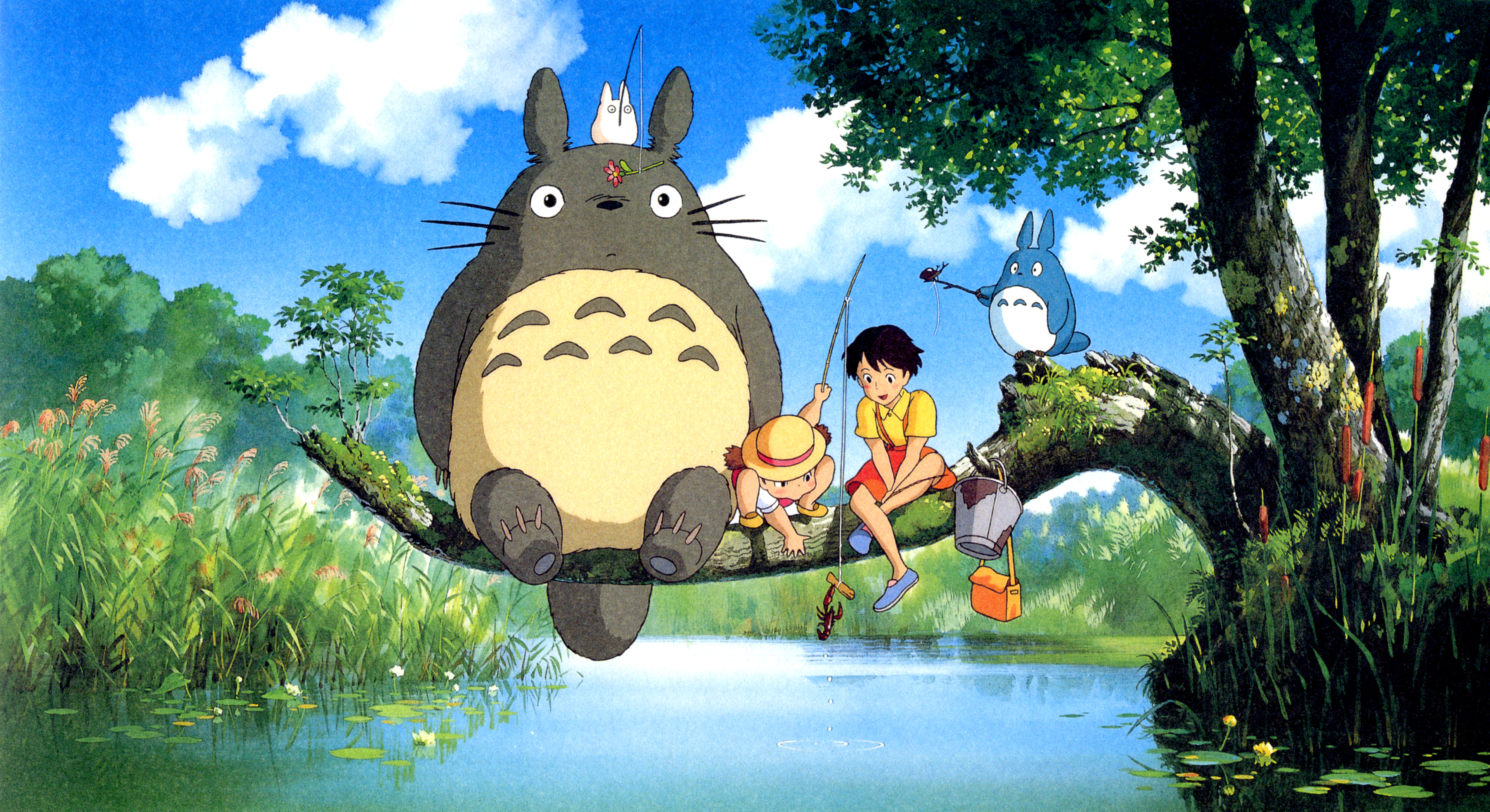
No geeky commentary today. Just a picture of Totoro. Enjoy.
This post was originally published on September 4, 2013. TMTF shall return with new content on August 24, 2015!
A wise person once said, “Always be yourself, unless you can be Batman. Then be Batman.”
Batman is my favorite superhero. Christopher Nolan’s excellent films introduced me to the brilliant, skilled martial arts prodigy who decided the best way to cleanse his city of corruption was to dress up like a bat, throw pointy objects at evildoers and drive around in a really neat car.
Batman is interesting because he has no superpowers. His abilities are the fruit of determination, intelligence and self-discipline, augmented with some sweet technology.
More significantly, Batman is a conflicted character. I like conflicted characters. Granted, most superheroes have insecurities. Batman is different. As Charlie Brown would say, his anxieties have anxieties; Batman is the eponymous sufferer of Batman Syndrome. Nevertheless, he keeps going. He sees no joy and little hope in doing the right thing, yet he does it anyway. I admire that.
On a less intellectual level, Batman is really cool.
However, like every other person on Earth, Batman has bad days. The charming animation above depicts a day when the Caped Crusader just can’t seem to catch a break. Keep an eye out for an appearance from comics legend Stan Lee!
This post was originally published on May 22, 2013. TMTF shall return with new content on August 24, 2015!
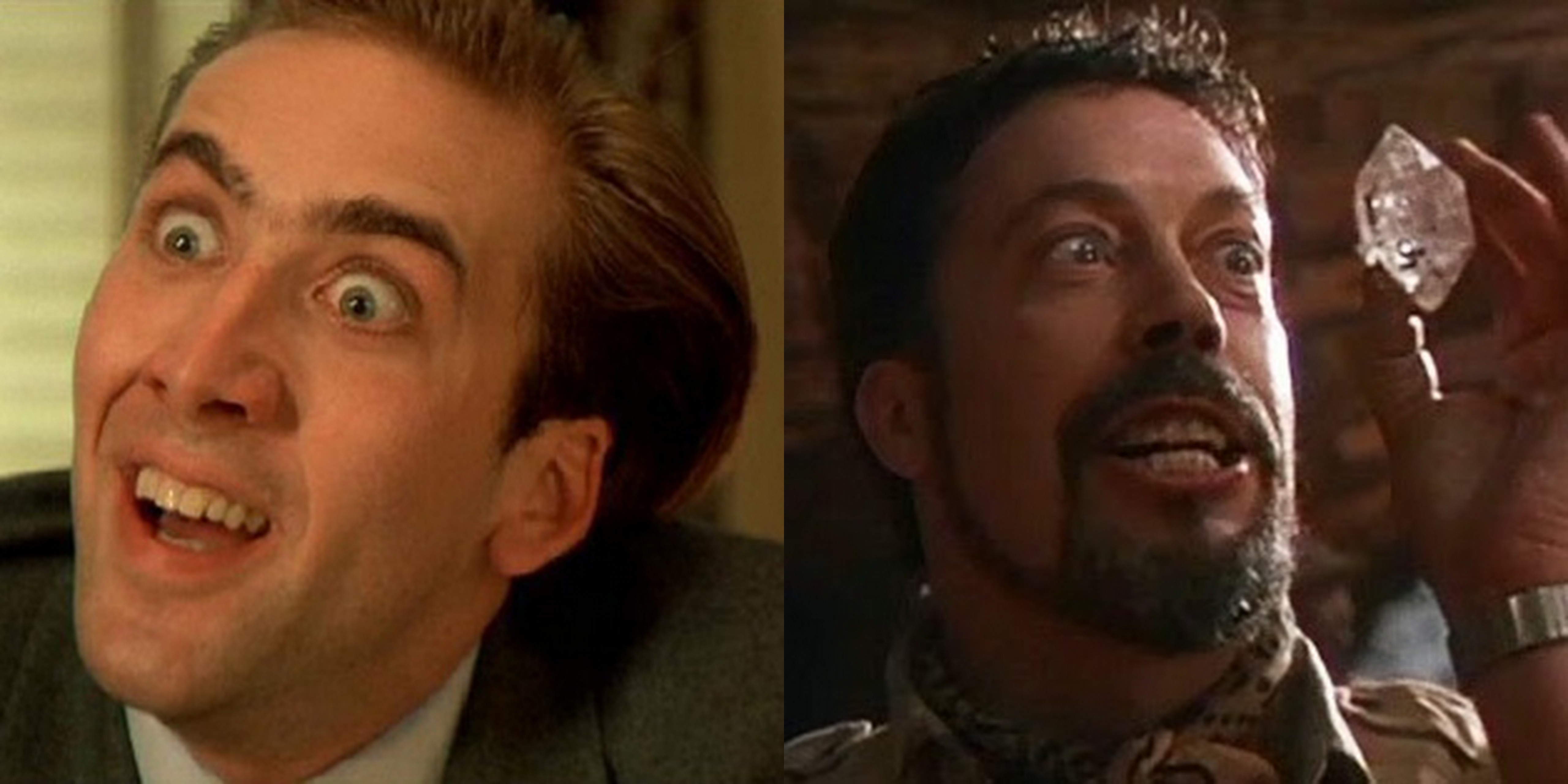 Who is scarier: Nicolas Cage or Tim Curry?
Discuss.
When my favorite animated shows undergo hiatuses—those bleak times when no new episodes are released—I am left alone in grief and misery to ponder the cruelty of the universe. Why must all good things end? Why must I dwell in a twilight existence of interruptions, cliffhangers, and mid-season breaks? Why? Why?!
The good folks at Disney have offered a brief but illuminating explanation. (They have also reminded me that I need to watch Wander Over Yonder sometime.) Apart from the animation itself, which takes a long time, every episode is bounced between teams of artists, writers, actors, musicians, and producers, with executives weighing in regularly. Many studios ship stuff to animators overseas to cut costs. Amid the chaos, I assume, scurry interns: answering phones, running errands, serving coffee in foam cups, and greasing the gears of the mighty machines known as animation studios.
Of course, I can’t discuss how cartoons are made without also sharing the following video, in which the creators of Disney’s Phineas and Ferb explain the process in a rap song. Yes.
Fun fact: This video convinced me to watch Phineas and Ferb a few years ago. That show revived my interest in cartoons and animation, thus guiding me toward a brighter existence… albeit one with hiatuses.
 Typewriter Monkey Task Force