378. TMTF’s Official, Essential, and Utterly Invaluable Guide to Brewing Hot Tea

Typewriter Monkey Task Force is a blog often wasted on personal rambles or geeky nonsense, but not today. TMTF justifies its existence today by offering invaluable insight and time-tested tips on an all-important subject.

I speak, of course, of the brewing of hot tea.

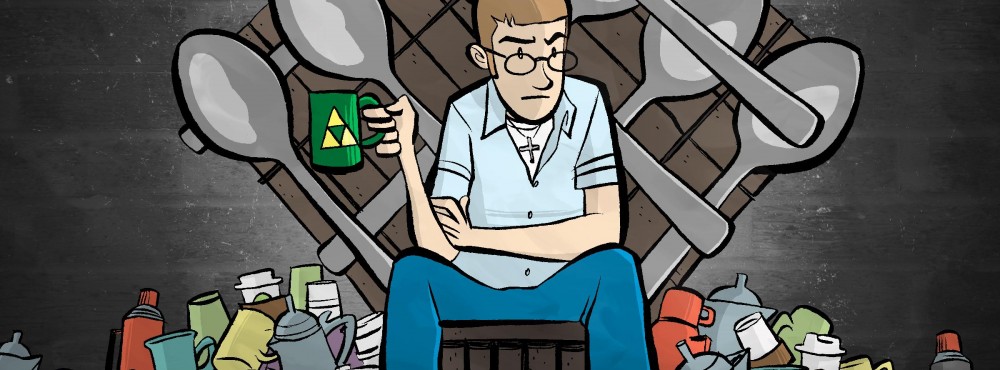
TMTF makes tea

I have twenty-something years of experience brewing and drinking tea, yielding a few successes and one or two truly harrowing failures. (Don’t ever mix black tea, yierba mate, and cinnamon sticks—just don’t.) Although I drink more coffee than tea these days, tea was my passion for many years. It was my special-tea. (I’m so, so sorry.)

Varieties of Tea, as Explained by Science

Are you ready for science? I bet you didn’t expect science.
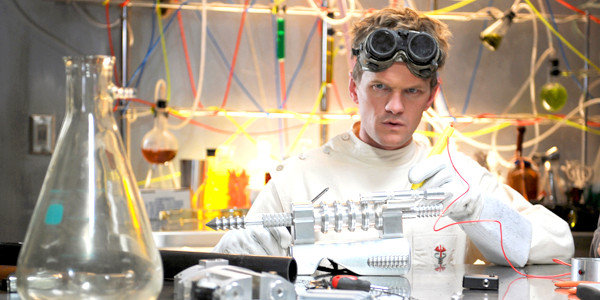
Et-Webscout16The beverages called tea fall into two categories: tea and herbal tea.

Tea comes from a plant whose scientific name is Camellia sinensis. Black, green, oolong, and white teas are all prepared from the leaves of the tea plant. The difference lies in how they are processed from fresh tea leaves to dried leaves. Tea processing involves oxidizing the tea leaves—which is a fancy way to describe the process by which oxygen interacts with the tea, changes its molecular structure, and gives it its taste.

In simple terms, white tea is oxidized only slightly, green tea is oxidized a little further, oolong tea is oxidized even more, and black tea is oxidized completely. Generally speaking, the further a tea is oxidized, the darker its color, the stronger its flavor, and the higher its caffeine content. Black tea is most common in the West, though green tea is also popular. White and oolong teas are a little harder to find.
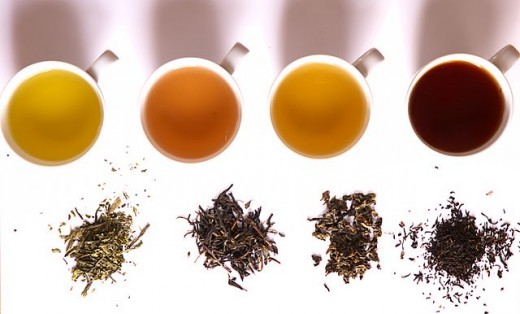
Kinds of teaTea is often infused with other ingredients; such teas are called blends. For example, Earl Grey is a famous blend of black (and sometime green) teas with bergamot oil.

The other broad category of tea beverages, herbal tea, is not actually tea. An herbal tea is some other plant, herb, or spice infused in hot water in the manner of tea. (I can only assume these beverages are called tea for their style of preparation.) In Ecuador, my homeland, herbal tea is more accurately known as agua aromática, or aromatic water. Common herbal teas include cinnamon, chamomile, mint, and ginger.

Preparing to Brew a Proper Cup of Tea

You should start with fresh, cold water. Do not use hot tap water; hot water pipes tend to corrode, giving hot tap water a flat, metallic taste. You will also need a method for heating your water. I recommend heating a kettle on the stove or investing in an electric kettle. (I use an electric kettle: it’s fast, easy, and well worth the price.) I do not recommend heating water in the microwave. Most microwaves build up an oily residue from the foods it has heated, which can flavor the water and give the tea an unpleasant aftertaste.

Brewing Tea: The Basics

As a general rule, the darker your tea, the hotter your water should be and the longer your tea will take to brew. Use boiling water for black tea; for white and green teas, use water that has just boiled.

When the water is hot, add tea. It ain’t hard.

Tea is brewed by a process called steeping, which infuses tea’s soluble substances in hot water. Once again, darker teas require a different set of rules from lighter teas. Most black teas should steep for two or three minutes to bring out their full, robust taste. White and green teas should steep for only one or two minutes—any longer and the tea develops a harsh flavor.

Many tea drinkers leave tea leaves, whether loose or in a teabag, in their tea as they drink it. This is a matter of personal taste. However, I do not recommend it, as tea releases compounds called tannins when steeped for too long. Tannins give tea a bitter and astringent taste, which overpowers its more delicate flavors.

Unlike genuine tea, whose preparation is pretty consistent, there are few universal rules for brewing herbal teas due to their staggering variety.

Teabags Vs. Loose Leaf Tea

The most popular preparations of tea are teabags and loose leaf tea. Teabags are small packets of tea leaves, generally attached to a string for easy removal. Simply put a teabag in hot water, let it steep, and pull it out by the string. Loose leaf tea consists of dried tea leaves. Brewing tea with loose leaves is slightly more challenging, requiring a small strainer.
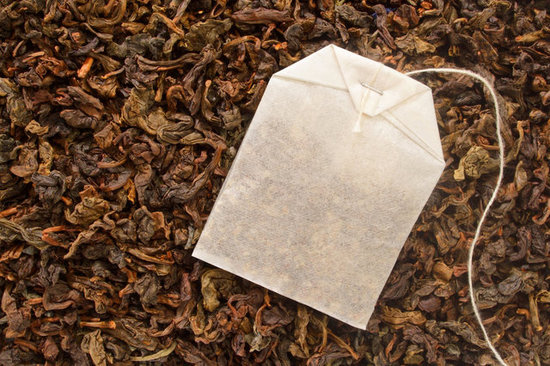
Tea bag and loose leaf teaBoth of these preparations have benefits and disadvantages. Teabags are widely available, easy to use, and conveniently sized for individual servings. However, teabags offer a less robust flavor than loose leaves. Loose leaf tea is generally more expensive and harder to find, requires a tea strainer or brewing basket, and must be separated into portions for individual servings. However, loose leaves offer a much fuller flavor than teabags.

Adding Stuff to Tea: The Basics

By itself, tea is fairly bitter. Sweet additives such as sugar, honey, artificial sweeteners, and even agave syrup are popular. A small amount of milk, when added to darker teas, cuts their bitter flavor for a smoother drink. (Milk has a similar effect on coffee.) Lemon or lime juice gives tea a refreshingly tart flavor. (Do not add milk and lime or lemon; trust me on this.) Small amounts of liquor give tea a bracing taste. Fresh mint leaves are a tasty garnish to lighter teas and some herbal brews. Around Christmas, a small candy cane in a cup of strong black or mint tea is a festive touch.

Recommended Blends and Recipes

Here, in no particular order, are some of my favorites.

Earl Grey

This aforementioned blend of black tea and bergamot oil has a light citrus flavor. The Twinings and Bigelow tea companies offer the best blends, which are widely available in the US. Twinings’s blend is subtle and delicate; Bigelow’s is bold and bracing. They’re both delicious, especially with sugar and just a bit of milk.

Gollum Juice

Named for J.R.R. Tolkien’s morally ambiguous monster, this one packs a punch. Start with a really strong cup of black tea, add a lot of honey, and squeeze in a couple of fresh limes. (I recommend not using bottled lime juice; the fresh stuff is much better.) Fish out any stray lime seeds, mix it all together, and enjoy—but carefully.

Yierba mate

Popular in Uruguay and its surrounding countries, this herbal tea packs a murky flavor. (This is the tea I’m drinking in this post’s title card, and it makes an appearance in one of this blog’s banners!)
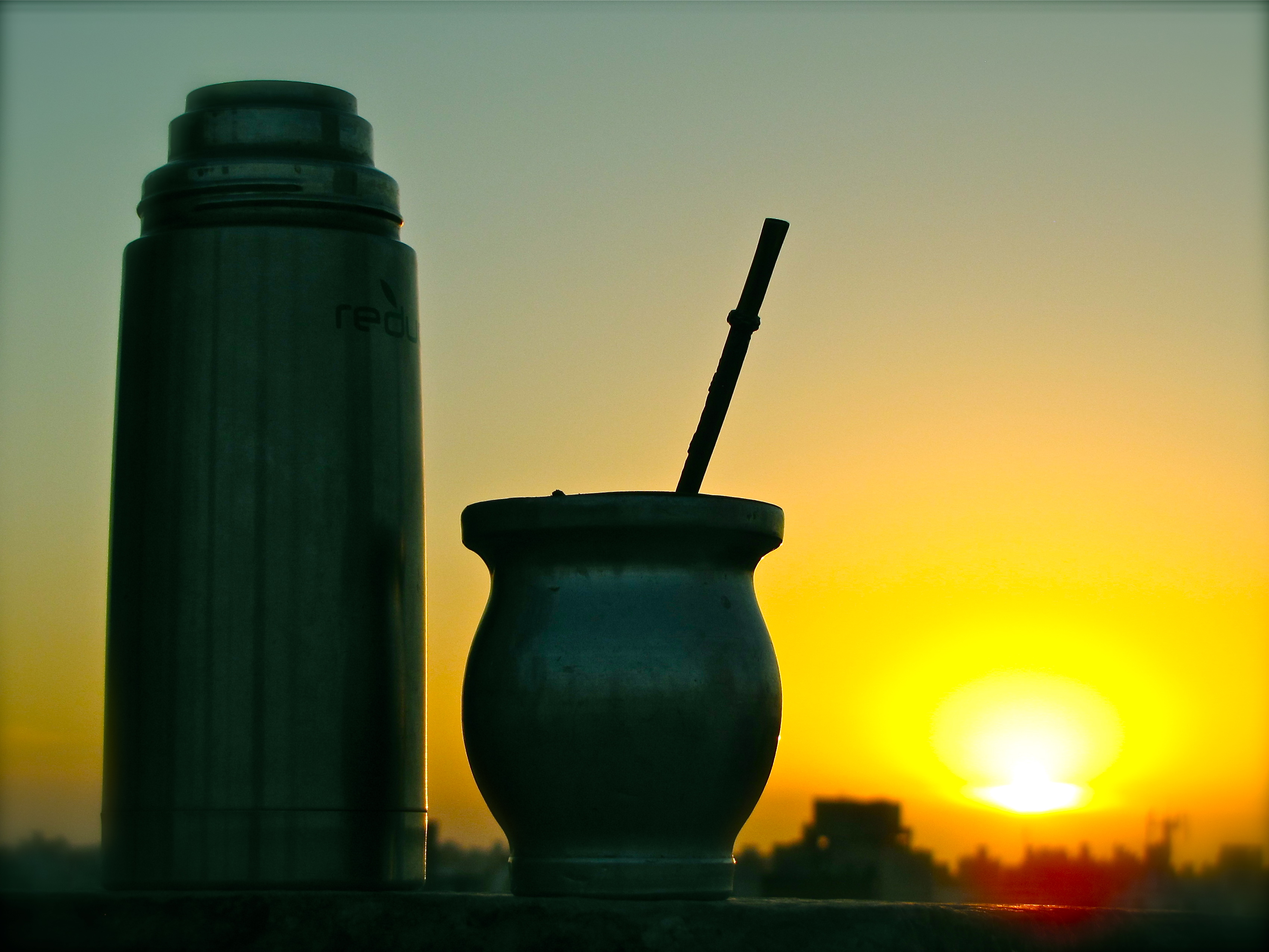
Mate and bombillaAlthough Uruguayan culture demands an elaborate preparation with specialized cups called mates and metal straws called bombillas, a simpler option is to use an ordinary cup and a tea strainer. Yierba mate is definitely an acquired taste, but a light infusion with sugar and even a little lime juice is quite refreshing.

Still Not Ginger

Add a spoonful of honey and two of brandy to a cup of ginger tea. This is a particularly good recipe for cold days. If you recognize the pop culture reference in the name, I will personally brew a cup for you.

Cinnamon tea

Fill a small pot or large saucepan with water, bring it to a boil, and toss in a couple of large cinnamon sticks. I find cassia cinnamon makes a much better brew than Ceylon cinnamon—and yes, there is a difference.
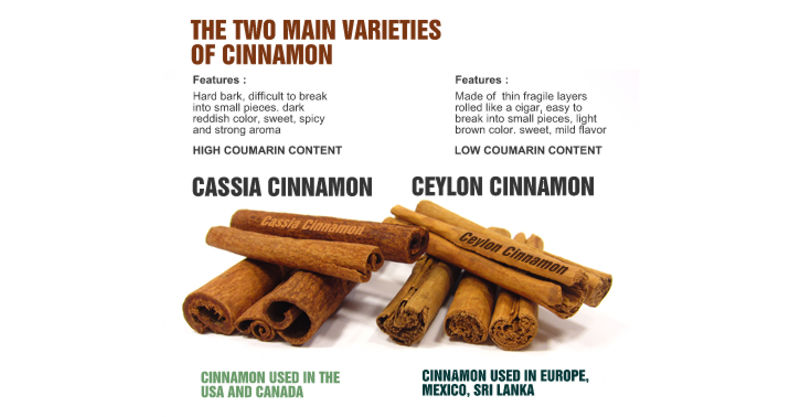
Cassia vs. Ceylon cinnamon sticksLet the brew boil for a minute or so, then turn off the heat and add a lot of sugar. Cinnamon tea is spicy, fragrant, and delicious. This is another good one for cold days.

Jasmine green

This famous blend of green tea and jasmine blossoms is delicious, especially with a little sugar. Brew it from loose leaves if you can; you can sometimes find them in Asian food stores.

That, dear reader, was TMTF’s Official, Essential, and Utterly Invaluable Guide to Brewing Hot Tea. Go forth and brew!

Question: Should TMTF feature more Official, Essential, and Utterly Invaluable Guides to things? Let us know in the comments!

361. Fans, Geeks, and Conventions: A Momentary Study

My studies of geeks have taken me to some strange places: fan websites, video game stores, and even Hot Topic. (When I walked into a Hot Topic store for the first time last month, I turned to my brother and whispered, “I have found my people!”) One of the strangest places my researches have taken me was a fan convention.

Geeks, bless them, can be social creatures. Despite the stereotype of lonely, basement-dwelling troglodytes, many geeks enjoy social events. These often involve geeky media: trips to the cinema, meetups for role-playing or board games, card game tournaments, and so on. The largest social events for geeks are called conventions, often abbreviated to cons.

A con is an organized gathering of fans, generally devoted to a particular franchise or medium. Common features of cons include appearances from special guests, autograph signings, live performances, vendors, previews of upcoming media, announcements, contests, cosplay, and waiting endlessly in line. (You may never have heard of cosplay, but that’s another study for another time.)

This is a typical con, minus the suffocating crowds of geeks.

This is a typical con, minus the suffocating crowds of geeks.

Probably the most famous convention is the San Diego Comic-Con. Although SDCC is named for comics, this yearly event covers films, video games, books, manga, anime, toys, and other media. E3 (Electronic Entertainment Expo) is technically an annual trade fair for the video game industry, yet boasts many features of cons, such as previews, announcements, cosplay, and live presentations. Both SDCC and E3 happen in the next couple of months, and I look forward to their announcements and media trailers.

I have attended only one convention. For science.

Nah, I actually went to a con a few years back to pick up voice actors’ autographs for my younger brother’s birthday. My experiences were mixed. The venue, a hotel, was nice, but the lines were endless. They wound serpent-like through the hotel, twisting, bending, and occasionally intersecting. When lines became too long to fit the venue, new lines formed to get in the old ones. It was ridiculous.

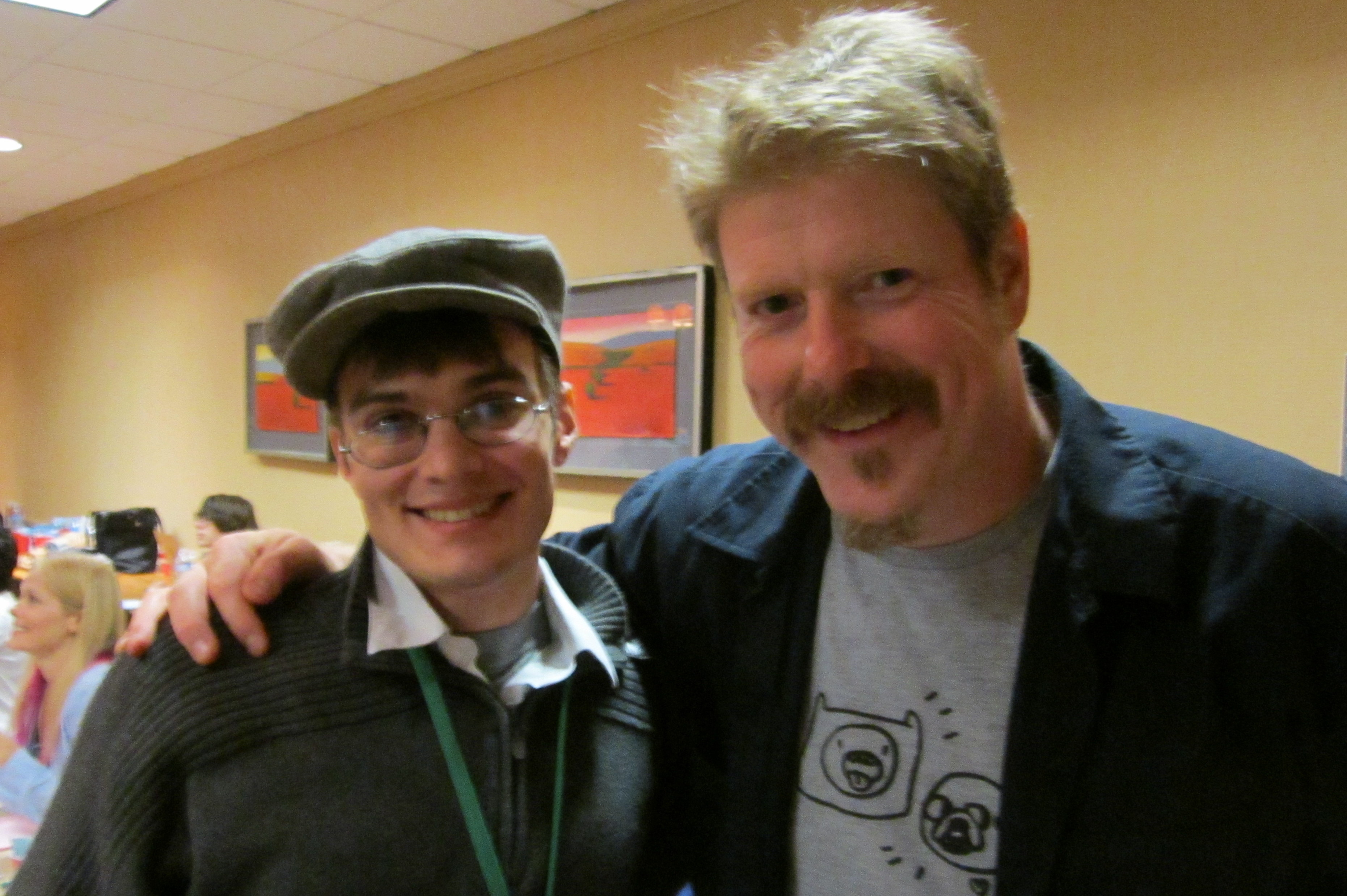
Armed with Radiant Historia, a book, and some apples, I endured the lines and collected my brother’s autographs. I also got to meet voice actors like John DiMaggio and Grey DeLisle, albeit very briefly. It was neat.

"Where have you gone, John DiMaggio? Our nation turns its lonely eyes to you."

Mr. DiMaggio was a very nice man, and DAT STACHE.

My intentions in attending a con may not have been strictly academic, but I learned a lot by observing geeks in their natural habitat. Those I met were pleasant, cheerful, and friendly, if occasionally a little odd. Contrary to stereotypes, there was not a pale, acne-covered misfit in sight. There were guys with guitars, and gals wearing silly costumes, and people exhausted from standing in lines for eighty-nine consecutive hours to meet Tara Strong.

As I knew from the start, geeks were nice, ordinary people who happened to be fans of stuff. Cons give geeks the opportunity to be geeky together, and I think that’s pretty neat.

338. Strange American Valentine Rituals

The United States of America has many strange customs and holidays, and I consider it my duty to research them. With St. Valentine’s Day taking place tomorrow, I set my studies of Halloween and Thanksgiving behind me in order to give this latest holiday the anthropological scrutiny it deserves.*

My findings were… dark. Despite its popular image as a time for giving gifts and expressing romantic love, St. Valentine’s Day represents bloodstained history and wanton consumerism.

Verily, of the various letters vividly visible above, the very first veers vaguely toward the visual vibe of a violent yet entertaining film I once viewed.

Verily, of the various letters vividly visible above, the very first veers vaguely toward the visual vibe of a viscerally vicious and violent film I once viewed: V for Valentine, or some variation.

As the holiday is named for a historical figure, my first task was to research St. Valentine himself. Little is known of this ancient Roman martyr, whose death is celebrated every year in America by the sale and distribution of gifts such as flowers, chocolates, cookies, cards, jewelry, and frilly undergarments. St. Valentine, who is known as Valentinus in some accounts, is surrounded by legends, but few facts remain.

Upon finding the study of this dead saint to be a dead end, I turned my researches toward the holiday itself, and discovered a sordid celebration of Valentine’s demise.

The name of the event, St. Valentine’s Day, is generally shortened to Valentine’s Day by the disgraceful omission of Valentine’s hagiographic title. Just as the Christmas season is marked by certain colors (viz. red and green), so Valentine’s Day is recognized by the colors red and pink.

The significance of these colors is open to speculation. Given what little is known of St. Valentine’s personal history, the color red may represent his violent death as a martyr. Pink generally represents love or sweetness; its association with the bloody red of Valentine’s death demonstrates a disturbing veneration of violence.

More than fifteen centuries after Valentine’s tragic end, why is it celebrated by the giving of gifts? Why is romantic love the legacy of Valentine’s martyrdom? What aspect of his brutal death inspired sappy cards, heart-shaped candies, and other mawkish gifts?

These are distressing questions, and my best researches have yielded no answer.

Do you know what else is distressing? These awful pills. I don't know what kind of medication they contain, but they taste awful.

Do you know what else is distressing? These awful tablets. I don’t know what kind of medication they contain, but they taste awful.

Perhaps it would be prudent for me to narrow the lens of my researches from the purpose of the holiday to its specific observances.

The greatest tradition of Valentine’s Day seems to be buying things, such as the aforementioned flowers, candy, cookies, cards, jewelry, and lingerie. This eclectic assortment of romantic items has no discernible connection to Valentine himself, leaving me to surmise that their popularity as Valentine’s Day gifts is prompted by the theme of romantic love that has left its indelible and inexplicable mark upon the remembrance of that saint’s death.

Never mind the occasion—coffee is always an appropriate gift.

Never mind the occasion—coffee is always an appropriate gift.

Although these gifts are generally exchanged by romantic partners, it is common for celebrants of Valentine’s Day to distribute cheaper and less intimate gifts among friends, classmates, and coworkers; candy and cards are among the most popular options. Other Valentine’s Day traditions observed in America include going on dates or to parties.

A romantic card or letter given on Valentine’s Day is known as a valentine. This eponymous designation is shared by any person to whom such a card or letter is given.

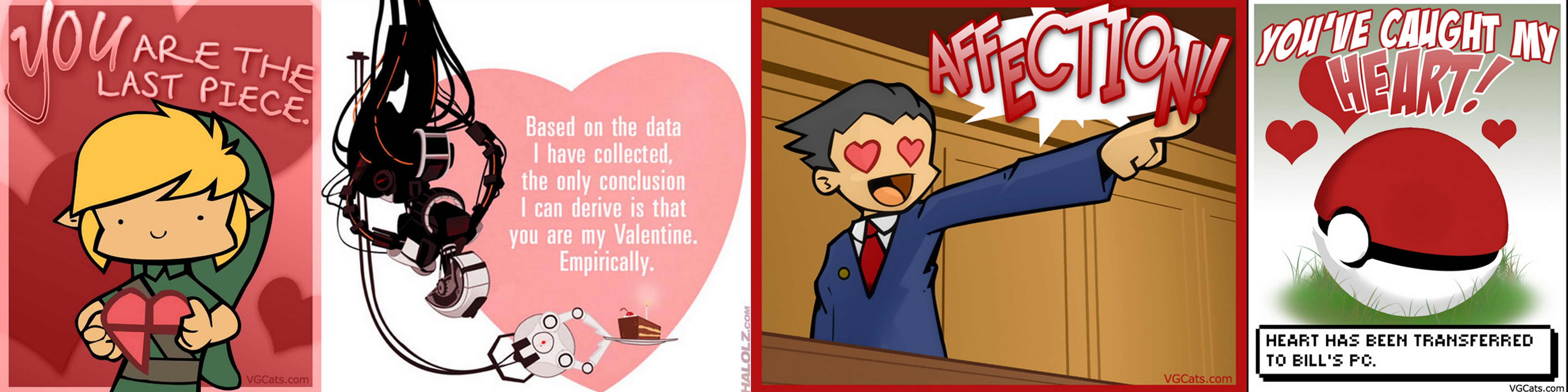
(If I may permit a personal view to interfere with my serious studies of American holidays: I strongly opine that video game valentines are the best valentines.)

If you recognize all of the games represented in these Valentine's Day cards, you deserve a cookie.

If you recognize all of the games represented in these valentines, a winner is you!

In conclusion, Valentine’s Day seems to celebrate the violent death of a good man, associating it (for dark, unknown reasons) with romantic sentimentality. I acknowledge, regardless, the importance of the virtues venerated by the holiday—to wit, love and friendship.

Thus, with sincerity and due caution, I wish you a happy St. Valentine’s Day.

*I should remind my dear readers that my studies of American holidays are silly, sarcastic, and absolutely not serious. This blog post is a joke. Please don’t take it seriously!

332. Geek Studies

Geeks are fascinating creatures.

Believe me, I should know. I’ve spent a lot of time among geeks, observing their behaviors and gathering data. In fact, in the interests of full disclosure and journalistic integrity… I must confess that I myself am totally a geek.

Yes, I can imagine the disbelieving astonishment in your expression. Who could have imagined that Adam Stück, of all solemn and serious people, has been a geek all along? I’ll give you a moment to get over your shock.

As I said, geeks are strange and marvelous creatures. Geeks, and the cultures they create, are worth studying.

Et-Webscout16

Geek culture, you say? Fascinating! I must science it immediately!

What is a geek? The simplest definition for a geek is a person with a strong interest in something. A geek is not a nerd, though a person can be both. A nerd is intelligent, generally introverted or asocial, and sometimes (but not always) socially inept. Although geeks are often stereotyped as nerds, anyone can be a geek. Sports fans, college professors, or motorcycle enthusiasts can be geeky about their respective interests.

Geeks are usually ordinary people with a passion for something trivial—a book, sport, hobby, video game, television series, or something else. Besides having a strong attachment to their objects of interest, geeks usually know a lot about them. Once you get geeks talking, it can be really hard to shut them up. Geeks can have more than one object of interest, of course. I have many!

The thing that fascinates me most about geeks is the instant solidarity and understanding that often springs up between them. A common interest, no matter how trivial, can unite people of all cultures, races, nations, languages, beliefs, and opinions. A shared love of soccer, Star Wars, or world history brings together the most unlikely people. Geeks frequently set aside personal differences; the wolf lives with the lamb; the calf and the lion and the yearling quit arguing about religion or politics and go out for coffee.

I’ve done a little informal research into geek culture, and I’d like to do more. Brief studies of geek culture shall join About Storytelling posts, TMTF Reviews, and Why [Insert Author Name] Is Awesome posts as an occasional feature on this blog.

Anthropology isn’t exactly my field, true, yet I have what Liam Neeson would call “a particular set of skills.” My skills, unlike Liam Neeson’s, mostly involve geeky things like winning Mario Kart races and rambling about J.R.R. Tolkien. I consider myself highly qualified to discuss geek culture. In fact, some time ago, I went so far as to create a geek studies tag for TMTF and add it to a bunch of old posts… which, I suppose, makes me guilty of retconning my own blog.

What’s that? You’re wondering what retconning means? Don’t worry about it. Retconning is a geek thing.

Cartoon Anatomy Is Weird

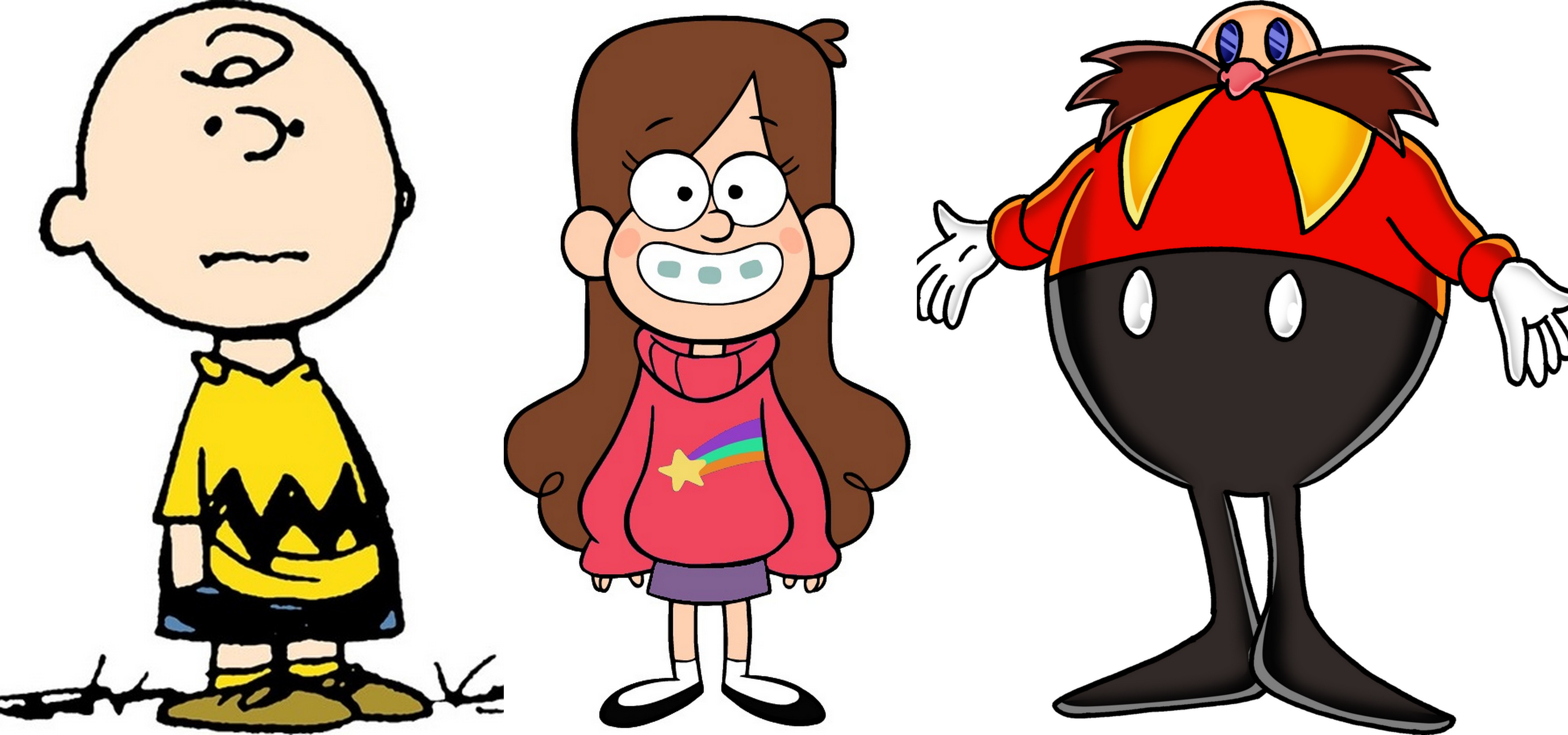
Cartoon anatomyI’m no expert on human anatomy, but I’m pretty sure Charlie Brown’s neck wouldn’t support his head. He’s always seemed a bit… top-heavy.

The same is true for Mabel Pines, and her neck isn’t the only problem—I’m pretty sure those legs wouldn’t carry her weight. Speaking of which, I consider it a miracle that Doctor Eggman can stand at all. His slender needle-legs wouldn’t hold up his mustache, let alone his, um, bulbous physique.

Yes, I’m overthinking things. Cartoons aren’t supposed to be realistic. Character designs are highly stylized. I get that, and I like cartoony proportions. (Would Snoopy from Peanuts be one-half as adorable with a proportionately-sized head? I didn’t think so.) All the same, I find myself occasionally scrutinizing cartoon characters and wondering which bones would be the first to break.

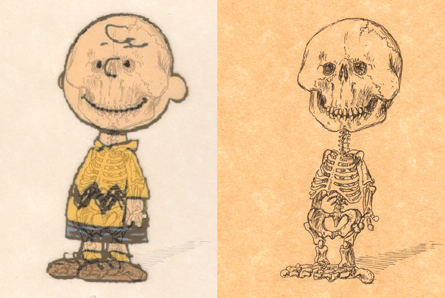
Consider the following image of Charlie Brown, courtesy of Michael Paulus.

Charlie Brown's skeletonFor someone frequently addressed as “blockhead,” Charlie Brown’s gargantuan dome is quite spherical. No way on God’s green earth would a few spindly vertebra hold up a skull like that.

I suppose cartoon anatomy joins the ability to pull stuff from nowhere as one of animation’s greatest mysteries.


This post was originally published on October 8, 2014. TMTF shall return with new content on January 19, 2015!

321. Strange American Turkey Rituals

As much as I like the United States of America, I’m confused and disturbed by some of its customs. (The traditions in my homeland of Ecuador seemed so much simpler.) For example, Americans will celebrate a festival of ritualistic gluttony known as Thanksgiving in just a few days.

We at Typewriter Monkey Task Force pride ourselves on our anthropological researches. Although we generally reserve our investigations for important matters such as geek culture and cartoons for little girls, we’re expanding our vision to cover American holidays. Our research is completely authentic, and presented in a factual manner utterly devoid of humor, sarcasm, or silliness.*

As I recovered from last month’s sinister pumpkin rituals, I heard disquieting rumors of a November celebration for which Americans gather to disembowel turkeys and observe brutal bouts of gladiatorial violence. Halloween was odd, but Thanksgiving truly takes the cake… or the pie in this case.

Let’s start with the turkeys.

Turkey sacrifice

I’m guessing this is some kind of ritual sacrifice.

According to tradition, many American families prepare a turkey for the Thanksgiving festival. The bird is slaughtered and disemboweled. Then, in a macabre twist, its innards are replaced with a mixture of dried bread and spices. Thus desecrated, the turkey’s carcass is placed in an oven, cooked, and then served as part of the traditional Thanksgiving meal.

I can only speculate that the Thanksgiving turkey is a sacrifice offered as an act of thanksgiving for a good year, hence the name of the holiday. Note that the bird is not immolated as a burnt offering. It is eaten instead by participants in the Thanksgiving festival. I can only infer that the turkey’s ceremonial function is similar to the wave offering prescribed for ancient Israel in the earlier books Old Testament: an offering dedicated, but eaten instead of burned.

The sacrificial turkey is generally served with foods such as mashed potatoes, gravy, ham, corn, bread rolls, pies, and sauerkraut. (I presume sauerkraut is eaten because it has ceremonial significance; I can hardly imagine anyone actually liking the stuff.) Collectively, these foods are called Thanksgiving dinner.

Thanksgiving dinner is often devoured with reckless enthusiasm. This annual display of gluttony occurs so widely that it may be ritualistic. Worship has taken many forms in different epochs and cultures: singing, dancing, praying, meditating, offering sacrifices, making pilgrimages, giving alms, and even inflicting self-harm. Could overeating be a form of worship unique to the Thanksgiving festival? Of course, these are just speculations.

The final custom we will examine is that of football.

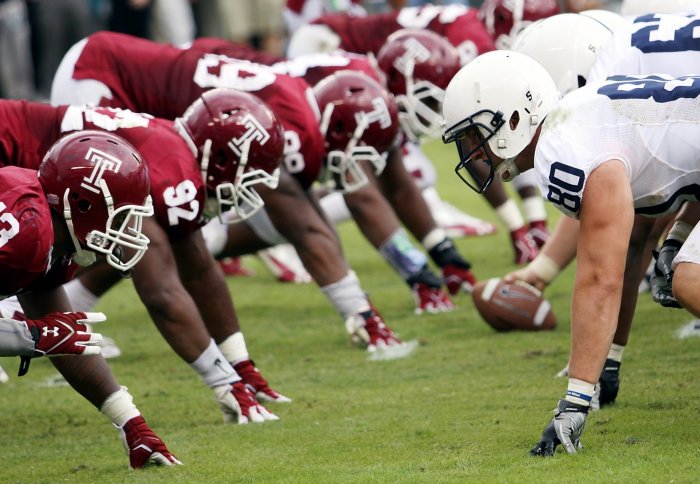
This display of unbridled savagery baffles me.

This so-called game, a demonstration of unbridled savagery, baffles me.

This athletic event is not to be confused with the sport of the same name, known as soccer to Americans. Having done a little research, I have concluded that American football is a gladiatorial competition in which armored men ram into each other on a field. Their goal is to take, by means of extreme force, an elliptical object that seems to be the eponymous football. This football is carried by hand, not propelled by foot, rendering the origin of its name an incomprehensible mystery.

We conclude that Thanksgiving is an appalling display of gluttony, violence, and unexplained rituals. However, in the interests of anthropological study, we intend to sample Thanksgiving dinner this year. For science.

*Nah, we’re just kidding.

315. Fans, Geeks, and Shipping: A Momentary Study

Today we delve once again into anthropological study as we take a look at shipping. No, I don’t mean the transportation of goods. The word shipping also denotes a strange, fascinating, and occasionally outrageous trend observable in communities of geeks across the Internet.

As an eminently geeky blog, TMTF must investigate this sociological phenomenon. For science! Grab your pens, clipboards, and safety goggles, ladies and gentlemen. Let’s get geeky!

(Wait, give me ten minutes to research shipping on Wikipedia, that splendid fount of Internet knowledge. All right, let’s begin!)

We begin with a preliminary note about fandom. A portmanteau of fan and kingdom, a fandom is a community of people united by a common attachment to something. To put it more simply: a fandom is a group of fans. The word also refers to the subcultures created by these groups, and to each fan’s individual predilection for the object of attachment.

As the word shipping used in the context of fandom, it denotes a wish for two people, usually fictional characters, to have a certain kind of relationship—usually a romantic one. (I suppose shipping can involve more than two people, but I prefer not to pursue that thread of inquiry any further.) The term is the gerund form of the verb ship, which is derived from the word relationship. Fans ship their favorite characters by pairing them up. The word ship also functions as a noun, referring to a specific pairing.

In other words, shipping is fans wanting people (real or imagined) to find happiness together, which is sort of sweet, extremely silly, and just a bit creepy.

I didn’t know much about shipping before looking into it; I thought it might make an interesting blog post. I was astonished to realize how fully developed and widely accepted a practice shipping has become. Many fans pen fan fiction, create artwork, or write music promoting their preferred ships. Some fans argue about them—after all, this is the Internet.

Shipping has become so widely practiced that it apparently has its own terminology. A sailed ship, for example, is a pairing that actually happens. A joke ship is a ship too ridiculous to be taken seriously, and a sunken ship is one that has no chance of happening. (Wikipedia has a list of nearly twenty shipping terms. It’s insane.) Portmanteau combinations of names often represent ships, such as Romuliet for Romeo and Juliet. (Yes, Romuliet is an awful word; I hate to think of what terrible violence ships have inflicted upon the English language.) Some fans become so invested in certain ships that they declare them OTPthe One True Pairing for those characters.

I thought shipping was mostly a joke, but I was surprised to discover its complexity and ubiquity across the Internet.

What’s that? You want to know my preferred ship? That would be milk and coffee, thanks for asking. What finer OTP could there be?

311. Strange American Pumpkin Rituals

I’ve spent a few years in Indiana, one of the United States of America. Indiana is extremely different from my homeland of Ecuador. The season of autumn brings all sorts of strange cultural customs. In fact, as we approach the holiday known as “Halloween,” I’ve seen disconcerting rituals take place in my very neighborhood.

Today TMTF delves into anthropology and investigates strange American pumpkin rituals. For science.

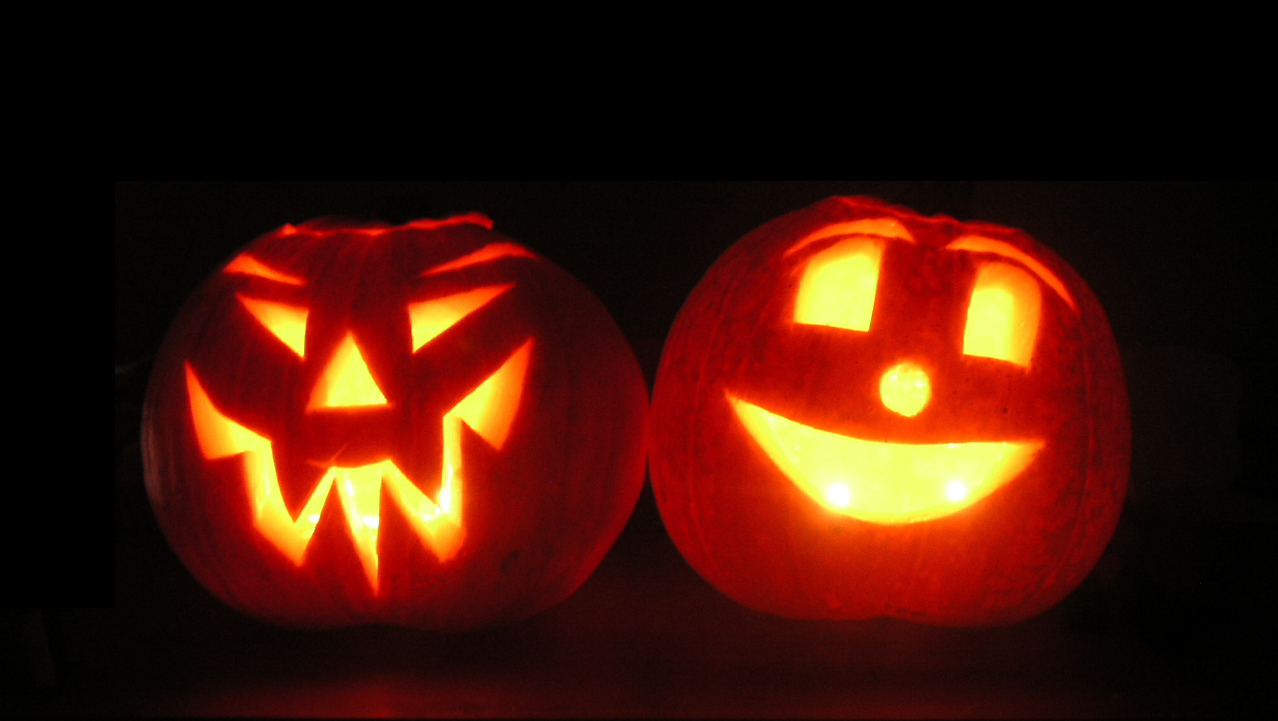
I’m baffled by the bizarre, violent, and highly dubious custom of carving pumpkins into facsimiles of severed heads. These gruesome gourds are known as “jackal lanterns,” or some such.

Nothing brightens up a porch like grotesque facsimiles of severed heads!

Nothing brightens up a home like grotesque facsimiles of severed heads!

I recently witnessed the creation of jackal lanterns firsthand. First, the pumpkins were eviscerated and their innards piled in slimy heaps. Seeds were extracted from these heaps, seasoned, and cooked in an oven. I gathered that roasted pumpkin seeds are a seasonal delicacy, and tried a small handful—for science. The seeds tasted like buttered wood chips and were more or less completely indigestible. Americans must lack taste buds and have ironclad stomachs—but that’s research for another time.

After they were emptied of seeds and pulp, the hapless pumpkins had faces carved in them. These were grotesque. Further researches on my part yielded some interesting information: although jackal lanterns are generally patterned after severed heads, they can feature words, portraits, logos, cartoon ponies, interstellar weapons of mass destruction, and other forms of visual art.

Once completed, jackal lanterns are usually placed upon porches or in front yards. Lights or candles are placed inside them, shining through apertures and places where the sides of the pumpkins have been pared to a translucent thinness. This explains the lantern part of jackal lantern, but my researches have yet to explain the jackal part. Is the purpose of displaying these lanterns to frighten away jackals?

My other hypothesis is that jackal lanterns are deployed outside homes as protective charms to ward off gnomes, trolls, or evil spirits.

Halloween brings many more peculiar rituals, such as the custom of donning disguises, accosting strangers on their doorsteps, and demanding sweets. This ritual is apparently call “triquertreting.” (I haven’t actually seen the word written, so I’ve transcribed it phonetically here.) I can only presume the word is derived from the French triquer (cudgel) and the German treten (trample). Thus triquertreting can be loosely translated to cudgeling and trampling, which confirms my worst fears about Halloween and its customs.

All this makes me long for Ecuador’s peaceful and sensible customs for the Día de los Difuntos (Day of the Dead) on November 2, a couple of days after Halloween. Ecuadorians eat guaguas de pan, children made of bread; slurp colada morada, a soupy hot drink made with spiced fruit; and dine atop the graves of dead ancestors. What’s weird about that?

Cartoon Anatomy Is Weird

Cartoon anatomyI’m no expert on human anatomy, but I’m pretty sure Charlie Brown’s neck wouldn’t support his head. He’s always seemed a bit… top-heavy.

The same is true for Mabel Pines, and her neck isn’t the only problem—I’m pretty sure those legs wouldn’t carry her weight. Speaking of which, I consider it a miracle that Doctor Eggman can stand at all. His slender needle-legs wouldn’t hold up his mustache, let alone his, um, bulbous physique.

Yes, I’m overthinking things. Cartoons aren’t supposed to be realistic. Character designs are highly stylized. I get that, and I like cartoony proportions. (Would Snoopy from Peanuts be one-half as adorable with a proportionately-sized head? I didn’t think so.) All the same, I find myself occasionally scrutinizing cartoon characters and wondering which bones would be the first to break.

Consider the following image of Charlie Brown, courtesy of Michael Paulus.

Charlie Brown's skeletonFor someone frequently addressed as “blockhead,” Charlie Brown’s gargantuan dome is quite spherical. No way on God’s green earth would a few spindly vertebra hold up a skull like that.

I suppose cartoon anatomy joins the ability to pull stuff from nowhere as one of animation’s greatest mysteries.


224. More Thoughts on Girls in Video Games

Video games often do a lousy job of respecting women. I’m no feminist, but I do believe women should be treated with respect.

One of the major problems I see in video games is sexual objectification, the deplorable practice of making people mere objects to be ogled. People are people. Treating them as anything less is demeaning, yet women in video games are often reduced to little more than slim waists, big breasts and curvy figures.

What about characters who are merely attractive? We like our heroes and heroines to be beautiful, and I don’t think there’s anything wrong with that. Good looks are a good thing. When does a character cross the line? At what point does an attractive character become a sexual object?

After thinking about it, I hit upon a few basic principles.

Appearance: Does a character have a realistic appearance or exaggerated physical proportions?

Attire: Are a character’s clothes appropriate or inappropriate?

Character: Is a character given a genuine personality or merely a shallow persona?

Context: Does a character’s appearance make sense in context?

Let’s put these principles to the test and take a look at some video game girls.

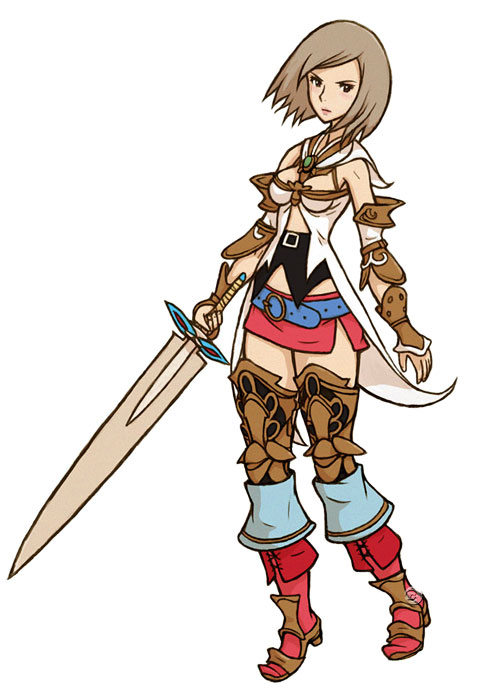
Ashe (Final Fantasy XII)

Ashe

Despite wearing the shortest of all possible miniskirts, the princess of Dalmasca in Final Fantasy XII is definitely not a sexual object. Ashe is a driven, intelligent person who fights for her subjects and earns the respect of her companions. Even her less-than-modest clothes are standard for Dalmasca, a kingdom enveloped by arid deserts. Ashe’s outfit is, in a literal as well as a figurative sense, cool.

Tifa (Final Fantasy VII)

Tifa

Tifa Lockhart is a wonderful person, but her personality fails to save her from becoming a victim of sexual objectification. She wears a miniskirt and mini-shirt, even into battles against vicious monsters. How she avoids death and injury—not to mention charges of indecent exposure—I can’t imagine. Tifa is a strong woman with an empathetic, motherly nature… but too many gamers remember her only as the babe from Final Fantasy VII with the long legs and huge bust.

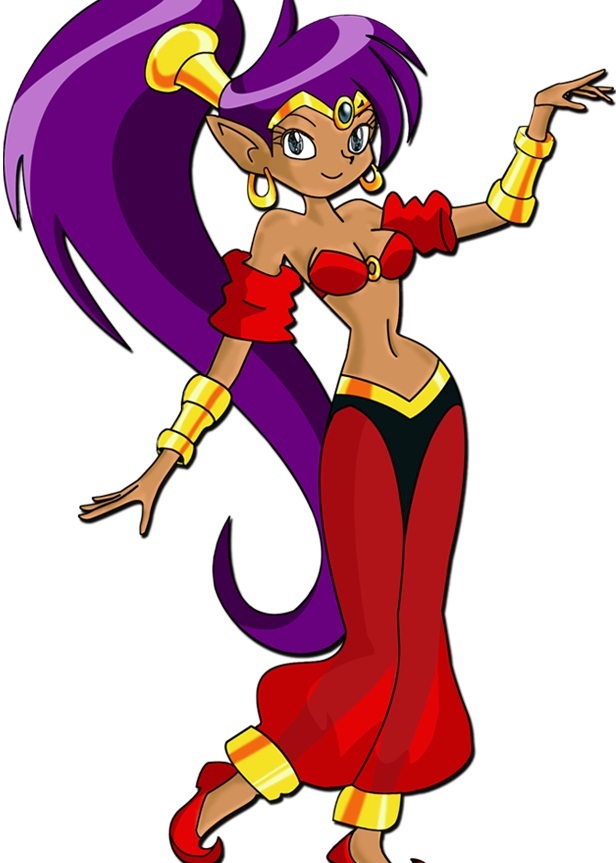
Shantae (Shantae series)

Shantae

Some women in video games look uncomfortably like strippers. Shantae looks more like someone in pajamas. Her clothes are revealing, but Shantae is no less modest than some of Disney’s kid-friendly princesses. Shantae is an upbeat, well-developed character, and only one of her physical features is greatly exaggerated… her ears. Even her outfit makes sense given the context of her hometown’s blazing climate. Shantae is definitely a person, and an adorable one at that.

Samus (Metroid series)

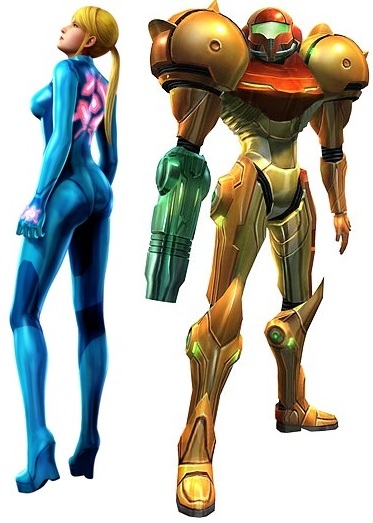
SamusSamus Aran, the solitary bounty hunter from the Metroid series, is an interesting case. In most of her games, she’s a silent protagonist without much personality—yet she’s treated respectfully as an independent, capable person with the good sense to wear full body armor into battle. However, upon removing her armored suit, Samus becomes a babe in pointlessly revealing or form-fitting clothes. Whether Samus can be considered a victim of sexual objectification depends mostly on whether she’s on or off duty.

Physical beauty is a very good thing. Sexuality is an amazing gift, which is exactly why it shouldn’t be flaunted or cheapened by flagrantly sexualized characters. People are people. All people—even video game characters—should be respected.