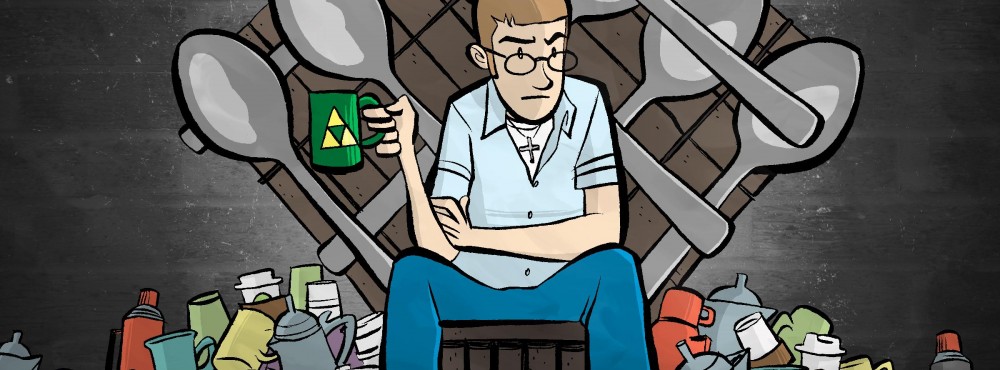
Romeo and Juliet and Dave

A Sequel to “A Portrait of the Artist as a Performing Monkey”

“Ave, Imperator! Morituri te salutant,” grumbled Gabriel Green, fumbling with his scarf and scattering snowflakes over the carpet.

The lady at the desk giggled. “I don’t speak Spanish, Mr. Green.”

“Latin,” corrected Gabe. “It means, ‘Hail, Emperor! Those who are about to die salute you.’” He looped the scarf around his neck and pulled it upward like a noose, doing his best impression of a hanged man. “Is Phil in his office?” he asked, somewhat ruining the effect.

“Oh, don’t be such a drama queen,” tittered the secretary. “I’ll let him know you’re here.” She pressed a button and leaned forward to speak into a little microphone on the desk. “Mr. Lector? It’s Mr. Green. Should I send him in?”

“Gabe!” crackled a familiar voice. “Come in, come in, come in! Just the man I wanted to see.”

“You can hang your stuff on the wall over there,” said the secretary, waving vaguely toward some coat hooks on the wall.

“Can I hang myself?” inquired Gabriel. “I mean, will the hooks take my weight, or should I find a sturdy tree?”

Moments later, as he stepped into Phil’s office, Gabriel was met with the comforting smell of old coffee.

“Gabe!” boomed his agent, rising from his desk. “Been waiting for you! Have a cuppa joe. It’s old and sludgy, but I don’t charge.”

Gabriel needed no encouragement. Filling a foam cup, he recited, “Out of the gloom that covers me, when wind is cold and sky is gray, I thank whatever gods may be for coffee on a winter day.”

“That’s good, that’s good,” said Phil, beaming. “An original?”

“From a poem by William Ernest Henley,” admitted Gabriel. “More or less. You wanted to see me?”

Phil motioned to a leather chair across the desk from his own. “Have a seat, Gabe. We gotta talk.”

Gabriel sat down, feeling like a student in the principal’s office. “What have I done this time?”

“The problem’s with your latest book,” said Phil, frowning. “I won’t mince words, Gabe. The Sun and the Spire didn’t sell.”

“It wasn’t exactly a bestseller,” he conceded, “but the critics loved it. The review from The Typewriter Ribbon called it—”

“I don’t care what reviews called it. I call it a loss.” Phil’s tone softened. “Look, Gabe, I love your stuff. You know that. As an agent, I like representing at least one brainy writer for bragging rights. You’re my trophy author.”

“Thanks a lot, Phil.”

“But even trophy authors have to earn a few bucks now and then, and my kids occasionally need to eat. We’re counting on you, Gabe. We need a bestseller: something for Young Adults.”

Gabriel sipped his coffee, stared at his hands, and asked in a small voice, “What did you have in mind?”

“Glad you asked!” exclaimed Phil, slapping his desk. “I’d suggest a vampire novel to entice publishers, but since that’s apparently, ahem, ‘impossible,’ we’ll have to try another angle. How’s a love triangle sound?”

A pained noise, something between a moan and a wail, escaped from somewhere deep inside Gabriel Green.

“You okay?” asked his agent.

“I’ll be damned.”

Phil smirked. “Language, Gabe.”

“A love triangle?”

“You know, a romance where a character has to choose between two lovers. Haven’t you read Twilight or The Hunger Games? They’re hot sellers. They’ve got love triangles.”

“Do you know what else is a hot seller? Romeo and Juliet. Two lovers: great romance. There’s a reason Shakespeare didn’t call it Romeo and Juliet and Dave. Three’s a crowd.”

Phil dismissed the Bard of Avon with a wave. “Shakespeare’s ancient history. We’re talking Young Adults, Gabe. They want love triangles, and publishers want to give them love triangles, and it’s our job to keep publishers happy. Give them a love triangle. And Gabe,” he added, “this time it had better not be impossible.”

Gabriel Green drained his cup, crushed it in his fist, and dropped it in the trashcan as he slunk out of his agent’s office. As he gathered his coat and scarf from their hooks on the wall, the secretary asked, “Where to next, Mr. Green?”

“To find a sturdy tree,” he spat, wrapping his scarf tightly around his neck.

When Gabriel returned to his apartment, he left his winter clothes in a heap on the floor and went straight to the kitchen to brew coffee. Then, reluctantly, he fished a cell phone out of his pants pocket, sifted through his contacts, and selected a number labeled BARBARA.

“Gaby Baby!” cried a breathy voice on the other end of the line.

Gabriel cringed. “Hello, Barbara.”

“When will you learn to call me Babs like everyone else in the universe? Oh, never mind. You haven’t called in forever, Gaby.”

Gabriel,” he corrected. “I’ve been busy: the life of a writer, you know.”

“That’s no reason not to call your big sister now and then,” she pouted. “What do you need? I’m sure you’re not calling because you miss me.”

“I miss you lots,” he lied, “but my reason for calling is that I have some questions about, um, teen romance novels.”

He pulled away the phone from his ear as shrill laughter rang from the earpiece. “You’re writing a teen romance?” gasped his sister. “I never thought I’d see the day.”

“Since you read a lot of romances,” he persisted, “I thought you might, um, have some pointers.”

“Sex!” she exclaimed. “Put in lots of sex.”

“For heaven’s sake, Barbara, I’m writing for teens. They don’t need sex.”

“But they sure want it,” she replied, and giggled.

“These are the times that try men’s souls,” he muttered, and added more loudly, “Moving on, dear sister, what sort of things do writers put in romance novels?”

“Besides sex? Well, the main characters have to be beautiful. The gal should be adorably awkward and clumsy—are you writing this down?—and the guy should have abs, and maybe be a werewolf or a vampire or something.”

“Barbara, I’ve got to go,” said Gabriel. “Something is boiling over on the stove.”

“Wait! Before you go, let me recommend some romances for you. In the Light of the Blood Moon is good, and so is Once Bitten, Twice Loved, and Only a Farm Girl.”

“All right—thanks—bye,” he said, and stuffed his phone back in his pocket. The stove top lay before him, cold and empty, and he grinned crookedly. “A lie is an abomination before the Lord, and an ever-present help in time of trouble. Ah, coffee’s done.”

After a few cups of coffee and a humiliating trip to the library, Gabriel threw himself onto his sofa and picked up Once Bitten, Twice Loved: the first of a short stack of teen romances.

“As Leonard lay burning with fever,” he read aloud from the middle of page sixty-three, “Isabelle sat beside him, her eyes shining with compassion. His hard, flat chest heaved with the effort of breathing. She stroked his raven-black hair. ‘I love you,’ she whispered, but as the words left her lips, she thought guiltily of Alexander. His soft brown eyes and warm smiled filled her mind.

“I think,” added Gabriel, dropping Once Bitten, Twice Loved, “I’m going to be sick.” He lay back on the sofa and closed his eyes. “I can’t do this. Love triangles are an appalling cliché.” Sitting up again, he cast a venomous glance at the stack of romances on the stand beside the sofa, and then moseyed to the window. Snow was falling in the dying light.

“I can’t do this,” he repeated slowly. “Love triangles are an appalling cliché.” His face brightened. “I can’t do this!” he exclaimed, and laughed. “Love triangles are an appalling cliché!”

Six months later, Gabriel Green found himself sitting across the desk from Phil Lector, sipping old coffee from a foam cup, and looking at his hands.

“Gabe, Gabe, what am I going to do with you?” asked his agent, holding up a newspaper. “Ink Blot Quarterly reviewed your book. Listen to this: ‘Gabriel Green’s latest opus, Romeo and Juliet and Dave, is a ruthless satire of contemporary romance novels. It spares no fault or foible of the genre, and deconstructs the cliché of love triangles with vindictive glee.’ I could go on, Gabe, but you get the idea.”

“Did it sell?” asked Gabriel.

“Well, yes,” admitted Phil, and burst into a laugh. “Your book sold in the thousands, and the publisher’s satisfied. You struck gold, you magnificent bastard.”

Gabriel smiled. “Language, Phil.”

“It’s not too early to think about your next book. I hear dystopian fiction is pretty hot in the Young Adult market these days. How does something post-apocalyptic sound?”

Gabriel grabbed the end of his necktie and pulled it upward, pretending to hang himself.

“Excellent!” exclaimed his agent, beaming. “I want the first chapter on my desk next Tuesday.”


Author’s Note:

I’ve been reading the Hunger Games trilogy lately. It has become a pop culture phenomenon, so I decided to find out what all the fuss is about. The books are full of intrigue, near escapes, and… romantic tension. Of course.

The love triangle in the Hunger Games books set me thinking about the ubiquity of complicated romances in Young Adult fiction. That made me want to poke fun at the concept; that, in turn, reminded me of a snarky little story I once wrote poking fun at a literary trend.

This seemed like a fine time for a sequel to “A Portrait of the Artist as a Performing Monkey,” so I brought Gabriel Green out of retirement and put him through a new gauntlet of discomforts. The title of this story, like the last, is a pun on a famous literary work. I would like to chronicle further misadventures of Gabriel Green in a series of short stories, but I’m not sure how many I could write before they became repetitive. At any rate, this one was fun to write!

Thanks for reading!

365. Collectible Card Games

A few days ago, as I chatted with a dear friend from Ecuador, our conversation turned to his brave but ill-fated attempts to teach me to play a collectible card game. Years ago in Quito, my friend and I sat down with colorful packs of Magic: The Gathering cards. He wanted to teach me to play; I wanted to learn to play. It seemed simple enough.

However, there were two things neither of us considered. That first is that I am easily distracted. The second is that I have a deplorable memory: especially in the case of rules and systems. As my friend, whom I’ll call Socrates, explained the rules of the game, I flipped through his cards, looking at the pretty pictures and reading incomprehensible bits and pieces of game instructions.

Magic The Gathering cards

The rules for most collectible card games are only slightly less comprehensible than Finnegans Wake. (I’m sorry; I can’t help making lit jokes occasionally.) The pictures are nice, though!

When Socrates and I tried playing a round of Magic: The Gathering, I asked him an average of thirty-seven questions per turn. We gave up in the end, opting for Mario Kart or Super Smash Bros. or some other game that wasn’t so far beyond my feeble intellect.

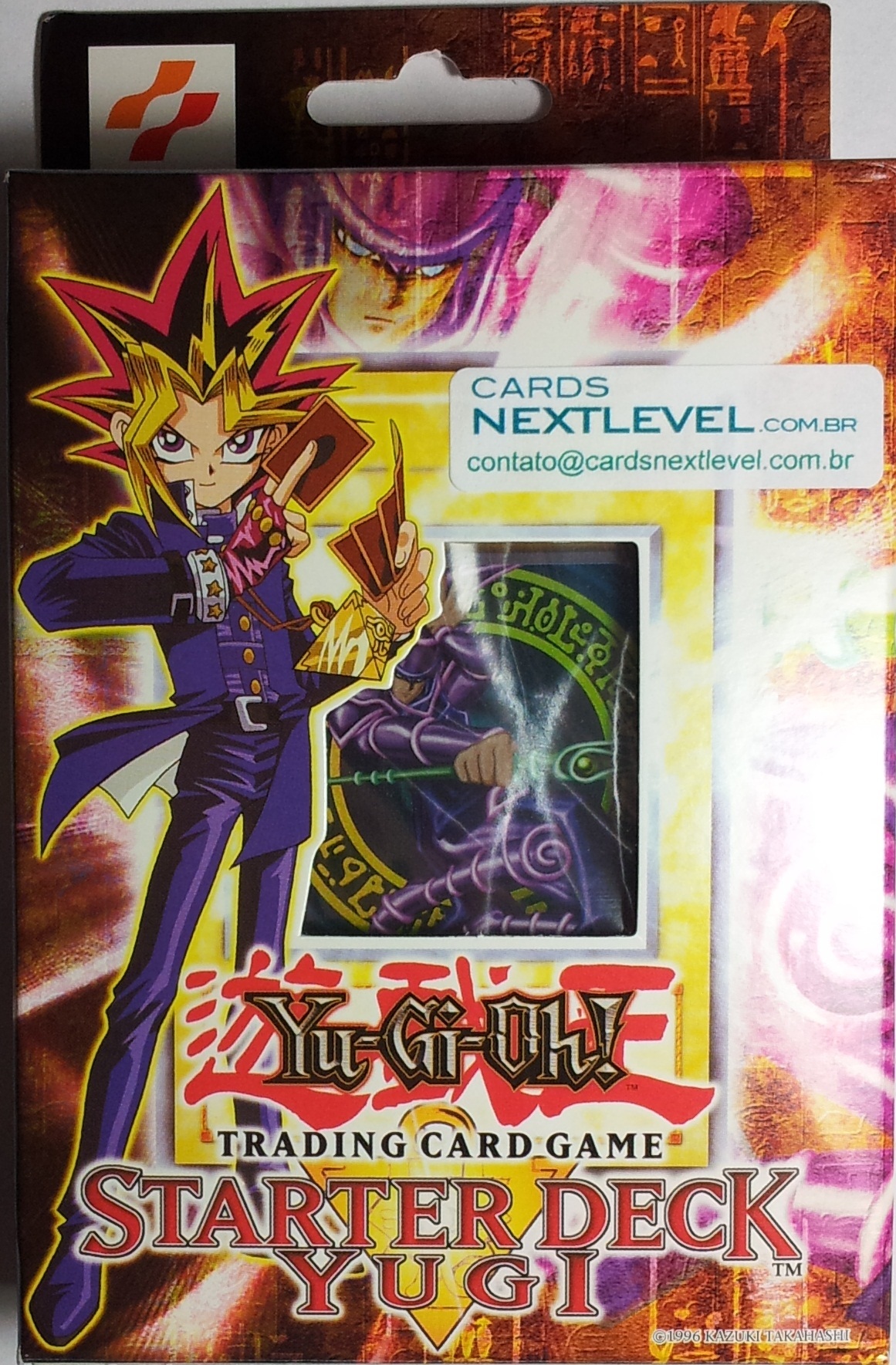
For years, I could hardly sit down at a table without having to brush away collectible cards. My friends in middle and high school collected cards from all kinds of games: Magic: The Gathering, which featured fantasy elements in the vein of Dungeons & DragonsPokémon, starring Nintendo’s cutesy Pocket Monsters; World of Warcraft, which had leaped from computers to tabletops; and Yu-Gi-Oh!, which featured the most egregious anime hair I have ever seen.

Yu-Gi-Oh! hair

Yu-Gi-Oh my gosh that hair is horrible.

I never got into collectible card games, except for a brief fascination with Pokémon cards as a kid. I went through what I can only call a Pokémon phase in fifth grade, in which I collected dozens and dozens of cards. I never learned the rules of the game, but that didn’t stop me from playing it with friends. Fortunately, my friends were as clueless as I, and our card games turned into anarchic free-for-alls with rules made up as we needed them. (It was sort of like Calvinball.)

I’m not sure what happened to all of my Pokémon cards. They probably slipped away to whatever inscrutable corner of the world swallowed up Amelia Earhart.

Pokemon cards

To this day, I have not forgotten the value of a holographic Charizard.

Since I finished high school, collectible cards seem to have vanished from my life, though news occasionally reaches me. I hear there’s a new My Little Pony: Friendship Is Magic collectible card game making the rounds, and Magic: The Gathering seems to be doing well. World of Warcraft cards have been replaced by an online card game. The anime hair in Yu-Gi-Oh! is probably just as bad as it was eight years ago, but I’m too disinterested to find out.

I enjoy looking at them, but I don’t plan to buy collectible cards any time soon. My money must go to necessities like rent, gas, coffee, and food. Besides, my life is complicated enough without the unintelligible rules and instructions for card games! If I tried to learn all the rules to a new game, I would probably lose whatever sanity I have left, and end up eating grass like old Nebuchadnezzar. No card is worth that!

Well… a Charizard might be; I suppose it depends on whether it’s holographic.

364. Why Guest Posts Are Awesome

Update: This blog is finished, and no longer accepts guest posts. Thanks all the same!

As a blogger, I love guest posts and collaborations with creative people. In fact, over the years, I’ve pestered a number of people either to write posts for me or else to let me write posts for them.

Why is this? Well, hypothetical reader, I’m glad you asked. I’m not sure I’ve ever explained my love of creative collaborations, so here are six reasons why guest posts are awesome.

Guest posts offer a refreshing variety of styles and views.

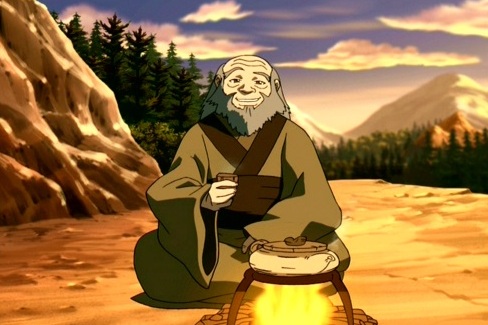
My blog is written with a particular style from a specific perspective, and it probably gets old. Guest writers bring their own unique views, styles, and stories. As wise Uncle Iroh reminds us, “It is important to draw wisdom from many different places. If you take it from only one place, it becomes rigid and stale.”

Iroh

Uncle Iroh is an inexhaustible fount of wisdom. He also makes great tea.

Guest posts can explore subjects I can’t.

Following up on the first point, I must acknowledge that my experiences and expertise are limited. Guest writers offer more than just changes of view and style. They can discuss subjects about which I know nothing.

For example, I am an introvert, and I once wrote about it. It was impossible for me to explore extroversion, the opposite characteristic, but another blogger graciously shared her thoughts on it. Readers were able to explore both sides of the subject, even though I was qualified to discuss only one.

Guest posts work to the mutual advantage of bloggers.

When I write a post for another blog, not only do I reach a new audience, but I share that blog with my own audience via social media. This often works both ways. When I share guest posts, I introduce my readers to new writers, and those writers sometimes introduce my blog to their own readers. Guest posts are a kind of creative symbiosis.

Creative collaboration is symbiotic, like clownfish and anemones. Wait, this is a terrible metaphor. Never mind.

Creative collaboration is symbiotic, like clownfish and sea anemones. Wait, did I just compare blogging to clownfish? What is wrong with me?

Guest posts are posts I don’t have to write.

What’s not to like about that?

Guest posts are a privilege for me to write and share.

I’m honored that guest writers have considered this blog worth their time, effort, and creativity. In the same way, I’m honored that other bloggers have allowed my ramblings to invade their quiet corners of the Internet. Whether I write ’em or share ’em, I consider guest posts a privilege.

Guest posts strengthen a sense of community.

Neil Gaiman once observed that “writing is, like death, a lonely business.” Guest posts are a welcome respite from the solitary grind of blogging. They bring bloggers out of isolation and into a larger community of writers and readers.

If you ever feel like tossing a guest post in my general direction, or want a guest post for your own blog, please feel free to let me know!

Metal Gear Music

This song gives me chills nearly every time I listen to it. From the slow buildup underscored by static, to the epic crescendo and thrashing drums shortly after the two-minute mark, to the soaring conclusion backed by choir and strings—this song is odd and exciting and beautiful, and I love it.

This music comes from Metal Gear Solid 2 of all places. (It’s a strange game.) The creator of the Metal Gear Solid series, Hideo Kojima, is basically the video game industry’s Quentin Tarantino. Like Tarantino’s movies, Kojima’s games are violent and campy as all heck, yet stylish, complex, and compelling. This song, with its unusual blend of orchestra, drums, and electronic music, suits Metal Gear Solid perfectly.

I hear Kojima recently left the Metal Gear Solid series, which is a shame. I also realize I have yet to play Metal Gear Solid 4. One of these days.

363. About Storytelling: Shock Value Is Overrated

This blog post discusses subjects exploited for shock value in fiction, including atrocities like torture and sexual violence. I have done my best to address these subjects in an appropriate way, yet sensitive readers may want to give this post a miss.

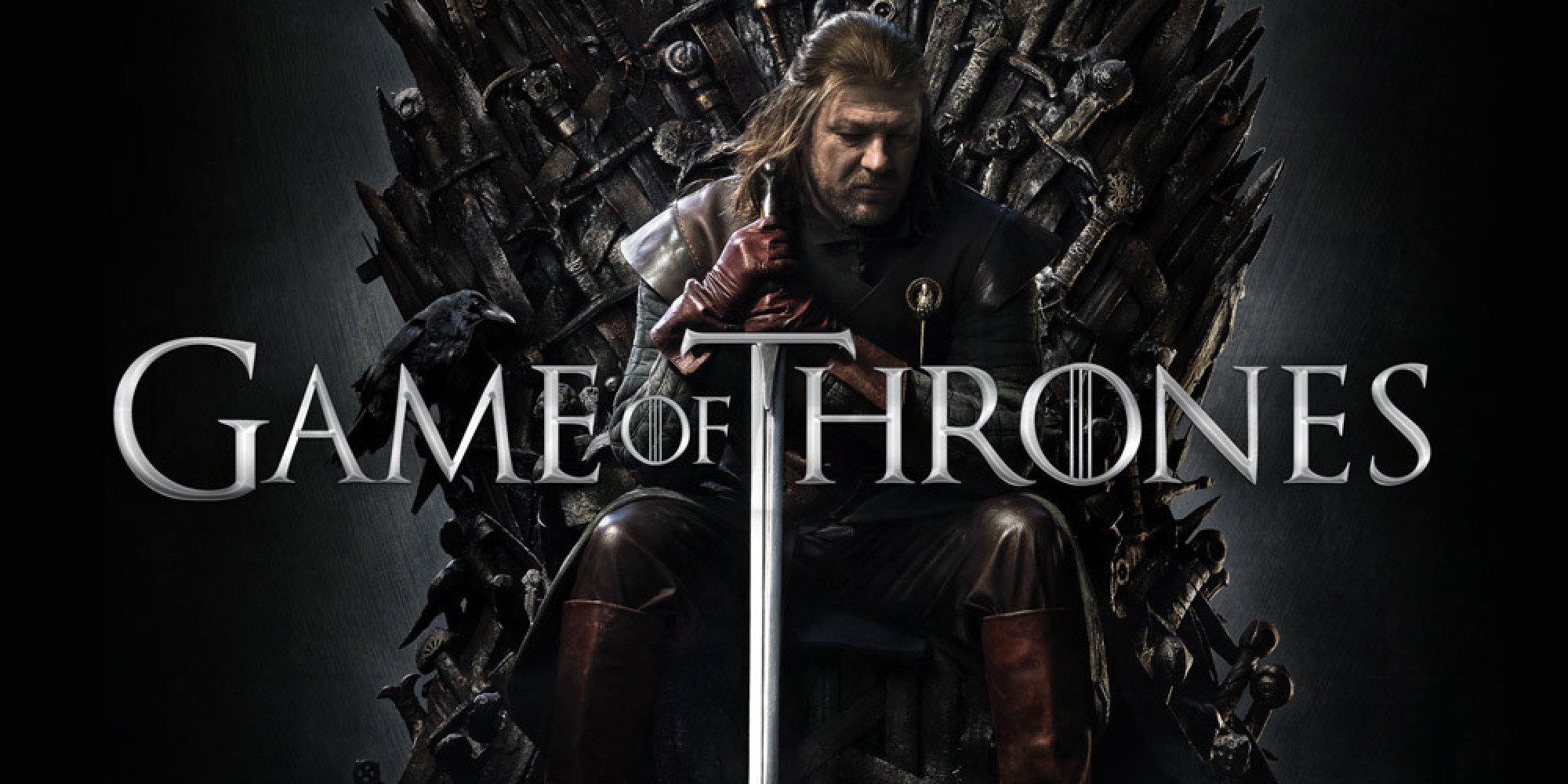
There has been a lot of buzz lately over Game of Thrones and its sexual violence. I’ve never watched Game of Thrones, yet I’ve gathered the impression that it is not—to put it as gently as possible—a family-friendly show.

That looks... familiar.

This picture looks… familiar.

Some weeks ago, the controversy over the show inspired a sensible article explaining why subjects like rape must be handled very carefully by storytellers. (I would link to the article, but I can’t find it.) The gist was that rape is a monstrous crime and should not be taken lightly.

Can such atrocities be used effectively in fiction? Of course they can. Are such atrocities used effectively in fiction? Far too often, they are not. Subjects like rape, torture, and pedophilia are sometimes used by storytellers merely for shock value. Such atrocities are a cheap way to make a villain seem evil, a setting seem dark, or story seem gritty and “mature.”

Here are a few problems with such a shallow approach.

Stories that include heinous crimes too often focus on the criminals and ignore the victims.

If storytellers have the guts to depict a vicious crime, they had better also have the guts to show its effects on its victims. Using an atrocity like rape or torture for shock value, but glossing over its horrific consequences, is not only disrespectful—it’s bad storytelling. The cost of such crimes is too great to be ignored.

Shallow or tasteless use of monstrous crimes in fiction is deeply disrespectful to real-life victims of those crimes.

Before depicting a shocking crime, storytellers should ask themselves: What if anyone in my audience has been a victim of this crime? What will that person think of this scene? Fiction can explore atrocities in a meaningful way, but using them merely for shock value is cruelly disrespectful to those who have suffered them in real life.

There are endless ways to depict evil or depravity in fiction without using horrific atrocities as a cheap shortcut.

In my twenty-something years, I’ve read a lot of disturbing books: Lord of the FliesMausHeart of Darkness, and The Road, among others. (Twilight was equally horrifying, but for entirely different reasons.) These novels are chilling in their depiction of evil. So far as I can remember, none of them relies on torture, sexual perversions, or sexual violence for shock value. The depravity of humankind isn’t limited to these atrocities!

Shock value has its place in storytelling, but it must be treated with caution. Using shock as schlock, treating monstrous crimes as shortcuts to edgy storytelling, is a terrible mistake. Shock value can be used effectively—but it must be used carefully.

362. My Five Strengths (Which I May Not Really Have)

I apparently have personal strengths. Who knew?

A couple of years ago, I took the Gallup StrengthsFinder test: a survey designed to help people identify their gifts. I was aware of my talents—winning Mario Kart races and drinking inordinate amounts of coffee, mostly—but was less certain of my natural strengths. What better way could there be for me to find them than taking an automated test designed by complete strangers?

The test results were… not encouraging.

In seriousness, the results seemed pretty accurate, but I responded with only a flicker of interest before stashing them in a folder on my laptop and forgetting them. They spent two years gathering digital dust before I recalled them a few days ago. Let’s take a look at them, shall we?

My top five personal strengths are apparently consistency, intellection, responsibility, connectedness, and strategic. What are they? Flipping heck, I don’t know. We should check the test results and take them one at a time.

Consistency

The test defines this as a sense of fairness that values people equally and strives for “a consistent environment where the rules are clear and are applied to everyone equally.”

This one is fairly accurate. I believe people—all people—are valuable. Few things anger me more than injustice and inequality. Rich people are no better than poor people. Men and women deserve equal respect, along with the folks whose gender is more complicated. People with mental or physical disabilities are just as valuable as ordinary people. Everyone deserves dignity, respect, and fair treatment.

In practical terms, this consistency makes it a little easier for me to accept and respect people. I may dislike you or disagree with your views, but I will try to love and tolerate the heck out of you.

Intellection

This is a fancy word for mental activity. “You are the kind of person who enjoys your time alone because it is your time for musing and reflection,” declare the test results. “You are introspective. In a sense you are your own best companion.” The results conclude, “This mental hum is one of the constants of your life.”

Of all the strengths ascribed to me by the test, this is by far the most accurate. I’m not quite sure how the test figured out what goes on inside my head, but the results are absolutely correct. Whether or not I like it, I’m always thinking. The phrase “mental hum” is perfect: my mind constantly hums with thoughts about this or that. I analyze, introspect, plan, ponder, and review.

Is this a strength? My hyperactive mind is often a nuisance, but whatevs. I suppose my mental hums fuels this blog, so that’s a plus.

Responsibility

The test makes this one sound like a pathological compulsion: “Your Responsibility theme forces you to take psychological ownership for anything you commit to, and whether large or small, you feel emotionally bound to follow it through to completion.”

This one is fairly true. If I make a commitment, I feel obligated to follow through with it, even if it takes a long time. When I fail to meet a deadline or expectation, I feel crushed by guilt and disappointment.

My obsessive sense of responsibility is generally a good thing. For the most part, it makes me a dependable person, albeit a neurotic one.

Connectedness

“Things happen for a reason,” declares the test. “You are sure of it. You are sure of it because in your soul you know that we are all connected. Yes, we are individuals, responsible for our own judgments and in possession of our own free will, but nonetheless we are part of something larger. Some may call it the collective unconscious. Others may label it spirit or life force. But whatever your word of choice, you gain confidence from knowing that we are not isolated from one another or from the earth and the life on it.”

Flipping heck, the test seems to think I’m some sort of pantheist. I don’t have any strong belief in mystical connections between events or people. As a Christian, I believe in a higher purpose for human beings, but that’s about as far as it goes. God works in mysterious ways. However, I’m skeptical of the vague, esoteric sense of connectedness described by the test.

I have read its explanation several times, but I’m not sure I understand this strength, let alone have it. The test might be mistaken on this one.

Strategic

All right, I have to get this off my chest: Strategic is an adjective, not a noun. The other strengths are all nouns; why isn’t this one? Anyway, it’s a way of thinking that excels at finding patterns and efficient solutions.

The test got this one right. I frequently weigh options in search of the optimal solution, eliminating possibilities until I reach the one that seems best. More often than not, my decisions are guided by logic. I seldom do things impulsively.

This strength is useful for planning, allowing me to work out efficient strategies for getting stuff done.

The Gallup StrengthsFinder test wasn’t infallible, but it did a surprisingly good job of assessing my strengths. At the very least, it didn’t call me a horrible person. (Of course, it wasn’t testing for that.) Now that I’ve reviewed its results, I’ll strive to use the gifts the test seems to think I have.

The Death of Kurtz

“Mistah Kurtz—he dead.”

~ Joseph Conrad, Heart of Darkness

As its title suggests, Heart of Darkness is not a cheerful book. It shows how dark and depraved the human heart can be. (It’s also boring and kinda racist, but still a worthwhile read.) Although I haven’t touched the book since reviewing it, I recently found myself contemplating one of its most famous lines.

Most of Heart of Darkness is spent slowly building up to an enigmatic man named Kurtz. When Kurtz finally appears, he turns out be a madman at death’s door. I can think of many adjectives for the genius, artist, and monster that is Kurtz: tortured, eloquent, gifted, brutal, terrifyinginsane. He is not a good man, but in some ways, he is a great one. His final words—“The horror! The horror!”—are among the most famous in literature.

At last, Kurtz dies… only for his death to be announced insolently, almost comically, by an African boy: “Mistah Kurtz—he dead.”

The more I think about this scene, the more it impresses me. At the end of his life, Kurtz the visionary receives neither comfort nor honor, but only the flat acknowledgment that “he dead.” He dies alone, shrouded in darkness and overwhelmed by despair. This great man’s death is met with scathing derision and a muddy burial. Kurtz was cruel, but how much crueler is the world that shrugs and says, “Mistah Kurtz—he dead.”

The death of Kurtz is, to borrow the narrator’s words, “so beastly, beastly dark.” The death of Kurtz is an outstanding moment not only in Heart of Darkness, but in literature.

361. Fans, Geeks, and Conventions: A Momentary Study

My studies of geeks have taken me to some strange places: fan websites, video game stores, and even Hot Topic. (When I walked into a Hot Topic store for the first time last month, I turned to my brother and whispered, “I have found my people!”) One of the strangest places my researches have taken me was a fan convention.

Geeks, bless them, can be social creatures. Despite the stereotype of lonely, basement-dwelling troglodytes, many geeks enjoy social events. These often involve geeky media: trips to the cinema, meetups for role-playing or board games, card game tournaments, and so on. The largest social events for geeks are called conventions, often abbreviated to cons.

A con is an organized gathering of fans, generally devoted to a particular franchise or medium. Common features of cons include appearances from special guests, autograph signings, live performances, vendors, previews of upcoming media, announcements, contests, cosplay, and waiting endlessly in line. (You may never have heard of cosplay, but that’s another study for another time.)

This is a typical con, minus the suffocating crowds of geeks.

This is a typical con, minus the suffocating crowds of geeks.

Probably the most famous convention is the San Diego Comic-Con. Although SDCC is named for comics, this yearly event covers films, video games, books, manga, anime, toys, and other media. E3 (Electronic Entertainment Expo) is technically an annual trade fair for the video game industry, yet boasts many features of cons, such as previews, announcements, cosplay, and live presentations. Both SDCC and E3 happen in the next couple of months, and I look forward to their announcements and media trailers.

I have attended only one convention. For science.

Nah, I actually went to a con a few years back to pick up voice actors’ autographs for my younger brother’s birthday. My experiences were mixed. The venue, a hotel, was nice, but the lines were endless. They wound serpent-like through the hotel, twisting, bending, and occasionally intersecting. When lines became too long to fit the venue, new lines formed to get in the old ones. It was ridiculous.

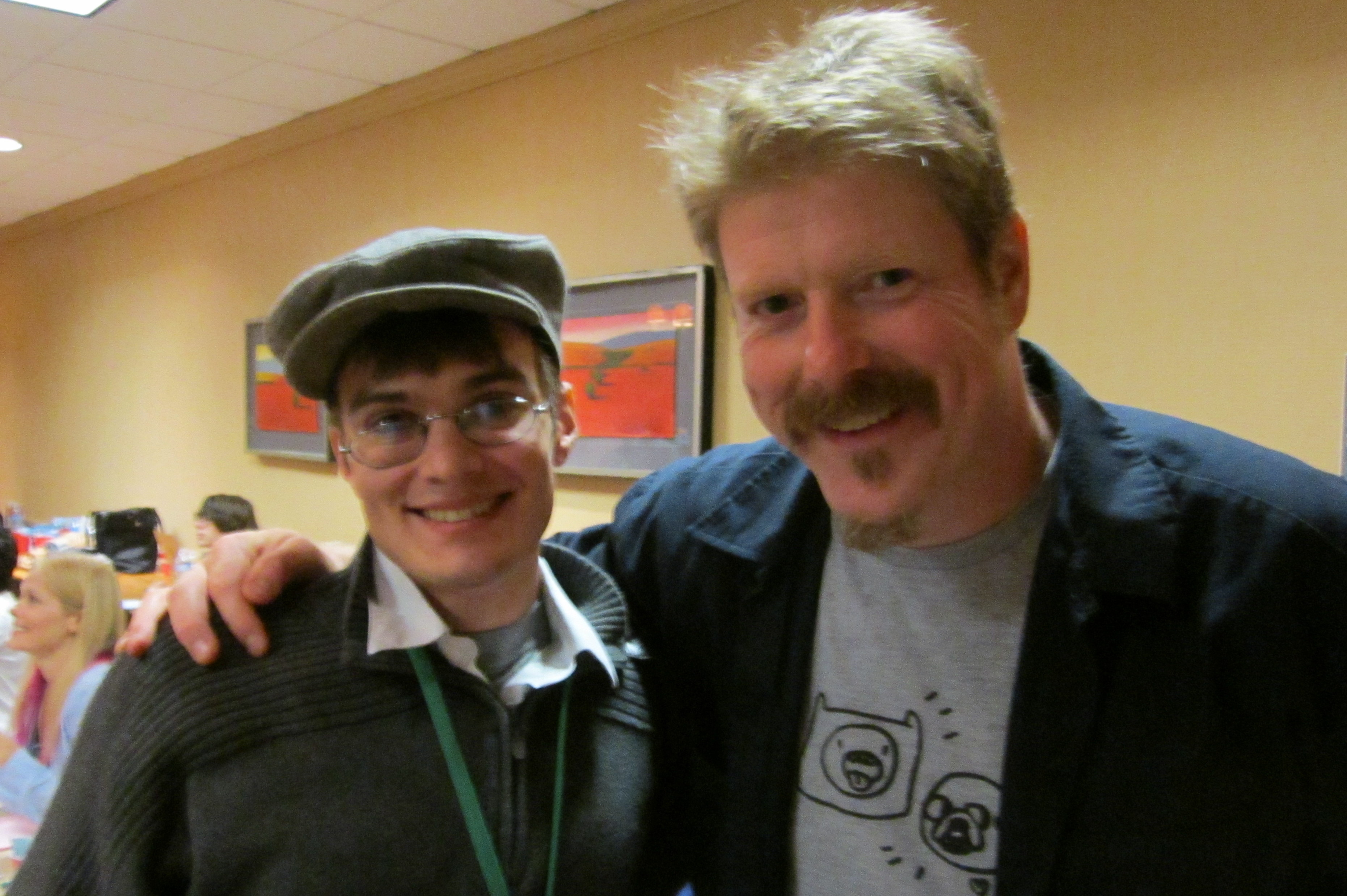
Armed with Radiant Historia, a book, and some apples, I endured the lines and collected my brother’s autographs. I also got to meet voice actors like John DiMaggio and Grey DeLisle, albeit very briefly. It was neat.

"Where have you gone, John DiMaggio? Our nation turns its lonely eyes to you."

Mr. DiMaggio was a very nice man, and DAT STACHE.

My intentions in attending a con may not have been strictly academic, but I learned a lot by observing geeks in their natural habitat. Those I met were pleasant, cheerful, and friendly, if occasionally a little odd. Contrary to stereotypes, there was not a pale, acne-covered misfit in sight. There were guys with guitars, and gals wearing silly costumes, and people exhausted from standing in lines for eighty-nine consecutive hours to meet Tara Strong.

As I knew from the start, geeks were nice, ordinary people who happened to be fans of stuff. Cons give geeks the opportunity to be geeky together, and I think that’s pretty neat.

360. Review Roundup: Violent Movie Edition

I like to think I’m not a particularly violent person. Sure, I own five machetes, three swords, and a few knives, but I don’t use them. In fact, I seldom show aggression, except when playing video games. All’s fair in love, war, and Mario Kart.

Despite my peaceable nature, I occasionally watch violent movies. I saw quite a few in the past month: films full of epic car chases, superheroes, dystopian futures, demonic possessions, and British cops eating Cornetto ice cream cones. I may not be doing formal reviews, yet here are some brief impressions of Mad Max: Fury RoadAvengers: Age of UltronSnowpiercerThe Exorcist, and Hot Fuzz.

Hold on to your hats.

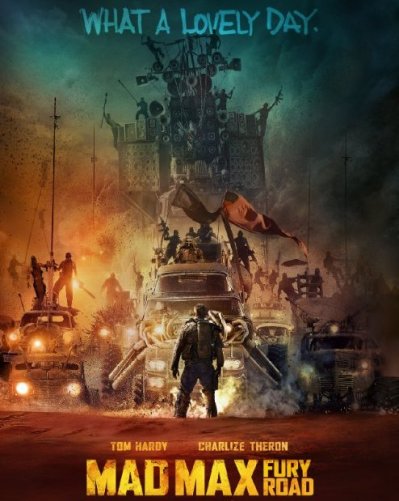
Mad Max: Fury Road

Mad Max

Mad Max: Fury Road consists of a brutal car chase and little else. Do you know what? I am five thousand percent fine with that.

Most of the film is a chase in which an entire convoy of cars follows an armored tanker truck across a desert. The cars—which were built, I can only assume, by psychopathic punk rockers with welding torches—bristle with spikes and assorted weaponry. One truck serves as a stage for a man playing an electric guitar that shoots flames.

Yes, this is that kind of movie.

In the film, a warlord named Immortan Joe reins unchallenged over refugees in a post-apocalyptic wasteland. When one of his lieutenants betrays him and flees with his wives in a tanker truck, Joe sends a convoy to reclaim his prized “possessions.” One of the outrageous vehicles in the convey has an unusual hood ornament in the form of a wanderer named Max. He may be strapped to the front of a war machine, but Max is a survivor. Explosions and mayhem ensue.

Mad Max: Fury Road doesn’t have much dialogue, but it hardly needs it. This is an action film in its purest sense. The chase sequences were filmed mostly with practical effects and minimal CGI—meaning the film shows real cars, real stuntmen, and real explosions. It’s impressive stuff, and stylish as heck.

For having little dialogue—and being, y’know, flipping ridiculous—Mad Max: Fury Road tells quite a good story. The characters aren’t terribly well-developed, but they are memorable and clearly defined. In this film with sparse dialogue and relentless explosions, profound themes emerge: survival, longing for home, and empowerment of women. Mad Max: Fury Road is a far more intelligent film than it has any right to be, while never losing its sense of good, stupid fun.

I really enjoyed Mad Max: Fury Road. If you enjoy, or have any tolerance for, over-the-top action movies, I recommend it.

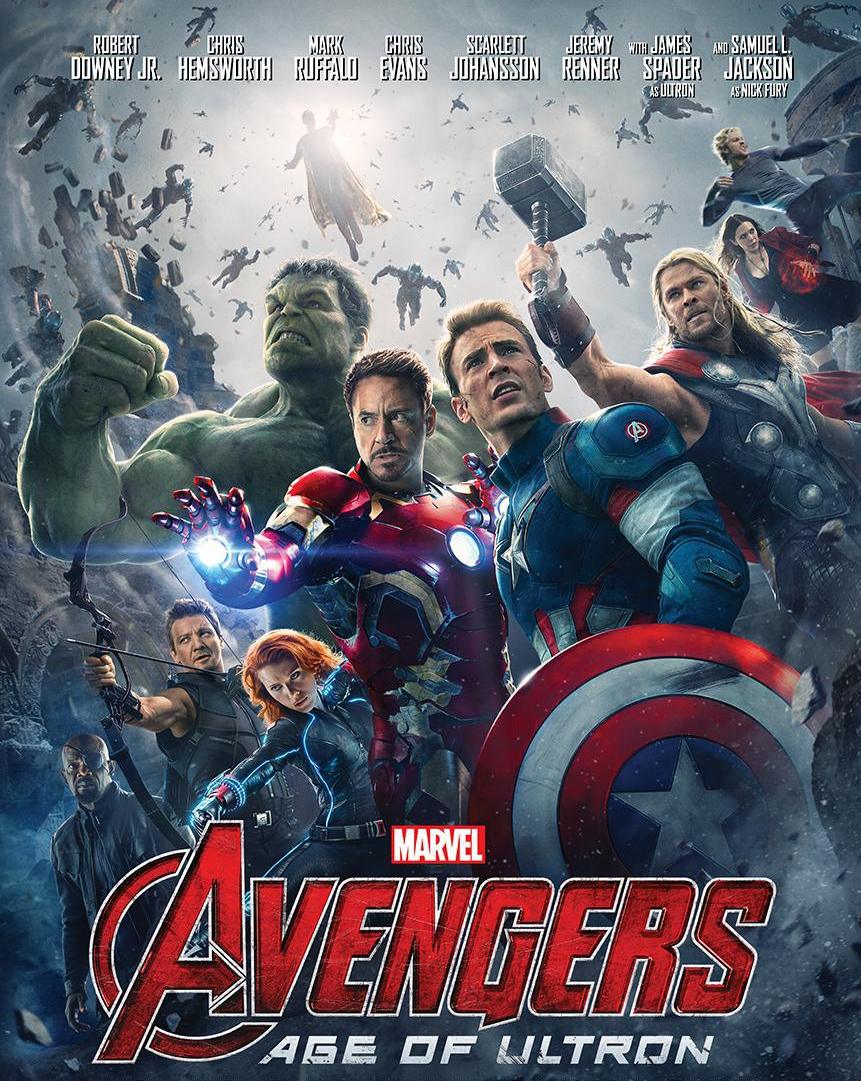
Avengers: Age of Ultron

Age of Ultron

Eh, it was all right.

What? You want more of a review than that? Here goes: It was all right, but it needed more Andy Serkis.

In seriousness, Avengers: Age of Ultron wasn’t bad. In the film, the Avengers, a colorful band of superheroes, battle Ultron: a rogue AI that deems humanity unfit to live. There’s a little more to the movie, of course, but that’s the gist. If you’ve seen any of the recent Marvel movies, you probably know the drill at this point.

I liked a lot of things about the film. First of all, Ultron is a marvelous villain with a menacing appearance and a personality defined by sardonic contempt. (I appreciate a bad guy with a sense of humor.) Ultron has a vision for a better, brighter future. It just happens to be a future without human beings. It’s nothing personal.

I was impressed by how the obligatory action scenes were balanced by a surprising amount of character development. The Avengers get plenty of scenes without spectacular fights or expository dialogue—scenes that allow them simply to be themselves. Hawkeye, the least popular Avenger, gets an astonishing amount of characterization. Andy Serkis makes a brief but memorable appearance as a South African arms dealer, stealing the scene from everyone but Ultron.

This brings me to one more outstanding feature of the film: It takes place all over the world. Look, I like America, but I’m tired of seeing it in Marvel’s superhero movies. Avengers: Age of Ultron spends most of its time in Asian, African, and Eastern European countries. I really appreciated the change of scenery.

There are, of course, things I didn’t appreciate about Avengers: Age of Ultron. The film feels slightly suffocated by the weight of all the Marvel movies that came before it. Too many characters are stuffed into the film, including a pair of twins that have no business whatsoever being there. With a couple of minor tweaks, Avengers: Age of Ultron could have worked perfectly without them. One or two unexplained plot elements stick out egregiously. Unlike the breakable hero of Marvel’s Daredevil, the Avengers are invulnerable, and therefore boring.

My final problem with the movie (slight spoiler ahead) is the introduction late in the film of a messianic character in the form of a heroic android. This good AI is a foil to Ultron, sure, but it’s also a literal deus ex machina. Besides, a theme of the movie is that creating self-aware machines like Ultron is a bad idea. The Avengers defeat the godlike AI… by creating another godlike AI. Hmm.

In the end, despite its faults, Avengers: Age of Ultron is another solid entry in the Marvel movie canon. In other news, I think Ultron and GLaDOS would probably get along really well, to the detriment (and possible extinction) of humans everywhere.

Snowpiercer

Snowpiercer

In Snowpiercer, a new ice age has wiped out nearly all life on Earth. The only survivors are the passengers of a high-tech train, the eponymous Snowpiercer, that circles the globe once a year. Built for doomsday, the train is entirely self-sufficient with a powerful engine and carefully regulated ecosystems. The privileged passengers ride in luxurious cars toward the front of the train. Middle cars contain necessities such as orchards and water tanks. The squalid rear cars of the train are reserved for the stowaways. Tired of living in filth and fear, these stowaways revolt against the train’s authorities. The rebels, led by a tough-as-nails passenger named Curtis, must fight their way forward one car at a time.

Snowpiercer is brilliant. Its absurd dystopia is compelling and unique: a society whose socioeconomic classes are divided by train cars. The train doesn’t merely represent a social order—it is a social order, laid out in a neat line. There is a golden simplicity in the structure of Snowpiercer‘s dystopia, and it was gripping to watch Curtis and his crew advance through the train. The train itself is a fascinating chain of set pieces, starting with filthy rear cars and getting progressively more interesting the farther Curtis and company advance.

Although Snowpiercer is a South Korean film, it stars mostly English-speaking actors. I was surprised by how many of them I recognized. Curtis is played by Chris Evans, with other roles filled by Tilda Swinton, John Hurt, and Ed Harris. Snowpiercer has all the visual polish of a Hollywood blockbuster, but is a much smarter film than most American action flicks.

It isn’t a cheerful film, and it’s definitely not for kids, but Snowpiercer is superb: easily one of the best sci-fi movies I’ve seen. I highly recommend it, especially for viewers who like intelligent action films or dystopian fiction.

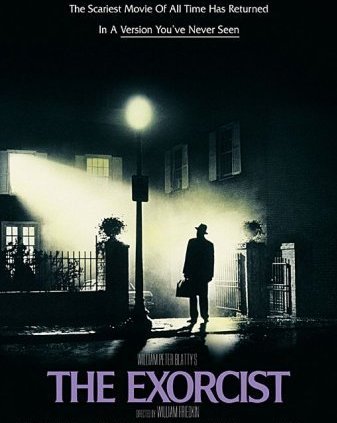
The Exorcist

The ExorcistI’m no fan of horror films, but I decided to watch this one. For science. The Exorcist, an iconic and culturally significant film, depicts the gradual demonic possession of a girl, and the attempts of two priests to drive out the demon.

My strongest impression of The Exorcist is that it’s really slow. This is both a strength and a weakness. On the one hand, I appreciate that the film takes time to develop its characters instead of rushing to sensational scares. I don’t know much about horror movies, but my impression is that their characters are often treated not as people, but as objects for death and dismemberment. The Exorcist acknowledges its characters as people, which makes their suffering at the hands (claws?) of the demon all the more gut-wrenching. However, while I appreciated the film’s slow-but-steady approach, I found it too slow. The movie’s ponderous pacing leads to an all-too-short denouement, which left me asking, “Heck, that’s it?”

I didn’t find The Exorcist all that scary. The buildup to the demon was excellent, and the scene in which it fully possesses the girl is terrifying, but from that point on the demon-possessed child is mostly silly. Her appearance is blatantly fake, like a Halloween outfit, and it just ain’t scary. By the point the girl starts vomiting lime-green goo, I couldn’t take the demon seriously. A subtler approach, with a lot less makeup, would have been far creepier.

The famous scene in which the demon takes over the girl is easily the scariest in the film, and it’s frankly shocking: especially for a film released in the seventies. Among other things, the girl repeatedly jams a crucifix into her vagina. (The scene isn’t explicit, but it is disturbing.) It’s disgusting and profane—but then, that’s the point. The artist in me is impressed by the strong characterization of the demon. The rest of me is grossed out.

Despite its solid characterization and few scary scenes, the poor pacing and tasteless schlock of The Exorcist make it hard to recommend.

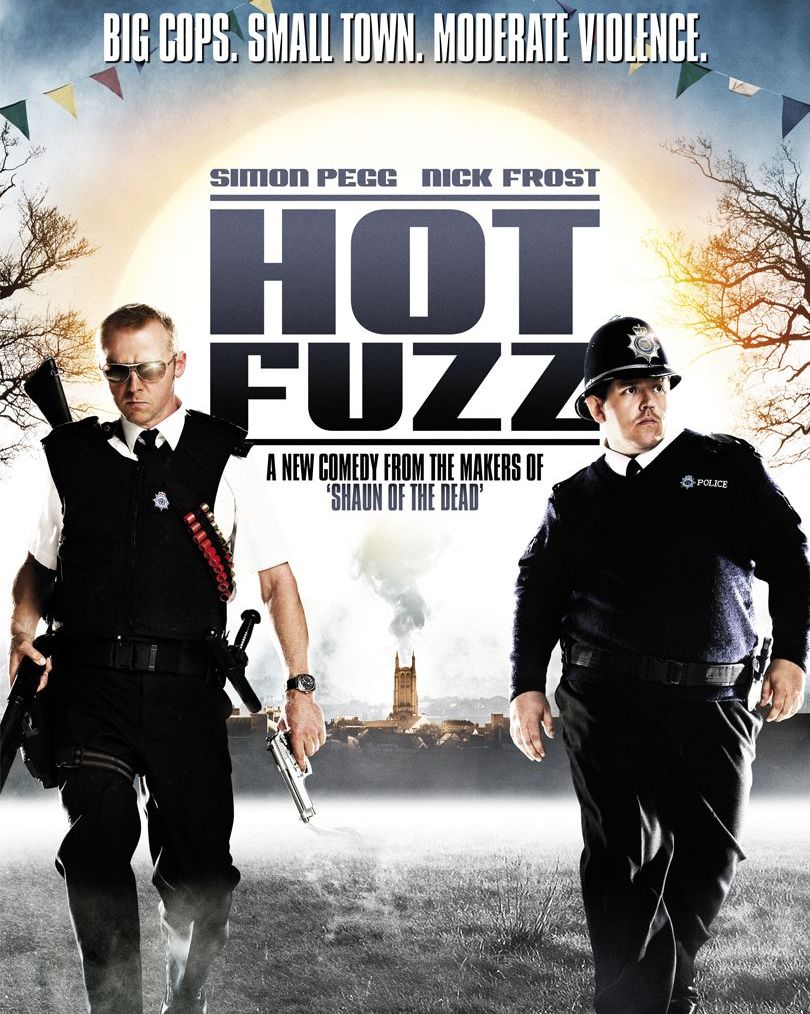
Hot Fuzz

Hot FuzzQuestion: Is Hot Fuzz A) an action movie, B) an old-fashioned murder mystery, or C) a fantastic comedy? The correct answer, of course, is D) all of the above.

In Hot Fuzz, straight-laced policeman—sorry, police officer—Nicholas Angel is transferred from London to the sleepy town of Sandford for making his colleagues look bad. Although Sandford is practically free of crime, a string of suspicious deaths leads Angel to believe the quiet town hides a conspiracy. With his incompetent partner, Danny Butterman, in tow, Angel sets out to solve the gruesome Sandford murders, watching action movies and eating Cornetto ice cream cones along the way.

Hot Fuzz is a unique blend of genres. It has a bit of an Agatha Christie feel with its murders in a rural British village. The gunfights near the end are an affectionate send-up of Hollywood action movies. Most of all, Hot Fuzz is a superbly-written comedy. I watched it because of this glowing review on Kotaku, which perfectly describes the film’s tight screenplay: “Nearly every line of dialogue is either an explicit joke, a set-up to a future joke, or a call-back to a joke that was set up earlier. Some manage to be all three at once.”

As noted in the Kotaku review, Hot Fuzz satirizes action movies in its cinematography. In one scene, two cops run from a bomb about to explode, the camera pulls back expectantly, and… the bomb doesn’t explode. Its a neat subversion of the stereotypical Hollywood explosion. There are also tons of quick, Michael Bay-esque edits, but instead of showing glimpses of action—explosions, gunshots, car crashes!—they punctuate ordinary tasks—filling out paperwork, opening doors, watering plants!

I have only two significant criticisms of Hot Fuzz. First is a jarring tonal shift near the end. The film transitions none too gracefully from detective-story satire to blazing action, with a number of people acting out of character. It feels forced. The other problem is the gore. This film has an astonishing amount of blood, including an icky scene in which a man’s head is crushed by a falling piece of masonry. The gory violence, all of which is flagrantly fake, is probably meant to be funny, but I found it a tasteless blemish in otherwise brilliant comedy.

Despite its overblown violence and some foul language, Hot Fuzz is a clever, well-written satire of British mystery and American action. I highly recommend it.

Hyper Camelot

This goofy song would be the perfect opening theme for an eighties-style cartoon. Imagine Hyper Camelot, a show based very loosely on the Arthurian legends, in which King Arthur, Lancelot, and the other Knights of the Round Table fight with courage, chivalry, and the power of friendship™ to protect Avalon from the forces of evil. Pandering to misplaced nostalgia for the cartoons of our childhood, such a show would be packed with terrible one-liners, cheesy life lessons, and spectacular explosions.

I… actually kinda want to watch this show.