390. An Open Letter to Content Creators

Dear Content Creators,

I’m afraid content creator is a boring title, but it’s the best one I could find for all of you. (I considered creative people on the Internet, but that’s kind of a mouthful.) The title of content creator is the one given to all of you artists, bloggers, actors, video makers, musicians, animators, commentators, cartoonists, gamers, photographers, creative writers, and other creative people who make stuff and throw it at the Internet.

For example, consider the artist who reimagined the Fellowship of the Ring as a bunch of cats:

The Fellowship of the Cats

She’s a content creator. So are these video makers who try to explain Doctor Who in sixty seconds:

There’s this guy rocking out on a guitar to the best song from Mario Kart.

He’s a content creator, alongside this hipster Calvinist and all the other people who say funny things on social media:

https://twitter.com/coolvinism/status/646322751490252805

Then there’s, um, whatever this guy is doing:

You people are awesome.

If you’re anything like me, your content-creating experience is a roller coaster. Sometimes it’s fun and exhilarating. Sometimes it’s dull and exhausting. There are days when you feel an incredible sense of accomplishment, and days when you think you’ve accomplished nothing at all. All of it—the highs and lows and twists and loops—takes determination, effort, vision, and (occasionally) a touch of obsessive lunacy.

Most of you don’t make much money, if any, from your work. You create because you enjoy it. You create because you are an artist. Whether you have an audience of one or one million, I admire your creative spirit. If you do make a living as a content creator, I congratulate you all the more. That takes a lot of dedication.

And here’s the thing. I don’t just respect you—I really, really enjoy the work of content creators. A staggering amount of my music library consists of songs not from professionals, but from amateurs on the Internet. I read several blogs and webcomics, follow a few artists, and spend quite a lot of time on YouTube.

So much of the entertainment, laughter, insight, inspiration, excitement, and happiness in my life comes from the work of content creators—people like you.

I’m not the only one whose life is better because of content creators and their work. In fact, millions of people across teh internetz enjoy the humor and creativity of content creators—but they don’t always take time to say “I really enjoyed this,” or “This was brilliant,” or simply “Thank you.”

It is so easy for content creators to become discouraged. When their work doesn’t receive a positive response, they tend to assume the worst. They think their work wasn’t worth the effort.

I’m here to say: Your work matters, and thank you.

Thank you, content creators, for brightening my everyday life with moments of amusement and understanding. Thank you for being hilarious, honest, insightful, vulnerable, creative, clever, witty, weird, and wonderful. Thank you for being you, and for sharing your creativity with the rest of us.

Oh, and keep up the good work.

Peace,

Adam

387. I’ll Be There

Around nine years ago, a classmate of mine died in a tragic accident. Nearly everyone at my school was devastated—but not I. My reactions were pity for those grieving, and guilt for not sharing their grief. I had known the victim, but we had never been close. I wasn’t deeply affected by his death, which led me to a painful question: How can I respond to those who are?

I am grieving for my friend Nick, who recently passed away. My grief has taken the form of dull, aching resignation. Nick is gone. That is all. I cried once—the first time I had really wept in years—and have not shed a tear since. Since that early storm of emotion, my reaction to losing a dear friend has been calm acceptance.

A memorial service was held yesterday for Nick. I couldn’t go. I’m sorry I wasn’t able to make it, yet part of me is glad I wasn’t there. It would have been so hard to sit, mute and helpless, as Nick’s friends and family wept around me. How could I have borne their grief? I hardly know what to do with my own.

I’m at a loss to know what to do when others are in pain. I want to help, but how? I struggle to respond to people whose feelings or problems I don’t understand. However much I care, I’m about as soft and comforting as a rhinoceros.

Around nine years ago, when my classmate passed away, I had a brief conversation with another student in the hallway between classes. I’ll call him Socrates. He was a colossal young man with a soft, deep voice. I’ve forgotten most of our exact words, but I remember the gist of our exchange.

“Are you doing okay?” I ventured, alluding to the death of our classmate.

“Yeah,” he murmured. “How’re you doing?”

“I’m all right,” I said, looking resolutely at the floor as we walked to our next class. “I didn’t really know him, so I’m not, like, devastated. But I don’t know what to say to those who are.” I finished and glanced over at Socrates.

He shrugged his massive shoulders and mumbled the following words, which I remember perfectly: “Sometimes you don’t have to say anything, y’know? Just being there is enough.”

I don’t have any profound words of peace or comfort today. I doubt I ever shall. To my friends who are grieving—and to my friends who will grieve at some other time for some other tragedy—I can only say this: I’ll be there.

I shan’t have the right words. I may not be able to weep with you. I certainly shan’t be able to fix whatever is wrong.

What I can do is to be there for you, and I’ll try my best to be.

My friends, I can always be reached by Facebook or email. If you visit, I will make you a cup of tea. I will listen to you. I will pray for you. (I may already be praying for you.) If I can help in some other way, let me know. I’ll be there.

386. Marching Home

TMTF will be taking a one-week break. The blog shall return on September 21.

A dear friend of mine recently passed away. I’ve mentioned him before on this blog, calling him Socrates, but today I’m going to call him Nick. His friends and family are devastated by his death, and I’m dealing with it in exactly the same way I deal with a lot of things—by writing about it.

I mentioned Nick in TMTF’s very first post; he was the friend who pretended to rip out and eat my still-beating heart every time we worked together. Nick and I met a few years before I started this blog. I was on a bus to Chicago when Nick, who was sitting in the seat behind mine, got my attention and said, “Okay, this is kind of a random question, but have you heard of a show called Avatar: The Last Airbender?”

Avatar - The Last Airbender

Nick and I were friends from that day onward.

I was starting my first semester at Bethel College in Indiana, and had just begun the nightmarish chapter I call my Thursday Afternoon of the Soul. It was about a year and a half of deep depression. That was a dark time, but there were flickers of light, and some of the brightest were the nights I spent watching Avatar: The Last Airbender with Nick and another dear friend, whom I’ll call Socrates. (I have to call someone Socrates.)

Although Nick and I had seen the show, Socrates had not. Nick and I took it upon ourselves to introduce Socrates to the epic adventure and captivating world of Avatar: The Last Airbender. (Seriously. If you haven’t already seen the show, you should. It’s a good one.) Starting at the beginning of our freshman year and ending on its final day, we watched the entire series together, averaging a couple of episodes every week.

It may sound silly or trivial, but those nights were gulps of sweet, fresh air in a year spent drowning in depression, anxiety, and loneliness. My best memories of that year are of those nights, which I called Avatar Evenings. Between episodes of the show, we munched junk food, discussed life, and laughed.

Nick, Socrates, and I hardly knew each other when we began watching the show. When we finished it, we were good friends.

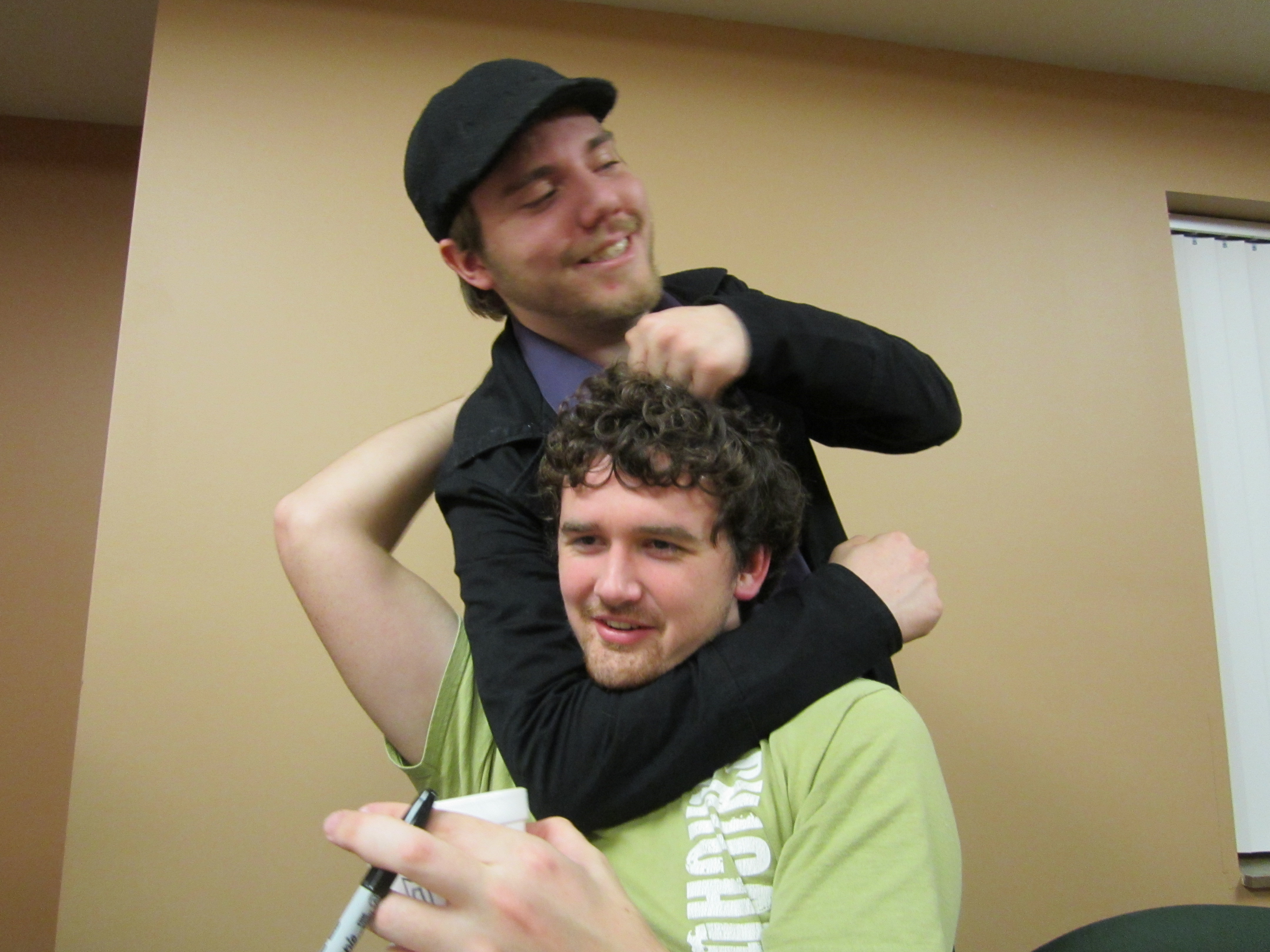
Nick, pictured here choking Socrates. Good times.

Nick, here pictured choking Socrates. Good times.

Life went on. Our friendship endured through our college years. Nick, Socrates, and I were housemates for nearly as long as we attended college. We watched a couple of Pixar movies in theaters, and suffered through M. Night Shyamalan’s wretched film adaptation of Avatar: The Last Airbender. (It was really bad; we left the theater laughing at its awfulness.) It was only in our final year that we began to drift apart.

I sporadically kept in touch with Nick. In fact, he suggested the book I’m currently reading; I won’t be able to pick it up again without thinking of him. We remained fans of Avatar: The Last Airbender. Our final conversation a few weeks ago was a short series of Facebook messages about the show’s sequel series.

Earlier this week, the news reached me that a health complication had taken Nick’s life.

Nick suffered from depression and existential anxiety, and in later life, from medical problems. Through all of it, he never gave up. He was honest, creative, and compassionate. I’m glad we were friends.

At the moment, I find myself even more thankful than usual for the dear friends God has given me. For all of my friends who are reading this, I have this to say: Thank you for being my friend. I wish I had told Nick how much I loved, admired, and appreciated him. I wish it were easier for me to say how much I love, admire, and appreciate every one of you.

On a less sentimental note, I will be taking a one-week break from this blog. My transition toward becoming a CNA at work has been stressful and a bit rough. I could use a little extra time to catch up with other things. Finally, after the tragic news about Nick, I’m not sure I have the heart right now for this blog’s usual geeky nonsense. TMTF shall return on September 21. There will be no posts until then.

I conclude with a song. No, really. It’s an odd, geeky way to say goodbye to a friend, but I think Nick would have approved.

There was a scene in Avatar: The Last Airbender that Nick and I loved, and discussed at length. It’s my favorite moment in the series. I’m not sure I shall ever be able to watch it again without remembering Nick and Socrates and our Avatar Evenings.

In this scene, a wise old man named Iroh bustles around town gathering items for a picnic. Everywhere he goes, he helps someone. When he sees a flower wilting, Iroh gives its owner advice on how to make it bloom. When a thug tries to rob him, Iroh disarms the man, makes him tea, and eventually convinces him to find a legitimate job.

And when Iroh passes a crying child, he calms the little one with a lullaby.

At the end of the day, Iroh sets up his picnic… as a memorial for his son, who died long before. “Happy birthday, my son,” says Iroh tearfully. “If only I could have helped you.”

Then Iroh sings that lullaby again. It was at this point, when we watched the series, that Nick and I held back tears of our own.

In much the same way Iroh brightened the lives of others, Nick brightened mine.

God rest your soul, Nick.

Leaves from the vine

Falling so slow

Like fragile, tiny shells

Drifting in the foam

Little soldier boy

Come marching home

Brave soldier boy

Comes marching home

384. Spiders Are Noble and Misunderstood

Nearly everyone I know has an irrational fear of spiders. In fact, most of my friends and relatives react to spiders by terminating them with extreme prejudice. This is a shame. Spiders are noble, innocent, misunderstood creatures. I’m fond of the little guys, and I think they deserve better than to be slaughtered without pity or remorse.

I grew up in Ecuador: a tiny country with a bewildering variety of birds, animals, insects, and other creatures, including several species of spiders. At one point in Quito, my family and I had tarantulas burrowing in our back garden. No spider ever did me harm. Other bugs attacked me, such as mosquitoes; still more tried unsuccessfully to hurt me, such as scorpions and a Giant Mutant Killer Jungle Ant, but spiders were contented to mind their own business and leave me alone.

Most people refuse to return that favor. A friend of mine, whom I’ll call Socrates, once tried incinerating a spider with a flamethrower cobbled together from a lighter and a can of cooking spray. Other friends—less creative than Socrates, but just as violent—have wielded books and shoes in their bloodthirsty crusade against spiders.

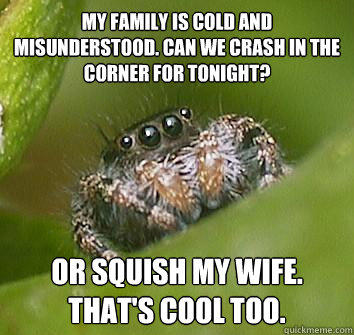
Misunderstood spider is misunderstood

Heck, even J.R.R. Tolkien, a man of enormous creative genius and one of my heroes, hated spiders. A childhood encounter with a tarantula traumatized him for life. His arachnophobia surfaced in his stories; his most famous books, The Hobbit and The Lord of the Rings, both feature wicked giant spiders.

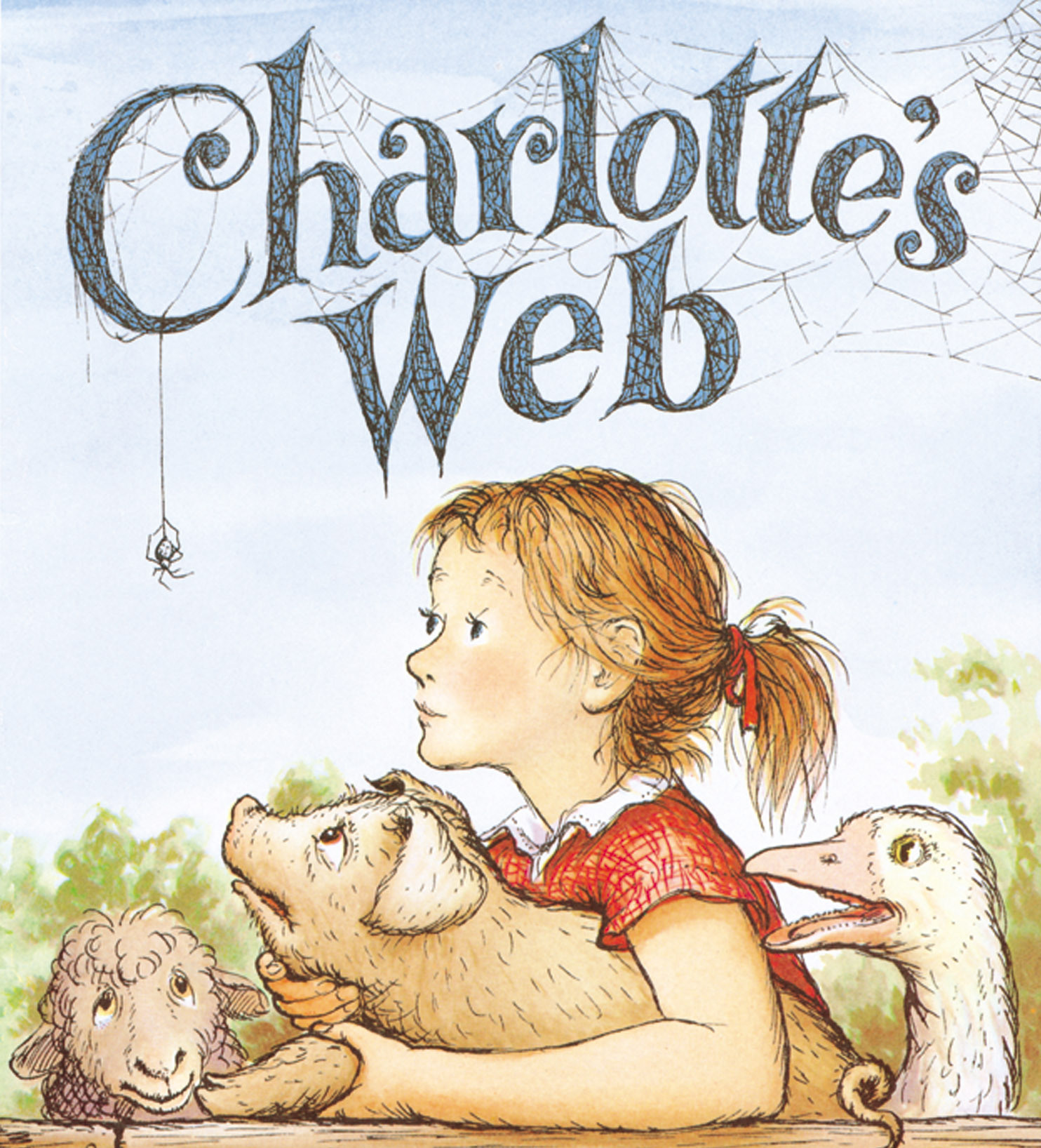
As much as I admire Tolkien, I think E.B. White was closer to the truth when he wrote Charlotte’s Web, a children’s book about a sweet, noble friend who happens to be a spider.

Charlotte's Web

Everyone thinks spiders are awful, but look at that goose! That bird is clearly evil, and probably possessed by many devils.

Charlotte is basically any and every spider: hardworking and considerate, spinning beautiful webs to rid the world of pests like flies and mosquitoes. E.B. White understood, guys.

Flipping heck, even cartoons for young children get it.

Spiders quietly eliminate true pests. Have you ever tried sleeping with a cloud of mosquitoes buzzing around your ears? I have. It sucks. Have you ever been annoyed by flies, stung by bees, or menaced by cockroaches? I have. It sucks. (Cockroaches, my archenemies, are the worst creatures on God’s green earth.) Spiders prevent the proliferation of these wretched beasties. If spiders did not exist, the world would be overrun by filthy pests. Spiders are God’s guardian angels.

Spiders aren’t so bad, really.

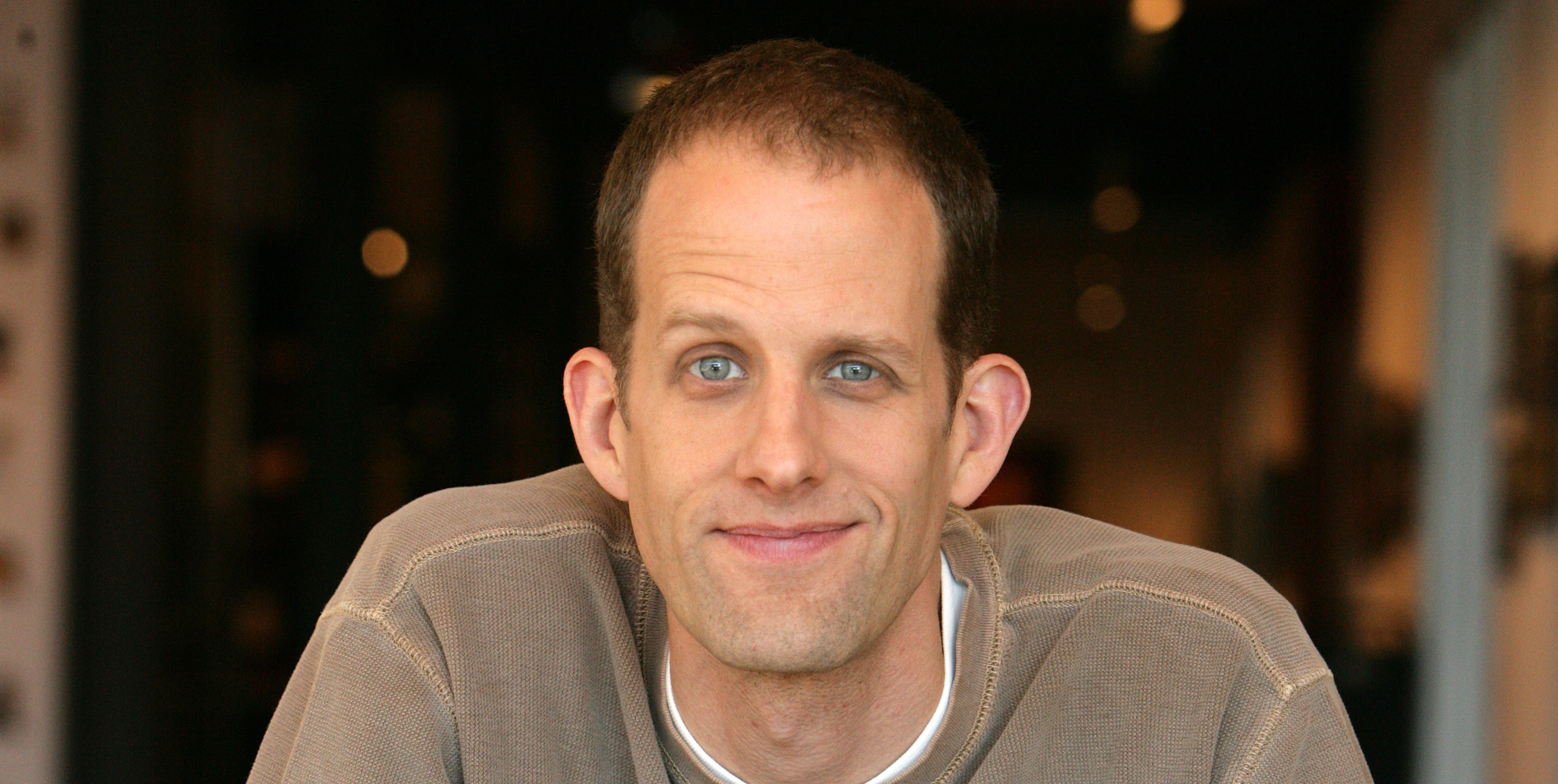
Look, I get it. Spiders look scary. They have a lot of legs and too many eyes, and the way they move is a little creepy. Spiders are odd-looking. However, if it were okay to kill things just because they looked odd, Pete Docter would have been murdered ages ago, and Pixar’s Inside Out (which Docter directed and co-wrote) would never have been made. So there.

Pete Docter

I have nothing but respect and admiration for Mr. Docter, but he sure is a goofy-looking guy. He has roughly 70% more forehead than most people.

If we killed everything that looked weird or made us uncomfortable, I probably wouldn’t have made it to my teens.

An expert on Englishing

There’s a reasonable explanation for this. Probably.

Yes, some spiders are venomous. Some can kill you. Do you know what else can kill you? Donkeys. (They have a vicious kick.) Human beings also kill each other occasionally, but I like to think most of us aren’t so bad—and neither are most spiders.

So the next time you want to slaughter a spider out of fear or disgust, consider showing some mercy and putting it outside instead!

381. Change Is Hard

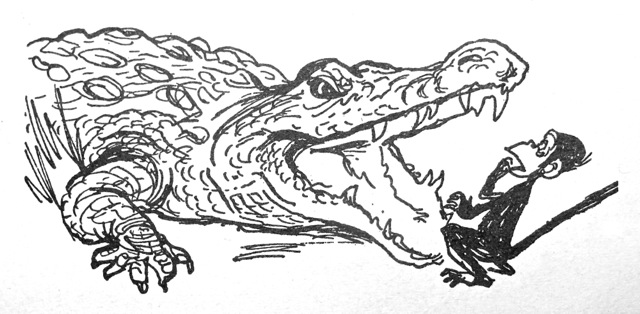
Well, I’m back. So are my typewriter monkeys, which is too bad. When they skipped town and scampered off to Florida a couple of weeks ago, I hoped they would run into alligators, like this:

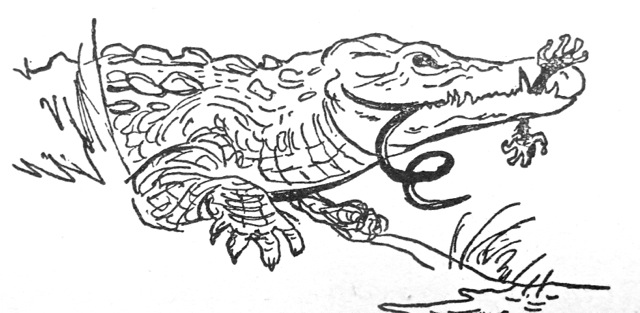
Monkey Vs. Alligator, Part 1If I were truly fortunate, I thought, they might even be eaten by alligators, like this:

Monkey Vs. Alligator, Part 2Alas, my monkeys’ travels were alligator-free, and the wretched blighters have returned, swaying drunkenly and smelling of bananas, wet fur, and bourbon. I don’t know how they spent their two-week break, or how long it will be before they resume their favorite hobby of setting stuff on fire, but I won’t ask. When you’ve run a blog as long as I have, you learn to stop asking these kinds of questions.

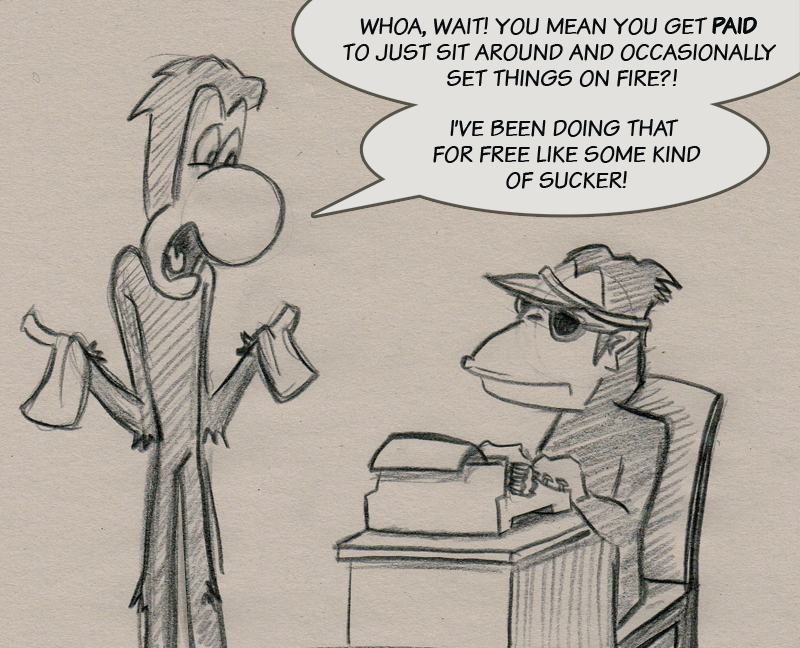
I don’t actually pay my monkeys to set stuff on fire. In fact, I don’t actually pay them for anything. (Thanks again for the comic, JK!)

While my typewriter monkeys were doing God-knows-what in the American South, I spent much of my break from this blog attending CNA (Certified Nursing Assistant) classes. Now I have only to finish up my final week in the kitchens of the nursing home where I work, and then I’ll begin CNA training in earnest, before taking a couple of state exams. Then, God willing, I’ll settle into my new role at the nursing home: taking care of old people.

Y’know, change is hard.

I used to think I like change, but I was wrong. I like variety. Change and variety are different things. Variety is a refreshing, temporary break from routine. Variety is a vacation, a road trip, or a new flavor of pie. By contrast, change destroys routine, only to remake it. Change is an exhausting rearrangement and relearning of routines. Change is moving, getting married, or switching jobs.

It was a change, albeit a really good one, when I left my old job to work at the nursing home. As awesome as it was to leave behind an awful workplace, the transition took effort. My current transition from Dish Washer Guy to Nurse Assistant Guy has already been challenging… and I’ve only just started.

For a person whose twenty-something years have been full of change, I’m not particularly good at it. I’m frequently surprised by how hard transitions are. At this point, I really should know what to expect, but change nearly always catches me off guard. Still, I’m learning—or so I like to think.

Change is hard, but I’m still here, so I suppose that counts for something. It will be nice to settle into comfortable consistency over the next few months. In the meantime, I’ll keep practicing my CNA skills: making beds, taking vital signs, and washing my hands with the frenzied desperation of Lady Macbeth. OUT, DAMNED SPOT! OUT, I SAY! (That’s a Shakespeare joke.)

I just heard glass breaking, and I can smell gasoline, so I had better see what my typewriter monkeys have done this time. Whatever the changes or challenges in your life, dear reader, I bid you Godspeed! TMTF will be back next time with its usual nonsense… I hope. Now, if you’ll excuse me, I need to remember where I left the fire extinguisher.

Zen and the Art of Baking Muffins

Today’s post was written by my dear dad. When he’s not being an awesome missionary or drawing pictures of monkeys, he spends a fair bit of time in the kitchen… on occasion, actually cooking. Following is a list of practical tips á la Steve Smith (of Red Green fame) compiled during my dad’s first attempt at baking zucchini muffins.

1. It’s always good to find a recipe that includes instructions as well as ingredients, unless you’re really good at culinary improvisation.

2. Whatever your temperament, stress can be avoided by removing the battery from the smoke detector before starting.

3. It saves time to search for ingredients where you’d least expect to find them first.

4. If, like myself, you hate washing muffin pans, use small cake pans instead. A muffin is a muffin, irrespective of size or shape.

5. They may look the same and share a first name, but baking powder and baking soda are not interchangeable. Also, if you end up (through no fault of your own) dumping in a whole teaspoon instead of the requisite half, you can skim most of the baking soda (or powder, as the case may be) off the top of the mix with a teaspoon. This maneuver grows steadily more complicated in direct proportion to the amount of time it takes for you to notice your mistake.

6. Throw in some raisins. That way, if your muffins turn out really gooey, you can always pass them off as bread pudding.

7. Mixing the batter by hand (i.e. with your fingers) guarantees a smooth blend, saves wear-and-tear on kitchen utensils, and makes for less washing up later. Another small economy: After dealing with the zucchini, keep the vegetable grater handy. You can use it to scrape the finished product out of the pans at the end and save yourself the trouble of messing with a spatula.

8. If your kitchen, like mine, doesn’t boast hot running water and you happen to be boiling broccoli while you bake, drain the vegetable water into the mixing bowl with a little detergent (after removing the batter, of course) for effective pre-wash, grease-removing action.

9. Some gas ovens refuse to light unless you hold the control knob down for a bit. (Contentious old buzzards, what?) Apparently, this information can be found in the “manual,” whatever that is.

10. If your oven isn’t spacious, your pans may tilt. This transforms the contents into something akin to the windswept dunes of the Sahara Desert. Caught in time, however, a judicious readjustment will return your muffin batter to the smooth, flat Death Valley it was meant to be—a strictly topographical reference, naturally.

11. Dish towels double very nicely as hot-pads as long as (a) your wife is well out of range, (b) you can take second-degree burns like a man and (c) you’ve remembered to remove the smoke-alarm battery as per Step 2.

12. Muffins in the oven can bubble like the Ugbischú Tar Pits. How cool is that?

13. If the recipe neglects to elucidate upon the precise temperature of your oven or the exact baking time, dial the knob around to about eight o’clock and then shut the blighted thing down when the finish goes from glossy to matte—I refer to the muffins, of course, not the paint on the stove.

14. If you’re out of toothpicks, a sliver from the wicker basket in the laundry room works just as well… especially if you haven’t the foggiest idea what the point of sticking it in the muffins is anyway.

15. There are very few baking errors that can’t be effectively masked by the generous application of melted butter, brown sugar and cinnamon before giving away your baked goods—or in the less fortunate cases, baked bads—to neighbors.

And remember that you’ll always have recourse to the admirable advice enshrined in the official motto of the Possum Lodge:

QUANDO OMNI FLUNKUS MORITATI

When all else fails play dead


This post was originally published on March 21, 2014. TMTF shall return with new content on August 24, 2015!

In Defense of the Fist Bump

In my twenty-odd years, I’ve done some traveling and been immersed in many different cultures. It’s been fascinating to observe different customs for greetings, goodbyes, and displays of respect or affection.

In Ecuador, where I grew up, it’s common for men and women to greet each other with hugs or kisses on the cheek. Uruguay, where my parents work, can be a little more effusive: men often greet other men with cheek kisses. The US, where I currently reside, generally frowns upon such intimate displays of affection; waves and handshakes are the norm. In South Korea, where I spent a month teaching, slight bows are used to demonstrate respect or gratitude.

Yes, I’ve seen all kinds of greetings. Which is the best? My all-time favorite greeting, by far, is the gentleman’s gesture known as the fist bump.

http://www.youtube.com/watch?v=UttmsTo_hFU

The fist bump is quick, friendly, informal, and surprisingly healthy. Handshakes spread germs like nobody’s business. Besides, palms perspire and that’s gross. There’s also the discomfort that comes from knowing neither how hard to grip a hand nor for how long to hold it.

Hugs, especially with strangers or distant acquaintances, aren’t much better. Am I the only person who finds it awkward to press my body up against someone whom I don’t know well? It was also uncomfortable in Ecuador and Uruguay when people swooped in to kiss me.

I… actually have no criticisms for slight bows. I bow to people occasionally. It’s a pity bowing hasn’t caught on in the West.

Fist bumps are definitely my favorite greeting, though. They represent a kind of warm, casual friendliness while never getting too up close and personal. Fist bumps are quick, easy, and sanitary. When I worked in a group home for gentlemen with disabilities—an environment in which no one washed his hands without being asked—fist bumps were an especially welcome alternative to handshakes.

If you ever happen to run into me, dear reader, feel free to give me a fist bump.


This post was originally published on August 22, 2014. TMTF shall return with new content on August 24, 2015!

380. A Personal Update & Some Blog Stuff

Things have changed in the life of Adam Stück.

Well, some things have changed; others remain adamantly (no pun intended, I swear) the same. I’m still reading, writing, watching cartoons, drinking too much coffee, and striving (with typically mixed results) to follow Christ and live a worthwhile life. However, the Adam of today is not quite the same fellow as the Adam of yesteryear. What has changed?

I am happy. Quite unexpectedly, after prolonged misery, I am consistently happy.

HappyIt’s been a few months since I left my old job at a group home for disabled gentlemen, shaking the dust off my feet as a testimony against it. I love those guys—in fact, I visit ’em regularly—but that workplace had become as dysfunctional as all heck. That job, which was never easy, had become unbearable; its toxic influence had reached even the farthest corners of my life. I felt almost constantly tired, stressed, and gloomy. Only since moving on have I realized just how bad things were.

In many ways, my new job has been awesome. It ain’t glamorous, but my workplace is functional, my responsibilities are reasonable, and my coworkers and managers treat me with the respect due a living human being. It has been a vast improvement, and I’m consistently happier than I’ve been in years.

Of course, “happier than I’ve been in years” is not quite the same thing as “happily ever after.” Life is still complicated. Depression comes and goes.

Things aren’t perfect, but they are better. Thank God, things are better.

Why am I writing any of this? Well, I ramble a lot about distant memories and geeky nonsense, but hardly ever about how I am now. For now, I seem to be happy and highly caffeinated, and I am okay with that.

All right, so much for the personal update. Have some news about this blog.

TMTF will be taking a two-week break, returning with new content on August 24. During the break, I’ll dust off old posts and republish them on the blog’s usual schedule, because recycling is good for the environment.

Here, in no particular order, are several reasons for the break.

  • I’ll soon be switching positions within my job, moving from my starting position in the kitchens to a position as a CNA (Certified Nursing Assistant). I’ll be doing pretty much all the same stuff as in my previous job, but in a functional workplace. In preparation for the switch, I’ll have to take CNA classes on top of my usual work shifts, so I’ll be busier than usual for a while.
  • I have a wedding to attend this weekend in northern Indiana—in fact, if you’re reading this blog post on the day it’s published, I’m probably on a highway heading northward right now.
  • I have some editing to do for a friend, and I am embarrassingly far behind. I could use some extra time to work on it.
  • My typewriter monkeys decided yesterday to celebrate summer with a bonfire, and today there is a smoldering ruin where my town’s post office used to be. (Don’t ask.) While I’m traveling north for the wedding, my monkeys have skipped town and are on their way south to avoid charges of arson. They plan to lay low in Florida until the whole thing blows over. I hope they are eaten by alligators.

TMTF shall return with new content on Monday, August 24. As always, thanks so much for reading!

378. TMTF’s Official, Essential, and Utterly Invaluable Guide to Brewing Hot Tea

Typewriter Monkey Task Force is a blog often wasted on personal rambles or geeky nonsense, but not today. TMTF justifies its existence today by offering invaluable insight and time-tested tips on an all-important subject.

I speak, of course, of the brewing of hot tea.
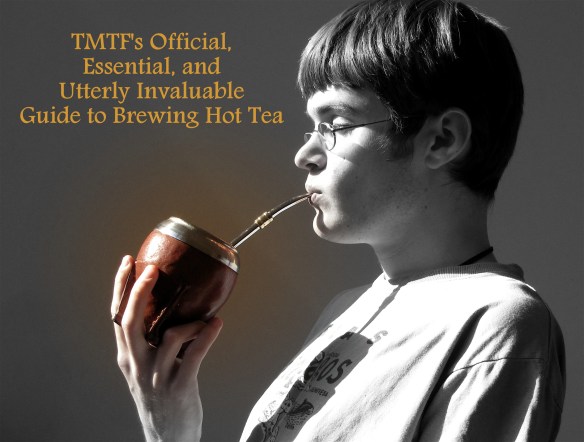
TMTF makes tea

I have twenty-something years of experience brewing and drinking tea, yielding a few successes and one or two truly harrowing failures. (Don’t ever mix black tea, yierba mate, and cinnamon sticks—just don’t.) Although I drink more coffee than tea these days, tea was my passion for many years. It was my special-tea. (I’m so, so sorry.)

Varieties of Tea, as Explained by Science

Are you ready for science? I bet you didn’t expect science.
Et-Webscout16The beverages called tea fall into two categories: tea and herbal tea.

Tea comes from a plant whose scientific name is Camellia sinensis. Black, green, oolong, and white teas are all prepared from the leaves of the tea plant. The difference lies in how they are processed from fresh tea leaves to dried leaves. Tea processing involves oxidizing the tea leaves—which is a fancy way to describe the process by which oxygen interacts with the tea, changes its molecular structure, and gives it its taste.

In simple terms, white tea is oxidized only slightly, green tea is oxidized a little further, oolong tea is oxidized even more, and black tea is oxidized completely. Generally speaking, the further a tea is oxidized, the darker its color, the stronger its flavor, and the higher its caffeine content. Black tea is most common in the West, though green tea is also popular. White and oolong teas are a little harder to find.
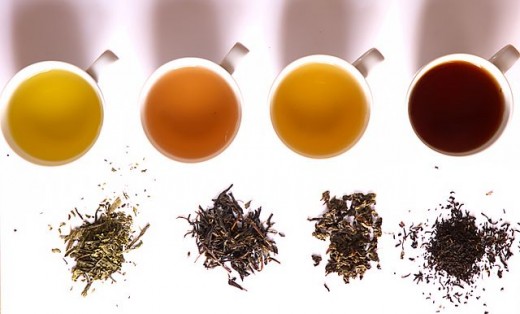
Kinds of teaTea is often infused with other ingredients; such teas are called blends. For example, Earl Grey is a famous blend of black (and sometime green) teas with bergamot oil.

The other broad category of tea beverages, herbal tea, is not actually tea. An herbal tea is some other plant, herb, or spice infused in hot water in the manner of tea. (I can only assume these beverages are called tea for their style of preparation.) In Ecuador, my homeland, herbal tea is more accurately known as agua aromática, or aromatic water. Common herbal teas include cinnamon, chamomile, mint, and ginger.

Preparing to Brew a Proper Cup of Tea

You should start with fresh, cold water. Do not use hot tap water; hot water pipes tend to corrode, giving hot tap water a flat, metallic taste. You will also need a method for heating your water. I recommend heating a kettle on the stove or investing in an electric kettle. (I use an electric kettle: it’s fast, easy, and well worth the price.) I do not recommend heating water in the microwave. Most microwaves build up an oily residue from the foods it has heated, which can flavor the water and give the tea an unpleasant aftertaste.

Brewing Tea: The Basics

As a general rule, the darker your tea, the hotter your water should be and the longer your tea will take to brew. Use boiling water for black tea; for white and green teas, use water that has just boiled.

When the water is hot, add tea. It ain’t hard.

Tea is brewed by a process called steeping, which infuses tea’s soluble substances in hot water. Once again, darker teas require a different set of rules from lighter teas. Most black teas should steep for two or three minutes to bring out their full, robust taste. White and green teas should steep for only one or two minutes—any longer and the tea develops a harsh flavor.

Many tea drinkers leave tea leaves, whether loose or in a teabag, in their tea as they drink it. This is a matter of personal taste. However, I do not recommend it, as tea releases compounds called tannins when steeped for too long. Tannins give tea a bitter and astringent taste, which overpowers its more delicate flavors.

Unlike genuine tea, whose preparation is pretty consistent, there are few universal rules for brewing herbal teas due to their staggering variety.

Teabags Vs. Loose Leaf Tea

The most popular preparations of tea are teabags and loose leaf tea. Teabags are small packets of tea leaves, generally attached to a string for easy removal. Simply put a teabag in hot water, let it steep, and pull it out by the string. Loose leaf tea consists of dried tea leaves. Brewing tea with loose leaves is slightly more challenging, requiring a small strainer.
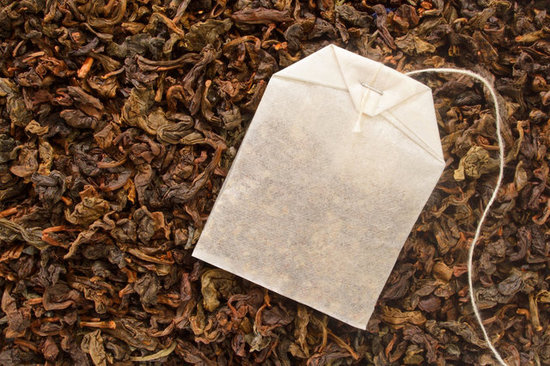
Tea bag and loose leaf teaBoth of these preparations have benefits and disadvantages. Teabags are widely available, easy to use, and conveniently sized for individual servings. However, teabags offer a less robust flavor than loose leaves. Loose leaf tea is generally more expensive and harder to find, requires a tea strainer or brewing basket, and must be separated into portions for individual servings. However, loose leaves offer a much fuller flavor than teabags.

Adding Stuff to Tea: The Basics

By itself, tea is fairly bitter. Sweet additives such as sugar, honey, artificial sweeteners, and even agave syrup are popular. A small amount of milk, when added to darker teas, cuts their bitter flavor for a smoother drink. (Milk has a similar effect on coffee.) Lemon or lime juice gives tea a refreshingly tart flavor. (Do not add milk and lime or lemon; trust me on this.) Small amounts of liquor give tea a bracing taste. Fresh mint leaves are a tasty garnish to lighter teas and some herbal brews. Around Christmas, a small candy cane in a cup of strong black or mint tea is a festive touch.

Recommended Blends and Recipes

Here, in no particular order, are some of my favorites.

Earl Grey

This aforementioned blend of black tea and bergamot oil has a light citrus flavor. The Twinings and Bigelow tea companies offer the best blends, which are widely available in the US. Twinings’s blend is subtle and delicate; Bigelow’s is bold and bracing. They’re both delicious, especially with sugar and just a bit of milk.

Gollum Juice

Named for J.R.R. Tolkien’s morally ambiguous monster, this one packs a punch. Start with a really strong cup of black tea, add a lot of honey, and squeeze in a couple of fresh limes. (I recommend not using bottled lime juice; the fresh stuff is much better.) Fish out any stray lime seeds, mix it all together, and enjoy—but carefully.

Yierba mate

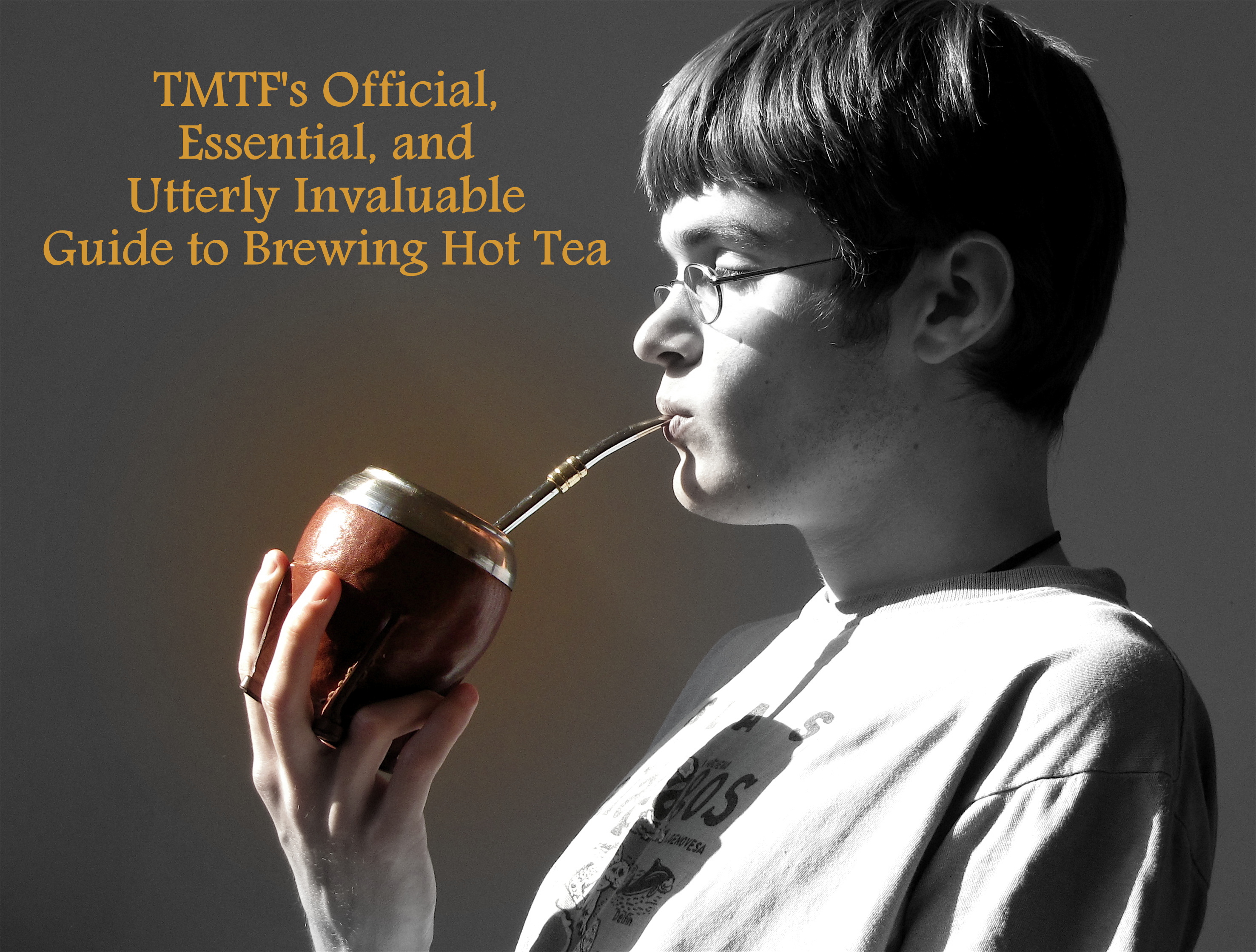
Popular in Uruguay and its surrounding countries, this herbal tea packs a murky flavor. (This is the tea I’m drinking in this post’s title card, and it makes an appearance in one of this blog’s banners!)
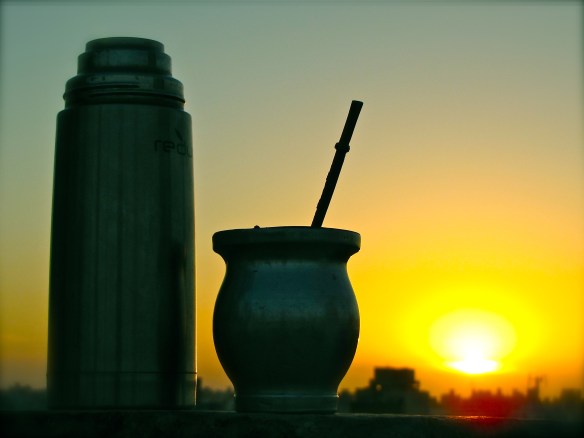
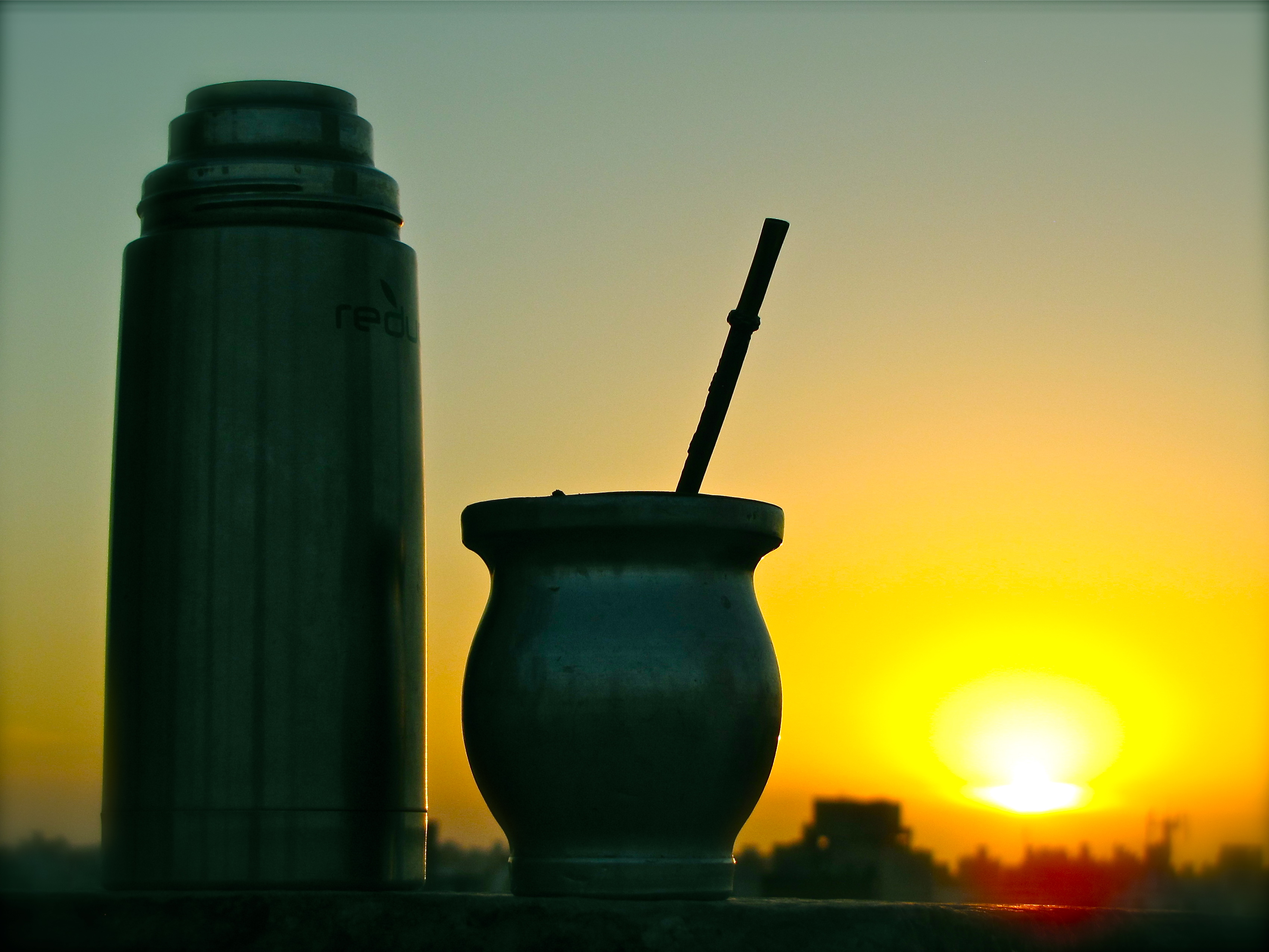
Mate and bombillaAlthough Uruguayan culture demands an elaborate preparation with specialized cups called mates and metal straws called bombillas, a simpler option is to use an ordinary cup and a tea strainer. Yierba mate is definitely an acquired taste, but a light infusion with sugar and even a little lime juice is quite refreshing.

Still Not Ginger

Add a spoonful of honey and two of brandy to a cup of ginger tea. This is a particularly good recipe for cold days. If you recognize the pop culture reference in the name, I will personally brew a cup for you.

Cinnamon tea

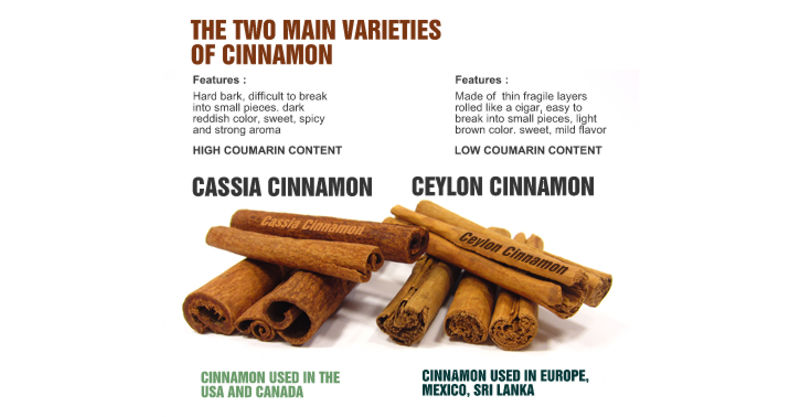
Fill a small pot or large saucepan with water, bring it to a boil, and toss in a couple of large cinnamon sticks. I find cassia cinnamon makes a much better brew than Ceylon cinnamon—and yes, there is a difference.
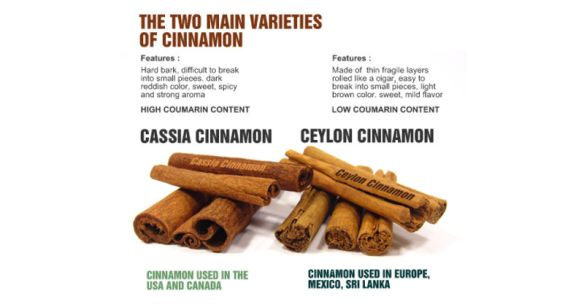
Cassia vs. Ceylon cinnamon sticksLet the brew boil for a minute or so, then turn off the heat and add a lot of sugar. Cinnamon tea is spicy, fragrant, and delicious. This is another good one for cold days.

Jasmine green

This famous blend of green tea and jasmine blossoms is delicious, especially with a little sugar. Brew it from loose leaves if you can; you can sometimes find them in Asian food stores.

That, dear reader, was TMTF’s Official, Essential, and Utterly Invaluable Guide to Brewing Hot Tea. Go forth and brew!

Question: Should TMTF feature more Official, Essential, and Utterly Invaluable Guides to things? Let us know in the comments!
377. That Time I Discovered Coffee

Sixteen years ago, somewhere in the jungles of Ecuador, something happened that changed my life. I was nine years old, bookish, chubby, fond of Star Wars, and—if my memory is correct, which it probably isn’t—recently bespectacled. (I wasn’t born wearing glasses, you know.) The thing that happened on that day shaped my destiny in ways I could not have imagined.

On that day, I tasted coffee for the first time.

In the brightly-colored blur that is the life of Adam Stück, such concrete details as dates are elusive. It’s hard enough for me to trace most memories to a particular year, let alone a specific month. In this case, however, one fact allows me to place the day I discovered coffee in April, May, or June of 1999. My life-changing experience happened around the time Star Wars Episode I: The Phantom Menace was in theaters. I am certain of this.

I had just turned nine, and was eager to seem as grown-up as possible. My joy and excitement at receiving eyeglasses was tremendous; wearing glasses seemed like a huge step toward the sophistication of adulthood. (It turned out to be a huge step toward a world that isn’t blurry.) Yes, I wanted to be a grownup, and nothing seemed more grown-up than coffee.

Adam, roughly 1 B.T.C

Adam Stück, roughly 1 year B.T.C. (Before Tasting Coffee)

However, some faint intuition told me coffee wasn’t suitable for children. It was an adult drink, like whiskey or vodka, and therefore beyond my reach. I had only ever seen adults drink coffee. Whenever it was served to adults, kids were offered milk or juice instead. The message was clear: Coffee ain’t for kiddos.

I was mistaken, of course. My parents would surely have let me try it. However, convinced coffee was exclusively a grown-up drink, I was too timid to ask.

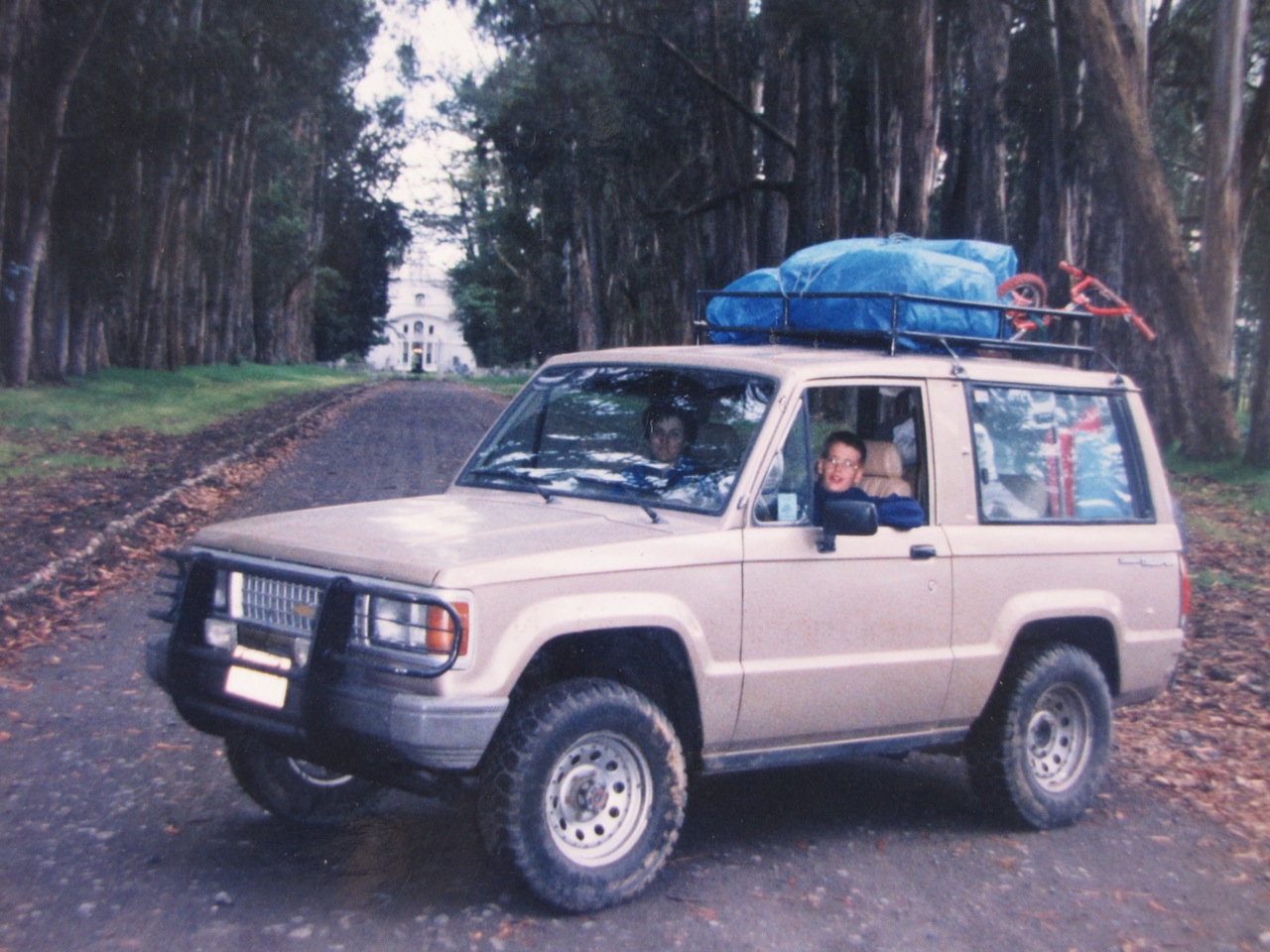
The day before that fateful morning, my dad and I (and maybe my younger bro; I don’t remember) piled into our dusty Trooper and drove from our home in Santo Domingo de los Colorados to a place my dad called “Charlie’s camp,” a campground surrounded by jungle. Charlie’s camp surely had a proper name, but I don’t remember ever hearing it; I can only assume a man named Charlie either owned or managed the place.

Trooper

Our Trooper was a beast with the roaring power of a rhino and all the spacious comfort of a coffin.

My memories of Charlie’s camp are few. There was a river nearby with muddy banks studded with rocks. I recall fences with rusting barbed wire, and remember munching a bag of Star Wars-shaped sweet crackers. My recollections of Charlie’s camp are faint, but one stands out clearly after all these years.

After spending the night, we ate breakfast with the camp crew. It was a campesino (rural) meal of pancitos (bread rolls) and boiled eggs. Black coffee was the only drink available. With nothing else to drink, I realized I might be able to persuade my dad to let me try a cup, even though coffee was clearly and obviously not a drink suitable for minors.

Much to my surprise, my dad raised no objections, and I was finally free to try the stuff that had tantalized me for so long. I filled my cup, lifted it to my lips… and very quickly set it down again.

Coffee was disgusting.

At any rate, that’s what I thought at the time. I was a foolish, ignorant child.

Faced with the prospect of drinking an entire cup of bitter coffee, I did what any sensible child would do—shoveled in plenty of sugar. I took another sip. The taste was much improved, and I felt like a proper grown-up.

The rest is sweet, sweet history. I started drinking coffee regularly in high school, and it gradually replaced tea as my beverage of choice. In college, I began drinking my coffee with milk instead of sugar for health reasons. My daily intake had increased so much that a proportional increase in my sugar intake would probably have caused my heart to explode.

HRRRNNNGGG

Don’t laugh, guys. It could’ve happened.

That’s the story of how I discovered coffee, and how one day changed my life forever. In the words of that guy from the latest Mad Max movie: Oh, what a day. What a lovely day!