118. Video Game Clichés

Video games operate by their own quirky rules, most of which differ wildly from real life. Consider how Mario, a portly plumber with short legs, can jump roughly ten feet into the air without a running start. In real life, Mario might manage ten inches, but not much more.

Many of these strange video game rules have become patterns repeated over the years, and some of these patterns have been worn to clichés. Here are just a few.

Spikes

In video games, deadly spikes are everywhere. A villain’s lair? Spikes. An ancient castle? Spikes. An ordinary meadow? Spikes. Along with bottomless pits, spikes are the standard obstacle in video games.

It would be nice to see some alternatives to spikes. Electric fences, perhaps? Buried explosives? Buckets of piranhas?

On a logistical note, I wonder who installs spikey obstacles in video games. Maybe villains outsource to construction companies for spike installations.

Big swords

I’ve already written about this one, and I don’t really have anything to add except for one brief observation: they may be clichéd, but huge swords are awesome.

Revealing outfits

Ladies in video games often wear tight, revealing outfits. Even when male warriors are clad from head to foot in heavy armor, females charge into battle with bosoms, legs or midriffs exposed. There may be some significant tactical advantage to fighting in a swimsuit, but I can’t imagine what it might be.

Death as a temporary condition

Unlike real life, in which death is permanent, many video games present death as a temporary affliction—much like the common cold. Administer a one-up mushroom, some phoenix down or a fairy in a bottle, and death is cured.

Variations include reviving characters through magic, time travel, advanced science or some other implausible means. Another version of this cliché is to fake the death of important characters.

Not to be cruel, but it’s always a bit of a relief when characters actually die. You know, permanently.

Puppet villains

Too many video game bad guys are revealed to be pawns controlled by greater villains. It’s almost more surprising to me when there’s no unexpected plot twist and the obvious villain turns out to be the bad guy after all!

Ice levels

There’s even a song about this one.

Cheerful, perky sidekicks

From a storytelling perspective, giving the hero a happy, optimistic companion makes sense. Such sidekicks can provide comic relief, act as a foil to more serious characters or brighten the mood of scenes that might otherwise be too bleak.

Even so, I’m tired of cheerful companions. I want a cynical sidekick: one who is pessimistic, sarcastic, gloomy, unsentimental and dryly humorous.

Breaking and entering

People in video games don’t seem to mind you entering their houses and stealing their stuff. As the hero of the game, you’re permitted trespass on private property and take whatever items are left conveniently lying around.

Link, the hero from the Legend of Zelda games, is notorious for smashing pots belonging to other people in his relentless search for cash. Almost every RPG I’ve ever played allows the player to loot the homes of innocent civilians.

What video game clichés have we missed? Let us know in the comments!

103. Elite Beat Agents

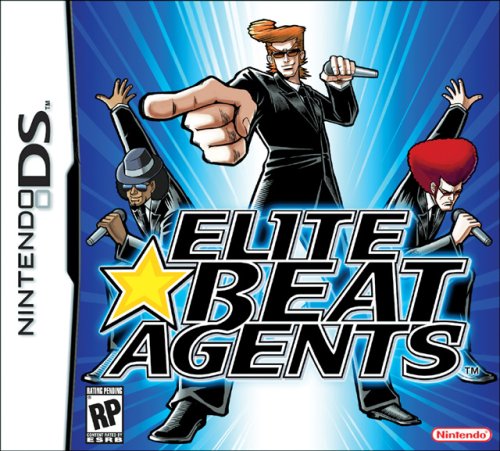
I don’t think it’s possible to play Elite Beat Agents and be depressed at the same time.

Released for the Nintendo DS, Elite Beat Agents is a rhythm game that features one of the strangest (and most brilliant) premises of any video game ever.

A specialized government agency is devoted to helping desperate people through the inspirational power of song. When a person reaches a point of critical distress, three agents in black suits and sunglasses arrive on the scene and…dance. Motivated by the agents and their fabulous performances, the person overcomes all obstacles and succeeds.

The gameplay in Elite Beat Agents consists mostly of tapping spots on a touchscreen to the rhythm of the music. In spite of its simplicity, the gameplay is engaging and satisfying.

Elite Beat Agents uses a bright, exaggerated, comic-book style. Its humor is quirky, and some of the situations from which the agents rescue hapless people are delightfully absurd.

Sure, they start out innocently enough: a babysitter struggles to keep three kids under control, for example, and a lost dog tries to find his way home.

Then the agents find themselves helping Leonardo da Vinci convince the Mona Lisa to become the subject of his next painting—and motivating white blood cells to cure an athlete before an important competition—and inspiring an ex-baseball star to rescue kids in a theme park from a fire-breathing golem.

The game becomes steadily weirder, and proportionately more awesome.

Each scene is set to a popular song, such as “September” by Earth, Wind and Fire or “You’re the Inspiration” by Chicago. If the colorful visuals, goofy humor and compelling gameplay were not enough, the catchy music settles it: Elite Beat Agents is an excellent game.

It’s also a fine way to beat depression. Apart from its jolly, silly style, the game takes a good deal of concentration. It’s awfully hard to be depressed and keep the beat.

That’s just the inspirational power of song.

97. TMTF’s Top Ten Video Game Heroes

Having previously posted a top ten list of video game villains, I felt obligated to put together a list for video game heroes, thus restoring equilibrium.

According to the standards of this list, a video game character must be playable in order to qualify as a hero.

Without further preamble, TMTF is excited to present…

The TMTF List of Top Ten Video Game Heroes!

10. Mario (Mario series)

The first thing to be said about Mario is that he has a fabulous ’stache. Equally impressive are his inexhaustible heroism and wide range of talents. When he’s not busy racing karts, competing in athletic events or curing viruses, Mario can usually be found trying to rescue his beloved Princess Peach, whose fate is to be kidnapped pretty much every time she steps outside. Apart from his mustache, chivalry and mad skills, Mario deserves a place on this list because…well…he’s Mario.

9. Samus Aran (Metroid series)

Unlike many women in video games, Samus Aran is no damsel in distress. Ms. Aran, a skilled bounty hunter, is quite comfortable fighting hostile extraterrestrials and exploring the uncharted depths of alien planets. Samus Aran’s high-tech armor is another good reason to give her a place on this list. Her suit is packed with all sorts of nifty weapons, tools and gadgets. It’s also modest and sensible—unlike many of the outfits women in video games are forced to wear.

8. Cloud Strife (Final Fantasy VII)

Introduced as an aloof soldier, Cloud is revealed to be a man with a tragic past, struggling to forgive himself and atone for his mistakes. He’s also kind of a jerk, which is why I debated putting him on this list. Cloud won me over in the end: partly because he’s a compelling character, and mostly because he’s ridiculously cool. Although his redemption is a major theme of Final Fantasy VII, most players remember Cloud for his impossibly large sword.

7. Sora (Kingdom Hearts series)

The protagonists in many RPGs are bitter, taciturn outcasts. (Ahem, Cloud Strife.) Sora is a refreshing exception to the rule: cheerful, friendly, fiercely loyal to his friends and always ready to help. Chosen by destiny to wield a weapon called the Keyblade, Sora is thrown into a universe in which all worlds are under attack by dark, mysterious creatures known as the Heartless. Sora never loses hope, no matter how desperate the situation, and he’s a genuinely nice guy.

6. Marche Radiuju (Final Fantasy Tactics Advance)

Yes, Marche Radiuju is an obscure character. Yes, his outfit is absurd. No, I don’t know how to pronounce his last name. Setting aside these concerns, Marche is quite a hero. When he and his friends become trapped in a fantasy world, he takes it upon himself to open a way for them to go home. Marche grows from a timid boy into a fearless leader, exploring new places, conquering vicious foes and even confronting his friends in order to do what he believes is right. He might not be as famous as some of the other heroes on this list, but Marche Radiuju is no less heroic.

5. Balthier (Final Fantasy XII)

The self-proclaiming leading man of Final Fantasy XII, Balthier is a sky pirate with a fabulous fashion sense. He was a powerful politician years ago, but he’s cleaned up his act (as he would put it) and become an honest brigand. Balthier has a strong sense of justice and loyalty, which he’s careful to hide behind an indifferent manner, a sharp wit and a truly staggering ego. In a story full of bitterness and betrayal, Balthier shines like the star he claims to be.

4. Frog (Chrono Trigger)

Although he appears to be a monstrous amphibian, Frog was once a brave lad named Glenn. A sorcerer called Magus murdered Glenn’s mentor and cursed the unlucky lad with a frog’s shape, ruining his ambitions of becoming a knight. Glenn abandoned his name and took up the lonely life of a vigilante. As the kingdom comes under attack, he joins the battle to defend it from Magus and his minions. Frog’s bravery, chivalry, unique appearance, intriguing characterization and epic musical theme earn him a place on this list.

3. Aerith (Final Fantasy VII)

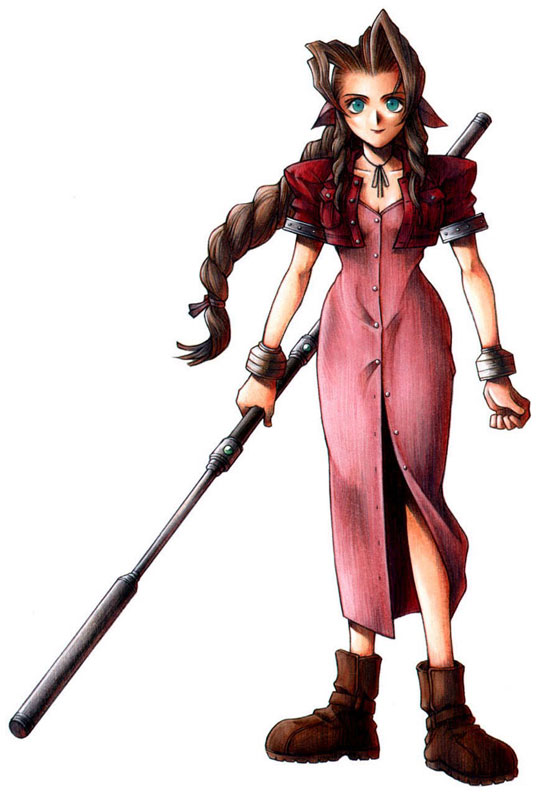
Aerith is a paradox. She’s angelic and ethereal, yet down-to-earth and friendly. In the slums of Midgar—a dark, dirty place full of trash, monsters and ruined buildings—Aerith keeps a garden and sells flowers to make a living. The heroes of Final Fantasy VII are mostly embittered, tough and cynical. Aerith is cheerful, hopeful and compassionate. She has a beautiful musical theme, too. Then, halfway through the game, Aerith dies. Even though her dying actions help save the world, her companions (not to mention gamers everywhere) are left with a profound sense of loss.

2. Phoenix Wright (Ace Attorney series)

Objection! Lawyers are not nearly so interesting as warriors, knights and bounty hunters. A mere lawyer does not deserve so high a place on this list of video game heroes… or does he? In the case of this particular lawyer, I overrule all objections and present the court with the following statement: Phoenix Wright is awesome. A rookie defense attorney, Phoenix defends his clients with perseverance, sarcasm, luck, spiky hair and an unshakable belief that everyone deserves a fair trial.

1. Link (Legend of Zelda series)

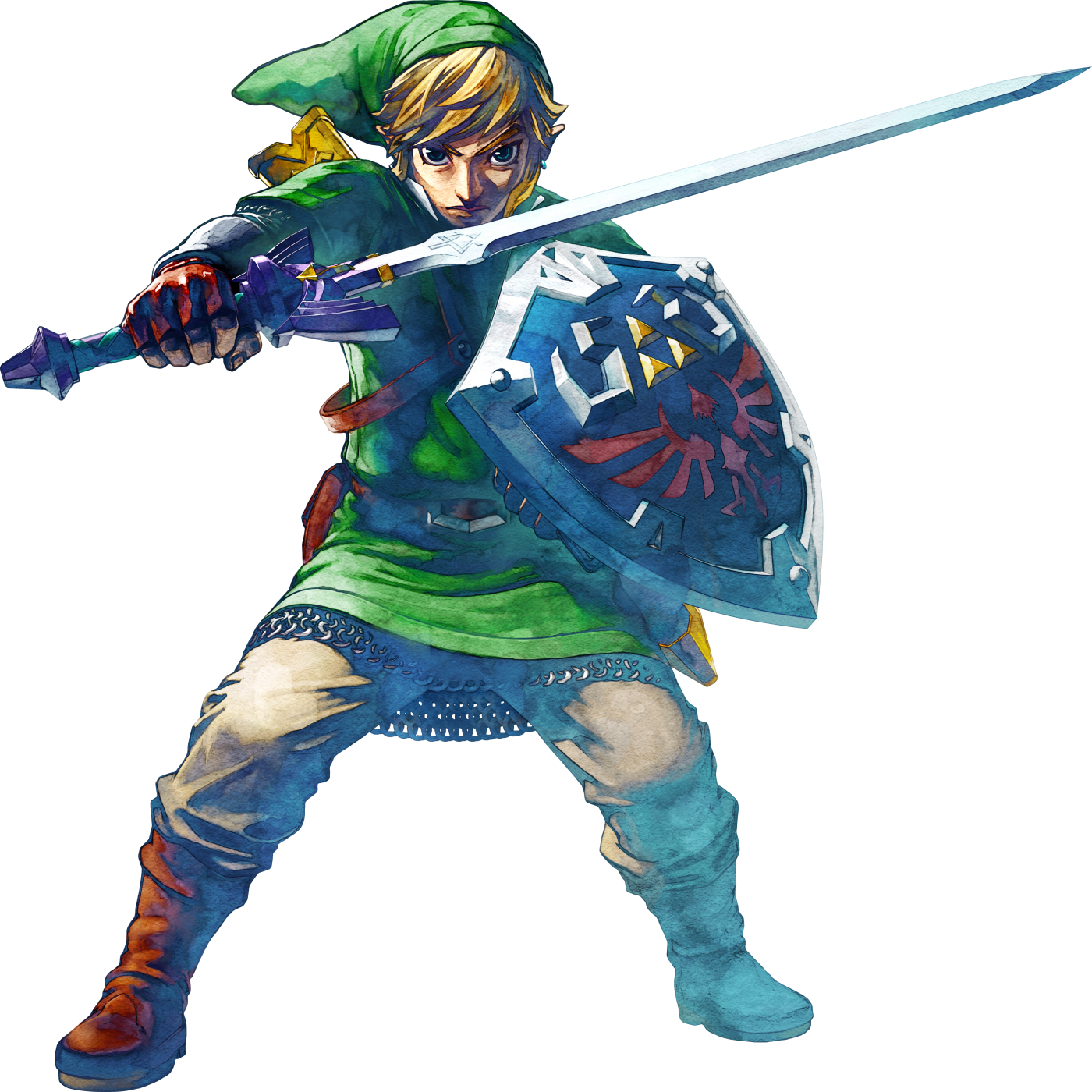
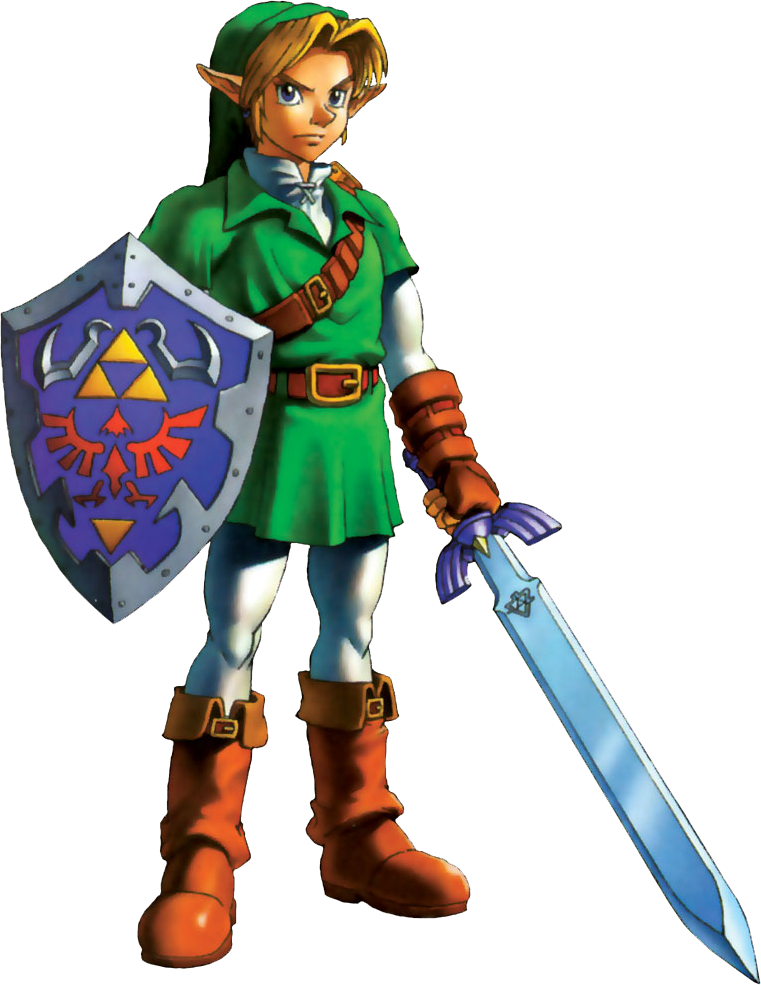
Link lacks any intricate characterization or complicated backstory. He’s a silent protagonist, without so much as a word of dialogue. Why have I put him first on this list? Link isn’t merely a character—he’s an archetype. He is the Everyman, the unexpected hero who is snatched from a peaceful life, thrown into an adventure and pitted against a ruthless enemy. Link is a simple character, but his simplicity serves him well. Right from the beginning, the player gets it. No elaborate explanations are needed. Link is an ordinary guy who overcomes evil and becomes a hero. It’s an old story, and one that strikes a universal chord to this day.

O people of the Internet, what great video game heroes would you add to this list? Let us know in the comments!

85. TMTF’s Top Ten Video Game Villains

TMTF has already featured a top ten list, but the old impulse to categorize things has stirred again deep within my blogger’s heart. This time, the object of my top-ten-list-mania is video game characters.

We cheer for the heroes, naturally, but—let’s be honest—the villains are usually much more interesting. Thus TMTF is excited to present…

The TMTF List of Top Ten Video Game Villains!

10. Dahlia Hawthorne (Ace Attorney: Trials and Tribulations)

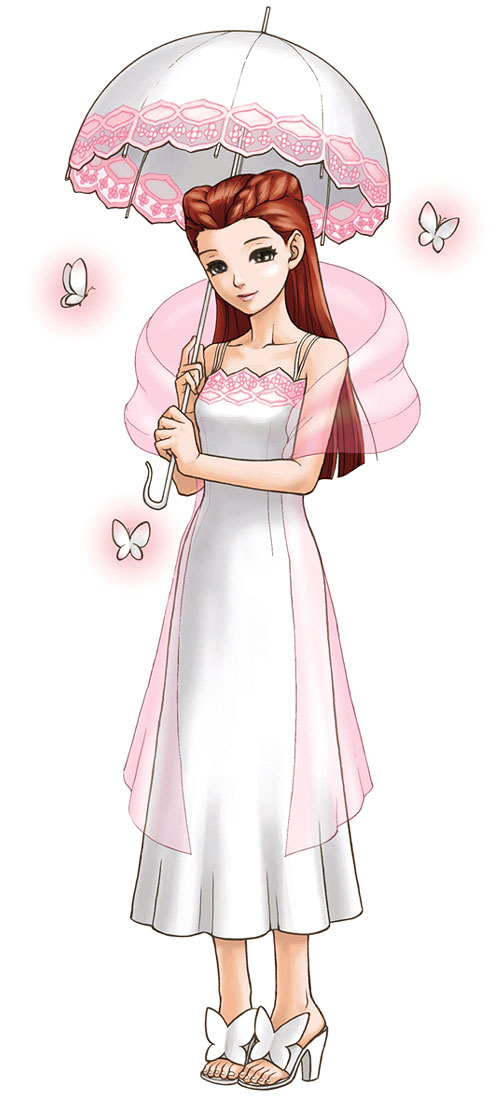
Ace Attorney villains aren’t typical video game baddies: they don’t breathe fire, wield chainsaws or threaten to inflict any other kind of bodily harm. No, their villainy is much more insidious. The player must corner them in court and prove their guilt with hard evidence. Of all these criminals, none is creepier than Dahlia Hawthorne, a dainty young lady with a parasol and a lacy dress. Behind that fair façade lurks a vindictive, selfish and manipulative murderer. Although she wears a sweet smile, Hawthorne betrays her true nature by glaring murderously at any attorney foolish enough to cross her.

9. Bowser (Mario series)
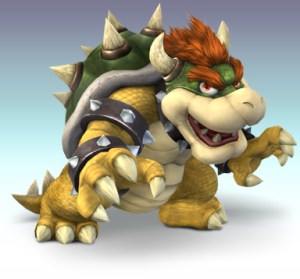
Bowser may not be the most threatening villain—or even the most competent—but his tenacity is remarkable. After twenty-five years of trying to defeat Mario, he’s still at it. Bowser is delightfully self-conceited. At one point, he announces his entrance by roaring, “Did somebody page the king of awesome?” In spite of his shortcomings, he can also be pretty scary. Giga Bowser, anyone?

8. Majora (Legend of Zelda: Majora’s Mask)
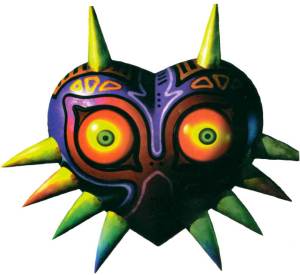
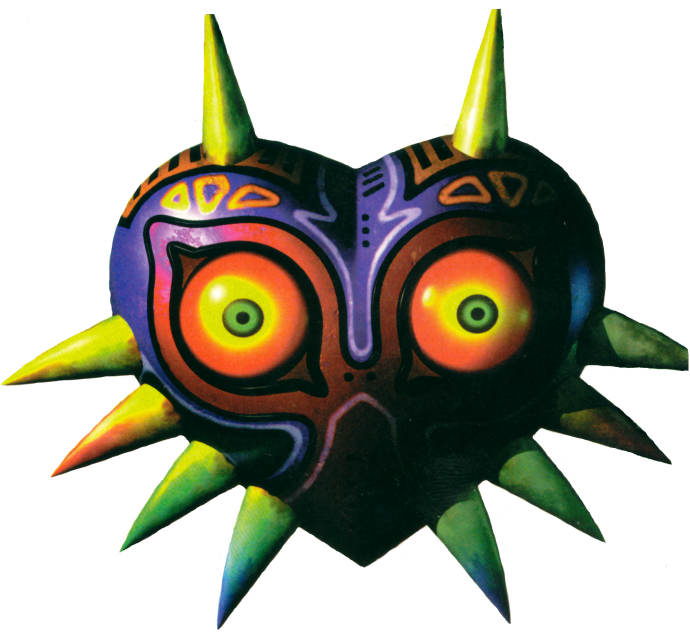
Before reading further, go back and spend fifteen seconds looking at Majora’s Mask. Go on. I’ll wait for you. I could write lots about Majora, but everything I have to say is expressed much more eloquently in the mad, nihilistic stare of those horrible yellow eyes. Majora is demented, with no apparent motivation other than bringing the world to ruin. Ambitious, power-hungry villains are scary, but at least we understand them. Truly terrifying are villains like Majora, who are driven by nothing more than a detached, inexplicable determination to see the world burn.

7. Sarah Kerrigan (StarCraft series)
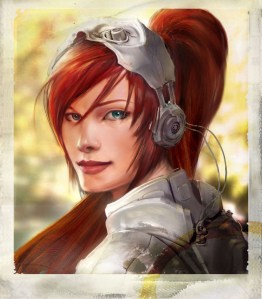
Sarah Kerrigan isn’t a villain at first—in fact, she’s hardly a major character. Kerrigan is introduced as an insurgent fighting to topple an oppressive government, and she seems like a pretty decent person. Then she’s betrayed by her superior, left to die and assimilated into the hostile extraterrestrial species known as the Zerg. Now a superhuman creature, she begins a campaign to conquer the sector, betraying allies and showing no mercy. Kerrigan’s unexpected descent into evil earns her a place on this list, along with the cool, casual way she grinds her enemies into the dust.

6. Giygas (Earthbound)

Earthbound is not a typical RPG. Its heroes aren’t warriors with swords and lances, but kids with baseball bats and frying pans. The game is cheerful, full of bright visuals and quirky humor. All this stands in stark contrast to its villain, possibly the freakiest enemy to appear in any video game ever. Giygas is… an extraterrestrial entity driven insane by its own power, maybe? Whatever it is, it looks terrifying and can speak only in the fragmented phrases expected of a creature whose consciousness has been dissolved by evil. The fact that it’s impossible to defeat without using a strange trick makes it that much scarier.

5. Lavos (Chrono Trigger)
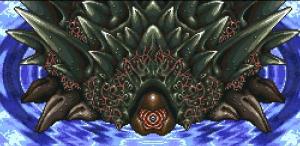
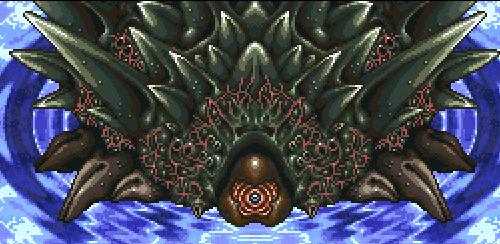
Chrono Trigger is another unusual RPG, not to mention a masterpiece. The hero travels through time from prehistory to the far future, and his companions—a medieval knight, a cave woman and a dilapidated robot, among others—span the whole of the world’s history. Their enemy? An extraterrestrial parasite called Lavos that burrows into the world’s crust, spends millennia draining the planet’s life and emerges to reduce it to ashes. Lavos isn’t so much a character as a deadly force, a cross between a plague and a thousand atomic weapons, destined to destroy the world—unless the player can stop it first, of course.

4. GLaDOS (Portal series)

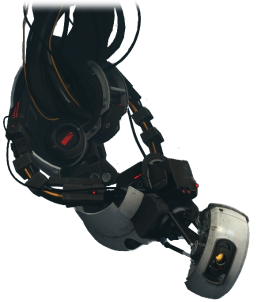
GLaDOS, a computer developed by Aperture Science, is childish, sarcastic, spiteful and surprisingly likable. It puts the game’s protagonist through a series of tests, promising her a slice of cake if she succeeds in passing them all. Only partway through the game does it become clear that GLaDOS is trying to kill her. Even after its sinister nature is revealed, the computer remains an engaging character. For an amoral machine, GLaDOS earns quite a lot of respect—and perhaps even sympathy—from the player. Plus, GLaDOS sings “Still Alive.” Need I say more?

3. Kefka Palazzo (Final Fantasy VI)
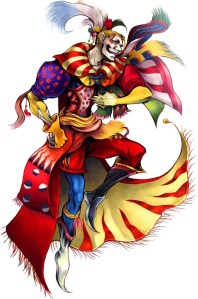
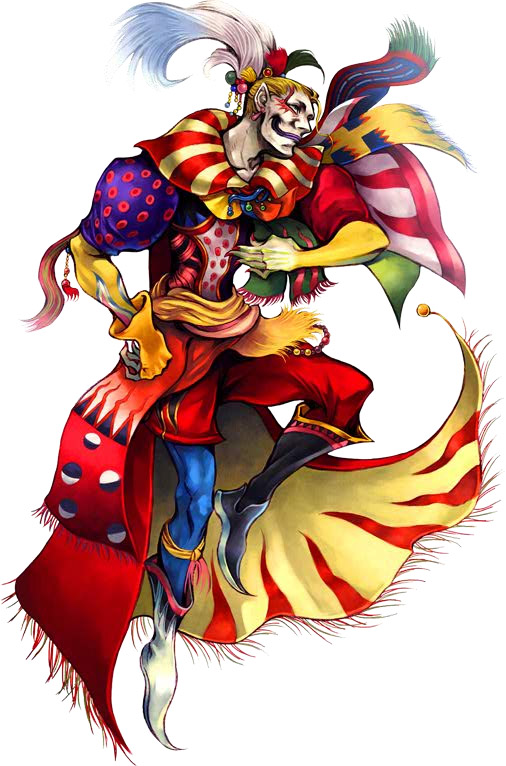
Yes, he looks a bit like Joker from the Batman franchise, and yes, he shares the same twisted sense of glee, but Kefka is unforgettable. Before Kefka, most RPG villains were distant, predictable tyrants, who relied upon minions to eliminate the protagonists and sometimes made brief appearances to taunt the player. Then Kefka appears on the scene—as a lackey. A servant of the evil Emperor Gestahl, Kefka runs like a coward every time the player confronts him. Through betrayal and deception, however, Kefka attains an ancient power and devastates the earth. In the end, the protagonists don’t save the world—they save what’s left of it. Besides his memorable rise to power, Kefka is notable for his nihilistic views and fantastic musical theme, the four-part, twelve-to-seventeen-minute “Dancing Mad.”

2. Ganon (Legend of Zelda series)
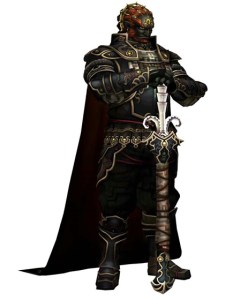
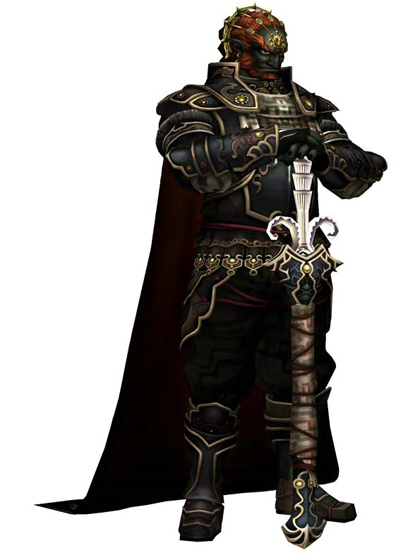
Ganon, also called Ganondorf, is one stubborn guy. Generations of heroes rise to confront him, yet he manages to press on, century after century, relentlessly seeking the powerful relic known as the Triforce. Each game gives a slightly different spin on Ganon’s character. In Ocarina of Time, he’s a thief: arrogant, treacherous and cruel. Wind Waker introduces us to a sorrowful, bitter Ganon, and Twilight Princess gives us a Ganon pulling strings from the shadows. In every game, whether controlling fiends, transforming into monsters or facing the hero in single combat, Ganon is a force with which to be reckoned.

1. Sephiroth (Final Fantasy VII)

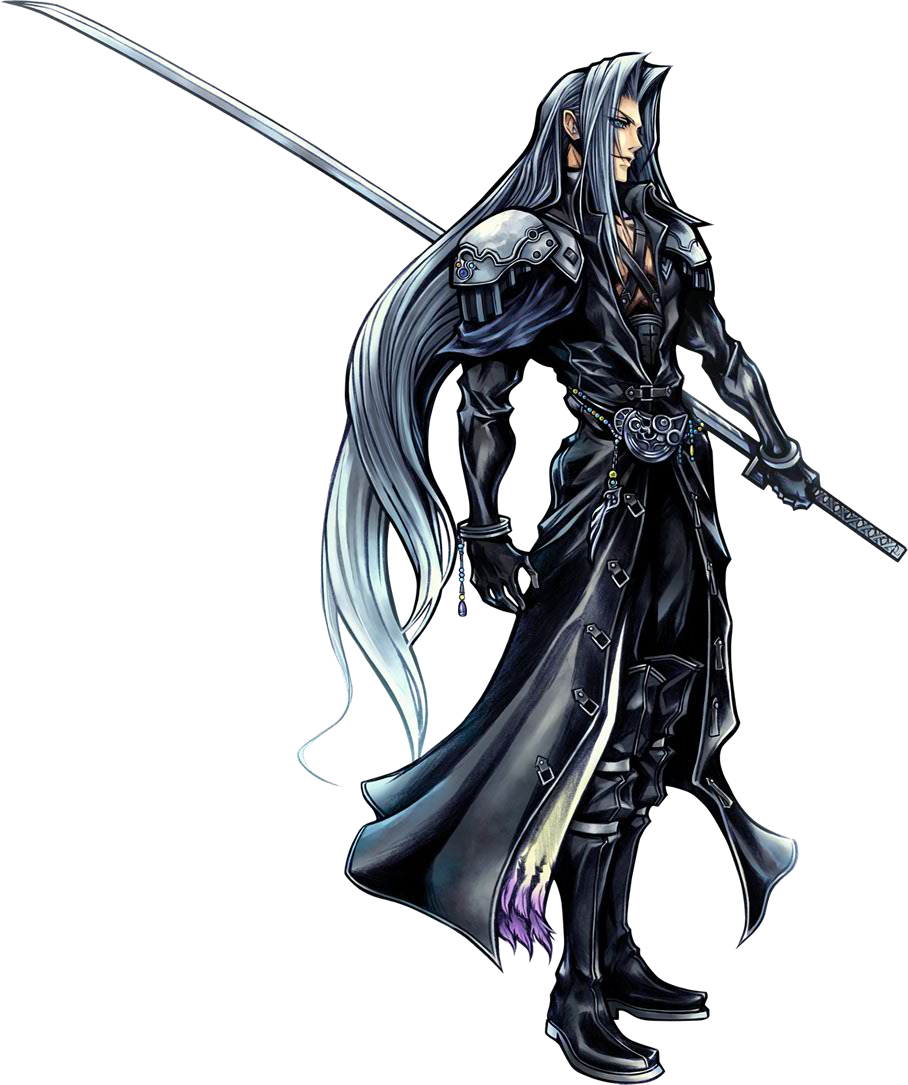
Don’t be fooled by the long silver hair and stylish coat—Sephiroth is about as evil as a villain can get. Tragic backstory full of disastrous misunderstandings? Check. Delusions of godlike grandeur? Check. Utter disregard for morality, conscience or decency? Check. Tendency to massacre innocent, unsuspecting people? Check. Driven by a lust for power and revenge, Sephiroth manipulates one protagonist, brutally murders another and casually inflicts all kinds of havoc upon the world. Add his epic musical leitmotif, “One Winged Angel,” and you’ve got a villain to give the bravest hero second thoughts.

O people of the Internet, what great video game villains would you add to this list? Let us know in the comments!

76. Super Mario Bros.

The Mario games are weird.

There’s simply no way around it. Mario is the most recognizable character in the video game industry. His games are typically superb, whether he happens to be rescuing princesses, driving go-karts, playing sports or moonlighting as a medical doctor. He has moved far, far beyond his platforming roots and conquered almost every other video game genre in existence: puzzle games, racing games, sports games, roleplaying games, sucking-up-ghosts-with-a-vacuum-cleaner games—you name it, he’s probably done it.

The weird thing? Mario, the paragon of the video game industry, is a pudgy Italian plumber in a world populated by anthropomorphic mushrooms and fire-breathing turtles.

While one expects the rampageous strangeness of the Mario games to have some whimsical origin, most of it can be traced back to mundane things like gameplay mechanics and graphical limitations.

Mario’s trademark appearance owes everything to limited graphics. His hat was easier to animate than hair. His mustache was easier to animate than a mouth. Those stylish white gloves kept his hands from blending in with his overalls.

The other bizarre conventions of the Mario universe, from power-up mushrooms to warp pipes, all have logical explanations.

Mind you, that doesn’t make them any less weird.

Despite their oddities, the Mario games are usually excellent. There’s never much of a story—the bad guy kidnaps the princess, the princess is rescued by Mario, Mario gets a kiss from the princess—but the games make up for the lack of plot with ingenious gameplay and catchy music.

Even the oddness of the Mario games gives them a quirky sort of charm. A player can never be too sure of what will happen next. Mario grabs a mushroom and grows huge, or nabs a leaf and sprouts a raccoon tail, or gets a helicopter helmet and takes to the skies.

The world of Mario is a fanciful, lighthearted, Alice’s Adventures in Wonderland sort of place. Anything can happen—and pretty much everything does.

32. Ace Attorney

“What? Video games about a lawyer? You’re not serious.”

Such was my first response to Ace Attorney, a series of games for the Nintendo DS, when I heard about it years ago. I could understand the appeal of video games about a warrior, soldier or pilot who saves kingdom, country or world from sorcerers, armies or aliens—but games about a defense attorney who saves defendants from prosecutors?

Then, a year ago, I actually played Phoenix Wright: Ace Attorney, the first game in the series, and made a most surprising discovery: it was actually kind of awesome.

Ace Attorney Logo

Had the Ace Attorney games tried to replicate every detail of our own justice system, they would undoubtedly have been tedious and boring. Fortunately, the games favor fun over realism. The court system is simplified, making trials much more exciting and easier to follow.

The Ace Attorney games star a goodhearted defense attorney named Phoenix Wright who defends his clients with perseverance, sarcasm, spiky hair and a good deal of luck.

Wright is accompanied by his friend Maya—younger sister of his deceased mentor and voracious consumer of hamburgers—who assists him in his investigations.

The gameplay of the Ace Attorney games consists of two elements. First, Wright visits scenes related to the crime and interacts with the people involved. Although this element requires a little detective work, it’s mostly about gathering information. The second element requires Wright to use the information he’s gathered to prove the innocence of his defendant in court.

Most of Wright’s business in court is cross-examining—a fancy legal term for questioning—witnesses. Cross-examination in the Ace Attorney games is guided by one basic principle: Find the contradiction and expose it with evidence! Almost all witnesses make some mistake in their testimony; Wright’s job is to consider the information he’s gathered, expose the witnesses’ lies and figure out who really committed the crime.

Each case starts slowly, but gets steadily more exciting as more information and evidence is revealed. Finding the contradictions in witnesses’ testimonies is unbelievably satisfying, and it’s exhilarating to unmask the true criminal in each case—especially since it’s sometimes the last person the player suspects.

Two things particularly stand out to me about the Ace Attorney games.

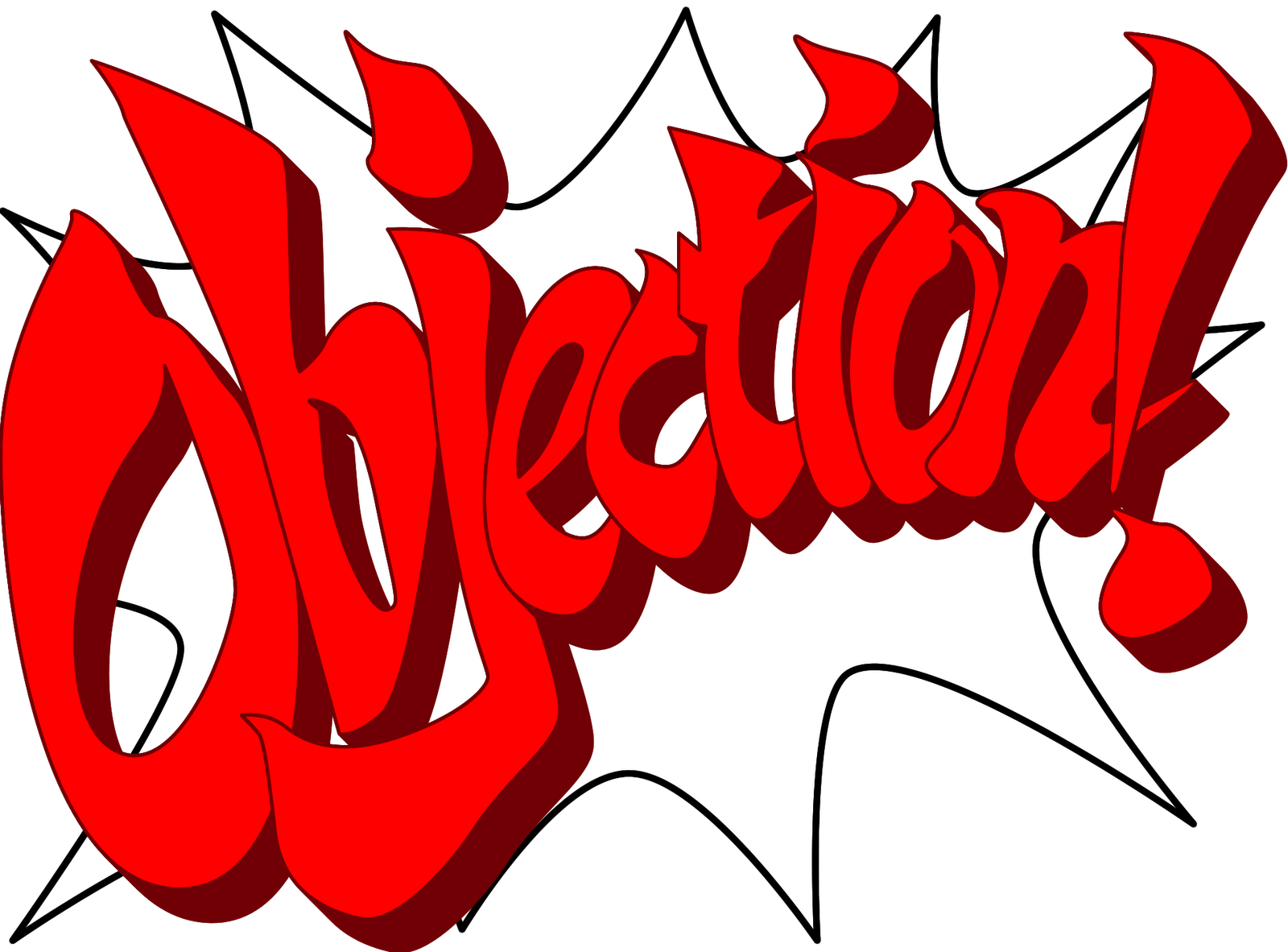
First is that events in the games are exaggerated for dramatic effect: the melodrama of each case is hilarious. When witnesses are exposed as liars, they react as though physically struck. Key witnesses have a habit of barging into court at exactly the right moment to give their testimonies. Perhaps most famously, attorneys in the Ace Attorney games don’t merely say “Objection” when they object to a proceeding in court. They bang their desks and shout—

The second thing that makes the Ace Attorney games so enjoyable is that the characters are wonderful. They remind me of Charles Dickens, whose most delightful characters are more like caricatures: Scrooge and Micawber and Fagin are too ridiculous to be realistic, yet retain just enough truth to be believable. In the same way, the Ace Attorney games are full of exaggerated characters that are too silly to be real—yet they’re believable, likable and memorable. As in Dickens’s novels, major characters are developed carefully and minor characters are never dull or insignificant.

Are the Ace Attorney games worth playing? Odd as it sounds, definitely. It’s ridiculously satisfying to solve cases and save innocent defendants, and the games’ storytelling is excellent.

And really, who can resist shouting “Objection!” into a Nintendo DS microphone and watching guilty witnesses cower in fear?

21. The Legend of Zelda

There’s no way on Earth I can fit my appreciation for The Legend of Zelda in a single post. It requires an effort of heroic proportions, but I’m going to try.

The Legend of Zelda is a series of video games in which a young hero named Link rescues Princess Zelda from the wicked sorcerer Ganon. The basic plot of most games is simple—Link rescues Zelda and defeats Ganon—but each game embellishes it with beautiful settings, delightful characters and unexpected twists. A few Zelda games reject the classic Link-rescues-Zelda formula for something entirely different, shipwrecking Link on an island or forcing him to relive three days over and over in order to save a town from a nihilistic imp. There are numerous incarnations of Link and Zelda throughout the series, but Ganon is always the same character—like Sauron and Voldemort, he’s one of those villains who refuse to die.

Link isn’t a typical adventurer. First of all, he wears a green tunic, a stocking cap and occasionally a pair of white tights: definitely not standard garments for a mighty hero.

While he uses some of the usual tools and weapons of the adventurer—sword, shield, bow, arrows and so on—he also uses equipment that’s frankly rather strange: boomerang, bug-catching net, bombs, empty bottles, musical instruments and chickens. Well, to be precise, he uses cuccos, the Zelda equivalent of chickens, which can be used to glide through the air after jumping from a ledge.

(By the way: If you ever happen to play a Zelda game, don’t attack the cuccos. Trust me on this one. Bad things happen to players who attack cuccos.)

Link is usually accompanied by a companion: a talkative fairy, a cowardly sea captain, a magical sailboat, a shadow imp or Princess Zelda herself. These companions are helpful for the most part, though some players (myself included) have tried in vain for years to kill Navi, Link’s fairy companion in Ocarina of Time, who shrieks “Hey!” and “Listen!” and “Hello!” and “Watch out!” with irritating frequency.

Ocarina of Time, by the way, is the greatest video game ever. It received almost universally perfect scores upon its release about thirteen years ago. Review compiler websites rank it as the highest-reviewed game ever. It tops pretty much every list ever compiled of the best video games ever made. In fact, the Zelda series is probably the most highly-acclaimed video game series of all time.

There are too many good things about the Zelda series to fit into a short post, so I’ll highlight just a few more.

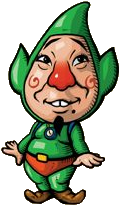
Although Link is a silent protagonist without much personality, the supporting cast and minor characters are typically eccentric, likable and highly memorable. A few of them are also kind of creepy. Mostly this guy.

The gameplay of the series is a balanced blend of exploration, combat and puzzles, with a few minigames thrown in for good measure. The games usually feature important treasures for Link to collect, all of which must be gathered to complete the game. Each treasure lies in the heart of a dungeon full of puzzles, traps, locked doors, keys and monsters. At the end of each dungeon lurks a difficult and terrifying enemy, the boss, for Link to conquer in order to claim the dungeon’s treasure. In between dungeons Link is free to roam the land, interacting with people, exploring, earning money, completing optional quests and barging into private homes to break clay pots.

The music of the Zelda series is beautiful. Music plays in integral role in most of the games; Link often uses magical instruments to progress in his quest. (In Ocarina of Time, the eponymous instrument is a woodwind possessing considerable magical power.)

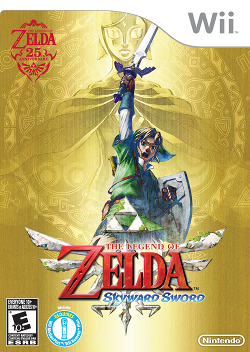
The Legend of Zelda is celebrating its twenty-fifth anniversary this year. This is also the year Skyward Sword, the latest Zelda game, is released.

It comes out on November 20 for the Nintendo Wii. To say I’m excited for its release is a staggering understatement. My younger brother is also awaiting it eagerly. We’ll be sharing the same copy of the game in December, so I’m not sure how we’re going to work out who gets to play it first. My brother owns several machetes and swords, so I might borrow my old man’s cavalry saber and fight my brother for the right to play Skyward Sword first. We’ll see.

My final thoughts about the Zelda series? Play it. If you like video games at all, I can pretty much guarantee you won’t regret it.

8. An Unapologetic Apology for Video Games

I like knives. To be honest, I like sharp objects in general: knives, daggers, sabers, katanas, broadswords, machetes, claymores and pretty much every other kind of blade devised by mankind.

(It would be more politically correct to say humankind, but in this case mankind is probably more accurate since men are the ones responsible for most of the blades in the world.)

Used correctly, knives can be useful for everything from peeling oranges to creating works of art. Used incorrectly, knives can kill and hurt and destroy. Knives are inherently neither good nor bad. Whether they’re good or bad depends on how they’re used.

I’ll return to the exciting subject of knives in a moment, but I should mention first that I’m student teaching at a local high school. The other day I glanced through a book for teachers about the problems of apathy and disrespect in the classroom. I was a little disheartened when the book blamed video games for the lethargy of unmotivated students.

Why was I disheartened?

Because it’s often true.

Video games can be addictive. Some are horribly violent. Many are painfully shallow or stupid. Finally, while I’m no expert in psychology, I think the satisfaction of accomplishing goals in video games can become an unhealthy substitute for the satisfaction of accomplishing goals in real life. Why bother working hard at school when you can save—or conquer—the world in a video game?

Video games can definitely be harmful. So can knives. But knives can also be beneficial, and I think video games can be too.

There are two kinds of apologies. First is an expression or remorse or regret. Second is a justification or defense. This post is the second kind of apology.

If you will, consider the following.

It’s not fair to judge an entire medium by a few bad examples

Yes, there are video games like Grand Theft Auto and God of War that glorify violence, profanity and sexual depravity. There are also books and films and songs that are just as bad or even worse. We don’t condemn all books or films or songs because some are bad. Why then do we assume all video games are harmful because some happen to be?

Video games are a unique form of storytelling

I’ve read many books and played many games. To be honest, some of those games are a lot better than some of those books. The Final Fantasy games, for example, consistently provide fantastic settings, clever plots, superb characterization, interesting themes and (in the later titles) good writing and acting.

Some games even give players the freedom to influence the story by their decisions: the player and the storyteller become partners in bringing the story to its conclusion.

Video games have artistic value

There are people—including some game developers—who would challenge this assertion, but I think video games can be a valid form of artistic expression. Graphic design, animation, writing, music and acting are acknowledged to be forms of art.

Video games bring together some or all of these artistic forms and add the unique element of gameplay, the finely-tuned mechanics that allow a player to interact with the game. How is that not artistic?

Video games are fun

‘Nuff said.

Video games can be thought-provoking

Although we expect them to be intellectually vapid, video games can be quite profound. Final Fantasy Tactics Advance, for example, has some fascinating moral dilemmas: Is a harmless illusion better than a painful reality? At what point does a person have the right to make decisions for another person?

The Final Fantasy series deals with all sorts of serious moral, political and ecological themes, and there are many other games that wrestle with issues of equal importance.

Video games bring people together

The stereotypical gamer is a lonely misfit with pale skin and no social experience. However, as is often the case, the stereotype is usually wrong. Most of the gamers I’ve met are cheerful, well-adjusted people. In my own experience, video games have actually strengthened friendships by giving friends something to do together. It’s hard not to enjoy spending time with other people when you’re tossing green shells at each other in Mario Kart or trying to knock each other off the screen in Super Smash Bros.

Is there more to a meaningful friendship than video games? Of course. Can video games be part of a meaningful friendship? Absolutely.

Video games inspire creativity

I’ve seen beautiful artwork inspired by video games and listened to amazing arrangements of video game music. There are many online comics centered on the oddities of games and gaming culture; some of them are really fun to read.

Video games have inspired many creative people to exercise their creativity, and that’s a very good thing.

What are your thoughts? Are video games a good thing? Are they evil? Let us know in the comments!