109. Science Fiction Vs. Fantasy

The title of this post may be a little misleading. If you were expecting an epic death battle between two literary genres, I’m afraid you will be disappointed. The purpose of this post is to take a quick look at why science fiction and fantasy—two literary genres often associated with each other—are different.

There are similarities, of course. The most striking is that fantasy and science fiction aren’t realistic. Fantasy is unrealistic because of supernatural elements such as magic and monsters. Science fiction, however, doesn’t involve the supernatural. Its unrealism comes from scientific discoveries or developments in technology, society and history that haven’t occurred.

Let’s start with science fiction.

Since the emphasis of science fiction is naturalistic, the genre focuses on the development of human society. Robots, spacecraft and laser weapons reflect the evolution of the human race.

The lack of supernatural elements in science fiction precludes any kind of divinity or absolute morality. Because of this, the genre doesn’t usually depict struggles between good and evil. The ultimate goal of characters in science fiction is usually survival, not moral triumph. What matters is the continued existence of the human race.

Due to this lack of absolute morality, the themes of science fiction are usually psychological, ethical and existential, not moral or religious.

Although it’s often paired with science fiction, fantasy is fundamentally different.

Since the emphasis of fantasy is the supernatural, the genre traditionally places little importance upon the development of human society. Cars, computers and guns are replaced with horses, scrolls and swords.

The supernatural elements in fantasy often indicate some kind of absolute morality, whether a standard good-versus-evil morality (e.g. The Lord of the Rings), a morality based upon maintaining cosmic balance (e.g. A Wizard of Earthsea) or some other moral system. The typical goal of fantasy characters isn’t merely survival, but moral or cosmic victory.

Due to the presence of absolute morality, the themes of fantasy are usually philosophical, moral and religious, not psychological or ethical.

In a previous post presenting a short, untidy and highly idiosyncratic history of fantasy, I made the observation that many of fantasy’s greatest authors have been Christians: George MacDonald, J.R.R. Tolkien, C.S. Lewis and Madeleine L’Engle, among others. I think it’s no coincidence that Christians, who believe in the existence of the supernatural and an absolute moral law, should leave such a profound mark upon a literary genre defined by supernatural phenomena and moral struggles.

Science fiction and fantasy are both unrealistic, but for opposite reasons. Fantasy is characterized by the supernatural, science fiction by a naturalistic worldview. These genres are opposite sides of the same coin.

What about stories like Star Wars or Star Trek that are considered science fiction and yet involve the supernatural? Consider the Force in Star Wars. It isn’t merely a scientific phenomenon, but a spiritual force. The Jedi aren’t scientists, but monks. Even so, Star Wars is usually considered a science fiction franchise. It has aliens and space battles, after all.

I think stories like these are sort of a hybrid genre. Let’s call it science fantasy. Stories in this mixed-up genre tend to demonstrate the outward characteristics of science fiction—advanced technology, space travel and so on—while expressing the moral and philosophical themes typical of fantasy fiction. Final Fantasy is a fine example of science fantasy: magic, lasers, swords, spacecraft and an unmistakable struggle of good against evil.

In the end, I believe science fiction and fantasy belong together. These genres represent radically different approaches to the same concept: a world unlike our own.

Which genre do I prefer?

Fantasy, of course. It has dragons.
103. Elite Beat Agents

I don’t think it’s possible to play Elite Beat Agents and be depressed at the same time.

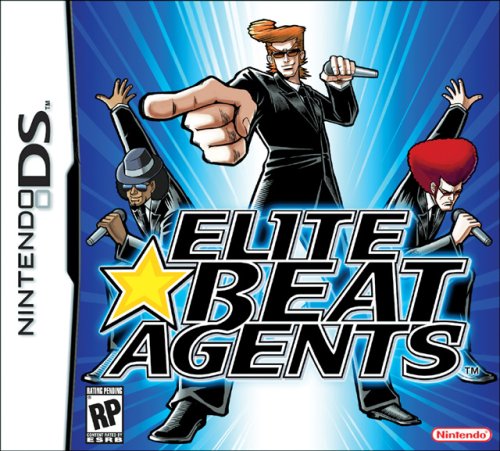
Released for the Nintendo DS, Elite Beat Agents is a rhythm game that features one of the strangest (and most brilliant) premises of any video game ever.

A specialized government agency is devoted to helping desperate people through the inspirational power of song. When a person reaches a point of critical distress, three agents in black suits and sunglasses arrive on the scene and…dance. Motivated by the agents and their fabulous performances, the person overcomes all obstacles and succeeds.

The gameplay in Elite Beat Agents consists mostly of tapping spots on a touchscreen to the rhythm of the music. In spite of its simplicity, the gameplay is engaging and satisfying.

Elite Beat Agents uses a bright, exaggerated, comic-book style. Its humor is quirky, and some of the situations from which the agents rescue hapless people are delightfully absurd.

Sure, they start out innocently enough: a babysitter struggles to keep three kids under control, for example, and a lost dog tries to find his way home.

Then the agents find themselves helping Leonardo da Vinci convince the Mona Lisa to become the subject of his next painting—and motivating white blood cells to cure an athlete before an important competition—and inspiring an ex-baseball star to rescue kids in a theme park from a fire-breathing golem.

The game becomes steadily weirder, and proportionately more awesome.

Each scene is set to a popular song, such as “September” by Earth, Wind and Fire or “You’re the Inspiration” by Chicago. If the colorful visuals, goofy humor and compelling gameplay were not enough, the catchy music settles it: Elite Beat Agents is an excellent game.

It’s also a fine way to beat depression. Apart from its jolly, silly style, the game takes a good deal of concentration. It’s awfully hard to be depressed and keep the beat.

That’s just the inspirational power of song.

101. Magical Rainbow Ponies?

When I took time off from this blog last week, I suddenly had some free time on my hands. I spent some of it researching the unprecedented rise of the brony fandom—to wit, the inexplicable attraction of young men to a television show produced for girls, My Little Pony: Friendship Is Magic.

I felt it was my duty to investigate this enigma. For science.

We begin with the visuals. My Little Pony: Friendship Is Magic uses a vivid color palette. Although the animation looks suspiciously like something made with Adobe Flash, HomestarRunner.com-style, it’s expressive and charming.

The show follows the adventures of six ponies: Twilight Sparkle, Rarity, Pinkie Pie, Rainbow Dash, Fluttershy and Applejack.

(I can only suppose Applejack is named for the liquor—an odd choice for a kids’ show.)

Following my investigations, I think I may know why magical rainbow ponies are so popular with men in their twenties and thirties.

There are at least three reasons.

First, My Little Pony: Friendship Is Magic is surprisingly funny in a goofy, geeky, adorably cheesy sort of way. The writing is good, and the show is very self-aware. It never strays too far into ridiculous sentimentality.

Second, the show has become an Internet meme, and it’s therefore socially acceptable for men to enjoy a show about magical rainbow ponies.

Third, the show is pleasant. There are disagreements and arguments and tragic ironies, but things always work out. People—well, ponies—get hurt, but hurts are healed. Lessons are learned. Friends are reconciled. The show’s moral values are remarkably strong.

C.S. Lewis wrote, “A mature palate will probably not much care for crème de menthe: but it ought still to enjoy bread and butter and honey.” Grownups can enjoy complicated dramas or sophisticated tragedies, but there’s no reason they can’t also enjoy lighthearted stories about magical rainbow ponies.

I think a lot of guys are tired of living in a cynical world. There are tragedies on the news every day. Films, novels, video games and music are full of cursing, violence, sexual perversity and bad attitudes. People use these media anyway, but I think there’s still a longing for things like simplicity, goodness, honesty and loyalty.

Guys watch Saw and play God of War and listen to Metallica, but some of them probably miss those Saturday morning cartoons they watched as kids. Shows like My Little Pony: Friendship Is Magic and Phineas and Ferb (another hit with older guys) evoke nostalgia, balancing sentimentality with enough edgy humor to be, well, not lame.

I think that’s why magical rainbow ponies have become so popular with the menfolk. There could be deeper, darker reasons, but I doubt it.

Now I’m going to watch some cartoons. For science.

99. Pencil Drawings

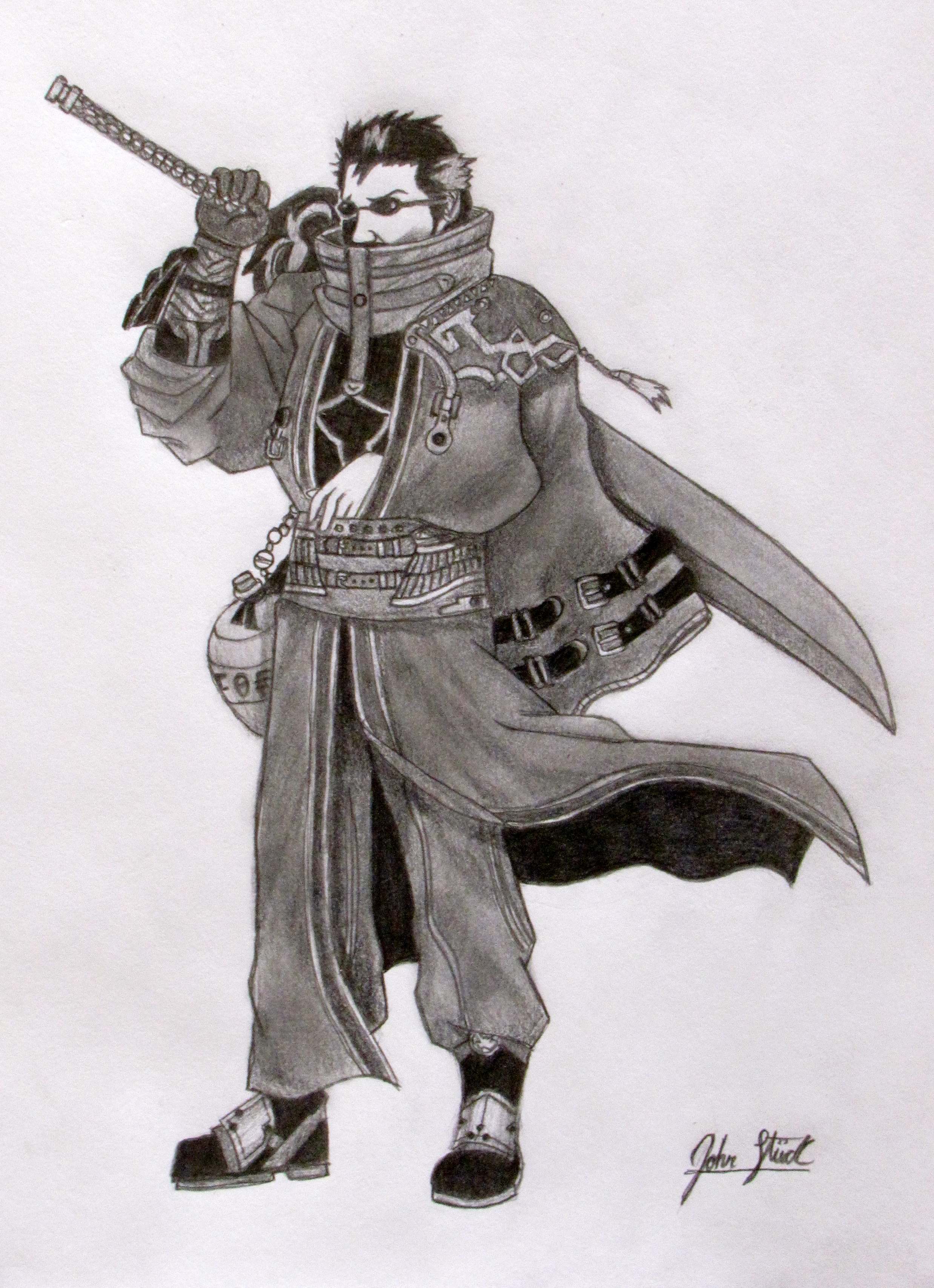
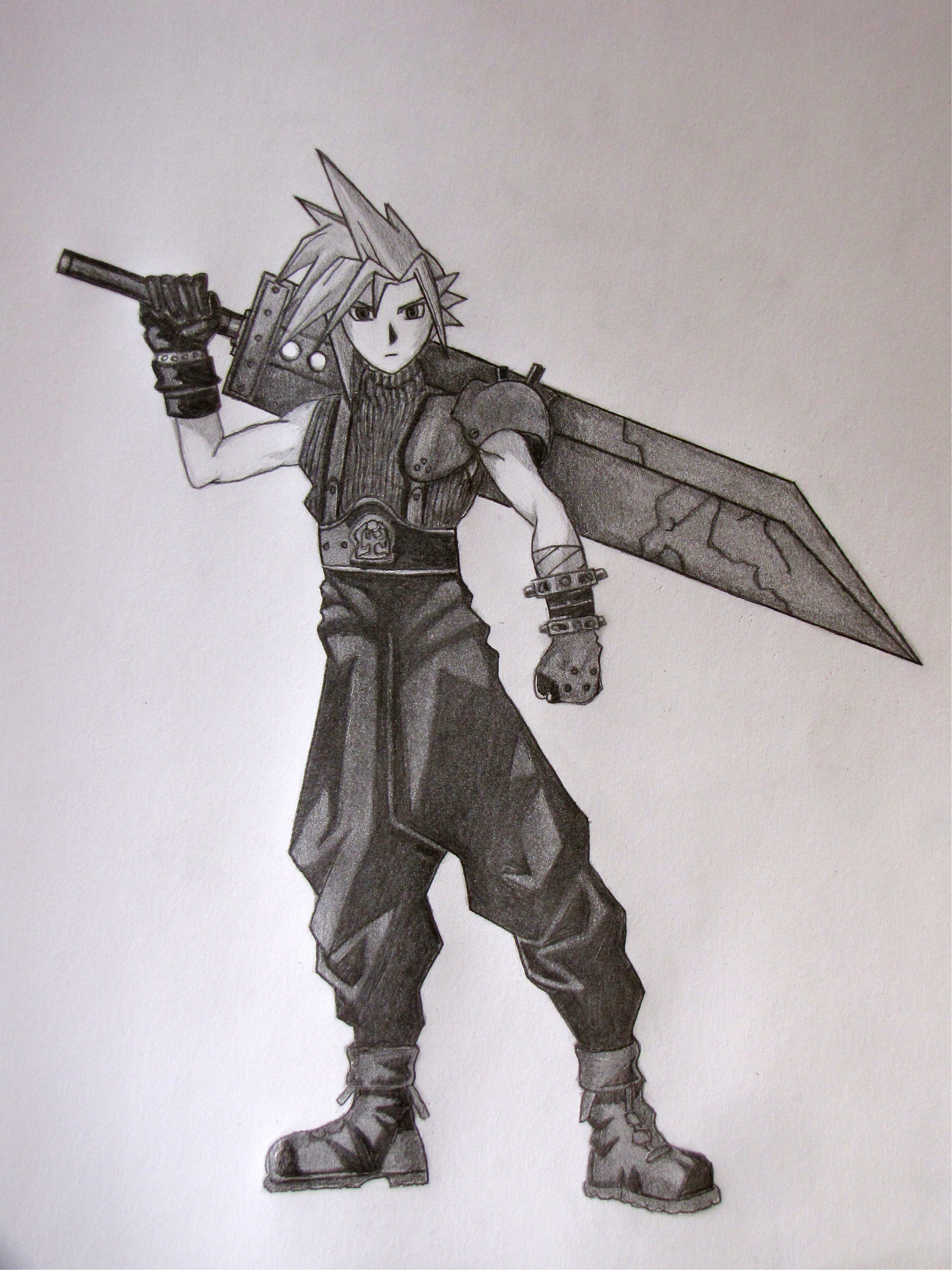
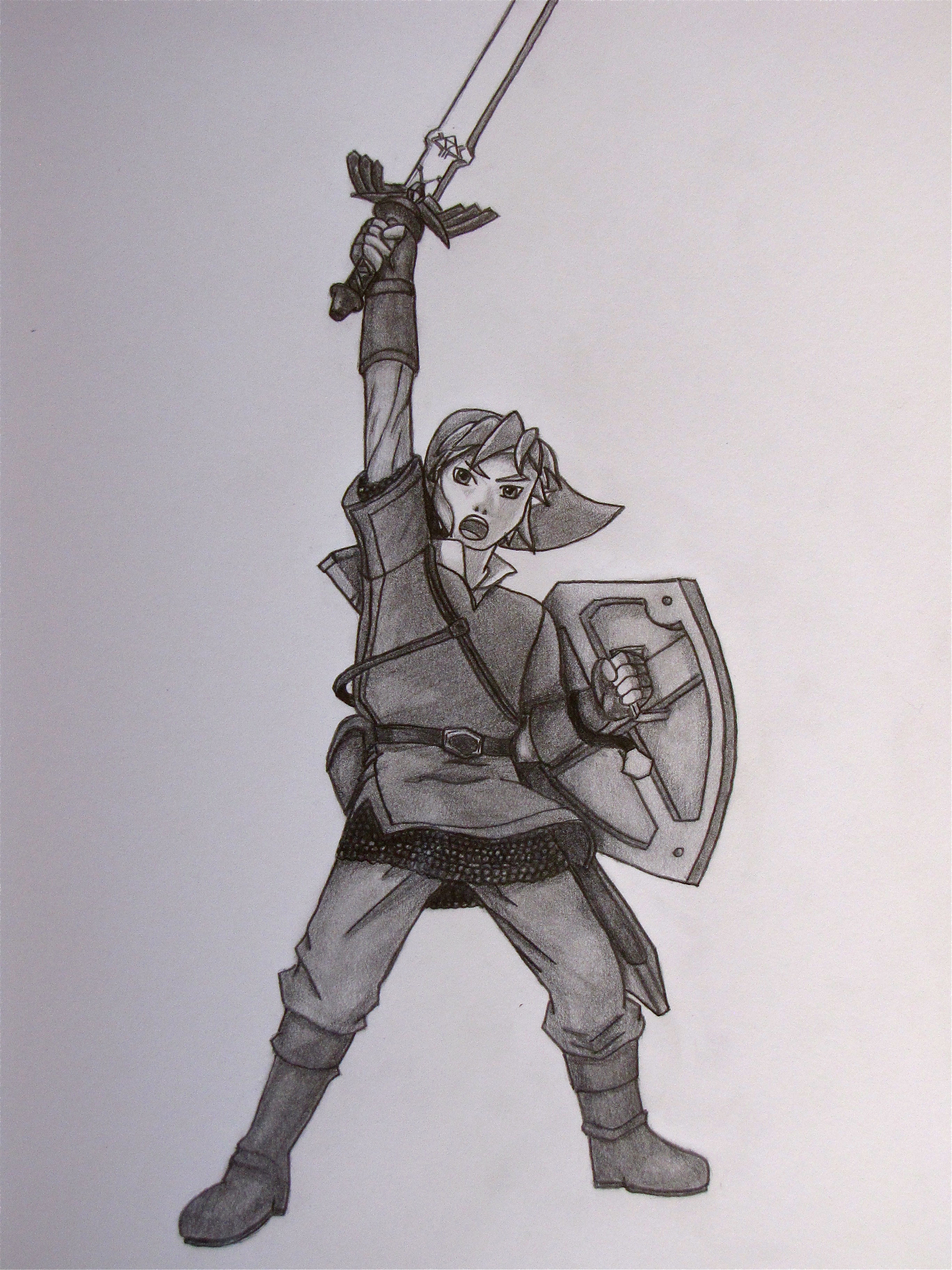
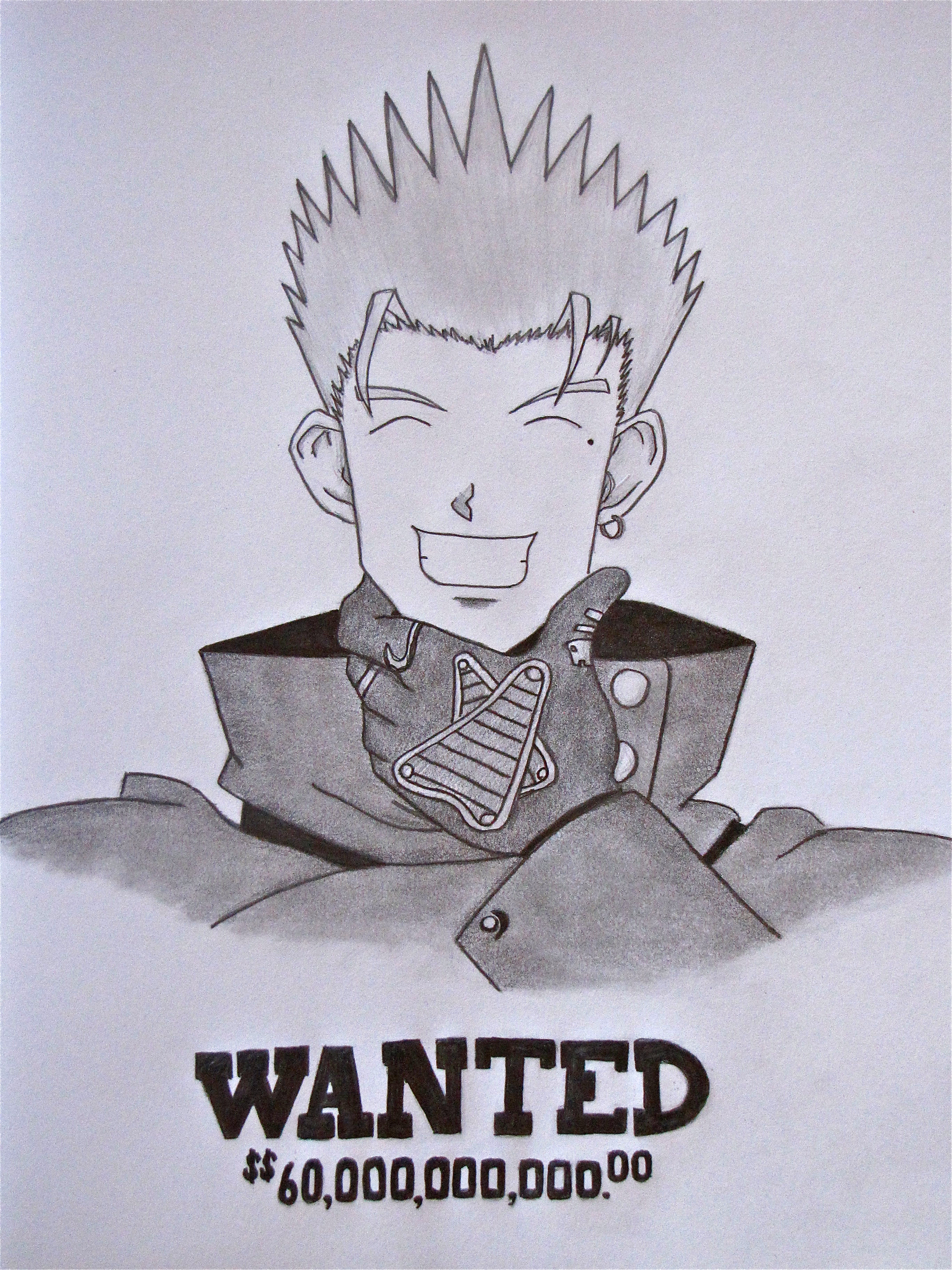
My old man is a great artist, and his portrait of my typewriter monkeys at work—work being a relative term—graces TMTF’s banner. Sadly, neither I nor my older brother inherited any of my old man’s artistic skill. My younger brother, however, is turning into an excellent artist, and I’m proud today to share some of his work. Check out his deviantART page for more awesome artwork!

I’m not sure why he needs the sunglasses or the sake jug, but Auron is one cool dude.

This excellent portrait of Cloud Strife leaves me with one question: Which is sharper, the sword or the hair?

Besides being brave and noble, Link has a great fashion sense.

Featuring Vash the Stampede, a legendary outlaw, this may be the most awesome wanted poster in the history of history.

97. TMTF’s Top Ten Video Game Heroes

Having previously posted a top ten list of video game villains, I felt obligated to put together a list for video game heroes, thus restoring equilibrium.

According to the standards of this list, a video game character must be playable in order to qualify as a hero.

Without further preamble, TMTF is excited to present…

The TMTF List of Top Ten Video Game Heroes!

10. Mario (Mario series)

The first thing to be said about Mario is that he has a fabulous ’stache. Equally impressive are his inexhaustible heroism and wide range of talents. When he’s not busy racing karts, competing in athletic events or curing viruses, Mario can usually be found trying to rescue his beloved Princess Peach, whose fate is to be kidnapped pretty much every time she steps outside. Apart from his mustache, chivalry and mad skills, Mario deserves a place on this list because…well…he’s Mario.

9. Samus Aran (Metroid series)

Unlike many women in video games, Samus Aran is no damsel in distress. Ms. Aran, a skilled bounty hunter, is quite comfortable fighting hostile extraterrestrials and exploring the uncharted depths of alien planets. Samus Aran’s high-tech armor is another good reason to give her a place on this list. Her suit is packed with all sorts of nifty weapons, tools and gadgets. It’s also modest and sensible—unlike many of the outfits women in video games are forced to wear.

8. Cloud Strife (Final Fantasy VII)

Introduced as an aloof soldier, Cloud is revealed to be a man with a tragic past, struggling to forgive himself and atone for his mistakes. He’s also kind of a jerk, which is why I debated putting him on this list. Cloud won me over in the end: partly because he’s a compelling character, and mostly because he’s ridiculously cool. Although his redemption is a major theme of Final Fantasy VII, most players remember Cloud for his impossibly large sword.

7. Sora (Kingdom Hearts series)

The protagonists in many RPGs are bitter, taciturn outcasts. (Ahem, Cloud Strife.) Sora is a refreshing exception to the rule: cheerful, friendly, fiercely loyal to his friends and always ready to help. Chosen by destiny to wield a weapon called the Keyblade, Sora is thrown into a universe in which all worlds are under attack by dark, mysterious creatures known as the Heartless. Sora never loses hope, no matter how desperate the situation, and he’s a genuinely nice guy.

6. Marche Radiuju (Final Fantasy Tactics Advance)

Yes, Marche Radiuju is an obscure character. Yes, his outfit is absurd. No, I don’t know how to pronounce his last name. Setting aside these concerns, Marche is quite a hero. When he and his friends become trapped in a fantasy world, he takes it upon himself to open a way for them to go home. Marche grows from a timid boy into a fearless leader, exploring new places, conquering vicious foes and even confronting his friends in order to do what he believes is right. He might not be as famous as some of the other heroes on this list, but Marche Radiuju is no less heroic.

5. Balthier (Final Fantasy XII)

The self-proclaiming leading man of Final Fantasy XII, Balthier is a sky pirate with a fabulous fashion sense. He was a powerful politician years ago, but he’s cleaned up his act (as he would put it) and become an honest brigand. Balthier has a strong sense of justice and loyalty, which he’s careful to hide behind an indifferent manner, a sharp wit and a truly staggering ego. In a story full of bitterness and betrayal, Balthier shines like the star he claims to be.

4. Frog (Chrono Trigger)

Although he appears to be a monstrous amphibian, Frog was once a brave lad named Glenn. A sorcerer called Magus murdered Glenn’s mentor and cursed the unlucky lad with a frog’s shape, ruining his ambitions of becoming a knight. Glenn abandoned his name and took up the lonely life of a vigilante. As the kingdom comes under attack, he joins the battle to defend it from Magus and his minions. Frog’s bravery, chivalry, unique appearance, intriguing characterization and epic musical theme earn him a place on this list.

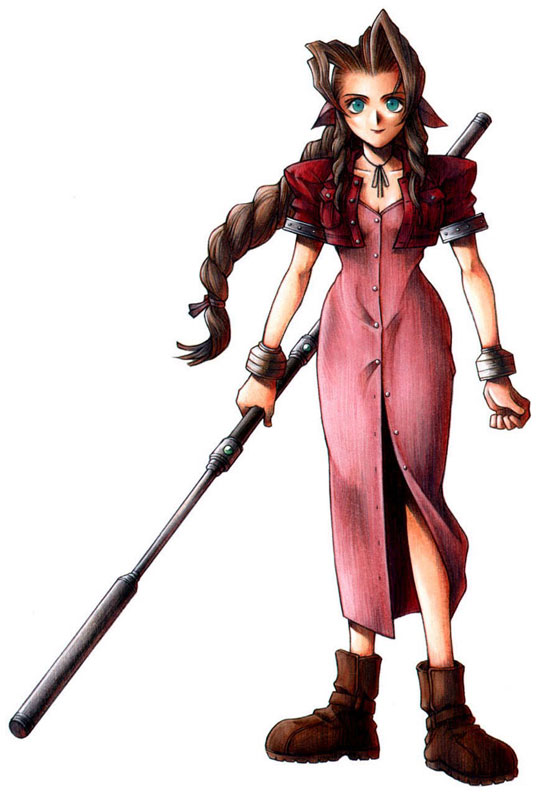
3. Aerith (Final Fantasy VII)

Aerith is a paradox. She’s angelic and ethereal, yet down-to-earth and friendly. In the slums of Midgar—a dark, dirty place full of trash, monsters and ruined buildings—Aerith keeps a garden and sells flowers to make a living. The heroes of Final Fantasy VII are mostly embittered, tough and cynical. Aerith is cheerful, hopeful and compassionate. She has a beautiful musical theme, too. Then, halfway through the game, Aerith dies. Even though her dying actions help save the world, her companions (not to mention gamers everywhere) are left with a profound sense of loss.

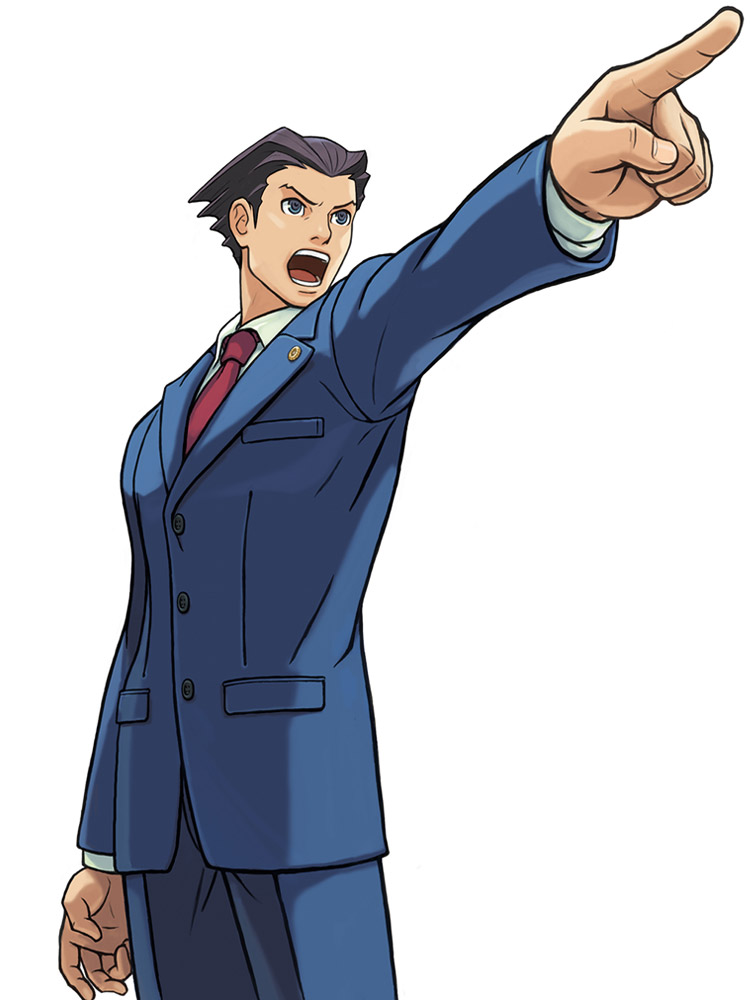
2. Phoenix Wright (Ace Attorney series)

Objection! Lawyers are not nearly so interesting as warriors, knights and bounty hunters. A mere lawyer does not deserve so high a place on this list of video game heroes… or does he? In the case of this particular lawyer, I overrule all objections and present the court with the following statement: Phoenix Wright is awesome. A rookie defense attorney, Phoenix defends his clients with perseverance, sarcasm, luck, spiky hair and an unshakable belief that everyone deserves a fair trial.

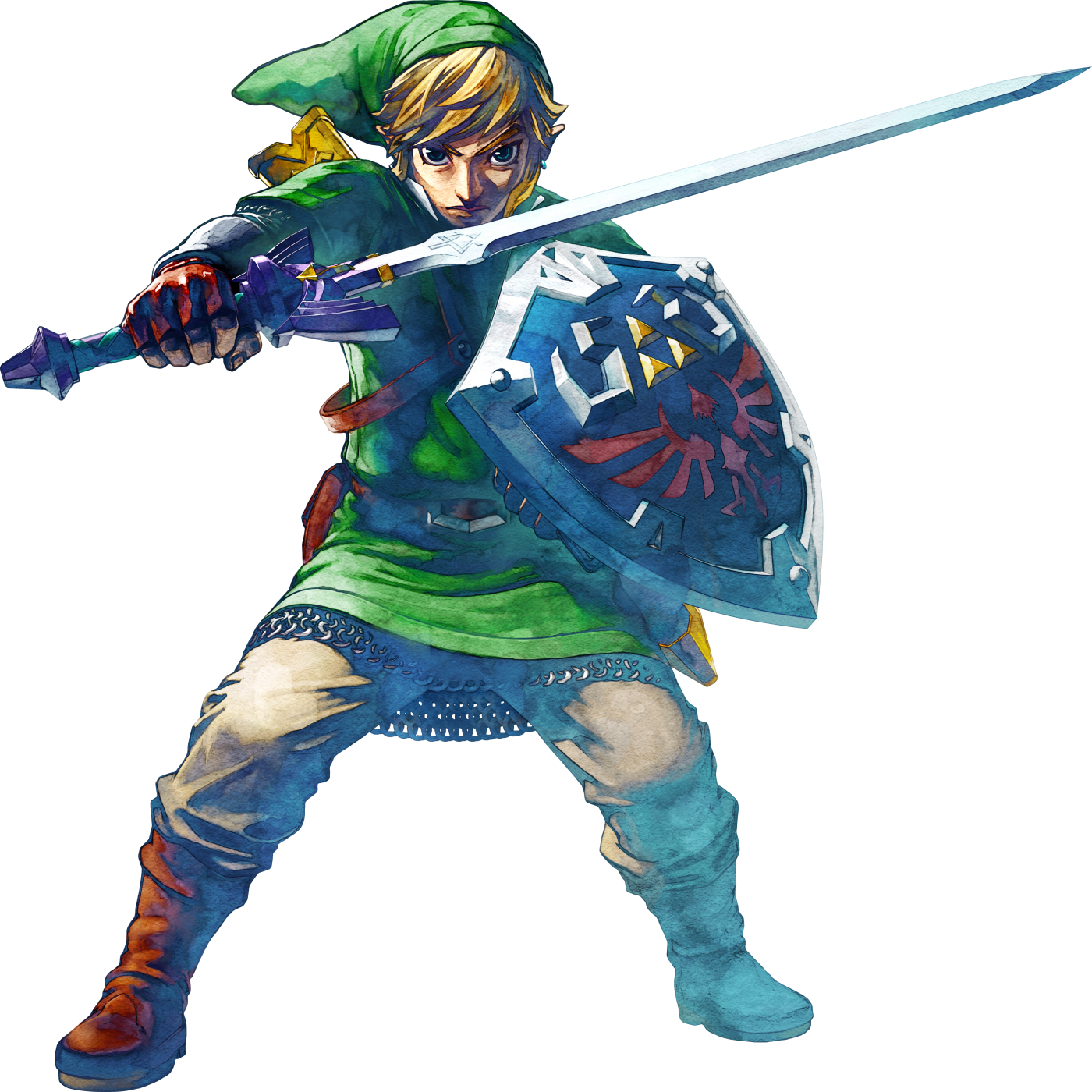
1. Link (Legend of Zelda series)

Link lacks any intricate characterization or complicated backstory. He’s a silent protagonist, without so much as a word of dialogue. Why have I put him first on this list? Link isn’t merely a character—he’s an archetype. He is the Everyman, the unexpected hero who is snatched from a peaceful life, thrown into an adventure and pitted against a ruthless enemy. Link is a simple character, but his simplicity serves him well. Right from the beginning, the player gets it. No elaborate explanations are needed. Link is an ordinary guy who overcomes evil and becomes a hero. It’s an old story, and one that strikes a universal chord to this day.

O people of the Internet, what great video game heroes would you add to this list? Let us know in the comments!

85. TMTF’s Top Ten Video Game Villains

TMTF has already featured a top ten list, but the old impulse to categorize things has stirred again deep within my blogger’s heart. This time, the object of my top-ten-list-mania is video game characters.

We cheer for the heroes, naturally, but—let’s be honest—the villains are usually much more interesting. Thus TMTF is excited to present…

The TMTF List of Top Ten Video Game Villains!

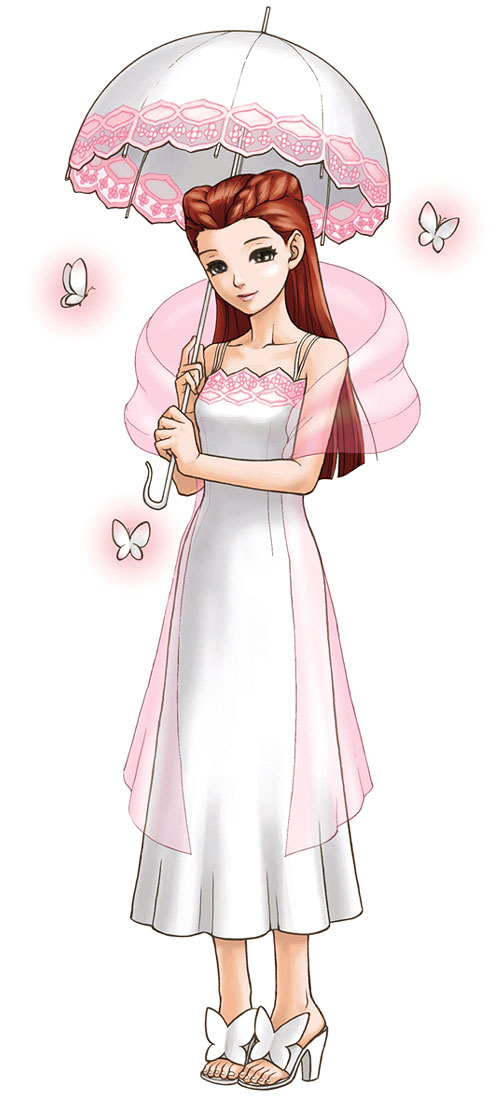
10. Dahlia Hawthorne (Ace Attorney: Trials and Tribulations)

Ace Attorney villains aren’t typical video game baddies: they don’t breathe fire, wield chainsaws or threaten to inflict any other kind of bodily harm. No, their villainy is much more insidious. The player must corner them in court and prove their guilt with hard evidence. Of all these criminals, none is creepier than Dahlia Hawthorne, a dainty young lady with a parasol and a lacy dress. Behind that fair façade lurks a vindictive, selfish and manipulative murderer. Although she wears a sweet smile, Hawthorne betrays her true nature by glaring murderously at any attorney foolish enough to cross her.

9. Bowser (Mario series)

Bowser may not be the most threatening villain—or even the most competent—but his tenacity is remarkable. After twenty-five years of trying to defeat Mario, he’s still at it. Bowser is delightfully self-conceited. At one point, he announces his entrance by roaring, “Did somebody page the king of awesome?” In spite of his shortcomings, he can also be pretty scary. Giga Bowser, anyone?

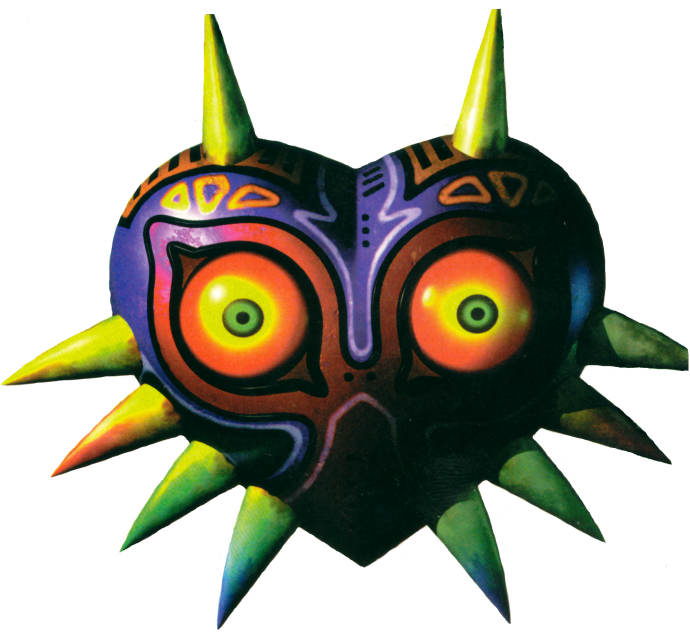
8. Majora (Legend of Zelda: Majora’s Mask)

Before reading further, go back and spend fifteen seconds looking at Majora’s Mask. Go on. I’ll wait for you. I could write lots about Majora, but everything I have to say is expressed much more eloquently in the mad, nihilistic stare of those horrible yellow eyes. Majora is demented, with no apparent motivation other than bringing the world to ruin. Ambitious, power-hungry villains are scary, but at least we understand them. Truly terrifying are villains like Majora, who are driven by nothing more than a detached, inexplicable determination to see the world burn.

7. Sarah Kerrigan (StarCraft series)

Sarah Kerrigan isn’t a villain at first—in fact, she’s hardly a major character. Kerrigan is introduced as an insurgent fighting to topple an oppressive government, and she seems like a pretty decent person. Then she’s betrayed by her superior, left to die and assimilated into the hostile extraterrestrial species known as the Zerg. Now a superhuman creature, she begins a campaign to conquer the sector, betraying allies and showing no mercy. Kerrigan’s unexpected descent into evil earns her a place on this list, along with the cool, casual way she grinds her enemies into the dust.

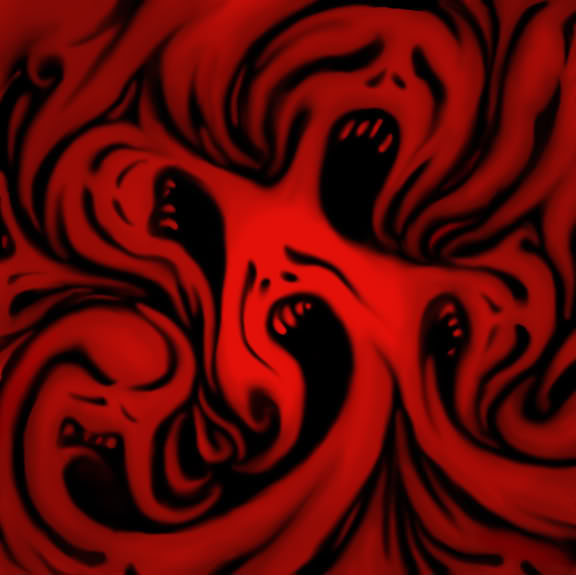
6. Giygas (Earthbound)

Earthbound is not a typical RPG. Its heroes aren’t warriors with swords and lances, but kids with baseball bats and frying pans. The game is cheerful, full of bright visuals and quirky humor. All this stands in stark contrast to its villain, possibly the freakiest enemy to appear in any video game ever. Giygas is… an extraterrestrial entity driven insane by its own power, maybe? Whatever it is, it looks terrifying and can speak only in the fragmented phrases expected of a creature whose consciousness has been dissolved by evil. The fact that it’s impossible to defeat without using a strange trick makes it that much scarier.

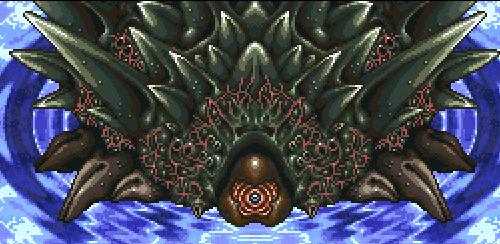
5. Lavos (Chrono Trigger)

Chrono Trigger is another unusual RPG, not to mention a masterpiece. The hero travels through time from prehistory to the far future, and his companions—a medieval knight, a cave woman and a dilapidated robot, among others—span the whole of the world’s history. Their enemy? An extraterrestrial parasite called Lavos that burrows into the world’s crust, spends millennia draining the planet’s life and emerges to reduce it to ashes. Lavos isn’t so much a character as a deadly force, a cross between a plague and a thousand atomic weapons, destined to destroy the world—unless the player can stop it first, of course.

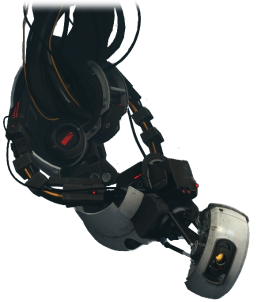
4. GLaDOS (Portal series)

GLaDOS, a computer developed by Aperture Science, is childish, sarcastic, spiteful and surprisingly likable. It puts the game’s protagonist through a series of tests, promising her a slice of cake if she succeeds in passing them all. Only partway through the game does it become clear that GLaDOS is trying to kill her. Even after its sinister nature is revealed, the computer remains an engaging character. For an amoral machine, GLaDOS earns quite a lot of respect—and perhaps even sympathy—from the player. Plus, GLaDOS sings “Still Alive.” Need I say more?

3. Kefka Palazzo (Final Fantasy VI)

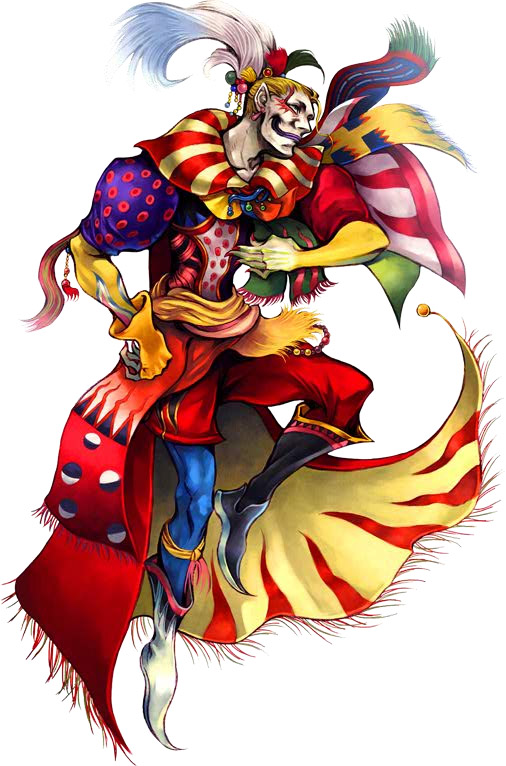
Yes, he looks a bit like Joker from the Batman franchise, and yes, he shares the same twisted sense of glee, but Kefka is unforgettable. Before Kefka, most RPG villains were distant, predictable tyrants, who relied upon minions to eliminate the protagonists and sometimes made brief appearances to taunt the player. Then Kefka appears on the scene—as a lackey. A servant of the evil Emperor Gestahl, Kefka runs like a coward every time the player confronts him. Through betrayal and deception, however, Kefka attains an ancient power and devastates the earth. In the end, the protagonists don’t save the world—they save what’s left of it. Besides his memorable rise to power, Kefka is notable for his nihilistic views and fantastic musical theme, the four-part, twelve-to-seventeen-minute “Dancing Mad.”

2. Ganon (Legend of Zelda series)

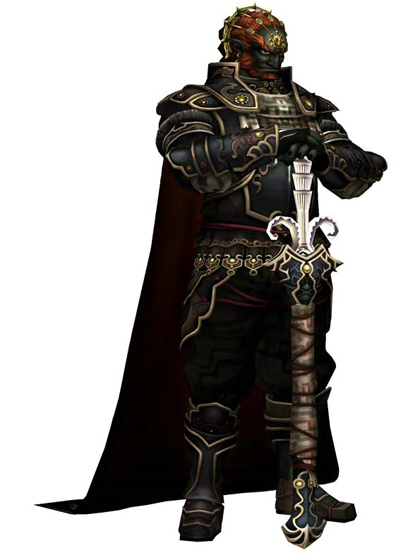
Ganon, also called Ganondorf, is one stubborn guy. Generations of heroes rise to confront him, yet he manages to press on, century after century, relentlessly seeking the powerful relic known as the Triforce. Each game gives a slightly different spin on Ganon’s character. In Ocarina of Time, he’s a thief: arrogant, treacherous and cruel. Wind Waker introduces us to a sorrowful, bitter Ganon, and Twilight Princess gives us a Ganon pulling strings from the shadows. In every game, whether controlling fiends, transforming into monsters or facing the hero in single combat, Ganon is a force with which to be reckoned.

1. Sephiroth (Final Fantasy VII)

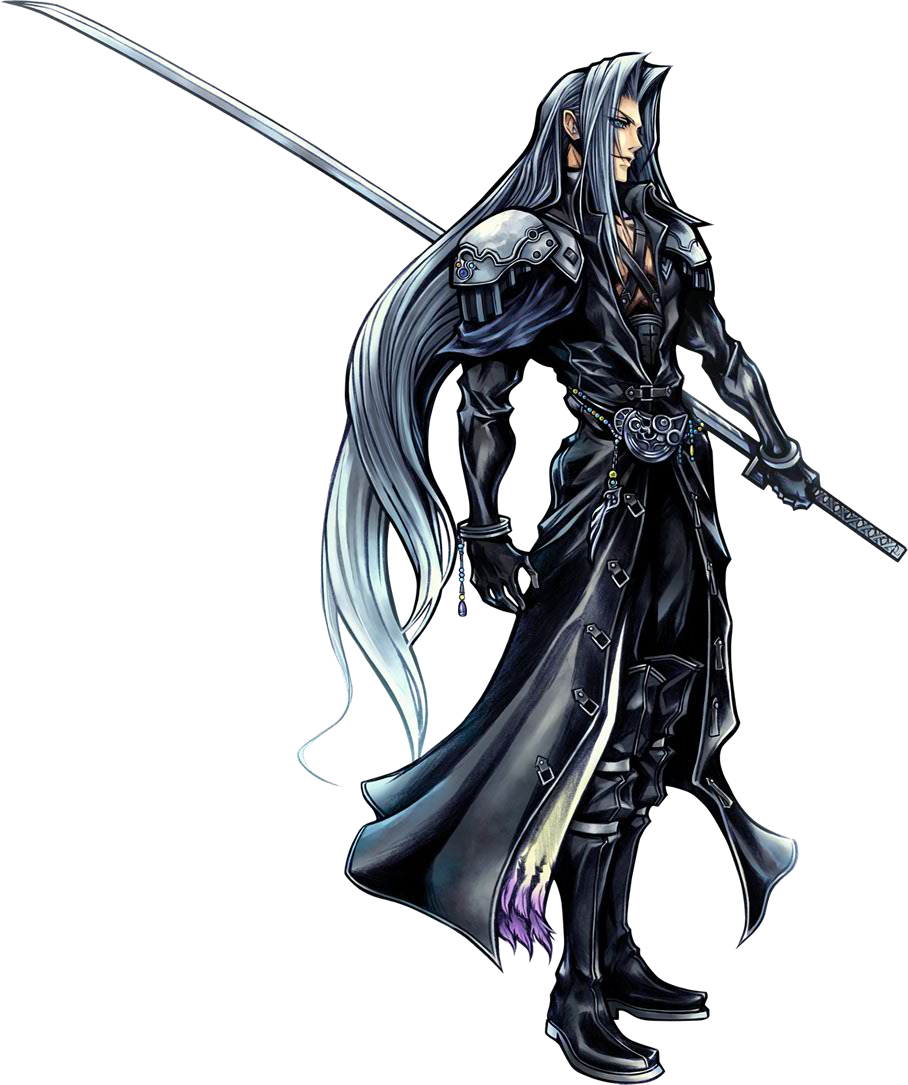
Don’t be fooled by the long silver hair and stylish coat—Sephiroth is about as evil as a villain can get. Tragic backstory full of disastrous misunderstandings? Check. Delusions of godlike grandeur? Check. Utter disregard for morality, conscience or decency? Check. Tendency to massacre innocent, unsuspecting people? Check. Driven by a lust for power and revenge, Sephiroth manipulates one protagonist, brutally murders another and casually inflicts all kinds of havoc upon the world. Add his epic musical leitmotif, “One Winged Angel,” and you’ve got a villain to give the bravest hero second thoughts.

O people of the Internet, what great video game villains would you add to this list? Let us know in the comments!

59. Emoticons

Emoticons—those short combinations of letters, numbers and punctuation marks that sort of resemble little faces if you look at them sideways—have crept over the Internet like an army of tiny pictographic soldiers.

When I was a student teacher, some of my students even used emoticons in their homework. This annoyed and perplexed me greatly. Apart from being childish and unprofessional, putting emoticons in hand-written assignments seemed pointless. I can’t imagine why my students made the effort to write out emoticons when they could have just drawn little faces.

Though I seldom use emoticons, I have nothing against them. They’re an interesting development of written English, and they can give informal writing a certain charm.

For the sake of Internet People everywhere, I’ve compiled (with a little help from Dave Barry) a list of useful emoticons.

Typewriter Monkey Task Force is proud to present…

The Official TMTF List of Eminently Practical Emoticons for Convenient, Everyday Usage!

: )         Happy person

: (         Sad person

: – )       Happy person with a nose

: – (       Sad person with a nose

: — (     Person who is sad because he has such a big nose

: /          Frustrated person

: D        Overjoyed person

. (         Person who ran with scissors

X D        Amused person

<l : )      Gandalf the Grey

:’ (         Weeping person

: P        Cheerful person

:V: (      Person with an alligator on her head

:-3         Cat

; )          Wry person

: o )       Clown

XO        Person who is afraid of clowns

: o          Slightly surprised person

8 O        Very surprised person

: ) ?        Captain Hook

: I           Person who has eaten too much

: ) ~D     Person about to drink a calming cup of Jasmine tea

: ^ (        Cyrano de Bergerac

O Internet People, it is now up to you to use these emoticons with creativity, discernment and wisdom.

Just don’t use any of them on homework assignments, all right?

What emoticons did I miss? What are your favorites? Let us know in the comments!

43. RPG Wisdom

Roleplaying games (more commonly known as RPGs) are hard. Some are notorious for being among the most difficult video games ever. The final battle of Final Fantasy VII has probably provoked more weeping than all of Shakespeare’s tragedies combined. Players of RPGs become exhausted by frequent battles, vexed by perplexing puzzles and frustrated by labyrinthine dungeons.

Yes, RPGs are hard. As a gift to fellow gamers everywhere, my younger brother and I have compiled a list of ten golden rules (not to be confused with platinum rules) for players of RPGs to follow.

(Most of these rules can also be applied to the Legend of Zelda games, even though they aren’t traditional RPGs.)

Without further ado, we are proud to present our RPG wisdom and prevent much weeping and gnashing of teeth among the gamers of Earth.

Save regularly

Nothing devastates a gamer like losing an hour or two of progress when she loses the game unexpectedly or the power goes out. Save regularly. Saving the game frequently does much to save a player from losing her confidence, calm and sanity.

Be wary of characters with shifty eyes

Characters with shifty eyes are not to be trusted. Beware of them.

Explore everywhere

Players often find treasures or golden opportunities in unexpected places. It never hurts to look.

Talk to everyone and read every sign

When my younger brother was growing up and got stuck in a video game, this was almost always my advice to him: “Have you already talked to everyone and read every sign?” Apart from granting access to extra quests, bystanders and signs often point players in the right direction to progress in the game.

Spend money wisely

This profound biblical principle translates beautifully to RPGs. Let us say a player reaches a town, enters the armor shop and finds a shiny silver helmet for sale—a helmet far better than his beat-up old copper helm. He shouldn’t buy it right away unless he really needs it. Items in RPGs become obsolete very quickly. Odds are that the next town the player visits will have a beautiful golden helmet—a far more useful item than the silver helmet—on sale. Even if he sells the silver helmet before buying the golden helmet, the player will probably lose money. Besides, he might find a silver or golden helmet in chest somewhere and keep his money. Unless players happen to be rich, they should use their money sparingly to purchase only what they really need.

Stay away from Tonberries

Tonberries are basically pure evil. Stay away from them. While you’re at it, make sure not to attack any cuccos either.

Do not flee battles unless absolutely necessary

Characters need experience to progress. They earn experience from battles. If they do not fight battles, they do not earn experience; if they do not earn experience, they do not progress. Some battles aren’t worth the effort and some are too risky, but most battles are worth the time it takes to finish them.

Don’t be shy about entering houses unannounced

No RPG character minds the player entering their house and looking through their stuff. The characters controlled by the player are usually legendary heroes of destiny. Legendary heroes of destiny have the right to burst into houses uninvited.

Never fight a boss on a full bladder

Trust me on this one. Use the bathroom before fighting an important boss. Players need all their concentration when fighting difficult boss battles, and a full bladder is exactly the sort of distraction they don’t need.

If a damsel is in distress, save her!

As in real life, good things come to those who help others. In RPGs, players who rescue princesses or mow lawns or find missing children are usually rewarded richly—in addition to being heroic and chivalrous, of course.

This concludes our list of wise and sagacious principles for mastering the deuced difficult games known as RPGs.

Oh, I forgot to mention something—always check behind waterfalls. There’s always good stuff behind waterfalls.

What’s your advice for mastering RPGs? Let us know in the comments!

19. So, Um… What Do You Think Being a Hero Is All About?

I don’t generally search for profound wisdom in webcomics—especially not webcomics about video games.

Imagine my surprise, then, when I was reading my favorite webcomic way back in March and realized its writer had stumbled upon pretty much the most important lesson ever.

Brawl in the Family is a delightful webcomic by a couple of guys named Matt and Chris. It’s a funny, quirky take on video game characters, and I think it’s pretty awesome.

In one comic, two teachers are asked by their students, “So, um…what do you think being a hero is all about?”

The first teacher, a villain, replies, “Well, to put it simply: ambition.” He adds, “Remember, you are capable of great things.”

The second teacher, a kindly gentleman, replies, “Well, to put it simply: sacrifice.” He adds, “It is not about you. It is about everyone else.”

It is not about you. It is about everyone else.

I happen to be student teaching at the moment, and it’s so easy to become centered on myself. I have to survive the stress of teaching classes and grading papers. I have to keep up with the paperwork for my college’s Education Department. I have to be a good teacher.

It’s also so easy to become self-centered in regard to my writing. I want to become a successful novelist. I want to have a great blog. I want my writing to be excellent.

I is such a little word, but it represents so much. Ambition. Dreams of glory. Delusions of grandeur.

I’m ashamed to say it, but I become self-centered. Then things happen that jerk me back to reality. One of those things happened yesterday.

Yesterday we held parent/teacher conferences at my school. My supervising teacher and I had been assigned to hold conferences with the parents of our MEC students. The MEC students are the at-risk kids, the kids with low grades and behavior problems—the kids in danger of being expelled. For nearly eight hours, my supervising teacher, other teachers and I held conference after conference with the parents and guardians of our students.

Some of these parents and guardians were bright, cheerful and polite. Some were not. One came in with whiskey on her breath. Another came uncomfortably close to exploding into a fit of rage. Almost all of them told us directly or indirectly that they didn’t have much control over their kids, and a few of them maintained an attitude of nonchalance.

They didn’t seem to care that their children were failing classes or causing trouble. One mother was obviously in denial that her son is a borderline sociopath. Another mother cheerfully admitted to being aware of the fact her son smokes marijuana.

It was tragic. It was also very convicting. These are the students with whom I work almost every day—and I get so wrapped up in my plans and ambitions and personal projects that I forget how much my students need a loving, patient, diligent teacher.

It is not about me. It is about everyone else.

Jesus said the same thing when someone asked him about the great commandments—God’s greatest charge to humankind—the ultimate meaning of human life. Jesus replied, “‘Love the Lord your God with all your heart and with all your soul and with all your mind.’ This is the first and greatest commandment. And the second is like it: ‘Love your neighbor as yourself.’”

Webcomics, even webcomics about video games, can impart great wisdom.

It is not about you. It is about everyone else.

16. Voice Acting

I have a lot of odd obsessions, such as my fascination for video game music and love of British literature. One of my peculiar passions is voice acting.

For those unfamiliar with this noble profession, voice acting is the art of playing a role through the voice and the voice alone. A voice actor can’t rely on her own expression or body language; every nuance of her character must be represented by her voice.

The fun thing about voice acting is that a really good voice actor can make himself sound like pretty much anybody. Listening for familiar voice actors in movies and television shows is sort of like playing an audio version of Where’s Waldo? Familiar voice actors turn up in the most unexpected places, and there’s a thrill in hearing the voice of, say, Howl in Howl’s Moving Castle and crying out, “Aha! That’s the guy who plays Batman!”

There was a time in my life when my ambition was to become a professional voice actor. This glorious dream lasted about two weeks before it was brutally crushed by two realizations.

First was the fact that voice acting is a difficult field that’s already full to bursting with talented people. Second was the sad truth that most voice actors can’t pick and choose their projects. If I became a voice actor and could actually find work, I’d probably end up playing a minor character on some cartoon about talking ponies or—if I were truly fortunate—a dub of some obscure anime.

So in the end I exchanged my dream of voice acting for a sensible plan to teach English and write novels.

All the same, I sometimes wonder what might have been.