292. Why I Failed as an Author

A number of days ago, I noticed a map on my bedroom wall.
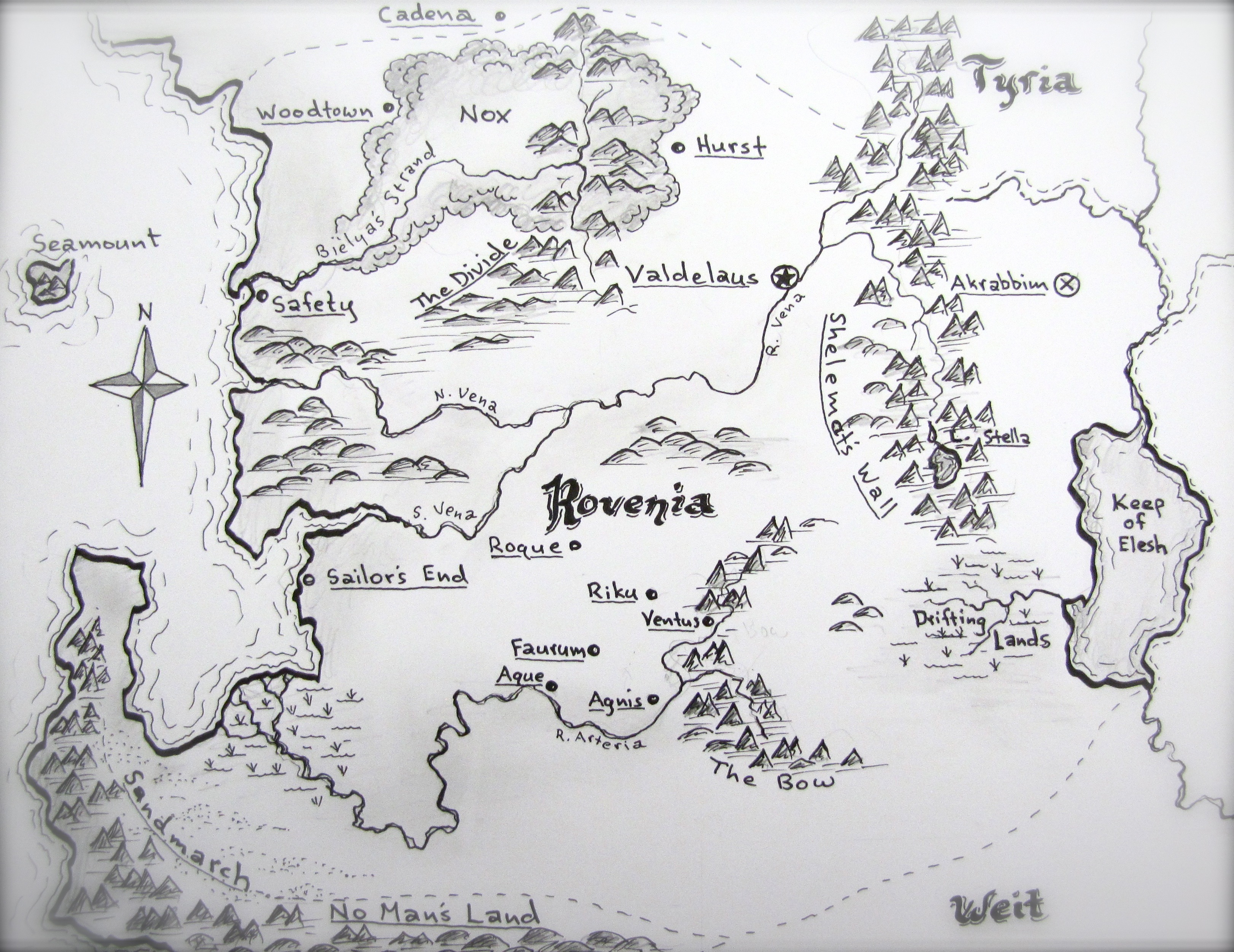
Rovenia

I have several maps in my room besides this one: a map of the world, a map of Middle-earth, and a map of Skyrim that was a gift from someone at work. This one, a map of Rovenia, was lurking above my window. I’d nearly forgotten it was there.

What’s that? You’ve never heard of a place called Rovenia? Of course you haven’t, because I made it up.

Rovenia was the setting for a novel titled The Trials of Lance Eliot, the first book of a planned trilogy. I published it about two years ago—a little less than a year after buying typewriter monkeys (what a mistake!) and starting this blog.

Fifteen months later, I pronounced Lance Eliot dead. My short, stressed career as an author was ended.

I may pick up The Eliot Papers sometime. Lance Eliot’s story is certainly one I want to finish. At the moment, however, I don’t think it’s terribly likely. I’m busy enough with work and blogging and all the responsibilities that come from being a grownup.

My map of Rovenia set me thinking about why I failed as an author. I came up with a few reasons, which I toss out today as friendly warnings to all the aspiring authors out there. Don’t make my mistakes. Learn from them, and rise to success!

I didn’t do my research

When I took my first few, tentative steps into the publishing industry, I had absolutely no idea of what I was doing. My ideas of what it meant to publish a book and be an author were hopelessly naïve. A little research would have saved me a lot of time, effort, and discouragement.

I didn’t use my real name

When I began working on The Eliot Papers, I had the romantic notion of using a pen name. It was part of an elaborate frame story for the novels, in which Lance Eliot’s “memoirs” were “discovered” by an “editor,” who published them in the guise of fiction. It wasn’t a terrible idea—Lemony Snicket did pretty much the same thing—but it had one fatal flaw. Without a major publisher to market my book for me, I had to use my real name to promote it. Using both a real identity and an assumed one during the book’s release was a headache, and probably confused people.

I didn’t promote my book effectively

Oh, how I tried to promote The Trials of Lance Eliot. It had its own blog. I had an author page on Facebook and account on Goodreads. Readers submitted reviews, which I shared. It wasn’t enough. Looking back, I realize I should have done more: book blog tours, giveaways, submitting the book to more reviewers, and perhaps even setting up readings in the local library.

I didn’t set realistic goals

As I worked on the manuscripts for The Eliot Papers, I expected way too much of myself. I set impossible deadlines and tried to juggle my book, this blog, a full-time job, and a handful of other projects. There was no way I could do it all.

I didn’t work far enough ahead

When I published The Trials of Lance Eliot, I had written a few chapters of its sequel. Those chapters are pretty much all I have written. After the first book came out, I was far too busy promoting it and writing this blog to work on a sequel. I should have finished, or at least nearly finished, my manuscripts for the entire trilogy before publishing the first part. It would have allowed me to market the book without diverting some of my time and energy to its sequels.

I didn’t plan time for writing

It was a mistake to think I could make steady progress on a book and a blog. This blog has deadlines. My book didn’t. Guess which one was neglected! I also dabbled in a few other personal projects, none of which succeeded. Those could have waited—the book should have taken priority.

I did buy typewriter monkeys

I blame my monkeys for all of my failures. All of them.

Do I regret trying to be an author? No. What I regret is doing it so badly. All the same, the years I put into writing and publishing The Eliot Papers gave me much invaluable experience as a writer and editor. It also taught me lessons about managing my time, setting reasonable goals, and enjoying creativity for its own sake.

If any of my dear readers are writing books or hoping to become authors, keep going! Don’t give up!

Just don’t make my mistakes… and don’t ever buy typewriter monkeys.
291. TMTF’s Top Ten Books You Should Probably Read

I love recommending books. This temptation, common to bookish people, seizes me occasionally. I am tempted today beyond what I can bear; there is no way out of this temptation so that I can endure it. That said, here are ten books I think everyone in the world should read.

This list is a mix of great classics, personal favorites, and books with widespread cultural impact. This is not a definitive list of ten books everyone absolutely must read, nor is it a list of my ten all-time favorites. These are simply ten recommendations for the average reader.

Let’s get bookish, ladies and gentlemen, as TMTF presents…

The TMTF List of Top Ten Books You Should Probably Read!

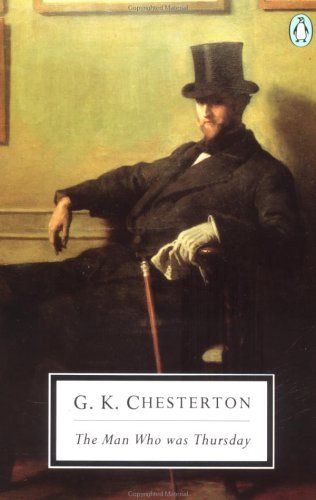
10. The Man Who Was Thursday by G.K. Chesterton

The Man Who Was Thursday

The Man Who Was Thursday is either a gripping spy thriller set in Edwardian era London, or else an eloquent reflection upon the silence of God and the meaning of pain. Either way, it’s fantastic. The dialogue is clever, the plot has some astonishing twists, and the whole book is drenched in intrigue and melancholy romanticism. It’s Thursday himself who says, “Always be comic in a tragedy. What the deuce else can you do?” This desperate courage, along with brilliant surprises and unexpected philosophical depth, make The Man Who Was Thursday a classic.

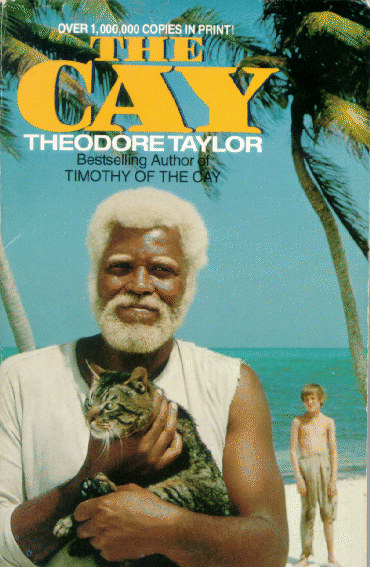
9. The Cay by Theodore Taylor 

The Cay

This book made a strong impression on me as a child. On the surface, The Cay is an exciting tale of survival: the story of a privileged white boy and a poor black man stranded together on a deserted island. A closer look at The Cay reveals themes like bigotry, sacrifice, loss, and cultural differences, all handled with disarming frankness and simplicity. The Cay is a quick, easy read, and a book well worth reading.

8. The Memoirs of Sherlock Holmes by Arthur Conan Doyle

The Memoirs of Sherlock Holmes

Everyone should read this book because freaking Sherlock Holmes. He is the archetypical crime-solver and one of the most famous characters in fiction. The Holmes stories are worth reading if only to understand their cultural impact… and they’re also pretty fun to read. The Memoirs of Sherlock Holmes is a collection of some of the best. While I personally prefer Chesterton’s Father Brown mysteries, there’s no denying the significance or excellence of Sherlock Holmes.

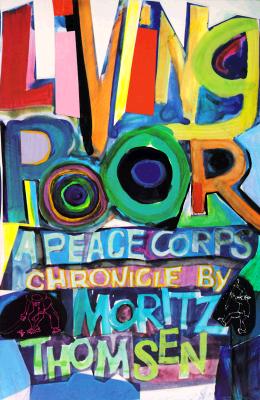
7. Living Poor by Moritz Thomsen

Living Poor

Living Poor is a memoir of Moritz Thomson, a man described as “the finest American writer you’ve never heard of.” After joining the Peace Corps, Thomson found himself living in a remote coastal village in Ecuador. His account of living poor is powerfully written, with jabs of wry humor punctuating a tone of bitter resignation. I grew up in Ecuador, so Thomson’s descriptions of its people and places strike a special chord with me. For all readers, whatever their circumstances, Living Poor is not only a heartrending glimpse of an impoverished community, but a look at the universal problems of poverty, depression, and helplessness.

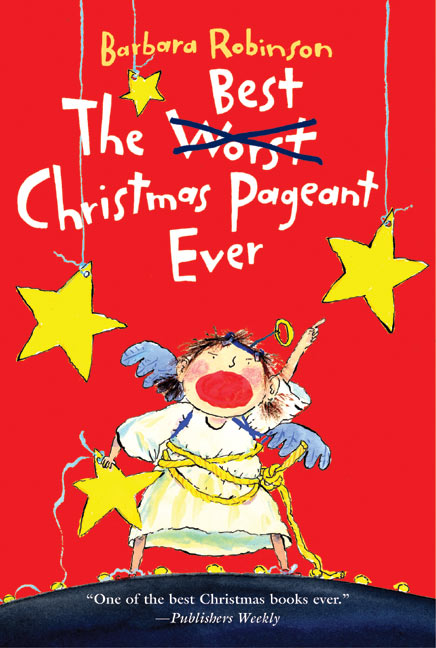
6. The Best Christmas Pageant Ever by Barbara Robinson

The Best Christmas Pageant Ever

Like The Cay, this children’s classic is disarming in its brevity and simplicity. The Best Christmas Pageant Ever is the delightfully funny story of the Herdmans, “the worst kids in the history of the world,” and their unexpected takeover of a church’s Christmas pageant. The book is hilarious. The Herdman kids respond to the Christmas story with suspicion, awe, and curiosity. Not only does this give readers plenty of laughs, but also a fresh, new perspective on an old, tired holiday. The Best Christmas Pageant Ever is two parts funny, one part poignant, and all parts wonderful.

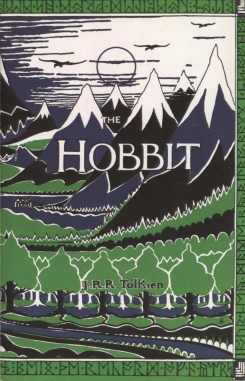
5. The Hobbit by J.R.R. Tolkien

The Hobbit

I mentioned earlier that the Sherlock Holmes stories are worth reading for their cultural impact. The Lord of the Rings is important in exactly the same way. It didn’t invent the fantasy genre, but it sure as heck defined it. While The Lord of the Rings is an amazing work of fantasy, it’s also slow-paced and really long. The Hobbit is a much quicker read: a simpler adventure that shows off Tolkien’s remarkable world and sows the seeds for the bigger tale told in The Lord of the Rings. The story of Bilbo Baggins and his epic journey “there and back again” is a charming read. I can think of no better introduction to the fantasy genre.

4. Silence by Shūsaku Endō

Silence

Silence is the story of a Portuguese Jesuit sent to seventeenth-century Japan, and also one of the most heartbreaking books I’ve ever read. The novel deftly changes perspectives partway through as it follows Sebastião Rodrigues in his journey from religious zeal to anguished perplexity at God’s silence. Silence is not only an elegy on the silence of God, but also a fascinating look at how cultures and their values conflict—much like Things Fall Apart by Chinua Achebe, another book I considered for this list. It’s not a fun or easy read, but Silence is a book to challenge the mind and the heart.

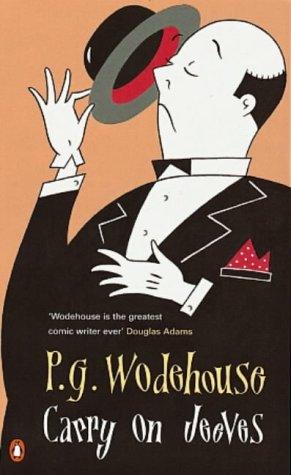
3. Carry On, Jeeves by P.G. Wodehouse

Carry On, Jeeves

This is not a particularly deep book, and it doesn’t have to be. It’s a collection of Jeeves and Wooster stories by P.G. Wodehouse. Really, what higher praise can there be? The book introduces two of Wodehouse’s most enduring characters, bumbling Bertie Wooster and his nigh-omniscient valet Jeeves, in a series of stories penned with Wodehouse’s effortless humor, aplomb, and British wit. Wodehouse’s work belongs on any list of recommended books, and Carry On, Jeeves is a fine place to start.

2. To Kill a Mockingbird by Harper Lee

To Kill a Mockingbird

Many of my dear readers probably had to read this book for school, which is kind of a shame. Nothing sucks the fun out of books like being forced to read them. There’s a reason this one is read so widely in schools—it’s absolutely fantastic. Everything about the book is excellent, from the setting to the characters to its skillful handling of themes like racism, class divides, and the loss of innocence. Like Mark Twain’s Adventures of Huckleberry Finn, another novel that nearly made this list, To Kill a Mockingbird is one of the great classics of Western literature. If you’ve never read this book, read it. If you were forced to read it for school, give it another chance.

1. The Bible

Holy Bible

Along with Greco-Roman mythology, the Bible is the foundation of Western literature. Its cultural and literary impact over two millennia is literally incalculable. The Bible is packed with history, poetry, and philosophy that have inspired people and shaped societies. As literature, the Bible is a little uneven—the Psalms are much better reading than, say, Leviticus—but the work as a whole is an incredible wealth of wisdom, truth, and beauty.

O people of the Internet, what are your top book recommendations? Let us know in the comments!

Walt Whitman on Blogging

I sound my barbaric yawp over the roofs of the world.

~ Walt Whitman

I haven’t read many poems, but every now and then a line of poetry grabs me by the ears and gives me a good shake.

The line above, from Walt Whitman’s “Song of Myself,” pretty much nails why most bloggers blog. We take our stand, like wisdom in the Proverbs, in the most public places we can find. We gaze out upon the Internet, over the phantom roofs of this virtual city, and sound our own individual cries: “Hey everybody! I’m a person with ideas and views and dreams! Listen to what I have to say!”

Perhaps I should read more poetry. What might a blogger learn from Yeats or Wordsworth?

290. Some Serious Thoughts on Singleness

I’m sometimes asked whether I have a wife or girlfriend. Since discussions of singleness tend to be awkward, I usually reply, “Well, I’m secretly married to a lady back in Ecuador. Her name is Anna María Rosa, and we have twelve children.”

Singleness is one of those subjects that makes everyone feel self-conscious, which is why I’ve put off discussing it. Why am I writing about it now? That’s a good question, dear reader, and it has a simple answer: Today is one of those days I can’t think of anything else to write. (You wouldn’t believe how many posts have made it onto this blog because I had no other ideas.)

I’ve always been single. Not once have I been married, engaged, or tangled up in any kind of romantic relationship.

An expert on Englishing

Can you believe this charming, sophisticated gentleman is still single?

My attitudes toward my solitary existence have changed over the years. As a kid, I was determined to be a bachelor till the Rapture: an eccentric, cheerful, bookish, tea-drinking, fez-wearing old gent. I held on to this attitude until college. Many of my college friends found romantic partners, and their affections left me feeling conflicted. As happy as I was for my friends… I couldn’t help feeling just a trifle jealous.

Since then, some of my high school and college friends have married. Some have not. A few are in romantic relationships; a few are searching for partners; a few remain staunchly single.

As for me, well, I’d like very much to be married someday. I also like being single very much. I suppose I have “the gift of singleness,” whatever the heck that means. I appreciate the independence, simplicity, and freedom of the single life. As nice as it would be to find my special someone, I’m not going to rush into a romantic relationship for the mere sake of it.

Solitude and simplicity are actually kind of nice.

Solitude and simplicity are actually kind of nice.

Whenever singleness is discussed, I feel sort of bad for not feeling bad. I even feel a little guilty writing this post, despite being entirely qualified (as a very single person) to write it. I know many people who hate being single. They feel lonely, unfulfilled, or insignificant. Some even wonder whether something is wrong with them.

I understand.

So to all the single people out there: You are awesome, and your awesomeness isn’t defined by whether you have a romantic partner. It’s fine to be single, and it’s fine to be in a relationship. It’s okay to like being single, and it’s okay to hate it. I don’t think singleness has to be the thorny issue our culture makes it.

As for my dear readers in romantic relationships, I have a few words for you as well. First, good for you! I hope you’ve found happiness in your special someone.

That said, please don’t assume that everyone needs a special someone to be happy. Don’t single out singles. Don’t tease or patronize us. For those who are sensitive about their singleness, these things hurt. For those who aren’t sensitive, like me, these things merely annoy. Some singles are quite contented, thank you very much, and those who aren’t don’t need to be reminded of it.

Romantic relationships can be amazing. They are not, however, an instant fix for loneliness, insecurity, or any other problem. Far from removing all difficulties, relationships often add them. Loving another person deeply and intimately is hard. Is it worth it? Absolutely. Is it always fun, easy or pleasant? Good heavens, no.

In some ways, singleness ain’t so bad.

Now I’m going to go put on a fez, drink some tea, and read a book, because I am a bachelor and that is how I roll.

The Internet Won’t Let It Go

Disney’s Frozen came out last year, but the Internet continues to obsess over “Let It Go,” the film’s most catchy song. Heck, even TMTF jumped on the sleigh bandwagon. Most of these fads die out in a few weeks, but “Let It Go” continues to echo round the Internet.

I keep stumbling upon great arrangements of the song. In addition to the electronic version I shared last time, here are a couple more.

The video above is yet another lovely piece from The Piano Guys, who were last heard round these parts rocking “Pachelbel’s Canon.” I haven’t the faintest idea how they managed to get an entire freaking piano into that ice palace, nor how they filmed all those sweeping shots, and I don’t really care. This blend of “Let It Go” with Vivaldi’s “Winter” gives me chills. (Pun intended. I’m so, so sorry.)

If classical music isn’t your thing, here’s a Weird Al-style parody from the adorkable comedy duo Debs and Errol based on Star Trek: First Contact, my favorite Star Trek film. (Sorry, J.J.) I’m not really a Star Trek fan, but this video made me grin.

Weird Al himself was apparently thinking of doing a Star Trek parody of “Let It Go,” but Debs and Errol beat him to it.

Question: Do you have a favorite version of this song? Let us know in the comments!

288. Why Louisa May Alcott Is Awesome

And while we’re on the subject of Little Women, I should mention that Lousia May Alcott is a wonderful author… especially when she’s not trying to be.

I’ve read only two books by Alcott, and they’re very different. Little Women is her most enduring work: a fine novel with a heartwarming story and relatable characters. Her other book, a little-known memoir titled Hospital Sketches, is short, messy and bursting with unbridled charm and humor. Alcott is remembered for her characters, but she was also quite a character herself.

Ladies and gentlemen, I give you a lady who balanced humor with pathos and sense with sentiment.

I give you Louisa May Alcott, whose life and imagination were truly remarkable.

Louisa May Alcott

Little Women is a delightful novel, equal parts coming-of-age story and romance. In my (admittedly idiosyncratic) opinion, it feels like a pleasant mixture of Anne of Green Gables and Pride and Prejudice as its little women grow up, learn lessons, make their way in the world and find love. (Alcott’s ladies, unlike Austen’s, are rather likable.) All this wibbly-wobbly, icky-sticky sentimentalism is balanced by a refreshingly frank and sensible outlook. Every time the book comes close to being mushy, some wry witticism or unromantic plot point brings it back to earth.

As much as I like Little Women, I enjoy Hospital Sketches far more. It’s old-fashioned, unpolished and crammed with out-of-date language and obscure literary references. Needless to say, I love it.

Hospital Sketches is a memoir compiled from Alcott’s letters home during her time as a nurse during the American Civil War. Her novel Little Women is neatly structured and carefully worded. By contrast, Hospital Sketches gives the impression of being dashed off at high speed and in high spirits. It gives fascinating, often funny and sometimes touching glimpses of life amid the excitement and horror of war.

One of the things that strikes me most about Hospital Sketches is its relentless cheerfulness and optimism. Even the sadder parts of the book, which are very sad indeed, have a kind of poignant sweetness.

Both of Alcott’s books have a surprising balance of sense and sentimentality. Heaven knows I’m no feminist, but I admire the way Alcott brings together fiery emotion and cool pragmatism, especially in her memoir. She is even cheerful and sensible when breaking down in tears, crying, as she puts it, “in a very helpless but hearty way; for, as I seldom indulge in this moist luxury, I like to enjoy it with all my might, when I do.”

In conclusion, ladies and gentlemen, Louisa May Alcott is awesome.

287. About Storytelling: Intertextuality

As long as we’re talking about The Avengers, I want to point out that Marvel’s superhero stories have a lot in common with the Bible, Little Women and the Teenage Mutant Ninja Turtles.

Why, you can hardly tell them apart!

The similarities here are obvious… aren’t they?

(I also want to point out for the record that Jo and Donatello are the best March sister and Ninja Turtle, respectively. I’m just throwing that out there.)

These stories are extremely different, but they share at least one notable characteristic: intertextuality. This fancy (and somewhat dirty-sounding) word refers to the way an artistic work is shaped by another artistic work.

Still confused? I sure am. Let’s make it simpler by looking at these stories one by one.

Little Women is a novel by Lousia May Alcott about sisters growing up and getting married. It’s basically Pride and Prejudice, but better. (Fans of Jane Austen, please spare my family.) The first half of the book, which follows the March sisters as they become young ladies, loosely parallels The Pilgrim’s Progress by John Bunyan. As these little women read Bunyan’s allegory, they find it mirrored in their own pilgrimages from childhood to adulthood.

The Bible is packed with intertextuality. The number of times Scripture references itself is practically beyond count. The New Testament alludes constantly to the Old. Many books of Scripture cite passages from other books. Jesus Christ, as he hung dying upon the cross, quoted a phrase from the Psalms. Stephen, in turn, repeated some of Christ’s final words during his own execution. The Bible echoes itself constantly.

The Avengers is a tale woven from several different stories. Every one of its heroes has some kind of history; the film is built upon the foundation of other films. Without Iron Man and Thor and all those other Marvel movies, The Avengers probably wouldn’t even exist.

As for my favorite band of crime-fighting reptiles, well, the Ninja Turtles began as a parody of several gritty comics popular at the time. Even its details were drawn from the works it parodied: the Turtles’ teacher Splinter was a jab at a comic book character named Stick, and the villainous Foot Clan poked fun at a supervillain group called The Hand. The Teenage Mutant Ninja Turtles exist as a lighthearted response to darker comics.

All these stories are shaped by other stories. So what?

Intertextuality can be either a brilliant asset or a horrible nuisance. It can give a story depth or make it incomprehensible.

The benefits of intertexuality are too many to list in a single blog post, so I’ll mention just a few. Referring to other works can establish a strong narrative framework, as in Little Women. The Bible shows how intertexuality can help explain and clarify ideas. In The Avengers, the way separate narratives converge in one big adventure is, if I may express it so bluntly, really freaking sweet. Finally, intertextuality can provide humor or insight in the form of parody or satire of existing works.

Of course, intertextuality can go wrong. G.K. Chesterton is probably my favorite author, and also really awesome, but he sometimes makes the mistake of assuming all his readers are just as smart and educated as he is. His book Orthodoxy is full of allusions to other thinkers, but without context or background these references only confuse ignorant readers like me.

We’re all shaped by other people. It’s only natural, then, for our ideas and stories to be shaped by those of other people.

Everything Wrong with The Avengers (in Three Minutes)

Hollywood can be pretty dumb. There, I said it.

I love movies as much as anyone, but I’ll be the first to admit they’re often packed with clichés, mistakes, bad performances, lousy dialogue, cheesy action scenes and sparkly teenage vampires. If only someone on the Internet had the courage to stand up and condemn these films for their faults!

Fear not, dear reader! We have such a hero: a true champion of snarking, nitpicking and being a jerk to movies. We have Cinema Sins.

Cinema Sins is a YouTube series that acts as judge, jury and executioner to condemn the problems in both recent and classic films. With extreme prejudice, Cinema Sins explains exactly what’s wrong with movies.

Take The Avengers. It wasn’t bad as superhero films go; director Joss Whedon wove a pretty decent tale from the tangled histories of five or six different heroes. Cinema Sins still manages to expose sixty-four sins in three minutes flat. Well played, Cinema Sins, well played.

As long as there are movies, they will have problems. And as long as they have problems, I hope Cinema Sins will be there to condemn them.

286. God is Not a Grump

I may be overanxious, but prayer kind of scares me.

Does any other person of faith feel at least a little nervous speaking to the creator of the universe? Heck, I get flustered interacting with random people on the Internet. Speaking to the Lord God Almighty is a good deal more intimidating. I mean, he made the starry heavens! He designed trees and molecules and wombats! He created coffee! (I believe coffee is the clearest ontological proof of God’s goodness.) I mean, seriously, the greatness of God is immeasurable, and it makes me nervous.

Yes, I know God loves me. Christian culture tends to emphasize the kindness, love and gentleness of Christ, sometimes to the point at which it forgets his harsher words and actions.

"Hey, man. Got Christ?"

Christian culture sometimes gives this impression of Christ, which is equal parts heretical and hilarious.

I generally make the opposite mistake. I remember the Lord Jesus brandishing a whip, killing trees and calling people snakes. I recall all those times in the Old Testament God pronounced curses on people and struck them dead.

When I pray, I sometimes can’t shake the feeling that God hears my prayers with the divine equivalent of a grumpy expression.

I'll listen to your prayers, but only because I have to.

“I’ll listen to your prayers, kid, but only because I’m contractually obligated by the Bible.”

Why do I struggle with this faint, annoying fear that God is a celestial grouch?

I suppose it’s because I’m painfully aware of my own faults, and not always forgiving towards the faults of others. It’s easy for me to assume that God, being absolutely perfect, is even less tolerant of our sins and failures. If I were God—which, fortunately for the universe, I am not—I wouldn’t be very gracious or patient.

Thus I often have what C.S. Lewis called a “vague, though uneasy, feeling that [I haven’t] been doing very well lately.” This uneasiness makes me reluctant to pray or practice other spiritual commitments. It’s easier for me to bury my anxiety in unnecessary busywork, pointless procrastination or random YouTube videos. Quoth Lewis, “All humans at nearly all times have some such reluctance; but when thinking of [God] involves facing and intensifying a whole vague cloud of half-conscious guilt, this reluctance is increased tenfold.”

It was last week I was reminded, and not for the first time, that praying badly is better than not praying at all. “Next to trying and winning,” as I often say, “the best thing is trying and failing.” When I feel far from God, keeping my distance probably won’t help.

As for God being a grump, well, that’s nonsense. There’s a famous verse in the thirty-fourth chapter of Exodus. God appears in this passage and, being a gentleman, introduces himself: “The LORD, the LORD, the compassionate and gracious God, slow to anger, abounding in love and faithfulness.”

These words are echoed throughout the rest of the Bible, and the “slow to anger” part jumped out at me as I read Psalm 145 yesterday: “The Lord is gracious and compassionate, slow to anger and rich in love.” He responds with compassion, not contempt; grace, not disgust; gentleness, not grouchiness.

If God is truly gracious, compassionate and slow to anger, I think it’s safe to say he is not a grump.