73. Exotic Cuisine

Being a missionary kid can be both a blessing and a curse. MKs are privileged to enjoy all sorts of experiences unavailable to most kids, but they also suffer all sorts of difficulties most kids never have to endure.

For most MKs, the local cuisine can be either a blessing or a curse. Some exotic foods are awesome. Some are awful.

Regardless of whether or not they like international cuisine, missionaries and their children hold to a sacred missionary proverb: Where God leads me I will follow; what God feeds me I will swallow.

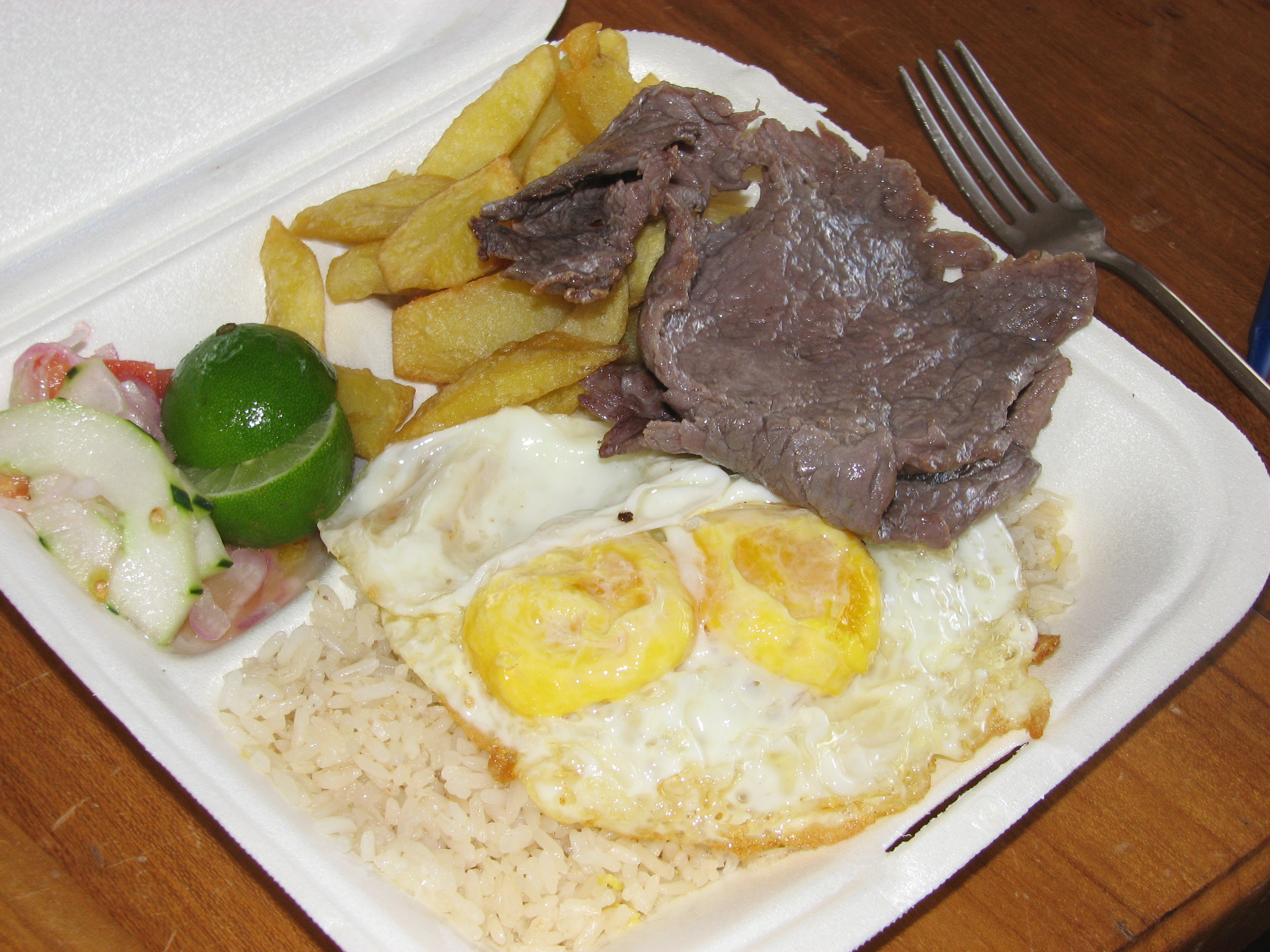
From the jungles of Ecuador to the suburbs of South Korea, I’ve been blessed to enjoy (and cursed to endure) all sorts of exotic foods. Fried leaf-cutter ants, stir-fried tapir meat, squid jerky, grilled squid, red bean ice cream—the list goes on and on.
If pressed, I’d probably name maracuyá juice as my favorite exotic fare. Maracuyá, also called passion fruit, is an ugly, often shriveled pomegranate-like fruit the size of a tennis ball. Despite its drab outer appearance and sour flavor, it makes an exquisite juice when prepared correctly.

My least favorite exotic fare might be kimchi, a popular dish in South Korea. I recorded my impression of kimchi in my novel. Here’s an excerpt:

The only thing I didn’t like was kimchi, a pungent dish consisting of cabbage soaked in some strong liquid (I suspected sulfuric acid) and fermented until its alcohol level equaled that of vodka. Had any of the kimchi fallen to the table, I would not have been surprised had the tablecloth caught fire.

While many MKs get to experience a vast range of unusual dishes, they miss out on a lot of treats most Americans take for granted: marshmallows, root beer and peanut butter cups, to name but a few. When my brothers and I were young, we viewed the United States of America not so much a country as the source of all the treats we couldn’t get in Ecuador.

There have been, I admit, certain exotic dishes I never had the opportunity to sample. I never tried cuy, an Andean specialty consisting of roasted guinea pig. I also missed out on chicha, a manioc- or corn-based alcoholic beverage popular in the jungles and highlands of Ecuador.

Someday, perhaps.

14. Shameless Self-Promotion

I want to be a writer. I’m studying to be an English teacher, and I’ll probably spend much of my life in a classroom, but writing is my true passion.

Why become an English teacher instead of a professional writer? It’s extremely difficult to make a living as a writer, particularly a writer of fiction. Most novelists have full- or part-time jobs. As much as I’d love to spend eight hours a day writing fiction, it’s probably not going to happen.

Even so, I do hope to become a novelist. I’ve finished a novel, a wry fantasy about an Oxford student who is summoned to another world by a magician who had been trying to summon a completely different person. The novel, The Trials of Lance Eliot, is currently in search of a publisher, like a ship drifting through stormy seas in search of a safe harbor.

I’m tremendously excited about my novel, but there’s something else I’m not excited about at all: self-promotion.

Publishers expect authors to promote themselves through websites, book signings, public readings and so forth. Most authors must sell themselves in order to succeed. That bothers me. I can’t claim to be a particularly humble person—the truth is that I struggle with vanity and conceit—but I can honestly admit to being a modest person. I don’t like making a fuss about myself, my writing or anything remotely connected with me.

A few months ago a friend sent me a link to a quirky online graphic novel titled Ratfist. (It’s a zany superhero comic with surprisingly profound philosophical themes; if you’re interested, you can check it out here.) The cartoonist, Doug TenNapel, comments on each page of the novel, and one of his statements made me stop and think.

“I have no problem with shameless self-promotion. It’s not for my good, it’s for you. I like making stuff. It’s not as fun to make stuff if people don’t see it. Entertainers entertain.”

This comment helped me see self-promotion from a different perspective. There’s not much point in making stuff (in my case, novels and blog posts) unless people see it. People won’t see it unless someone promotes it. No one else will promote it unless I pay them. Since I’m a poor college student, that leaves me with only two options: be modest and write stuff that few people will read, or promote myself and write stuff that more than a few people will read.

That said, I’m going to ask a favor of you. Yes, dear reader, you. I’d be honored if you’d give TMTF a shout out. Do you like the blog? Awesome! Let us know what you like about it! Do you think the blog is the worst thing since Rebecca Black’s music? Slightly-less-but-still-somewhat awesome! Let us know what you don’t like about it! Whether you mention TMTF on your blog, your Facebook page, your Twitter account or in some other way, the Typewriter Monkey Task Force and I would be very grateful.

I write TMTF to share my passion for the things I’m passionate about: the goodness of God, the eccentricity of gaming culture, the humor of everyday life and a thousand other things. The purpose of this blog is to impart hope or understanding or inspiration—or at the very least a healthy laugh—to someone who needs it. I’m really excited about TMTF and my other writing projects. But there’s not much point in writing unless someone actually reads it. As that Julian Smith guy from YouTube so often says, “I made this for you!”

So please consider giving TMTF a good word on your blog or Facebook page or Twitter account! Always feel free to comment on blog posts! (My typewriter monkeys love comments on their work.)

You are the reason I write, dear reader. Whether or not you choose to give this blog a mention, thank you for being awesome and giving me a reason to write.