297. TMTF Reviews: Resident Evil 5

There was once a survival horror game called Resident Evil 4, and lo, it was greatly praised. It played like a dream, thrilled like a nightmare, and was tons of fun. Critics adored it. Gamers enjoyed it. Even those of us who don’t like violent or scary games gave it a try and thought it was pretty fantastic.

Then its sequel, Resident Evil 5, was released. It met with disappointment and even outrage. It was accused of being uninspired, unoriginal, and—of all things—racist.

What can we say? Is RE5 an unappreciated classic, or is it bland, repetitive, and even offensive?
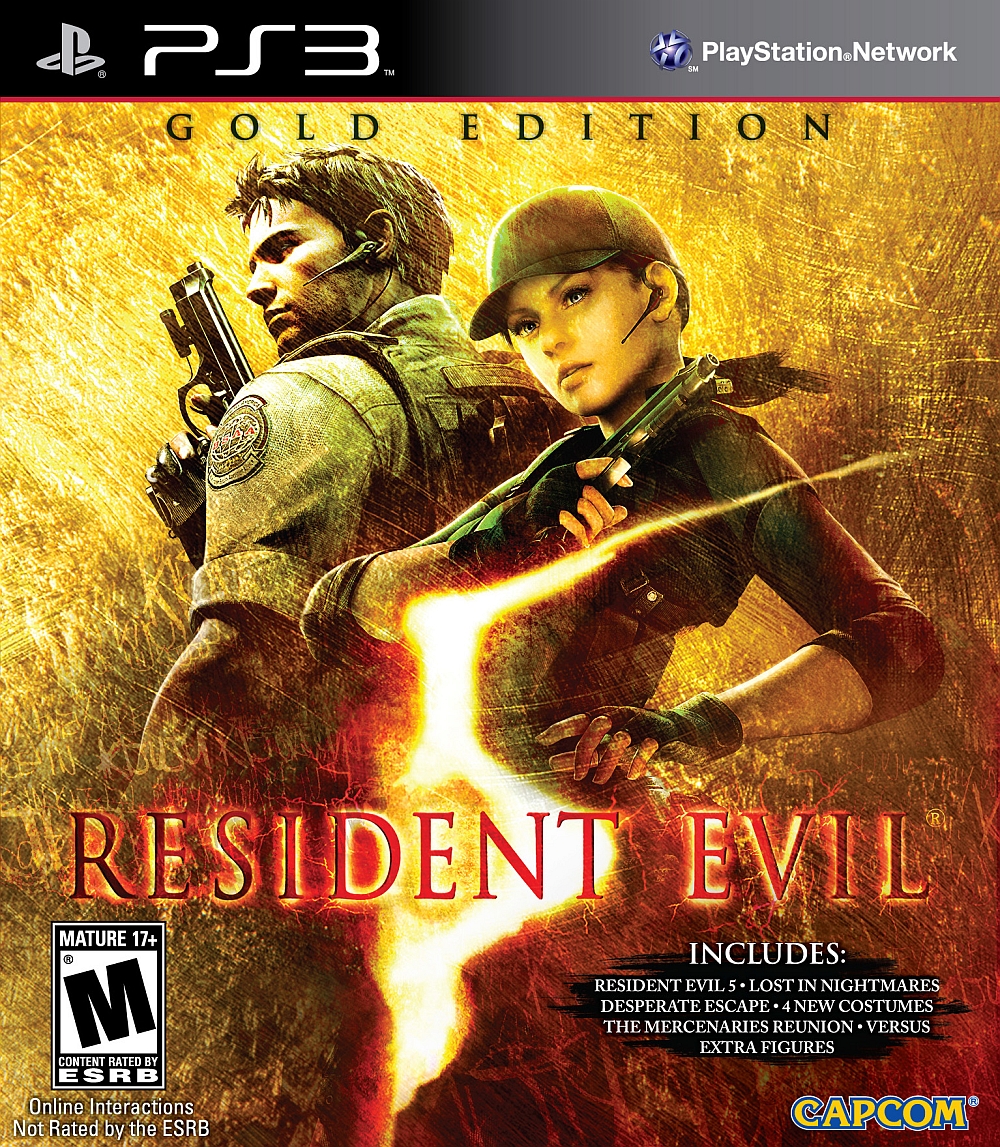
CAP-056 RE5 Gold Ed PS3_FOB_m03

Resident Evil 5 is campy, frustrating, insensitive, and… surprisingly excellent.

RE5 is the bloodstained, action-packed tale of Chris Redfield, an agent working for an organization devoted to stopping bio-terrorism. He is dispatched to an African country to investigate rumors of BOWs—Bio-Organic Weapons, monsters created through genetic tampering. Together with his ambiguously African partner, Sheva Alomar, Chris punches, shoots, and slices his way toward saving the world from megalomaniacal bio-terrorists.

There are a lot of good things to be said about this game. It’s violent—obviously—but also a lot of fun to play. The environments are brilliantly designed, aesthetically and mechanically: they look great, and they’re easy to navigate. Gameplay hasn’t changed much from RE4, which is a really good thing. The third-person, over-the-shoulder view makes exploring and shooting a breeze.

One of the things I liked best about the game was, oddly enough, reading about it. The game’s options include files containing background on the plot, characters, and enemies. These optional files delivered a lot of interesting information without burdening the game proper with long-winded exposition. Players wanting to immerse themselves in the story of RE5 can read these files; players wanting simply to shoot monsters in the face can play the game without tedious interruptions.

RE5 is fun to play, but not without its faults—many more, I’m sorry to say, than its remarkable predecessor. As long as we’re discussing a game set in Africa, we had better start with the elephant in the room.

Is RE5 racist?

During his mission in Africa, Chris, a white person, ends up shooting a bunch of black people. Granted, these Africans are BOWs infected with mind-controlling parasites, but it still seems awfully racist on the surface. It wouldn’t be so bad if Chris’s partner, Sheva, were unambiguously African. However, she’s light-skinned, speaks unaccented English, and seems more European.

Worst of all, at a few points in the game, the African BOWs dress in a primitive, tribal fashion. This is explained by a footnote—the parasites controlling these Africans cause them to revert to the customs of their distant ancestors—but this depiction of stereotypically savage African natives is the nastiest I’ve seen since Heart of Darkness.
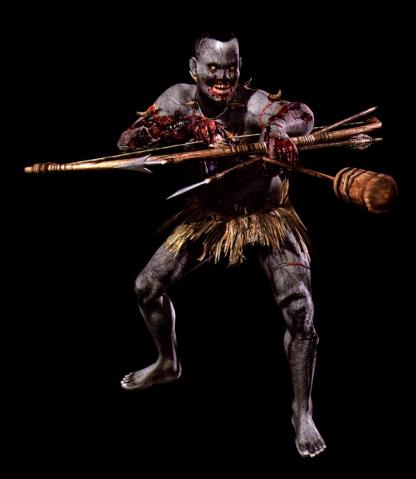
Not Culturally Sensitive

This is not culturally sensitive.

In the end, I think RE5 is not racist. Its enemies happen to be indigenous Africans in the same way the enemies in RE4 happen to be Spanish peasants. There’s no intentional prejudice. There is, however, staggering insensitivity. I’m astonished that apparently nobody on the development team of RE5 realized a game in which a white guy slaughters African natives might be controversial.

Besides concerns of racism, the story of RE5 is a bit campy and the dialogue is horrendous. This wouldn’t be so bad if the game didn’t take itself so seriously. RE4 was just as silly, but it had a sense of humor. Like Doctor Who or Metal Gear Solid, it was extremely kitschy, but also very self-aware. It had one or two absurd villains, some outrageous set pieces, and the ubiquitous merchant.

RE5 lacks those gleams of humor. Where RE4 allows itself to be funny and succeeds, RE5 tries to be grim and fails.

Mechanically, RE5 is not without faults. Chris’s computer-controlled partner, Sheva, can be useful or frustrating depending on the situation. As neat as it was to have a partner, I missed going it alone. Nearly every boss battle revolves around some gameplay gimmick, some unique trick to damage the boss, which is irritating. As much as I appreciate creative gimmicks, I would have liked a few bosses of the traditional, “shoot-them-till-they’re-dead” variety.

There are also so many quick time events. Oh… dear reader… there are so many. In moderation, quick time events can add tension to a game. In RE5, they are a frequent and unpardonable nuisance.

Last of all… Resident Evil 5 isn’t scary.

It’s a fine action game, but it ain’t survival horror. As a third-person shooter, it’s fun. As an entry in Capcom’s respected horror series, it completely misses its mark. The quick time events were pretty much the only things I feared or dreaded in RE5.

Should you play Resident Evil 5? My answer would be: play Resident Evil 4. If you like RE4, and can tolerate quick time events and cultural insensitivity, you’ll probably enjoy RE5. Otherwise, you may want to keep your distance.

Video Game Gospel Music

I’m no stranger to offbeat versions of the Lord’s Prayer, and I’ve heard plenty of a cappella video game music, but… whoa. I mean, whoa.

“Baba Yetu” is the theme of Civilization IV, a game I’ve never played in a series that has never interested me. I first heard this song when my older brother, who is definitely not a gamer, had me listen to it a few years ago.

The song is the Lord’s Prayer in Swahili, and it’s beautiful. This arrangement by Peter Hollens and Malukah, a couple of YouTube musicians, is fantastic. “Baba Yetu” made history a few years ago by being the first song written for a video game to win a Grammy.

I’ve heard enough 8-bit chiptunes and earsplitting dubstep in video games. What they need is more lovely gospel music!

296. A Superhero Debate

I hardly ever quarrel with people, but I once had a heated argument about the religious significance of superhero stories.

We can all agree that some superheroes have higher moral standards that others. Take Batman. Gotham City’s famous vigilante never takes a life. Sure, he shatters bones and causes millions in property damage, but he draws the line at killing people.

Batman will defend you against an army.

Batman will fight for your freedom and safety.

By contrast, consider Deadpool. Marvel’s maverick hitman will kill anyone for the right price, or if he’s bored, or because it’s Tuesday. He’s also a shameless pervert and enjoys blowing up stuff. He may save the day occasionally, but there’s no escaping the fact he’s a scoundrel.

Deadpool will kill you for a chimichanga.

Deadpool will kill you for a chimichanga.

Questions like these are easily answered. Batman is morally superior to Deadpool.

Within the superhero genre, there are many such questions of morality. Some superheroes are nobler than others. Some do what is right; others settle for doing what is “necessary.” Some are unrepentant jerks. We could argue about the morality of specific superheroes, but we face a much bigger question.

What about superheroes in general? What about the entire superhero genre, in which people find great power and accept great responsibility? (Thanks, Uncle Ben.) There’s surely no harm in silly stories of people who fight crime by shooting lasers from their eyes or turning into enormous green rage monsters, is there?

That was my thought, anyway. My opponent, whom I’ll call Socrates, disagreed.

He posited the idea that superhero stories represent humanity’s rebellion against God. Superheroes are faux messiahs: subconscious attempts of sinful human beings to shun divine redemption by redeeming themselves. Who needs Jesus Christ when we’ve got Batman? Superheroes are triumphs of secular humanism. The convoluted cosmologies of their universes leave no room for God.

Having rejected God, said Socrates, humankind created gods.

I disagreed.

I think there’s definitely something messianic in superhero stories, but I don’t believe they’re a rejection of the Messiah. Quite the contrary. Superhero stories are an acknowledgement that we need to be rescued. We need redemption. We need a messiah. Superheroes become, to echo the author of Hebrews, “copies of heavenly things” and “a shadow of the good things that are coming—not the realities themselves.” Batman becomes a symbol of Jesus Christ, not a replacement for him.

In superheroes, I said, humankind has not created idols to be worshiped, but icons pointing to worship of someone greater.

Socrates and I argued for some time, debating intensely and getting nowhere. In the end, a third person stepped in and mildly ended our quarrel by telling us to go to bed. It was for the best, I think. I hardly ever get into debates, but when I do I have a hard time letting them go.

The religious significance of superheroes provides an interesting question, really, and one worth answering.

What’s your take on superheroes? Are they good, bad, or just silly? Let us know in the comments!

295. In Defense of the Fist Bump

In my twenty-odd years, I’ve done some traveling and been immersed in many different cultures. It’s been fascinating to observe different customs for greetings, goodbyes, and displays of respect or affection.

In Ecuador, where I grew up, it’s common for men and women to greet each other with hugs or kisses on the cheek. Uruguay, where my parents work, can be a little more effusive: men often greet other men with cheek kisses. The US, where I currently reside, generally frowns upon such intimate displays of affection; waves and handshakes are the norm. In South Korea, where I spent a month teaching, slight bows are used to demonstrate respect or gratitude.

Yes, I’ve seen all kinds of greetings. Which is the best? My all-time favorite greeting, by far, is the gentleman’s gesture known as the fist bump.

The fist bump is quick, friendly, informal, and surprisingly healthy. Handshakes spread germs like nobody’s business. Besides, palms perspire and that’s gross. There’s also the discomfort that comes from knowing neither how hard to grip a hand nor for how long to hold it.

Hugs, especially with strangers or distant acquaintances, aren’t much better. Am I the only person who finds it awkward to press my body up against someone whom I don’t know well? It was also uncomfortable in Ecuador and Uruguay when people swooped in to kiss me.

I… actually have no criticisms for slight bows. I bow to people occasionally. It’s a pity bowing hasn’t caught on in the West.

Fist bumps are definitely my favorite greeting, though. They represent a kind of warm, casual friendliness while never getting too up close and personal. Fist bumps are quick, easy, and sanitary. As I work in a group home for gentlemen with disabilities—an environment in which no one washes his hands without being asked—fist bumps are an especially welcome alternative to handshakes.

If you ever happen to run into me, dear reader, feel free to give me a fist bump.

The Darker Side of Toy Story

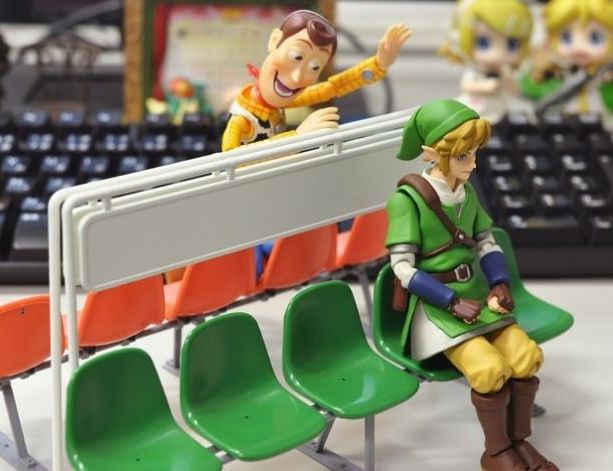
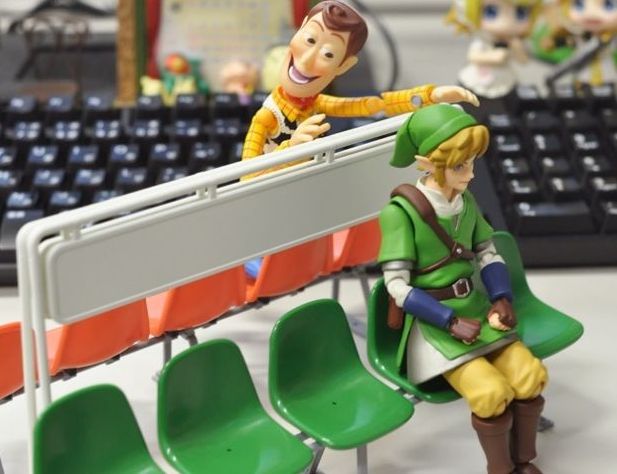
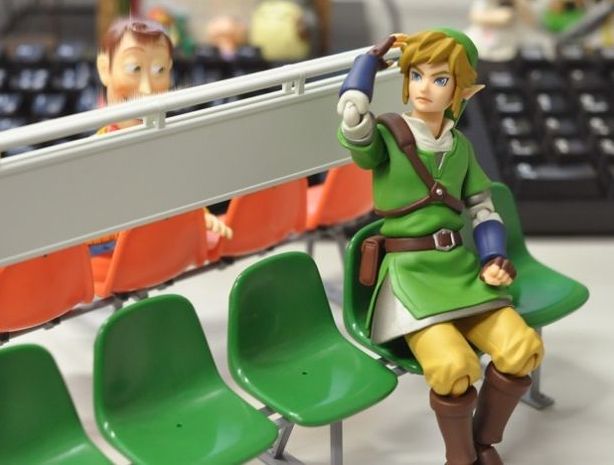
Meet Creepy Woody

Who would make a toy like this? This is a genuine, honest-to-goodness toy. Who on God’s green earth thought giving a classic Pixar character that perverted expression was a good idea? This is one Woody I’m really, really thankful won’t ever come to life when I’m not looking.

As much as I like the Toy Story movies, I’m glad toys don’t have secret lives of their own. We just assume toys would be well-behaved, but what guarantee is there of that? What’s to say some of them wouldn’t be misanthropic jerks?

Creepy Woody #1

Creepy Woody #2

Creepy Woody #3

I rest my case.

294. The God Who Hides

I’ve been rereading Exodus lately. It’s really boring.

Sure, the book of Exodus has its exciting bits. The book’s first half tells the story of Moses, and how God worked through him to rescue Israel from its slavery in Egypt. It’s an engaging story: the Lord strikes Egypt with all kinds of interesting disasters, and Moses’s standoff with Pharaoh gets pretty heated.

Moses and the Israelites end up in the desert next to a mountain called Sinai, and that’s where things grind to a halt. God, who appears to the Israelites as a cloud, retreats to the mountaintop. After laying out a bunch of societal regulations for Israel, God commands Moses to climb Sinai in order to receive… more rules and instructions.

I won’t go into more details because, honestly, they’re rather tedious. Besides those details, however, something stands out to me from the second half of Exodus.

God keeps his distance.

At Sinai, God gives the Israelites very specific instructions to avoid the mountain. Only Moses is permitted to climb to its summit, and even then he isn’t allowed to see God’s full glory.

Then the Lord said, “There is a place near me where you may stand on a rock. When my glory passes by, I will put you in a cleft in the rock and cover you with my hand until I have passed by. Then I will remove my hand and you will see my back; but my face must not be seen.” (33:21-23)

From all Israel, God’s chosen nation, only one man gets a brief, incomplete glimpse of God. It’s pretty much the closest anyone comes to seeing the Lord in the Old Testament. Sure, God makes a few appearances here and there, but he mostly seems to run things from behind the scenes. Only a few priests are allowed anywhere near God’s presence in his places of worship. Just a handful of leaders and prophets ever glimpse him.

I have often wondered why God seems so distant—especially in our own skeptical, pluralist, postmodern age. The silence of God troubles me greatly, and faith sometimes seems foolish. Is it fair for God to demand obedience and fealty without providing irrefutable evidence of his existence?

I don’t know. Is it okay to admit that? I really don’t know.

Maybe God keeps his distance because we can’t handle the full measure of his power and holiness. That view certainly finds support in the Old Testament. (It’s also supported by the scene in Raiders of the Lost Ark in which God’s glory fries a bunch of Nazis, but Indiana Jones movies might not be the best resource for theological speculation.) It’s possible that God hides because faith, “being sure of what we hope for and certain of what we do not see,” is a virtue he values highly. If God were obvious, faith would not be possible.

It’s worth pointing out that after seeming largely absent in the Old Testament, God showed up in the New Testament in the person of Jesus Christ. The Lord Jesus didn’t keep his distance. Heck, he spent much of his time with the sort of people no one else would go near. Christ touched lepers and chatted with floozies. He was as close and immediate as God had previously seemed distant and unapproachable.

I’m comforted by some of Christ’s final words as he hung dying on a cross. He said, “My God, my God, why have you forsaken me?”

These few words reveal something I find almost unbelievable: even Jesus Christ was troubled by the seeming distance and silence of God. I don’t get it. I don’t understand why God seems so far away. Apparently—at that moment—neither did his Son.

Some of my questions may never be answered, but I’m far from the only person asking, and that gives me hope.

293. Adam Turns into the Hulk and Rants about Internet Ads

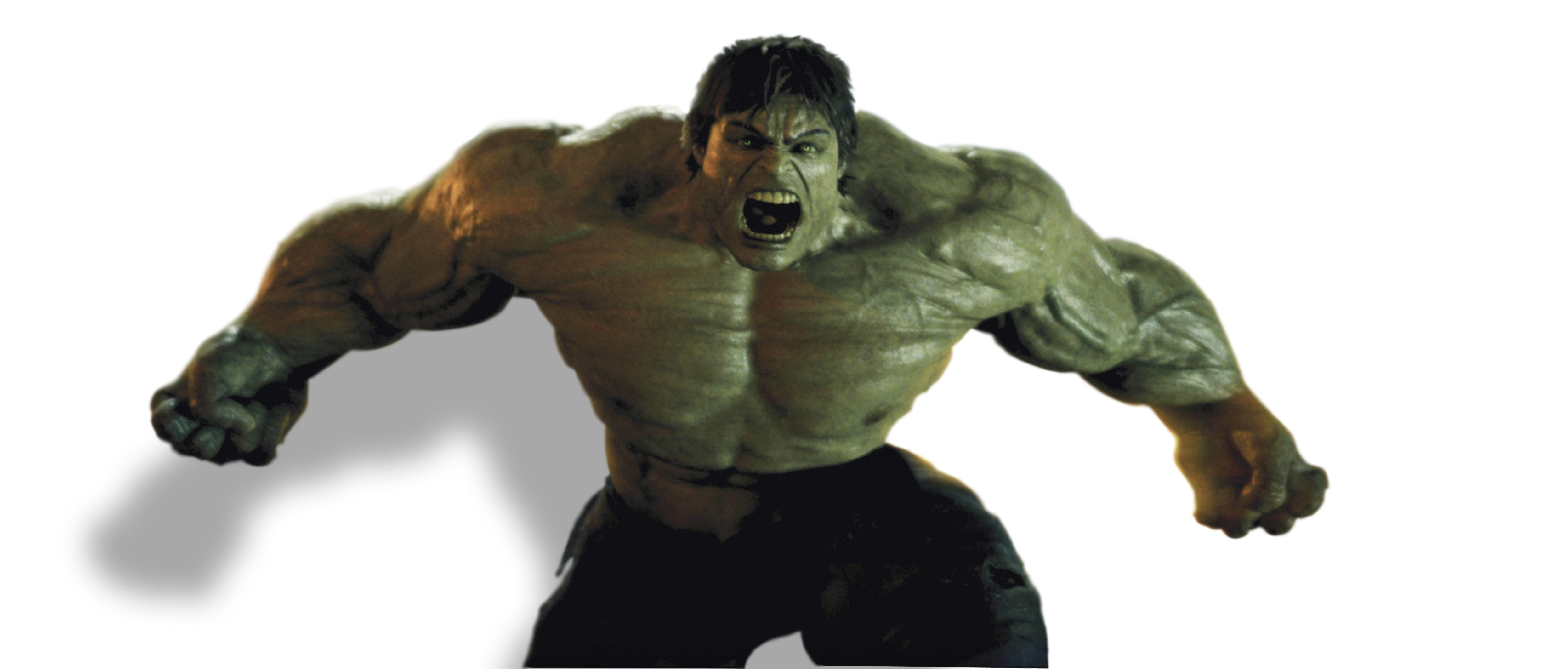
Caution: This blog post contains furious ranting. Sensitive readers, and readers averse to things being smashed, are advised not to continue.

Life is full of necessary evils: taxes, dentists, and spinach, to name just a few. Of all these necessities, none are more evil than advertisements. Billboards are an eyesore and television commercials a nuisance, but Internet ads are the worst.

Yes, I understand the necessity of advertisements. Websites, blogs, and email services don’t pay for themselves. I appreciate these services, and I’m thankful to use them for free, but some of the ads they throw at me are abominably bad.

These adverts are misleading, intrusive, insulting, offensive, or simply so stupid as to be painful. They make me angry, and it ain’t pretty when I’m angry. Internet ads are such a blasted bother!

They’re terrible… make me sick… I really don’t feel well… stupid ads… I… I…

BLOG SMASH!

FREAKING ADS. SMASH! SMASH THEM ALL!

HULK HATE ADS. HULK HATE THEM ALL!

WELL, HULK THINK SOME ADS OKAY. SOME ADS CLEVER OR FUNNY. THESE ADS NOT BAD. HULK APPRECIATE TIME, EFFORT, AND CREATIVITY PUT INTO THEM.

(HULK NOW USE OXFORD COMMA. YOU NOTICE? HULK THANKS ALL WHO CHIMED IN ON GRAMMAR DEBATE!)

A FEW ADVERTS OKAY, BUT MANY INSULT HULK, LIKE SHADY ADS PROMISING HIGHER TESTOSTERONE, LARGER PENIS, EASY WEIGHT LOSS, OR BIGGER ABS. (HULK ALREADY HAVE BIG MUSCLES. NO NEED BIGGER ABS!) SUCH ADS ARE BLATANTLY FALSE ADVERTISING AND SHOULD BE SMASHED.

ON SUBJECT OF DISHONEST ADVERTISING, HULK HATE ADS DISGUISED AS COMPUTER UPDATES. SNEAKY ADS SAY THINGS LIKE “Click here to update Windows!” OR “Important updates are ready for download!” BUT ARE OBVIOUS FAKES. WHERE THEY LEAD? VIRUSES? PORN? HULK NOT WANT TO KNOW.

SOME ADS INTRUSIVE. WHEN HULK GO TO EMAIL OR NEWS SITE, AD SOMETIMES EXPAND TO TAKE UP WHOLE SCREEN. HULK MUST STOP, SEARCH FOR TINY “Close” ICON, AND SHUT WRETCHED AD.

ADVERTISEMENTS DESERVE SPACE ON INTERNET. HULK CONCEDE THAT. BUT ADS NOT WELCOME TO TAKE OVER HULK’S COMPUTER SCREEN. IT’S INAPPROPRIATE AS SALESPEOPLE BARGING INTO HULK’S HOME.

AND SOME ADS HAVE “Tweet” OR “Post to Facebook” OPTIONS. WHY WOULD HULK INFLICT ADS ON OTHER PEOPLE? HULK DISGUSTED BY COMPANIES WITH AUDACITY TO ASK HULK TO PROMOTE THEIR PRODUCTS FOR FREE. HULK NOT PAID TO ANNOY PEOPLE WITH ADS.

ADS DON’T HAVE TO INTRUDE TO GET MESSAGE ACROSS.

AND THAT MESSAGE CAN BE AWFUL. FOR EXAMPLE, FACEBOOK GIVE HULK ADS FOR SHADY “Adult game—18+ Years only!” BROWSER GAMES, ADS PLASTERED IN PICTURES OF BIG-BREASTED GIRLS IN DEGRADING POSES AND SILLY LINGERIE.

WHY DO INTERNET ADS ASSUME HULK IS VOYEUR OR PERVERT? WHY DO ADS DISRESPECT WOMEN AND ASSAIL HULK WITH SOFT PORN?

INDIGNANT HULK IS INDIGNANT.

LOOK, HULK KNOW ADS NECESSARY. HULK UNDERSTAND, BUT CAN’T INTERNET HAVE QUALITY CONTROL? CAN’T REPUTABLE WEBSITES RESPECT THEMSELVES AND VISITORS ENOUGH TO RESTRICT SLEAZY, DISHONEST, INTRUSIVE, MISLEADING, OR POTENTIALLY DANGEROUS ADVERTISING?

DOES MONEY MEAN MORE TO INTERNET THAN SAFETY AND DIGNITY OF HUMAN BEINGS?

HULK PLEAD WITH INTERNET. PLEASE. PLEASE BE RESPONSIBLE IN MONITORING, APPROVING, AND DISPLAYING ADVERTISEMENTS.

HULK OUT!

I… ugh, I have a headache, and my room is a mess. Did I just have another Hulk episode, or are my typewriter monkeys to blame? You know, I’m going to blame my monkeys for this one. Freaking primates.

Heavy Metal Disney Music

I feel like I’ve posted a lot of Disney music lately, and all of it has been “Let It Go.” While it’s certainly a great song, “Let It Go” is hardly Disney’s best. Walt Disney Animation Studios has produced dozens of films, and some of them have really rocking soundtracks. Alan Menken, a longtime Disney composer, has won, like, eight Academy Awards.

Yes, Disney has some great music, and it’s time for TMTF to move the spotlight from “Let It Go” to the one Disney song I think we can all agree is the very best.

I speak, of course, of “I’ll Make a Man Out of You” from Mulan.

All right, maybe this song isn’t Disney’s absolute best, but it’s certainly my favorite. I loved it when I saw the movie as a kid, and I love it fifteen years later. I wasn’t planning on showcasing more Disney music on TMTF any time soon, but dang if this isn’t the most epic cover of a Disney song I’ve ever heard.

292. Why I Failed as an Author

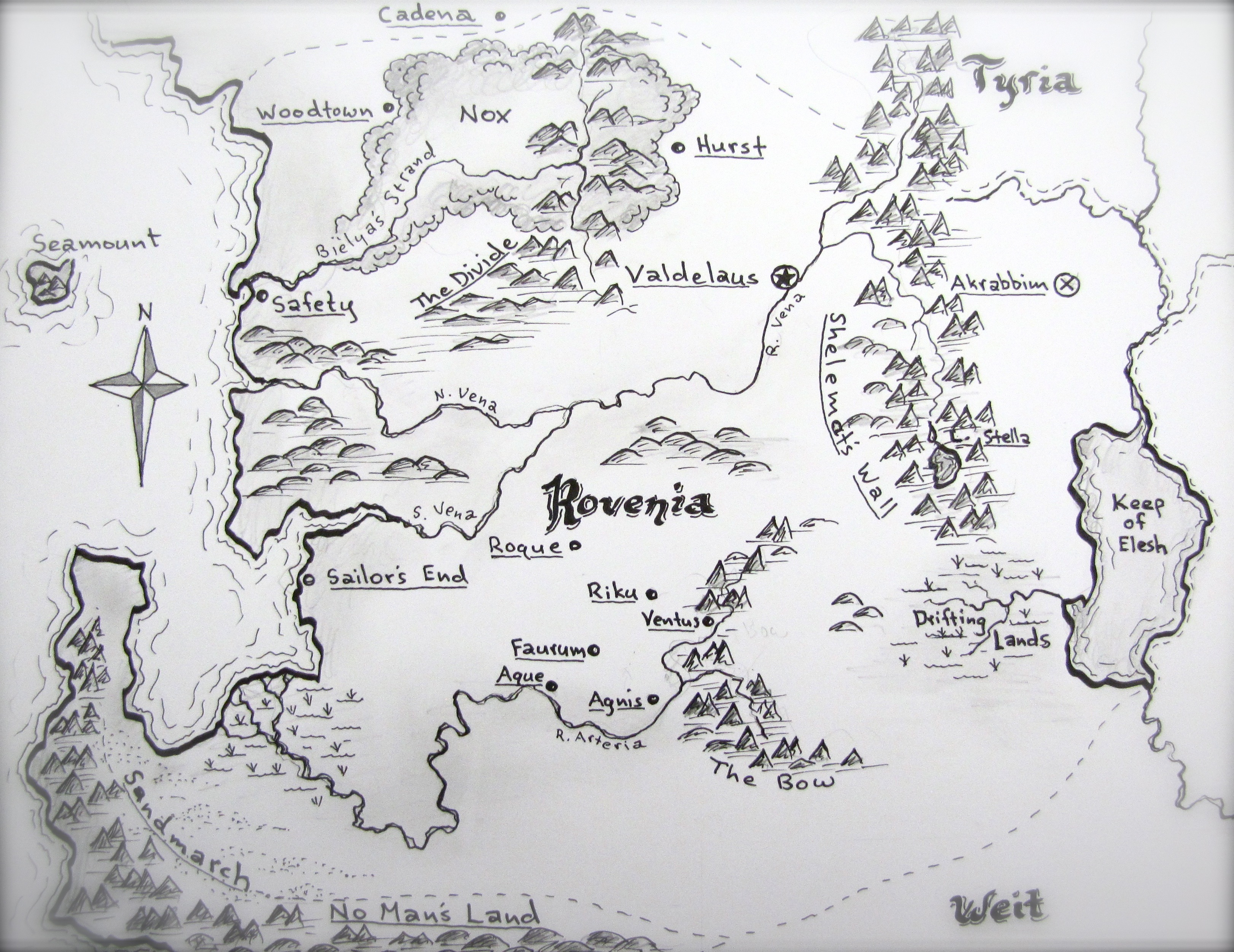
A number of days ago, I noticed a map on my bedroom wall.

Rovenia

I have several maps in my room besides this one: a map of the world, a map of Middle-earth, and a map of Skyrim that was a gift from someone at work. This one, a map of Rovenia, was lurking above my window. I’d nearly forgotten it was there.

What’s that? You’ve never heard of a place called Rovenia? Of course you haven’t, because I made it up.

Rovenia was the setting for a novel titled The Trials of Lance Eliot, the first book of a planned trilogy. I published it about two years ago—a little less than a year after buying typewriter monkeys (what a mistake!) and starting this blog.

Fifteen months later, I pronounced Lance Eliot dead. My short, stressed career as an author was ended.

I may pick up The Eliot Papers sometime. Lance Eliot’s story is certainly one I want to finish. At the moment, however, I don’t think it’s terribly likely. I’m busy enough with work and blogging and all the responsibilities that come from being a grownup.

My map of Rovenia set me thinking about why I failed as an author. I came up with a few reasons, which I toss out today as friendly warnings to all the aspiring authors out there. Don’t make my mistakes. Learn from them, and rise to success!

I didn’t do my research

When I took my first few, tentative steps into the publishing industry, I had absolutely no idea of what I was doing. My ideas of what it meant to publish a book and be an author were hopelessly naïve. A little research would have saved me a lot of time, effort, and discouragement.

I didn’t use my real name

When I began working on The Eliot Papers, I had the romantic notion of using a pen name. It was part of an elaborate frame story for the novels, in which Lance Eliot’s “memoirs” were “discovered” by an “editor,” who published them in the guise of fiction. It wasn’t a terrible idea—Lemony Snicket did pretty much the same thing—but it had one fatal flaw. Without a major publisher to market my book for me, I had to use my real name to promote it. Using both a real identity and an assumed one during the book’s release was a headache, and probably confused people.

I didn’t promote my book effectively

Oh, how I tried to promote The Trials of Lance Eliot. It had its own blog. I had an author page on Facebook and account on Goodreads. Readers submitted reviews, which I shared. It wasn’t enough. Looking back, I realize I should have done more: book blog tours, giveaways, submitting the book to more reviewers, and perhaps even setting up readings in the local library.

I didn’t set realistic goals

As I worked on the manuscripts for The Eliot Papers, I expected way too much of myself. I set impossible deadlines and tried to juggle my book, this blog, a full-time job, and a handful of other projects. There was no way I could do it all.

I didn’t work far enough ahead

When I published The Trials of Lance Eliot, I had written a few chapters of its sequel. Those chapters are pretty much all I have written. After the first book came out, I was far too busy promoting it and writing this blog to work on a sequel. I should have finished, or at least nearly finished, my manuscripts for the entire trilogy before publishing the first part. It would have allowed me to market the book without diverting some of my time and energy to its sequels.

I didn’t plan time for writing

It was a mistake to think I could make steady progress on a book and a blog. This blog has deadlines. My book didn’t. Guess which one was neglected! I also dabbled in a few other personal projects, none of which succeeded. Those could have waited—the book should have taken priority.

I did buy typewriter monkeys

I blame my monkeys for all of my failures. All of them.

Do I regret trying to be an author? No. What I regret is doing it so badly. All the same, the years I put into writing and publishing The Eliot Papers gave me much invaluable experience as a writer and editor. It also taught me lessons about managing my time, setting reasonable goals, and enjoying creativity for its own sake.

If any of my dear readers are writing books or hoping to become authors, keep going! Don’t give up!

Just don’t make my mistakes… and don’t ever buy typewriter monkeys.

291. TMTF’s Top Ten Books You Should Probably Read

I love recommending books. This temptation, common to bookish people, seizes me occasionally. I am tempted today beyond what I can bear; there is no way out of this temptation so that I can endure it. That said, here are ten books I think everyone in the world should read.

This list is a mix of great classics, personal favorites, and books with widespread cultural impact. This is not a definitive list of ten books everyone absolutely must read, nor is it a list of my ten all-time favorites. These are simply ten recommendations for the average reader.

Let’s get bookish, ladies and gentlemen, as TMTF presents…

The TMTF List of Top Ten Books You Should Probably Read!

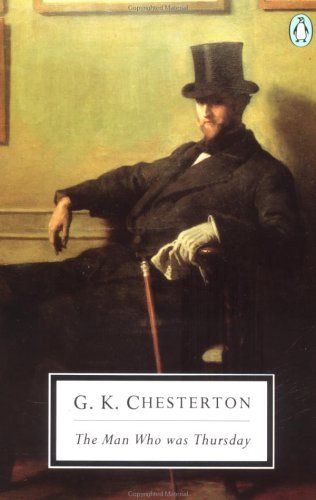
10. The Man Who Was Thursday by G.K. Chesterton

The Man Who Was Thursday

The Man Who Was Thursday is either a gripping spy thriller set in Edwardian era London, or else an eloquent reflection upon the silence of God and the meaning of pain. Either way, it’s fantastic. The dialogue is clever, the plot has some astonishing twists, and the whole book is drenched in intrigue and melancholy romanticism. It’s Thursday himself who says, “Always be comic in a tragedy. What the deuce else can you do?” This desperate courage, along with brilliant surprises and unexpected philosophical depth, make The Man Who Was Thursday a classic.

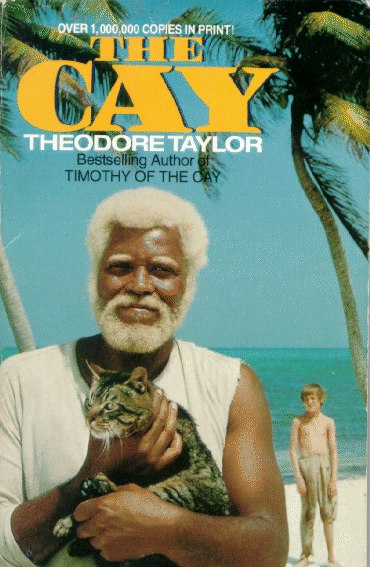
9. The Cay by Theodore Taylor 

The Cay

This book made a strong impression on me as a child. On the surface, The Cay is an exciting tale of survival: the story of a privileged white boy and a poor black man stranded together on a deserted island. A closer look at The Cay reveals themes like bigotry, sacrifice, loss, and cultural differences, all handled with disarming frankness and simplicity. The Cay is a quick, easy read, and a book well worth reading.

8. The Memoirs of Sherlock Holmes by Arthur Conan Doyle

The Memoirs of Sherlock Holmes

Everyone should read this book because freaking Sherlock Holmes. He is the archetypical crime-solver and one of the most famous characters in fiction. The Holmes stories are worth reading if only to understand their cultural impact… and they’re also pretty fun to read. The Memoirs of Sherlock Holmes is a collection of some of the best. While I personally prefer Chesterton’s Father Brown mysteries, there’s no denying the significance or excellence of Sherlock Holmes.

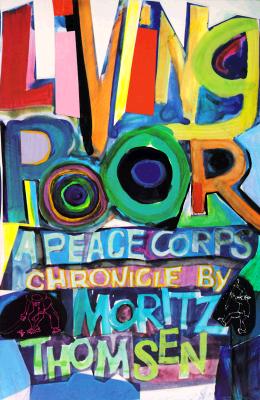
7. Living Poor by Moritz Thomsen

Living Poor

Living Poor is a memoir of Moritz Thomson, a man described as “the finest American writer you’ve never heard of.” After joining the Peace Corps, Thomson found himself living in a remote coastal village in Ecuador. His account of living poor is powerfully written, with jabs of wry humor punctuating a tone of bitter resignation. I grew up in Ecuador, so Thomson’s descriptions of its people and places strike a special chord with me. For all readers, whatever their circumstances, Living Poor is not only a heartrending glimpse of an impoverished community, but a look at the universal problems of poverty, depression, and helplessness.

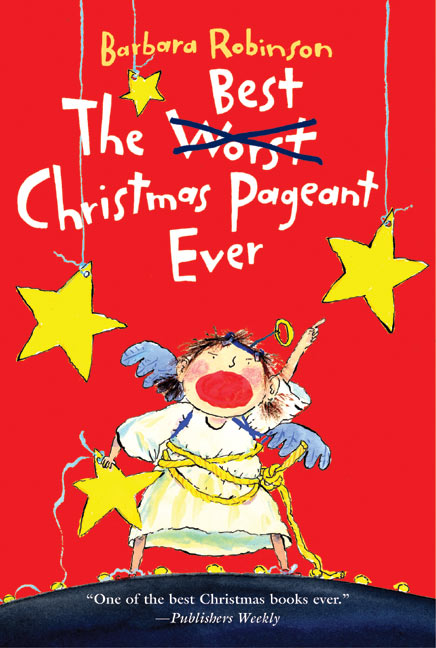
6. The Best Christmas Pageant Ever by Barbara Robinson

The Best Christmas Pageant Ever

Like The Cay, this children’s classic is disarming in its brevity and simplicity. The Best Christmas Pageant Ever is the delightfully funny story of the Herdmans, “the worst kids in the history of the world,” and their unexpected takeover of a church’s Christmas pageant. The book is hilarious. The Herdman kids respond to the Christmas story with suspicion, awe, and curiosity. Not only does this give readers plenty of laughs, but also a fresh, new perspective on an old, tired holiday. The Best Christmas Pageant Ever is two parts funny, one part poignant, and all parts wonderful.

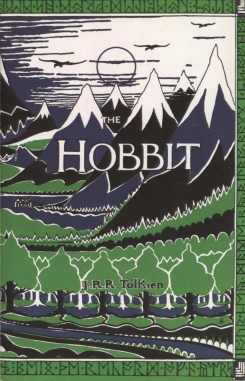
5. The Hobbit by J.R.R. Tolkien

The Hobbit

I mentioned earlier that the Sherlock Holmes stories are worth reading for their cultural impact. The Lord of the Rings is important in exactly the same way. It didn’t invent the fantasy genre, but it sure as heck defined it. While The Lord of the Rings is an amazing work of fantasy, it’s also slow-paced and really long. The Hobbit is a much quicker read: a simpler adventure that shows off Tolkien’s remarkable world and sows the seeds for the bigger tale told in The Lord of the Rings. The story of Bilbo Baggins and his epic journey “there and back again” is a charming read. I can think of no better introduction to the fantasy genre.

4. Silence by Shūsaku Endō

Silence

Silence is the story of a Portuguese Jesuit sent to seventeenth-century Japan, and also one of the most heartbreaking books I’ve ever read. The novel deftly changes perspectives partway through as it follows Sebastião Rodrigues in his journey from religious zeal to anguished perplexity at God’s silence. Silence is not only an elegy on the silence of God, but also a fascinating look at how cultures and their values conflict—much like Things Fall Apart by Chinua Achebe, another book I considered for this list. It’s not a fun or easy read, but Silence is a book to challenge the mind and the heart.

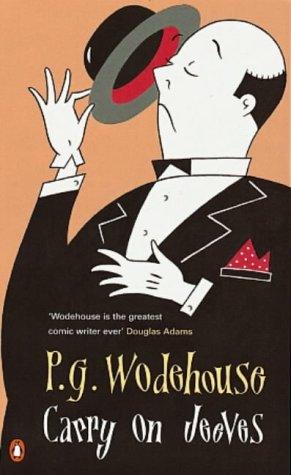
3. Carry On, Jeeves by P.G. Wodehouse

Carry On, Jeeves

This is not a particularly deep book, and it doesn’t have to be. It’s a collection of Jeeves and Wooster stories by P.G. Wodehouse. Really, what higher praise can there be? The book introduces two of Wodehouse’s most enduring characters, bumbling Bertie Wooster and his nigh-omniscient valet Jeeves, in a series of stories penned with Wodehouse’s effortless humor, aplomb, and British wit. Wodehouse’s work belongs on any list of recommended books, and Carry On, Jeeves is a fine place to start.

2. To Kill a Mockingbird by Harper Lee

To Kill a Mockingbird

Many of my dear readers probably had to read this book for school, which is kind of a shame. Nothing sucks the fun out of books like being forced to read them. There’s a reason this one is read so widely in schools—it’s absolutely fantastic. Everything about the book is excellent, from the setting to the characters to its skillful handling of themes like racism, class divides, and the loss of innocence. Like Mark Twain’s Adventures of Huckleberry Finn, another novel that nearly made this list, To Kill a Mockingbird is one of the great classics of Western literature. If you’ve never read this book, read it. If you were forced to read it for school, give it another chance.

1. The Bible

Holy Bible

Along with Greco-Roman mythology, the Bible is the foundation of Western literature. Its cultural and literary impact over two millennia is literally incalculable. The Bible is packed with history, poetry, and philosophy that have inspired people and shaped societies. As literature, the Bible is a little uneven—the Psalms are much better reading than, say, Leviticus—but the work as a whole is an incredible wealth of wisdom, truth, and beauty.

O people of the Internet, what are your top book recommendations? Let us know in the comments!